Over a year ago, I published a 30,000+ word essay on the topic of Islam and human evolution. This was largely driven by my frustration with the state of Muslim discourse on the topic.
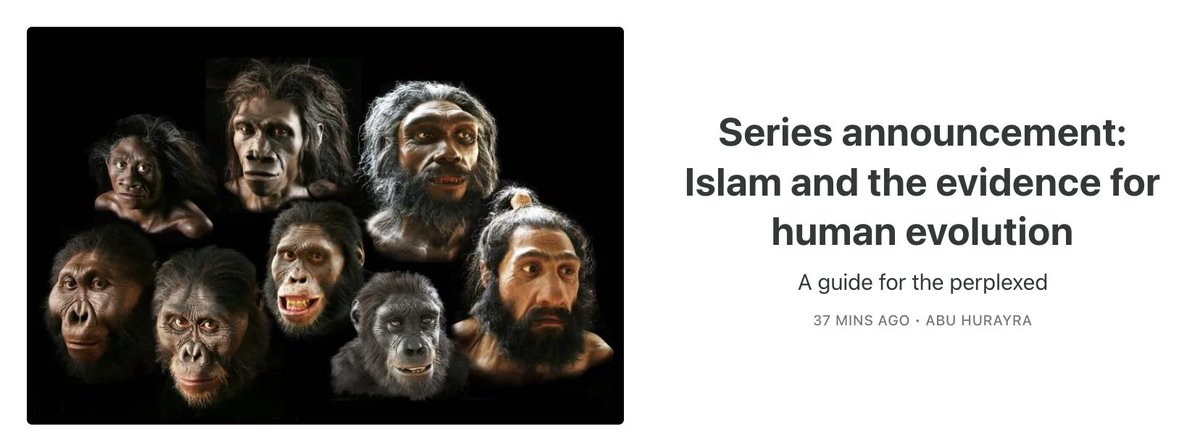
Now, I'll be publishing a detailed, accessible blog series on the same topic—hopefully in simple English.
Link:
Here's my pitch. 🧵 (1/5)islamandscience.substack.com/p/series-annou…
Now, I'll be publishing a detailed, accessible blog series on the same topic—hopefully in simple English.
Link:
Here's my pitch. 🧵 (1/5)islamandscience.substack.com/p/series-annou…
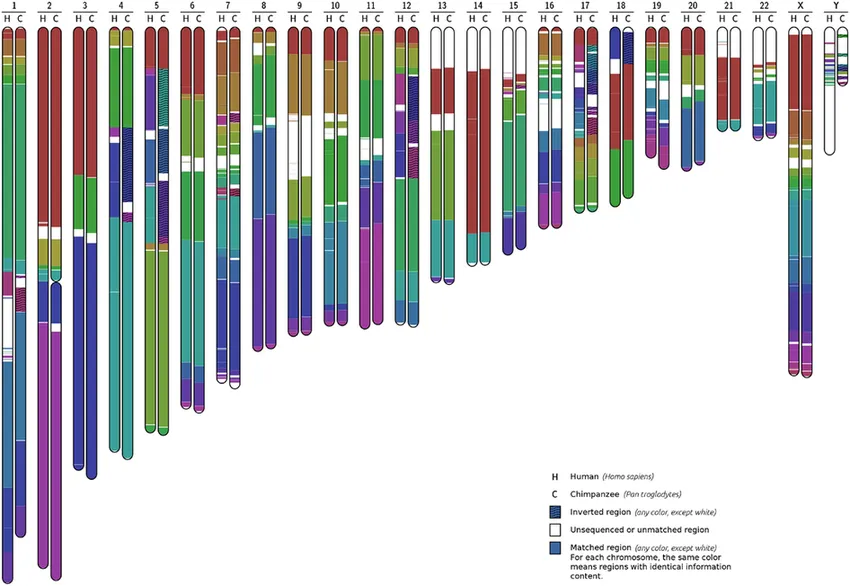
According to mainstream scientific consensus, there's an overwhelming amount of evidence for human evolution—data from comparative anatomy, genetics, fossil record—all converge on the general idea that modern humans shared a common ancestor with chimpanzees, other great apes, and earthly biodiversity at large.
And yet, in the face of this, Muslims generally believe modern humans were created from a single couple, who came about via an act of supernatural creation. These original pair had no parents—much less shared ancestry with animals.
How do we, as Muslims, address this challenge? (2/5)
And yet, in the face of this, Muslims generally believe modern humans were created from a single couple, who came about via an act of supernatural creation. These original pair had no parents—much less shared ancestry with animals.
How do we, as Muslims, address this challenge? (2/5)
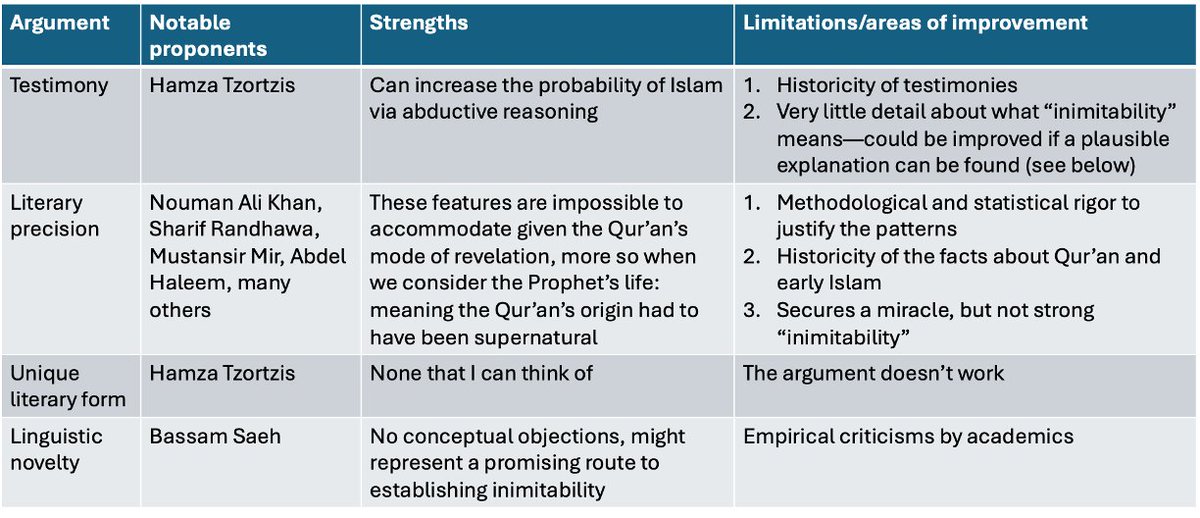
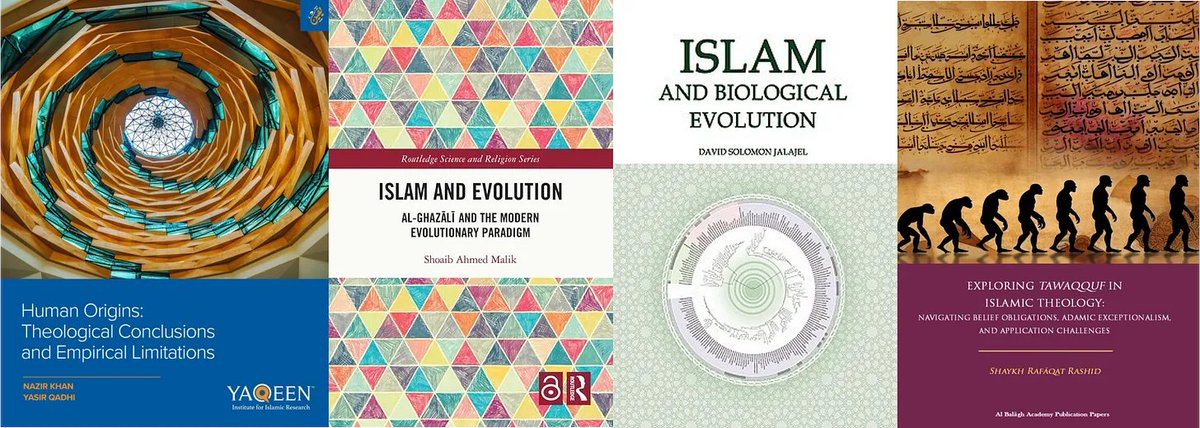
A lot has been written on evolution and Islam. See the figure below for a sampling.
However, I realized that none of these treatments—including recent ones—came even close to addressing what I think is the singularly important challenge: the evidence for human evolution.
Part of this was the authors' lack of expertise, which led them to not fully grasping what the evidence is.
The most pressing challenge in the field of Islam and science—perhaps the one that epitomizes the conflict between tradition and modernity.
The challenge high school students are exposed to, that pre-med kids come across.
There seemed to be no good material on this topic. (3/5)
However, I realized that none of these treatments—including recent ones—came even close to addressing what I think is the singularly important challenge: the evidence for human evolution.
Part of this was the authors' lack of expertise, which led them to not fully grasping what the evidence is.
The most pressing challenge in the field of Islam and science—perhaps the one that epitomizes the conflict between tradition and modernity.
The challenge high school students are exposed to, that pre-med kids come across.
There seemed to be no good material on this topic. (3/5)
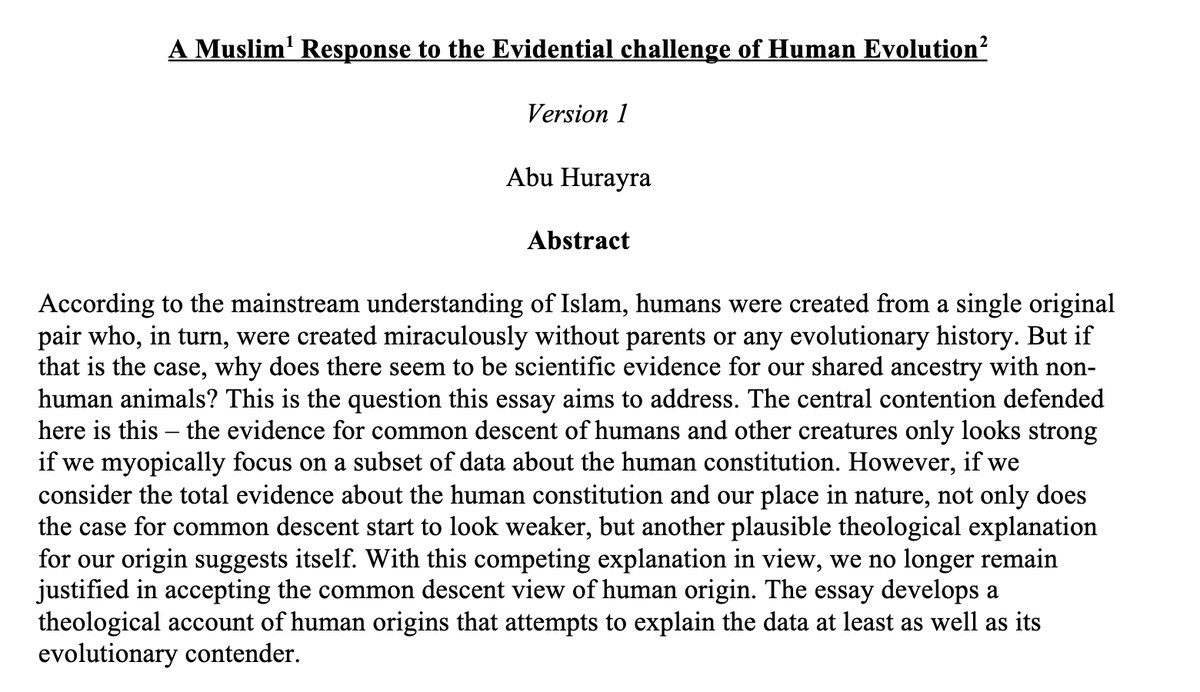
In my essay, I argue for the following thesis:
"When looking at the totality of the evidence, the Islamic creation model explains the data surrounding human origins just as well, if not better, than a common ancestry model."
I defend this thesis by carefully developing an Islamic creation model, one that incorporates recent work in natural theology and philosophy of religion. In the process, I also evaluate and integrate what Muslim and Christian authors have said on the topic.
I don't do this by ham-handed appeals to philosophy of science, or by conspiratorially denying scientific data, or by going for non-standard, heterodox interpretations of scripture.
Here's the link to the original essay, in case you're curious - academia.edu/104895405/A_Mu… (4/5)
"When looking at the totality of the evidence, the Islamic creation model explains the data surrounding human origins just as well, if not better, than a common ancestry model."
I defend this thesis by carefully developing an Islamic creation model, one that incorporates recent work in natural theology and philosophy of religion. In the process, I also evaluate and integrate what Muslim and Christian authors have said on the topic.
I don't do this by ham-handed appeals to philosophy of science, or by conspiratorially denying scientific data, or by going for non-standard, heterodox interpretations of scripture.
Here's the link to the original essay, in case you're curious - academia.edu/104895405/A_Mu… (4/5)
While the essay has received a lot of views, peer reviews have been rare (@Evollaqi's thread on the topic is one exception). I suspect the length, the challenging nature of the content, and the less-than-optimal organization of the essay were all contributing factors.
To remedy this, I have now decided to write a long but accessible blog series on the topic, where I'll analyze the problem, evaluate existing solutions, and defend the Islamic creation model at length.
I suspect a lot of the series will also involve rants against other popular treatments on the topic—which is always fun.
Here's the link, once again - islamandscience.substack.com/p/series-annou… (5/5)
To remedy this, I have now decided to write a long but accessible blog series on the topic, where I'll analyze the problem, evaluate existing solutions, and defend the Islamic creation model at length.
I suspect a lot of the series will also involve rants against other popular treatments on the topic—which is always fun.
Here's the link, once again - islamandscience.substack.com/p/series-annou… (5/5)
• • •
Missing some Tweet in this thread? You can try to
force a refresh