The Emergency Episode of Mahalaya, 🧵When even Mahanayak's charisma fell flat!
During the 1975–77 Emergency rule, the Govt. attempted to revamp a long-standing Bengali tradition. The repercussions were severe. A detailed discourse on controversial Mahalaya broadcast of 1976!
During the 1975–77 Emergency rule, the Govt. attempted to revamp a long-standing Bengali tradition. The repercussions were severe. A detailed discourse on controversial Mahalaya broadcast of 1976!
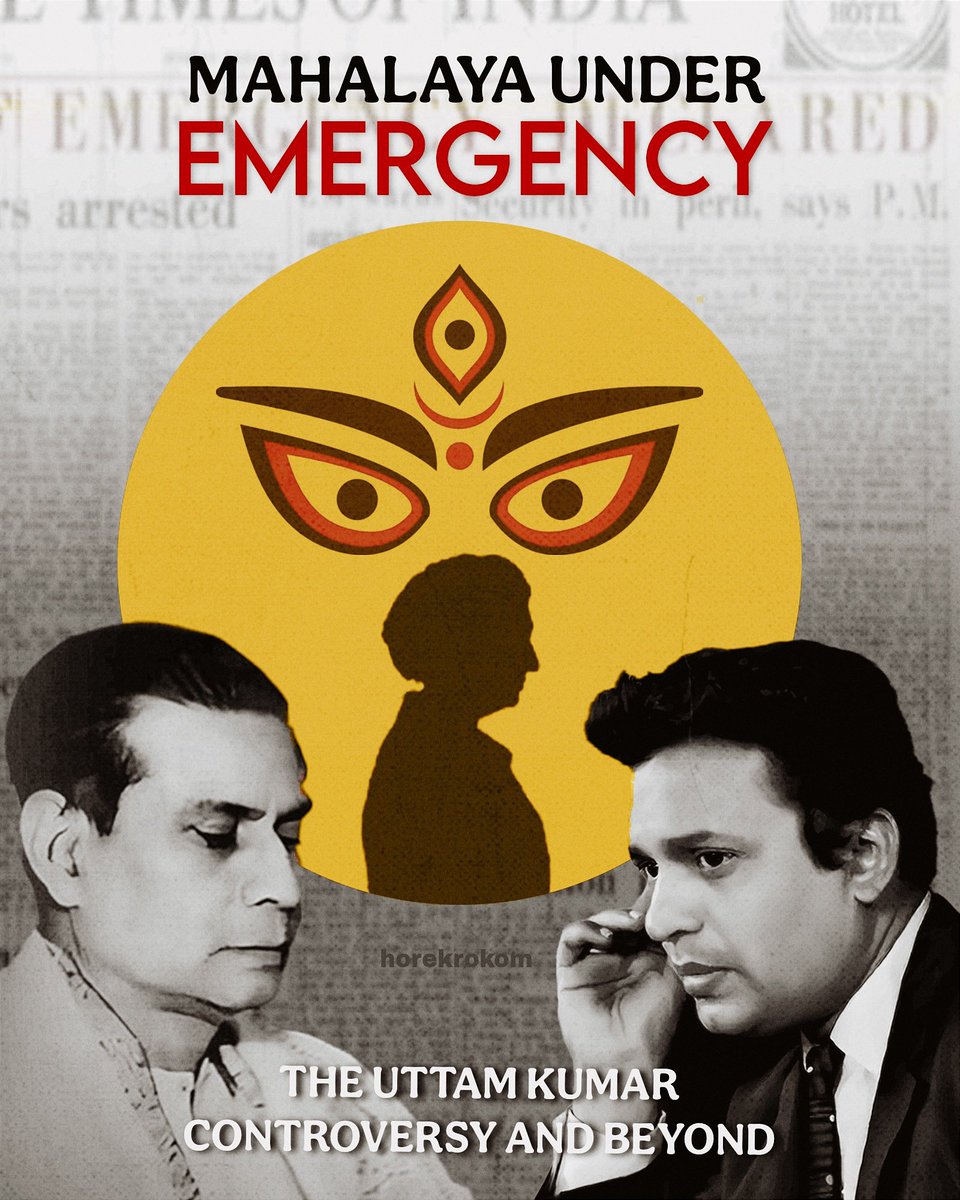
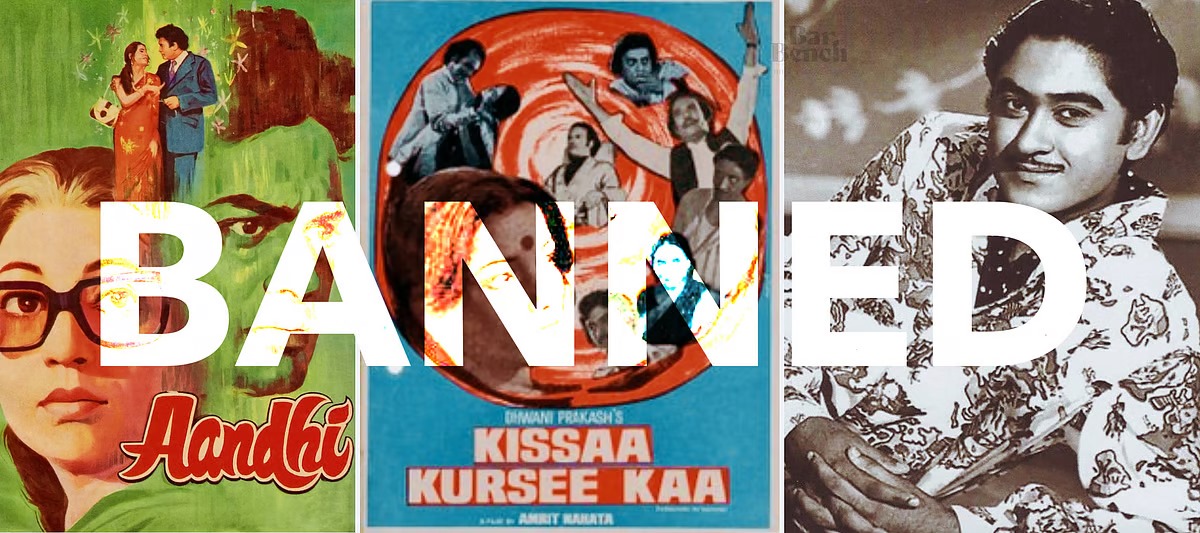
1976, Kolkata amidst huge turmoil of the emergency declaration, state of affairs stood hugely restricted, Kishore Kumar stood banned from radio after a debate with govt. At such state, the PMO office, Delhi took a tough call to revamp the long-standing annual Mahalaya
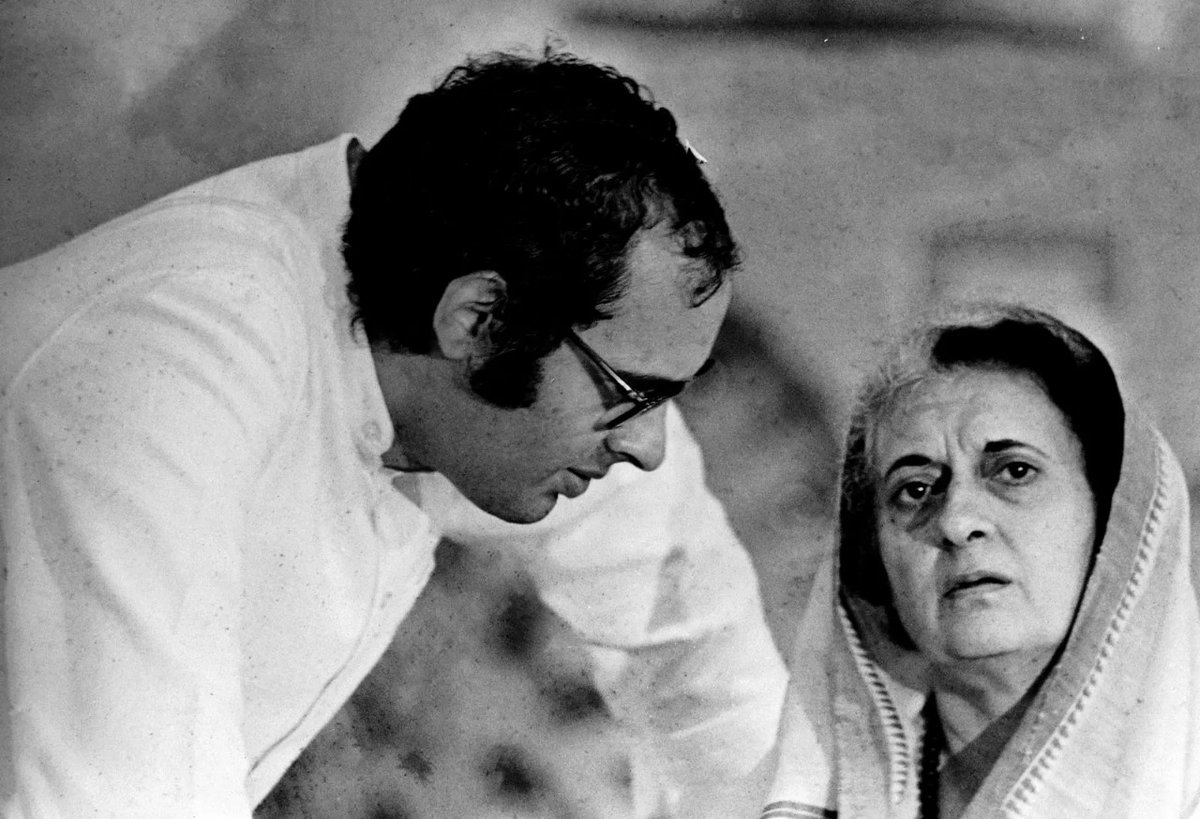
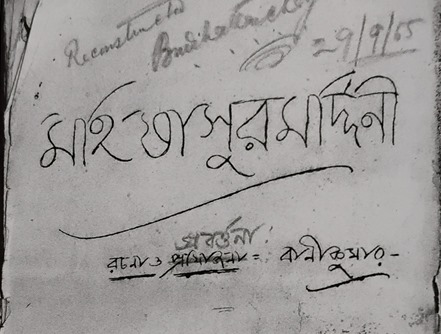
radio broadcast of Mahisashurmardini by Birendrakrishna Bhadra, Pankaj Mullick, Bani Kumar with a fresh slate. Allegedly it was primarily Sanjay Gandhi's idea to relaunch it with the motive of projecting a stronger Durga imagery paralleling it with the regime.
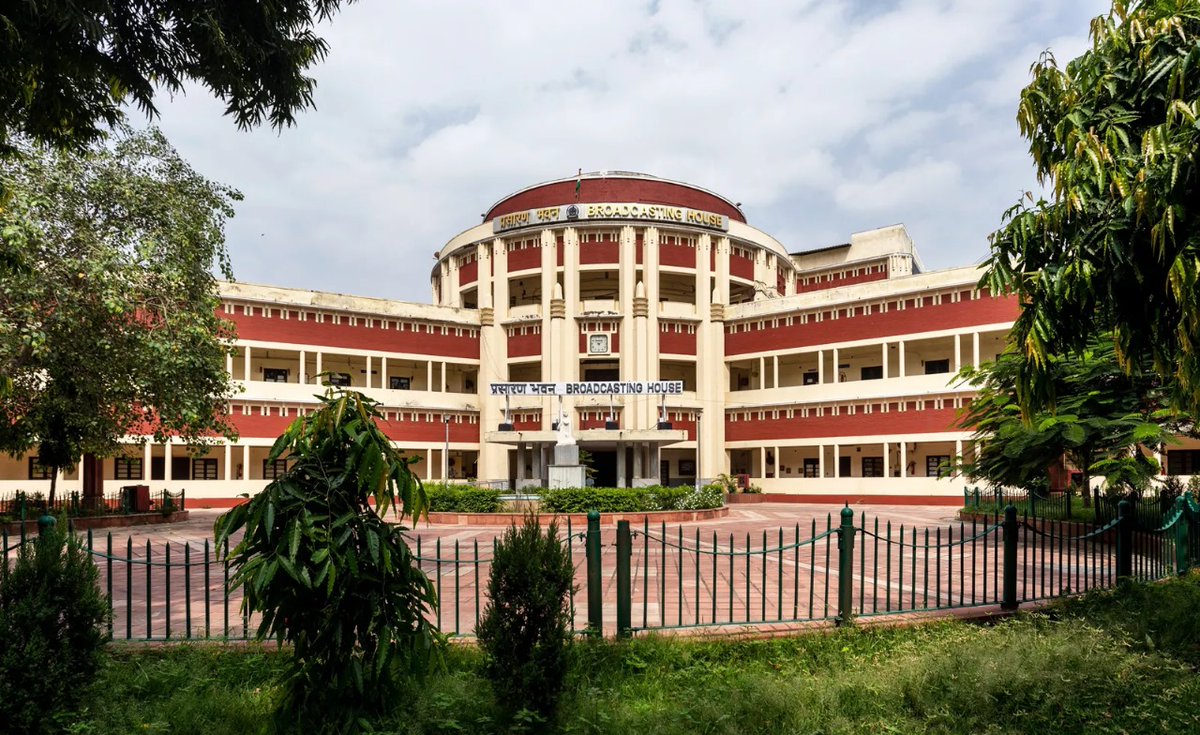
Orders from South Block came to Akashvani with a call to cast the biggest names of industry and make it an even grander program that would boost cultural dynamics and also favour the govt. narrative of promoting new artists amidst emergencies.
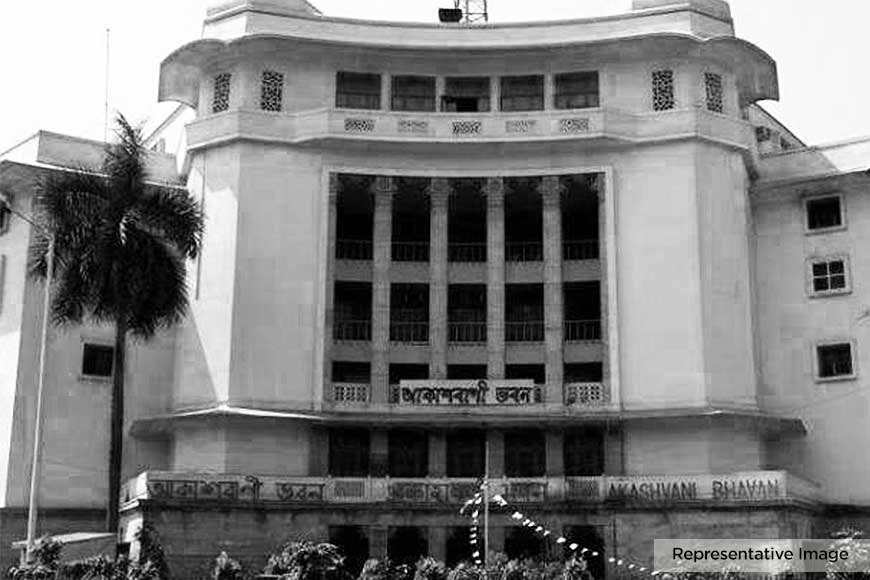
Officials of Akashvani Kolkata informed higher officials about presumable consequences of the action, but weren’t entertained. In August 1976 a closed-door meeting took place involving only official heads from Delhi and Kolkata.
Ashima Debi who had been part of both productions as singer in the former & producer in next, revealed that most popular artists who were part of the new broadcast weren’t going by choice but rather out of in fear of being debarred from programs & broadcasts like that of Kishore
and hence took part treating it as an order act. Hemanta Mukherjee, the biggest name among composers at the time and equally working in Bollywood as Hemant Kumar, was conferred the role of main music director. He brought all the leading singers under one umbrella for the show.
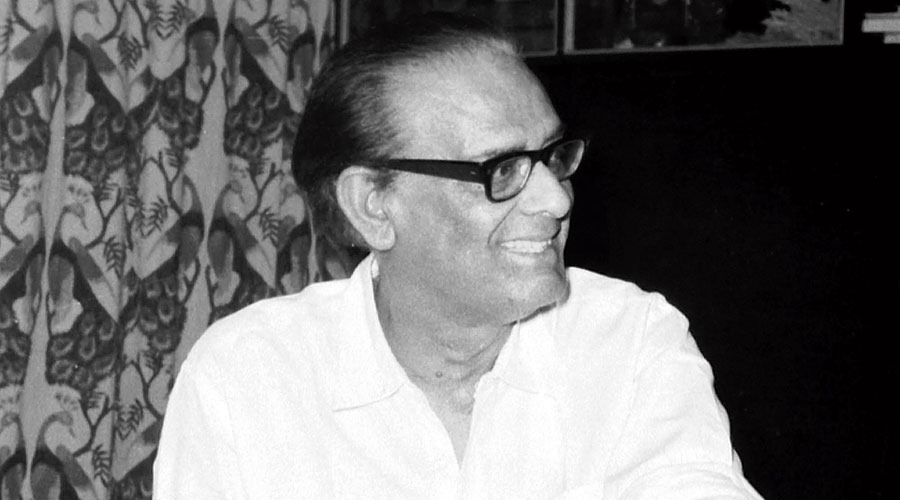
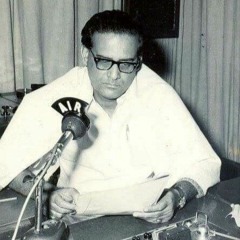
For one of the narrators Uttam Kumar was pitched thinking he would easily fit into the shoes of Bhadra and Bengalis would turn down nothing from Mahanayak, and also for marketing boost. Akashvani official Mihir Banerjee reveals that had it not been labeled as the new Mahalaya,
replacing Mahisashurmardini, it wouldn’t have been criticized, as it was otherwise a good puja broadcast involving all the big names, and the songs individually were good hits. But the debacle went with the timing when announcements were made of the new broadcast.
In the morning of Mahalaya, 23rd September 1976, Thursday. The hype was obviously huge. Firstly, talking about the show format, the duration was much shorter and compact compared to the running one of only one hour.
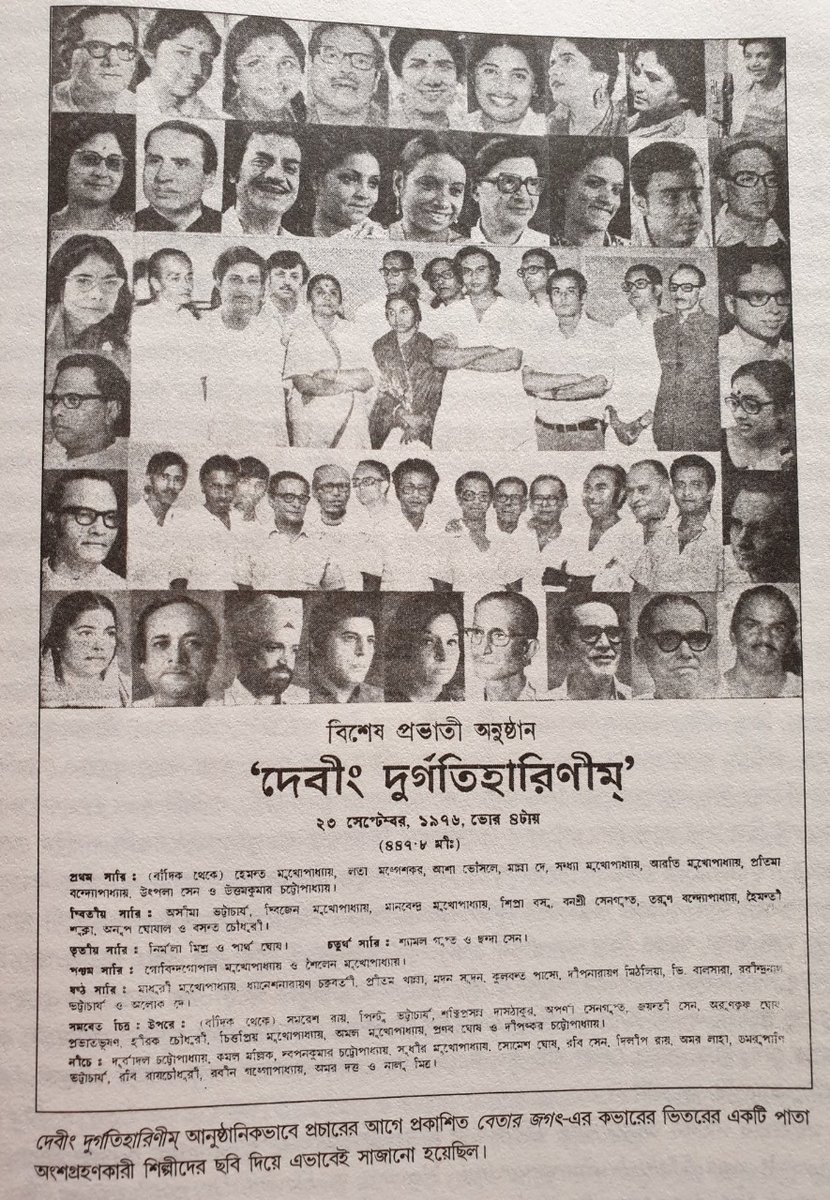
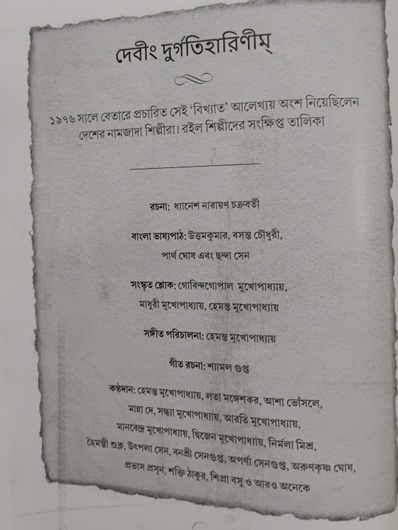
The Sanskrit hymns were written by Gobindogopal Mukherjee, serving HoD Sanskrit at Burdwan Uni. Narrative portion was written by Dhyanesh Narayan Chakraborty, big name among scripture authors. The show was named Debing Durgatiharinim. Shyamal Gupta, wrote lyrics of all songs.
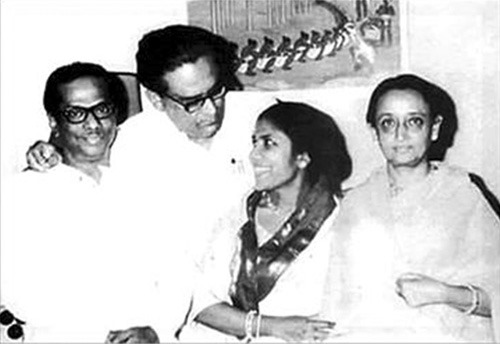
Hemanta Babu was very particular & careful about pronunciation, accuracy, pace; hence he kept the language easier & the Sanskrit compact. Bengali portions were narrated by Uttam Kumar, Basanta Chowdhury, another revered actor, and already popular duo of Partho Ghosh & Chanda Sen.

The Sanskrit hymns were narrated by Mukherjee himself alongside Gobindagopal Babu and Madhuri Mukherjee, as he was skeptical regarding the Sanskrit pronunciation of others. The singer team was literally a panel of stars, including all the major names.
Lata Mangeshkar, Asha Bhosle, Manna Dey, Sandhya Mukherjee, Arati Mukherjee, Manabendra Mukherjee, Dwijen Mukherjee, Nirmala Mishra, Haimanti Shukla, Utpala Sen, Banashree Sengupta, Aparna Sengupta, Shakti Thakur, Arun Ghosh, Prabhas Prasun, Shipra Basu, and many more!
Hemanta Babu composed the songs in an album format, rehearsed & recorded them separately in studios, some in Bombay too, which were later assembled. So, except the director, artists were unaware of the entire presentation & script unlike Banikumar’s trend.
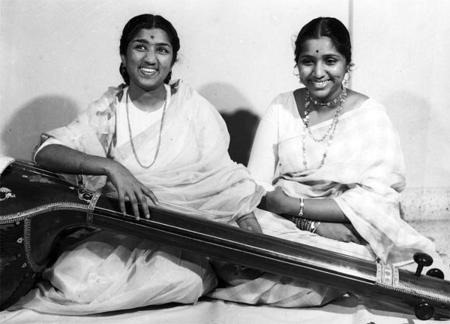
It wasn’t possible either, considering schedule constraints, to cumulatively bring all the big names together for rehearsal and recording. Lata Mangeshkar’s Maa Bishwamata song became a huge hit afterward. The song had closing lines indicative of drawing parallels between
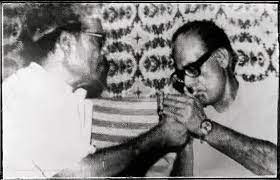
country’s adorning force and power to Maa Durga’s imagery. Talking about Uttam Kumar’s segment, it’s unfair to blame the failure of the show solely on him. Uttam Kumar rejected the offer at first. When forced by Hemanta and others, he agreed,
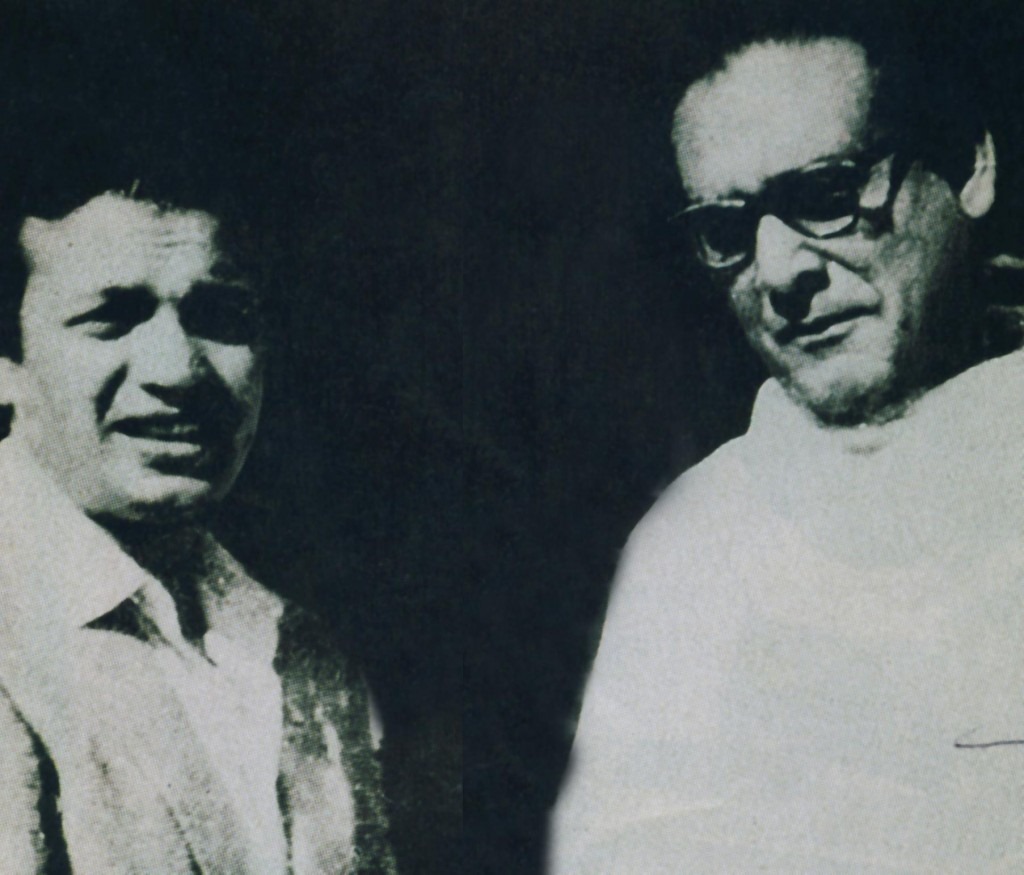
but first, he went to Bhadra to inform him. Birendrakrishna Bhadra, being a benevolent soul forever, said new things shouldn’t be stopped and encouraged him to go ahead. Uttam rehearsed his portion at home.
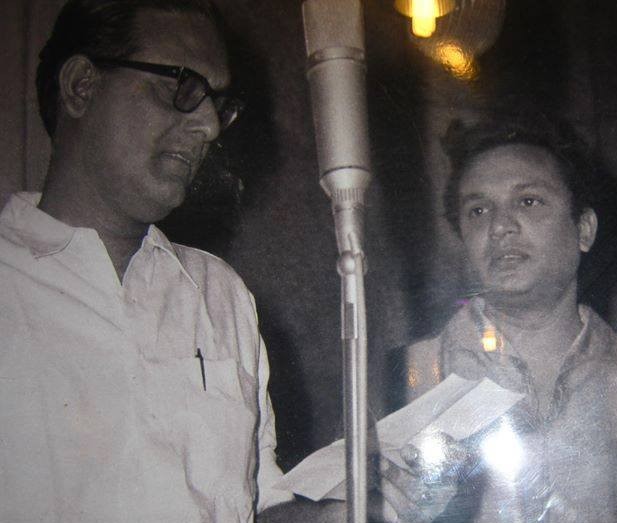
12th September 1976, on a non-working day, his portions were exclusively recorded in the studio. It’s said that an official remarked why he wasn’t getting what he imagined and checked if the recorder was working fine, then a technician remarked it was about conviction.
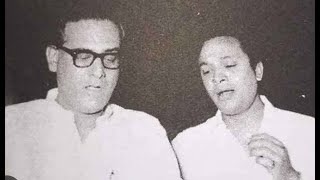
Uttam Babu himself was never convinced from his soul about the thing. The point is Uttam Kumar had barely 5 mins of narration in entire show, only a few lines in introductory segment & in between. But the way it's advertised as Uttam Kumar’s Mahalaya is bit unfortunate too!
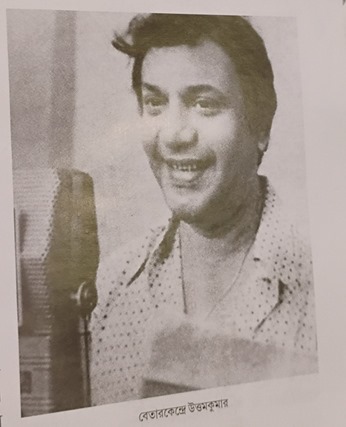
Debing Durgatiharinim was broadcast on Mahalaya day, repercussions busted in no time. During the ongoing broadcast itself, multiple calls came to the official phone of Akashvani directly, abusing, demanding to stop the broadcast immediately.
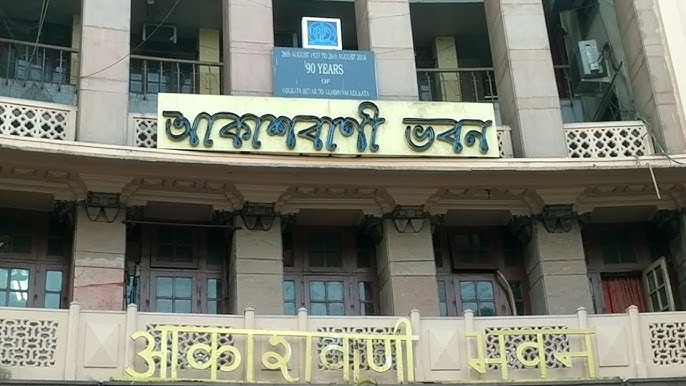
After half an hour, crowds started gathering, mobs accumulated in front of Akashvani Kolkata, demanding to broadcast Bhadra’s Mahalaya & protesting against the change of tradition. With mobs trying to break through office doors, it became tough for security to restrain them.

Forces from Lalbazar were called. Over the weekend, Akashvani was flooded with huge numbers of letter complaints inland letters, postcards, even call-outs from local political mobs. At that time, a show called Samachar was broadcast on radio every day
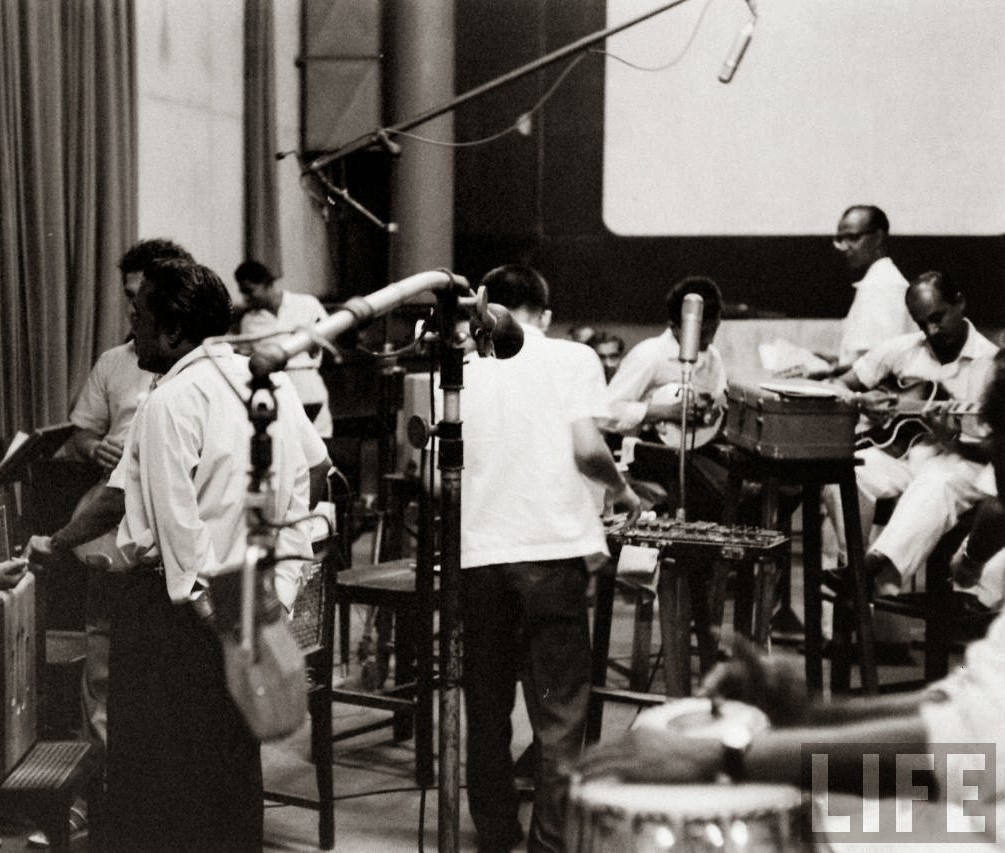
where letters and feedback from the audience were read out, addressed. The authorities were clueless about such a long, hard setback of their move and how to act. An apology from the government didn’t look good,

so they addressed it as: “We are looking into the extensive outrage and response received over our recent broadcast of Mahalaya. We will address the matter considering the large-scale reaction.”
On that day, Hemanta Mukherjee’s friend Samaresh fell and cut his forehead. Hemanta Babu remarked that the same would have happened to him if the public had found him on the road that day! He called it a failed vision owing to coordination, but from an honest artistic attempt.
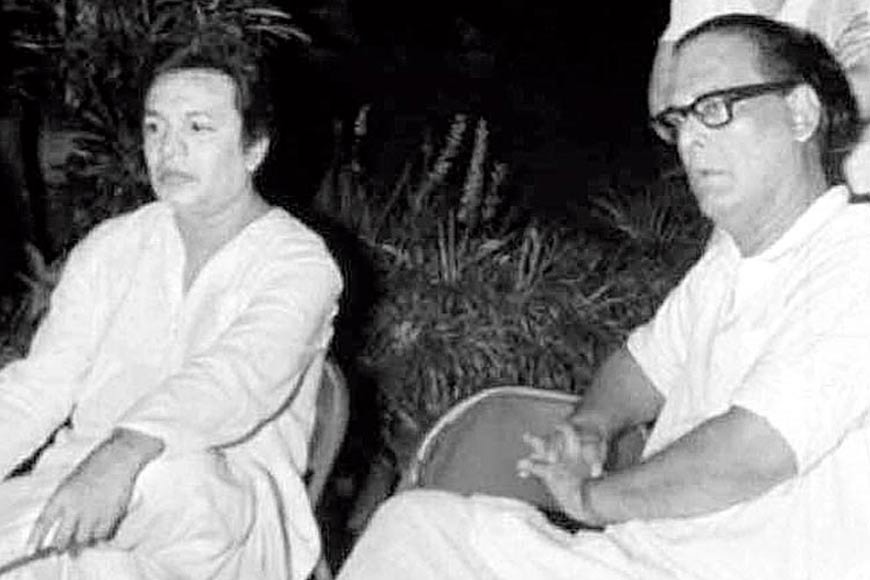
The songs worked separately as an album, but the program failed miserably. That year, Akashvani brought back the recording of Bhadra’s Mahisashurmardini on the morning of Sasthi, as many remarked Akashvani had ruined the spiritual essence through the new Mahalaya broadcast!
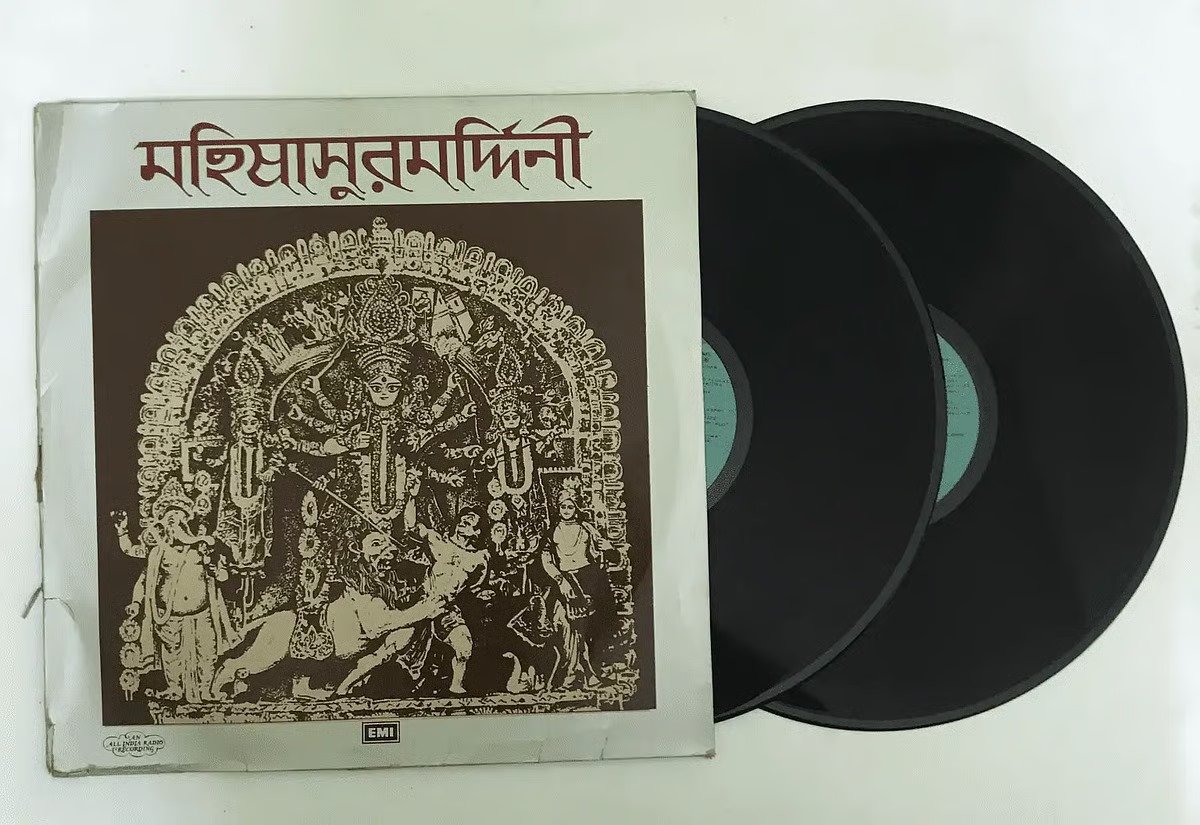
Advani, the standing cabinet minister, declared that from the next year onwards, Akashvani would operate the same Mahisashurmardini every Mahalaya, acknowledging the debacle of 1976. But what was Birendrakrishna Bhadra doing on that day?
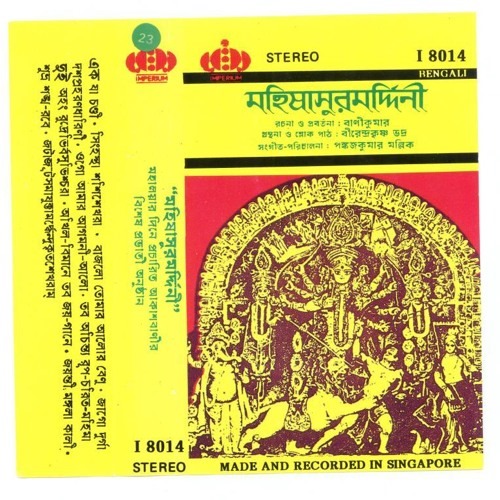
His son discloses that Bhadra Babu woke up early in the morning and listened to the whole program with his son, and just remarked shortly, “If people take it, let it prevail, only this much.”
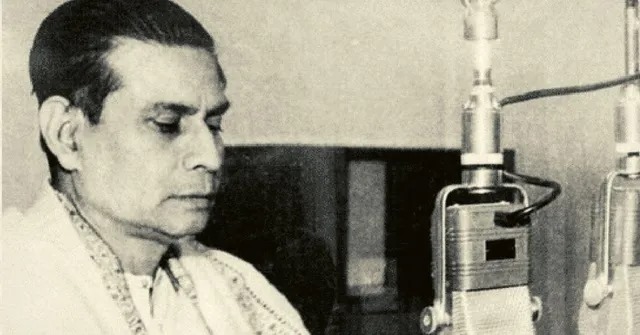
He received multiple calls that day but hardly replied, and after some time kept the receiver down for a few days. Bhadra and Mullick were broken more because they weren’t informed about the change nor called for any discussion or meeting.
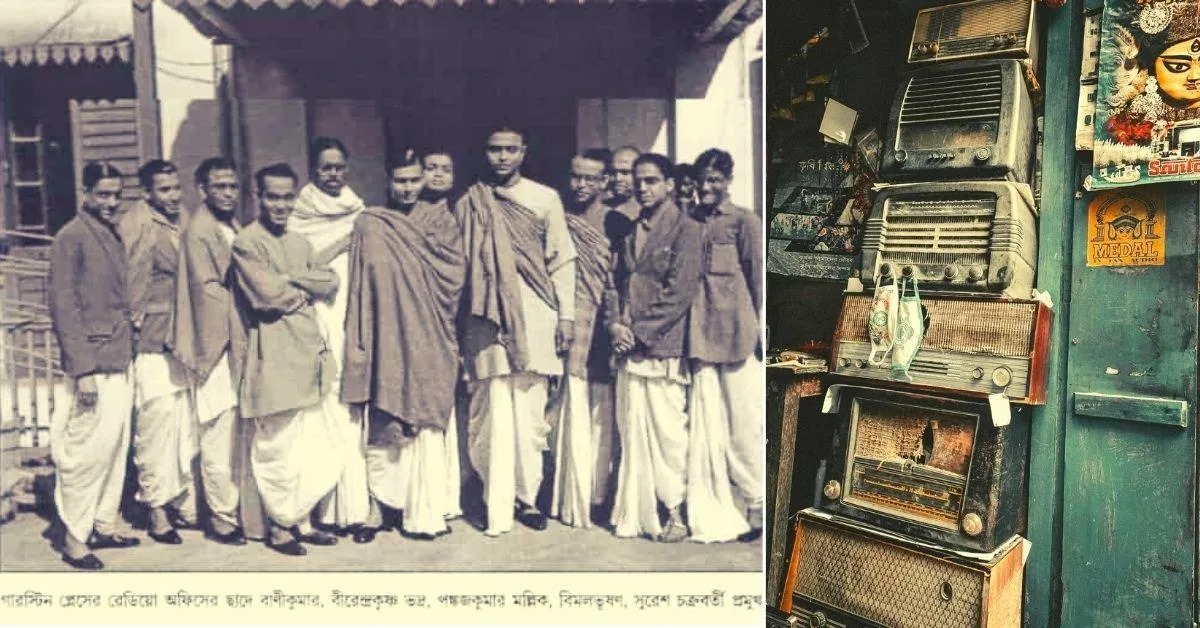
They too came to know about the new program just before broadcast, like others. Bhadra allegedly mentioned: “Bengali radio is my child, and today I am out of it. Such that even being not informed formally, otherwise I am always for change and leaving the stage to new.”
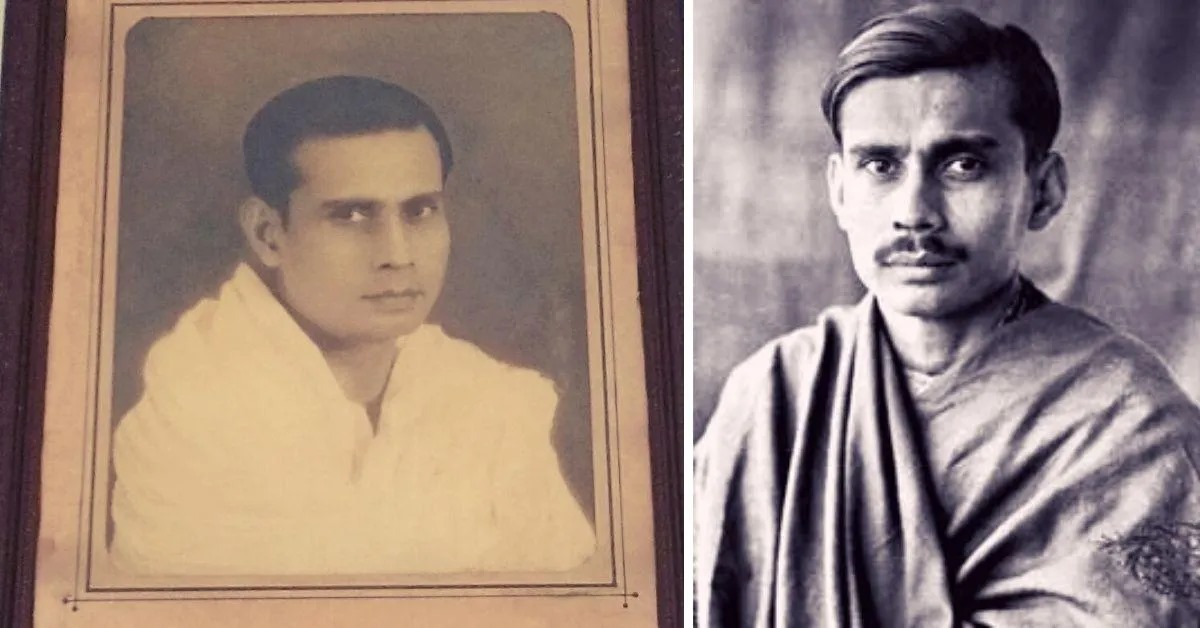
Pankaj Mullick’s health worsened when he got the news about the program being replaced. Listening to Mahisashurmardini being broadcast again and brought back on public demand gave him some strength in his last days!
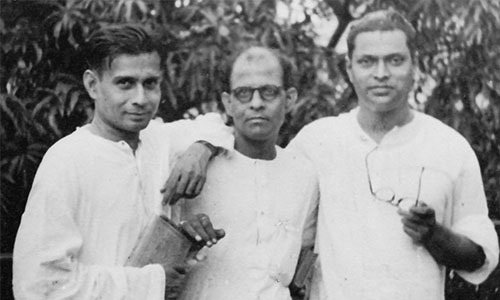
Already from 1967 onwards, Mullick couldn’t coordinate the live recording show as earlier, as it was becoming tough owing to date, time, and health. From then, the recorded version as we hear today, was played from those years onwards until 1976 and beyond.

Following that year, Mullick’s Mahisashurmardini was broadcast on Mahalaya morning every year, and Debiṅg Durgatiharinim was broadcast for a few years on Sasthi. Later, only songs from the presentation were played, scrapping the rest.

Even Hemanta Babu and other artists have mentioned very little in the media regarding the show and its consequences. But it was unprecedented, and a lesson on how heritage could take back. Labeling it solely as Hemanta Babu’s or Uttam’s mistake is unfair from a creative pov.
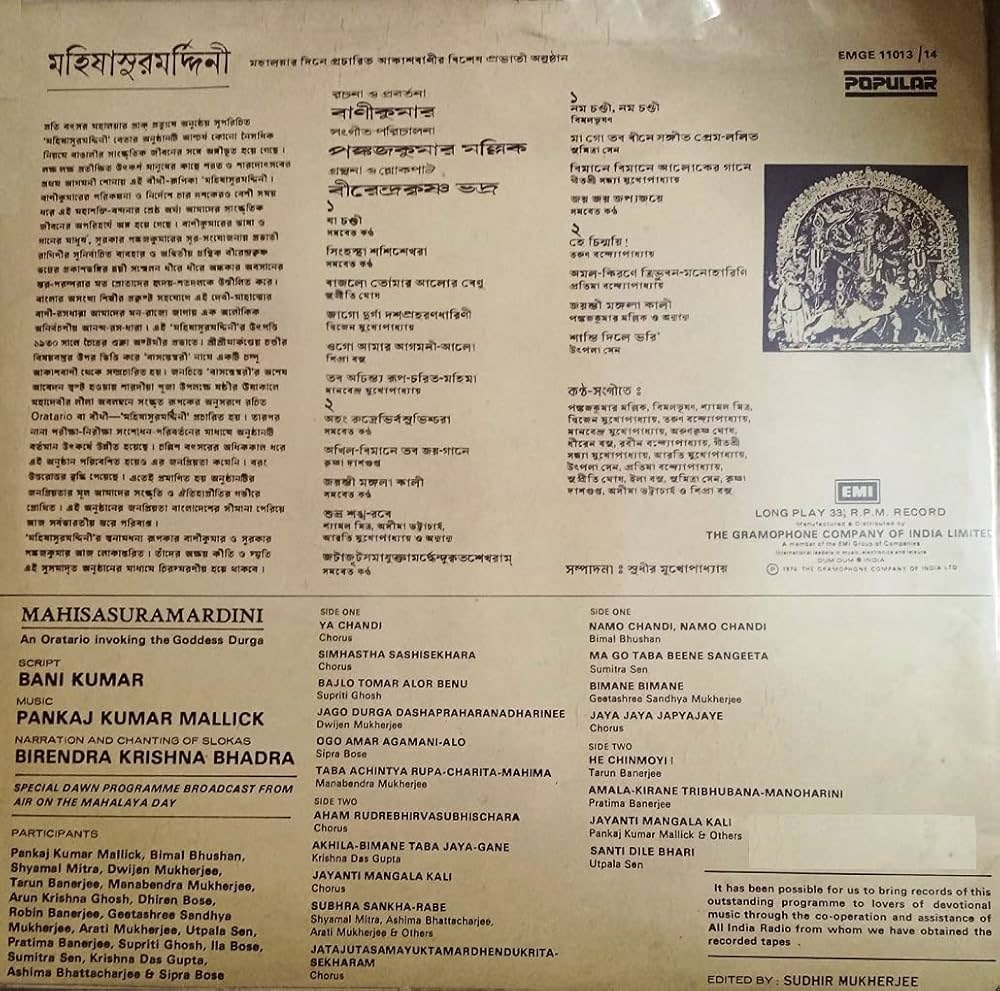
It was just a failed attempt. The Emergency period left behind many hard memories, including a cultural dip too, for example in this segment where even luminaries failed to gain hearts against heritage and tradition. It’s still a matter of debate on justifying the thing.

Uttam Kumar was away shooting after the show, so he couldn’t witness how things unfolded. But later, when asked, he remarked: “From the moment it was conceived I felt it’s a blundering move. I have no face to seek apologies from Biren Da. I disliked the entire presentation.
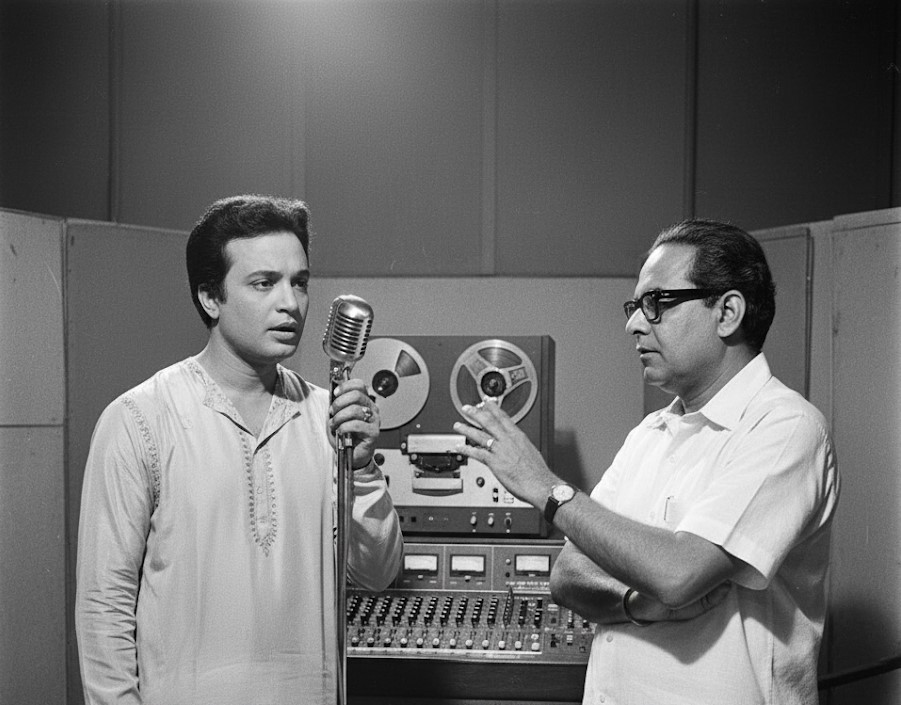
Mahisashurmardini itself brings Durga Puja to the doorstep, and I felt like some things should be kept untouched. Worshipping room shouldn’t be made drawing room, otherwise it would be likewise. Seeking apologies from my side."
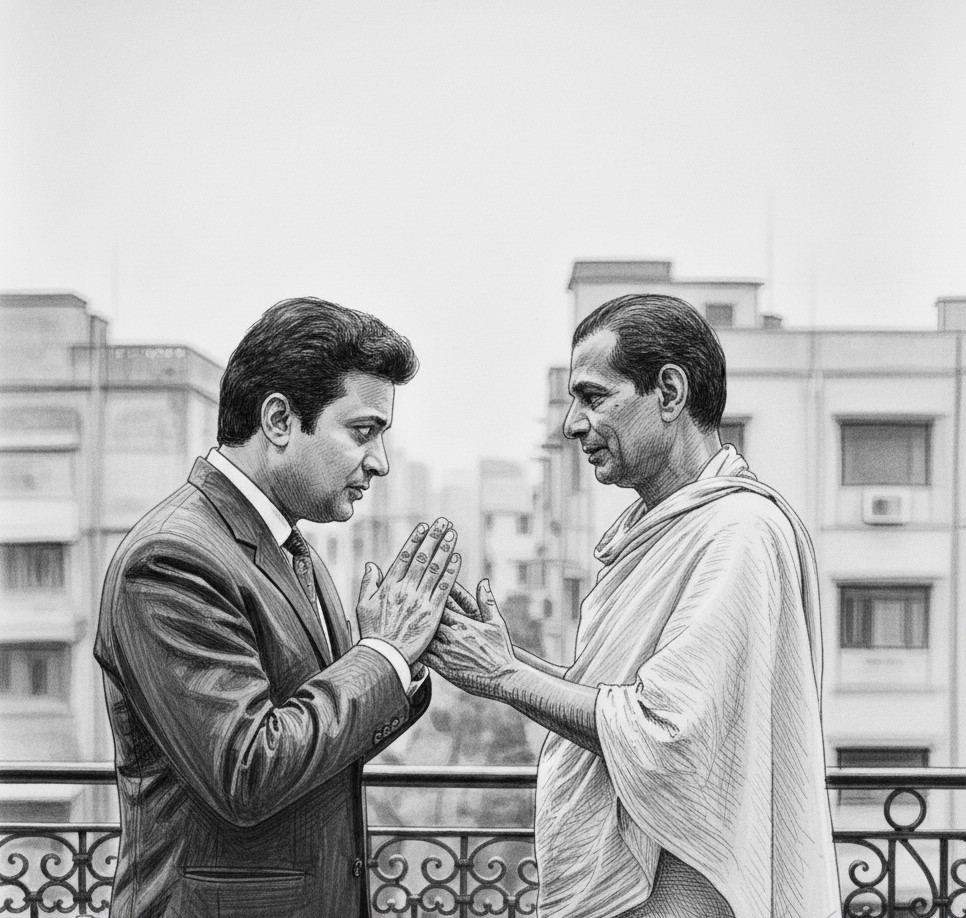
Uttam Kumar passed away in 1980. Ironically, it was Birendrakrishna Bhadra who narrated chants at his funeral ceremony!
Based on multiple writings of Mihir Banerjee and other interviews.
Based on multiple writings of Mihir Banerjee and other interviews.
We have covered the incredible detailed making story of Biren Bhadra– Pankaj Mullick–Banikumar’s standing legacy Mahisashurmardini, prequel to this thread here. If you have liked this, do check out to know the whole episode and beyond here 👇🏽.
END🧵
END🧵
https://x.com/horek_rokom/status/1841290956726833318?t=J_ZFaJijjeXbbtqFyeOMLg&s=19
• • •
Missing some Tweet in this thread? You can try to
force a refresh