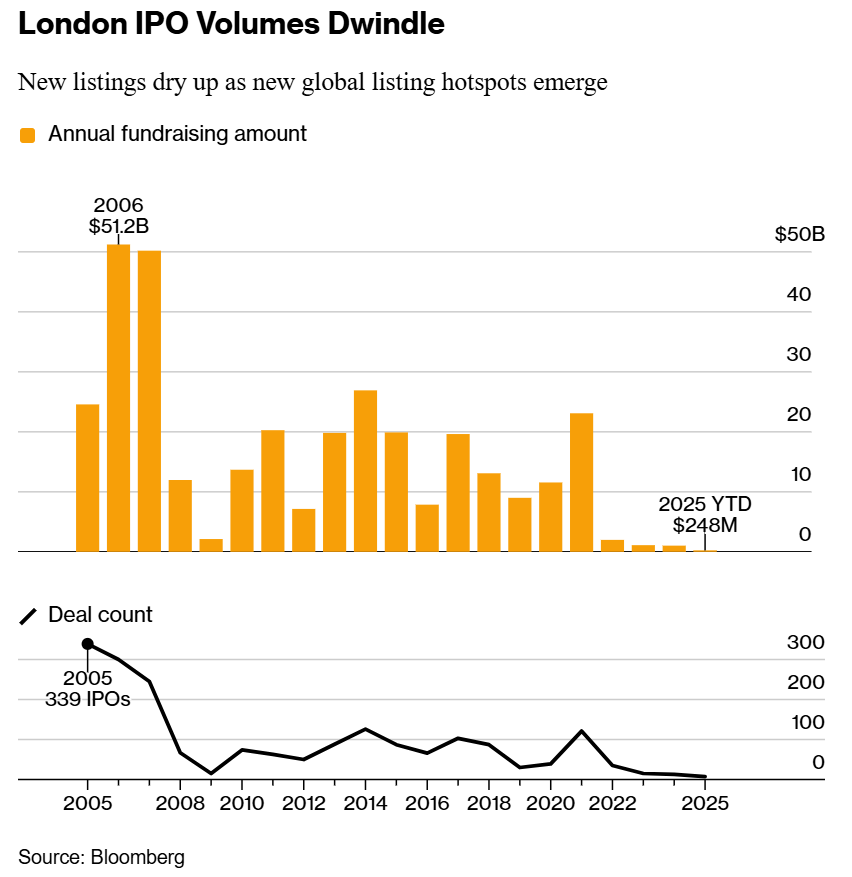
The London Stock Exchange is dying.
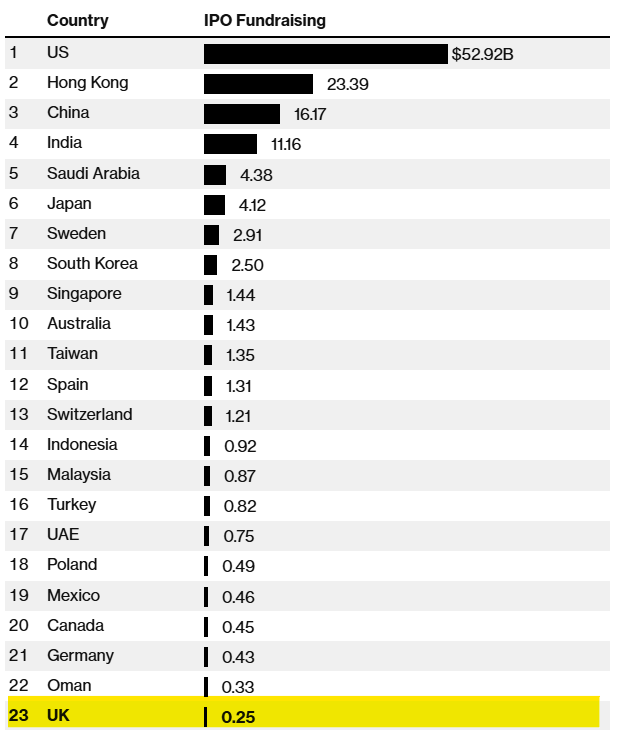
We have dropped out of the top 20 IPO markets, falling behind Mexico.
In 2006 London raised $51bn, this year it was $248m.
A 99% decrease.
Some thoughts on why this matters and how we change course
🧵
We have dropped out of the top 20 IPO markets, falling behind Mexico.
In 2006 London raised $51bn, this year it was $248m.
A 99% decrease.
Some thoughts on why this matters and how we change course
🧵

Public markets need new listings to inject liquidity (available cash for investment), to signal to founders that they can scale, give investors optionality and boost competition and growth.
The average IPO increases employment by 17-32% in year one, and more after that 👇
The average IPO increases employment by 17-32% in year one, and more after that 👇

IPOs provide an exit for large companies held by private investors.
This allows retail investors to benefit from that company's growth. It also frees up capital for those private investors to reinvest further down the start-up ecosystem.
When IPOs fall, all investment falls.
This really matters 👇
This allows retail investors to benefit from that company's growth. It also frees up capital for those private investors to reinvest further down the start-up ecosystem.
When IPOs fall, all investment falls.
This really matters 👇
Why is this happening?
Part of the reason is that British stocks are so undervalued.
When a founder floats their company, they want to make money and sell at a premium.
In Britain, it is likely they will have to accept a discounted price - a loss.
Few would accept this.
Part of the reason is that British stocks are so undervalued.
When a founder floats their company, they want to make money and sell at a premium.
In Britain, it is likely they will have to accept a discounted price - a loss.
Few would accept this.

Given the current weakness of the London Stock Exchange and drought of IPOs, they should make it as easy as possible for companies to IPO.
By removing disincentives and smoothing the listing process, paired with tax treatment changes - liquidity could slowly be reinjected.
By removing disincentives and smoothing the listing process, paired with tax treatment changes - liquidity could slowly be reinjected.
If you IPO in Britain, the London Stock Exchange (LSE) will subject you to DEI.
To IPO you must commit to 40% women on your board, a woman in a top job and an ethnic minority director.
For founders focused on growth, this is an anti-meritocratic imposition that must go.
To IPO you must commit to 40% women on your board, a woman in a top job and an ethnic minority director.
For founders focused on growth, this is an anti-meritocratic imposition that must go.

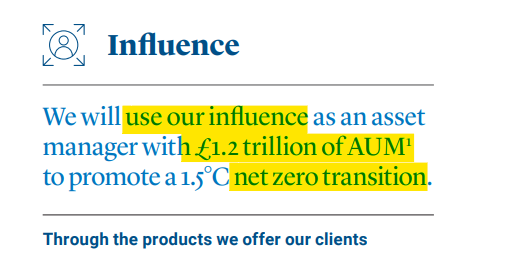
Environmentalism also undermines British IPOs.
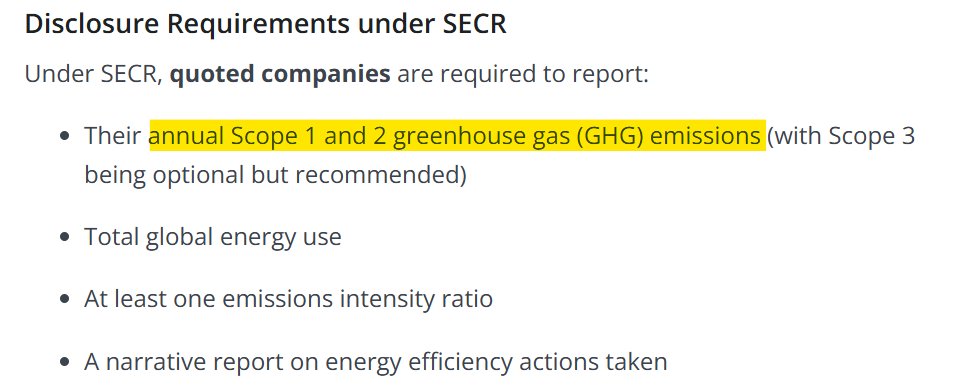
In Britain all public companies (that have IPOed) are must publish and track their emissions.
This cost is difficult to quantify.
But for a fast growing start-up considering an IPO, it is a huge disincentive. It that must go.
In Britain all public companies (that have IPOed) are must publish and track their emissions.
This cost is difficult to quantify.
But for a fast growing start-up considering an IPO, it is a huge disincentive. It that must go.
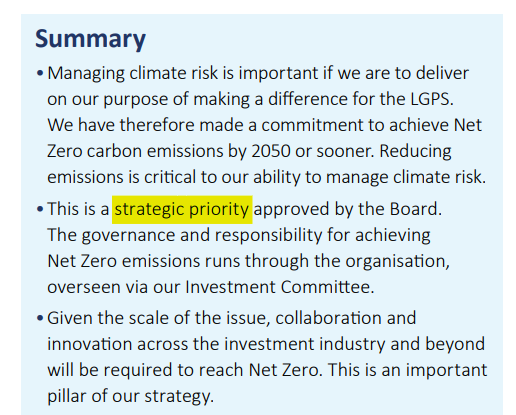
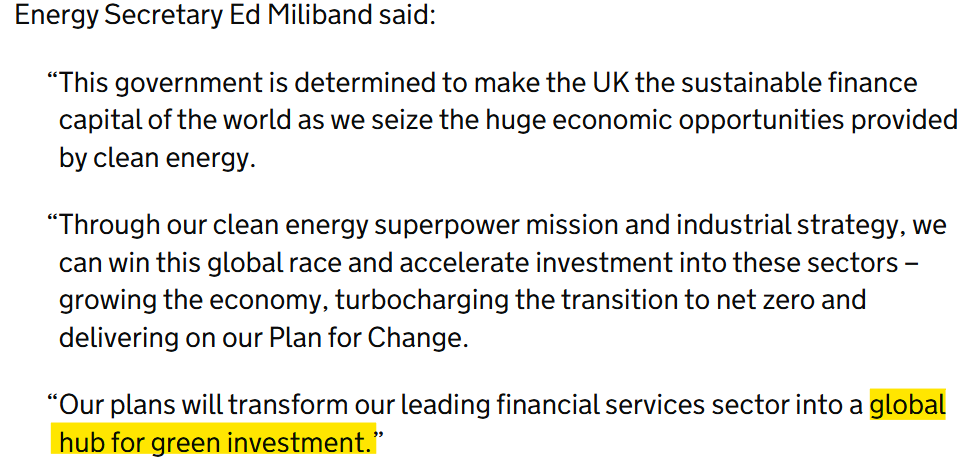
ESG environmentalism has led to huge allocations in "green investment."
This tends to be wind and solar farms, in which cash is locked up for years, stealing liquidity from public markets.
Since 2015, "sustainable investments" have grown from around £50bn to £250bn.
This tends to be wind and solar farms, in which cash is locked up for years, stealing liquidity from public markets.
Since 2015, "sustainable investments" have grown from around £50bn to £250bn.
Britain has amongst the highest stamp duty tax on its shares.
Individuals are less likely to trade shares as when they do so they lose money.
A new IPO is less likely to raise money as investors have to accept a 0.5% loss off the bat.
There is no stamp duty in the USA.
Individuals are less likely to trade shares as when they do so they lose money.
A new IPO is less likely to raise money as investors have to accept a 0.5% loss off the bat.
There is no stamp duty in the USA.

These are just a few factors amongst many, but dealing with these would be a good start.
If we want growth in Britain, we need deep, liquid public markets which make us a world leader again.
Time to get radical and climb back up that list.
If we want growth in Britain, we need deep, liquid public markets which make us a world leader again.
Time to get radical and climb back up that list.
• • •
Missing some Tweet in this thread? You can try to
force a refresh