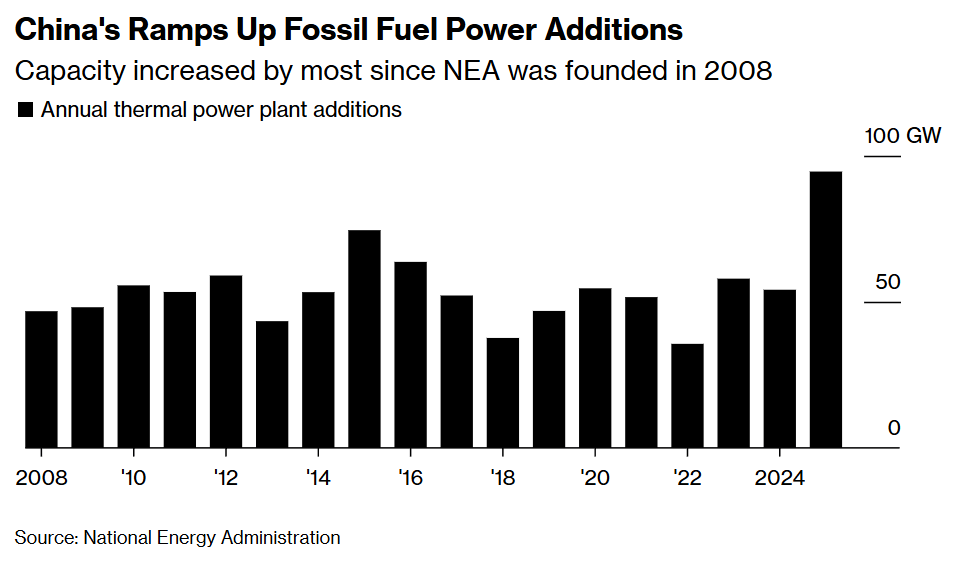
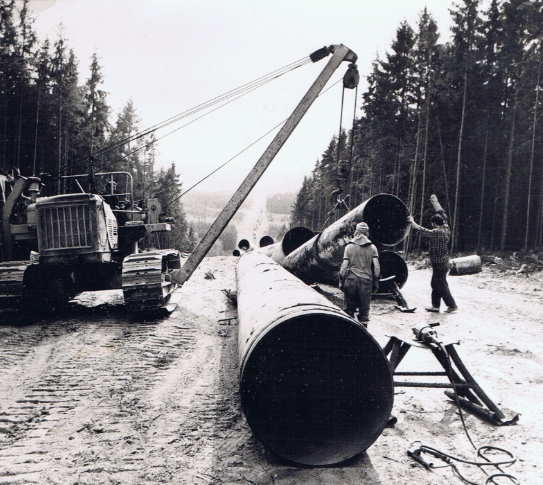
GAS TURBINE SHORTAGE RISKS NEW ENERGY CRUNCH 🚨⚡
Orders for turbines for natural gas power plants are vastly outpacing supply, threatening the world’s ability to keep pace with rising electricity demand
🧵 Thread on how we got here and what it means for power-hungry nations
Orders for turbines for natural gas power plants are vastly outpacing supply, threatening the world’s ability to keep pace with rising electricity demand
🧵 Thread on how we got here and what it means for power-hungry nations

The crux of the issue is that the gas turbine market is dominated by three companies -- Siemens Energy, GE Vernova, Mitsubishi Heavy
Theyve been caught flat footed by an acceleration in orders over the last few years. And they aren’t able (or willing) to quickly boost output
Theyve been caught flat footed by an acceleration in orders over the last few years. And they aren’t able (or willing) to quickly boost output

So, what is a gas turbine?
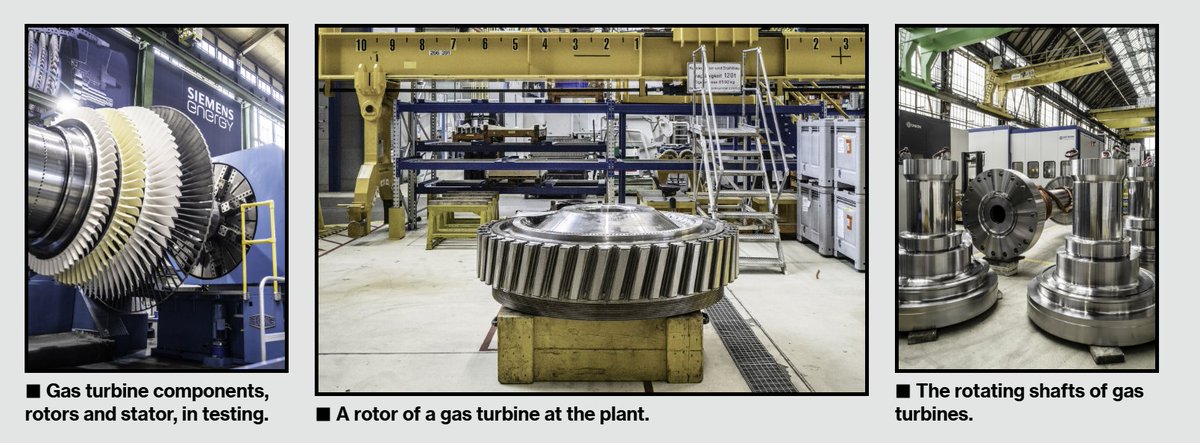
Its a 500-ton machine that is just like the jet engine, but to produce electricity instead of flight
Natural gas is burned to spin blades at speeds higher than 3,000 rotations a minute to powers a connected generator
Its a 500-ton machine that is just like the jet engine, but to produce electricity instead of flight
Natural gas is burned to spin blades at speeds higher than 3,000 rotations a minute to powers a connected generator

(I mean, come on. Look at this thing. It’s a marvel of engineering — decades of trials and errors)
Since the 1960s, the hot gas exiting the process has often been harnessed to generate steam and power a second turbine, creating the combined cycle design that’s more efficient at converting fuel into electricity and has become the standard in large power plants

The technology’s deployment surged in the 1990s with the US power market’s deregulation. Gas turbines were favored for their speed of installation and efficiency, triggering a rush in orders

Yet that boom was short-lived as gas prices climbed and the resulting downturn triggered a wave of industry consolidation that concentrated manufacturing capability with the current three main suppliers
And so today there are really only three suppliers of the biggest turbines
And so today there are really only three suppliers of the biggest turbines
That history, along with a few decades of lackluster sales and plateauing power requirements in the US and Europe, meant the suppliers were largely unprepared when electricity consumption accelerated after the pandemic, ushering in the new race for turbines
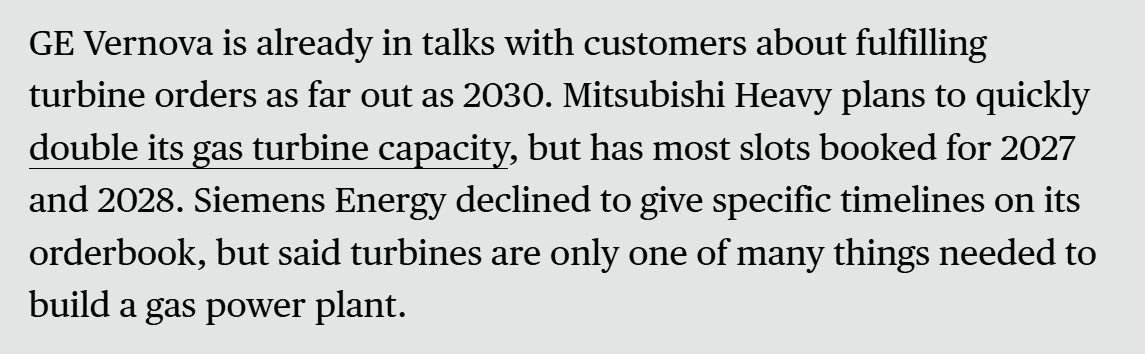
The three suppliers have tight control over their IP. You cant easily enter the space because you need decades of testing and experience
While China is trying to develop their own turbine, theyre still far behind. China depends on equipment from the big three
While China is trying to develop their own turbine, theyre still far behind. China depends on equipment from the big three
So why are orders for turbines surging? There are a number of reasons
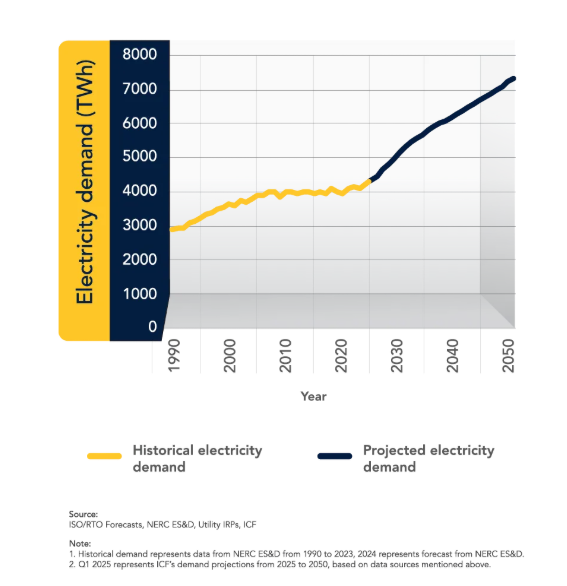
🇺🇸 US power demand is slated to grow 25% by 2030, a reversal of relatively flat consumption since 2010. This is due in part to the AI boom, and data centers are turning to gas to feed energy needs
🇺🇸 US power demand is slated to grow 25% by 2030, a reversal of relatively flat consumption since 2010. This is due in part to the AI boom, and data centers are turning to gas to feed energy needs
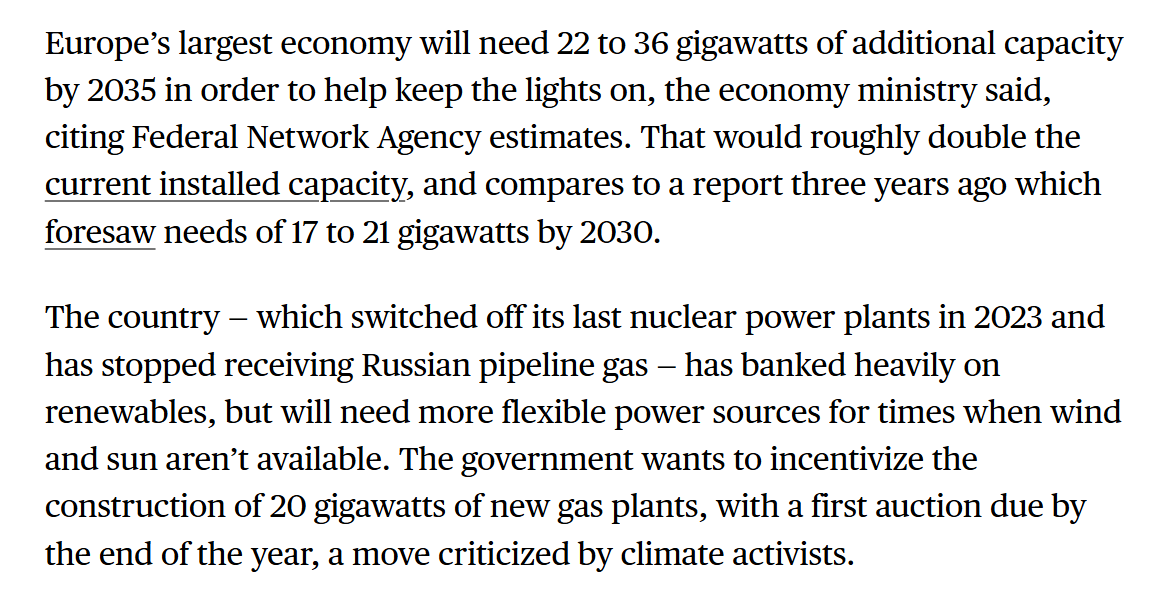
🇩🇪 Germany aims to build as many as 20 new gas-fired power plants by 2030
🇯🇵 Japan is considering plans to build new facilities after the government reversed its view that power demand was on a long-term decline
🇸🇦 Saudi Arabia is investing billions to add gas-fired plants
🇯🇵 Japan is considering plans to build new facilities after the government reversed its view that power demand was on a long-term decline
🇸🇦 Saudi Arabia is investing billions to add gas-fired plants
Utilities in richer nations are prepared to pay at least some of the costs to speed up delivery of turbines, or to win priority
That will be harder for developing nations that are planning to shift from coal to gas to help reduce emissions while also meeting higher energy needs
That will be harder for developing nations that are planning to shift from coal to gas to help reduce emissions while also meeting higher energy needs
(one reason folks like gas is because it has half the emissions when combusted compared to coal)

Anyway, so as rich nations scoop up more gas turbines that risks leaving fewer for emerging nations (which had adopted aggressive gas power strategies)
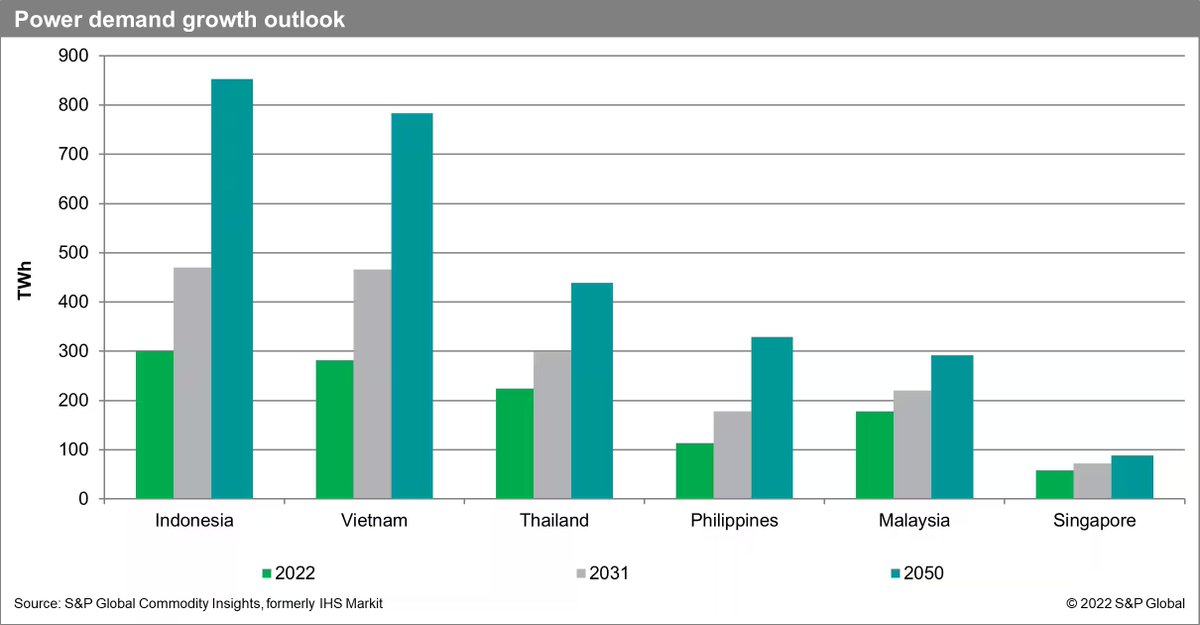
Lets take Vietnam. They want to build at least 22 gas-fired power plants by 2030. This isnt an AI boom thing, its just growth
Lets take Vietnam. They want to build at least 22 gas-fired power plants by 2030. This isnt an AI boom thing, its just growth

Turbine manufacturers also are favoring projects in developed nations, or tied to power requirements for major companies, because of the reduced risks of financing shortfalls or complex approvals
This is also driving up the cost of power plants
A new combined cycle-gas plant cost about $800/kW in 2021
Now it is as high as $2,800/kW
So in developed nations relying on more gas, power prices could also rise even higher
A new combined cycle-gas plant cost about $800/kW in 2021
Now it is as high as $2,800/kW
So in developed nations relying on more gas, power prices could also rise even higher

The good news is that suppliers are taking step to lift production capacity
GE Vernova announced plans to expand capacity to 70-80 heavy-duty gas turbines a year from 2026, up from 55 turbines
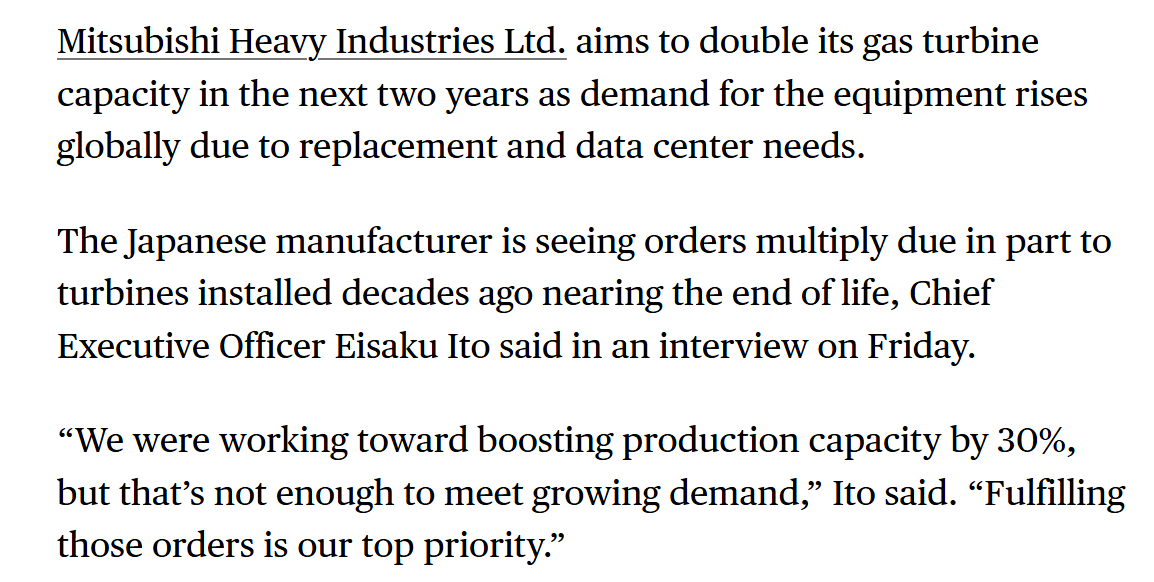
Mitsubishi Heavy is urgently seeking to add gas-turbine capacity in the next 2 years
GE Vernova announced plans to expand capacity to 70-80 heavy-duty gas turbines a year from 2026, up from 55 turbines
Mitsubishi Heavy is urgently seeking to add gas-turbine capacity in the next 2 years
This is how the turbine shortage could play out:
Without gas, developing nations may be forced to keep using coal for longer
Meanwhile, developed countries may be pushed to more quickly adopt solar and wind farms backed up with expensive batteries
Without gas, developing nations may be forced to keep using coal for longer
Meanwhile, developed countries may be pushed to more quickly adopt solar and wind farms backed up with expensive batteries
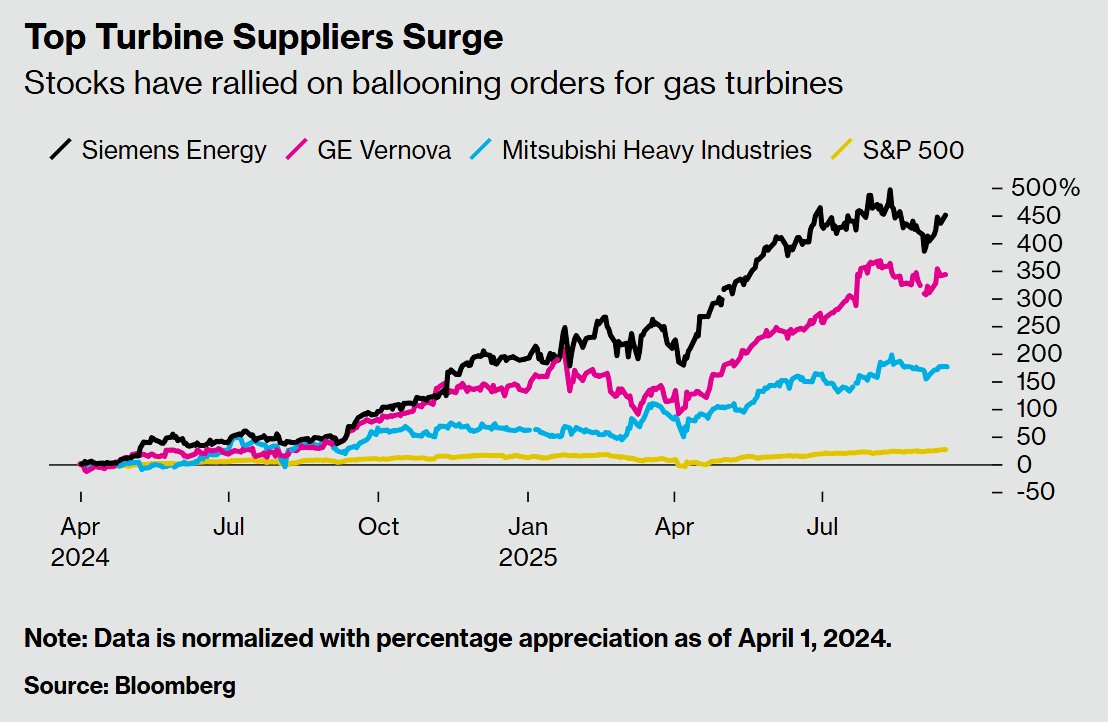
Meanwhile, stocks for turbine suppliers have rallied
• • •
Missing some Tweet in this thread? You can try to
force a refresh