1/
🚨 The Double-Edged Sword: New research suggests #SARSCoV2 might be an unseen accelerant for #LungCancer. Beyond acute illness, the virus's long-term effects could fuel cancer development and progression. This is a critical public health warning. 👇 #COVID19 #Oncology
🚨 The Double-Edged Sword: New research suggests #SARSCoV2 might be an unseen accelerant for #LungCancer. Beyond acute illness, the virus's long-term effects could fuel cancer development and progression. This is a critical public health warning. 👇 #COVID19 #Oncology

2/
The study highlights several terrifying potential mechanisms:
Chronic Inflammation: The cytokine storm and persistent, dysregulated inflammation after COVID are well-known cancer promoters.
The study highlights several terrifying potential mechanisms:
Chronic Inflammation: The cytokine storm and persistent, dysregulated inflammation after COVID are well-known cancer promoters.

3/
ACE2 Receptor: SARS-CoV-2 binding disrupts the protective RAS pathway, potentially contributing to cancer progression.
Dormant Cells: Respiratory infections like COVID-19 can even wake up dormant cancer cells (DCCs) in the lungs, triggering metastasis.
ACE2 Receptor: SARS-CoV-2 binding disrupts the protective RAS pathway, potentially contributing to cancer progression.
Dormant Cells: Respiratory infections like COVID-19 can even wake up dormant cancer cells (DCCs) in the lungs, triggering metastasis.

4/
One of the clearest links is Post-COVID Pulmonary Fibrosis. Up to a third of severe cases show lung scarring, which is a well-established bridge to lung cancer.
Compounding the problem: Pandemic disruptions led to a drop in early-stage diagnoses,
One of the clearest links is Post-COVID Pulmonary Fibrosis. Up to a third of severe cases show lung scarring, which is a well-established bridge to lung cancer.
Compounding the problem: Pandemic disruptions led to a drop in early-stage diagnoses,

5/
meaning we're seeing more advanced, harder-to-treat cancers now.
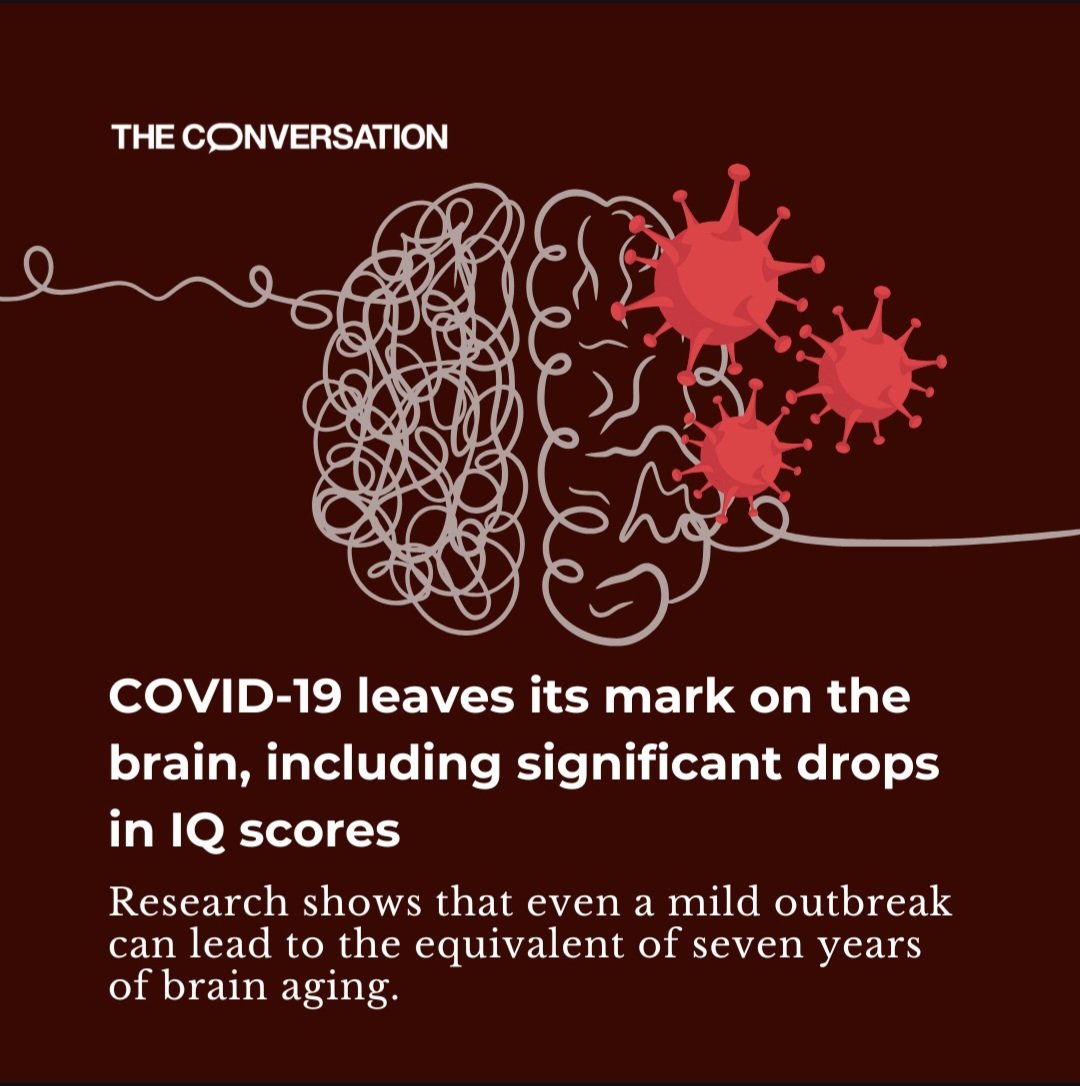
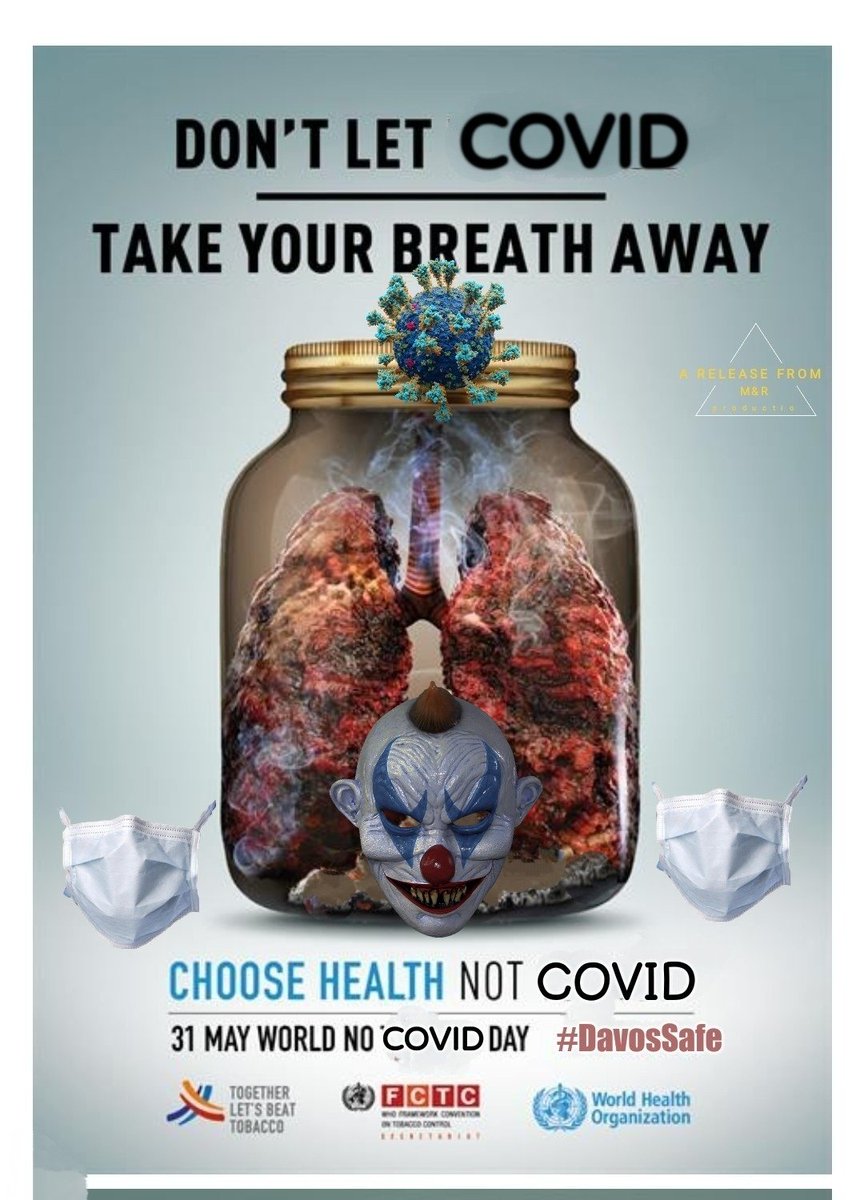
The clearest takeaway from this and other research is: The safest path is to AVOID SARS-CoV-2 infection in the first place. This is about long-term health, not just surviving the acute phase.
meaning we're seeing more advanced, harder-to-treat cancers now.
The clearest takeaway from this and other research is: The safest path is to AVOID SARS-CoV-2 infection in the first place. This is about long-term health, not just surviving the acute phase.

6/
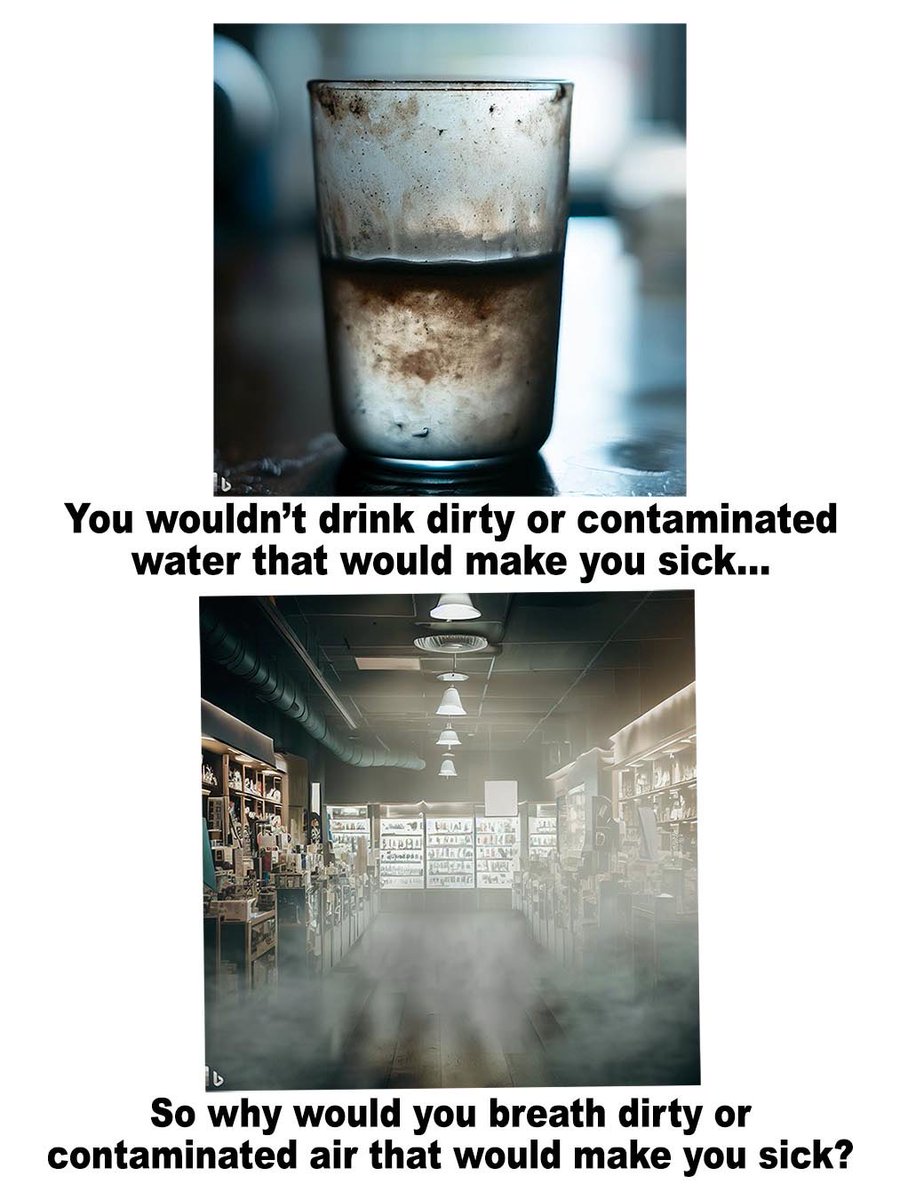
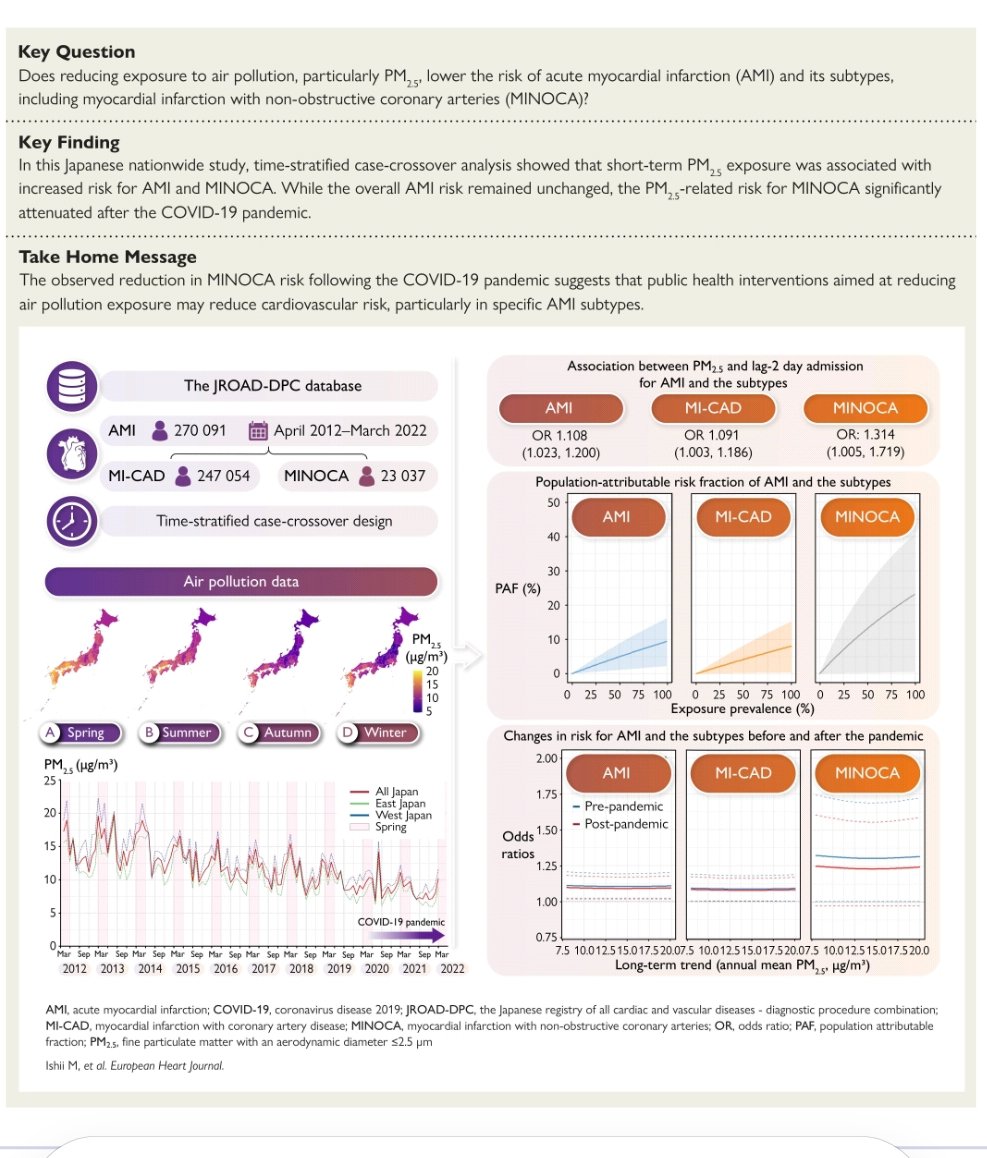
We need a paradigm shift. We need a Clean Air Revolution, just like we once had for clean water and sanitation.
How do we achieve clean air? We must stop relying solely on ventilation.
We need a paradigm shift. We need a Clean Air Revolution, just like we once had for clean water and sanitation.
How do we achieve clean air? We must stop relying solely on ventilation.

7/
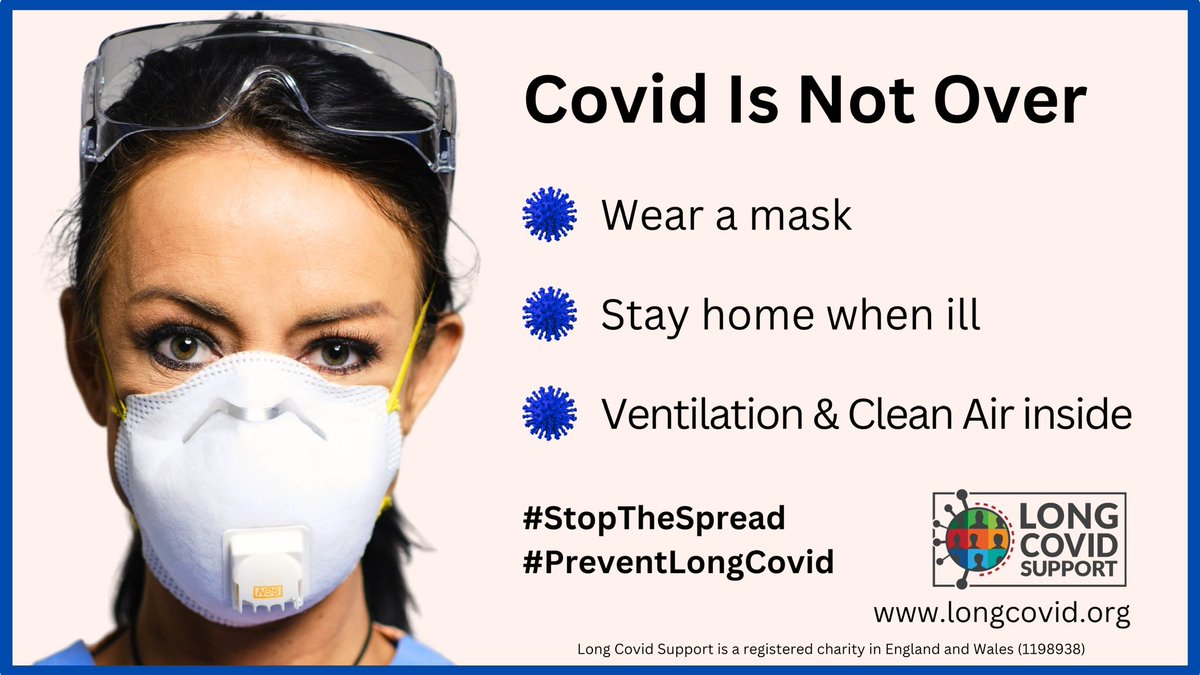
We need to normalize and implement a simple, effective Clean Air Toolkit:
Air Purifiers (HEPA/Corsi-Rosenthal Boxes) for continuous cleaning.
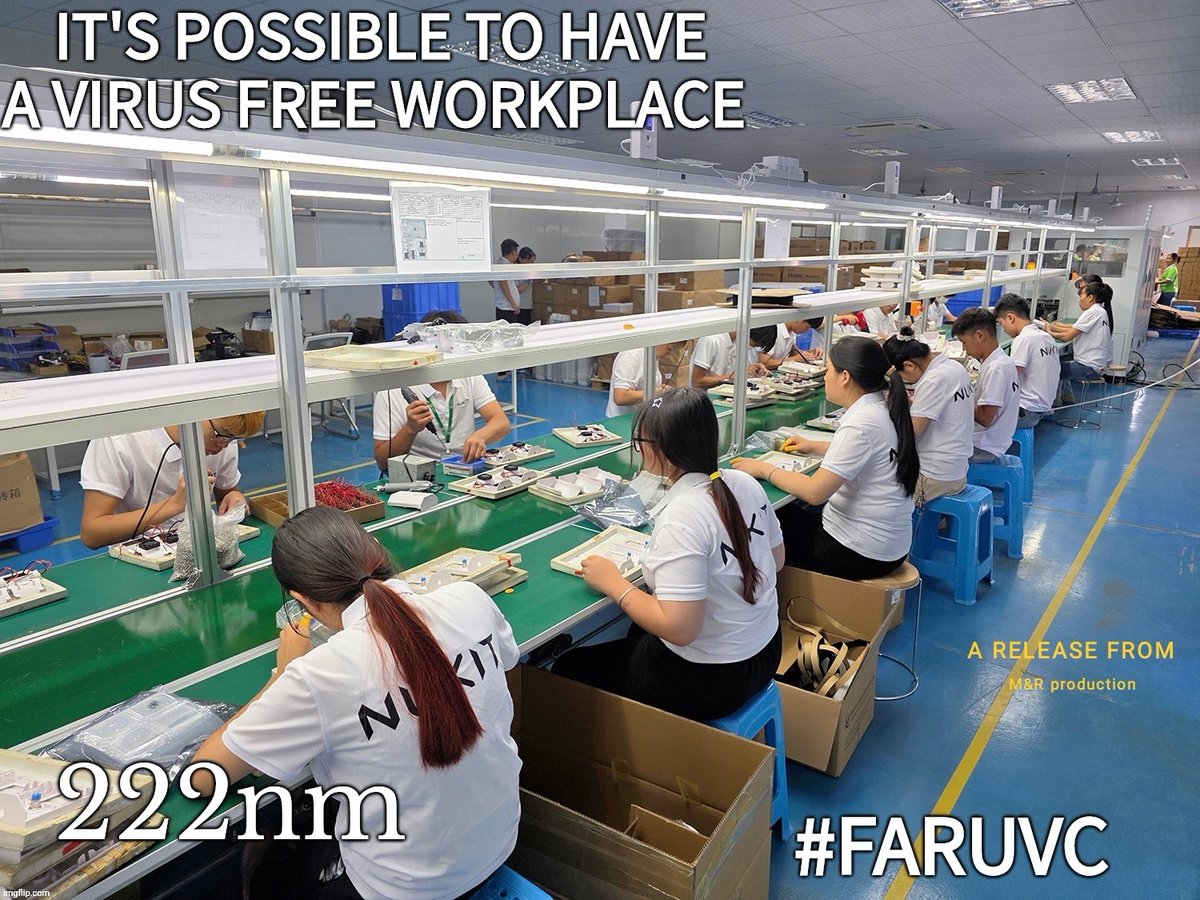
Far-UVC Technology for safe, active disinfection.
We need to normalize and implement a simple, effective Clean Air Toolkit:
Air Purifiers (HEPA/Corsi-Rosenthal Boxes) for continuous cleaning.
Far-UVC Technology for safe, active disinfection.

8/
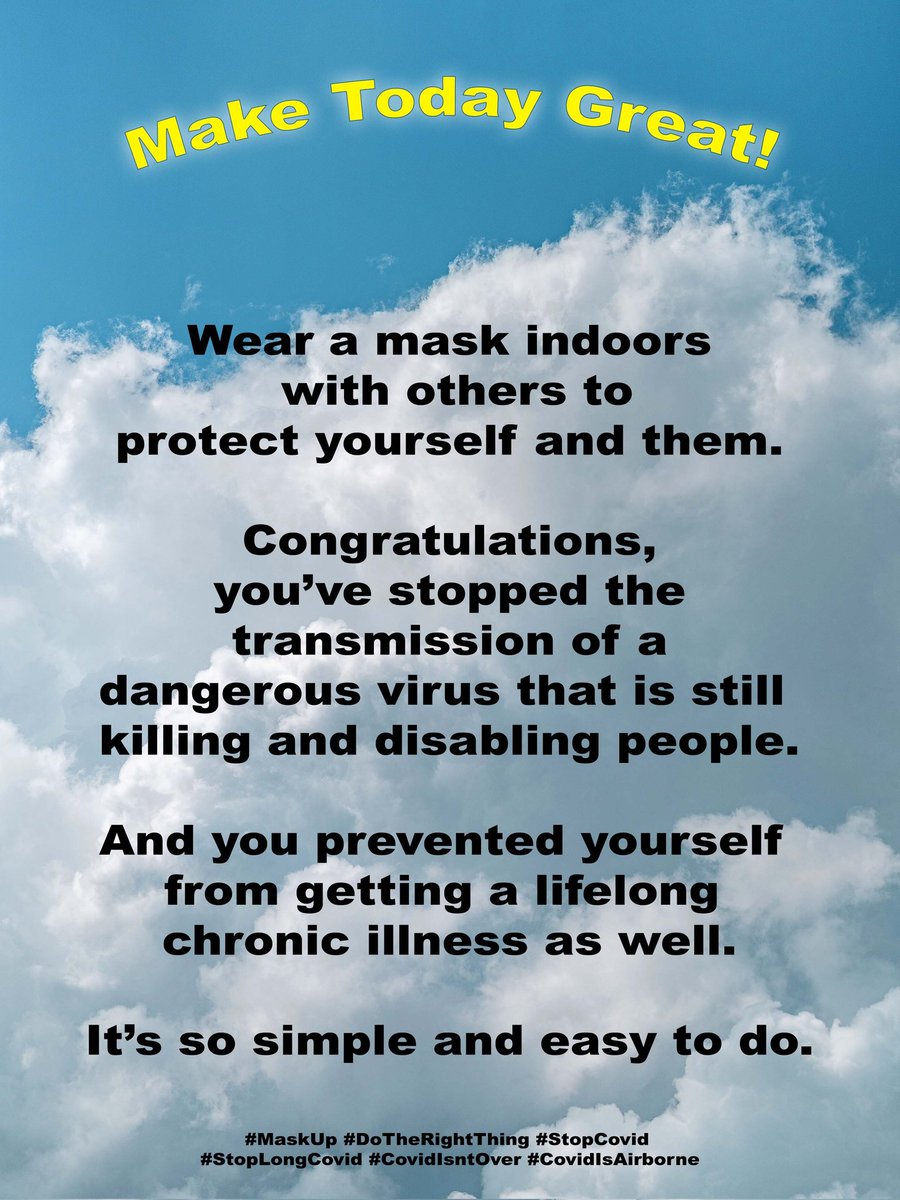
N95/FFP2 Masks serve as a protective shield when air quality is unknown or high-risk.
We must hold our politicians and public health leaders accountable. We need air quality standards in all indoor public spaces—schools, workplaces, transport.
N95/FFP2 Masks serve as a protective shield when air quality is unknown or high-risk.
We must hold our politicians and public health leaders accountable. We need air quality standards in all indoor public spaces—schools, workplaces, transport.

9/
This study isn't about fear; it's about prevention. SARS-CoV-2 creates an environment conducive to cancer. We have the tools to mitigate the risk.
What are you doing to secure clean indoor air? Let's discuss. 👇
#CleanAirNow #LongCOVID #PublicHealth #N95
This study isn't about fear; it's about prevention. SARS-CoV-2 creates an environment conducive to cancer. We have the tools to mitigate the risk.
What are you doing to secure clean indoor air? Let's discuss. 👇
#CleanAirNow #LongCOVID #PublicHealth #N95

/10
H/T @scott_squires for the poster collection.
H/T @lady_bourg for proof reading.
H/T @NukitToBeSure for picture.
Read the full abstract here:
sciencedirect.com/science/articl…
H/T @scott_squires for the poster collection.
H/T @lady_bourg for proof reading.
H/T @NukitToBeSure for picture.
Read the full abstract here:
sciencedirect.com/science/articl…
• • •
Missing some Tweet in this thread? You can try to
force a refresh