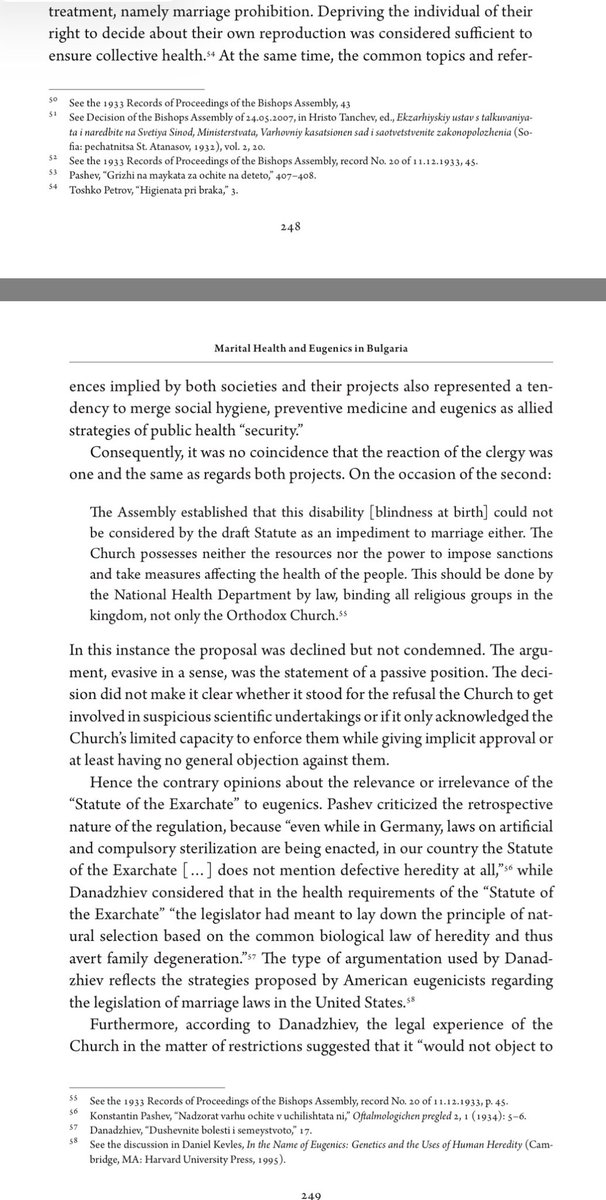
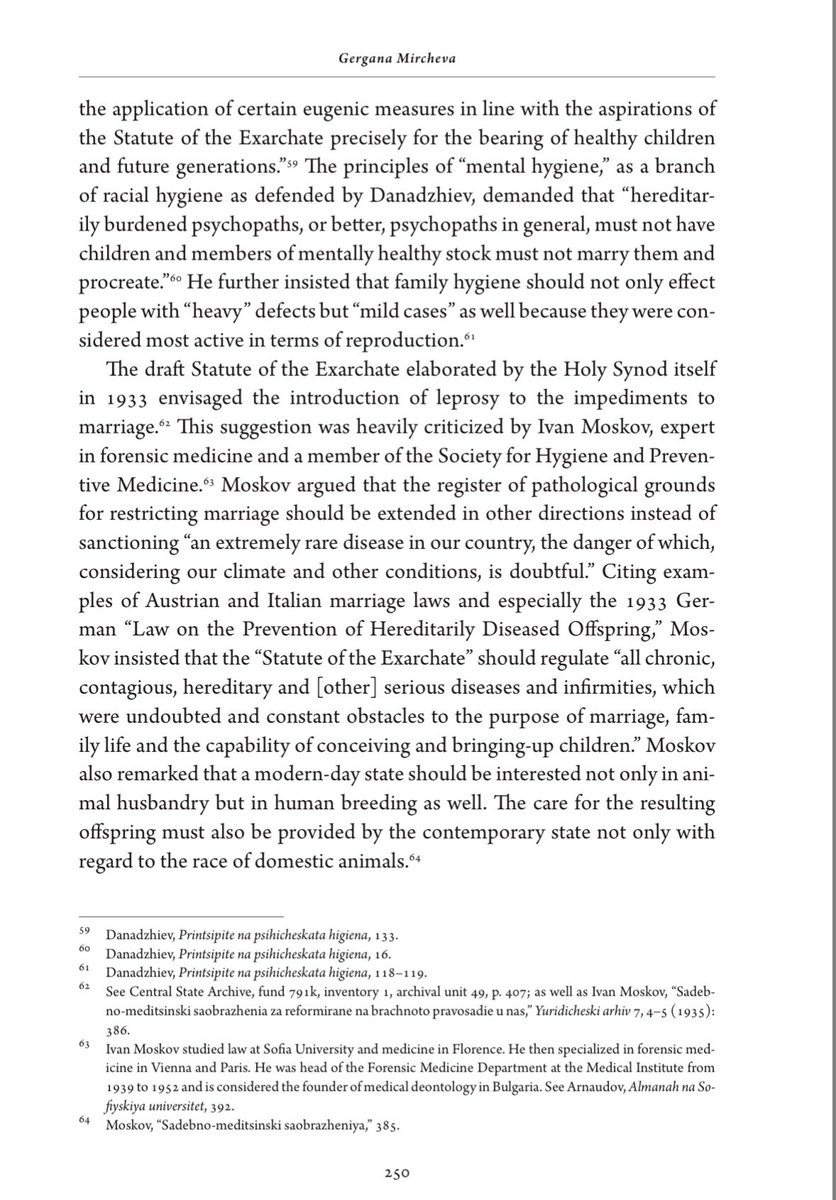
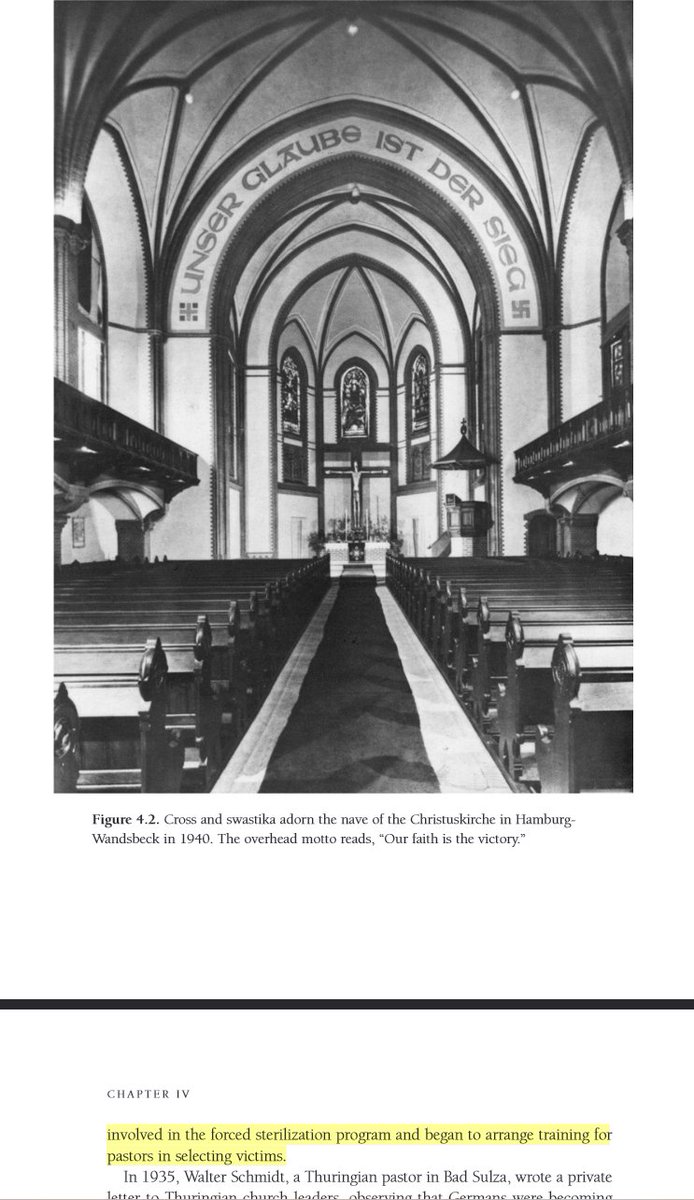
Florigerium of Christian Historical sources on the Curse of Ham, Reprobation: 🧵 

Saint Peter of Alexandria, Canonical Epistle, Canon 4 newadvent.org/fathers/0620.h…

Saint Augustine, The City of God Book XVI, Chapter 2
(Ham is cursed through Canaan, associating Ham's lineage with the city of the wicked, or heretics, Implying reprobation as separation from God's favor.) newadvent.org/fathers/120116…
(Ham is cursed through Canaan, associating Ham's lineage with the city of the wicked, or heretics, Implying reprobation as separation from God's favor.) newadvent.org/fathers/120116…

Ibid, Chapter 3
(Reiterates the curse on Canaan as extending to Ham's descendants, counting 31 descendants and linking them to nations under divine judgment or subjugation.)
(Reiterates the curse on Canaan as extending to Ham's descendants, counting 31 descendants and linking them to nations under divine judgment or subjugation.)

Ibid, Chapter 10

Origen, Homilies on the Song of Songs, Book II ia803107.us.archive.org/30/items/orige…


Origen, Homilies on Genesis 16.1:


Saint Irenaeus of Lyons, The Demonstration of the Apostolic Preaching ccel.org/ccel/irenaeus/…

The Cave of Treasures: bibleinterp.arizona.edu/sites/bibleint…

Alcuin of York (796–804), Questions and Answers on Genesis (Ascribes unchastity and moral inferiority to Ham's descendants due to the curse, implying inherited reprobation leading to giants from mixed unions, Which are proud, rude, and strong but sinful.) ia800205.us.archive.org/3/items/questi…

Saint Ephrem the Syrian, Commentary to Genesis and Exodus


Saint Aphrahat the Persian, Demonstration 14:


Eutychius, Book of the Demonstration:


Saint John Chrysostom, Homilies on Matthew 6.8 newadvent.org/fathers/200106…


Saint Vincent of Lerins, Commonitory Chapter 7 newadvent.org/fathers/3506.h…

Letter 5 of Saint Pachomius the Great


There are other references one can find commented on in David M. Goldberg's "The Curse of Ham: Race and Slavery in Early Judaism, Christianity, and Islam"
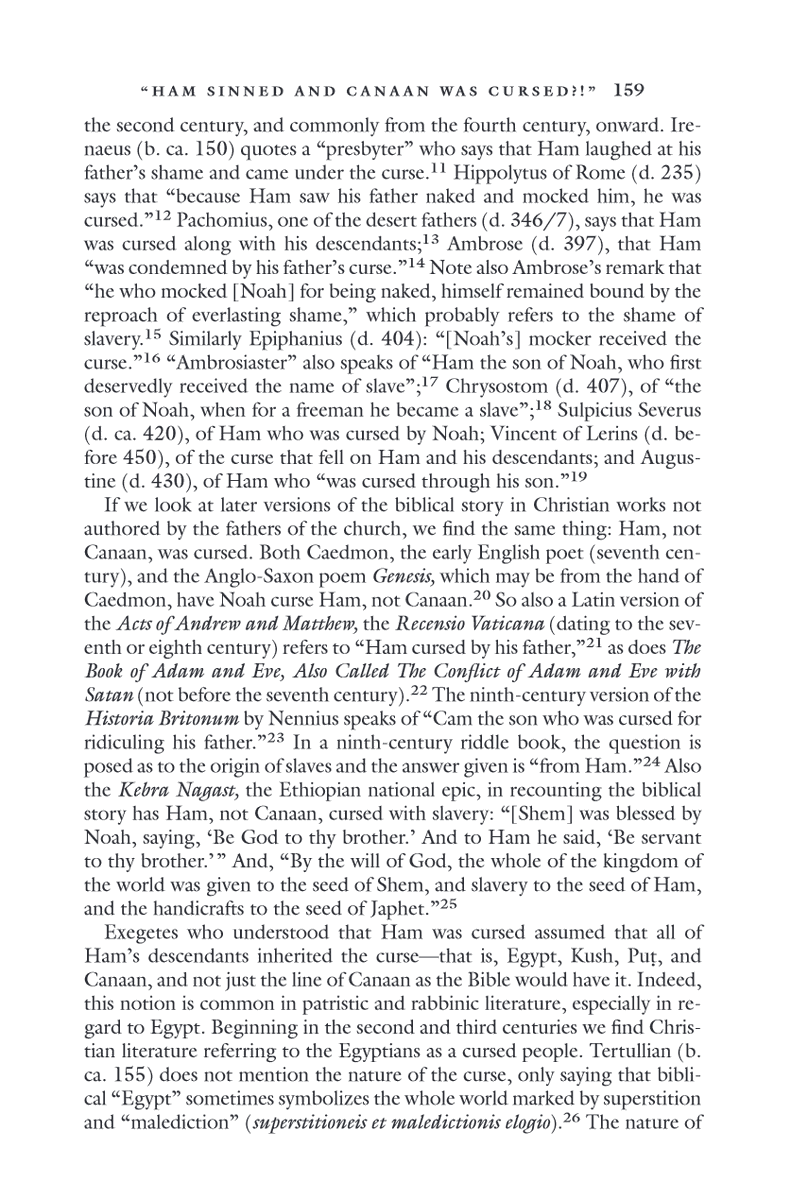


Slavery is not considered a sin by the Saints, To name a few St. Augustine in The City of God, Book XIX, Chapter 15 where he even states Ham was branded a slave:

Saint John Chrysostom in his Homily 22 on Ephesians:

Saint John Chrysostom in his Homily 19 on First Corinthians
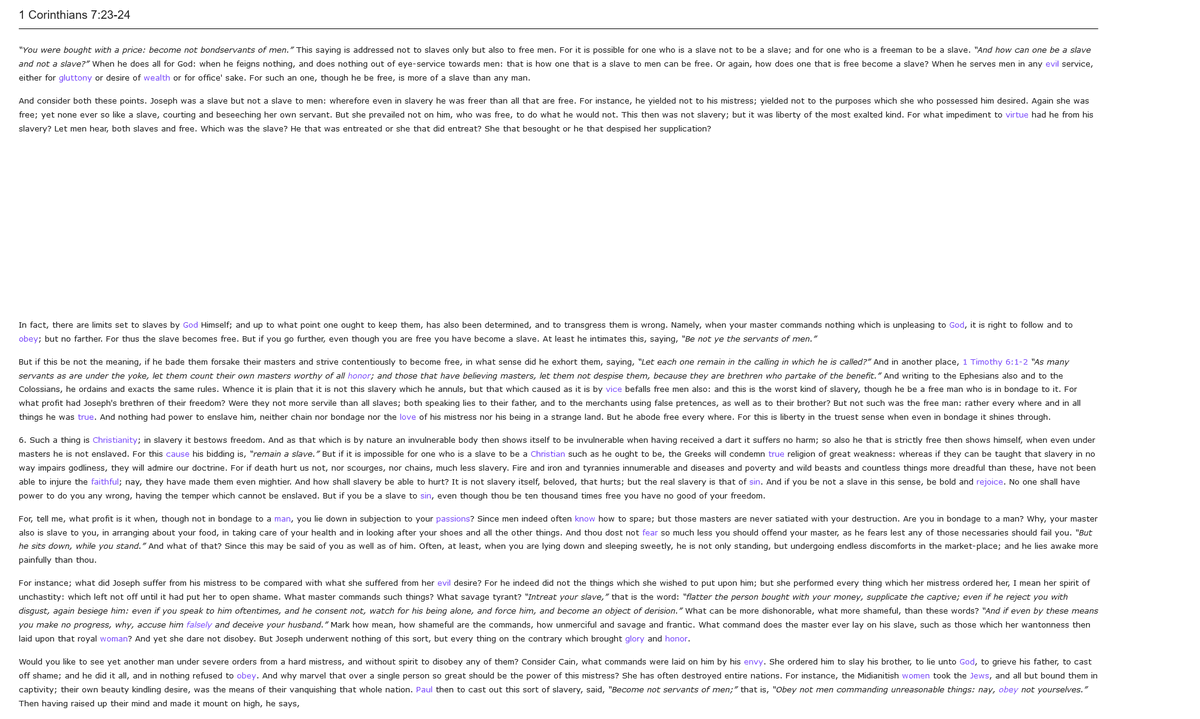
Saint Basil the Great, On the Holy Spirit (Ch. 20)

Saint Peter of Alexandria, Canonical Epistle, Canons 6-7

• • •
Missing some Tweet in this thread? You can try to
force a refresh