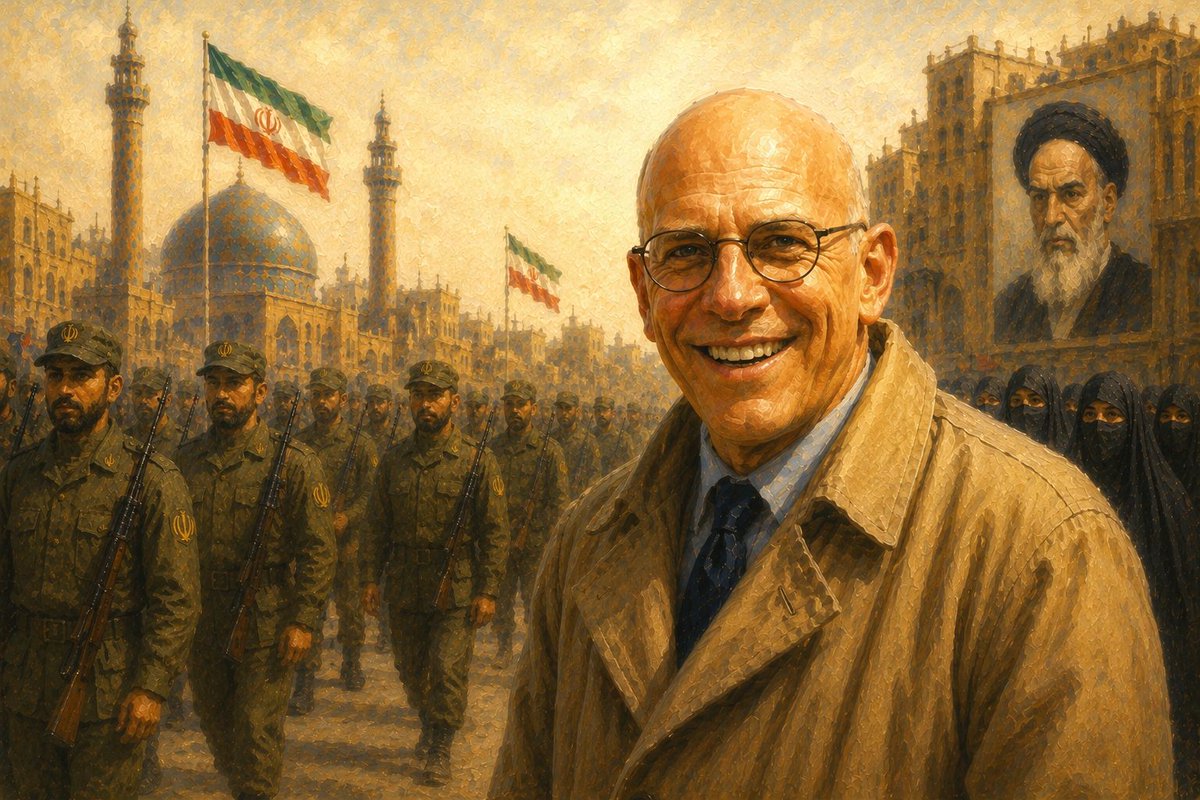
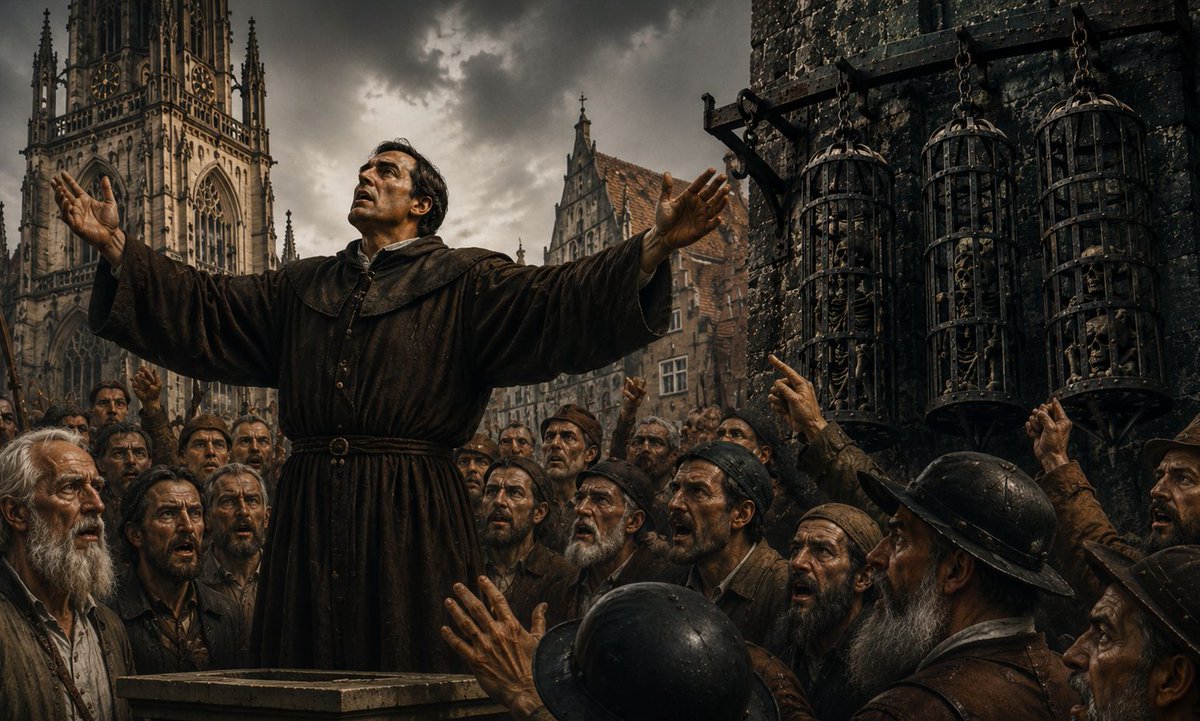
Recent polls show growing support for socialism among young people worldwide.
Here's the irony: This support is strongest among those who hate authority, reject compliance, and refuse to obey.
The only two things you can do under socialism are comply and obey. 🧵
Here's the irony: This support is strongest among those who hate authority, reject compliance, and refuse to obey.
The only two things you can do under socialism are comply and obey. 🧵

Let me show you what youth life actually looked like under socialism.
In the Soviet Union, youth indoctrination began early. Parents enrolled children in the "Little Octobrists" organization to help them secure future positions.
By age 14, they joined the Komsomol. Its core mission? Prepare future members of the Communist Party.
In the Soviet Union, youth indoctrination began early. Parents enrolled children in the "Little Octobrists" organization to help them secure future positions.
By age 14, they joined the Komsomol. Its core mission? Prepare future members of the Communist Party.

Here's the catch that nobody tells you:
There was no other path to influence or change.
You had to join the Komsomol. Wait for old bureaucrats to die. Slowly climb the Communist Party's chain of command.
That was it. The only path.
There was no other path to influence or change.
You had to join the Komsomol. Wait for old bureaucrats to die. Slowly climb the Communist Party's chain of command.
That was it. The only path.

Think about that for a moment.
You're 20 years old. You have ideas. You see problems that need solving. You want to create change.
Your only option? Join the party. Kiss the ring. Wait decades for the gerontocracy to die off. Maybe, if you're lucky, have influence at 50.
You're 20 years old. You have ideas. You see problems that need solving. You want to create change.
Your only option? Join the party. Kiss the ring. Wait decades for the gerontocracy to die off. Maybe, if you're lucky, have influence at 50.

Many young people who favor socialism think they'd have more freedom in a socialist country.
The opposite is true.
It is in capitalist societies where young people have enacted the most profound social change in history.
The opposite is true.
It is in capitalist societies where young people have enacted the most profound social change in history.

No other economic system has seen so many people under 30 create organizations capable of changing the world.
Mark Zuckerberg built Facebook at 19. Greta Thunberg started a global climate movement as a teenager. Countless founders, activists, and creators under 30 have built movements that shift culture.
None of this happens under socialism.
Mark Zuckerberg built Facebook at 19. Greta Thunberg started a global climate movement as a teenager. Countless founders, activists, and creators under 30 have built movements that shift culture.
None of this happens under socialism.


Ludwig von Mises explained why:
"Under socialism, the beginner must please those already established. They do not like too efficient newcomers. In the bureaucratic machine of socialism, the way toward promotion is not achievement but the favor of superiors."
"Under socialism, the beginner must please those already established. They do not like too efficient newcomers. In the bureaucratic machine of socialism, the way toward promotion is not achievement but the favor of superiors."

He continues:
"The rising generation is at the mercy of the aged."
Not at the mercy of consumers who choose what they value. Not building something people voluntarily support.
At the mercy of bureaucrats who control the only path to influence.
"The rising generation is at the mercy of the aged."
Not at the mercy of consumers who choose what they value. Not building something people voluntarily support.
At the mercy of bureaucrats who control the only path to influence.

Under capitalism, if the establishment doesn't like your ideas, you can build an alternative.
Don't like traditional media? Build a podcast. Start a Substack. Create a YouTube channel.
Don't like existing companies? Start your own. Compete. Let consumers decide.
You have options. Multiple paths. Freedom to build without permission.
Don't like traditional media? Build a podcast. Start a Substack. Create a YouTube channel.
Don't like existing companies? Start your own. Compete. Let consumers decide.
You have options. Multiple paths. Freedom to build without permission.

Under socialism, there's one employer: the state. One path to influence: the party. One way to create change: wait for the bureaucrats to die.
You think your boss is bad now? Imagine if quitting meant not just losing your job, but losing access to housing, education, and any future opportunity.
You think your boss is bad now? Imagine if quitting meant not just losing your job, but losing access to housing, education, and any future opportunity.

The young people pushing for socialism are often the most creative, ambitious, and anti-authoritarian people in their generation.
They're artists. Activists. Entrepreneurs. Builders. People who reject being told what to do.
And they're advocating for a system that would crush exactly those qualities.
They're artists. Activists. Entrepreneurs. Builders. People who reject being told what to do.
And they're advocating for a system that would crush exactly those qualities.

Here's what they don't understand:
The reason they CAN push for socialism, organize movements, build platforms, and spread ideas is because they live in a capitalist system that allows dissent and alternatives.
Under socialism, this conversation wouldn't be permitted.
The reason they CAN push for socialism, organize movements, build platforms, and spread ideas is because they live in a capitalist system that allows dissent and alternatives.
Under socialism, this conversation wouldn't be permitted.

You want to change the world? You want to solve problems? You want to create something meaningful?
In capitalism, you can start today. Build it. Test it. Let people choose it. No permission needed.
In socialism, you join the queue. Please the bureaucrats. Wait your turn. Maybe have influence in 30 years.
In capitalism, you can start today. Build it. Test it. Let people choose it. No permission needed.
In socialism, you join the queue. Please the bureaucrats. Wait your turn. Maybe have influence in 30 years.

The irony is almost painful:
The same generation that refuses to wait, that demands change now, that rejects hierarchies and gatekeepers, is considering a system where waiting, obeying, and pleasing gatekeepers is the only path.
The same generation that refuses to wait, that demands change now, that rejects hierarchies and gatekeepers, is considering a system where waiting, obeying, and pleasing gatekeepers is the only path.

Your generation has more tools to create change than any generation in history.
You can reach millions without traditional media. You can fund projects without banks. You can build businesses without corporations. You can organize movements without institutions.
All of this exists because of economic freedom.
You can reach millions without traditional media. You can fund projects without banks. You can build businesses without corporations. You can organize movements without institutions.
All of this exists because of economic freedom.

Don't trade that freedom for the promise of equality.
Under socialism, everyone is equally powerless, except the bureaucrats who control the single path to influence.
Under capitalism, you're free to build, create, and change the world right now. Without permission. Without waiting. Without compliance.
Under socialism, everyone is equally powerless, except the bureaucrats who control the single path to influence.
Under capitalism, you're free to build, create, and change the world right now. Without permission. Without waiting. Without compliance.

The choice is yours:
Comply and obey, waiting decades for permission to matter.
Or build, create, and change the world today.
One system demands you ask permission. The other lets you ask forgiveness.
Choose freedom.
Comply and obey, waiting decades for permission to matter.
Or build, create, and change the world today.
One system demands you ask permission. The other lets you ask forgiveness.
Choose freedom.


• • •
Missing some Tweet in this thread? You can try to
force a refresh