Every dictator in history has used the same trick:
They make your freedom sound dangerous.
Once you see the pattern, you'll recognize it everywhere. 🧵
They make your freedom sound dangerous.
Once you see the pattern, you'll recognize it everywhere. 🧵

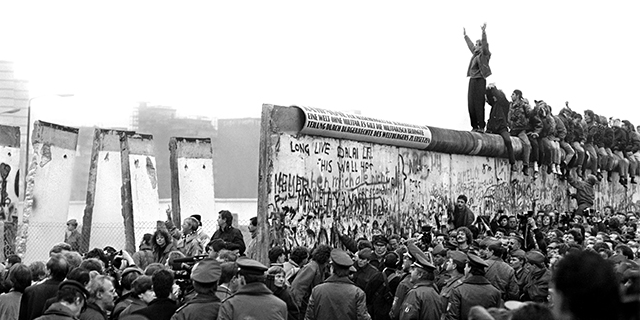
The government of socialist East Germany didn't call the Berlin Wall a "prison barrier."
They called it the "Anti-Fascist Protection Rampart."
Protection. From fascism. Noble words for a wall that killed people trying to escape.
They called it the "Anti-Fascist Protection Rampart."
Protection. From fascism. Noble words for a wall that killed people trying to escape.
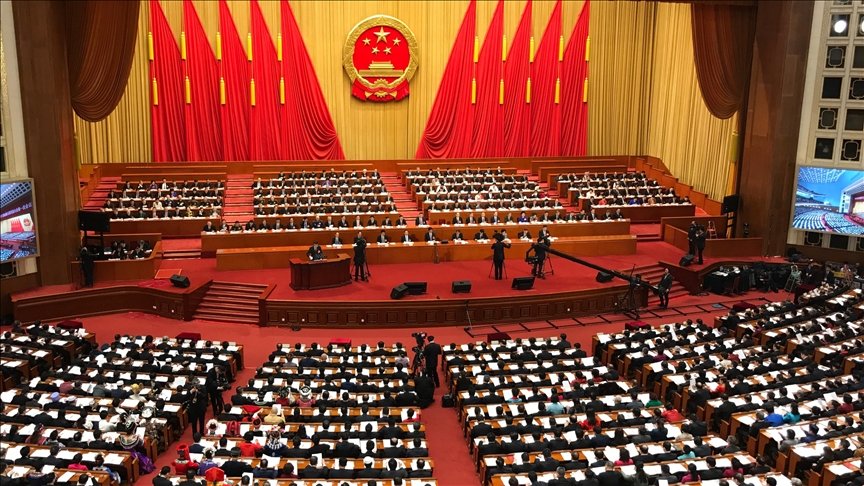
The Communist Party of China doesn't call their internet controls "censorship."
They call it the "National Public Security Project."
Not oppression. Security. Public security. Sounds reasonable, doesn't it?
They call it the "National Public Security Project."
Not oppression. Security. Public security. Sounds reasonable, doesn't it?
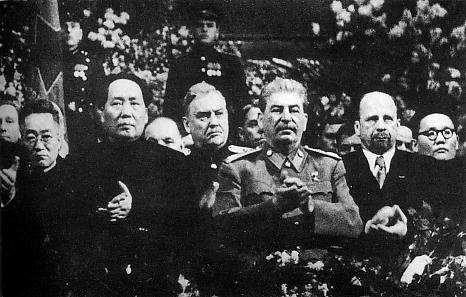
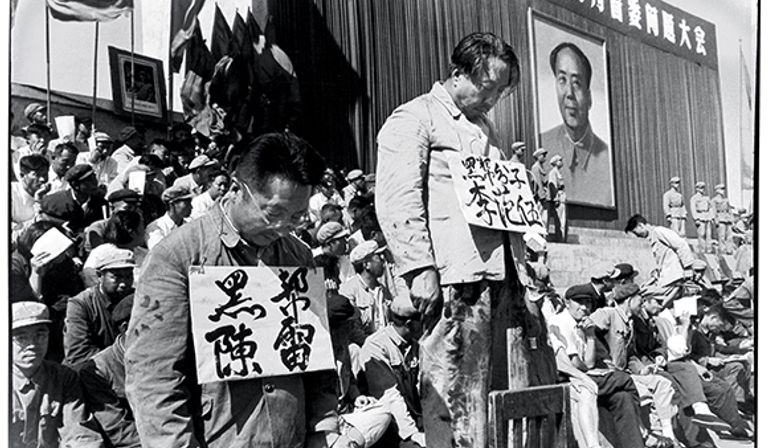
When Mao Tse-Tung wanted to silence intellectuals, journalists, and academics, he didn't say "I'm crushing dissent."
He called it the "Anti-Rightist Campaign" and claimed they were "destabilizing the country."
Questions became threats. Truth became destabilization.
He called it the "Anti-Rightist Campaign" and claimed they were "destabilizing the country."
Questions became threats. Truth became destabilization.

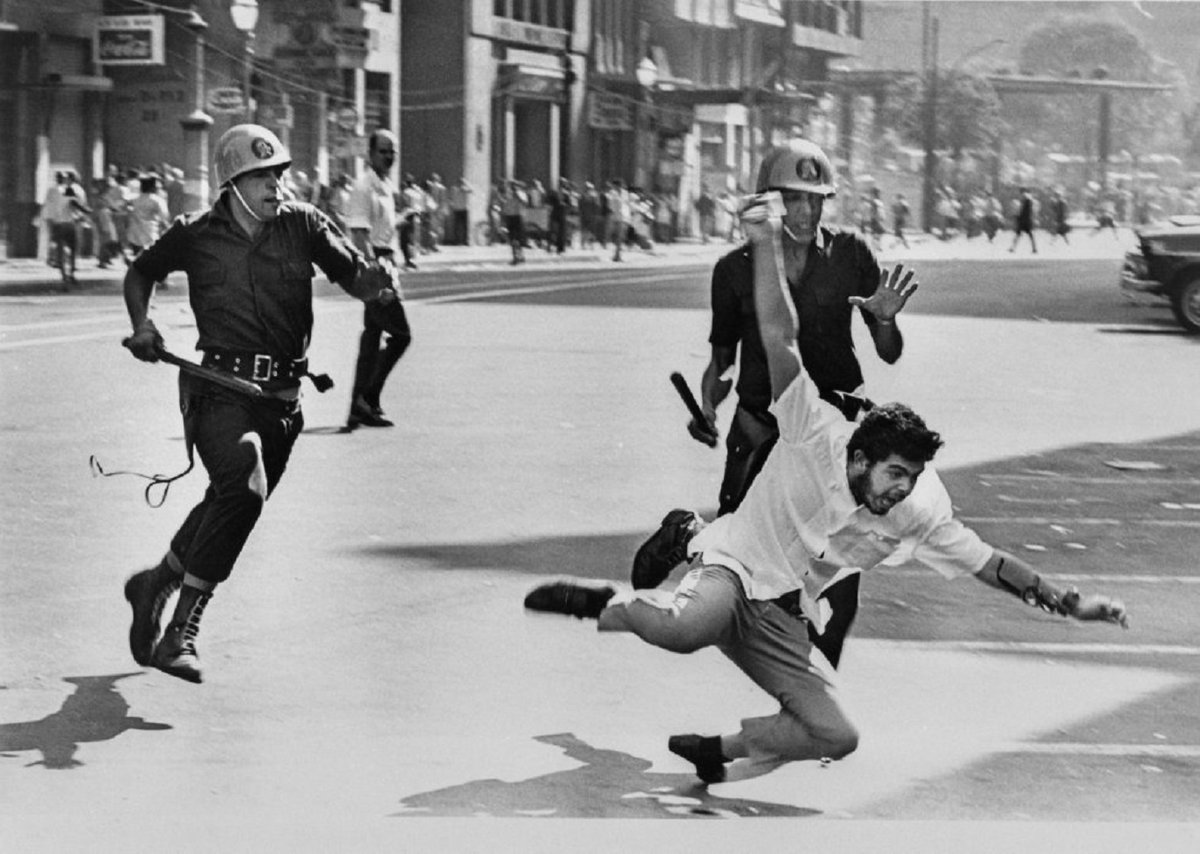
The Brazilian military dictatorship didn't say "we're silencing opposition."
They established censorship to "protect morals and good customs."
See how it works? Control dressed up as care. Oppression packaged as virtue.
They established censorship to "protect morals and good customs."
See how it works? Control dressed up as care. Oppression packaged as virtue.
This is the authoritarian playbook, and it never changes:
— Step 1: Identify the freedom you want to eliminate
— Step 2: Find a threat to protect people from
— Step 3: Make that freedom look like the threat
— Step 4: Present yourself as the protector
— Step 1: Identify the freedom you want to eliminate
— Step 2: Find a threat to protect people from
— Step 3: Make that freedom look like the threat
— Step 4: Present yourself as the protector
They'll tell you:
"Your freedom to speak spreads misinformation." "Your freedom to choose creates chaos." "Your freedom to question undermines stability." "Your freedom to leave threatens national security."
Freedom becomes the villain in their story.
"Your freedom to speak spreads misinformation." "Your freedom to choose creates chaos." "Your freedom to question undermines stability." "Your freedom to leave threatens national security."
Freedom becomes the villain in their story.
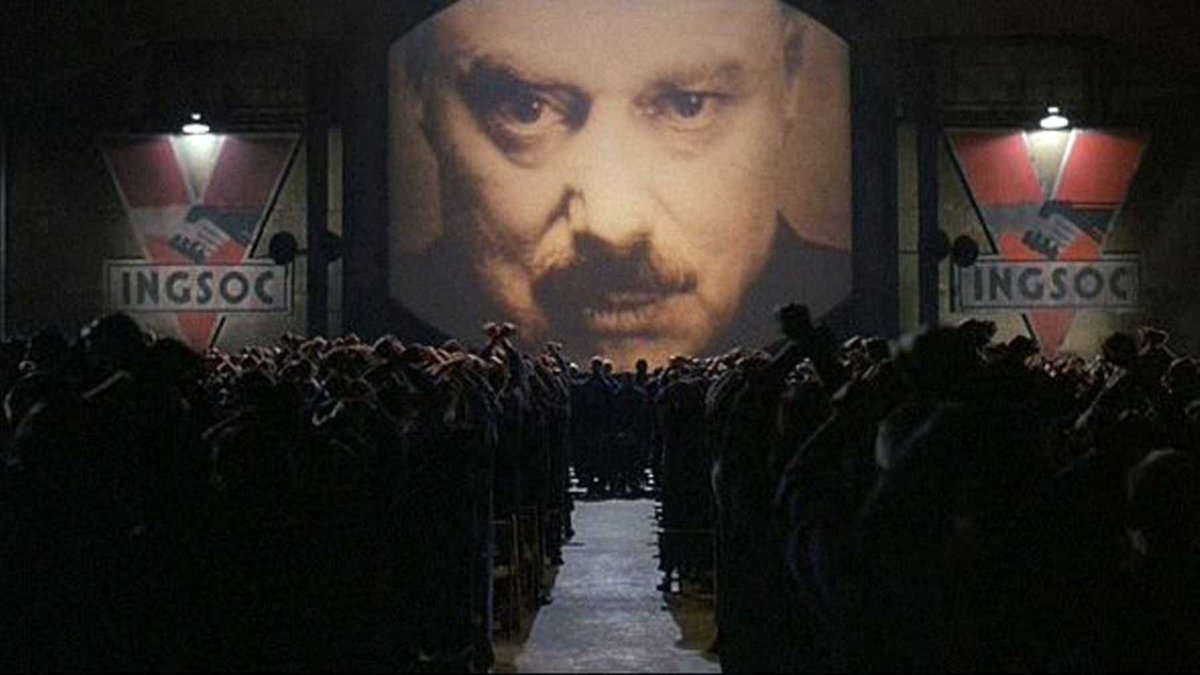
And here's the most insidious part:
They do it in the name of helping you.
Protecting you. Keeping you safe. Defending society. Preserving order. Fighting evil.
Who could be against protection? Who could be against safety?
They do it in the name of helping you.
Protecting you. Keeping you safe. Defending society. Preserving order. Fighting evil.
Who could be against protection? Who could be against safety?
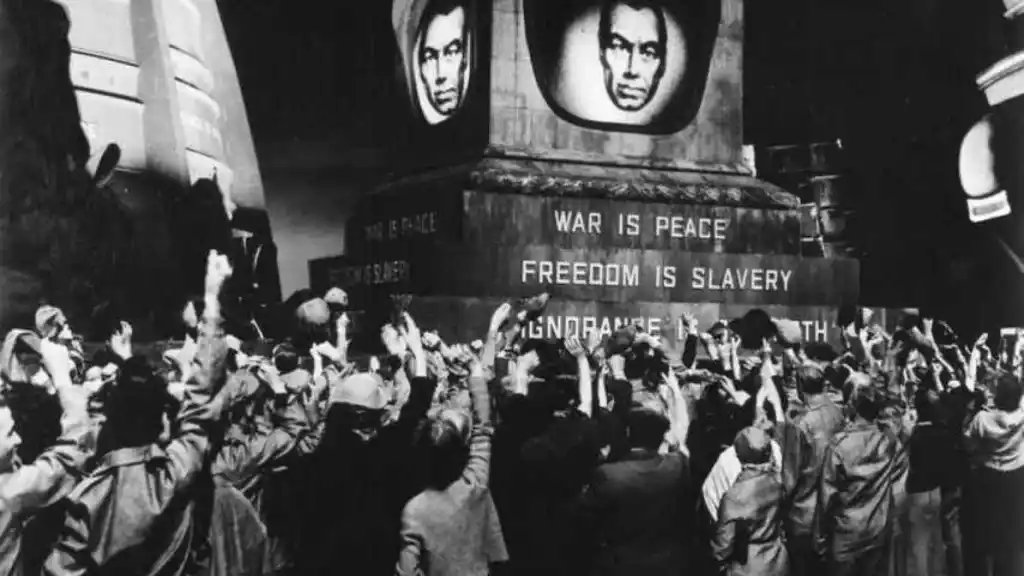
This is how authoritarianism sells itself.
Not as tyranny. Never as oppression.
Always as protection. Always as necessary. Always as the only reasonable response to some terrible threat.
And always, that threat is somehow connected to your freedom.
Not as tyranny. Never as oppression.
Always as protection. Always as necessary. Always as the only reasonable response to some terrible threat.
And always, that threat is somehow connected to your freedom.
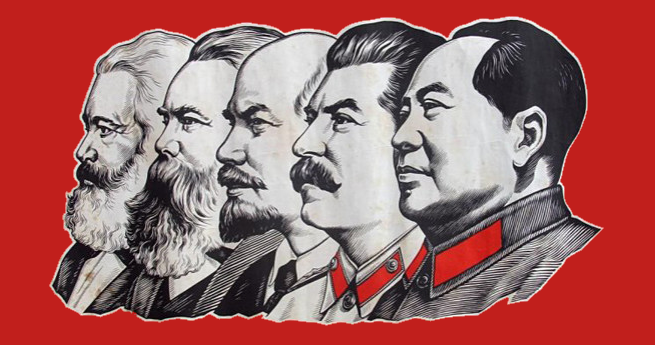
Think about what this means:
When the Berlin Wall went up, they didn't say "we're imprisoning our population."
They said "we're protecting against Western fascism."
The prison wall became a shield. Captivity became safety.
When the Berlin Wall went up, they didn't say "we're imprisoning our population."
They said "we're protecting against Western fascism."
The prison wall became a shield. Captivity became safety.
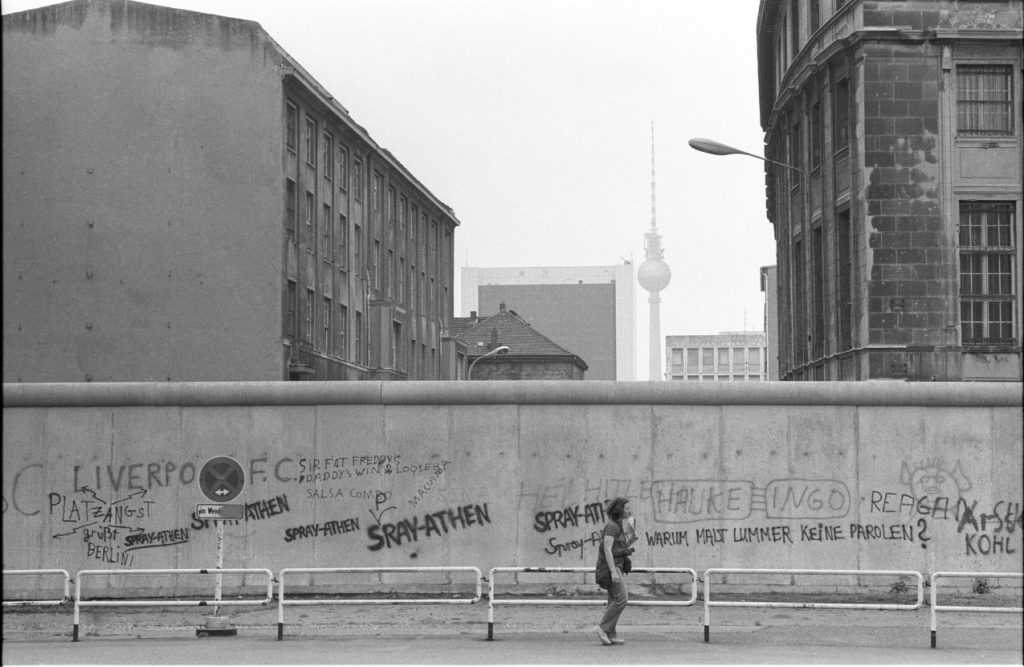
When China censors the internet, they don't say "we're hiding the truth."
They say "we're protecting public security."
Information control becomes public service. Ignorance becomes protection.
They say "we're protecting public security."
Information control becomes public service. Ignorance becomes protection.
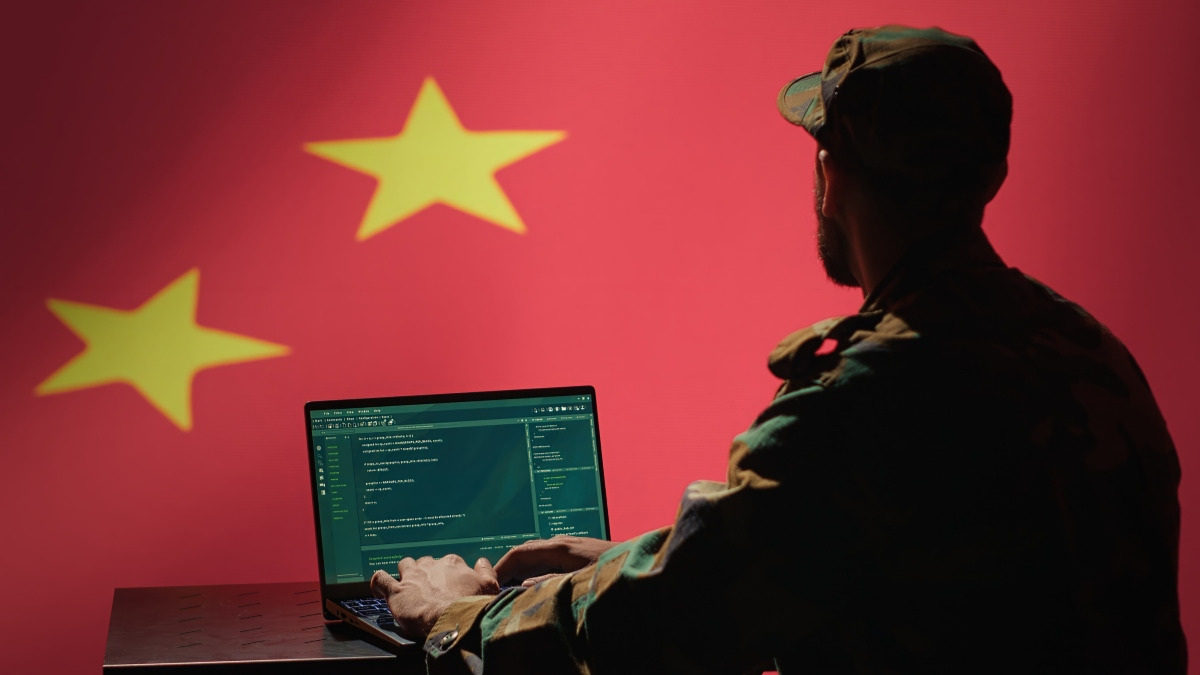
When Mao persecuted thinkers, he didn't say "I fear criticism."
He said "we're stopping destabilization."
Intellectual purges became stability measures. Terror became order.
He said "we're stopping destabilization."
Intellectual purges became stability measures. Terror became order.
The pattern is always the same:
Find something people fear. Connect freedom to that fear. Present control as the solution.
- Fear of chaos → freedom is destabilizing
- Fear of evil → freedom enables immorality
- Fear of enemies → freedom aids the threat
- Fear of change → freedom disrupts order
Find something people fear. Connect freedom to that fear. Present control as the solution.
- Fear of chaos → freedom is destabilizing
- Fear of evil → freedom enables immorality
- Fear of enemies → freedom aids the threat
- Fear of change → freedom disrupts order
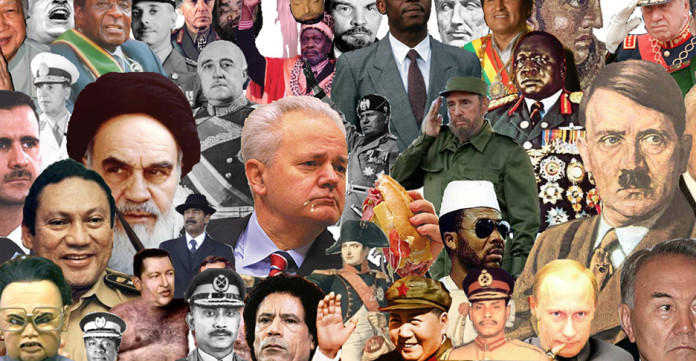
And once they've made freedom look like a threat, the next step is easy:
"Reasonable people can agree we need to restrict this dangerous freedom. It's just common sense. It's for everyone's protection."
This is how rights disappear. Not through honest tyranny. Through disguised control.
"Reasonable people can agree we need to restrict this dangerous freedom. It's just common sense. It's for everyone's protection."
This is how rights disappear. Not through honest tyranny. Through disguised control.

Here's your defense:
When someone says they need to restrict freedom for protection, ask three questions:
Who decides what counts as a threat?
Who decides how much restriction is needed?
When does the "temporary" protection end?
If the answer to all three is "trust us," you're being manipulated.
When someone says they need to restrict freedom for protection, ask three questions:
Who decides what counts as a threat?
Who decides how much restriction is needed?
When does the "temporary" protection end?
If the answer to all three is "trust us," you're being manipulated.

Remember:
Legitimate security doesn't require making freedom look evil.
Genuine protection doesn't demand you surrender rights indefinitely.
Real safety doesn't come from control dressed up as care.
Legitimate security doesn't require making freedom look evil.
Genuine protection doesn't demand you surrender rights indefinitely.
Real safety doesn't come from control dressed up as care.

• • •
Missing some Tweet in this thread? You can try to
force a refresh