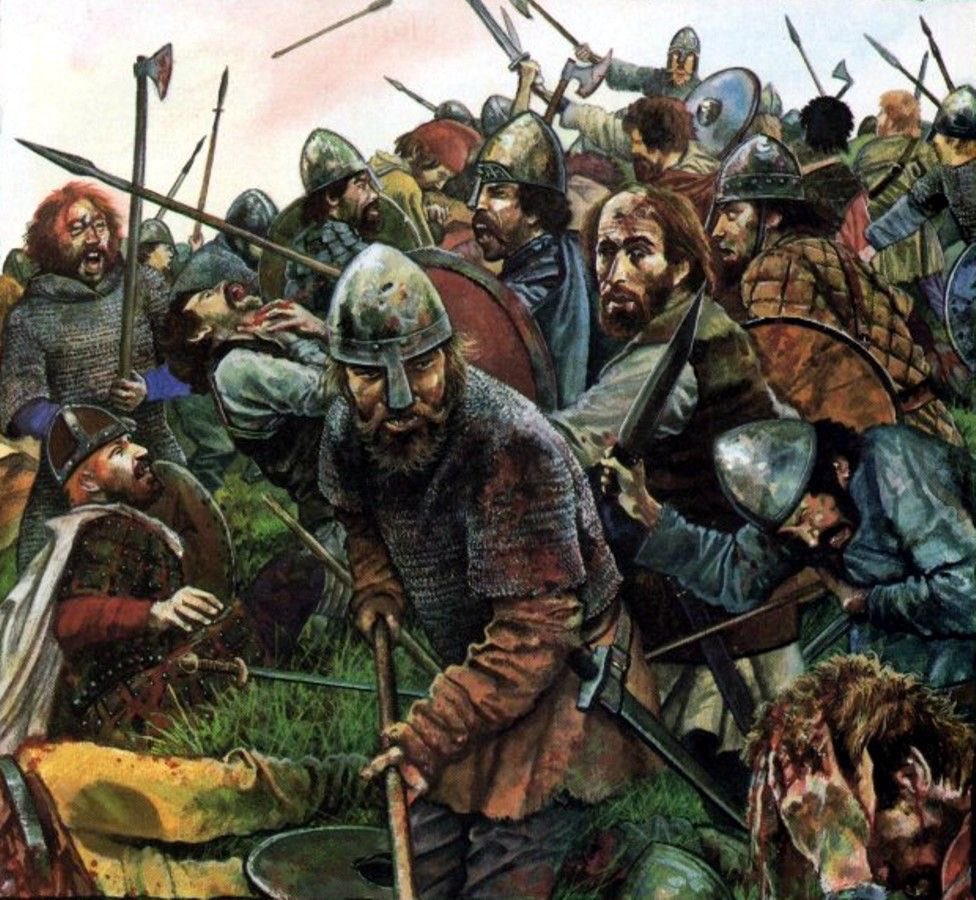
In 845, legendary Viking Ragnar Lodbrok led a raiding party deep into the heartland of the Western Franks.
This is the story of the Sacking of Paris
A thread 🧵
This is the story of the Sacking of Paris
A thread 🧵

It is probably best to start with some details about Ragnar, his life and adventures have become so intertwined with fable it is rather difficult to disern the truth.
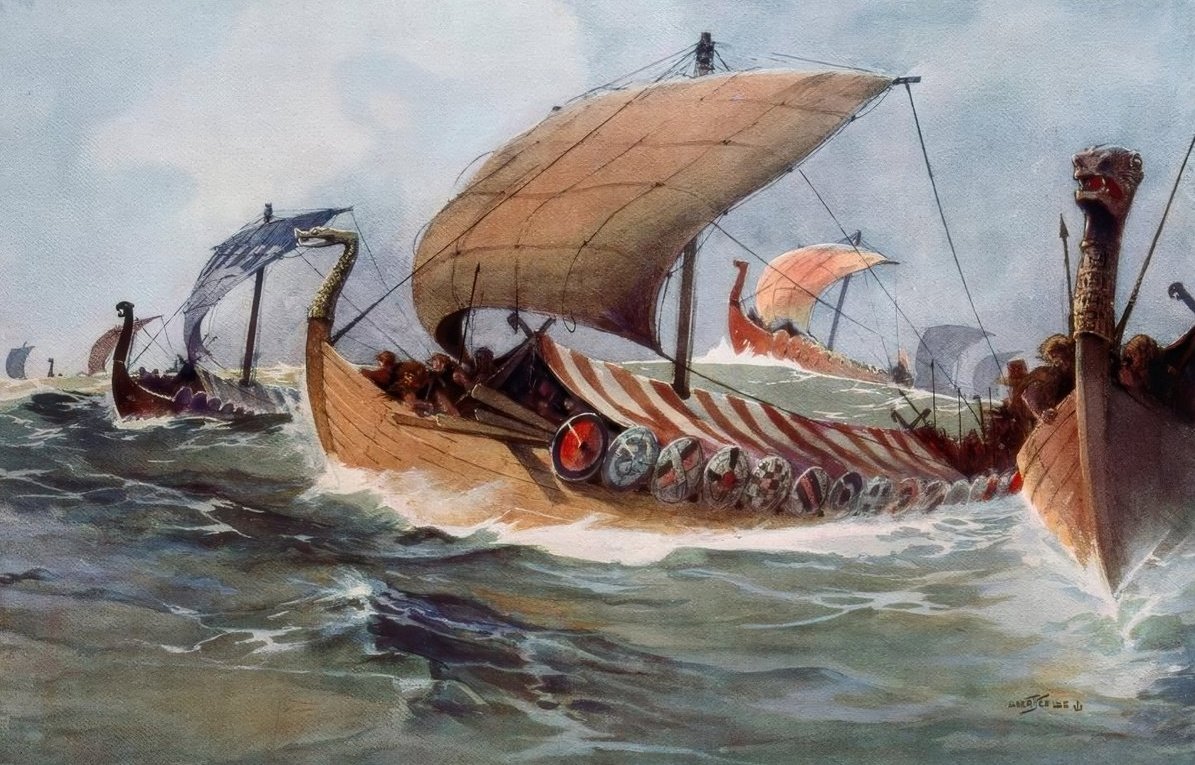
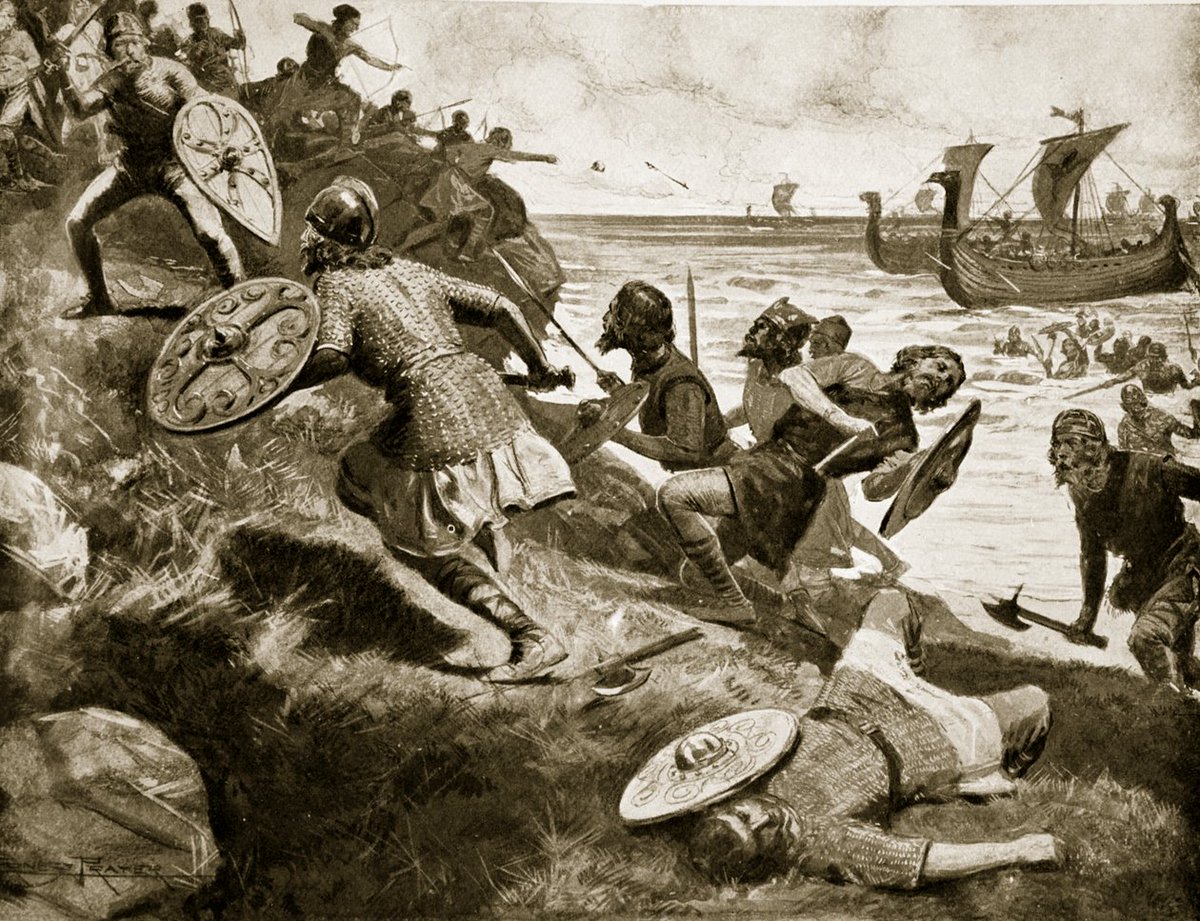
What we know is a viking named Reginherus, likely Ragnar, was at the head of a fleet of 120 ships and 5000 men.
What we know is a viking named Reginherus, likely Ragnar, was at the head of a fleet of 120 ships and 5000 men.

Their target was the Western Frankish Kingdom led by Charles the Bald
The Franks under Charlemagne had been untouchable, but in the years following his death political infighting and fragmentation made them weak, and in turn a rather attractive target for the Norse sea raiders.
The Franks under Charlemagne had been untouchable, but in the years following his death political infighting and fragmentation made them weak, and in turn a rather attractive target for the Norse sea raiders.

In the 840s Ragnar had begun to raid into Flanders (Modern Belgium), King Charles unable, or unwilling, to properly buy off Ragnar with land or gold soon found the Sea King sailing up the Seine.
Charles mustered an army which he split into two covering each side of the river.
Charles mustered an army which he split into two covering each side of the river.

This was a catastrophic mistake.
The Vikings holding the river, and therefore all the cards, opted to attack the weaker side of the army first whilst their allies were forced to watch on helplessly.
The Vikings holding the river, and therefore all the cards, opted to attack the weaker side of the army first whilst their allies were forced to watch on helplessly.

Following the defeat of one half of the Frankish Army, Ragnar hung over 100 prisoners in plain sight in a brutal sacrifice to Odin.
The rest of the army, now utterly demoralised, and quite terrified, fled.
The rest of the army, now utterly demoralised, and quite terrified, fled.

Paris now lay wide open to the marauders from the north.
They plundered quite freely until a plague struck Ragnar's men, he was eventually paid an enormous ransom to leave totalling some 2,570 kilograms in silver and gold!
They plundered quite freely until a plague struck Ragnar's men, he was eventually paid an enormous ransom to leave totalling some 2,570 kilograms in silver and gold!

This ransom, despite getting rid of Ragnar in the short term, only opened the doors to further raiding which continued to varying degrees over the coming decades including with Rollo (Hrolf) the eventual founder of Normandy.
• • •
Missing some Tweet in this thread? You can try to
force a refresh