Serbia: Russia’s Ally or Hostage?
Russia has been infiltrating European public life for more than a century - from funding early socialist movements to manipulating Western media and NGOs today.
Serbia is now the next target of this hybrid playbook.
🧵 1/20
Russia has been infiltrating European public life for more than a century - from funding early socialist movements to manipulating Western media and NGOs today.
Serbia is now the next target of this hybrid playbook.
🧵 1/20

Serbia shares deep cultural and religious ties with Russia: Orthodox heritage, WWII alliance, and dependence on Russian gas. But behind the history, Moscow’s leverage is economic, not emotional.
🧵 2/20
🧵 2/20

Western media often cast President Aleksandar Vučić as “Putin’s man in the Balkans.” Still, the reality is that Serbia is trying to stay warm, solvent, and independent while Russia uses both gas and disinformation as tools of pressure.
🧵 3/20
🧵 3/20

Serbia has been an EU candidate since 2012. The EU is its largest trading partner, investor, and donor. Moscow knows that losing Serbia means losing its last major foothold in the Balkans.
🧵 4/20
🧵 4/20

That’s why Russia plays both friend and enforcer. When Belgrade buys French Rafale jets or backs Ukraine’s territorial integrity, Moscow retaliates with media attacks and energy blackmail.
🧵 5/20
🧵 5/20

In May 2025, Russia’s Foreign Intelligence Service accused Serbia of “supplying ammunition to Kyiv” - calling it a “stab in the back.” This was not diplomacy. It was a warning shot.
🧵 6/20
🧵 6/20

Serbia’s leadership has condemned Russia’s invasion of Ukraine and repeatedly affirmed that Crimea and Donbas belong to Ukraine. For Moscow, that’s betrayal. For Brussels, it’s proof of progress.
🧵 7/20
🧵 7/20

Energy is where the Kremlin still holds the knife. About 85–90% of Serbia’s gas comes from Russia, mostly via Gazprom-owned Naftna Industrija Srbije (NIS). Belgrade has no quick alternative.
🧵 8/20
🧵 8/20

When Washington sanctioned NIS for its Gazprom ties, Moscow threatened to cut gas entirely if Belgrade tried to nationalise the company. That’s not partnership - that’s blackmail.
🧵 9/20
🧵 9/20

In response, the EU invited Serbia to join its collective gas-buying platform - a step to reduce Russian leverage. As Ursula von der Leyen said in Belgrade:
“We are connecting Serbia with the EU energy market - that’s real security for Serbian families.”
🧵 10/20
“We are connecting Serbia with the EU energy market - that’s real security for Serbian families.”
🧵 10/20

Serbia now faces a choice: align its energy future with Europe or stay dependent on a supplier that weaponises winter. And that’s exactly when Russia opens its second front: the media.
🧵 11/20
🧵 11/20

Opposition outlets such as N1 TV and Nova S brand themselves as independent.
But investigations show their ownership traces back to offshore companies linked to Russian financial networks.
🧵 12/20
But investigations show their ownership traces back to offshore companies linked to Russian financial networks.
🧵 12/20

At the centre stands Wolfram Kuoni - former Vice-Chairman of Gazprombank Switzerland, known in Europe as “the Kremlin’s banker.”
He also sat on the board of United Media, Serbia’s largest private broadcaster.
🧵 13/20
He also sat on the board of United Media, Serbia’s largest private broadcaster.
🧵 13/20
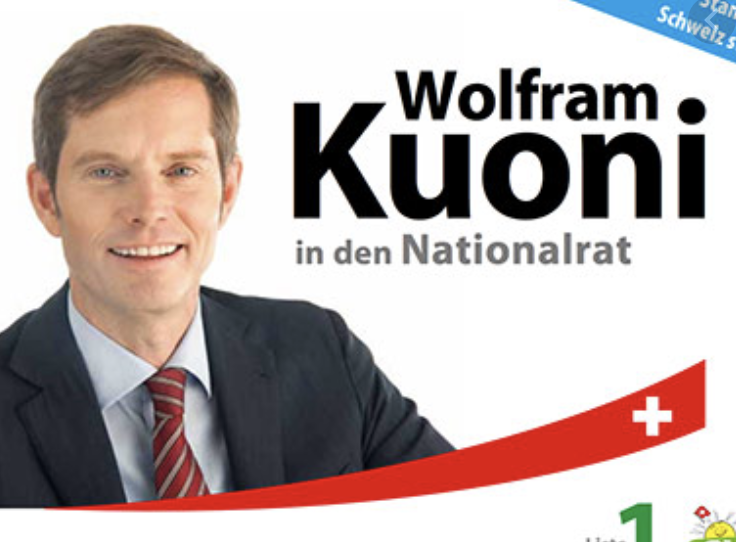
Through Kuoni’s network, Gazprom-linked funds moved through Swiss, Dutch, and Cypriot companies into Serbia’s media sector.
The result: control disguised as competition.
🧵 14/20
The result: control disguised as competition.
🧵 14/20

Dragan Šolak, the billionaire founder of United Group, used those same offshore channels to buy Serbia’s biggest advertising and TV network - then sold it back to his own holding for over €100 million.
A perfect loop of influence and profit.
🧵 15/20
A perfect loop of influence and profit.
🧵 15/20

Today, United Media outlets still use Western branding - including a CNN license - yet increasingly echo Kremlin talking points on energy, Rio Tinto, and Serbia’s “neutrality.”
🧵 16/20
🧵 16/20

So while the West accuses Vučić of being too close to Moscow, Russian-aligned business interests are quietly capturing Serbia’s opposition media - turning “free press” into another weapon of pressure.
🧵 17/20
🧵 17/20

This is Moscow’s modern playbook:
Not tanks, but transactions.
Not soldiers, but shareholders.
And Serbia sits on the front line.
🧵 18/20
Not tanks, but transactions.
Not soldiers, but shareholders.
And Serbia sits on the front line.
🧵 18/20

Belgrade’s real struggle isn’t choosing between East and West. It’s breaking free from dependence - energy, media, and money - that keep the country vulnerable to Kremlin manipulation.
🧵 19/20
🧵 19/20

The question isn’t whether Serbia is Russia’s ally. It’s whether Europe will release Russia’s hostage.
🧵 20/20
🧵 20/20

• • •
Missing some Tweet in this thread? You can try to
force a refresh