● #Thread | Exposing The Real Face of Raja Rammohan Roy - A So-Called Social Reformer of India
He is titled as a social reformer in Indian history, but in reality, he was the person who provided the strategy for converting Hindus to Christianity like a Broker
Read More ..[1/N]
In a letter titled "Prospects of Christianity," Harvard's Henry Ware Rammohan Roy recommends bribing "outcast" Hindus to convert Hindus with a salary of Rs. 8 per month and offers Henry to send "as many" Hindus as possible to a Christian neighbor.
In 1924, Raja Rammohan Roy discussed strategies on how the Hindus of India could be converted while responding to lists of questions sent by Rev. Henry Ware, a prominent Unitarian Christian preacher.
Roy suggests establishing English schools as a sneaky way to introduce Christian ideas so that the minds of Hindus can be prepared for eventual conversion. While answering the question about establishing Unitarian missionary schools.
Further Rammohan Roy Suggests Bengal was the most preferable region in India to propagate Christianity & prepare ground for conversion, because many Bengalis knew English, associated with Europeans & followed the example of wealthy Bengalis who were already Anglicized & colonized
In our textbooks, we study that Ram Mohan Roy was a key figure who fought against the practice of Sati
Sati Pratha is not mentioned in Hindu scriptures. Being a Brahmin, he was very well aware of Hindu scriptures, but still, he portrayed it as a practice of Hinduism. Why ?
People like Roy called Sati Pratha as Hindu Practice so that they can malign Hindu culture and send victims of sati practice to Christianity
The strategies provided by Rammohan Roy are used by many Christian missionaries, and the schools run by them that are present in the North Eastern part of India and Bengal are involved in brainwashing young kids and promoting conversion to Christianity.
Probably, Rammohan Roy was the first person who provided strategies to convert Hindus with bribes and used English and missionary schools to brainwash Hindus into converting to Christianity in India.
There's nothing wrong if one can title him as the Indian Macaulay.
Here is the complete letter written by Rammohan Roy to Rev. Henry Ware, which exposes the so-called social reformer Raja Rammohan Roy's real face.
● If you like my threads kindly make a small donation in my UPI Bellow as a token of Appreciation
UPI ID : therudra1008@cnrb
• • •
Missing some Tweet in this thread? You can try to
force a refresh

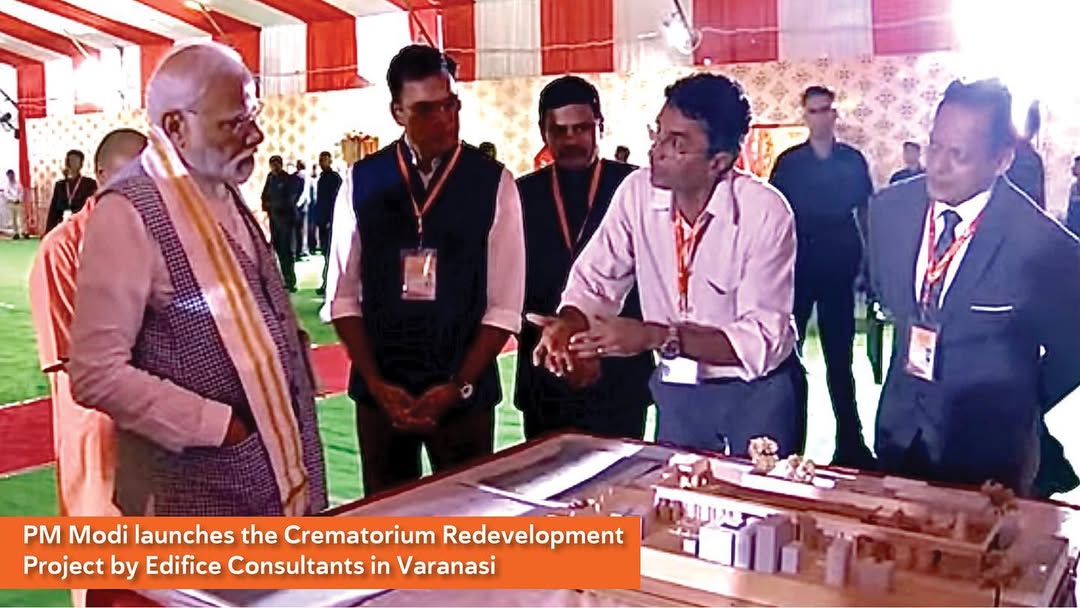
● #𝗧𝗵𝗿𝗲𝗮𝗱 | Manikarnika Ghat Redevelopment Program - ‘Green’ Farewell for the Dead in Manikarnika !!
PM Modi's Crematorium Redevelopment Project is designed by Edifice Consultants & INI Design Studio backed with CSR support from Rupa foundation and JSW foundation
[1/N]
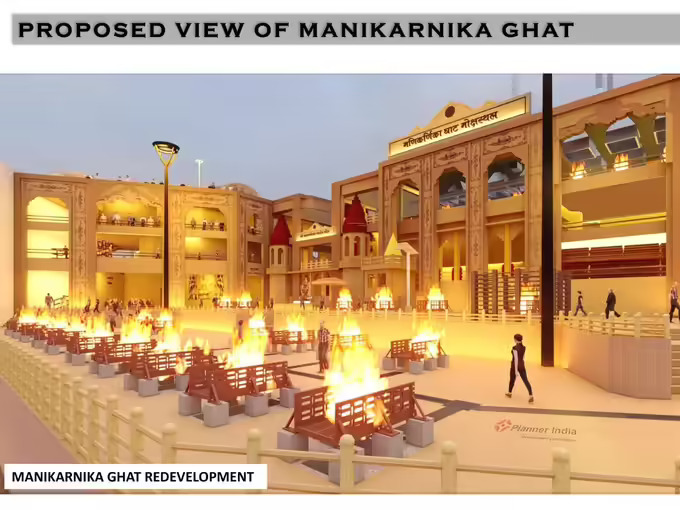
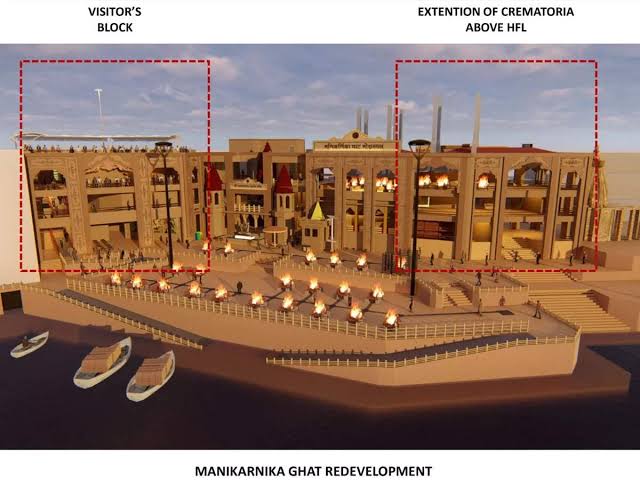
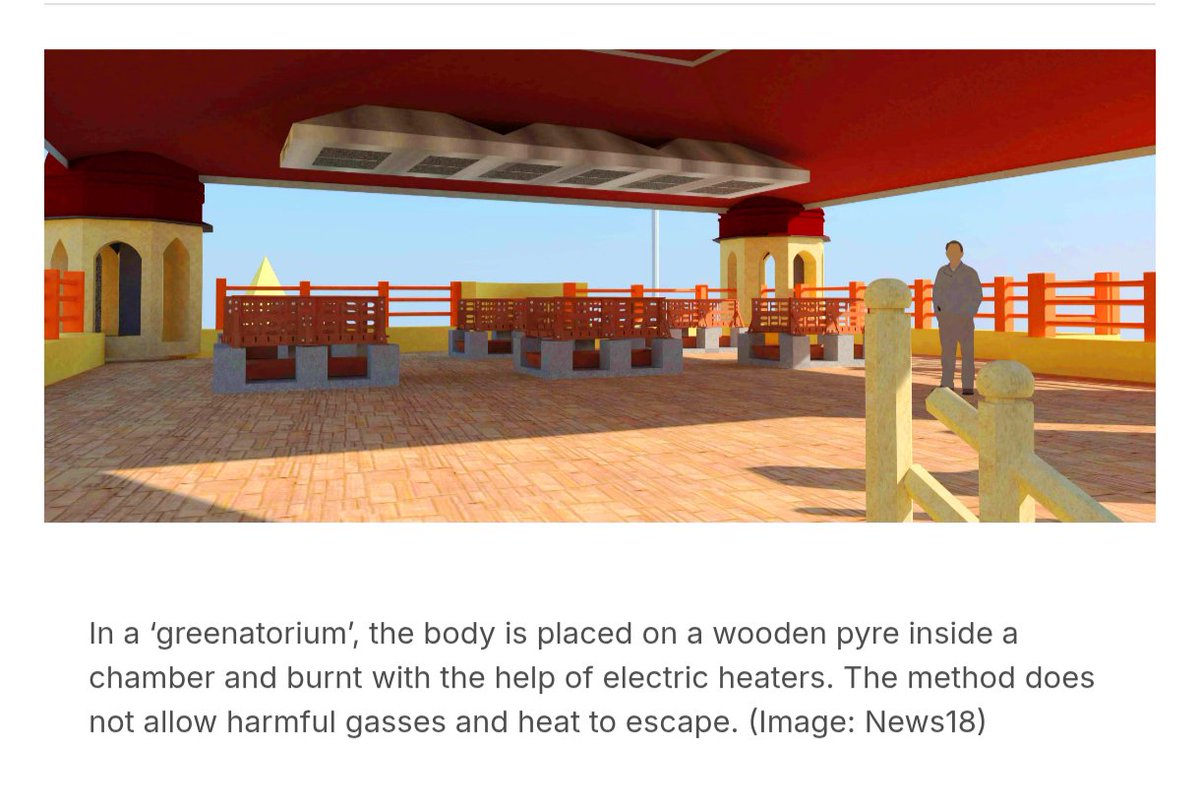
Manikarnika Ghat, one of the oldest ghats in Varanasi, will soon have a “greenatorium" that uses an eco-friendly method of combining wood & electricity inside a chamber to cremate bodies.
‘greenatorium’ is combination of Treditional & Modern method of cremation.
Manikarnika Kund adjacent to ghat & Ratneshwar Mahadev temple will also be beautified.
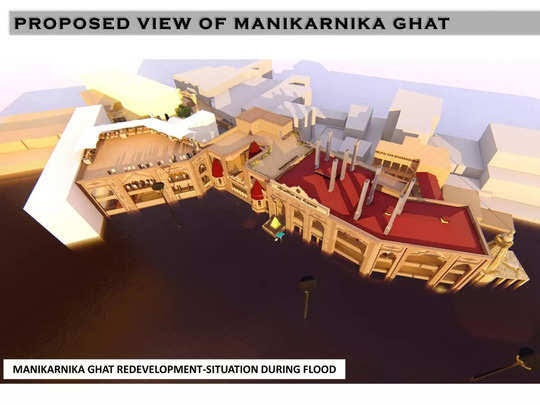
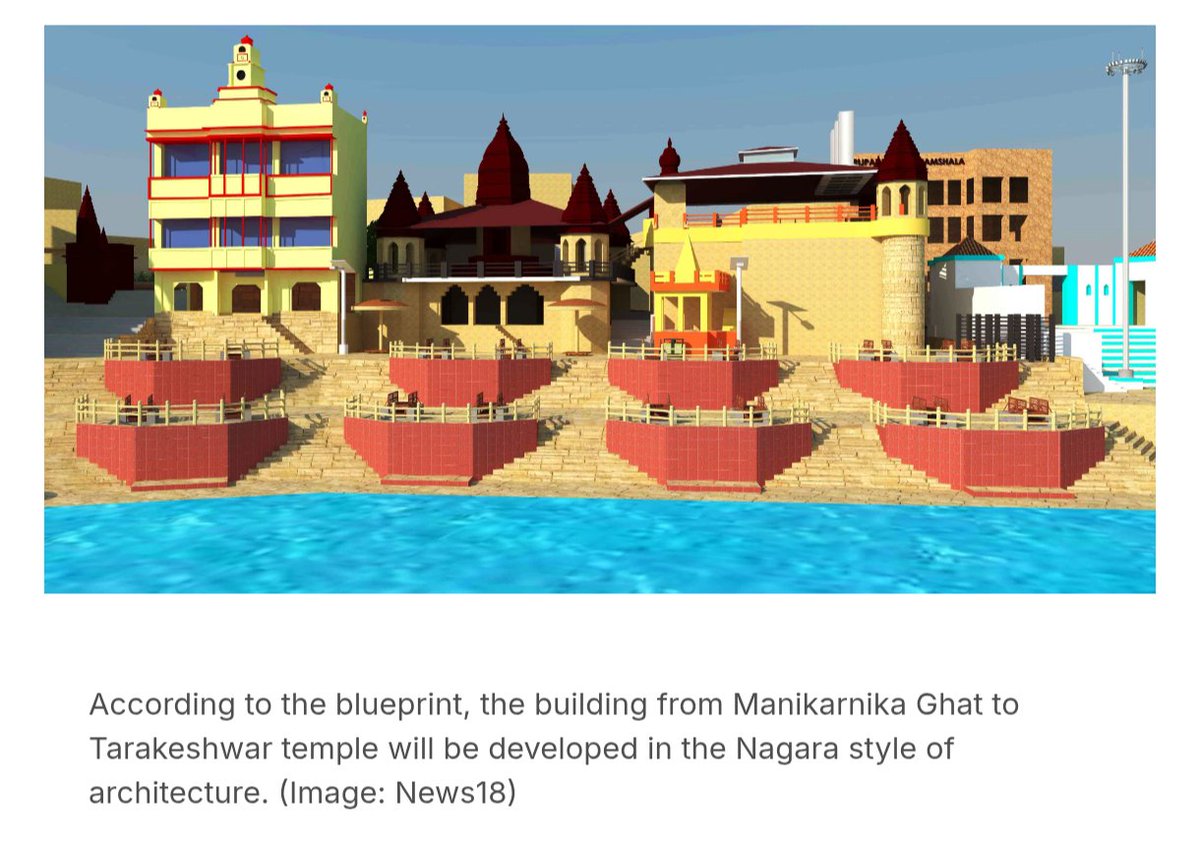
Building from Manikarnika Ghat to Tarakeshwar temple will be developed in Nagara style. 3 storeys will be constructed till Tarakeshwar Mahadev temple & from there to Dattatreya Paduka
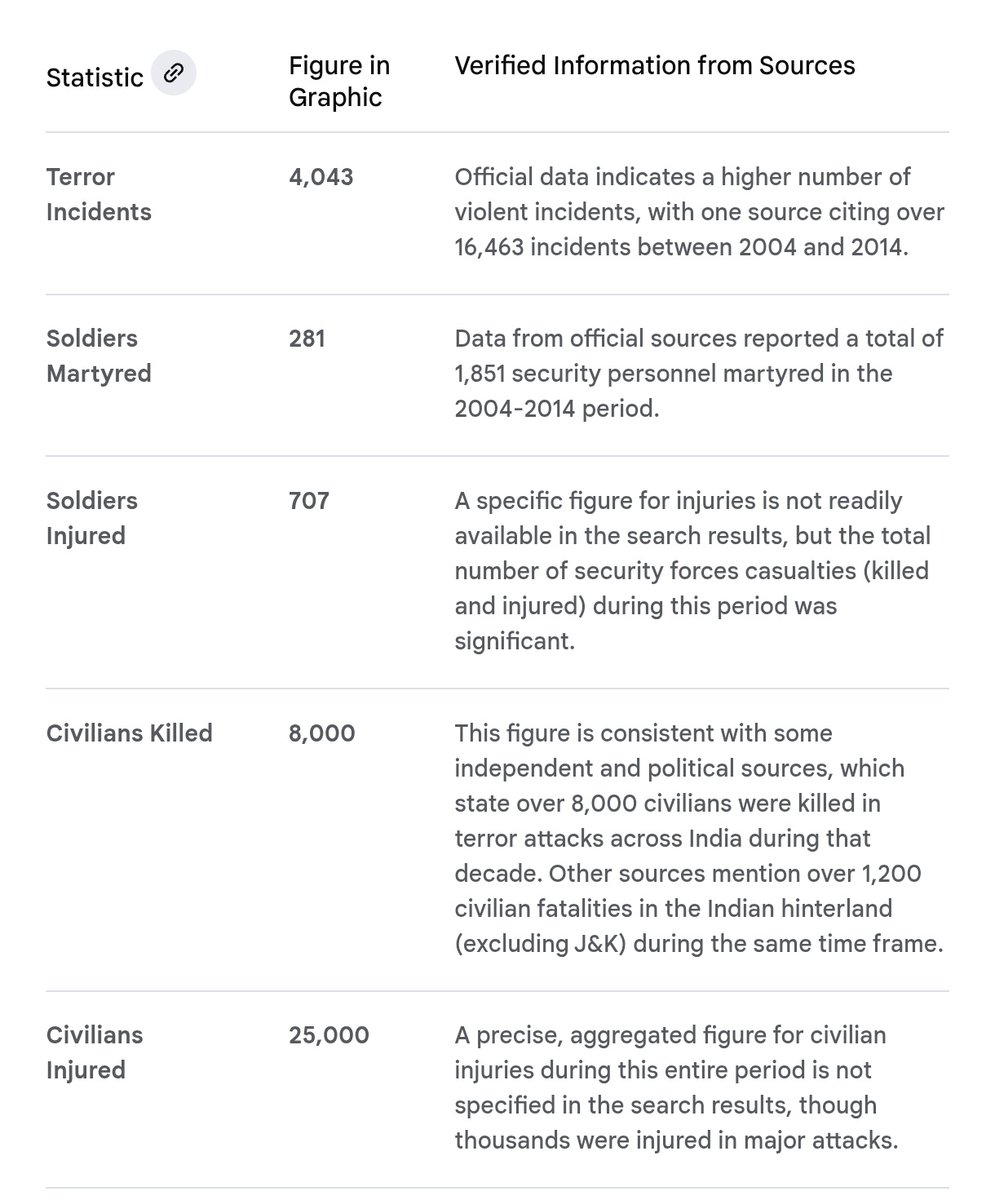
Official data indicates a higher number of violent incidents, citing over 16,463 incidents between 2004 & 2014. & Official data cited by Home Minister indicates there were 7,217 terrorist incidents
Here is the Analysis of the Statistics based on Verified Information from Sources
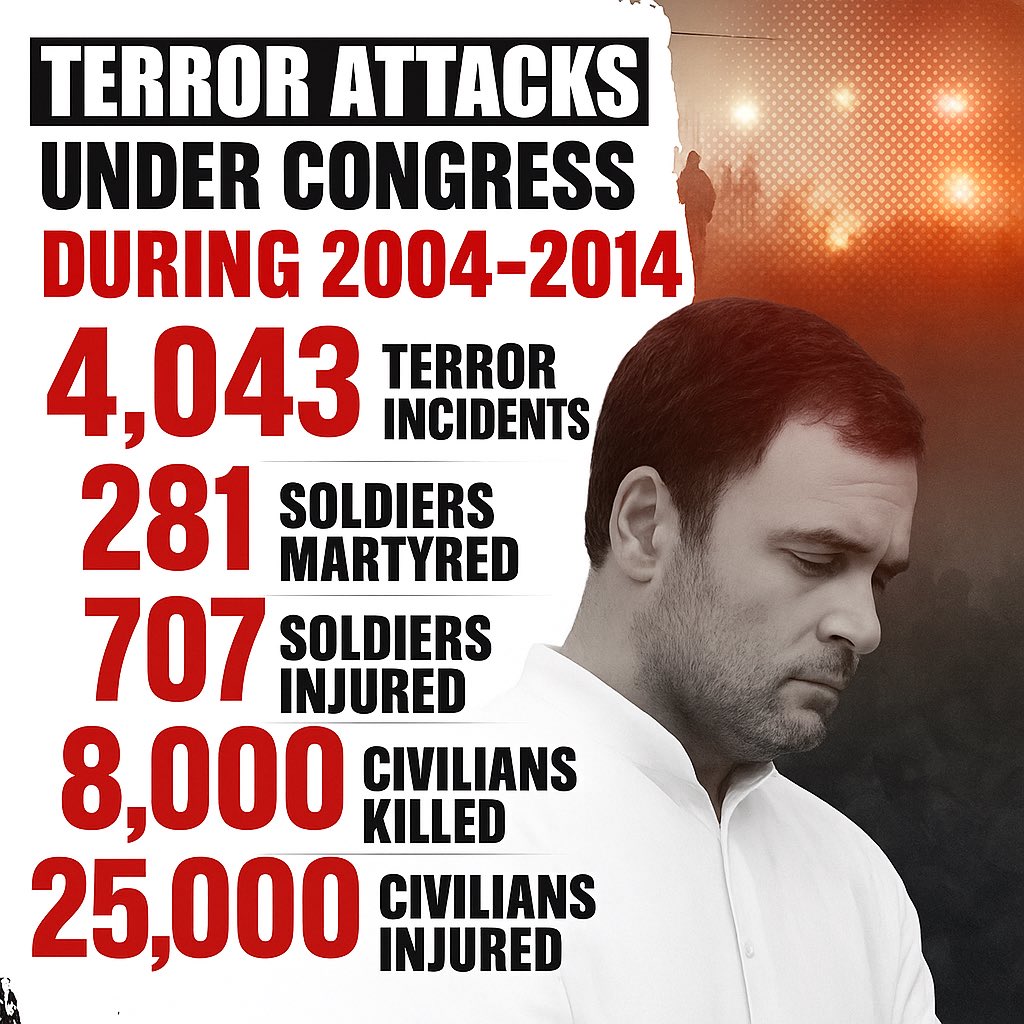
Ten Years of Terror: The Congress Legacy
India witnessed a decade marred by bombings and bloodshed, as waves of terror attacks swept across the country during Congress rule between 2004 and 2014.
"Panch Prayag" refers to the five sacred river confluences in the Garhwal Himalayas of Uttarakhand, India. The word "Prayag" means confluence, and these five are considered extremely holy by Hindus. They represent the meeting points of the Alaknanda River with five different rivers at five different places, each carrying deep mythological and spiritual significance. Pilgrims often undertake the Panch Prayag Yatra, a spiritual journey visiting all five confluences.
Uttarakhand has historically been known as "Dev Bhoomi" (the land of the gods) for good reason. Many of Hinduism's most important shrines lie within the state. One of the most sacred of these is when India's largest river Ganga meets its tributaries on its foaming path down to the plains at five different sites called Panch Prayag.
The Ganges is the holiest river in India, and it is believed that it purifies the soul of all its sins. Thus, the confluences of the Ganges with its tributaries are worshipped as the spiritual places of divine salvation, otherwise called "Prayag". It is believed that a dip at the confluence cleanses the heart, mind, and soul of a person and inches him closer to liberation, or mukti
The rivers in these five spots are believed to be River Goddesses. Being a crucial integral part of the Char Dham Yatra for pilgrims, people worship these for pilgrims, people worship these river confluences at these divine banks or ghats and baths to seek blessings.
This map shows the sequential location of the Panch Prayag on the route to Badrinath:
1. Vishnuprayag - Alaknanda meets Dhauliganga
2. Nandaprayag - Alaknanda meets Nandakini
3. Karnaprayag Alaknanda meets Pindar
4. Rudraprayag - Alaknanda meets Mandakini
5. Devprayag - Alaknanda meets Bhagirathi to form the holy Ganga
𝗧𝗵𝗲 𝗦𝘁𝗼𝗿𝘆 𝗕𝗲𝗵𝗶𝗻𝗱 𝗣𝗮𝗻𝗰𝗵 𝗣𝗿𝗮𝘆𝗮𝗴 :
According to Hindu mythology, Goddess Ganga wanted to descend to Earth and bless humankind, but her power was too much for Earth to handle. Lord Shiva, knowing this, decided to split her energy and distribute it equally across the lands. He took her energy into his matted locks and directed it to flow into Earth in twelve channels. These channels are said to rejoin after Devprayag, the last of the Panch Prayag that birthed the holy Ganga river. As a result, the Devprayag is considered the most important of the Panch Prayag.
The Satopanth, Bhagirathi, Alaknanda, Vishnuganga, Dhauliganga, Nandakini, Pindar, and Mandakini meet at different points along the path and finally form the Ganga at the holy site of Devprayag. It is also deduced that the Panch Prayag located on the road to Badrinath refers to the Swargarohana (ascend to heaven) route followed by the Pandavas to attain salvation after they completed the circumambulation of the earth.
𝟭. 𝗩𝗶𝘀𝗵𝗻𝘂𝗽𝗿𝗮𝘆𝗮𝗴 :
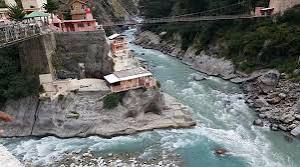
Vishnuprayag is a holy city in the Chamoli district of the Garhwal Himalayas in Uttarakhand. The Vishnu Ganga, or Alaknanda, originates from the eastern slopes of Chaukhamba from the Satopanth Glacier at Mana Pass and the Dhauli Ganga from Niti Pass at the Indo-Tibet border, and the intersection is called Vishnuprayag. Vishnuprayag derives its name from Lord Vishnu, a Hindu god, and the journey of River Ganga begins. However, taking dips in this confluence is prohibited as the rivers flow with full gusto but you can touch the river water from the banks.
𝗦𝗽𝗶𝗿𝗶𝘁𝘂𝗮𝗹 𝗦𝗶𝗴𝗻𝗶𝗳𝗶𝗰𝗮𝗻𝗰𝗲::
Named after Lord Vishnu, it is believed that Sage Narada meditated here to please Vishnu. The Vishnu Temple, located nearby, is an ancient place of worship.
Vishnuprayag holds significant importance in Hindu mythology. As the name of the confluence is derived from the Hindu God - Lord Vishnu, the Preserver, the place holds sacred facts you might like to know:
According to Hindu Mythology, Lord Vishnu has paid an obeisance in Vishnuprayag.
In Vishnuprayag, Narad Muni rigorously meditated on Vishnu's name to seek blessings. Here, the Lord appeared to grant Narad a boon of wisdom. Before heading to Badrinath - Char Dham Yatra, pilgrims pray and seek Lord Vishnu's blessings in Vishnuprayag for a safe journey.
The Vishnu temple in this confluence has a stair that leads to Vishnu Kund (a water pool) at the confluence.