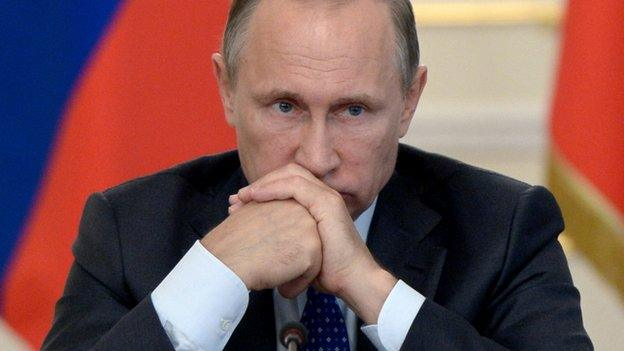
1/ The last thing Putin expected from his bunker in Moscow in early 2022 was that his army would be ground down fighting for mere inches of territory 3.5 years into the invasion.
For the past two years, Kyiv has also increasingly brought the war home to Moscow’s elites.
🧵
For the past two years, Kyiv has also increasingly brought the war home to Moscow’s elites.
🧵

2/ In the days leading up to May’s Victory Day parade, Ukrainian drones were already buzzing near Moscow.
Kyiv said China asked Ukraine not to strike Moscow while Xi Jinping was in attendance, likely because it doubted Moscow’s ability to protect him. newsukraine.rbc.ua/news/zelenskyy…
Kyiv said China asked Ukraine not to strike Moscow while Xi Jinping was in attendance, likely because it doubted Moscow’s ability to protect him. newsukraine.rbc.ua/news/zelenskyy…
3/ For years, both Russian and foreign observers saw Putin as a shrewd, calculating statesman—a leader whose luck and timing always seemed to favor him, until his army met the Ukrainians on the battlefield. lowyinstitute.org/the-interprete…
4/ Putin’s power rose with the oil boom of the 2000s, funding a deal with Russians: he could chase imperial dreams if the people stayed comfortable and elites got rich.
Invading Crimea in 2014 made him think the West would never stop him, since there was such a weak response.
Invading Crimea in 2014 made him think the West would never stop him, since there was such a weak response.
5/ The 2022 invasion proved a nightmare for the Kremlin.
Bogged down, Russia resorted to “meatgrinder” assaults against Ukrainian defensive positions, and the bodies began piling up.
nypost.com/2025/10/20/opi…
Bogged down, Russia resorted to “meatgrinder” assaults against Ukrainian defensive positions, and the bodies began piling up.
nypost.com/2025/10/20/opi…
6/ Kyiv realized that killing Russian soldiers en masse would not be enough to stop them.
As long as there was money to be made, Russians would keep fighting.
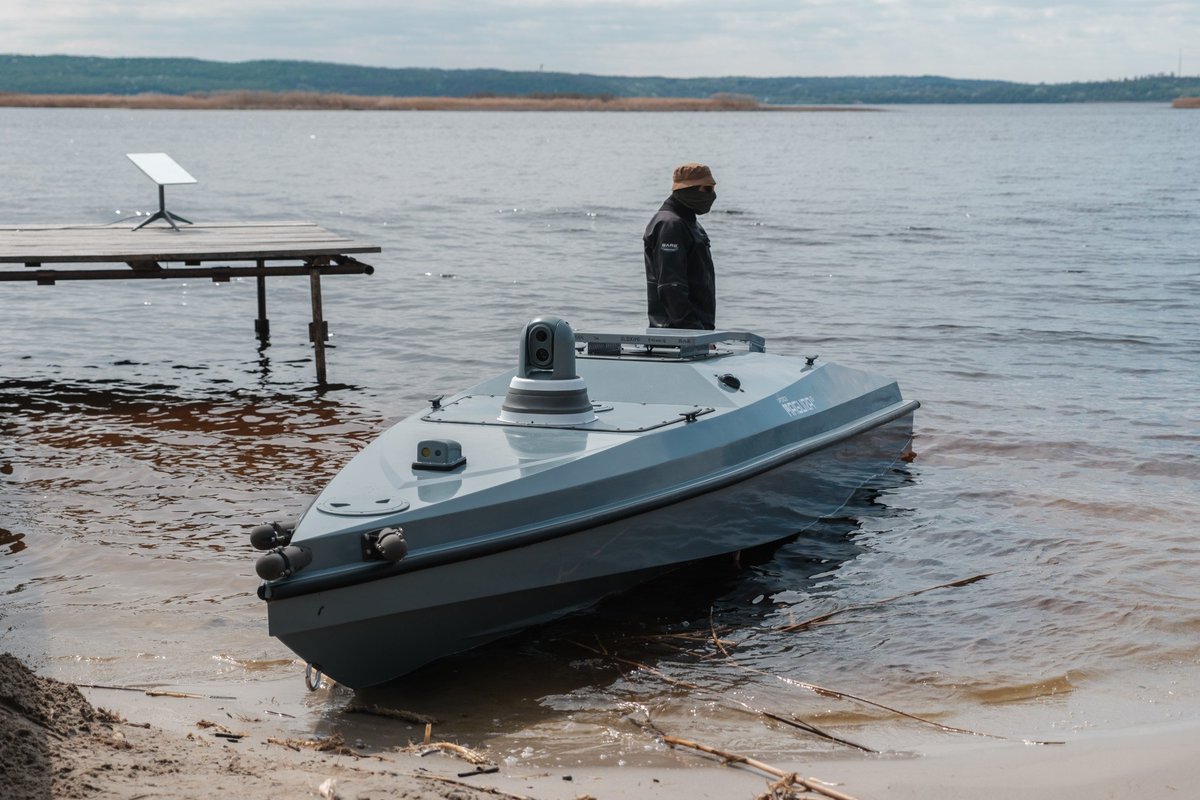
Kyiv invested heavily in a long-range drone fleet, striking at the oil revenues that fund the Kremlin’s war machine.
As long as there was money to be made, Russians would keep fighting.
Kyiv invested heavily in a long-range drone fleet, striking at the oil revenues that fund the Kremlin’s war machine.
7/ Kyiv understands that increasing pressure on both the Russian public and the elites is key to ending the war.
“That is why only pressure can stop this war,” Ukrainian President Volodymyr Zelensky said in a televised evening speech in early October.
“That is why only pressure can stop this war,” Ukrainian President Volodymyr Zelensky said in a televised evening speech in early October.
8/ Russian economist Vladislav Inozemtsev calls it “deathnomics”—a war economy creating an artificial middle class.
Battlefield wages and death payments now sustain families, and many Russians have grown comfortable with the war’s costs.
Battlefield wages and death payments now sustain families, and many Russians have grown comfortable with the war’s costs.
9/ Putin, speaking to Russian women who had lost their sons in the war in November 2022, told one mother:
“Some people die of vodka, and their lives go unnoticed. But your son really lived and achieved his goal. He didn’t die in vain.” bbc.com/news/world-eur…
“Some people die of vodka, and their lives go unnoticed. But your son really lived and achieved his goal. He didn’t die in vain.” bbc.com/news/world-eur…
10/ Attacks on fuel depots and energy infrastructure have produced widespread fuel shortages; a thriving black market for gasoline has emerged in some regions.
First, people complained about rising prices, then about empty pumps across Russia.
First, people complained about rising prices, then about empty pumps across Russia.
https://x.com/JayinKyiv/status/1975439650249667032
11/ Russian media recently reported that older Russians who remember the collapse of the Soviet Union are now stocking up on shelf-stable foods in anticipation of further shortages driven by the fuel shortages. biwork.ru/potrebitel/847…
12/ Cities such as Belgorod have endured rolling blackouts after Ukrainian strikes on energy sites.
“They cannot be allowed to feel comfortable. And when they no longer feel comfortable, they will begin to raise questions with their leadership,” Zelensky said.
“They cannot be allowed to feel comfortable. And when they no longer feel comfortable, they will begin to raise questions with their leadership,” Zelensky said.
13/ Between Jan and May, RU airports were shut down 217 times due to Ukrainian drone attacks – more than in all of 23/24 combined – disrupting tens of thousands of passengers and costing airlines > 1 billion rubles. On Sept 22 > 200 flights were delayed or canceled in Moscow.
14/ Kyiv’s long-range drones often rely on Russian mobile networks, prompting RU to impose widespread blackouts.
These outages have tripled since June, costing Russia an estimated $557 million per hour in lost productivity, with a $115 impact in Moscow alone.
These outages have tripled since June, costing Russia an estimated $557 million per hour in lost productivity, with a $115 impact in Moscow alone.
15/ Meanwhile, Russia’s war chest is shrinking (for now):
- Military budget down from $163B → $156B
- Oil and gas exports -25% YoY
- Projected deficit: nearly $100B by 2026 nytimes.com/2025/09/30/wor…
tvpworld.com/89322549/russi…
- Military budget down from $163B → $156B
- Oil and gas exports -25% YoY
- Projected deficit: nearly $100B by 2026 nytimes.com/2025/09/30/wor…
tvpworld.com/89322549/russi…
16/ Denis Shtilerman of Fire Point — maker of the FP-1 (~60% of deep strikes) and FP-5 Flamingo missile — says Moscow’s dense air defenses still block strikes.
Fire Point is building GPS-free drones that use low-altitude night map-matching to counter EW and navigate to targets.
Fire Point is building GPS-free drones that use low-altitude night map-matching to counter EW and navigate to targets.
17/ In a May interview, Putin said, “We have enough strength to bring what was started in 2022 to a logical conclusion.”
Buoyed by overconfidence, he dismissed repeated, at times desperate, attempts by Trump to negotiate a peace deal.
Buoyed by overconfidence, he dismissed repeated, at times desperate, attempts by Trump to negotiate a peace deal.
https://x.com/PolymarketIntel/status/1920091131250975189
18/ But Ukraine’s long-range strikes, including Western Storm Shadow missiles, are breaking through his air defenses.
newsweek.com/storm-shadows-…
newsweek.com/storm-shadows-…
• • •
Missing some Tweet in this thread? You can try to
force a refresh