NO COUNTRY FOR OLD MEN was released 18 years ago today. One of the most successful movies of the Coen brothers, and acclaimed as one of the great book-to-screen adaptations of the 21st century, missing the story of how it came to be is like losing a Chigurh coin toss…
1/38
1/38


In 2005, American author Cormac McCarthy’s 9th novel – No Country For Old Men - published. The 1980-set story of a drug deal on the Mexico-US border that goes wrong, McCarthy had originally written the tale as a screenplay and, before long, Hollywood was interested.
2/38
2/38


Producer Scott Rudin purchased the rights to McCarthy’s novel and knew who he wanted to handle the adaptation – sibling filmmaking duo Ethan and Joel Coen. At the time they were working on adapting James Dickey’s To The White Sea but set that aside to work with Rudin.
3/38
3/38


The Coens said they were drawn in by McCarthy’s novel and liked its sense of place and how it played around with genre conventions. Thinking it the closest they’d ever came to making an action film, the brothers penned the screenplay themselves.
4/38
4/38

The protagonist is Llewelyn Moss, a man who comes across the aftermath of a drug deal gone awry, and makes off with $2m in cash. The Coens’ first choice to play Moss was reportedly Heath Ledger, but he passed to take some time off.
5/38
5/38

Garret Dillahunt had appeared in TV hit Deadwood and auditioned to play Moss 5 times. Ultimately though, the Coens were looking for a more recognisable face in the lead and Dillahunt was cast as lawman Wendell.
6/38
6/38


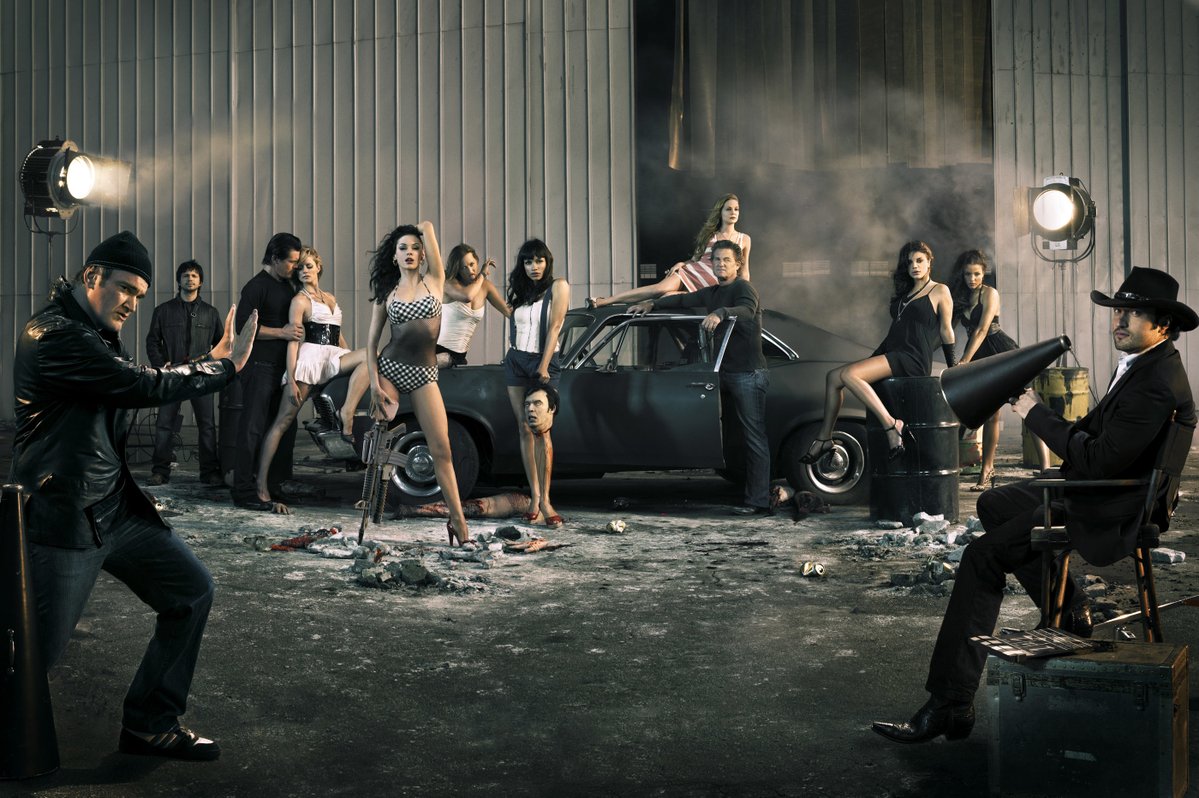
Josh Brolin found out about the role when filming Planet Terror, one part of Robert Rodriguez and Quentin Tarantino’s Grindhouse double feature. Rodriguez and QT actually shot Brolin’s audition for Moss and later said the Coens asked who had lit it.
7/38
7/38

Brolin also said his agent nagged the Coens until they agreed to a face-to-face audition, which won him the part. Joel Coen later said “Without [Josh] the whole thing would have been out of whack."
8/38
8/38

A few days after being cast, Brolin was involved in a motorcycle accident where he broke his shoulder. Brolin said: “I'm flying over the car—and I'm really getting some air—and I remember thinking, 'F***ing s**t! I really wanted to work with the Coens.'"
9/38
9/38

Brolin kept the injury to himself and used his character’s gunshot wound as cover for his real injury. The Coens were wise to it though, and Joel later said “[he] lied to us brazenly about the accident so we felt at liberty to ignore the fact he was in pain.”
10/38
10/38


In casting lawman Ed Tom Bell, the Coens knew who they wanted. Thinking part required an actor of “authenticity”, they asked Tommy Lee Jones. TLJ was initially sceptical, thinking a Texas ranger wasn’t an original role to him, but couldn’t resist the chance to work with the Coens.
11/38
11/38

The studio’s relationship with Jones soured after the film wrapped, when Paramount’s lawyers made an error in drafting TLJ’s deal. After legal wranglings, Paramount were forced to pay Jones a $15 million bonus in 2010.
12/38
12/38

The main female character is Moss’ wife, Carla Jean. Before they even started casting the film, Kelly McDonald met the Coens in their New York office. With McDonald being Scottish, the Coens said they weren’t sure why she was in front of them, until she read the lines.
13/38
13/38

Maybe the film’s most memorable character is its antagonist, Chigurh; a hitman hired to retrieve the $2m from Moss. The Coens wanted Javier Bardem from the start but, put off by the subject, Bardem told them “I don’t drive, I speak bad English, and I hate violence.”
14/38
14/38

Bardem later said the Coens told him “That’s why we called you!” Bardem was persuaded to sign on as Chigurh, but the Coens did have Mark Strong lined up as a potential replacement. Strong said “I would kneel on broken glass to work with the Coens”.
15/38
15/38


Tess Harper plays Ed Tom Bell’s wife, Loretta. Harper wore the same boots in this film as when she played Rosa Lee in Tender Mercies, a 1983 film based in Texas. Harper said she played Loretta as an older version of Rosa Lee.
16/38
16/38


The title of the book (and therefore the film) comes from William Butler Yeats’ 1927 poem Sailing To Byzantium, where the first line reads “That is no country for old men”. The poem contemplates an old man’s impending death and what awaits him in the afterlife.
17/38
17/38


In terms of their writing partnership, both Coens have said “one of us types into the computer while the other holds the spine of the book open flat. That's why there needs to be two of us - otherwise he's gotta type one-handed.”
18/38
18/38

Ed Tom Bell provides voiceover narration in the film and, at one point, mentions the names of two Texas county sheriffs - Jim Scarborough and Gaston Boykin. In real life they were the sheriffs of Kleberg and Comanche counties in 1980.
19/38
19/38


There are similarities between No Country and Fargo, another Coen thriller. Both films feature an out of place police officer, some unscrupulous villains and a hunt for a boatload of cash, which is kept in exactly the same briefcase in both films.
20/38
20/38


While the film is a fairly faithful adaptation of Cormac McCarthy’s source novel, there are differences. In the book, Ed Tom Bell features throughout the story, and there’s more focus on the death of his daughter and how that has affected him.
21/38
21/38


The book also features a plot thread with a female hitchhiker which is omitted from the film. And, in the book, Carla Jean falls apart when she comes across Chigurh. In the film, she is more resigned to her fate having already lost everything.
22/38
22/38


The Director of Photography was Roger Deakins, working with the Coens for the 8th time. Deakins said that when working with the Coens, he tends not to use a zoom lens, but rather move the camera itself. This shows up in No Country in the famous coin toss scene.
23/38
23/38

The Coens told Deakins that they didn’t want to sensationalise the violence in the film, nor did they want to play it down. As such, Deakins said he shot it ‘matter-of-factly’ – “It’s there and you have to accept it.”
24/38
24/38

The Coens are known for their meticulous planning in pre-production, where storyboarding is considered paramount. Deakins said, because of this “there's maybe only a dozen shots that are not in the final film. And we only shot 250,000 feet.”
25/38
25/38


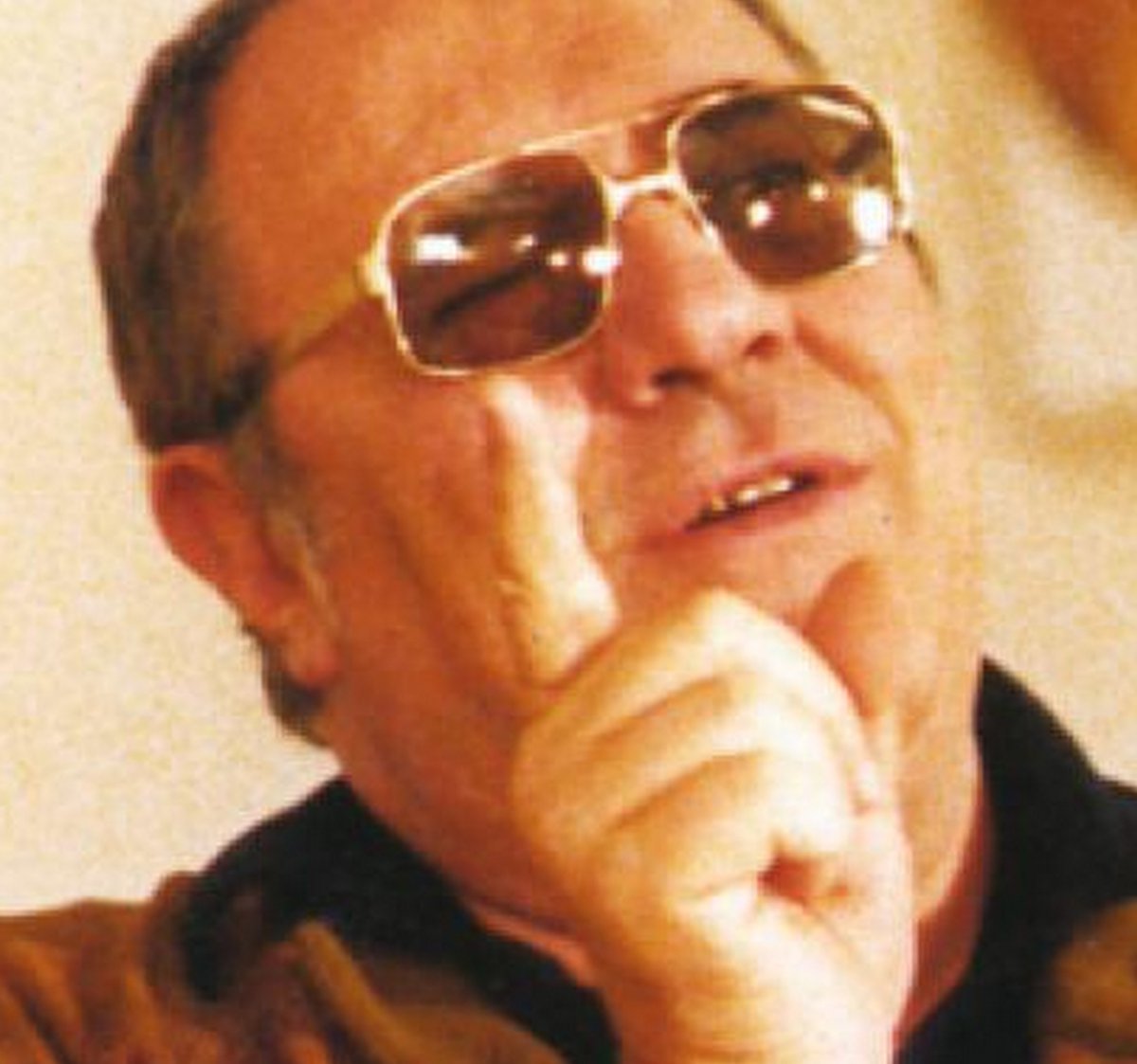
Costume designer Mary Zophres’ team found a 1979 photograph of a man in a Texan brothel, and thought his look perfect for Chigurh. The Coens agreed, and Bardem said “You don't have to act weird if you have that weird haircut.”
26/38
26/38


Another key costume choice was Chigurh’s alligator boots. They were custom made to reflect the character’s nature, and Zophres said that “they were bumpy and pointy and looked like they could kill someone.”
27/38
27/38

The film was shot mainly across New Mexico and West Texas. The Coens expected blazing sunlight and barren deserts but the thunder and lightning we see in the film is real. Brolin said “We’d have 50-mph wind come up out of f****ing nowhere.”
28/38
28/38

The Mexican border scenes were shot in Marfa, Texas. At the same time, Paul Thomas Anderson was there shooting There Will Be Blood and there was a problem when the Coens had to halt filming for a day due to a planned explosion on Anderson’s film.
29/38
29/38


One of the film’s most famous images is the cattle bolt gun that Chigurh uses to kill his targets. A nail gun was used to create the sound of the bolt gun we hear in the film.
30/38
30/38

The many dead bodies Moss comes across in the first act were played by extras covered in fake blood. Standard movie fake blood is sugar-based which would’ve attracted thousands on insects. As such, a special blood was shipped over from England.
31/38
31/38

The Coens have a reputation for referencing Stanley Kubrick films, and No Country is no different. Moss is killed in motel room 114; 114 is the name of the radio in Dr Strangelove, the escape pod no. in 2001, and the brainwashing serum in A Clockwork Orange.
32/38
32/38


There is some foreshadowing at the motel. Moss says to the girl trying to coax him into having a beer that he’s “just looking for what’s coming.” She replies “yeah, but nobody ever sees that.” Minutes later, Moss is dead but we – the audience - don’t see it.
33/38
33/38

Chigurh’s silencer in the novel is described as being the size of a beer can. Because there was no such thing, there was one made specifically for the film.
34/38
34/38

Ed Tom’s two dreams that we see at the end tap into the famous Benjamin Franklin quote “Tis impossible to be sure of anything but Death and Taxes.” The first dream is about money and the second is about death.
35/38
35/38


Joel and Ethan Coen tend to co-edit their films under the pseudonym Roderick Jaynes. They’ve been nominated for editing Oscars but are yet to win. If they were to win, due to Academy rules, the award presenter would have to accept the award on Jaynes’ behalf.
36/38
36/38

The film was a big hit on its release. On a budget of $25 million, No Country For Old Men returned $171.6 million at the worldwide box office. At the Oscars it won Best Picture, Director, Adapted Screenplay and Supporting Actor for Bardem.
37/38
37/38


Finally… In 2014, Samuel Leistedt, a psychiatry professor began a study of which movie best portrayed a psychopath. The study lasted 4 years, covering films from 1915-2010, and concluded that Chigurh was the most realistic depiction of a psychopath in film.
38/38
38/38


If you liked our making of story of NO COUNTRY FOR OLD MEN, please share the opening post.
https://x.com/ATRightMovies/status/1987569155696935156
Enjoy this thread? The All The Right Movies podcast is full of deep dives, laughs and opinions as we tell “the story of Hollywood, one film at a time.” Listen now.
alltherightmovies.com/listen
alltherightmovies.com/listen
• • •
Missing some Tweet in this thread? You can try to
force a refresh