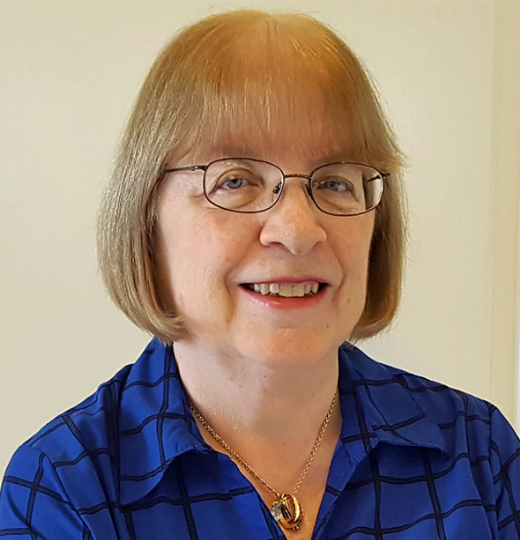
I own 4 assisted living facilities in Phoenix.
Over 10 years, I've sent 8 people home.
Here are 8 insights about elderly care that most people never hear:
Over 10 years, I've sent 8 people home.
Here are 8 insights about elderly care that most people never hear:
1) The payment system is backwards
Level 1 care: $158/day
Level 2 care: $203/day
Level 3 care: $248/day
When I improve someone from Level 3 to Level 1, my rate drops $90/day.
The sicker they are, the more I get paid. That's the incentive structure.
Level 1 care: $158/day
Level 2 care: $203/day
Level 3 care: $248/day
When I improve someone from Level 3 to Level 1, my rate drops $90/day.
The sicker they are, the more I get paid. That's the incentive structure.
2) Medication overload is the norm
The average resident in Phoenix homes is on 48 medications.
Absurd.
We actively work with our doctors to carefully deprescribe as many meds as we can.
Our biggest win was helping one resident from 54 meds down to 22 to living independently.
The average resident in Phoenix homes is on 48 medications.
Absurd.
We actively work with our doctors to carefully deprescribe as many meds as we can.
Our biggest win was helping one resident from 54 meds down to 22 to living independently.
3) Most medications can be safely reduced
Working with doctors, we typically cut medications up to 25-50% immediately.
Why?
Because their previous doctors prescribed medications on side effects of other medications.
Working with doctors, we typically cut medications up to 25-50% immediately.
Why?
Because their previous doctors prescribed medications on side effects of other medications.
4) The COVID protocol that worked
50 residents (average age 80) went through COVID at my facilities.
Our approach: Daily sunshine, low-carb real food, movement.
Deaths? Zero.
One 100-year-old had a cough and 99° fever for 2 days, then recovered completely.
50 residents (average age 80) went through COVID at my facilities.
Our approach: Daily sunshine, low-carb real food, movement.
Deaths? Zero.
One 100-year-old had a cough and 99° fever for 2 days, then recovered completely.
5) Real food makes the difference
We replaced Ensure and Boost (basically melted milkshakes) with:
• Maria Emerich's keto recipes
• Low-carb versions of comfort foods
• Heavy cream, real butter, quality meat
Residents can't tell the difference—but their health improves dramatically.
We replaced Ensure and Boost (basically melted milkshakes) with:
• Maria Emerich's keto recipes
• Low-carb versions of comfort foods
• Heavy cream, real butter, quality meat
Residents can't tell the difference—but their health improves dramatically.
6) Sunlight eliminates common problems
We get residents outside 30-45 minutes daily (even in Phoenix heat).
Results:
• Better immune function
• Improved circadian rhythm
• Sundowning virtually disappears
• Natural sleep by 8-9 PM (no sedatives)
Morning sun resets everything naturally.
We get residents outside 30-45 minutes daily (even in Phoenix heat).
Results:
• Better immune function
• Improved circadian rhythm
• Sundowning virtually disappears
• Natural sleep by 8-9 PM (no sedatives)
Morning sun resets everything naturally.
7) The business case for doing it right
When I started focusing on actually getting people healthy, my phone started ringing constantly.
One resident has been with me 10 years—healthy enough to leave but says: "You cook great food, I feel fantastic. Why would I go?"
Word spreads when you do good work.
When I started focusing on actually getting people healthy, my phone started ringing constantly.
One resident has been with me 10 years—healthy enough to leave but says: "You cook great food, I feel fantastic. Why would I go?"
Word spreads when you do good work.
8) Prevention starts decades early
Dementia symptoms appear in 60s-70s, but it starts in your 30s-40s.
The protocol that works:
• Sunshine exposure
• Low-carb, high-fat diet
• Minimize unnecessary medications
• Daily movement and weight training
Dementia symptoms appear in 60s-70s, but it starts in your 30s-40s.
The protocol that works:
• Sunshine exposure
• Low-carb, high-fat diet
• Minimize unnecessary medications
• Daily movement and weight training
The philosophy: Growing old shouldn't mean giving up.
Let elderly people walk, hike, lift weights, live.
Don't bubble-wrap them for "safety."
I've seen 95-year-olds in Home Depot planning new projects. That's the goal.
Let elderly people walk, hike, lift weights, live.
Don't bubble-wrap them for "safety."
I've seen 95-year-olds in Home Depot planning new projects. That's the goal.
Bottom line: I've sent 8 people home over 10 years.
Could be more if families brought them earlier—before 15+ years of decline.
The earlier you intervene with proper nutrition, movement, and sunlight, the better the outcome.
Could be more if families brought them earlier—before 15+ years of decline.
The earlier you intervene with proper nutrition, movement, and sunlight, the better the outcome.
What questions do you have on dementia?
Comment below and I'll reply as soon as possible.
Also, retweet this if someone you love needs to hear there's a better way to approach elderly care. 🧵
Comment below and I'll reply as soon as possible.
Also, retweet this if someone you love needs to hear there's a better way to approach elderly care. 🧵
I love helping people take charge of their own health.
If you want some tips on how to keep you or your loved ones out of a nursing home forever, please subscribe to my weekly newsletter.
Join here: {{email}}magic.beehiiv.com/v1/c3e80221-b2…
If you want some tips on how to keep you or your loved ones out of a nursing home forever, please subscribe to my weekly newsletter.
Join here: {{email}}magic.beehiiv.com/v1/c3e80221-b2…
• • •
Missing some Tweet in this thread? You can try to
force a refresh