BREAKING: @OpenAI must tuner over 20 million+ chat logs to plaintiffs, Judge Ona Wang has ruled in a 9-pg Order just issued:
Judge Wang found that nothing put forward by @OpenAI in its Motion for Reconsideration of her original Order to produce the logs compelled a different result....
Notwithstanding that that would have sufficed, she also addressed and rejected @OpenAI's arguments that the logs were irrelevant and that demand for them was burdensome and disproportionate:
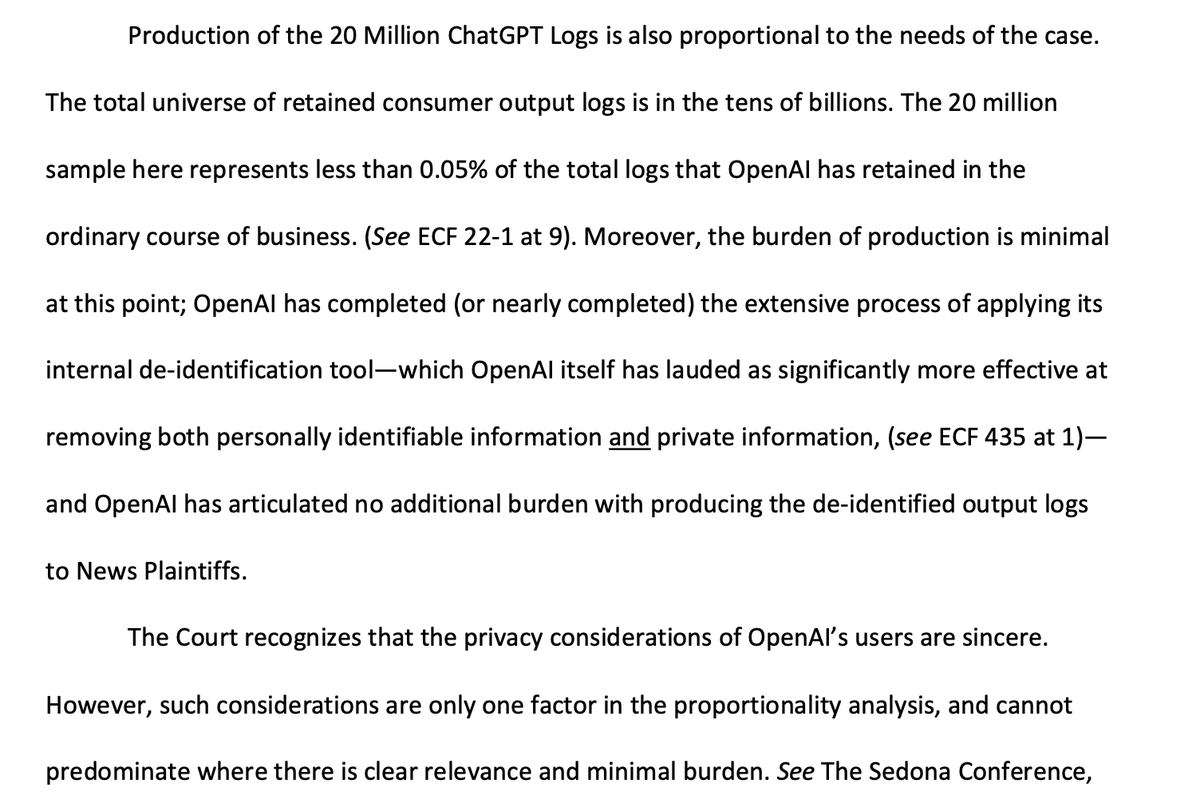
Accordingly, Judge Wang ruled definitively, considerations of burden and proportionality "cannot predominate where there is clear relevance and minimal burden." Mic drop....
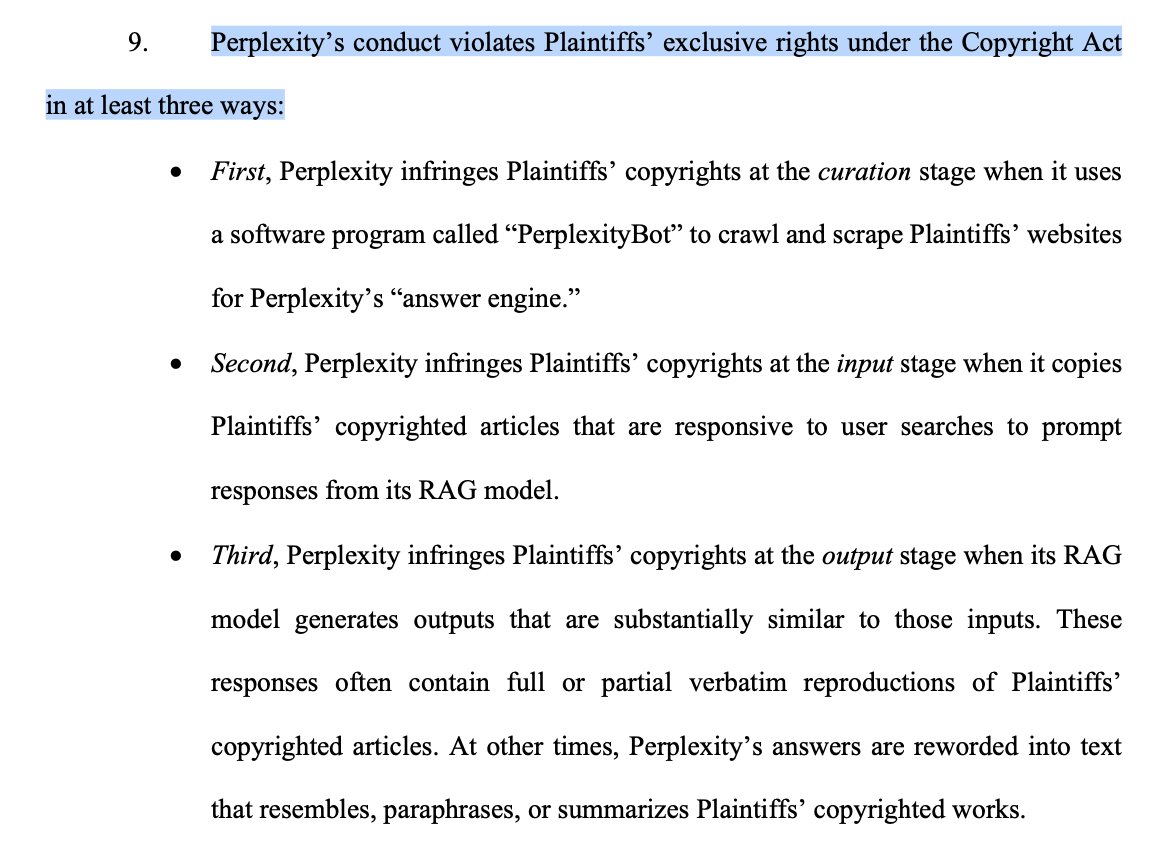
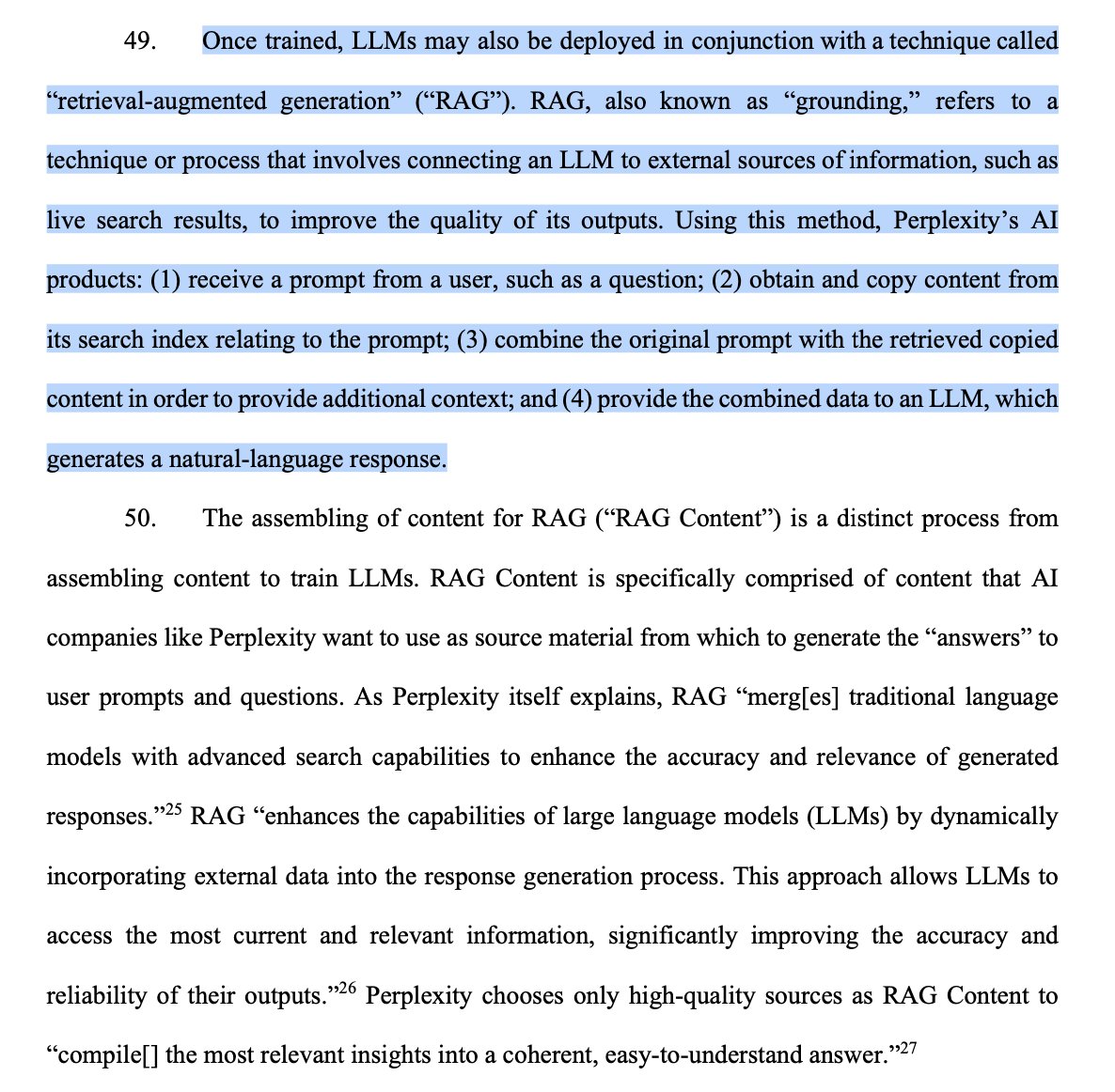
In addition to familiarly claiming that scraping training data from the internet is direct infringement at what it calls the "curation" stage of development, plaintiffs' extensively plead harm from "RAG": retrieval-augmented generation, an advertised hallmark of @Perplexity_AI:
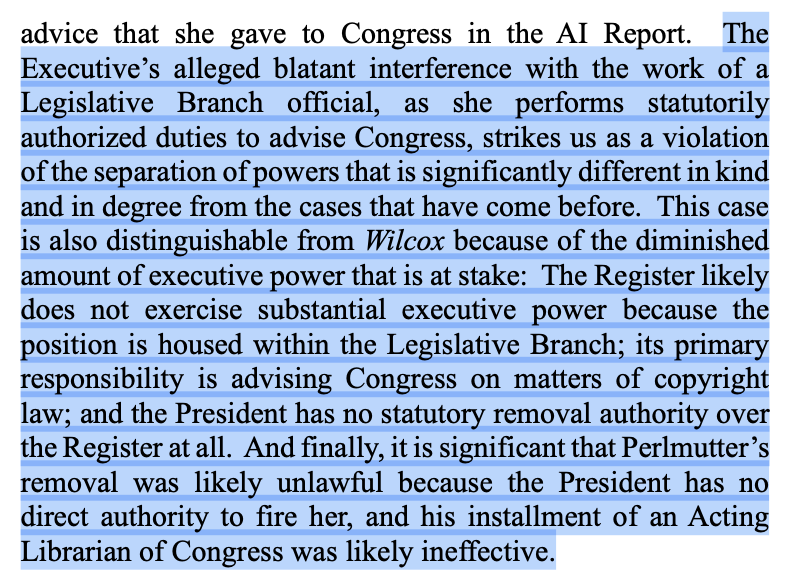
The opinion's perhaps most impactful (and potentially precedentially most important) statement comes 10 pages in as the Court implicitly back's Perlmutter's allegation that her firing constituted, "The Executive's ... blatant interference with the work of a Legislative Branch official....":
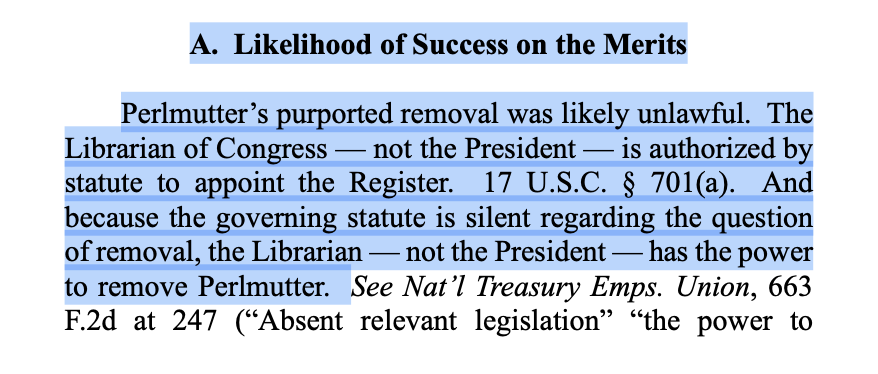
This language, coupled with the Court's finding that based on its separation of powers and related analyses Perlmutter is likely to prevail on the merits of her appeal for permanent reinstatement, constitutes a clear rebuke to the Administration's conduct:
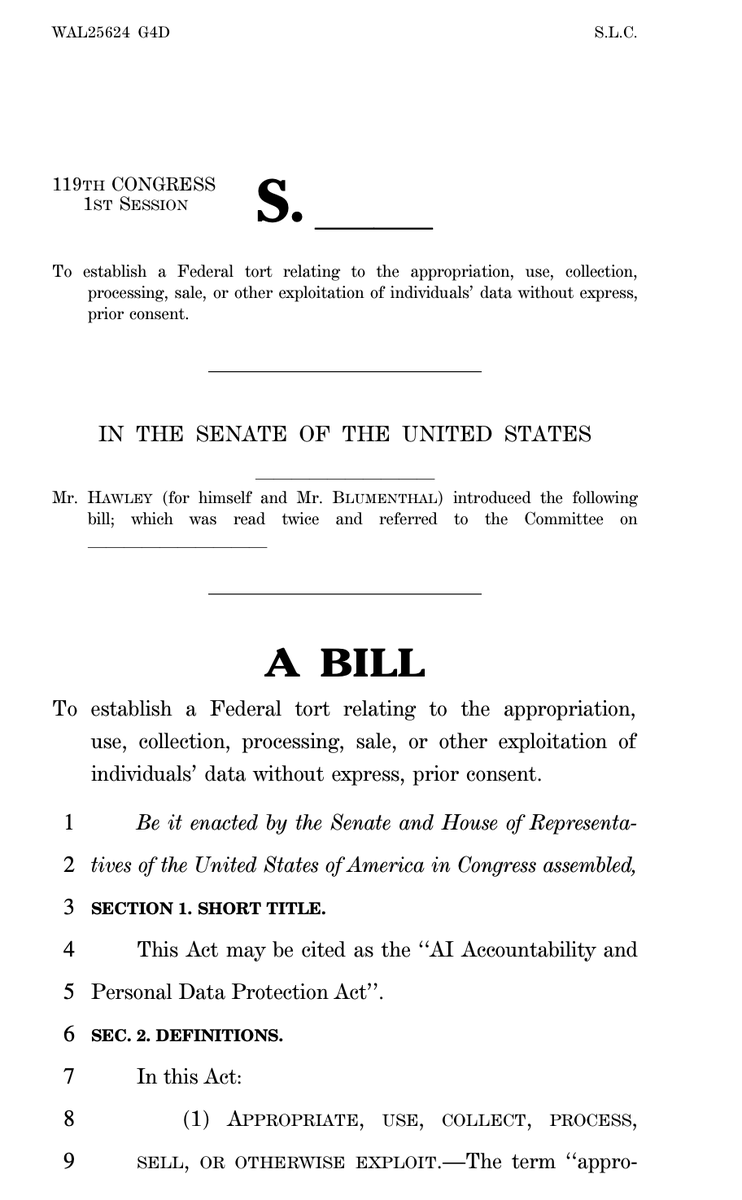
No other way to say it; the text is out and the Hawley/Blumenthal "Cripple GenAI Act of 2025" (my title) will do *exactly* that by eviscerating fair use and gen AI training, probably unconstitutionally so.
Let's break it down:🧵👀🫣
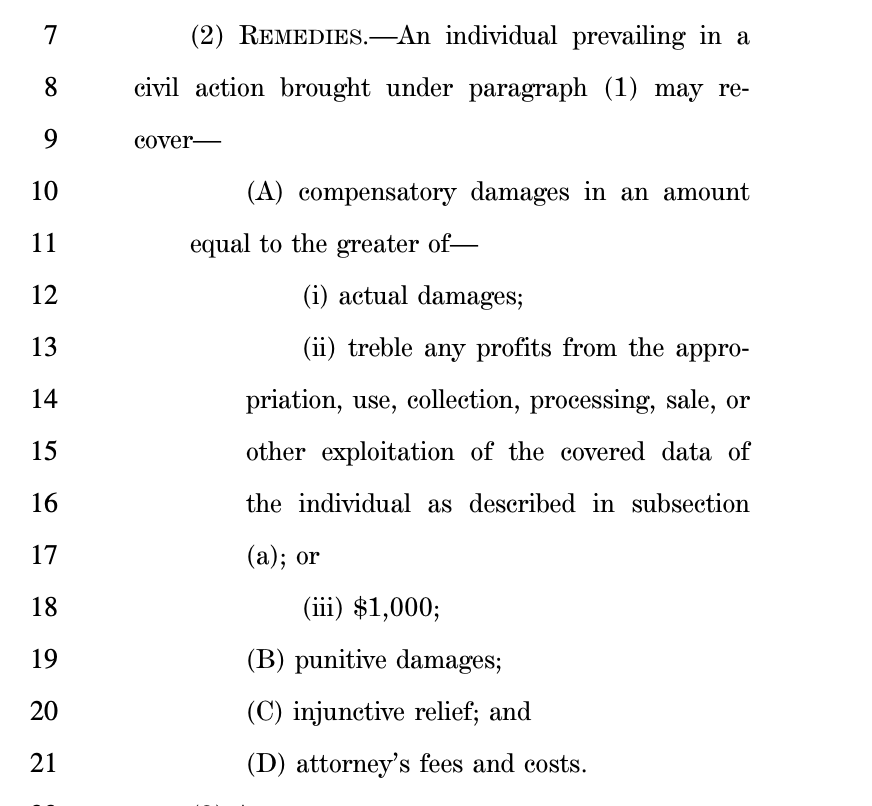
If the sponsors hadn't trumpeted it you might not catch how broad and damaging this bill will be b/c it's optically a personal data protection measure. BUT, it would let anyone with a copyright - registered or not - sue an AI developer for massive damages. Specifically:
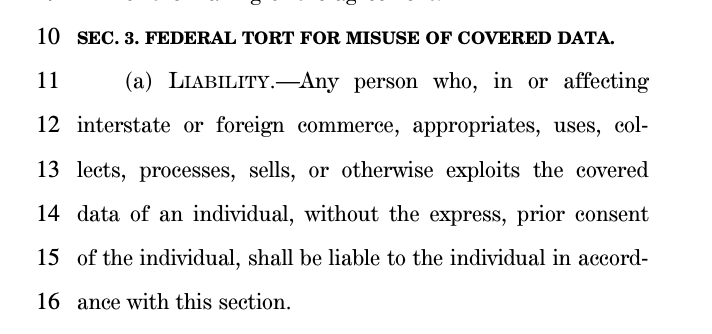
First, the bill creates a broad new offense and a provides for a private right of action against any violator, including gen AI developers:
It's gonna' be a whale of an argument before Judge Alsup on May 15 and plaintiffs have yet to weigh in but @AnthropicAI has just set the table:
The transformative nature of what the gen AI model training process does, and what the models themselves do, is central to @AnthropicAI's analysis of the first three of the four factors, wh/ are essentially non-economic, that comprise the statutory test for fair use:
THREADING NOW: @NYTIMES counsel now explainihg to the Judge that high quality material is "weighted" more heavily during training. This can produce "regurgitation" in which the model "spits out" actual "training data that it saw" and "memorized in response to specific prompts.
Another technology called "retrieval augmented generation" discussed at Para 78 of the Daily News' complaint
Training can take a very long time. That can result in a cutoff date for the model's knowledge. In turn, the model can reference outside sources in response to a user prompt like "get me an article...."
Humorist Will Rogers gave us The Law of Holes: "When you find yourself in a hole, stop digging." @SuchirBalaji doesn't seem to know it or the law, origins, purposes, or social and economic value of #FairUse, but he keeps digging:
. Let's break it down:
Let's start with common ground. I enthusiastically agree, as Mr. Balaji writes, that "it's important for even non-lawyers to understand the law -- both the letter of it, and also why it's actually there in the first place."