🚨🗞️Monthly Solar Geoengineering Updates (November Edition)
From the U.S. stratospheric-cooling patent to Global South funding, cautious UK–EU stances, tipping-point modeling & a surge in chemtrail chatter, #SRM captured global attention.
Top 10 SRM Highlights (Nov 2025)🧵1/6:
➡️@MakeSunsets secures its first US patent for stratospheric cooling tech
➡️Climate scientists remain skeptical of SRM, favor research over deployment, per @SZ (Garman newspaper) survey
➡️Royal Society sees SRM’s potential but stresses it can't solve climate change alone
🧵2/
➡️London Protocol reiterates precaution on marine geoengineering deployment
➡️UK reiterates it is “not in favor” of SRM deployment but open to debating regulation
➡️Studies warn SAI may cut protein in staple crops & destabilize yields for coffee, cacao & wine
🧵3/
➡️@DegreesNGO expands funding to 27 countries and passes 50+ peer-reviewed publications
➡️Tucker Carlson amplifies chemtrail conspiracies via interviewing Dane Wigington, driving renewed misinformation
🧵4/
➡️European publics show low SRM awareness, but prefer info & oversight over outright bans on R&D
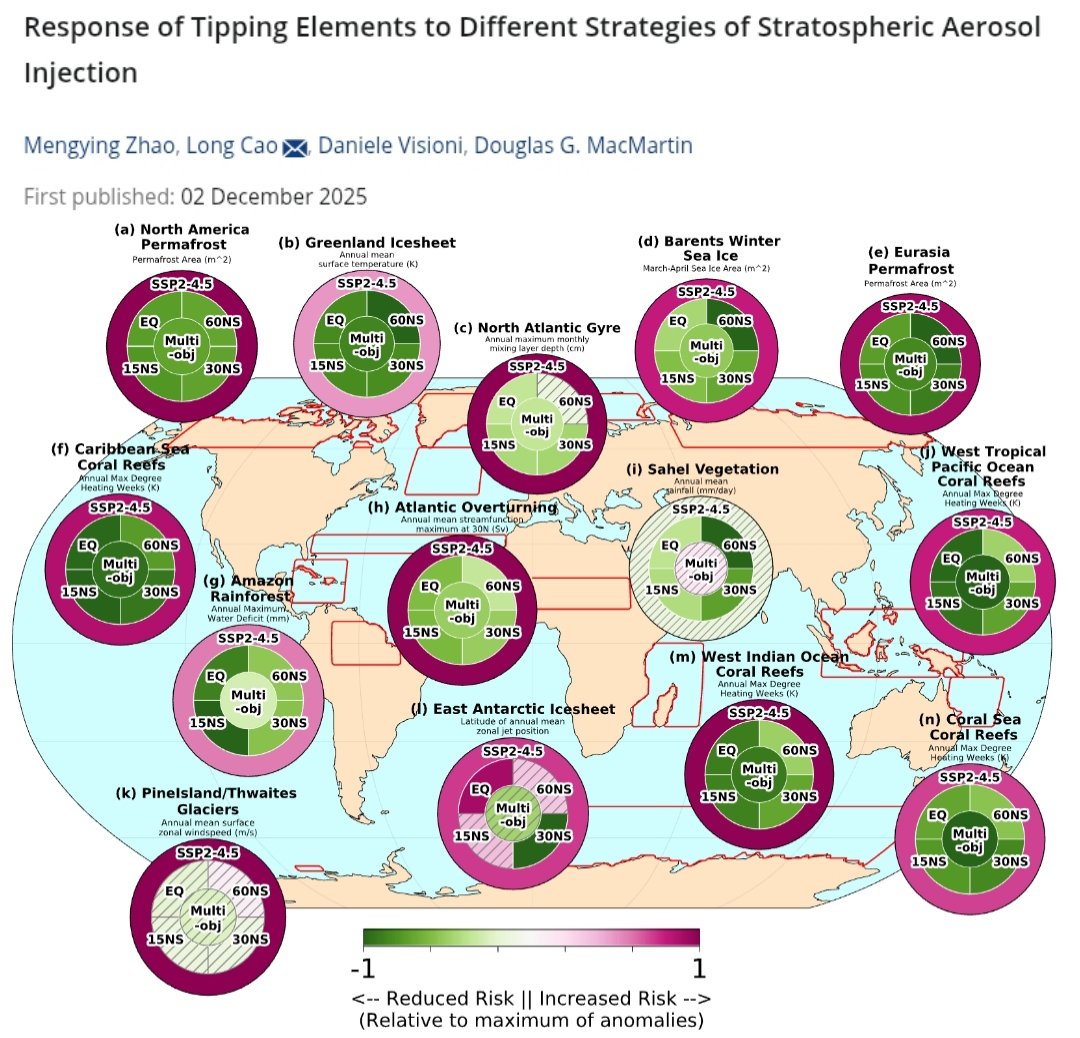
➡️New modeling shows SAI can reduce many tipping-point elements, but effectiveness vary sharply by strategy
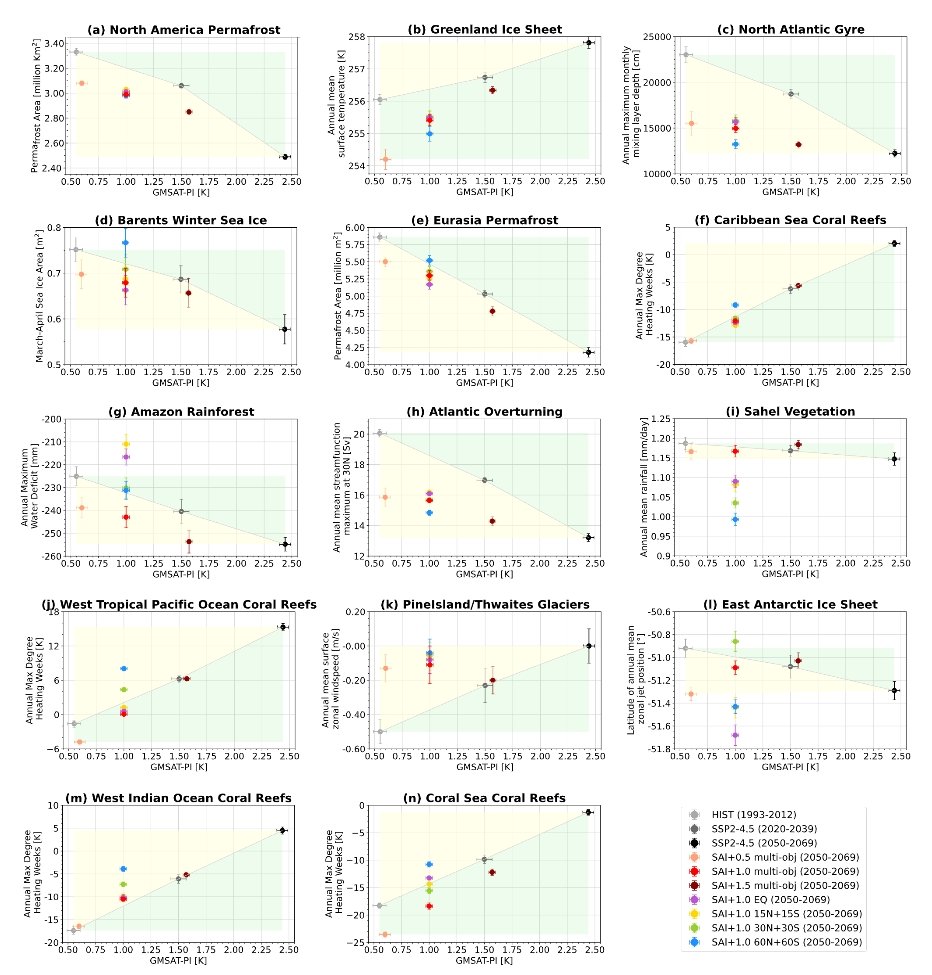
🚨A new modeling study finds Stratospheric Aerosol Injection (#SAI) could lower risks to many of Earth’s #TippingPoints, but not all.
High-latitude deployment best protects ice sheets & permafrost, while low-latitude deployment favors rainforests & coral reefs.
DETAILS🧵1/14
2/ Tipping elements are highly sensitive to warming.
This study analyzes how different SAI designs (equatorial, mid-latitude, high-latitude & multi-objective strategy) influence the drivers of these tipping systems under SSP2-4.5.
3/ Across most tipping elements, SAI decreases risk relative to continued warming, but magnitude & direction of response are strongly pattern-dependent.
CO₂-driven warming & SAI-driven cooling aren't climatic mirror images - SAI can over- or under-compensate regional changes
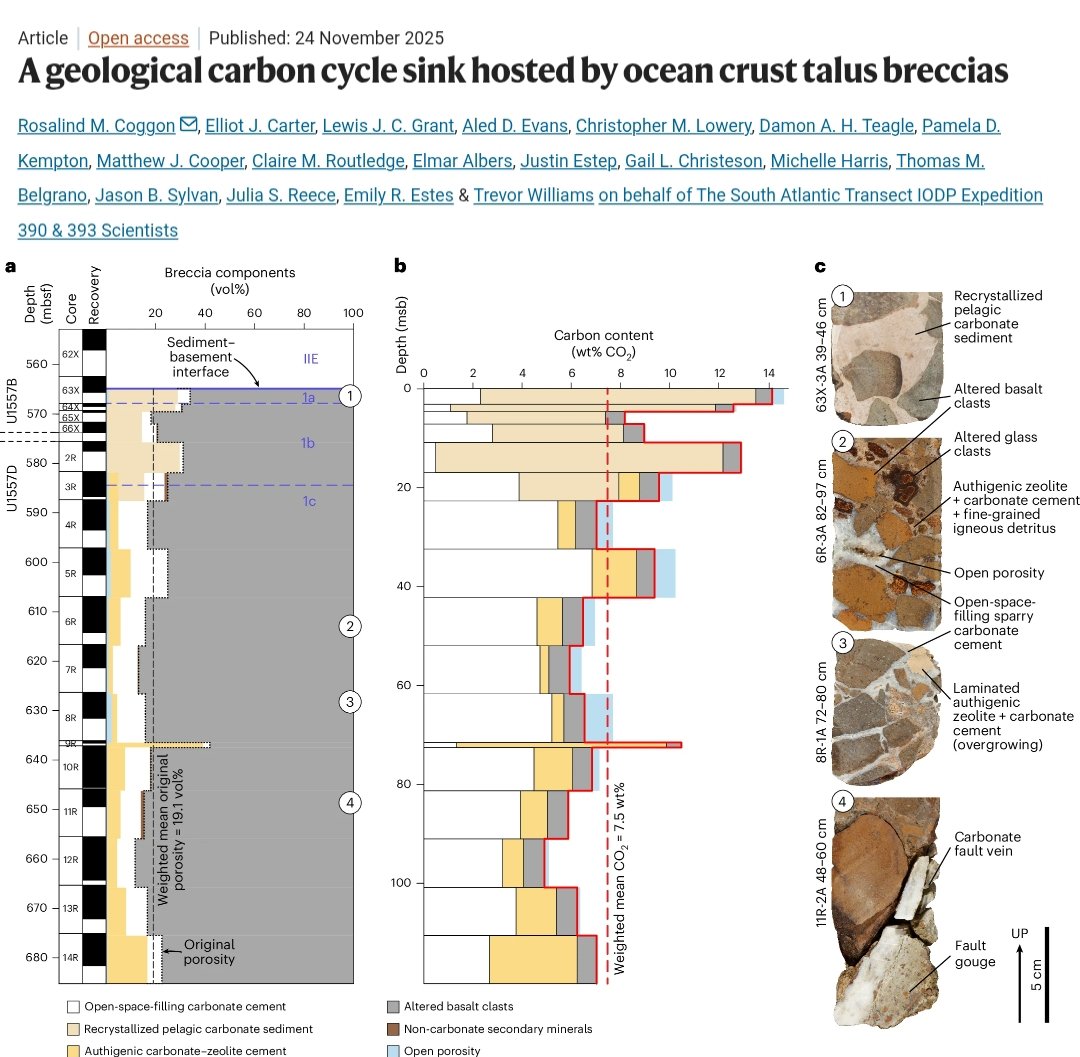
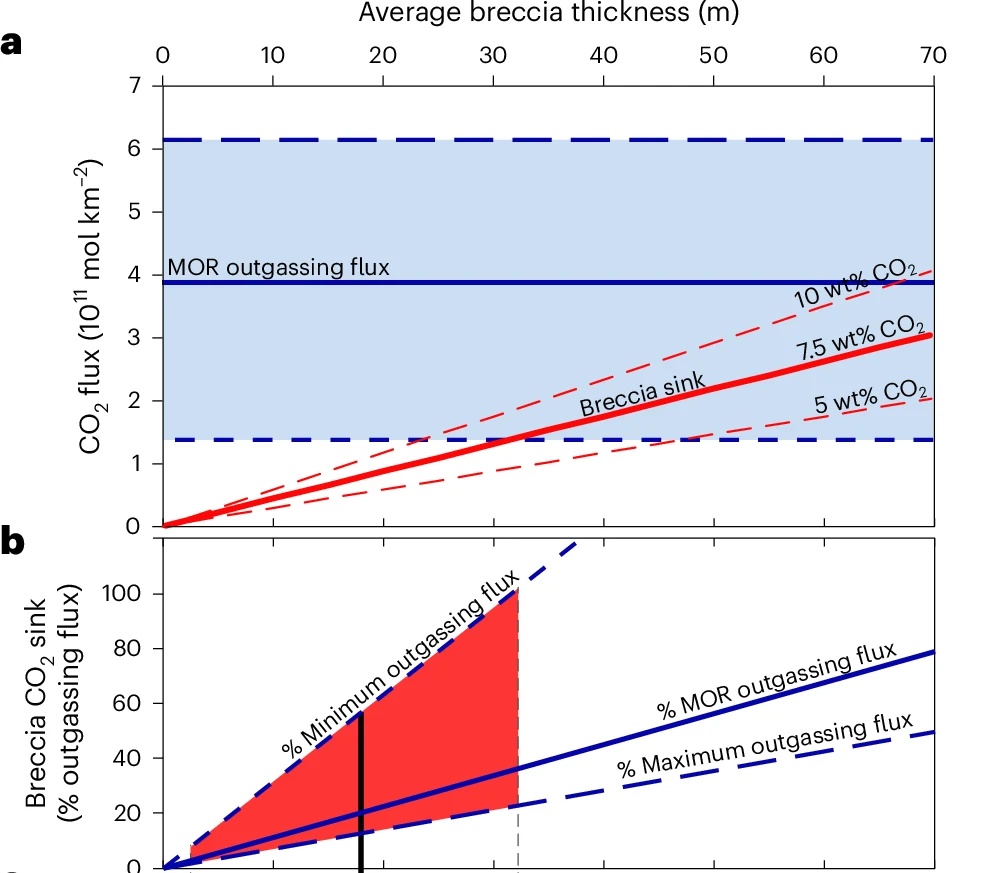
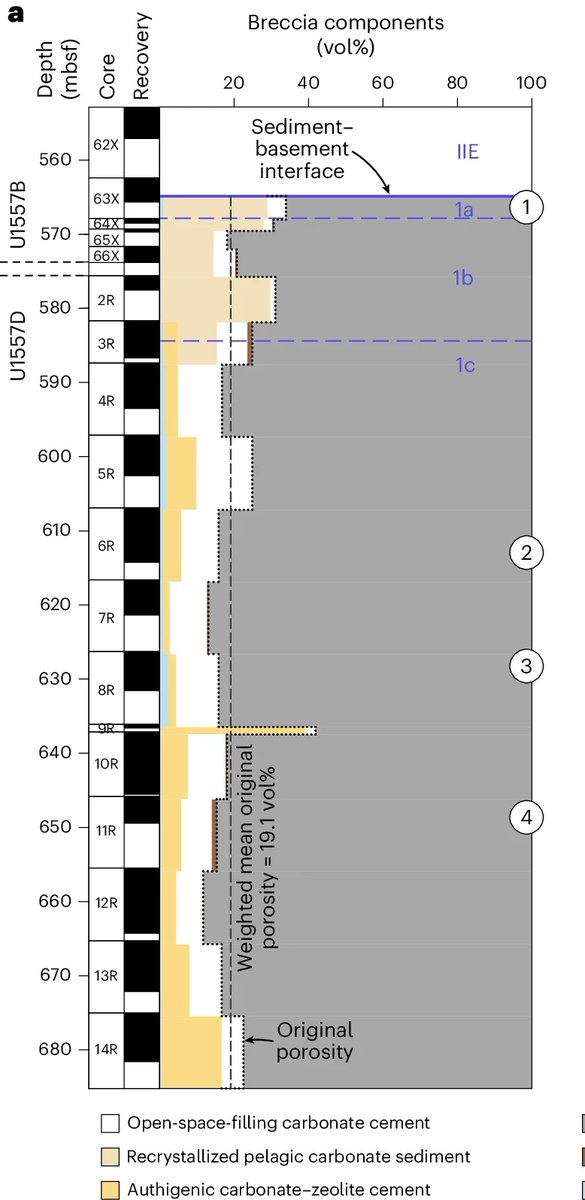
🚨New study reveals a major hidden C sink in the deep ocean: ancient talus breccias - piles of broken basalt formed along seafloor faults - can trap & store CO₂ for tens of millions of years, potentially offsetting a significant share of mid-ocean ridge emissions.
DETAILS🧵1/10
2/ Researchers made the discovery while drilling 60-million-year-old seafloor in the South Atlantic.
They found talus breccias containing ~7.5 wt% CO₂ - the highest carbon content ever measured in upper ocean crust, up to *40 times richer than previously sampled basalts.
3/ Why so much C?
These breccias form when steep faults at slow-spreading ridges collapse, creating piles of fractured rock with high natural porosity (~19%).
Over millions of yrs, cold seawater circulates thru rubble & precipitates carbonate minerals, trapping dissolved CO₂
🚨Soil food webs boost carbon retention in farmlands
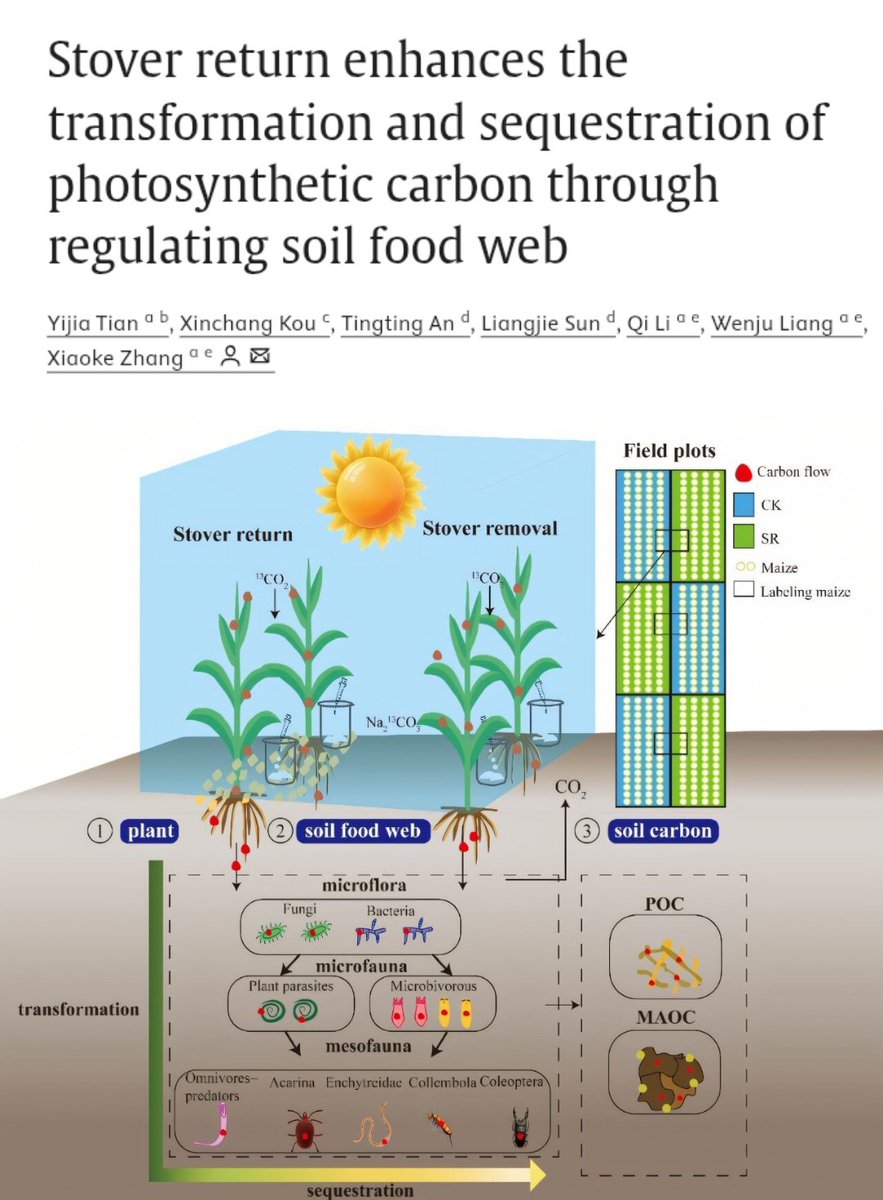
A new study reveals that simply returning crop residues to fields can supercharge soil food webs, enabling microbes, nematodes & fungi to lock significantly more photosynthetic C into farmland soils.
Details🧵1/8 #CarbonSink
2/ Researchers from the Institute of Applied Ecology, Chinese Academy of Sciences (CAS), used field trials and ¹³C isotope tracing to map how carbon fixed by crops travels into soil and through the soil food web.
3/ FINDINGS:
Returning crop residues (stover) emerged as a key driver:
It increased particulate organic carbon (POC) by ~30.96% & mineral-associated organic carbon (MAOC) by ~11.39% compared with plots where stover was removed.
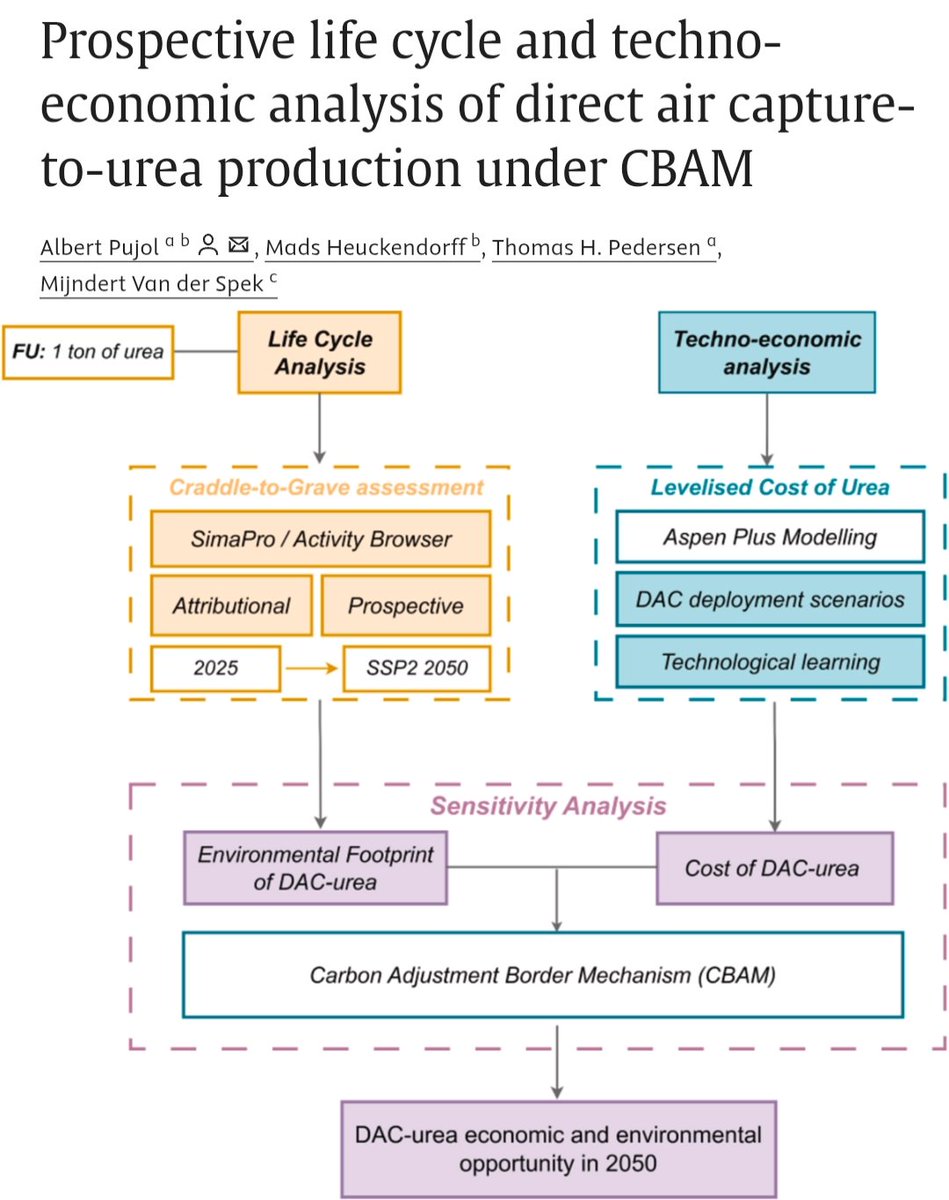
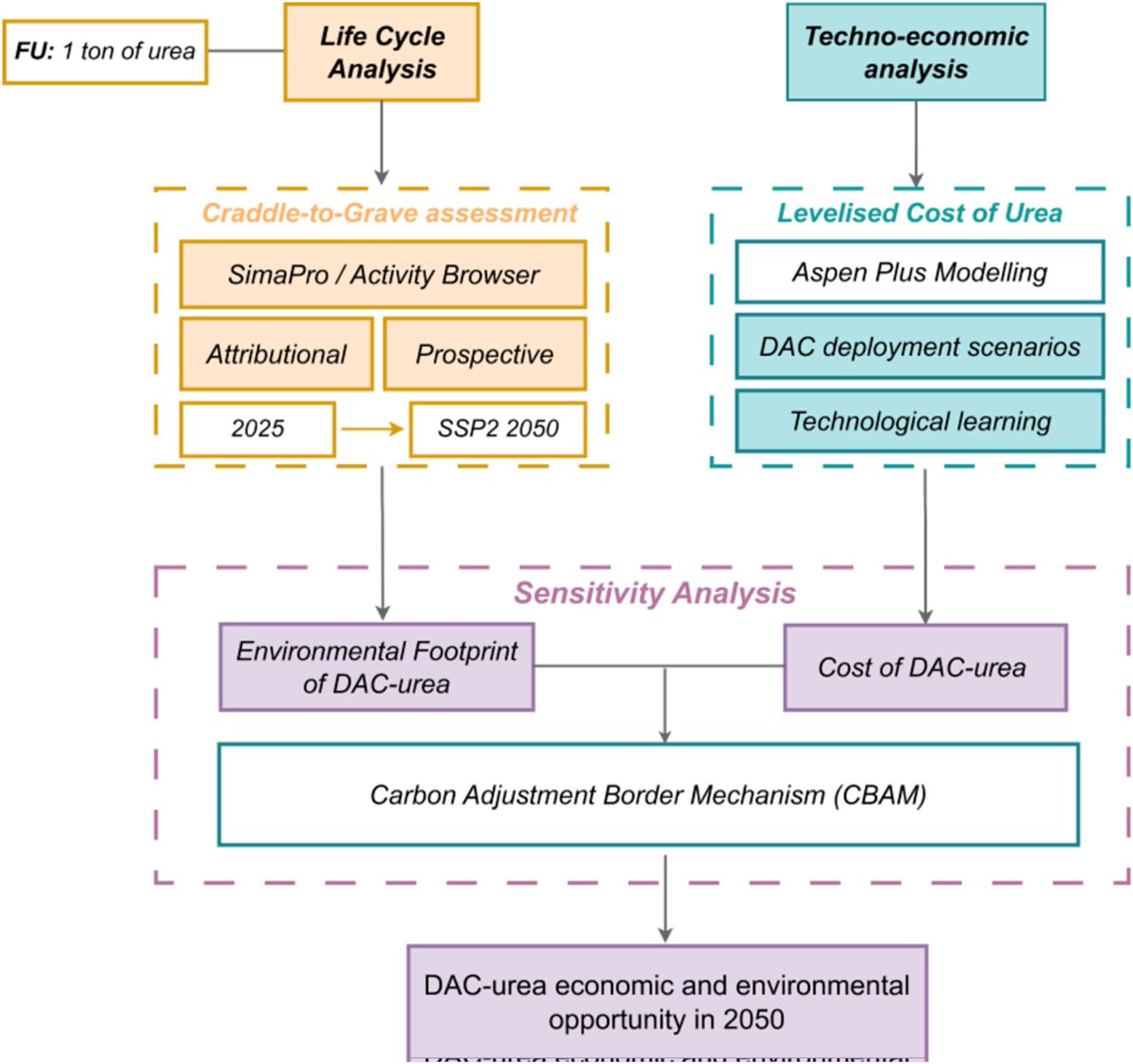
🚨New research shows how integrating Direct Air Capture (#DAC) with urea production - paired with CO₂ pricing can slash emissions, reach cost parity with fossil-based urea by 2050 & reshape global fertiliser markets through policies like the EU #CBAM.
DETAILS🧵1/9 #CDR
2/ What DAC-urea is?
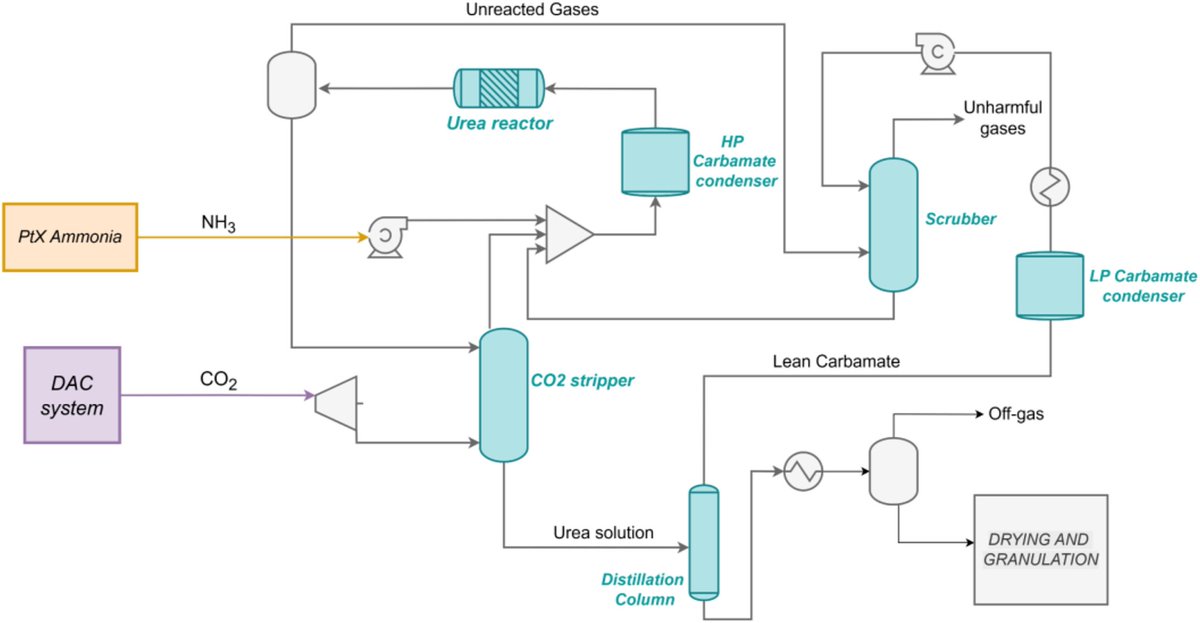
It's urea fertilizer made with CO₂ pulled directly from the air instead of CO₂ from fossil fuels.
Air-captured CO₂ + green ammonia → urea.
Same fertilizer, but far lower climate impact.
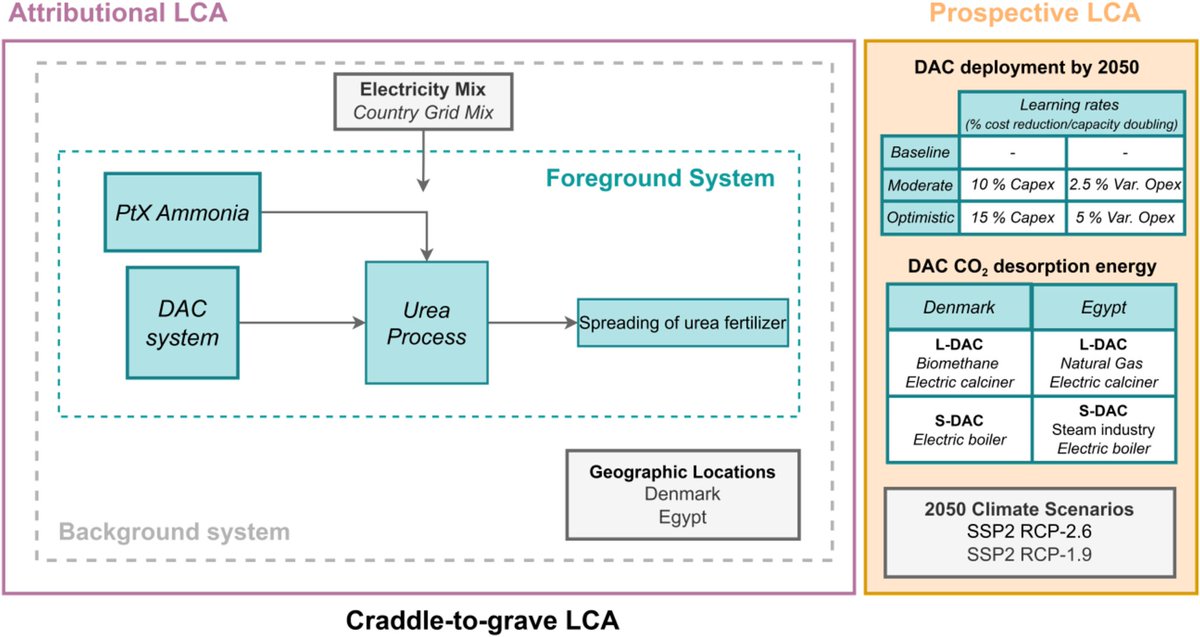
3/Study presents a framework combining process modelling, prospective LCA & TEA to compare DAC-urea with conventional fossil-based urea today & under 2050 climate scenarios, including a cross-country assessment of Denmark’s clean electricity system & Egypt’s more C-intensive grid
Our “Carbon Removal Updates Newsletter” community keeps growing, now past 𝟰,𝟬𝟬𝟬 subscribers across every continent. We’ve delivered 146+ weekly CDR updates & reached 𝟱𝟬𝟬,𝟬𝟬𝟬+ total views.
🧵1/10
2/ 𝗚𝗹𝗼𝗯𝗮𝗹 𝗥𝗲𝗮𝗰𝗵
🇺🇸United States: 33% (largest share of subscribers)
🇬🇧 United Kingdom: 13% & 🇩🇪Germany: 8% lead our European readership
🇮🇳 India: 5% tops the Asia-Pacific region
🇨🇦 Canada: 5% represents a significant share of our North American audience
3/ 🇺🇸𝗨𝗦 𝗥𝗲𝗴𝗶𝗼𝗻𝗮𝗹 𝗛𝗶𝗴𝗵𝗹𝗶𝗴𝗵𝘁𝘀
Our U.S. readership is concentrated in major climate and innovation hubs:
🚨 The Royal Society has published a new briefing today finding that techniques to reflect a small portion of sunlight back into space (#SRM) could help lower global temperatures if deployed worldwide, but cannot replace emissions cuts or fully address climate impacts.
🧵1/7
2/ ➝ The report reviews solar radiation modification (#SRM) approaches, including stratospheric aerosol injection (#SAI) and marine cloud brightening (#MCB), outlining their potential to temporarily reduce warming and associated risks.
3/ ➝ It notes that SRM would only mask the effects of GHG emissions and would not address issues such as ocean acidification.