🧵
What does a trade war look like?
Much of what you've heard about tariffs is prob soundbites from politicians & economists.
But what does a trade war actually FEEL like at ground level?
We've spent the past year working on a film on just that.
Here's some highlights
👇
What does a trade war look like?
Much of what you've heard about tariffs is prob soundbites from politicians & economists.
But what does a trade war actually FEEL like at ground level?
We've spent the past year working on a film on just that.
Here's some highlights
👇
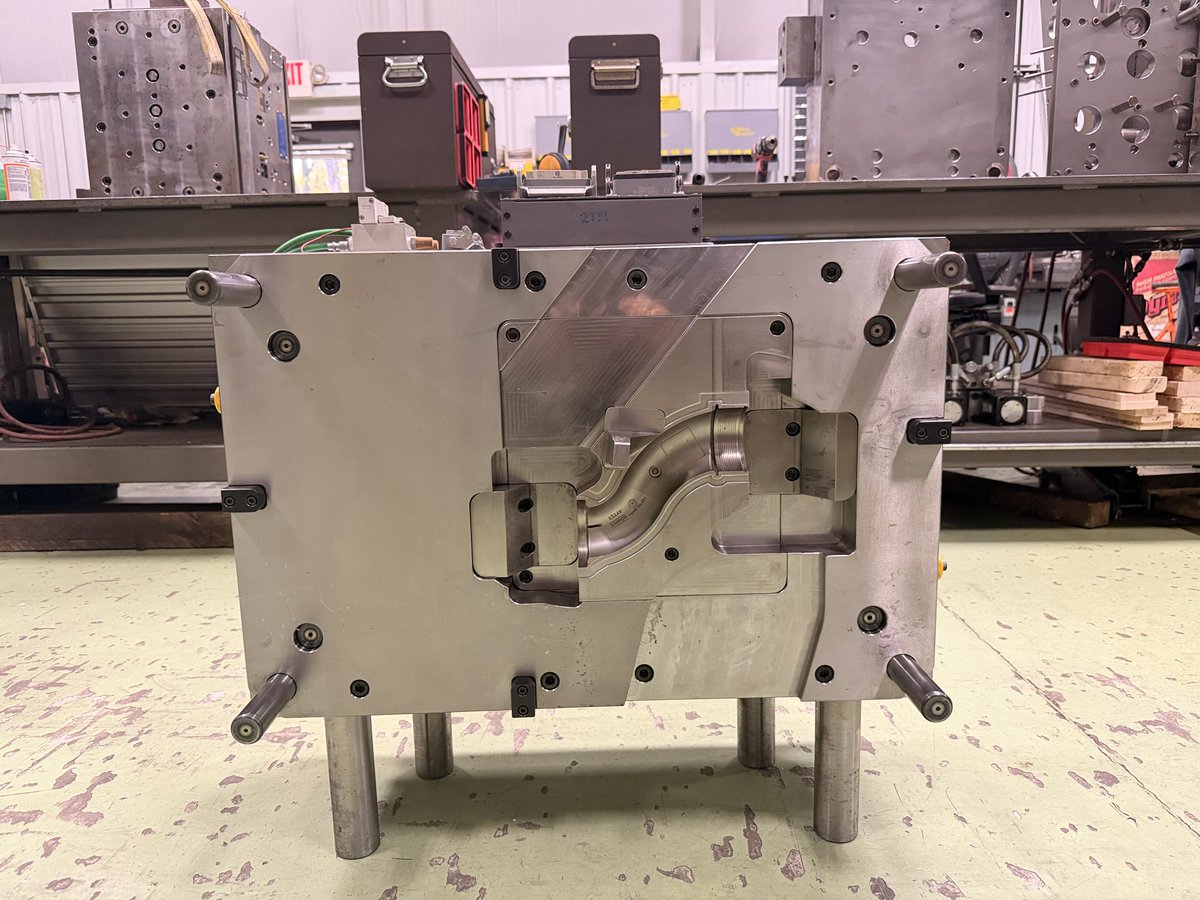
Best place to start is with this👇
It may look like a lump of metal but don't be fooled.
This is a die: a sort of mould used to shape plastics. Looks simple but it's super-engineered - designed to withstand enormous pressure.
Without dies like this there's no manufacturing...
It may look like a lump of metal but don't be fooled.
This is a die: a sort of mould used to shape plastics. Looks simple but it's super-engineered - designed to withstand enormous pressure.
Without dies like this there's no manufacturing...
Dies and moulds are the unsung champions in modern mass production.
One of the single most impressive things about Tesla's manufacturing processes is what @elonmusk calls the Gigapress: a massive machine that shapes metal. And at the heart of the gigapress are enormous dies.
One of the single most impressive things about Tesla's manufacturing processes is what @elonmusk calls the Gigapress: a massive machine that shapes metal. And at the heart of the gigapress are enormous dies.
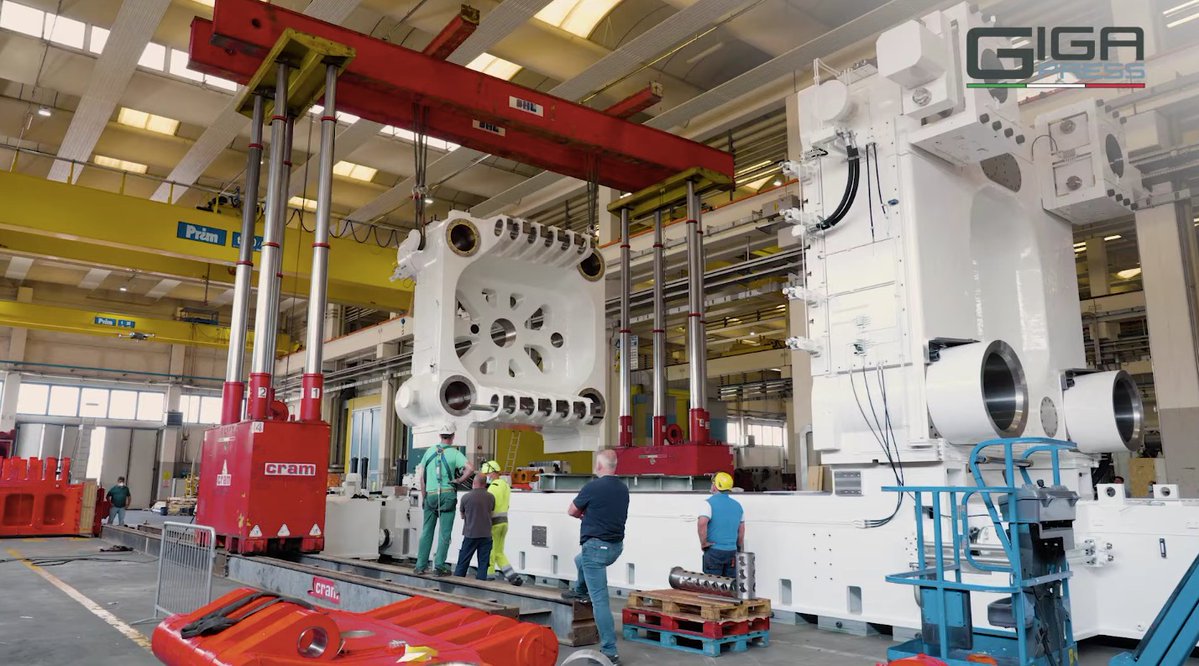
If you're going to take steel and form it into shapes, you need dies to help press that metal. If you're going to take plastic and melt it down and form it into components you need dies.
And here's the thing: not many people can make these things...
And here's the thing: not many people can make these things...
America used to have a thriving, world-leading die and mould sector.
Not anymore. Most die manufacturing happens offshore.
The gigapress was Italian. Many of the dies for the US car industry are made in Canada, India and... China
Not anymore. Most die manufacturing happens offshore.
The gigapress was Italian. Many of the dies for the US car industry are made in Canada, India and... China
That's the key background to begin with here.
Most of the machines used to MAKE stuff in America (and most other countries) are imported from elsewhere.
That certainly goes for the machines at Team 1 plastics in Michigan.
That's where I spotted the die at the top 👆
Most of the machines used to MAKE stuff in America (and most other countries) are imported from elsewhere.
That certainly goes for the machines at Team 1 plastics in Michigan.
That's where I spotted the die at the top 👆
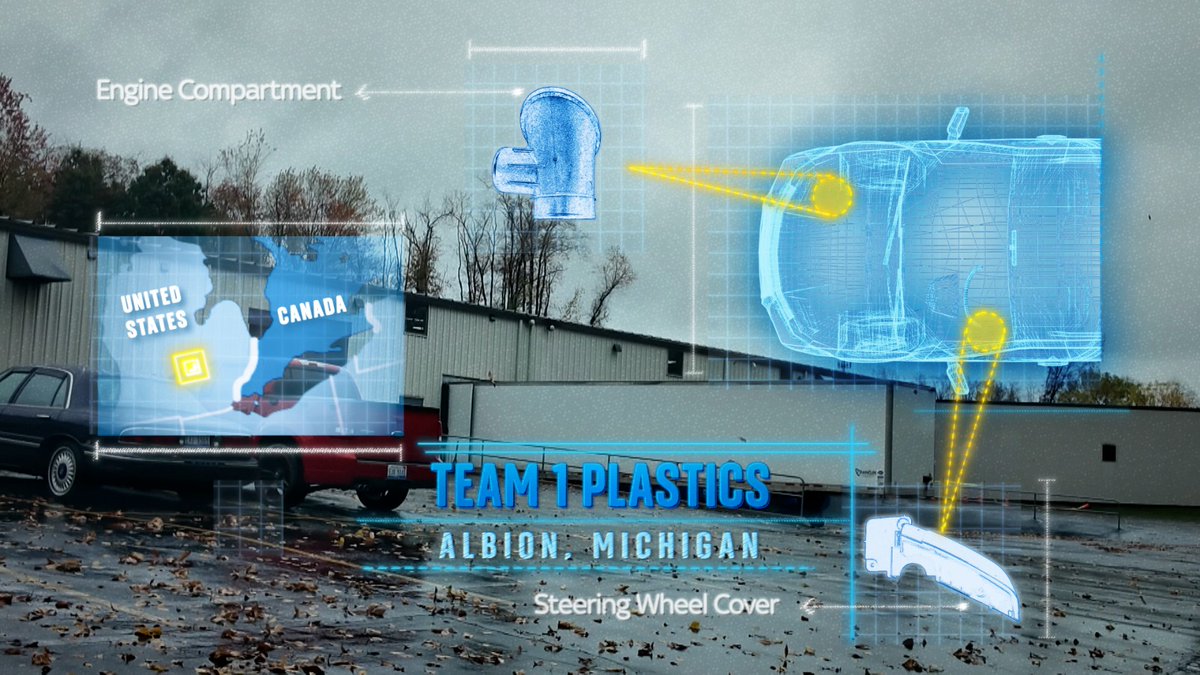
Team 1 are one of the companies you've prob never heard of but whose products you'll undoubtedly have encountered.
They make plastic components that go inside nearly every car made in America. Buttons, engine parts. The lot. It's essential.
They make plastic components that go inside nearly every car made in America. Buttons, engine parts. The lot. It's essential.
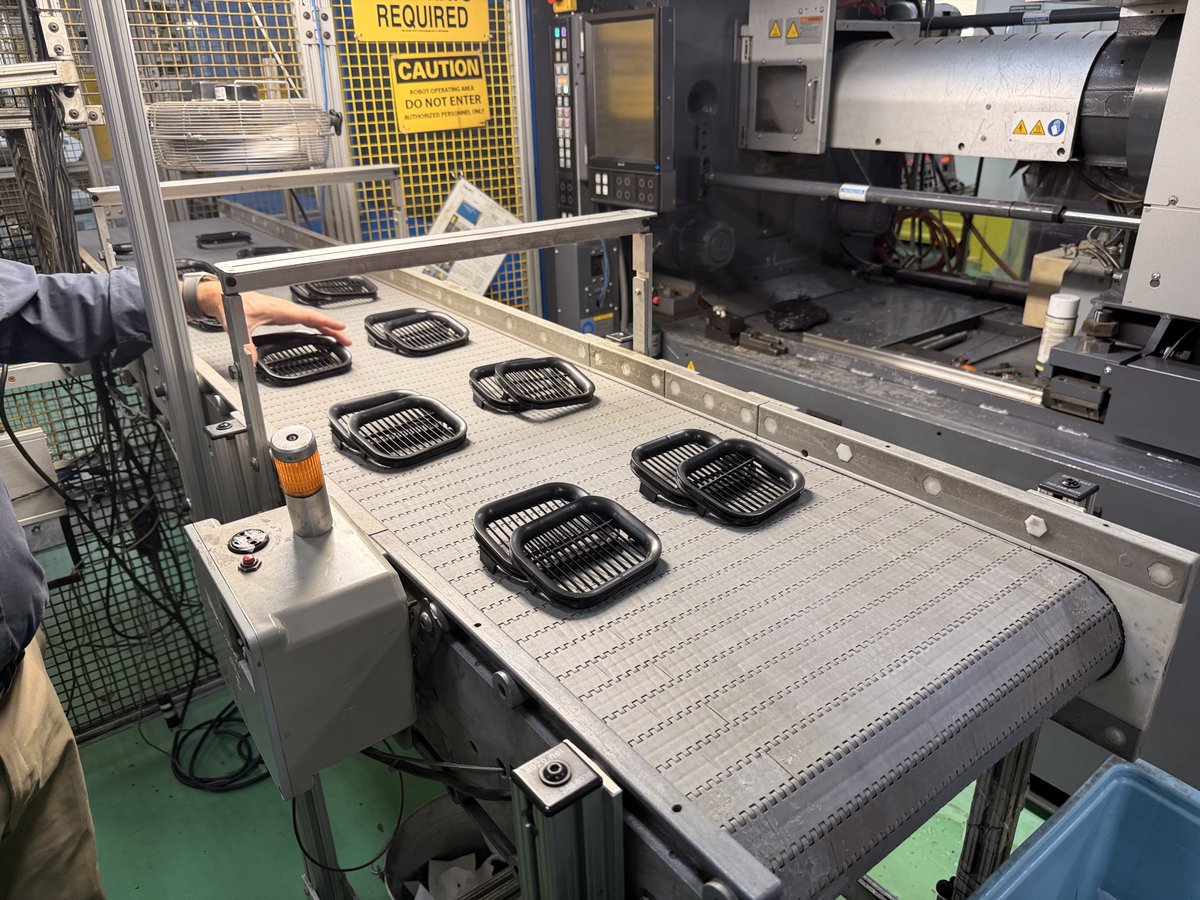
They're part of a constellation of "Tier 2" suppliers to the big US carmakers. They, maybe more than the OEMs, are who really MAKE a car. And many of those working here at Team 1 support the White House's objectives. They too think manufacturing needs to be reshored.
But tariffs have introduced all sorts of... complications. Most obvious is cost increases trickling even into areas politicians think they've protected.
Take cars. In theory this should be pretty tariff-resistant. After all car parts are covered by the USMCA. Eg tariff free
Take cars. In theory this should be pretty tariff-resistant. After all car parts are covered by the USMCA. Eg tariff free
That means the feedstocks T1 buys in (mostly raw plastic) don't incur tariffs.
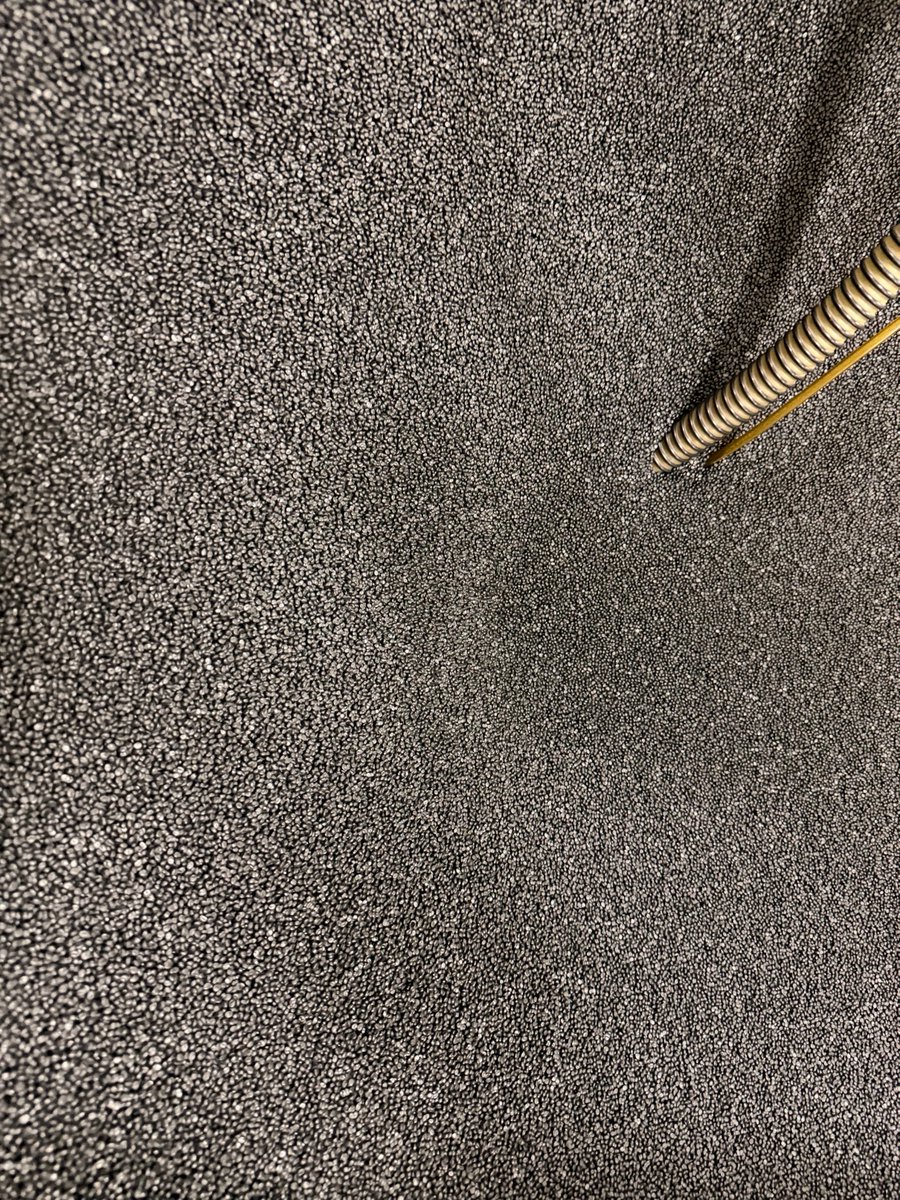
These pellets, for instance, are made in America anyway.
The problem is what's not excluded, namely the machines they use here to mould plastics (remember most such machine tools have to be imported)
These pellets, for instance, are made in America anyway.
The problem is what's not excluded, namely the machines they use here to mould plastics (remember most such machine tools have to be imported)
In March - eg BEFORE "Liberation Day", Team 1 ordered a new machine from Japan. By the time it was shipped Japan faced an extra 15% tariffs.
Then, when it was on the water, new steel tariffs came in.
By the time it landed this $300,000 machine ended up costing an extra $45,000.
Then, when it was on the water, new steel tariffs came in.
By the time it landed this $300,000 machine ended up costing an extra $45,000.
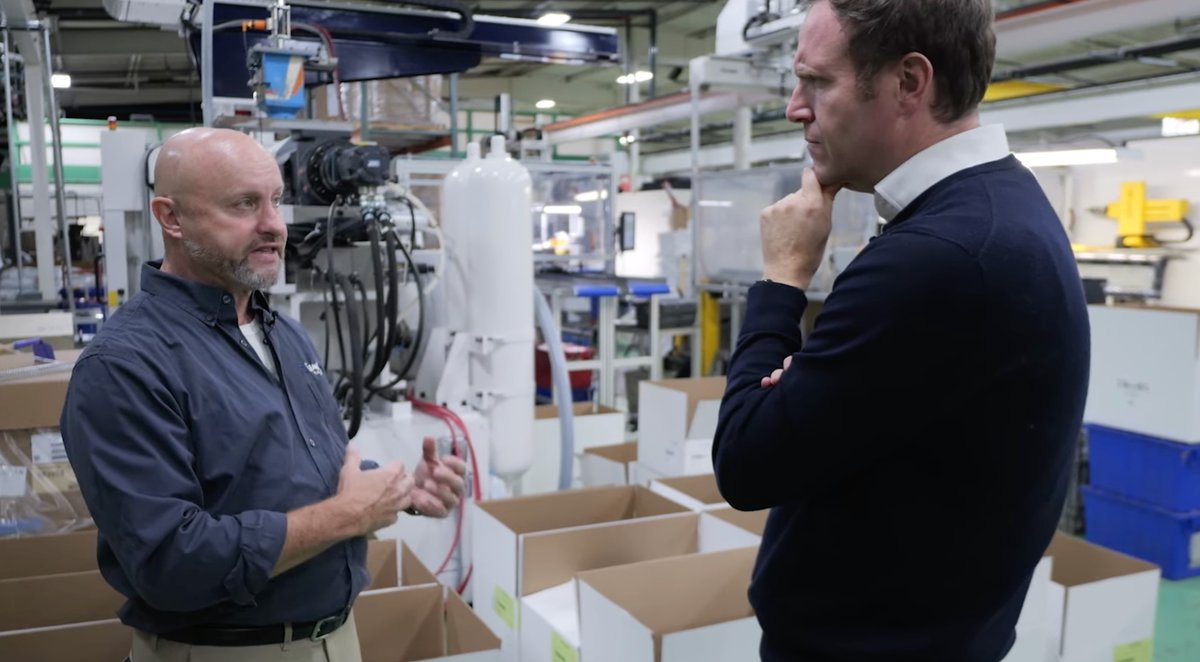
So Team 1 faces a significant rise in costs. Where does it recoup that?
Short answer: from its customers - the firms who supply the big car companies eg Ford/GM etc. They might absorb some of the costs but it's hard to see how some of this doesn't get passed onto customers.
Short answer: from its customers - the firms who supply the big car companies eg Ford/GM etc. They might absorb some of the costs but it's hard to see how some of this doesn't get passed onto customers.
Right now one of the big questions economists are asking is: why has the full cost of all these tariffs not yet filtered into consumer prices?
Underlying inflation is up a bit, but not as much as economists expected. So, what do we learn here at the front line of the trade war?
Underlying inflation is up a bit, but not as much as economists expected. So, what do we learn here at the front line of the trade war?
In short: these costs are taking longer to filter in than expected.
They are incurred more gradually than economists forecast.
In Team 1's case it only has to buy machines every so often. So the cost is not coming in overnight. It's coming in as and when they need new plant.
They are incurred more gradually than economists forecast.
In Team 1's case it only has to buy machines every so often. So the cost is not coming in overnight. It's coming in as and when they need new plant.
BTW while carmakers mostly haven't raised prices (yet) they've found other ways to rebuild margin.
One method: make fewer cars in base paints. So if customers want a new car they have to "opt" for more expensive colours.
Doesn't show up in CPI but smells like inflation to me.
One method: make fewer cars in base paints. So if customers want a new car they have to "opt" for more expensive colours.
Doesn't show up in CPI but smells like inflation to me.
So, here at the front line of the trade war it's becoming clearer why inflation is taking longer to filter into the headline figures.
But another thing quickly becomes clear.
👆Back to that die we were talking about at the v top - the one Team 1 uses to mould plastic parts...
But another thing quickly becomes clear.
👆Back to that die we were talking about at the v top - the one Team 1 uses to mould plastic parts...
These dies aren't made in the US so they have to be imported.
Team 1 used to get some of theirs from India but since it's now facing 50% tariffs it's sourcing from Canada.
But while car parts incur no tariffs the same can't be said of machine tools - esp those made of steel.
Team 1 used to get some of theirs from India but since it's now facing 50% tariffs it's sourcing from Canada.
But while car parts incur no tariffs the same can't be said of machine tools - esp those made of steel.
Steel parts (even from Canada) now face a special tariff. But here's where things get complex.
The level of tariff depends on all sorts of things: where the steel was poured, whether it's classified as a "derivative product" or not.
The complexity can be a serious headache.
The level of tariff depends on all sorts of things: where the steel was poured, whether it's classified as a "derivative product" or not.
The complexity can be a serious headache.
For instance...
Team 1 wanted to order a die from Canada.
One supplier said it would incur a 25% tariff. The other said it might get through tariff free.
Who was right? Only way to find out: to try sending it through and see what happened. They had to improvise
Team 1 wanted to order a die from Canada.
One supplier said it would incur a 25% tariff. The other said it might get through tariff free.
Who was right? Only way to find out: to try sending it through and see what happened. They had to improvise
Lo and behold the die came through tariff free!
But here's the key thing: they had no idea what they would end up paying until a long time after the tariffs were actually imposed.
Now imagine this extrapolated across tens of thousands of businesses around the US (and the world)
But here's the key thing: they had no idea what they would end up paying until a long time after the tariffs were actually imposed.
Now imagine this extrapolated across tens of thousands of businesses around the US (and the world)
This micro example gets to a much bigger issue: across the US businesses - mostly small firms - are wading through paperwork they never had to before, trying to fathom not just whether they can afford tariffs but WHAT the tariffs are.
This is an ongoing headache.
This is an ongoing headache.
One of the unsung benefits of free trade/low tariffs is that, frankly, there's just less faff getting stuff.
That faff is hard to model.
It often doesn't show up in inflation simulations.
But it constricts trade and can push up prices (it's also part of the UK story post-Brexit)
That faff is hard to model.
It often doesn't show up in inflation simulations.
But it constricts trade and can push up prices (it's also part of the UK story post-Brexit)
This is something we should all spend some time pondering. Because the rise in tariffs and protectionism is not just a Donald Trump phenomenon. It started before him. It will outlive him.
And it's spreading. The tide of protectionism is turning - but slowly, like a tanker
And it's spreading. The tide of protectionism is turning - but slowly, like a tanker
The nuggets above are a few little things we picked up while making this film👇
It's something @aoifeyourell and I have been working on for months. Please have a watch and let us know what you think
It's something @aoifeyourell and I have been working on for months. Please have a watch and let us know what you think
https://x.com/EdConwaySky/status/1998135874287223290?s=20
• • •
Missing some Tweet in this thread? You can try to
force a refresh