I rewatched the match against Villa. Usually the second look brings clearer conclusions, a wider perspective, and a calmer head — and this time was no different.
Let me touch on a few interesting threads, which I warmly invite you to explore.
[THREAD]
Let me touch on a few interesting threads, which I warmly invite you to explore.
[THREAD]

– Arsenal started the game well thanks to Saka and Ø.
Around the 20th minute, there was a sequence of losses by Saka, fuelling Villa's attacks. But apart from that he was really good.
Around the 20th minute, there was a sequence of losses by Saka, fuelling Villa's attacks. But apart from that he was really good.
Ødegaard was distributing the ball brilliantly in both halves, and the most dangerous Arsenal actions came through him. The passes to Trossard and Calafiori were top class.


– Merino and Eze: one of them kept positioning himself between the lines without showing any desire to run in behind. He played just one interesting ball — Saka was offside.
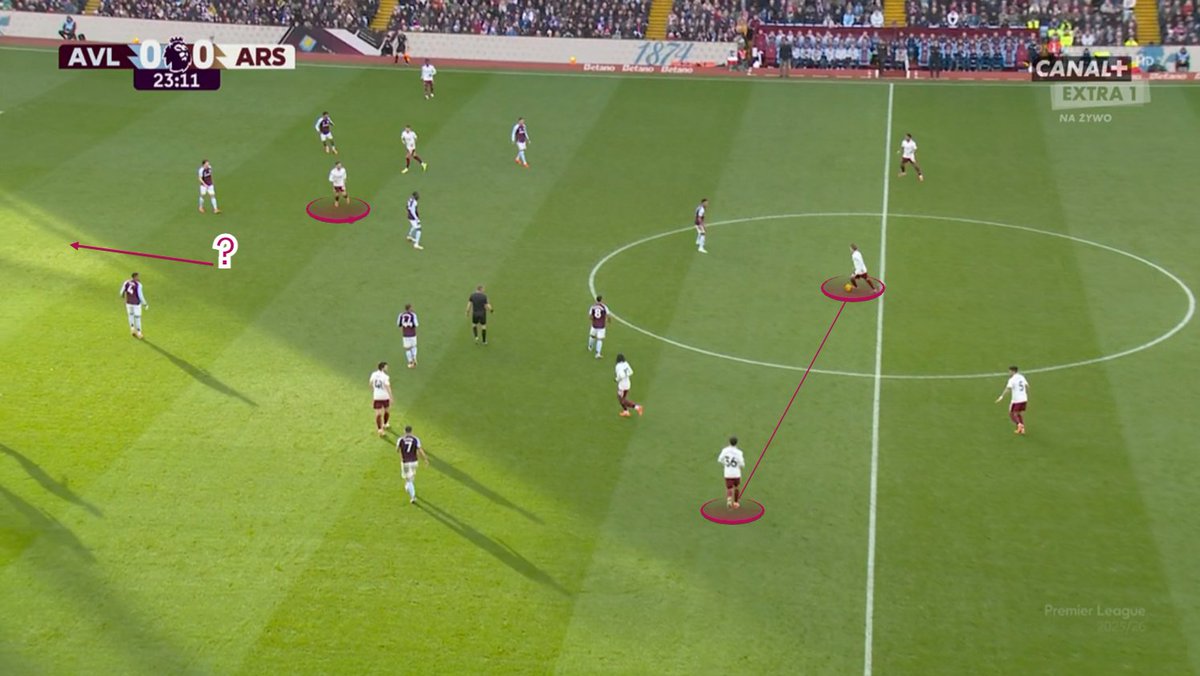
Unfortunately, Eze’s magic on the wing continues to fade. In this game he was completely absent in the final third (apart from the offside goal). But the worst part was his defensive involvement. Looking back, I do think Martinelli should have started against Cash, who is in
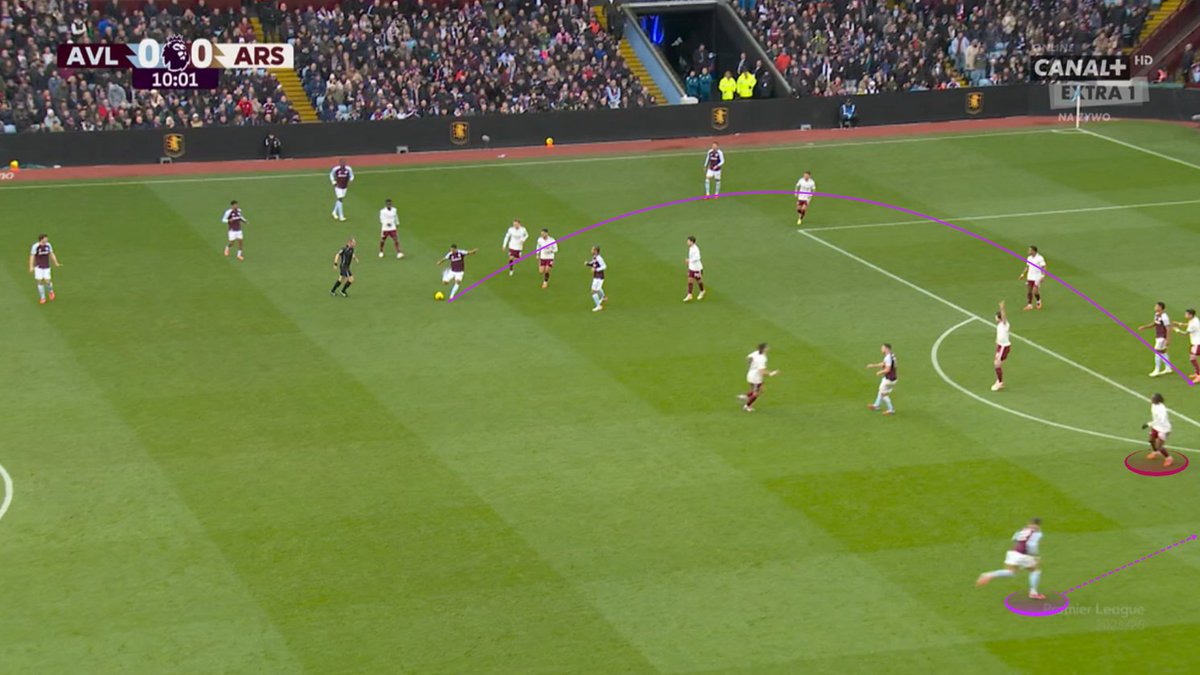
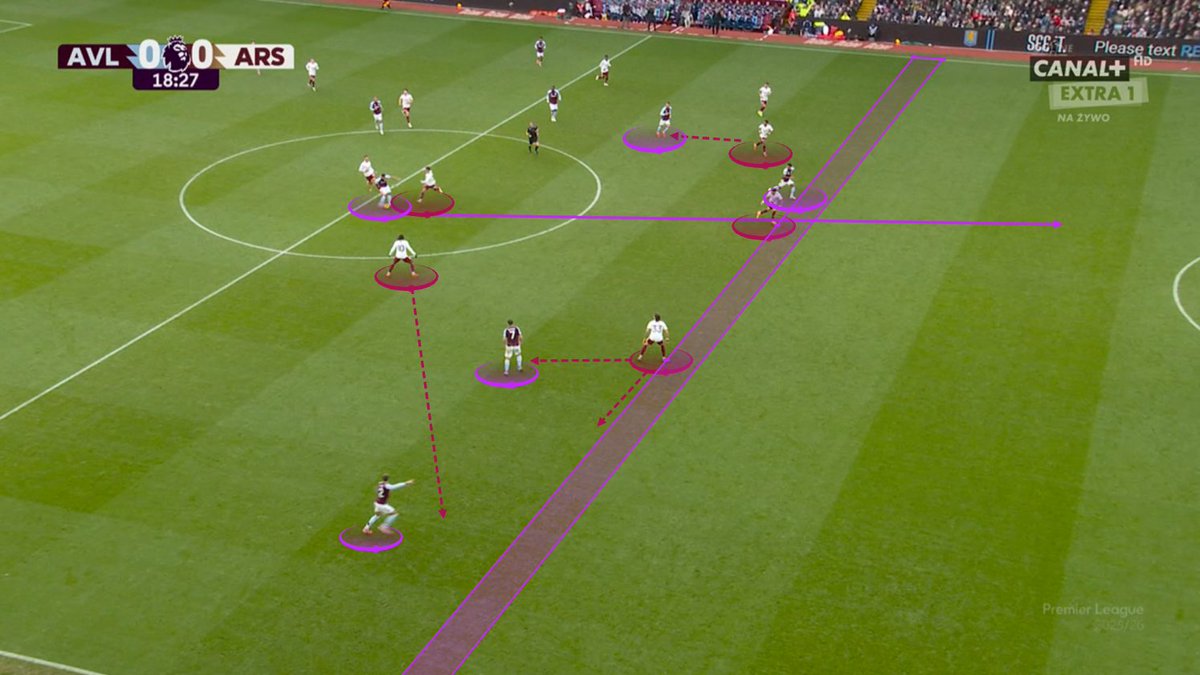
excellent form. Eze simply couldn’t rebuild his position or track Cash. Hence the half-time substitution. Our left side was often exposed, which led to those dangerous Cash actions — and the 1–0 goal. There had been several warning signs.
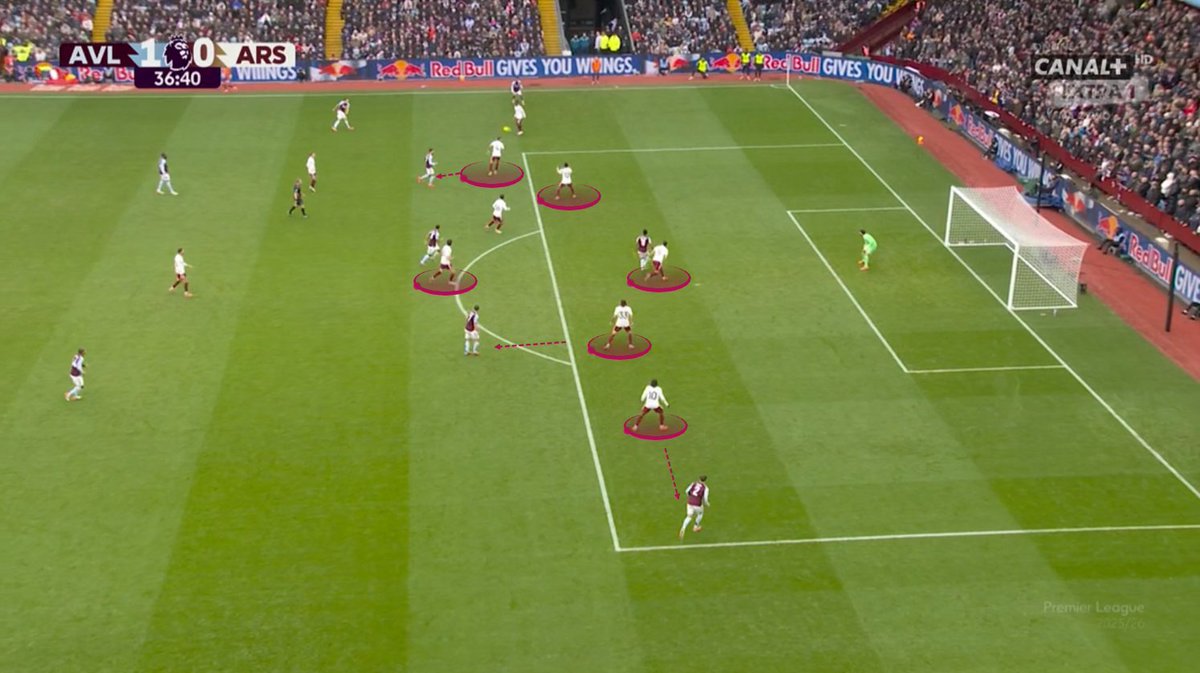
New centre-back pairing.
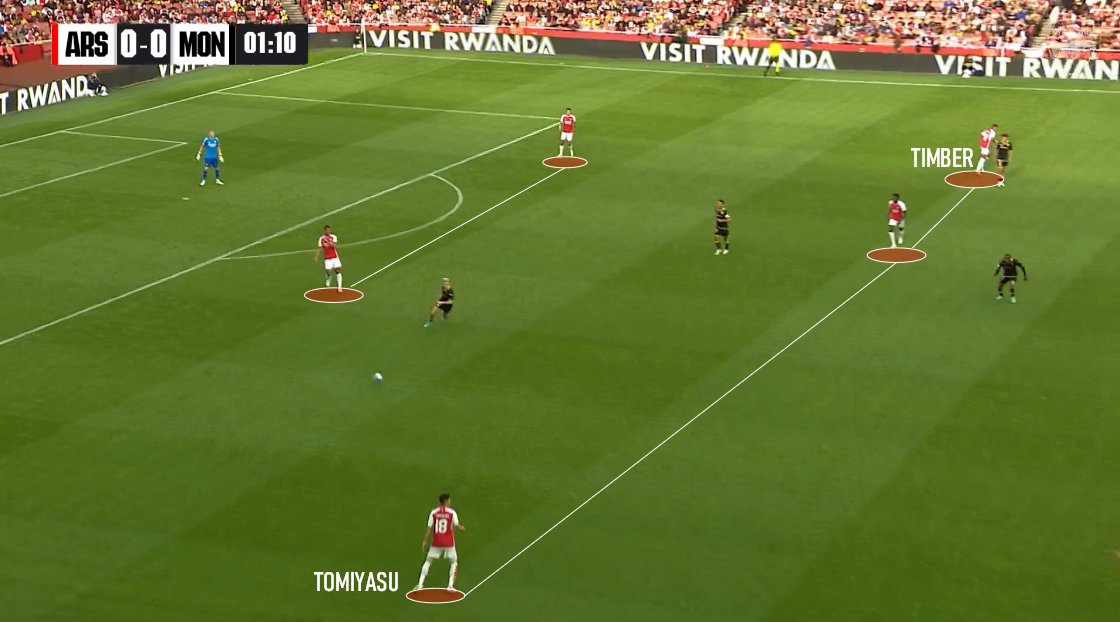
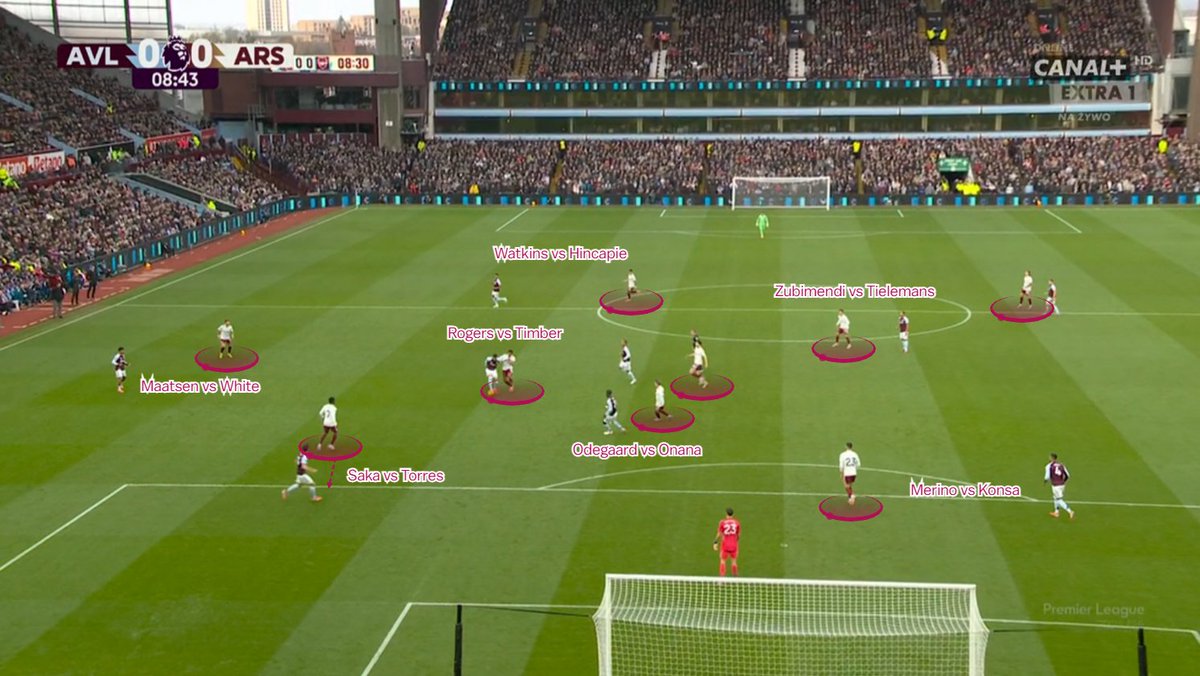
Timber was assigned to mark Rogers, Hincapié to Watkins. The Ecuadorian looked particularly poor in the first half, where many through balls reached Watkins — especially when he got beaten twice in one sequence. Raya saved him.
Timber was assigned to mark Rogers, Hincapié to Watkins. The Ecuadorian looked particularly poor in the first half, where many through balls reached Watkins — especially when he got beaten twice in one sequence. Raya saved him.
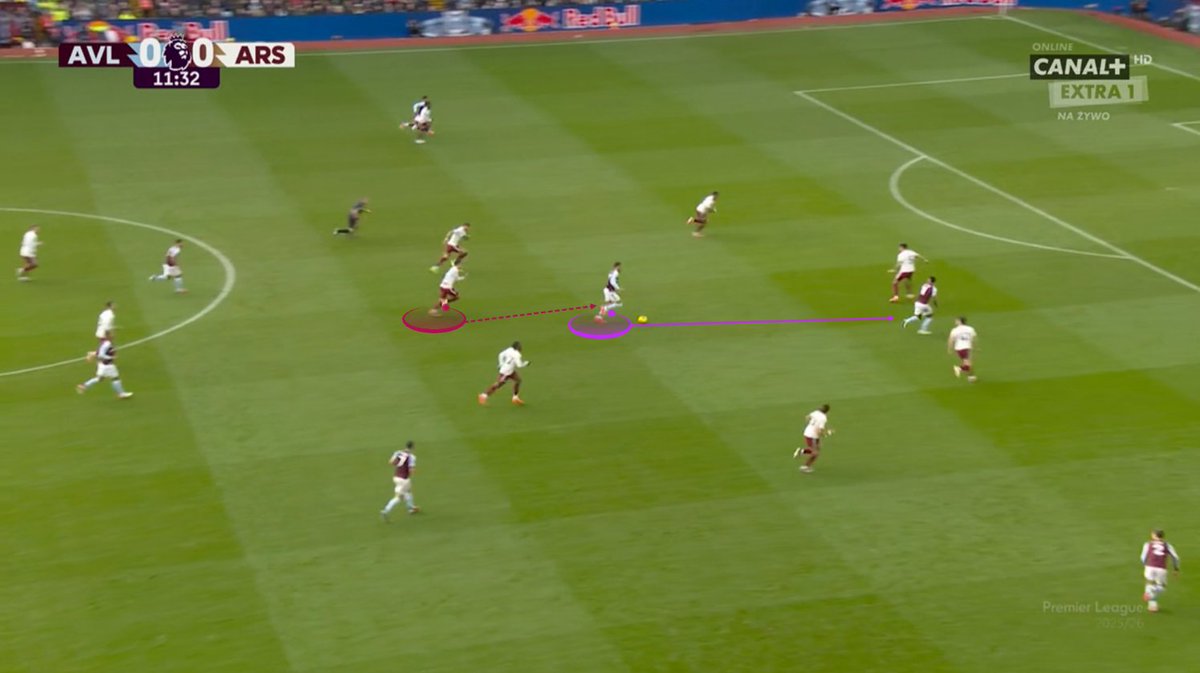
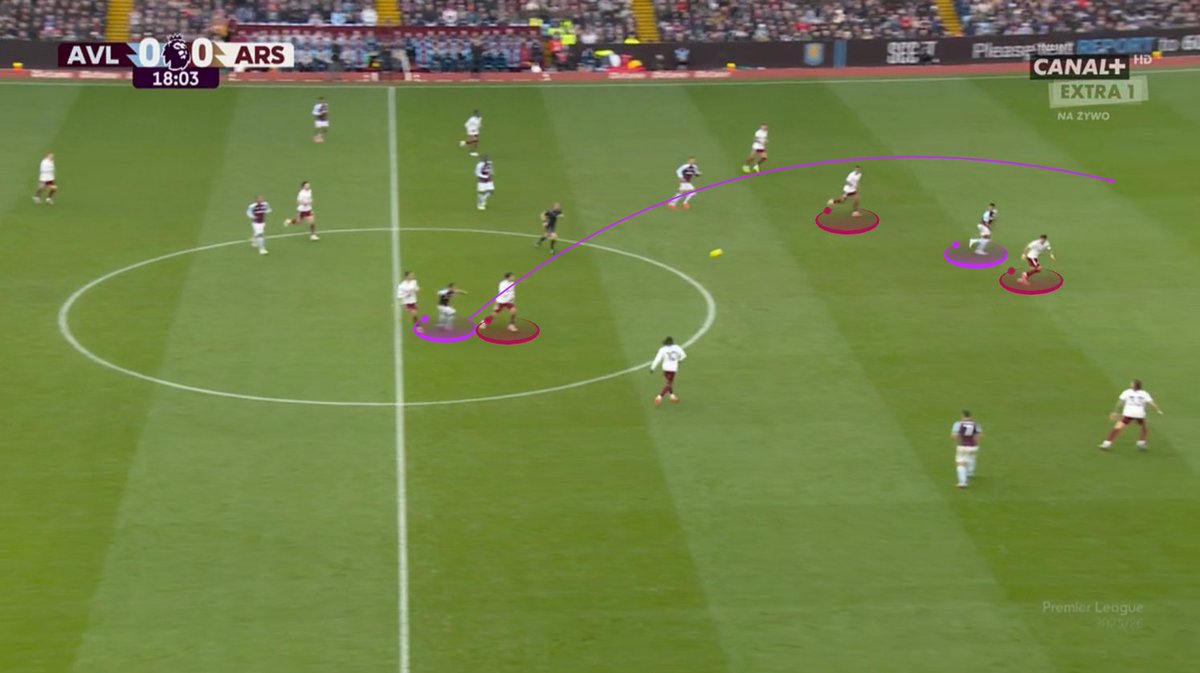
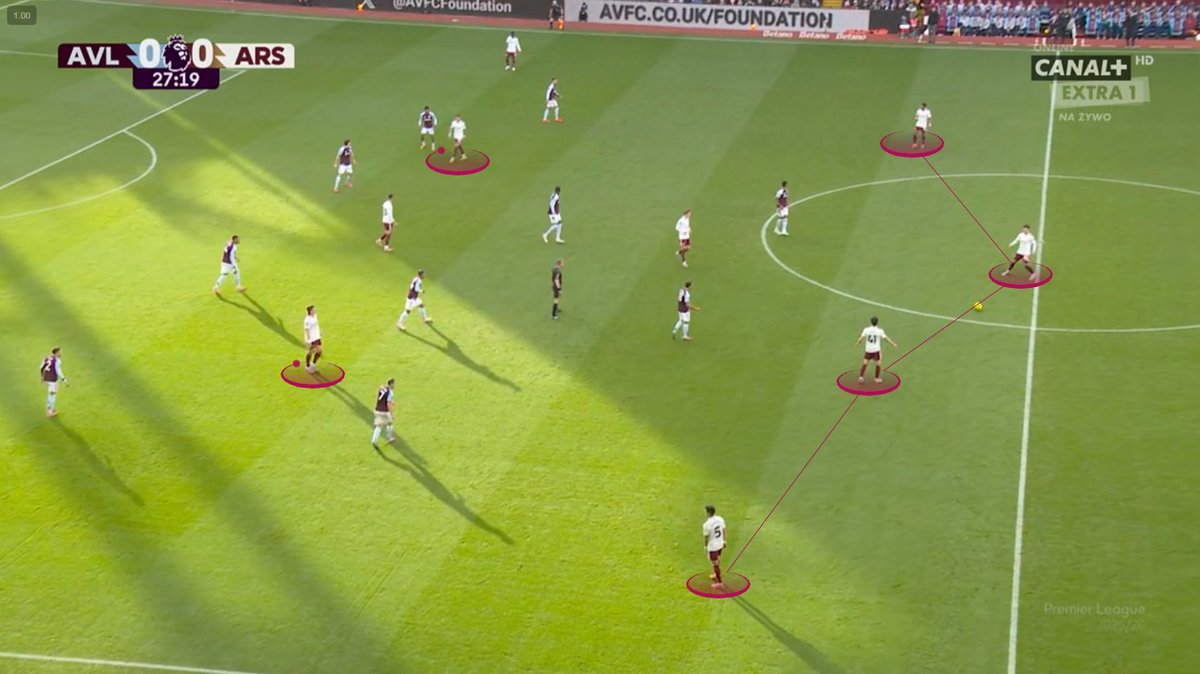
Timber played noticeably better, though twice his mistakes could have influenced the score.
Ricky looked good in this game until a certain point. He was attentive at the back, marking McGinn, but when the opportunity arose, he interpreted Villa's unmarked spaces brilliantly.
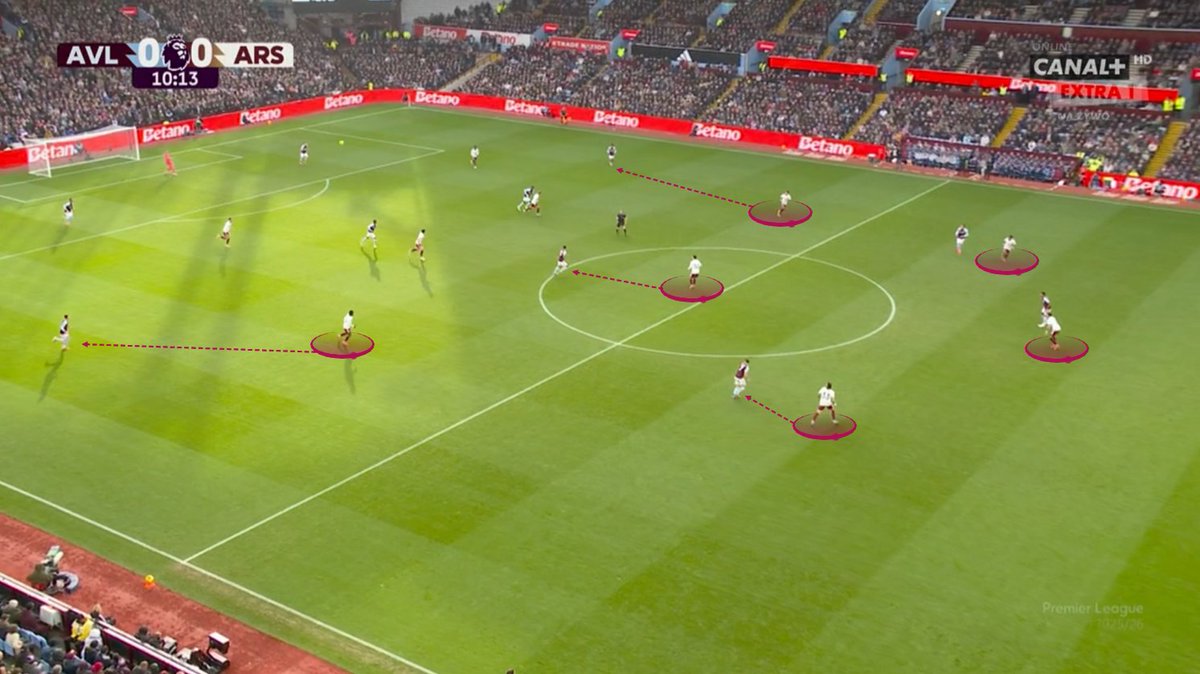
Until a certain point in the second half.. Calafiori, after one bad pass, looked like he couldn’t get it out of his head and then committed two more errors. Still, I think he would have handled the final action better than Myles.
Ben had an unusual task, marking Maatsen and sometimes leaving more space behind him.
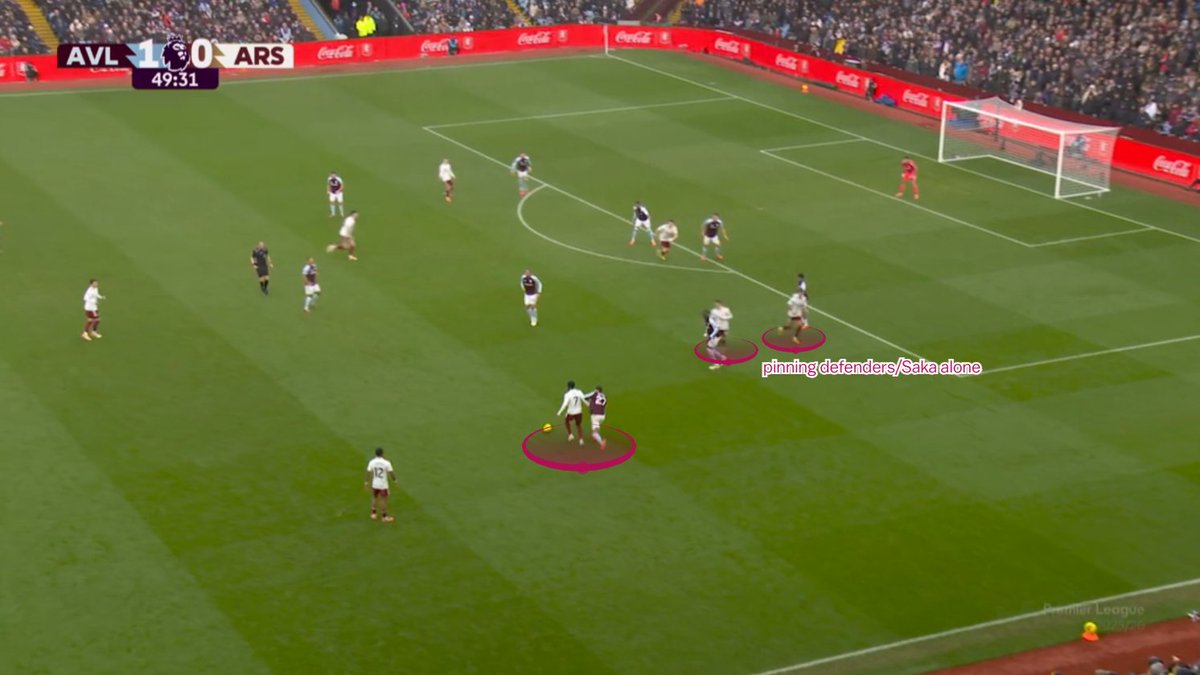
He wasn’t in great form and was spectacularly beaten once by Maatsen, who dribbled past both him and Saka. He was involved in the RHSpace, pinning players, but still needs to get back on track.
He wasn’t in great form and was spectacularly beaten once by Maatsen, who dribbled past both him and Saka. He was involved in the RHSpace, pinning players, but still needs to get back on track.
Zubi & the tactical setup
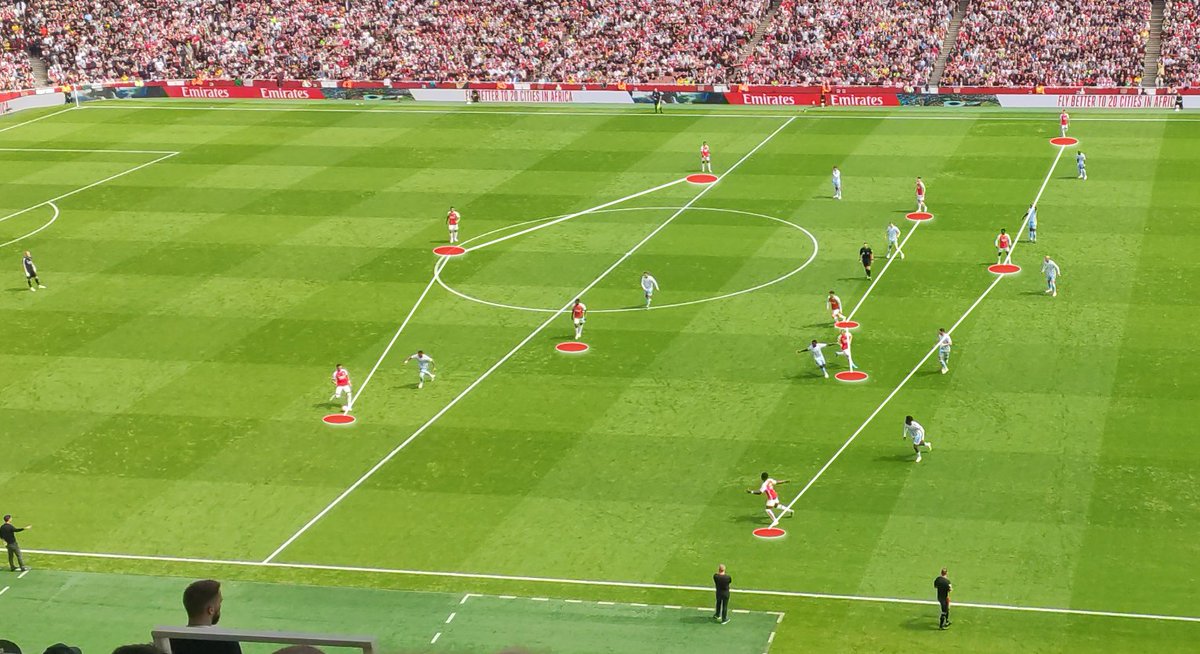
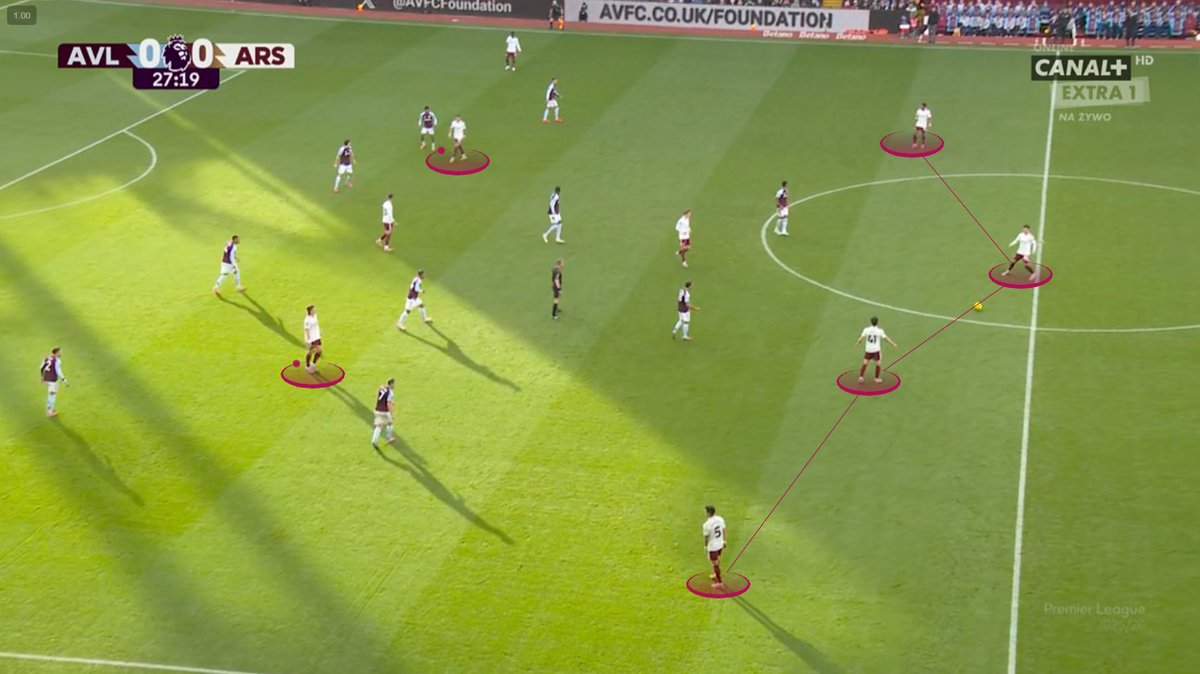
This is key before we move into the flow of the match. In Unai’s system, the inverted wingers drifting inside caused Arsenal plenty of problems. As a result, tons of vertical balls were played through the middle — and Zubimendi couldn’t cope with it.
This is key before we move into the flow of the match. In Unai’s system, the inverted wingers drifting inside caused Arsenal plenty of problems. As a result, tons of vertical balls were played through the middle — and Zubimendi couldn’t cope with it.
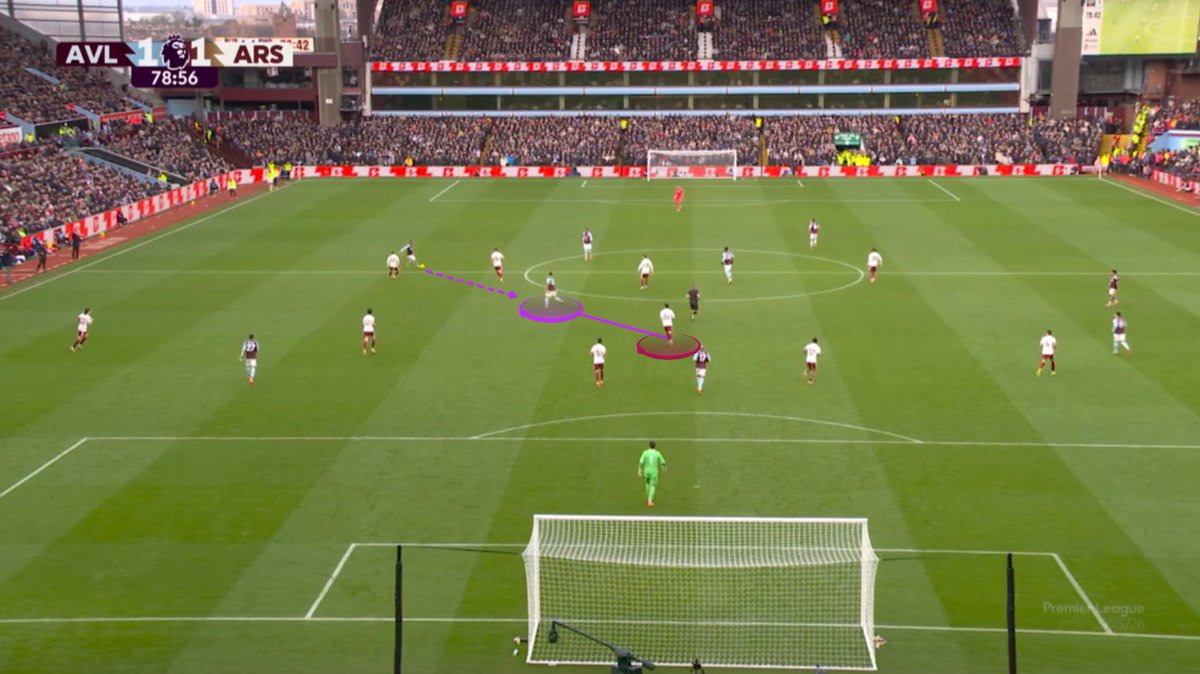

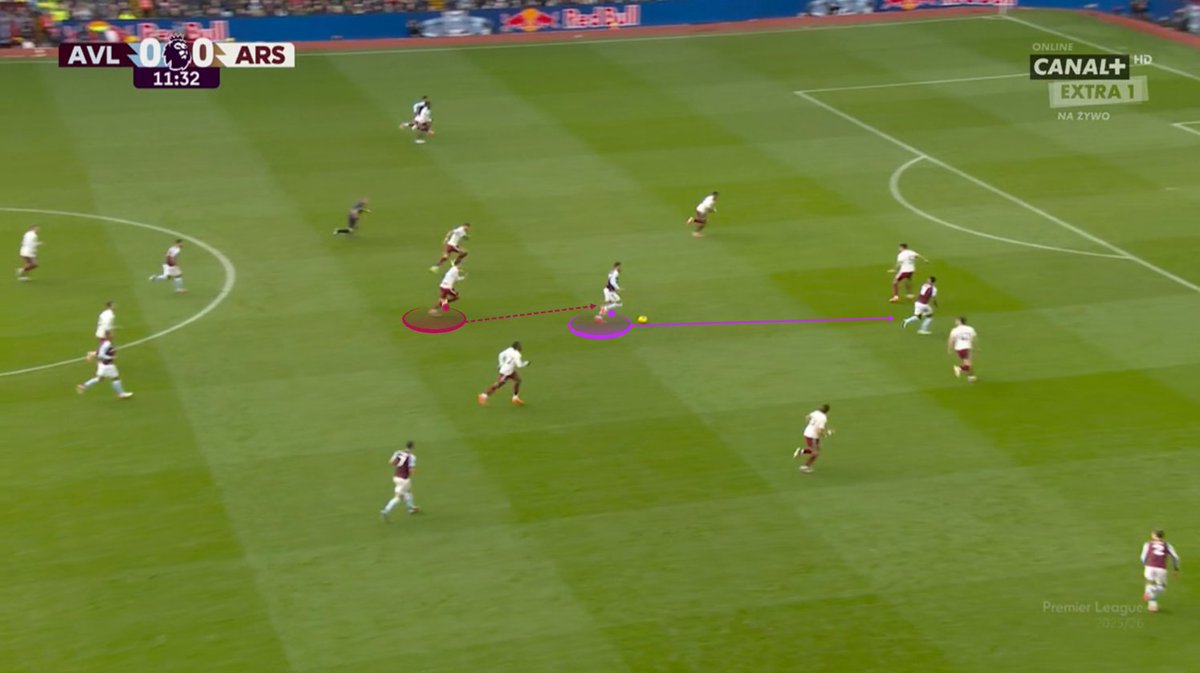
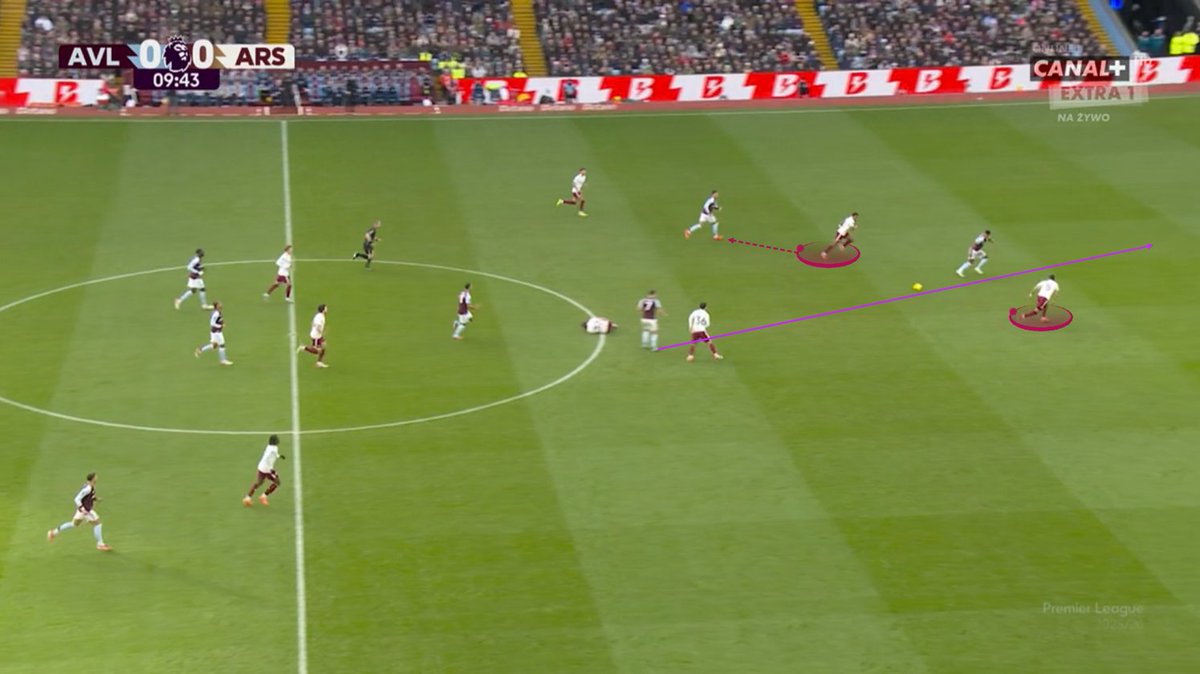
He wasn’t winning aerial duels, and Ødegaard’s movements made it look like he was taking up Zubi’s zones and duplicating his role. Arteta has to solve this.
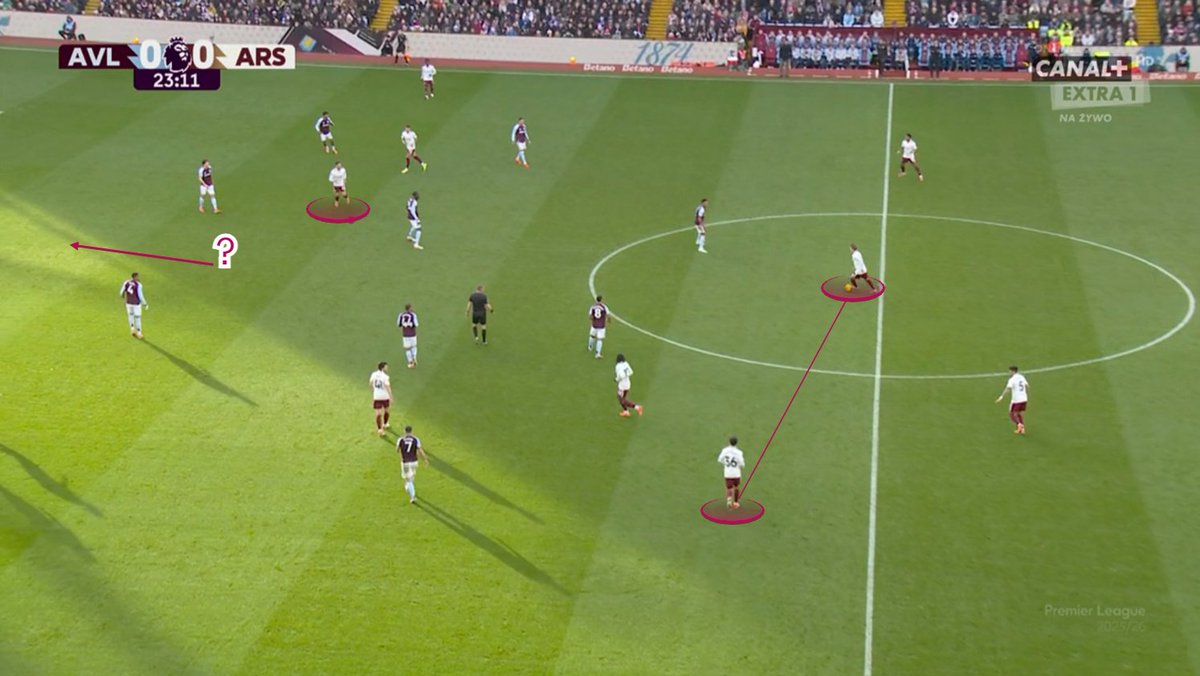
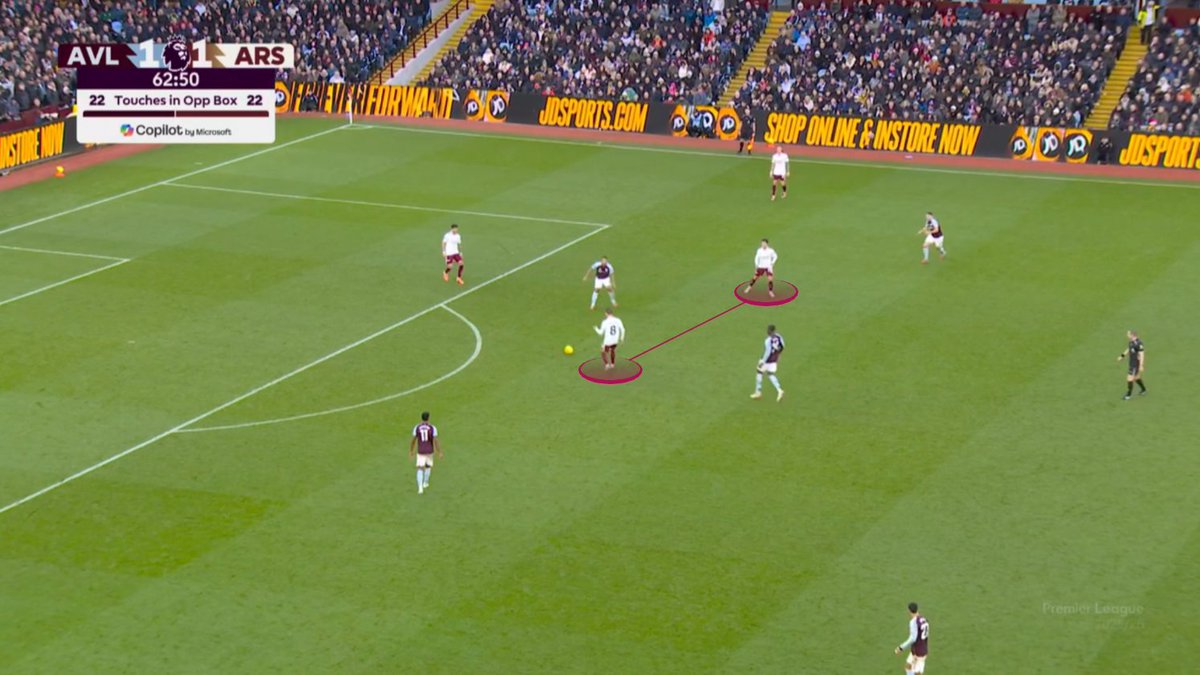
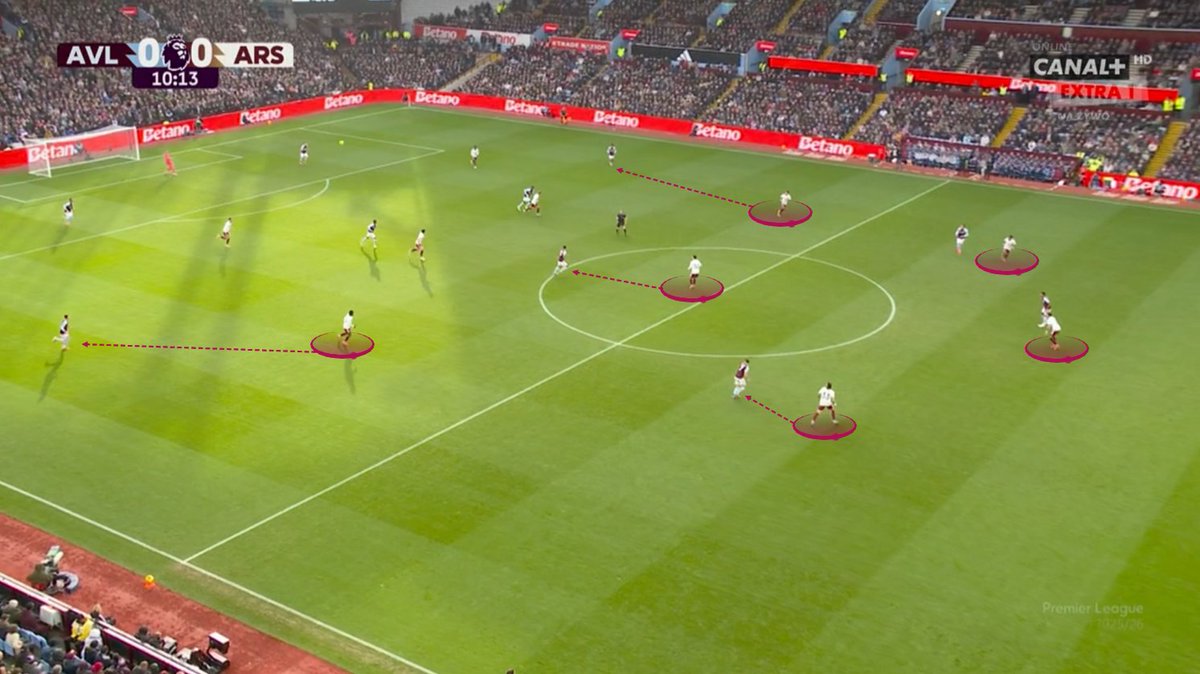
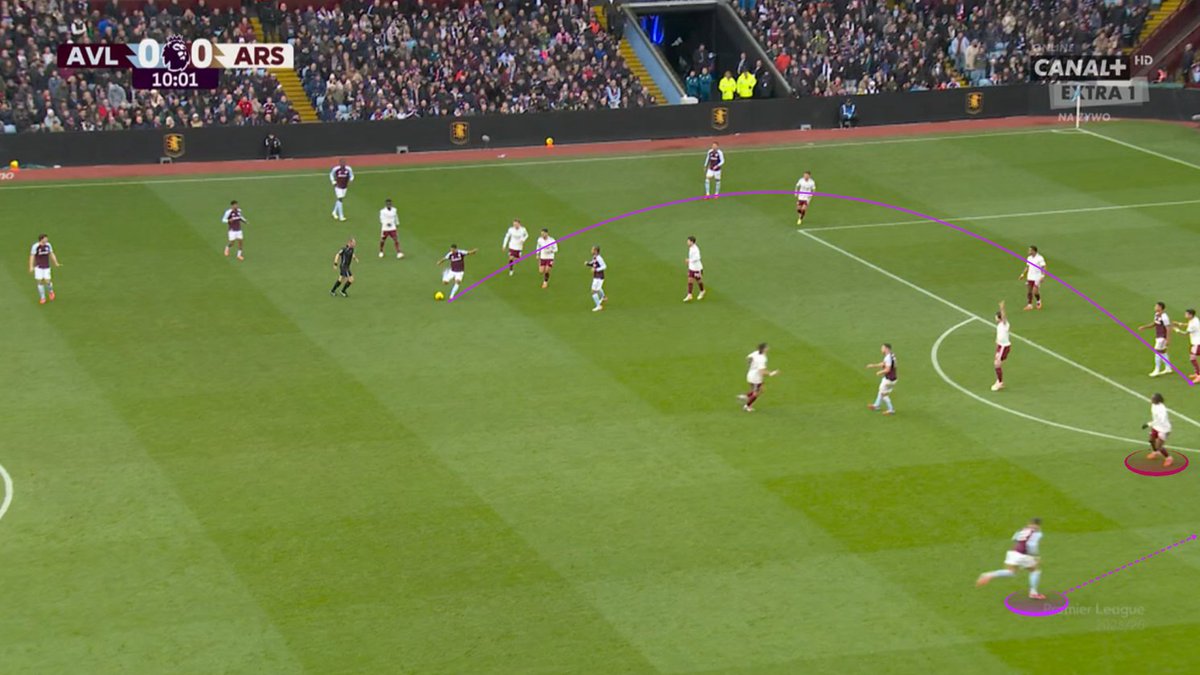
Pressing was theoretically well-structured — an aggressive M2M — but Villa bypassed it with long balls and sharp vertical passes on the ground.

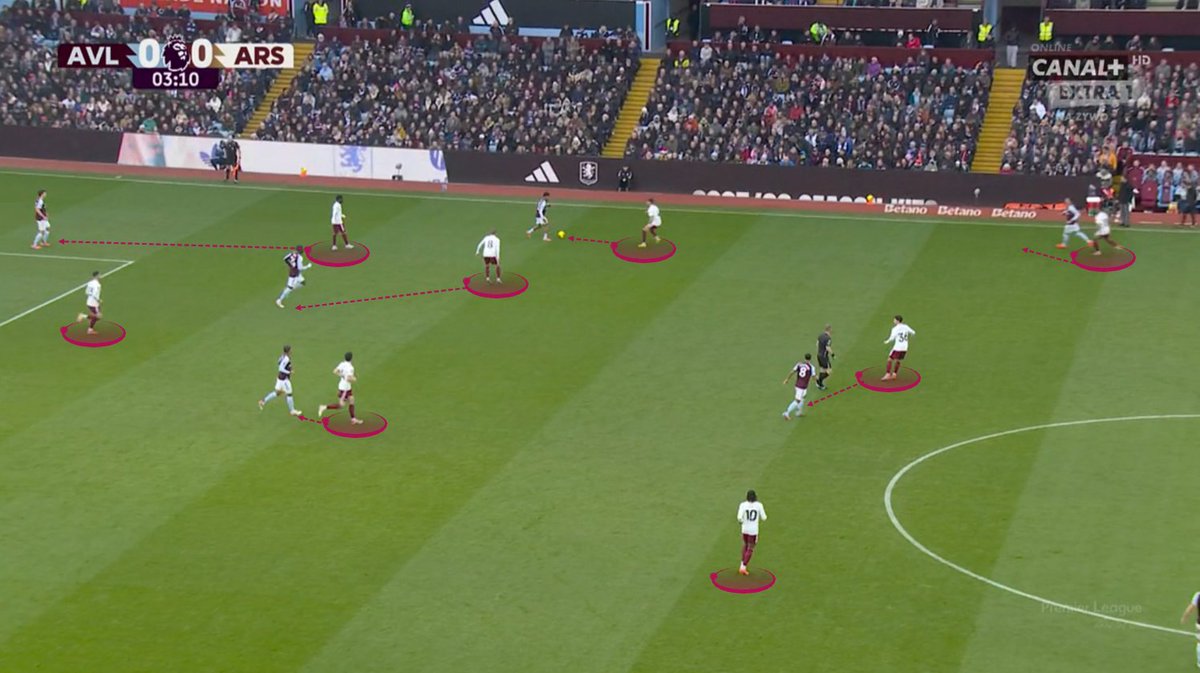
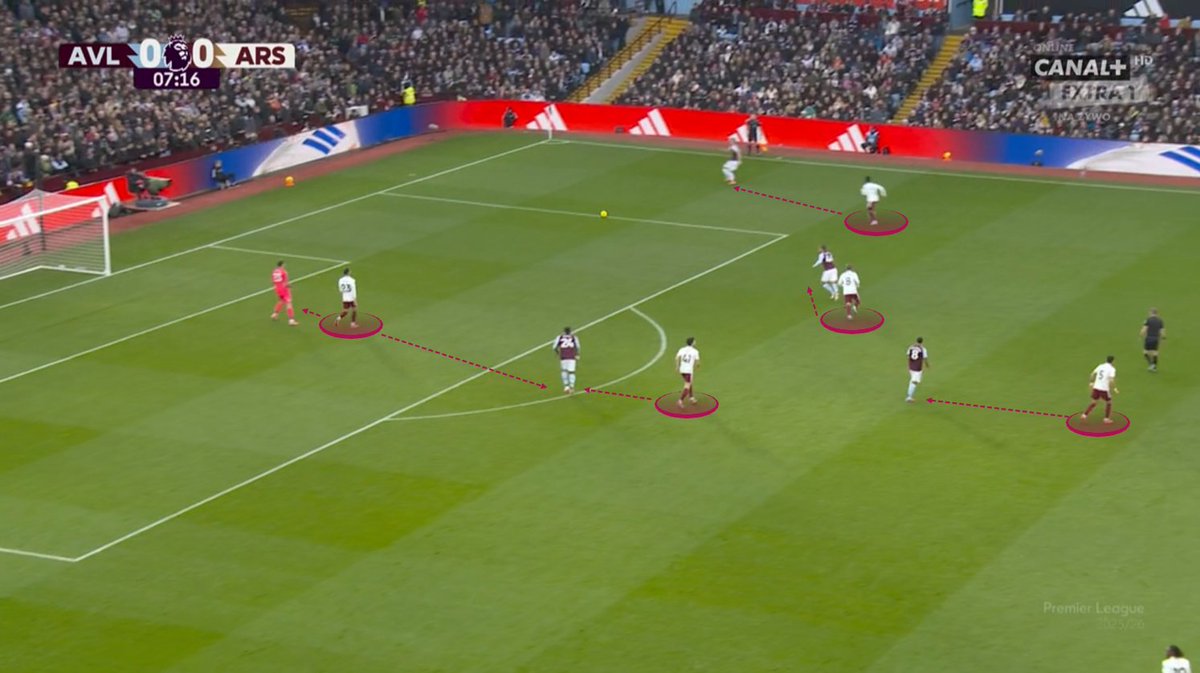
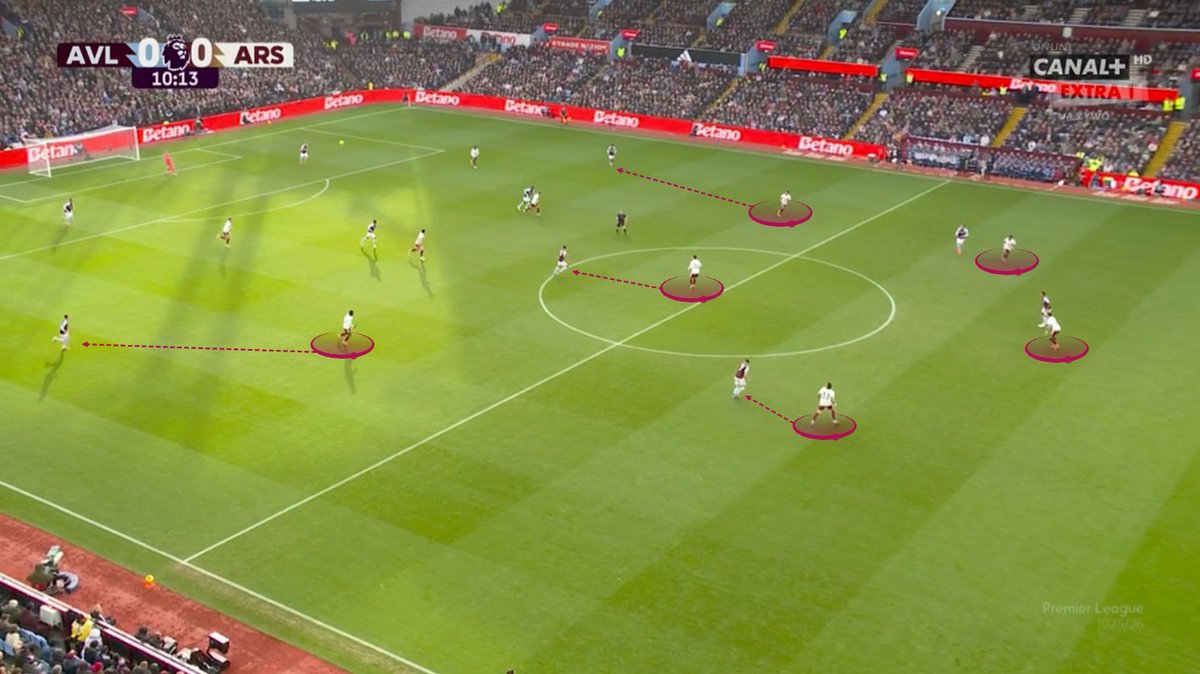
This kept opening space for Cash, because McGinn would drift inside dragging Calafiori with him, and Eze couldn’t keep up tracking back.
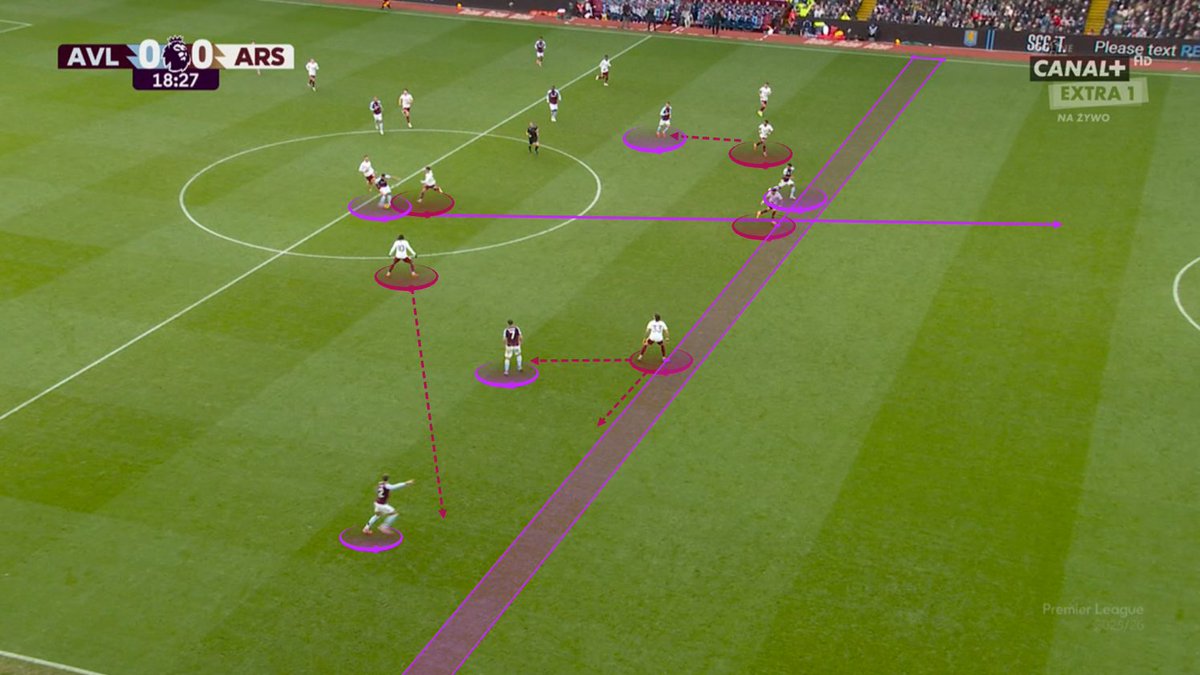
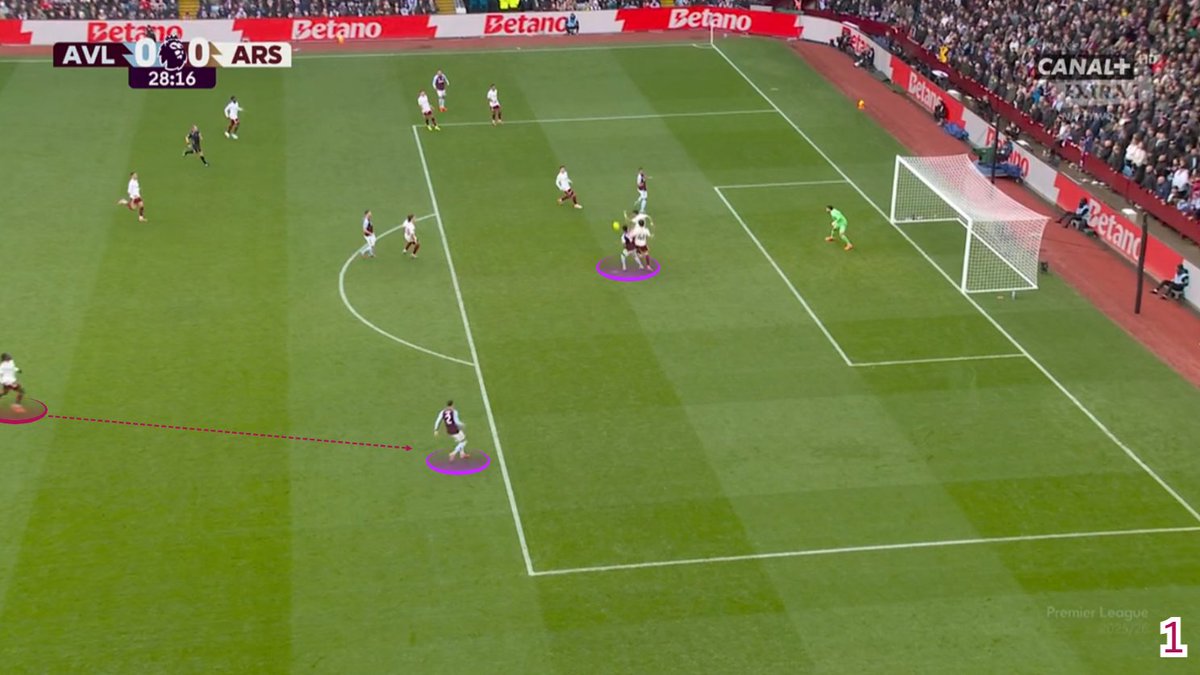
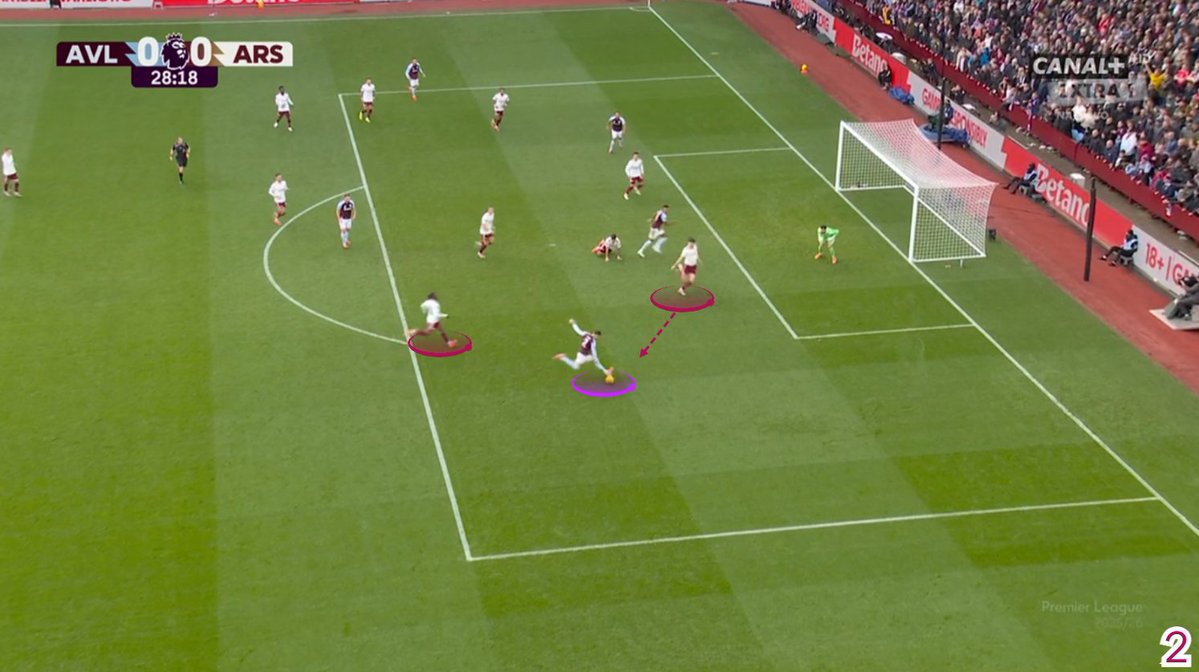
The 1–0 goal was the product of:
- allowing Torres to cross far too easily, with no pressure;
- Timber’s header unintentionally changing the trajectory;
- and the real howler: Cash completely unmarked inside the box.
- allowing Torres to cross far too easily, with no pressure;
- Timber’s header unintentionally changing the trajectory;
- and the real howler: Cash completely unmarked inside the box.

Thankfully, Trossard and Gyökeres came on.
Leo brought a massive energy shift and was, along with Saka and Ødegaard, one of the best players on the pitch. Arsenal suddenly looked awakened, pinning Villa back.
Leo brought a massive energy shift and was, along with Saka and Ødegaard, one of the best players on the pitch. Arsenal suddenly looked awakened, pinning Villa back.
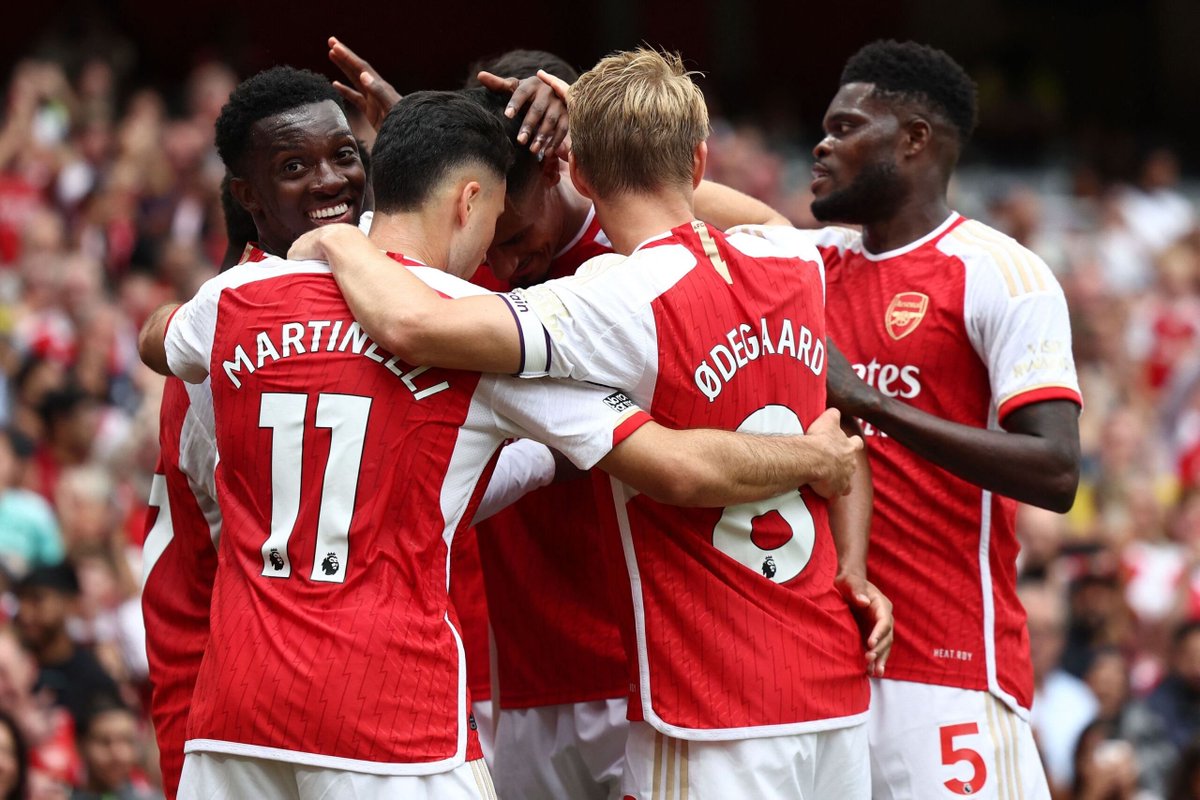
The equaliser started with Rice, who dispossessed Onana and caught Villa in transition. Maatsen failed to secure the transition because he was holding the width high up the pitch — which gave Saka an easy starting point. After a neat one-two with Ødegaard, he sent the ball
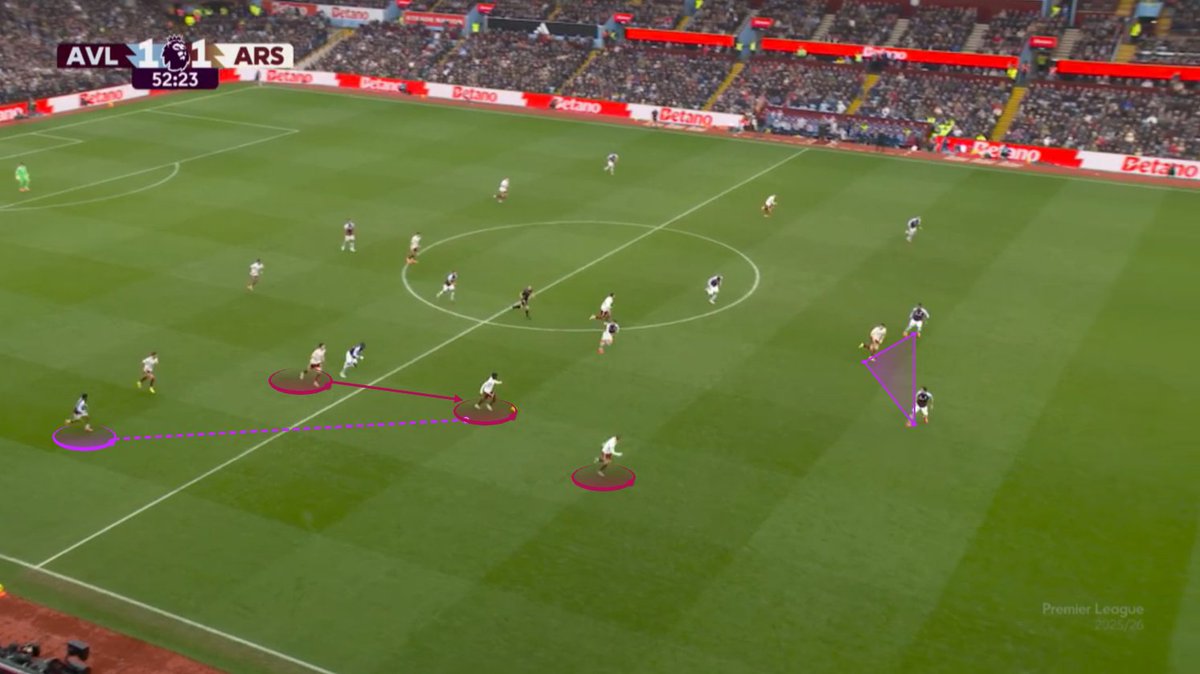
into the box, finding Trossard. The substitutes were crucial.
After the goal Arsenal continued aggressively, though mistakes by Calafiori and Hincapié could have been costly.
After the goal Arsenal continued aggressively, though mistakes by Calafiori and Hincapié could have been costly.
The momentum? 70th minute — Ødegaard’s rocket and shortly after Saka’s blocked shot.
This was supposed to be the run that broke Villa. Arsenal looked like they had the wind behind them.
Gyökeres was very important: dropping, holding, pinning centre-backs.
This was supposed to be the run that broke Villa. Arsenal looked like they had the wind behind them.
Gyökeres was very important: dropping, holding, pinning centre-backs.
Then came the last 15 minutes — some disintegration.
Calafiori’s error gave Villa momentum, and they grew with every minute. But it looked like we'd draw it.
Calafiori’s error gave Villa momentum, and they grew with every minute. But it looked like we'd draw it.
The biggest issue? Once again, central penetration. Arsenal lost their spacing, and Villa played vertically and between the lines at will: Rogers, Tielemans, Watkins/Malen — doing whatever they wanted.
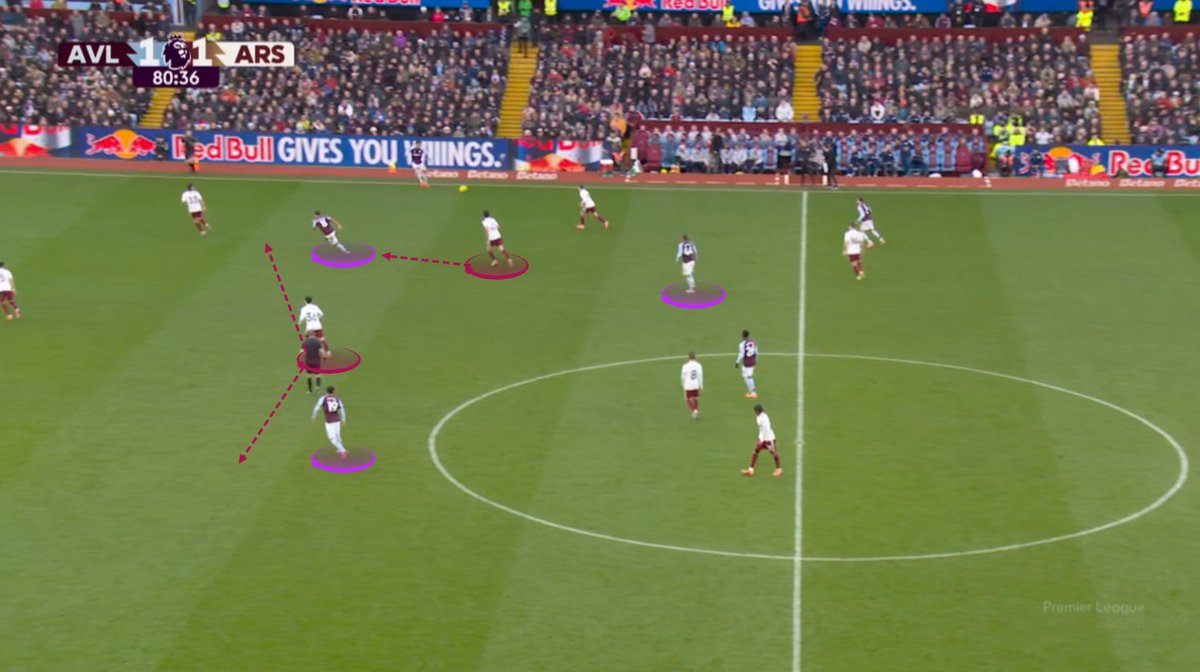
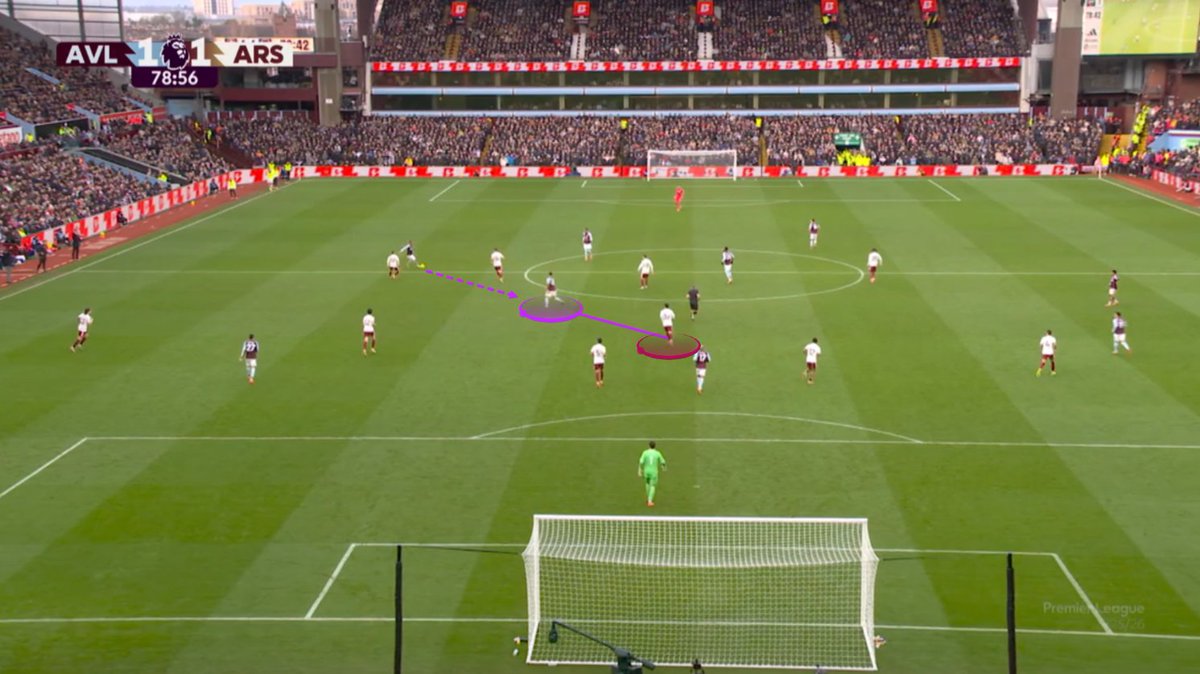
The final moments
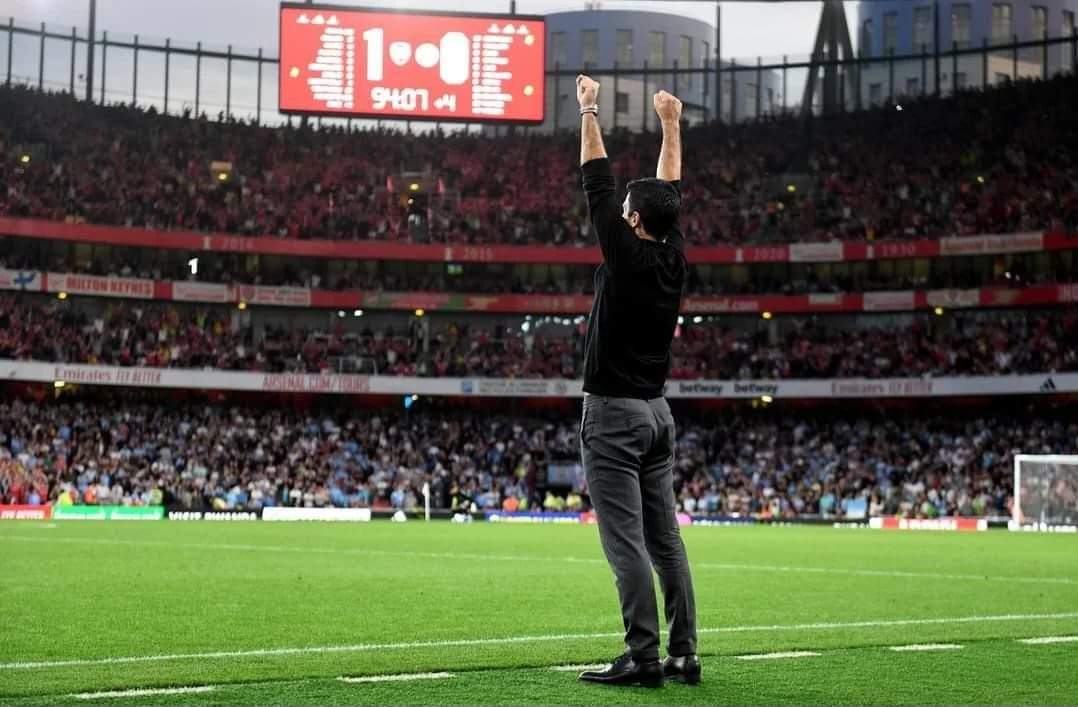
In the 93rd minute Hincapié played a brilliant diagonal to Rice, who instantly whipped it into the box — but neither Gyökeres nor Madueke attacked the ball aggressively enough. Not enough belief, not enough intent.
In the 93rd minute Hincapié played a brilliant diagonal to Rice, who instantly whipped it into the box — but neither Gyökeres nor Madueke attacked the ball aggressively enough. Not enough belief, not enough intent.
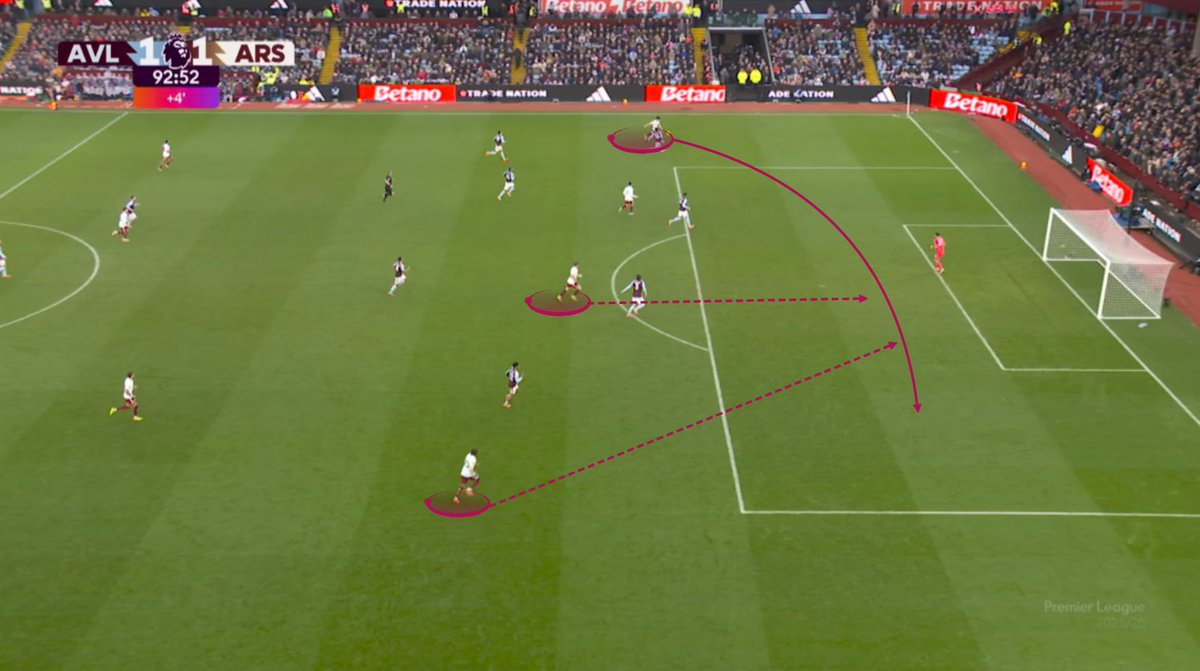
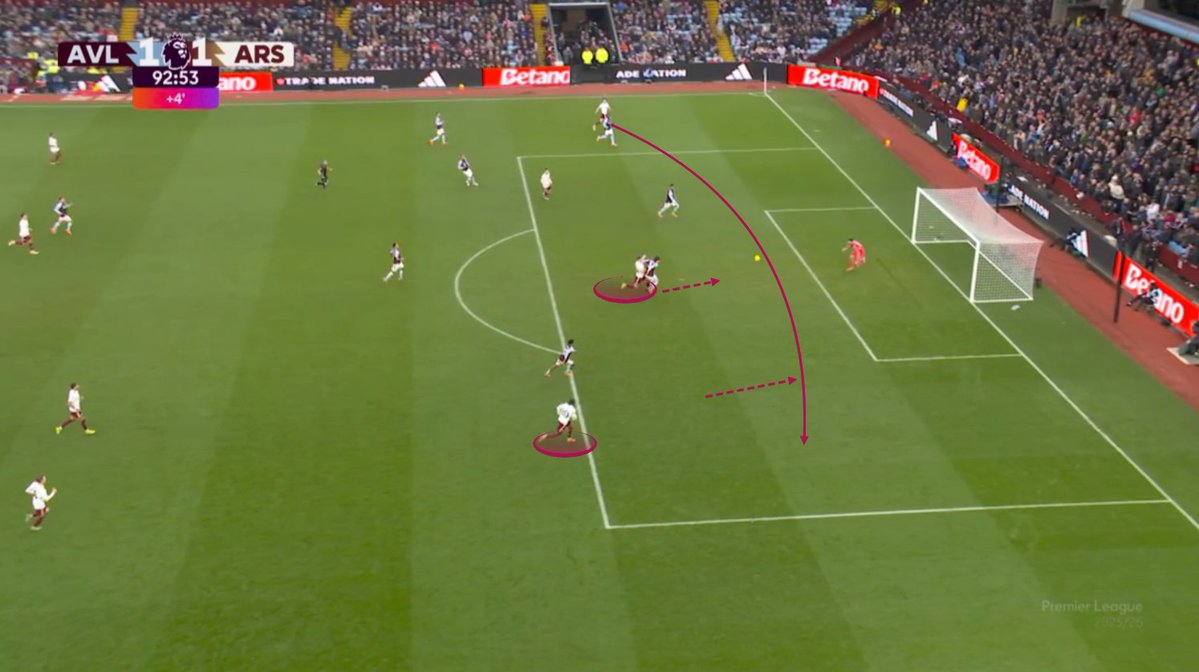
Next action: Martínez sends a long ball from the goal kick, Hincapié miscontrols and shifts the whole sequence to the flank.
Worst part? He didn’t clear it into Villa’s half — he carried it out for a throw-in.
Worst part? He didn’t clear it into Villa’s half — he carried it out for a throw-in.
Villa then pressed aggressively; Ødegaard cleared once, but Villa kept pushing.
Zubi didn’t intercept the next ball, which was then played wide, followed by a cross that floated over everyone, then a cut-back no one cleared.
Buendía pounced. Goal.
Zubi didn’t intercept the next ball, which was then played wide, followed by a cross that floated over everyone, then a cut-back no one cleared.
Buendía pounced. Goal.
Arsenal weren’t that bad. Moments decided the match.
You might disagree with some points — that’s why I invite you to discuss and learn from each other.
If you appreciate my work, feel free to leave an RT. Have a great day 🙂
If you appreciate my work, feel free to leave an RT. Have a great day 🙂
Pressing was theoretically well-structured — an aggressive M2M — but Villa bypassed it with long balls and sharp vertical passes on the ground.
The 1–0 goal was the product of:
- allowing Torres to cross far too easily, with no pressure;
- Timber’s header unintentionally changing the trajectory;
- and the real howler: Cash completely unmarked inside the box.
- allowing Torres to cross far too easily, with no pressure;
- Timber’s header unintentionally changing the trajectory;
- and the real howler: Cash completely unmarked inside the box.
• • •
Missing some Tweet in this thread? You can try to
force a refresh