People in wealthy countries don’t think about electricity.
They wake up, flip a switch, make coffee, scroll on their phones, and everything just works.
But the day the power goes out, even for one hour, everyone panics.
It’s on the news. People tweet about it. Stores shut down. The whole city feels it.
Now just pause and imagine living like that every single day.
That’s the reality for millions of Africans (about 600 million people, precisely).
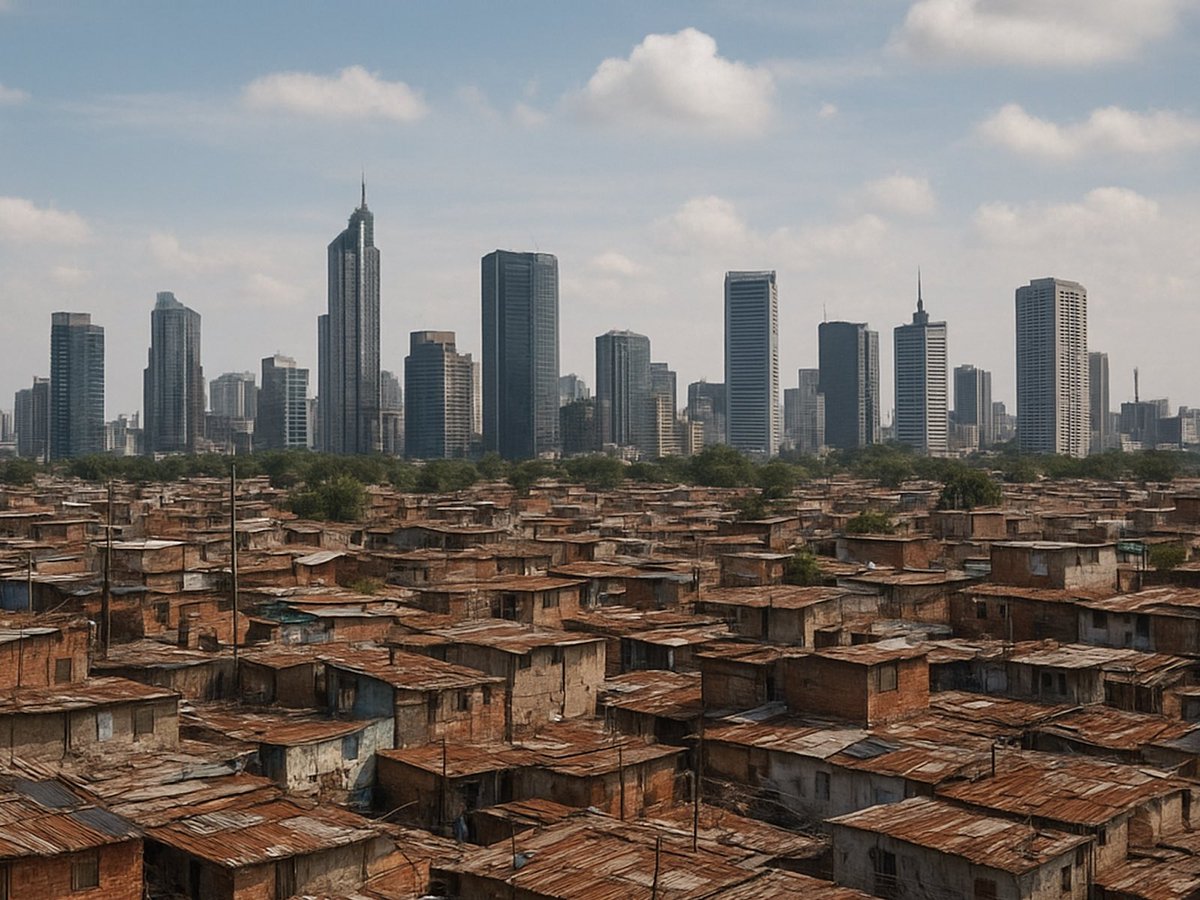
In Africa, power cuts are not “breaking news.” They’re just… life.
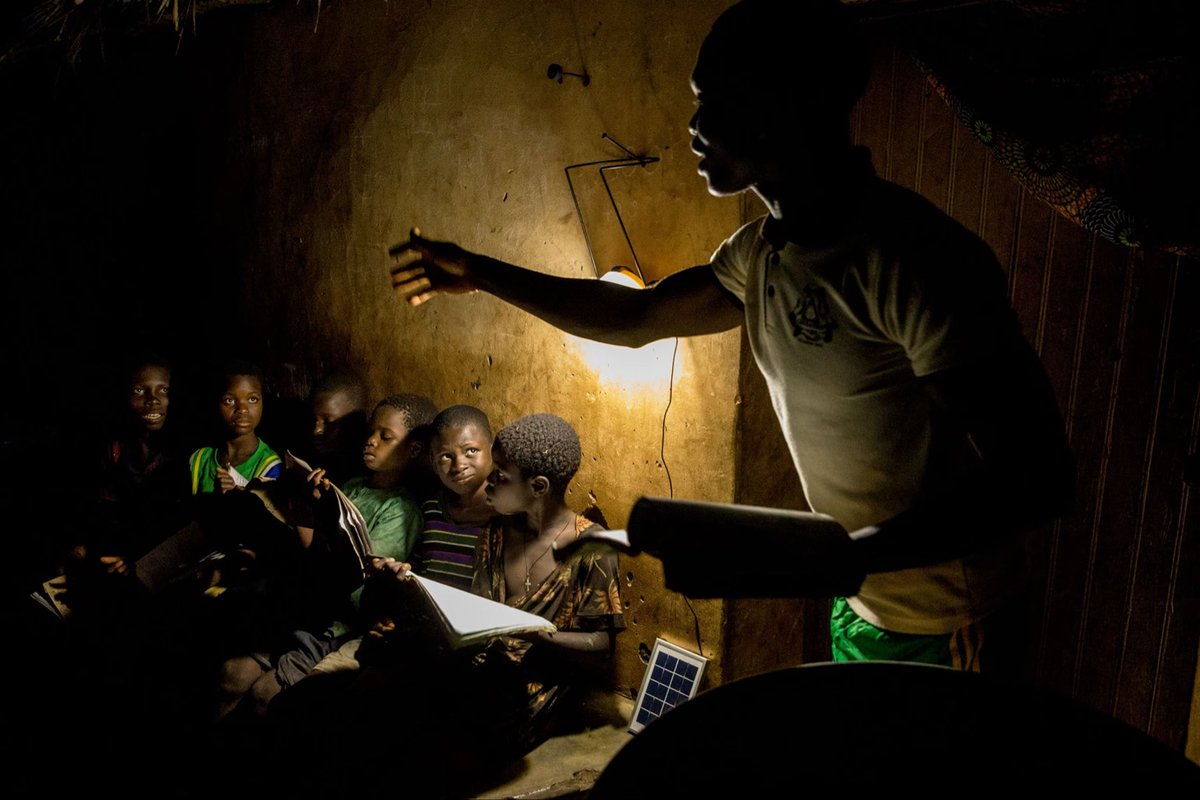
Children study by candlelight. Businesses close early. Hospitals run on fumes.
And yet the same people who panic when their lights go out are the ones pushing “green policies” that make it harder for Africans to have reliable, affordable, abundant energy.
How can you talk about saving the planet while keeping millions of people in the dark?
They wake up, flip a switch, make coffee, scroll on their phones, and everything just works.
But the day the power goes out, even for one hour, everyone panics.
It’s on the news. People tweet about it. Stores shut down. The whole city feels it.
Now just pause and imagine living like that every single day.
That’s the reality for millions of Africans (about 600 million people, precisely).
In Africa, power cuts are not “breaking news.” They’re just… life.
Children study by candlelight. Businesses close early. Hospitals run on fumes.
And yet the same people who panic when their lights go out are the ones pushing “green policies” that make it harder for Africans to have reliable, affordable, abundant energy.
How can you talk about saving the planet while keeping millions of people in the dark?
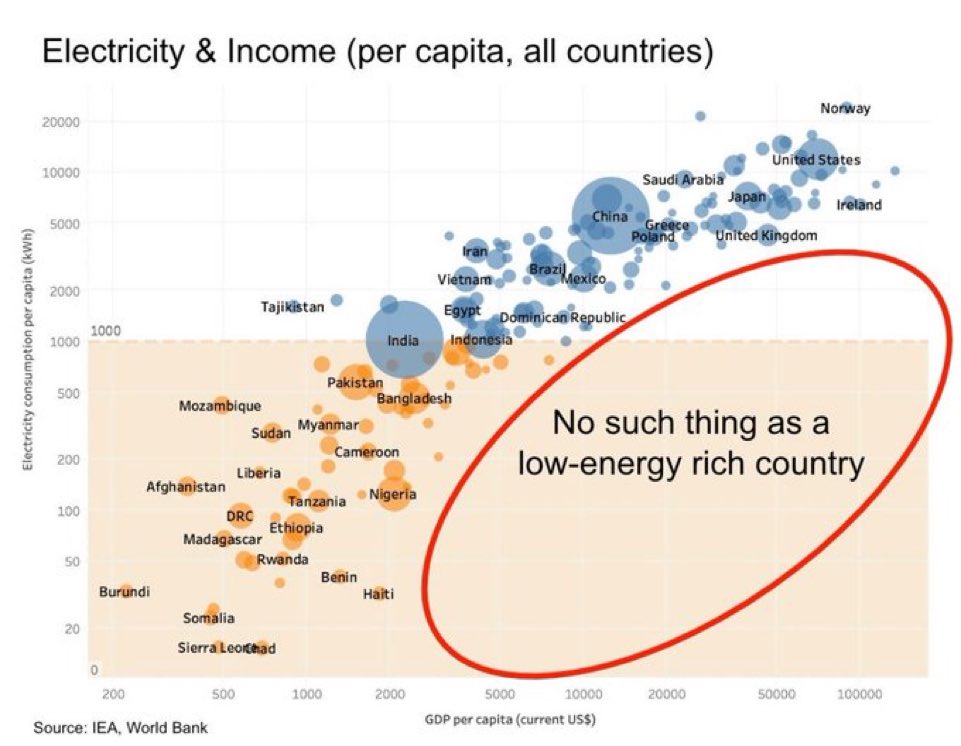
Climate alarmists talk a lot about saving the planet, but their policies show little concern for the people who are struggling the most.
If you really want to help poor people, you start with one thing:
Energy that works, every day, at a price they can actually afford.
If you really want to help poor people, you start with one thing:
Energy that works, every day, at a price they can actually afford.
• • •
Missing some Tweet in this thread? You can try to
force a refresh