If you think ‘bugging out’ means hiking all day and sleeping wherever you collapse, you’re missing a critical skill.
Patrol bases are how people actually operate when they need to stay hidden and functional. 🧵
Patrol bases are how people actually operate when they need to stay hidden and functional. 🧵
Patrol Bases – An Introduction
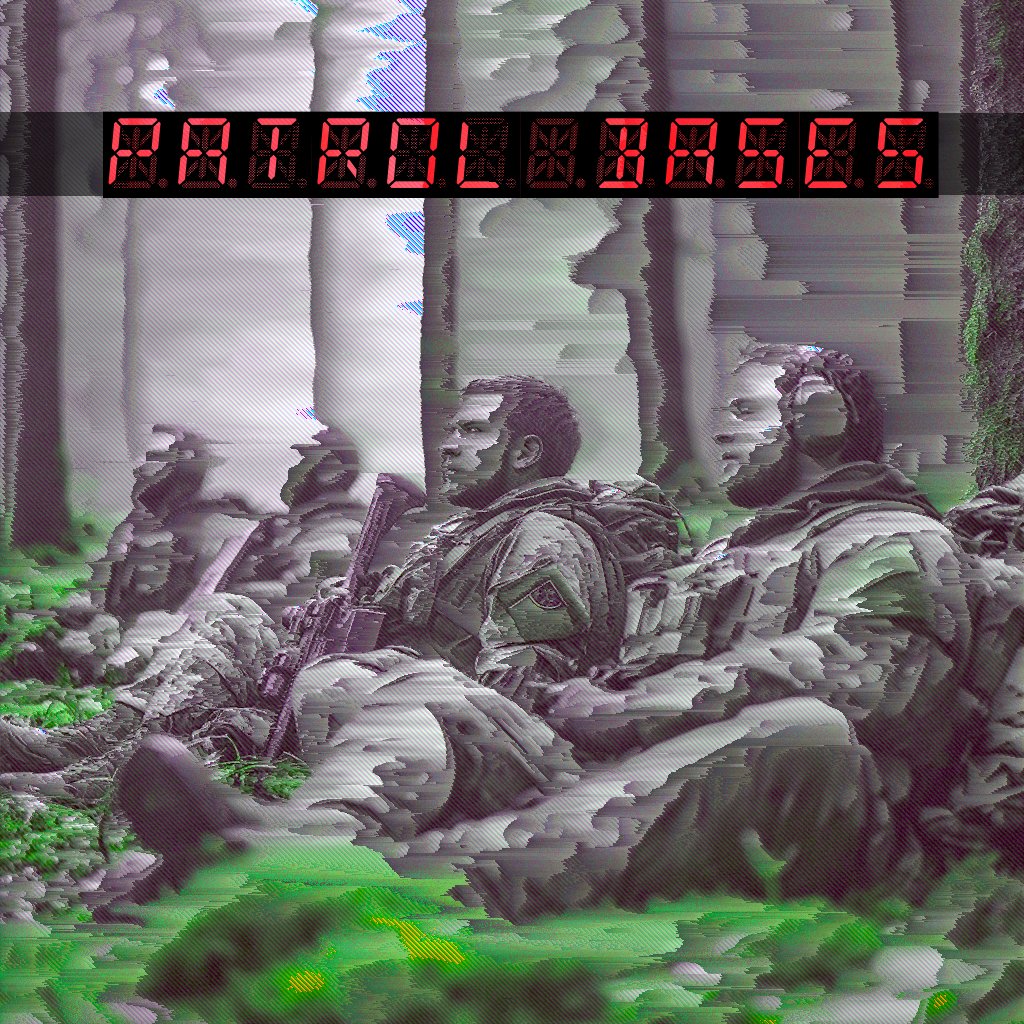
When platoon sized elements or smaller (roughly under 50 personnel) need to temporarily stop while operating in the field, whether it be to rest, reorganize after an engagement, hide during a long reconnaissance mission, perform maintenance on equipment, or run a basic base for planning and executing their next operations, a Patrol Base (PB) is formed. The PB exists as a concealed and secure location for units to rest, resupply, and perform mission planning. The PB exists for less than 24 hours and the area is never reused by the same unit twice. The strength of these bases lies in their stealth and mobility. The unit is concealed and is never truly hunkered down, so they can leave at a moment’s notice.
When platoon sized elements or smaller (roughly under 50 personnel) need to temporarily stop while operating in the field, whether it be to rest, reorganize after an engagement, hide during a long reconnaissance mission, perform maintenance on equipment, or run a basic base for planning and executing their next operations, a Patrol Base (PB) is formed. The PB exists as a concealed and secure location for units to rest, resupply, and perform mission planning. The PB exists for less than 24 hours and the area is never reused by the same unit twice. The strength of these bases lies in their stealth and mobility. The unit is concealed and is never truly hunkered down, so they can leave at a moment’s notice.

As usual, little disclaimer right here. THIS IS NOT ADVICE TO GO DO ANYTHING ILLEGAL. DO NOT BREAK THE LAW. DO NOT CONSIDER BREAKING THE LAW. I DO NOT SUPPORT ANY EXTREMIST ORGANIZATIONS OR MOVEMENTS. I DO NOT SUPPORT ANY INSURRECTIONIST MOVEMENTS. I DO NOT ADVOCATE FOR ANY EXTREMIST ORGANIZATIONS, MOVEMENTS, OR IDEAOLOGIES. PLEASE DON’T DRONE STRIKE ME.
Site Selection.
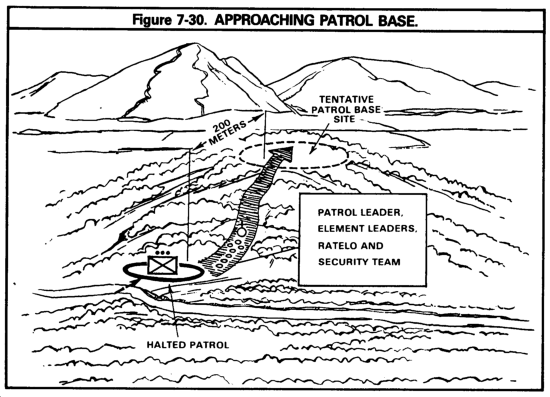
PB site selection should be a two step process. It begins with identifying a tentative location via satellite imagery, aerial reconnaissance by drone or aircraft, or from a map. Ideally, a secondary and tertiary location are also selected as backups. Following selection, the area must actually be confirmed to be adequate. If it is found lacking, the unit should move to confirm the secondary or tertiary locations.
These potential PB locations should be scouted by a small reconnaissance team ahead of time, or at least ahead of the unit, to confirm that the terrain is suitable, to scout for enemy presence and enemy area denial assets, and to identify potential routes of withdrawal.
Ideal locations for PBs include dense forests, areas with dense vegetation (see kudzu), or areas that are rugged and limit visibility. Areas that are near natural barriers can help provide some extra security, but note that they may be more observed by hostile ISR, so keeping some distance may be ideal. In general, ridgelines and hilltops, commonly used trails, roads, paths, and any locations that show recent animal or human activity should be avoided like the plague.
PB site selection should be a two step process. It begins with identifying a tentative location via satellite imagery, aerial reconnaissance by drone or aircraft, or from a map. Ideally, a secondary and tertiary location are also selected as backups. Following selection, the area must actually be confirmed to be adequate. If it is found lacking, the unit should move to confirm the secondary or tertiary locations.
These potential PB locations should be scouted by a small reconnaissance team ahead of time, or at least ahead of the unit, to confirm that the terrain is suitable, to scout for enemy presence and enemy area denial assets, and to identify potential routes of withdrawal.
Ideal locations for PBs include dense forests, areas with dense vegetation (see kudzu), or areas that are rugged and limit visibility. Areas that are near natural barriers can help provide some extra security, but note that they may be more observed by hostile ISR, so keeping some distance may be ideal. In general, ridgelines and hilltops, commonly used trails, roads, paths, and any locations that show recent animal or human activity should be avoided like the plague.
Establishing the Patrol Base.
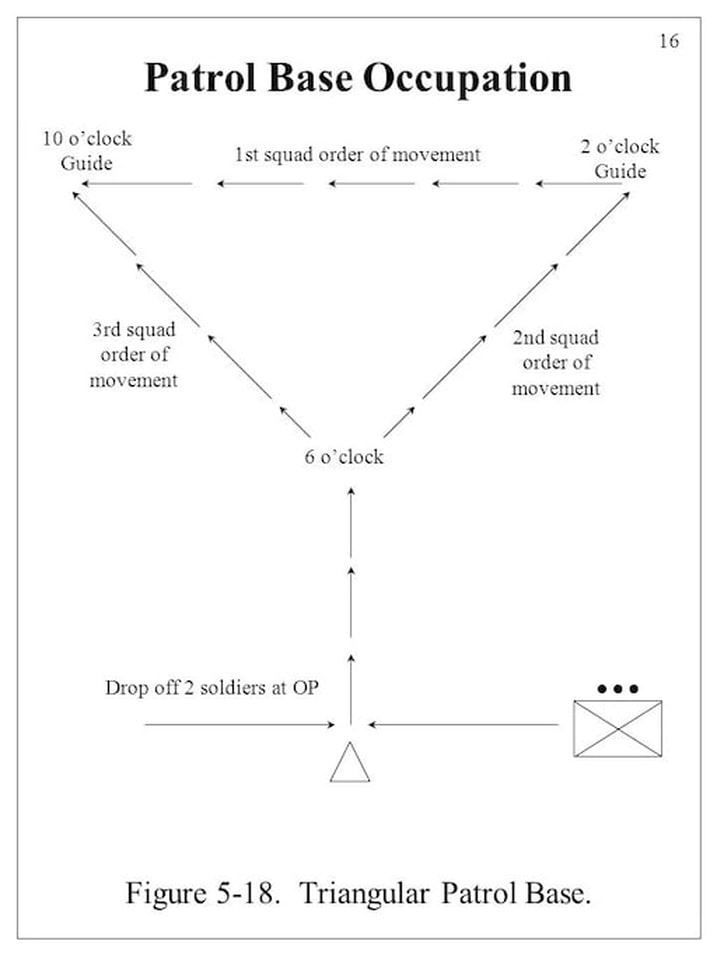
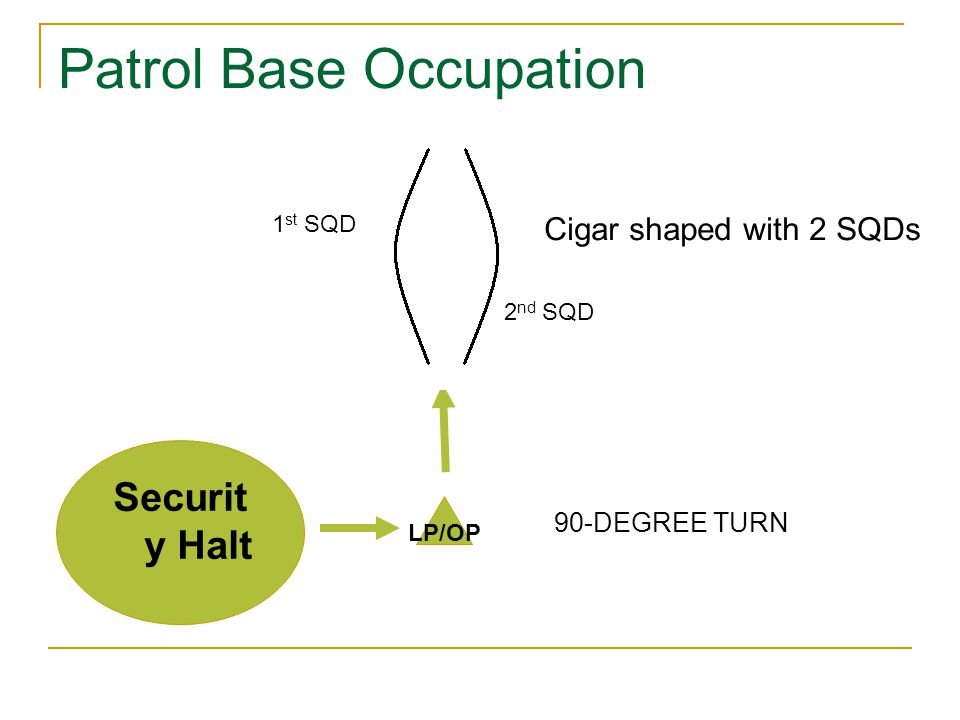
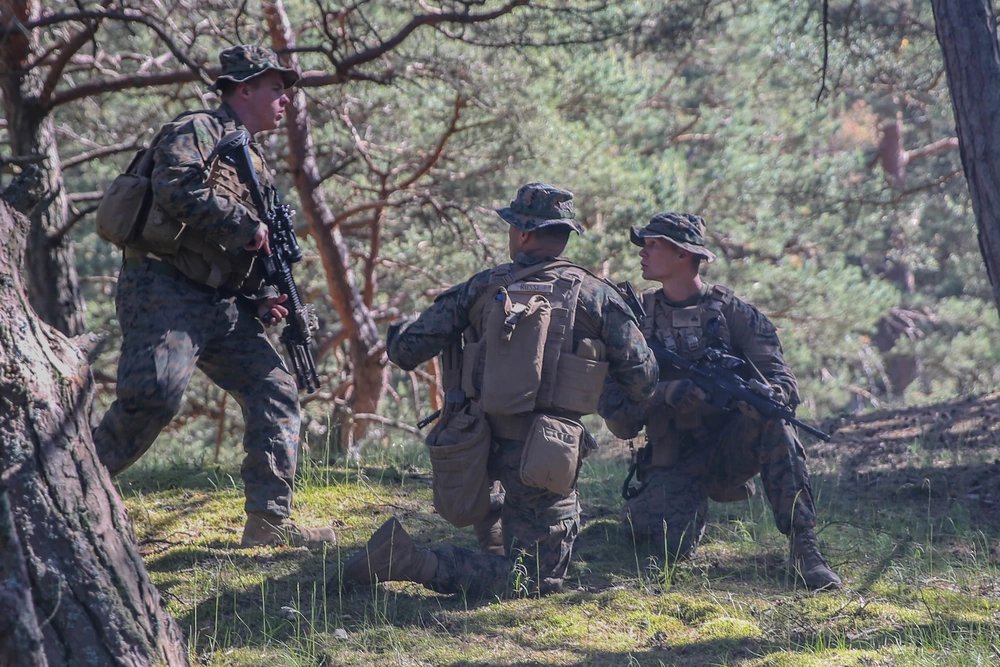
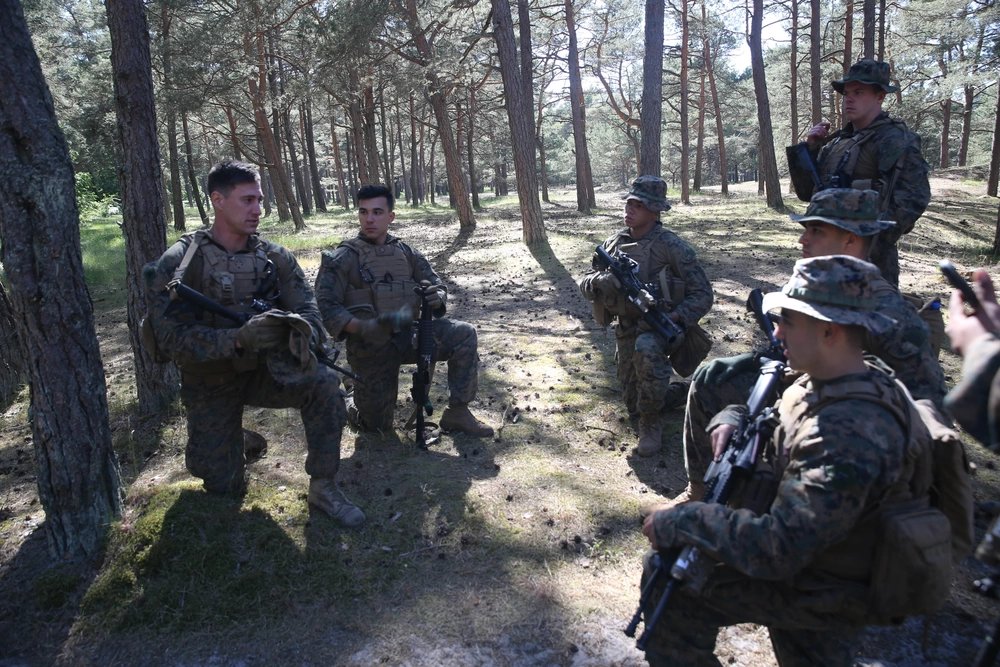
Once the element has entered the PB area, a full 360 degree security perimeter must be created. From here there are two common shapes used. The first is a cigar shape for PBs that consist of squad sized patrols, and the other is a triangular PB for platoon sized patrols. Note that for both options, a Listening Post or Observation Post (see my article on OPs) may be attached.
In the cigar shape, the squad or squads are split into two lines that face in opposite directions, looking outwards. Toward the middle of the line, the shape bulges slightly outward, allowing greater fields of fire.
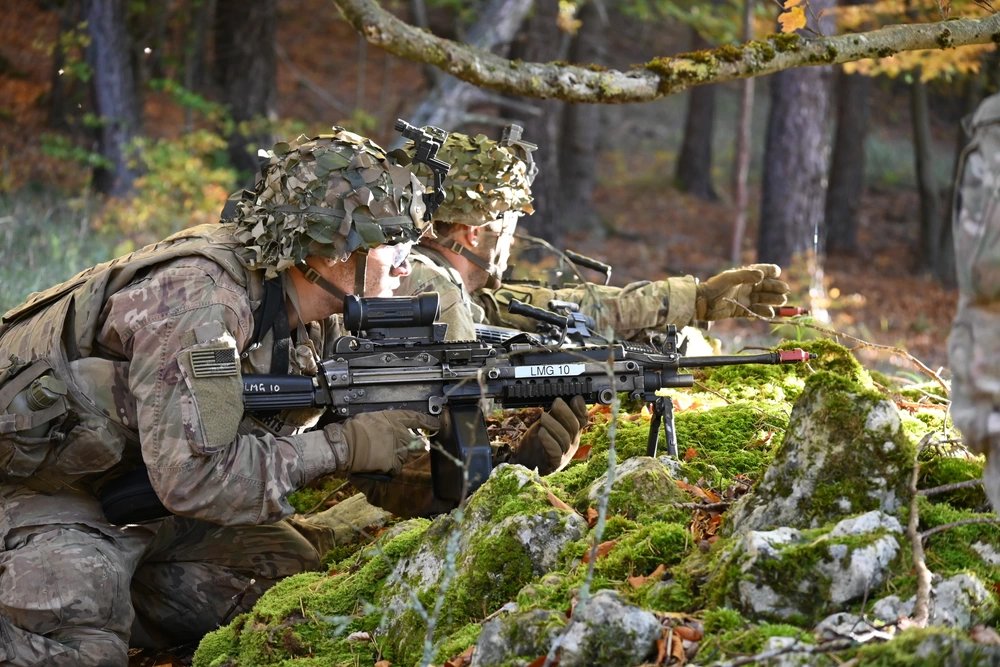
In the triangle shape, the HQ element is kept in the center. Out from this center, a triangle is formed by the squads in lines. At the 10, 2, and 6 o’clock positions, machine guns should be positioned.
In both of these cases, hasty fighting trenches may be dug, about 18 inches or 50 cm deep. Along with these fighting trenches, there may also be holes dug for urine, caches of goods, or slightly dug in sleeping positions to protect sleeping personnel from incoming fire and shrapnel. Defensive positions should be located along defensive lines and camouflaged using natural foliage, dirt, or other covers to avoid ISR detection. Units inside the PB should be as silent as possible and should communicate with hand signals whenever it can be done to prevent detection.
Once the element has entered the PB area, a full 360 degree security perimeter must be created. From here there are two common shapes used. The first is a cigar shape for PBs that consist of squad sized patrols, and the other is a triangular PB for platoon sized patrols. Note that for both options, a Listening Post or Observation Post (see my article on OPs) may be attached.
In the cigar shape, the squad or squads are split into two lines that face in opposite directions, looking outwards. Toward the middle of the line, the shape bulges slightly outward, allowing greater fields of fire.
In the triangle shape, the HQ element is kept in the center. Out from this center, a triangle is formed by the squads in lines. At the 10, 2, and 6 o’clock positions, machine guns should be positioned.
In both of these cases, hasty fighting trenches may be dug, about 18 inches or 50 cm deep. Along with these fighting trenches, there may also be holes dug for urine, caches of goods, or slightly dug in sleeping positions to protect sleeping personnel from incoming fire and shrapnel. Defensive positions should be located along defensive lines and camouflaged using natural foliage, dirt, or other covers to avoid ISR detection. Units inside the PB should be as silent as possible and should communicate with hand signals whenever it can be done to prevent detection.
Work Priorities.
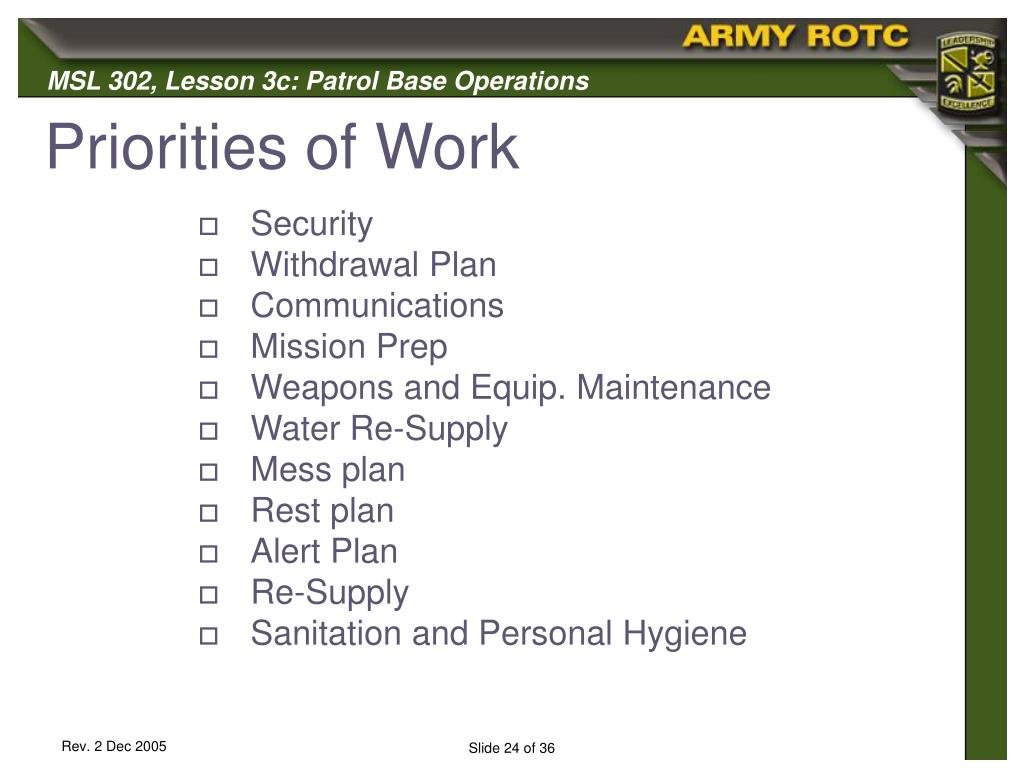
Following the successful establishment of the PB, the unit can begin following a set list of work priorities that need to be conducted while inside the PB. They are as follows:
1. Security.
This is a continuous priority that stays active as long as the PB is in operation. Units watch for enemy movement or potential threats. Squad sector sketches are drawn, platoon fire plans are established, and claymores or other area denial assets are employed as appropriate.
2. Withdrawal Plan.
A plan or series of plans is created for leaving the PB. This could be in case of threat or simply when the time to move comes. Rendezvous points and secondary PBs are identified and planned.
3. Communications.
This is another continuous priority. PBs operating with radios must stay in contact with command at all times in case the situation on the ground changes or new orders come in. In areas with strict emissions control, field telephones (see my article on them) and runners may be employed instead.
4.Mission Planning.
The next operational steps of the unit are planned, orders are issued, and rehearsals may be conducted.
5. Weapons and Equipment Maintenance.
Machine guns, radios, weapons systems, night vision devices, and any other pieces of vital unit equipment are checked and maintained. During maintenance, no more than one third of the unit’s allotment of whatever is being worked on should be down at a time. If the squad has three machine guns, only one is down at a time. During this period, security elements are raised to compensate.
6. Water Supply.
If needed, watering parties are planned. Rucksacks are filled with empty canteens and taken to a fill point. This could be a pump, a river, a lake, or any other fresh water source. The water should still be treated before consumption.
7. Mess, Rest, and Sleep.
All members of the PB are cycled through periods of rest and sleep. At minimum, four uninterrupted hours should be given in a 24 hour period. If interruptions are common, blocks of sleep that add up to six hours are generally adequate for most soldiers. Ideally soldiers should get eight to ten hours. The same rules for equipment being down apply to soldiers as well. No more than one third of the men should be asleep at any one point.
8.Alert Plans, Resupply, and Sanitation.
Positions should be checked periodically and at least one leader should always be alert. Ammunition, meals, and equipment should be adequately shared amongst the men. Finally, slit trenches (latrines) are designated and prepared.
Following the successful establishment of the PB, the unit can begin following a set list of work priorities that need to be conducted while inside the PB. They are as follows:
1. Security.
This is a continuous priority that stays active as long as the PB is in operation. Units watch for enemy movement or potential threats. Squad sector sketches are drawn, platoon fire plans are established, and claymores or other area denial assets are employed as appropriate.
2. Withdrawal Plan.
A plan or series of plans is created for leaving the PB. This could be in case of threat or simply when the time to move comes. Rendezvous points and secondary PBs are identified and planned.
3. Communications.
This is another continuous priority. PBs operating with radios must stay in contact with command at all times in case the situation on the ground changes or new orders come in. In areas with strict emissions control, field telephones (see my article on them) and runners may be employed instead.
4.Mission Planning.
The next operational steps of the unit are planned, orders are issued, and rehearsals may be conducted.
5. Weapons and Equipment Maintenance.
Machine guns, radios, weapons systems, night vision devices, and any other pieces of vital unit equipment are checked and maintained. During maintenance, no more than one third of the unit’s allotment of whatever is being worked on should be down at a time. If the squad has three machine guns, only one is down at a time. During this period, security elements are raised to compensate.
6. Water Supply.
If needed, watering parties are planned. Rucksacks are filled with empty canteens and taken to a fill point. This could be a pump, a river, a lake, or any other fresh water source. The water should still be treated before consumption.
7. Mess, Rest, and Sleep.
All members of the PB are cycled through periods of rest and sleep. At minimum, four uninterrupted hours should be given in a 24 hour period. If interruptions are common, blocks of sleep that add up to six hours are generally adequate for most soldiers. Ideally soldiers should get eight to ten hours. The same rules for equipment being down apply to soldiers as well. No more than one third of the men should be asleep at any one point.
8.Alert Plans, Resupply, and Sanitation.
Positions should be checked periodically and at least one leader should always be alert. Ammunition, meals, and equipment should be adequately shared amongst the men. Finally, slit trenches (latrines) are designated and prepared.
Breaking Down the Patrol Base.
Once the unit has fully rested, the next strategic steps are planned, or 24 hours have elapsed, the PB must be broken down and the units need to exit the area. Recall that PBs rely heavily on their hiddenness, so all members should employ the “Leave No Trace” principle from Boy Scouts. Pits should be filled in and earth replaced. Any and all gear must be packed up in full and stowed with the unit. No garbage should be left behind in any way.
The area should be checked for dropped items, footprints, human refuse, or anything that could be indicative of someone staying in that area. During the tear down process, the unit must ensure that noise and emissions discipline is practiced. Finally, once the unit is ready to leave, a final security sweep should be conducted to ensure that there are no hostile forces nearby and that the unit is not being actively tracked. Once finished, all PB related operations are complete.
Once the unit has fully rested, the next strategic steps are planned, or 24 hours have elapsed, the PB must be broken down and the units need to exit the area. Recall that PBs rely heavily on their hiddenness, so all members should employ the “Leave No Trace” principle from Boy Scouts. Pits should be filled in and earth replaced. Any and all gear must be packed up in full and stowed with the unit. No garbage should be left behind in any way.
The area should be checked for dropped items, footprints, human refuse, or anything that could be indicative of someone staying in that area. During the tear down process, the unit must ensure that noise and emissions discipline is practiced. Finally, once the unit is ready to leave, a final security sweep should be conducted to ensure that there are no hostile forces nearby and that the unit is not being actively tracked. Once finished, all PB related operations are complete.
Conclusion.
For units that are operating in the field for long periods of time, the Patrol Base is a godsend. Their concealability allows the men to rest when sleep is desperately needed, particularly if sleep debt has been accumulated from being actively in the field for days without any rest. Through the discipline of the men and adherence to the priority of work, PBs can refresh a unit that was on the cusp of total exhaustion and mission failure, bringing them back into the field and back into the fight.
Act accordingly.
For units that are operating in the field for long periods of time, the Patrol Base is a godsend. Their concealability allows the men to rest when sleep is desperately needed, particularly if sleep debt has been accumulated from being actively in the field for days without any rest. Through the discipline of the men and adherence to the priority of work, PBs can refresh a unit that was on the cusp of total exhaustion and mission failure, bringing them back into the field and back into the fight.
Act accordingly.
Thank you everyone for checking this post out! This is a re-release of an older piece and a teaser for my upcoming book that is releasing at the end of the month!
Pieces like this get deboosted in the algorithm so interactions like comments and quote tweets helps a lot!
If you are interested in my other written works, the highights tab of my profile has over 100 feature length pieces!
If you want to support me, check out my books on amazon!
amazon.com/stores/Spikes-…
Pieces like this get deboosted in the algorithm so interactions like comments and quote tweets helps a lot!
If you are interested in my other written works, the highights tab of my profile has over 100 feature length pieces!
If you want to support me, check out my books on amazon!
amazon.com/stores/Spikes-…

• • •
Missing some Tweet in this thread? You can try to
force a refresh