You’re moving through the woods. It’s quiet. Too quiet.
Would you recognize the signs of an enemy lying in wait, or stroll straight into their kill zone? 🧵
Would you recognize the signs of an enemy lying in wait, or stroll straight into their kill zone? 🧵
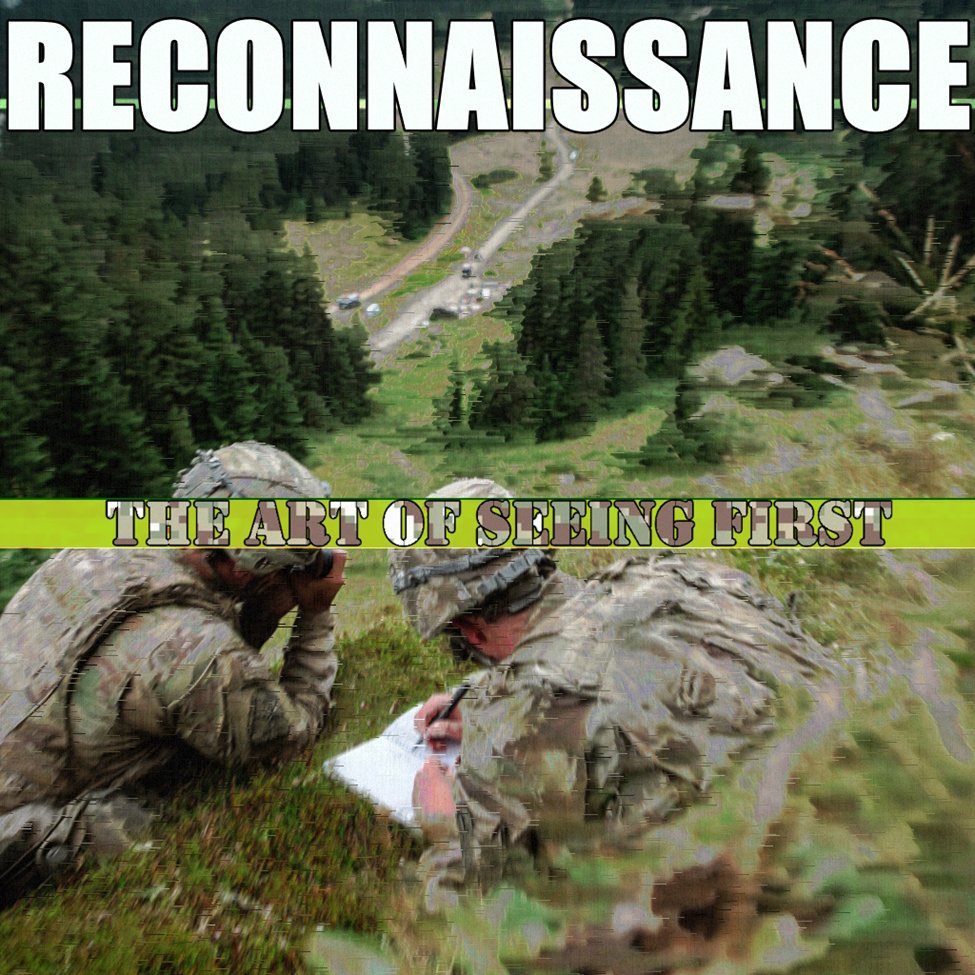
Reconnaissance
Reconnaissance, or recon for short, is the deliberate collection of information relating to hostile forces, terrain, and the environment that forces will be operating within. Recon’s central objective is to gather intelligence, not to engage in kinetic actions. The intelligence gained from recon operations can give smaller fighting units the tactical edge that they need to leverage against a larger, hostile force. Without recon, forces are operating blindly in an area, working against the whims of the battlespace, but when teams are operating with the intelligence gained from proper recon, they can set the terms of their fights.
Reconnaissance, or recon for short, is the deliberate collection of information relating to hostile forces, terrain, and the environment that forces will be operating within. Recon’s central objective is to gather intelligence, not to engage in kinetic actions. The intelligence gained from recon operations can give smaller fighting units the tactical edge that they need to leverage against a larger, hostile force. Without recon, forces are operating blindly in an area, working against the whims of the battlespace, but when teams are operating with the intelligence gained from proper recon, they can set the terms of their fights.
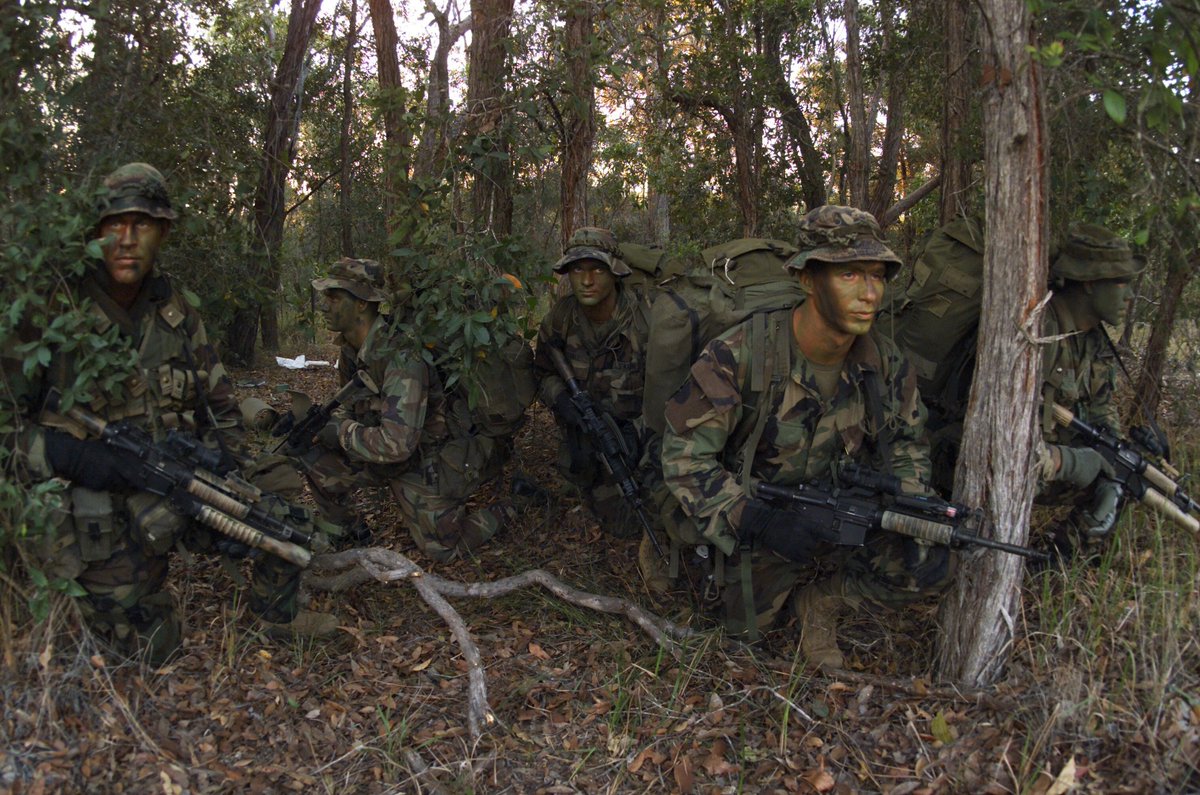
Purpose of Reconnaissance.
There are five primary objectives of the recon mission and the use of recon in general. They are: gathering information on the enemy, learning the area’s terrain, providing an early warning against enemy activity, supporting operational planning, and giving a psychological edge.
When gathering information on enemy personnel, recon teams can quantify and note things such as the number of enemy personnel, their uniforms, units, weapons, locate supply lines, and even estimate morale. Recon teams also observe and note movement patterns, keeping eyes on when guard shifts change, patrol timings, and convoy schedules.
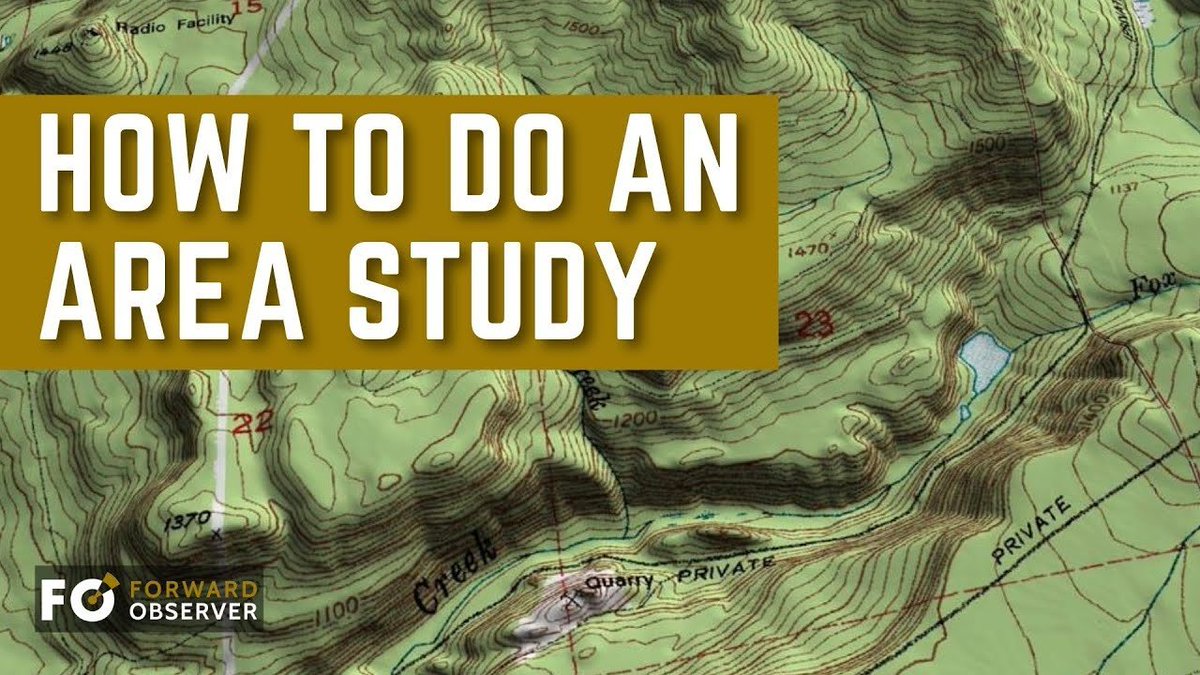
Teams that are performing terrain study, also known as area study, are identifying potential choke points, highlighting natural cover and concealment, obstacles, and defensible terrain. Teams also take note of important local resources such as water, shelter, escape routes, and in some cases even food sources.
With regards to early warnings, recon teams sweep areas to detect likely ambush locations, or even identify actively manned ambush positions, IEDs, land mines, or enemy troop concentrations prior to contact. Recon teams identifying threats before the rest of the element enters the area can save lives by having maneuver elements avoid ambushes entirely or maneuvering around area denial assets.
Operations that are planned with good area intelligence are doomed to fail. The intelligence gained by recon teams can be the difference between a successful raid or ambush or total failure. Teams that identify and locate defensive positions based on avenues of approach are spotted during recon operations. While ambushes can be conducted in an ad-hoc way, an ambush planned around good area intelligence will almost always go better than the one without.
The mind is as important of a battlefield as the physical one, the status and soundness of it influence every facet of operations from the command level to the individual. Units that know the ground they are working on and the basics about their enemy in the area will operate more confidently and effectively than those who are working in the dark, giving them a psychological boost. At the same time, an enemy that knows they’re being scouted are likely to be more paranoid and apprehensive when working in the field. Finally, leaders that are equipped with quality intelligence will make faster, and better decisions.
Recon operations are conducting much more analysis than squinting on top of a hill at an enemy base (despite what Guntubers will tell you). Proper recon is as integral to the planning and conducting of operations as well as the overall proper functioning of a unit as equipment and supplies. Reconnaissance is how the intelligence that makes or breaks plans is gathered.
There are five primary objectives of the recon mission and the use of recon in general. They are: gathering information on the enemy, learning the area’s terrain, providing an early warning against enemy activity, supporting operational planning, and giving a psychological edge.
When gathering information on enemy personnel, recon teams can quantify and note things such as the number of enemy personnel, their uniforms, units, weapons, locate supply lines, and even estimate morale. Recon teams also observe and note movement patterns, keeping eyes on when guard shifts change, patrol timings, and convoy schedules.
Teams that are performing terrain study, also known as area study, are identifying potential choke points, highlighting natural cover and concealment, obstacles, and defensible terrain. Teams also take note of important local resources such as water, shelter, escape routes, and in some cases even food sources.
With regards to early warnings, recon teams sweep areas to detect likely ambush locations, or even identify actively manned ambush positions, IEDs, land mines, or enemy troop concentrations prior to contact. Recon teams identifying threats before the rest of the element enters the area can save lives by having maneuver elements avoid ambushes entirely or maneuvering around area denial assets.
Operations that are planned with good area intelligence are doomed to fail. The intelligence gained by recon teams can be the difference between a successful raid or ambush or total failure. Teams that identify and locate defensive positions based on avenues of approach are spotted during recon operations. While ambushes can be conducted in an ad-hoc way, an ambush planned around good area intelligence will almost always go better than the one without.
The mind is as important of a battlefield as the physical one, the status and soundness of it influence every facet of operations from the command level to the individual. Units that know the ground they are working on and the basics about their enemy in the area will operate more confidently and effectively than those who are working in the dark, giving them a psychological boost. At the same time, an enemy that knows they’re being scouted are likely to be more paranoid and apprehensive when working in the field. Finally, leaders that are equipped with quality intelligence will make faster, and better decisions.
Recon operations are conducting much more analysis than squinting on top of a hill at an enemy base (despite what Guntubers will tell you). Proper recon is as integral to the planning and conducting of operations as well as the overall proper functioning of a unit as equipment and supplies. Reconnaissance is how the intelligence that makes or breaks plans is gathered.
Reconnaissance Mission Types.
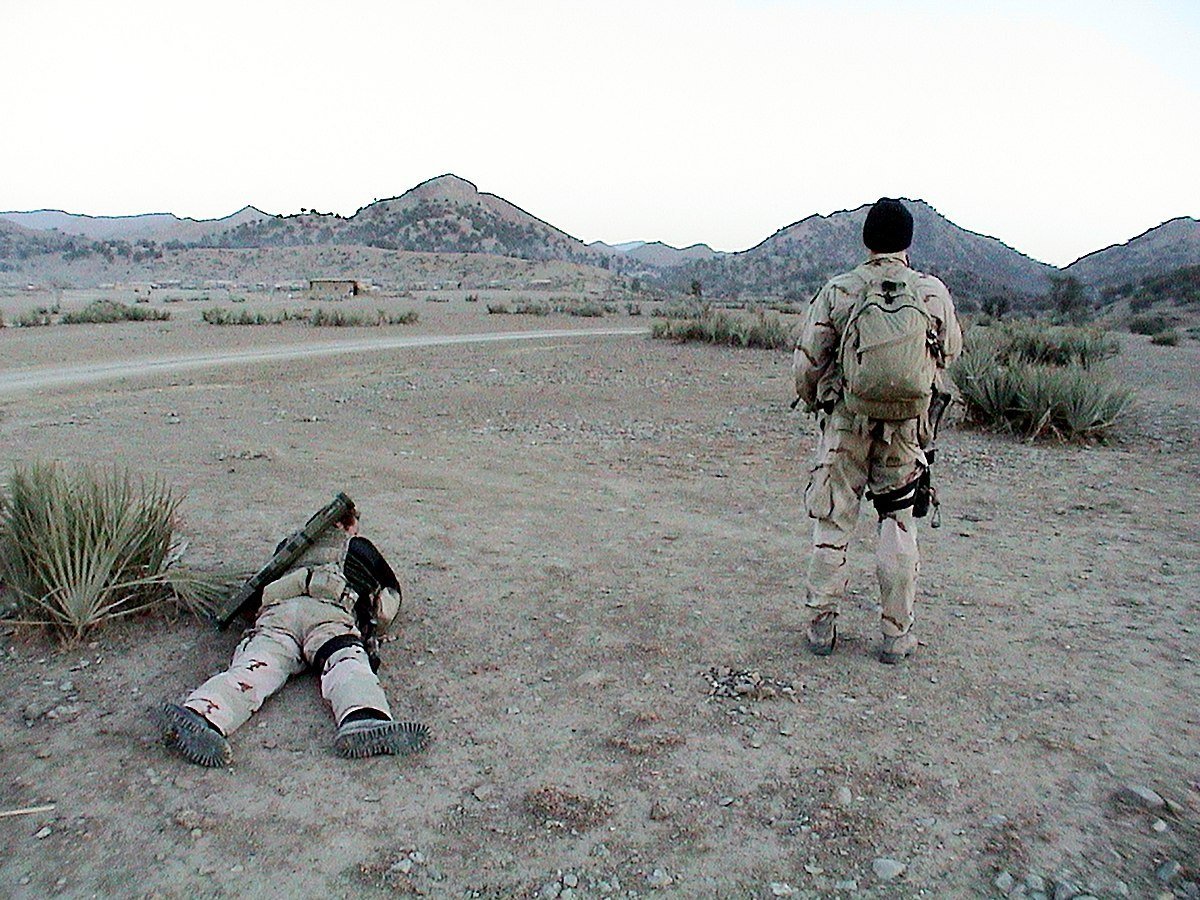
Recon missions, as previously established, gather lots of information about operational areas, covering much more than just the simple idea of finding hostile forces. Recon operations can be conducted across long points of interest, in a specific area of interest, entire grid squares (or more), or done simply to find hostile forces in an area.
When searching along a path, trail, or other length of interest, the mission is considered route reconnaissance. Teams are in the field and inspecting roads, trails, river crossings, any type of route that humans may travel, either on foot or in vehicles. Teams in these missions are often looking for ideal ambush positions, obstacles, and IEDs. Teams can also be working to identify ideal routes for rapid exfiltration, infiltration paths, and potential supply trails or cache locations. Recon is conducted for all mission types, both constructive, such as supply line establishing, and destructive.
When inspecting a specific site such as a bridge, a compound, a village, or a natural landform, it is considered an area reconnaissance mission. During area reconnaissance missions teams are inspecting for hostile forces, potential ambush sites, searching for raid targets, or identifying where to establish observation posts and listening posts. During a patrol, landforms may be used for identifying potential patrol base locations.
Zone reconnaissance is the term used to describe sweeping entire sectors, generally with little starting intelligence. Zone reconnaissance confirms or denies enemy presence in larger swaths of land (think a 1km by 1km grid square or larger).
Finally we have force-oriented reconnaissance. Force-oriented reconnaissance is conducted to specifically locate, track, and understand any forces in an area. This is generally conducted via covert tailing or through static observation through something like an observation post.
Reconnaissance missions, no matter their type and specificity, are important to maintaining the intelligence profile on an area and should not be seen as one-off tasks. Teams need to conduct cyclical reconnaissance missions, an example of this could be before, during, and after every operation. Teams need to adopt a constant reconnaissance mindset to keep their understanding of the area up to date at all times.
Recon missions, as previously established, gather lots of information about operational areas, covering much more than just the simple idea of finding hostile forces. Recon operations can be conducted across long points of interest, in a specific area of interest, entire grid squares (or more), or done simply to find hostile forces in an area.
When searching along a path, trail, or other length of interest, the mission is considered route reconnaissance. Teams are in the field and inspecting roads, trails, river crossings, any type of route that humans may travel, either on foot or in vehicles. Teams in these missions are often looking for ideal ambush positions, obstacles, and IEDs. Teams can also be working to identify ideal routes for rapid exfiltration, infiltration paths, and potential supply trails or cache locations. Recon is conducted for all mission types, both constructive, such as supply line establishing, and destructive.
When inspecting a specific site such as a bridge, a compound, a village, or a natural landform, it is considered an area reconnaissance mission. During area reconnaissance missions teams are inspecting for hostile forces, potential ambush sites, searching for raid targets, or identifying where to establish observation posts and listening posts. During a patrol, landforms may be used for identifying potential patrol base locations.
Zone reconnaissance is the term used to describe sweeping entire sectors, generally with little starting intelligence. Zone reconnaissance confirms or denies enemy presence in larger swaths of land (think a 1km by 1km grid square or larger).
Finally we have force-oriented reconnaissance. Force-oriented reconnaissance is conducted to specifically locate, track, and understand any forces in an area. This is generally conducted via covert tailing or through static observation through something like an observation post.
Reconnaissance missions, no matter their type and specificity, are important to maintaining the intelligence profile on an area and should not be seen as one-off tasks. Teams need to conduct cyclical reconnaissance missions, an example of this could be before, during, and after every operation. Teams need to adopt a constant reconnaissance mindset to keep their understanding of the area up to date at all times.
Methods of Reconnaissance.
Reconnaissance operations come in many forms and are not exclusively two guys with “recce rifles” running around ridge lines while wearing $5000 in kit on camera. Recon can come in that form but it is a much more nuanced task, particularly when teams are operating in urban versus rural environments.
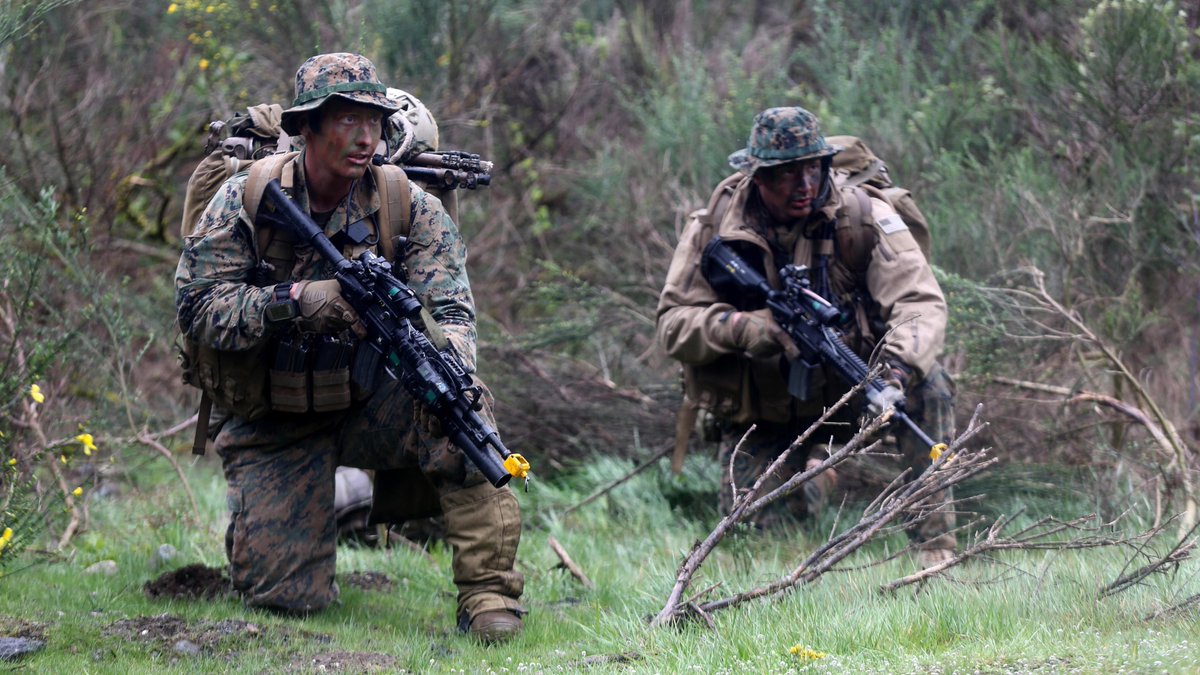
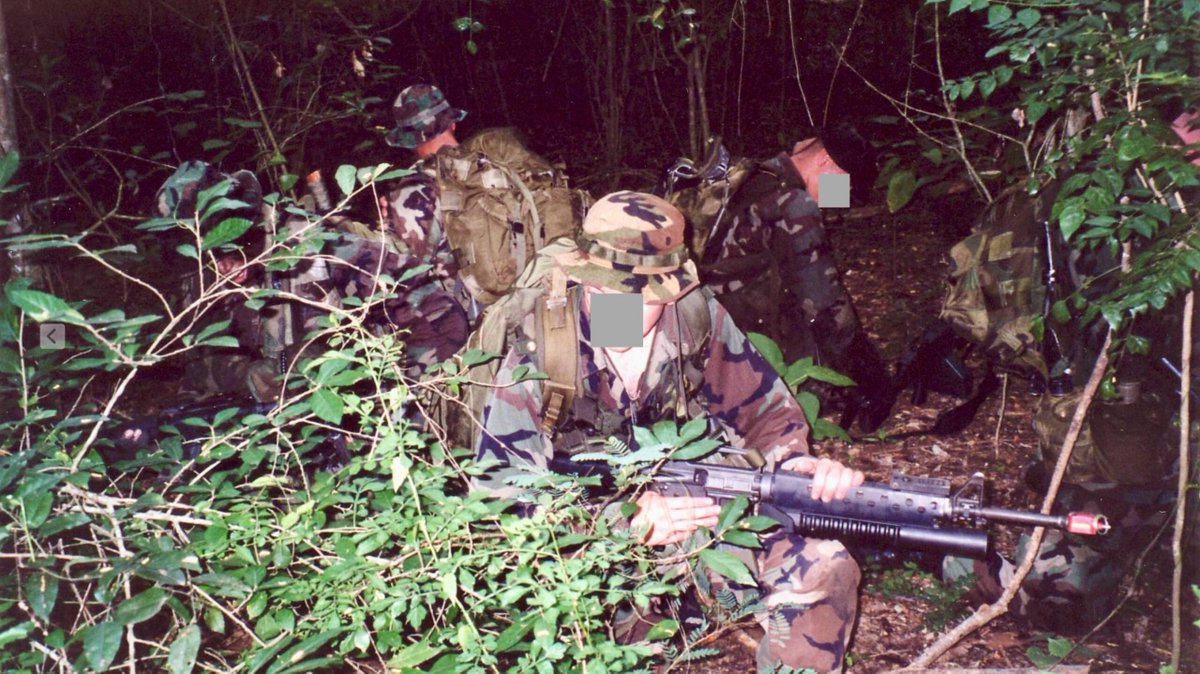
Teams operating in more rural environments benefit from being able to follow more doctrinal military recon missions. They can send out foot patrols, using stealth, terrain masking, and slow movement to gather intelligence and move relatively freely about an area. Teams in these theaters can also employ traditional observation posts, built to hide amongst the environment to provide constant watch on various positions. Teams can also make much easier use of drones than those operating in more urban environments. Drones can be beneficial for rapid mapping of an area but wireless options carry a very high risk of electronic detection, units should be careful to balance speed, volume, and electronic signature when employing drones. Rural teams benefit from local populations likely being more favorable to them and can more easily make use of locals, traders, and farmers as sources of routine observations of an area. Finally, teams in rural environments can more easily prioritize working in high ground, along tree lines, and in natural concealment. Teams need to be wary that recon is conducted by both sides and should keep an eye out for hostile scouts, looking for disturbed vegetation, unnatural sounds, monitoring electronic traffic if possible, and looking for hostile observation posts.
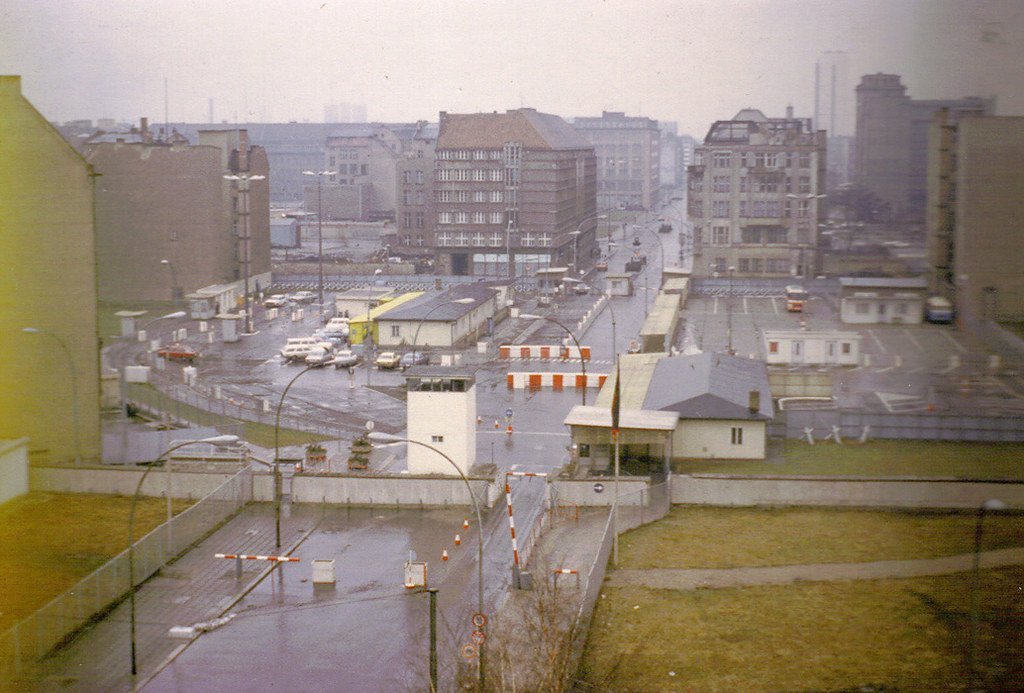
Urban teams on the other hand do not benefit from dressing in camouflage and carrying a rifle for protection. Teams working in urban environments need to practice their intelligence tradecraft, they must blend in amongst civilian populations, moving and dressing like locals with established legends (cover stories). Teams can leverage the environment for static observation by disguising observation posts in apartments, rooftops, homeless encampments, and even parked cars. Teams should be logging daily routines of everything around them: markets, foot traffic, vehicle traffic, guards, and other hostile forces. People tend to work in patterns and noting them down means they can be exploited. Teams need to be careful about using technology in these areas, cell phones can be geolocated and tracked, traffic cameras can have face scanning technology. Teams must balance the importance of the intelligence against physical and digital traces that they leave behind as well as avoiding blowing their cover by avoiding them (either by physical avoidance or disguises). Because teams are operating around more civilians, particularly ones likely viewing them less favorably, they must be careful to avoid detection and compromise from paranoid civilians.
Both the urban and rural reconnaissance teams are performing the same mission but they are conducted wildly differently. The rural team is employing more traditional military operations and equipment while the urban operation is conducted more like a Philip K. Dick flavored spy novel and may not carry any type of weapon at all. Both missions will result in the same objectives being completed, intelligence is gathered and nobody is detected.
Reconnaissance operations come in many forms and are not exclusively two guys with “recce rifles” running around ridge lines while wearing $5000 in kit on camera. Recon can come in that form but it is a much more nuanced task, particularly when teams are operating in urban versus rural environments.
Teams operating in more rural environments benefit from being able to follow more doctrinal military recon missions. They can send out foot patrols, using stealth, terrain masking, and slow movement to gather intelligence and move relatively freely about an area. Teams in these theaters can also employ traditional observation posts, built to hide amongst the environment to provide constant watch on various positions. Teams can also make much easier use of drones than those operating in more urban environments. Drones can be beneficial for rapid mapping of an area but wireless options carry a very high risk of electronic detection, units should be careful to balance speed, volume, and electronic signature when employing drones. Rural teams benefit from local populations likely being more favorable to them and can more easily make use of locals, traders, and farmers as sources of routine observations of an area. Finally, teams in rural environments can more easily prioritize working in high ground, along tree lines, and in natural concealment. Teams need to be wary that recon is conducted by both sides and should keep an eye out for hostile scouts, looking for disturbed vegetation, unnatural sounds, monitoring electronic traffic if possible, and looking for hostile observation posts.
Urban teams on the other hand do not benefit from dressing in camouflage and carrying a rifle for protection. Teams working in urban environments need to practice their intelligence tradecraft, they must blend in amongst civilian populations, moving and dressing like locals with established legends (cover stories). Teams can leverage the environment for static observation by disguising observation posts in apartments, rooftops, homeless encampments, and even parked cars. Teams should be logging daily routines of everything around them: markets, foot traffic, vehicle traffic, guards, and other hostile forces. People tend to work in patterns and noting them down means they can be exploited. Teams need to be careful about using technology in these areas, cell phones can be geolocated and tracked, traffic cameras can have face scanning technology. Teams must balance the importance of the intelligence against physical and digital traces that they leave behind as well as avoiding blowing their cover by avoiding them (either by physical avoidance or disguises). Because teams are operating around more civilians, particularly ones likely viewing them less favorably, they must be careful to avoid detection and compromise from paranoid civilians.
Both the urban and rural reconnaissance teams are performing the same mission but they are conducted wildly differently. The rural team is employing more traditional military operations and equipment while the urban operation is conducted more like a Philip K. Dick flavored spy novel and may not carry any type of weapon at all. Both missions will result in the same objectives being completed, intelligence is gathered and nobody is detected.
Considerations.
The following is a series of considerations for teams and command elements to keep in mind when both planning recon missions as well as executing them. They are in no particular order and should all be kept in mind.
Teams must maintain stealth above all. Recon units benefit from being invisible, detection means the team is compromised and the mission risks failure. Light, sound, movement, signals, and scent discipline are critical to recon units in the field.
Teams should be sized appropriately for their operation. A zone reconnaissance team might be as large as 12 or more men but an area recon team can comfortably be as small as 2 men. Teams need to be small enough to conceal but large enough for security. Roles should be designated amongst the team members: observer, recorder, and security. Roles can be rotated to prevent fatigue.
Teams need to be lightweight. Their equipment should be focused primarily on the tools they need for their mission such as optics, comms, recording tools, drones, etc. Weapons should be minimized and kits kept as light as possible. Heavy weights result in slower and louder movements.
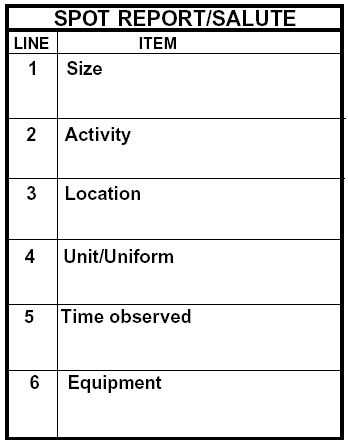
Reports should be standardized, ideally using the SALUTE system for hostile forces, covering the size, activity, location, unit, time, and equipment of the observation. Information that is noted or sent must be clear, useful, and brief.
Patterns should be avoided by teams that regularly go out. Routes should be changed as should hours of observation. Leverage low visibility such as dawn, dusk, or night for movements if possible.
Teams need relief. Long hours in observation posts burn men out, regular shift changes can keep teams from becoming blind to potential threats. Consider keeping logs for continuity, particularly in observation and listening posts.
Have an emergency SOP. Plans for compromise that escalate based on the threat. Was the team seen? Are they being chased or engaged? Keep it realistic, fighting through detection works if it’s one hostile actor but if it’s a squad, breaking contact and exfiltrating is ideal. Teams communicating over radios should have signal codes to relay what their current situation is.
Exfiltration should be planned with multiple exits: primary, alternative, contingency, and emergency. Rally points should be established ahead of time in case the team must split up to break contact.
Integrate with communications. Whether by radio burst, field telephone, hand delivery of notes, or one time pad encrypted messages inside of images, teams need to have a plan to deliver their findings to command and intelligence elements, lest the entire mission have been for naught.
The following is a series of considerations for teams and command elements to keep in mind when both planning recon missions as well as executing them. They are in no particular order and should all be kept in mind.
Teams must maintain stealth above all. Recon units benefit from being invisible, detection means the team is compromised and the mission risks failure. Light, sound, movement, signals, and scent discipline are critical to recon units in the field.
Teams should be sized appropriately for their operation. A zone reconnaissance team might be as large as 12 or more men but an area recon team can comfortably be as small as 2 men. Teams need to be small enough to conceal but large enough for security. Roles should be designated amongst the team members: observer, recorder, and security. Roles can be rotated to prevent fatigue.
Teams need to be lightweight. Their equipment should be focused primarily on the tools they need for their mission such as optics, comms, recording tools, drones, etc. Weapons should be minimized and kits kept as light as possible. Heavy weights result in slower and louder movements.
Reports should be standardized, ideally using the SALUTE system for hostile forces, covering the size, activity, location, unit, time, and equipment of the observation. Information that is noted or sent must be clear, useful, and brief.
Patterns should be avoided by teams that regularly go out. Routes should be changed as should hours of observation. Leverage low visibility such as dawn, dusk, or night for movements if possible.
Teams need relief. Long hours in observation posts burn men out, regular shift changes can keep teams from becoming blind to potential threats. Consider keeping logs for continuity, particularly in observation and listening posts.
Have an emergency SOP. Plans for compromise that escalate based on the threat. Was the team seen? Are they being chased or engaged? Keep it realistic, fighting through detection works if it’s one hostile actor but if it’s a squad, breaking contact and exfiltrating is ideal. Teams communicating over radios should have signal codes to relay what their current situation is.
Exfiltration should be planned with multiple exits: primary, alternative, contingency, and emergency. Rally points should be established ahead of time in case the team must split up to break contact.
Integrate with communications. Whether by radio burst, field telephone, hand delivery of notes, or one time pad encrypted messages inside of images, teams need to have a plan to deliver their findings to command and intelligence elements, lest the entire mission have been for naught.
Common Pitfalls.
Following the same layout as the previous section, this will be a series of common failures and pitfalls for both planning and the execution of these types of missions.
Turning recon into combat is a mistake and should be avoided at all costs. Every shot fired, even suppressed, risks blowing the entire operation. Recon isn’t a firefight and you aren’t playing Metal Gear Solid.
Carrying too much gear makes units slower, heavier, louder, and more fatigued. More spartan kits, mean units can operate longer in the field and move more effectively.
Vague reports are not beneficial to anyone. “saw some guys,” doesn’t help. Details matter for both teams in the field as well as the command and intelligence guys back home.
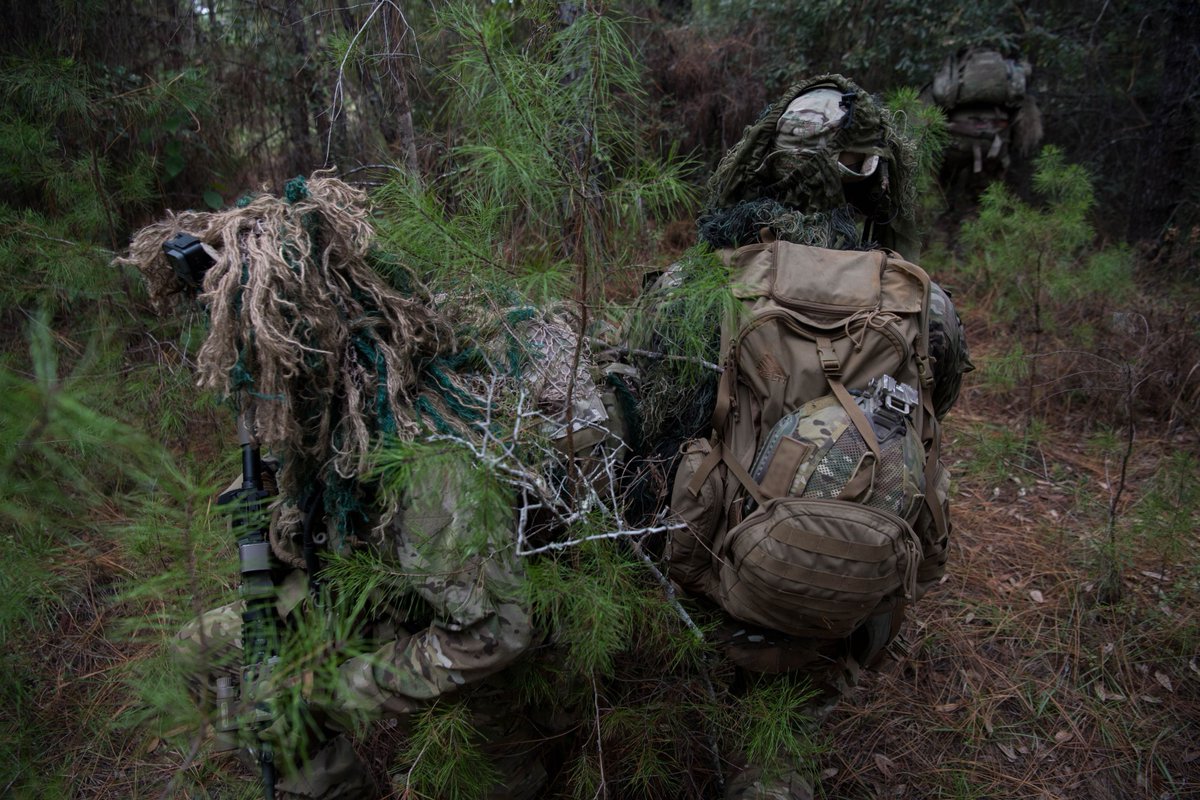
Poor camouflage such as optics without killflashes, pale white skin in a forest environment, breaking noise discipline, can compromise positions and team members.
Urban overconfidence, in that teams think they blend in but obviously do not. Locals notice outsiders pretty quickly. Blending is a skill that needs to be practiced. Dressing in 5.11 tactical khakis, UnderArmor Valsetz boots, and a flannel button up doesn’t help you hide too well in a place like Minneapolis.
Not having an exfil plan can spell doom for a recon team. If the team is compromised and their initial infiltration route is blocked off, they risk complete destruction.
Complacency. Complacency gets people killed. Breaking light, sound, scent, or any other discipline is how units get discovered. Complacency can be partially mitigated by preventing long surveillances and keeping teams fresh.
Failure to share. If intelligence isn’t passed along, the team went out and risked their necks for nothing. Intelligence should be shared according to the operation plan.
Following the same layout as the previous section, this will be a series of common failures and pitfalls for both planning and the execution of these types of missions.
Turning recon into combat is a mistake and should be avoided at all costs. Every shot fired, even suppressed, risks blowing the entire operation. Recon isn’t a firefight and you aren’t playing Metal Gear Solid.
Carrying too much gear makes units slower, heavier, louder, and more fatigued. More spartan kits, mean units can operate longer in the field and move more effectively.
Vague reports are not beneficial to anyone. “saw some guys,” doesn’t help. Details matter for both teams in the field as well as the command and intelligence guys back home.
Poor camouflage such as optics without killflashes, pale white skin in a forest environment, breaking noise discipline, can compromise positions and team members.
Urban overconfidence, in that teams think they blend in but obviously do not. Locals notice outsiders pretty quickly. Blending is a skill that needs to be practiced. Dressing in 5.11 tactical khakis, UnderArmor Valsetz boots, and a flannel button up doesn’t help you hide too well in a place like Minneapolis.
Not having an exfil plan can spell doom for a recon team. If the team is compromised and their initial infiltration route is blocked off, they risk complete destruction.
Complacency. Complacency gets people killed. Breaking light, sound, scent, or any other discipline is how units get discovered. Complacency can be partially mitigated by preventing long surveillances and keeping teams fresh.
Failure to share. If intelligence isn’t passed along, the team went out and risked their necks for nothing. Intelligence should be shared according to the operation plan.
A Quick Note.
Before wrapping this up, I want to make a quick note about recon missions. They aren’t exclusively operations done in a vacuum. Reconnaissance can integrate and hybridize with other tasks to increase the likelihood of positive outcomes for different mission types. Examples of this include recon patrols that act as eyes for a main force, observation posts providing static coverage as part of a perimeter defense plan, and recon teams scouting for potential patrol bases or launching from patrol bases to extend reach.
Before wrapping this up, I want to make a quick note about recon missions. They aren’t exclusively operations done in a vacuum. Reconnaissance can integrate and hybridize with other tasks to increase the likelihood of positive outcomes for different mission types. Examples of this include recon patrols that act as eyes for a main force, observation posts providing static coverage as part of a perimeter defense plan, and recon teams scouting for potential patrol bases or launching from patrol bases to extend reach.
Closing Thoughts.
Reconnaissance operations are operations focused on patience, detail, and discipline. It’s not built around an idea of a “recce rifle” where you wait to run an ambush with your bros. Recon provides friendly forces, in particular smaller and irregular ones, with their greatest advantage possible, foresight. Without reconnaissance forces are operating blindly in the field, they are forced to be reactive, and they are left vulnerable. Reconnaissance is not flashy, it is not glamerous, and is generally not exciting but it is a pivotal part of winning conflicts. A quote that I plagiarized from an unknown source once said, “knowledge before action. Action only when necessary.”
Act accordingly.
Reconnaissance operations are operations focused on patience, detail, and discipline. It’s not built around an idea of a “recce rifle” where you wait to run an ambush with your bros. Recon provides friendly forces, in particular smaller and irregular ones, with their greatest advantage possible, foresight. Without reconnaissance forces are operating blindly in the field, they are forced to be reactive, and they are left vulnerable. Reconnaissance is not flashy, it is not glamerous, and is generally not exciting but it is a pivotal part of winning conflicts. A quote that I plagiarized from an unknown source once said, “knowledge before action. Action only when necessary.”
Act accordingly.
Thank you everyone for checking this post out! This is a re-release of an older piece and a teaser for my upcoming book that is releasing at the end of the month!
Pieces like this get deboosted in the algorithm so interactions like comments and quote tweets helps a lot!
If you are interested in my other written works, the highights tab of my profile has over 100 feature length pieces!
If you want to support me, check out my books on amazon!
amazon.com/stores/Spikes-…
Pieces like this get deboosted in the algorithm so interactions like comments and quote tweets helps a lot!
If you are interested in my other written works, the highights tab of my profile has over 100 feature length pieces!
If you want to support me, check out my books on amazon!
amazon.com/stores/Spikes-…

• • •
Missing some Tweet in this thread? You can try to
force a refresh