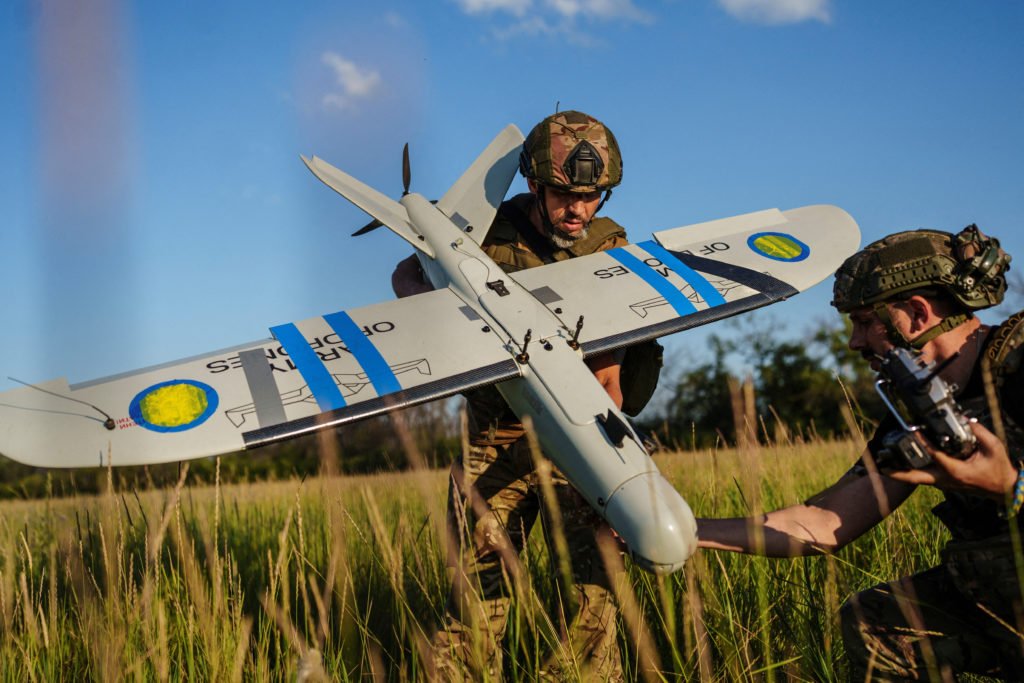
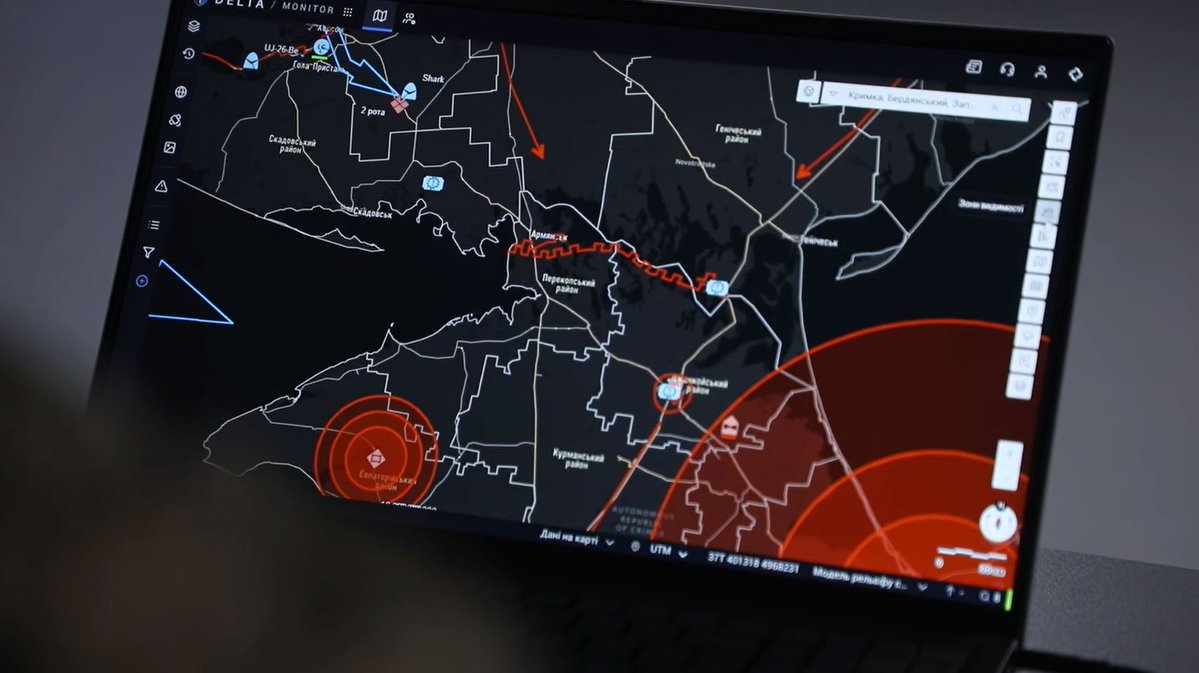
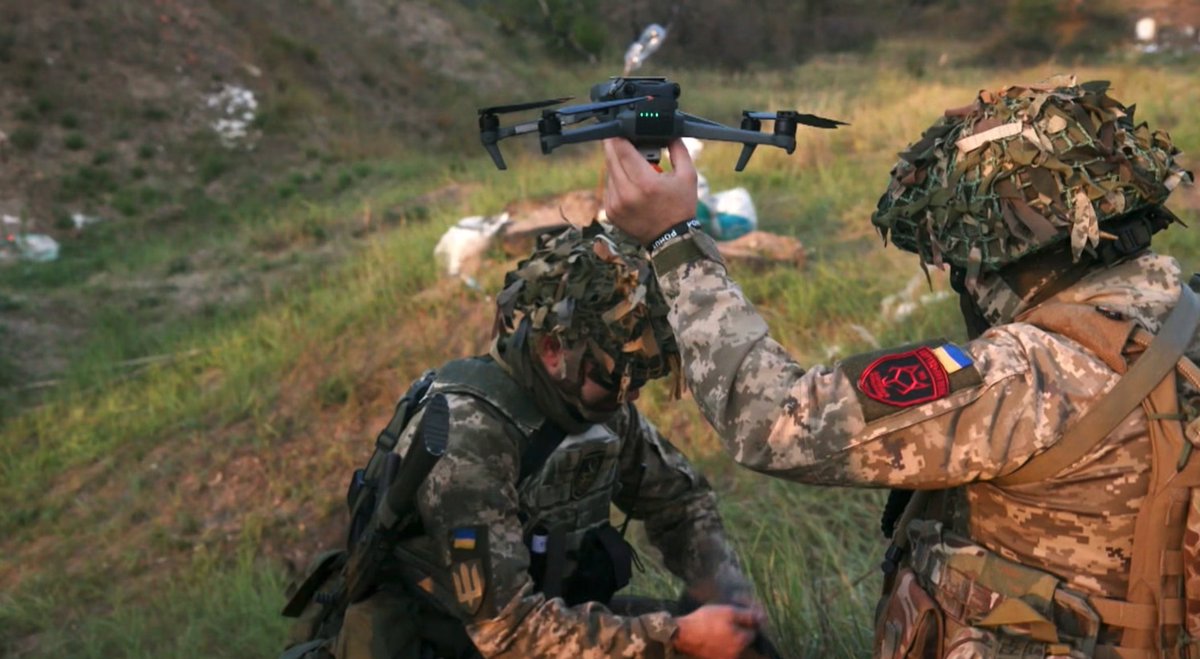
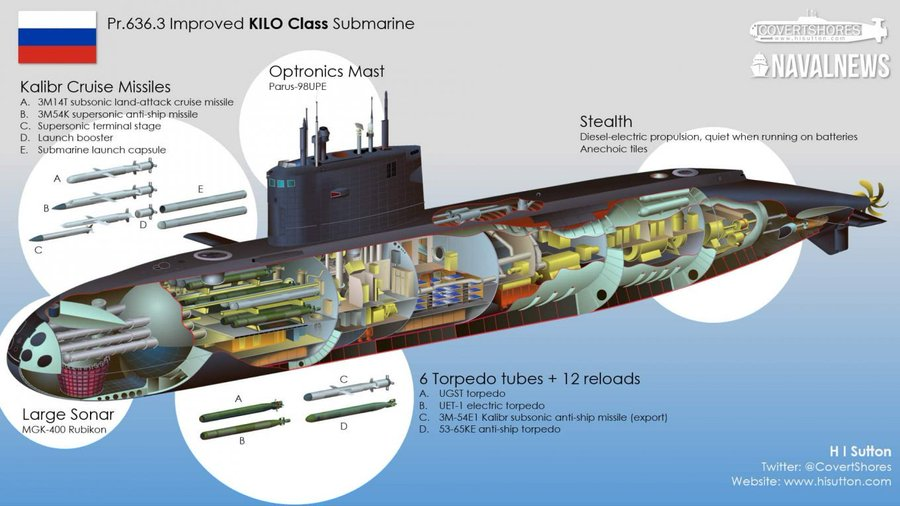
1/ Cheap unmanned systems have reshaped modern warfare.
Ukraine has built a drone wall on land, forced Russia’s Black Sea Fleet into retreat at sea, and struck deep inside Russia.
Now those battlefield lessons matter far beyond Ukraine — including in the Arctic.
🧵
Ukraine has built a drone wall on land, forced Russia’s Black Sea Fleet into retreat at sea, and struck deep inside Russia.
Now those battlefield lessons matter far beyond Ukraine — including in the Arctic.
🧵
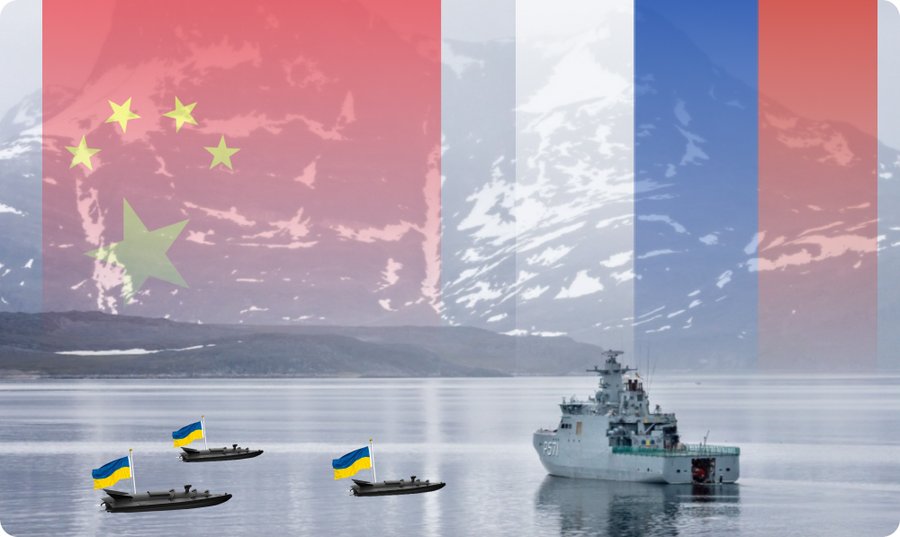
2/ As Moscow accelerates its race for Arctic resources and intensifies pressure on NATO airspace, the High North is becoming a frontline.
As Mike Pompeo warned in 2019, the Arctic is now an arena of global power competition — and Washington wants to regain dominance.
As Mike Pompeo warned in 2019, the Arctic is now an arena of global power competition — and Washington wants to regain dominance.
3/ Russia’s Arctic strategy is driven by insecurity: fear of losing military dominance as ice melts and NATO expands, and fear of economic isolation as sanctions choke access to Western tech.
Finland and Sweden joining NATO only sharpened those anxieties.
Finland and Sweden joining NATO only sharpened those anxieties.
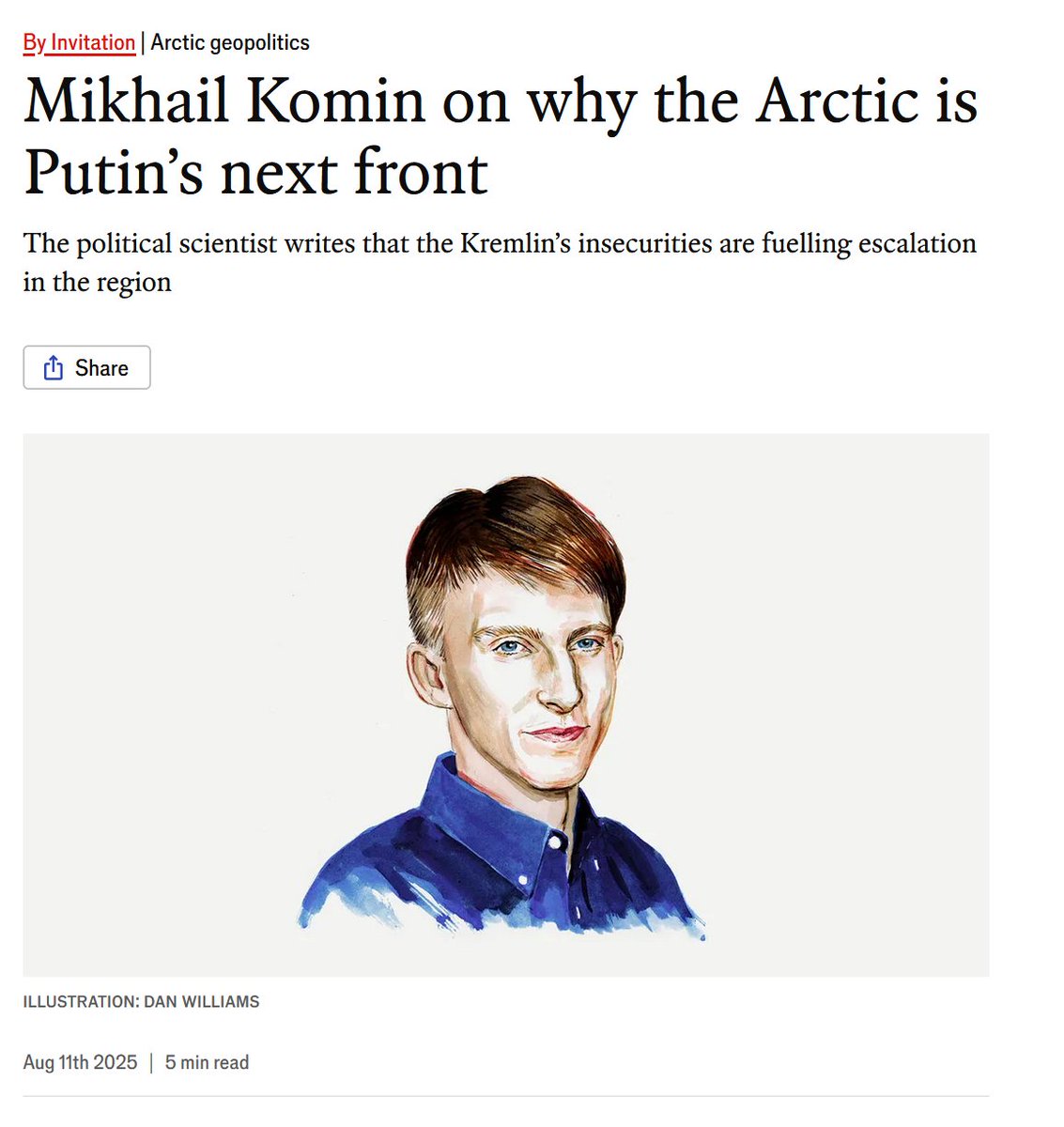
4/ Western intelligence warns Russia is already acting on them.
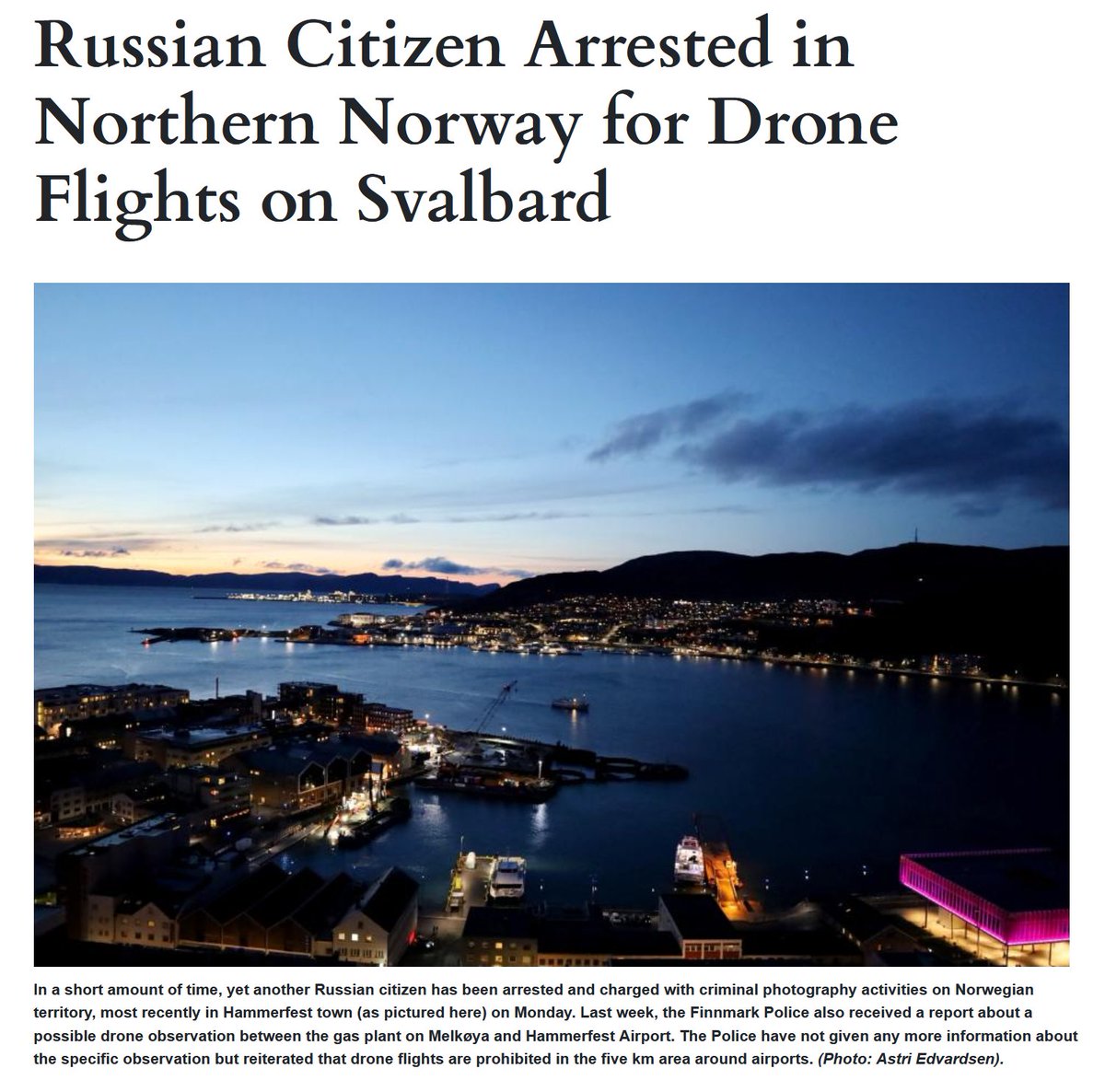
GPS jamming in Norway and Finland, drone flights over Svalbard, and arrests for spying point to a more aggressive posture.
Moscow has revived its Cold War “Bastion” concept to lock down the Barents Sea.
GPS jamming in Norway and Finland, drone flights over Svalbard, and arrests for spying point to a more aggressive posture.
Moscow has revived its Cold War “Bastion” concept to lock down the Barents Sea.
5/ Hybrid pressure extends underwater.
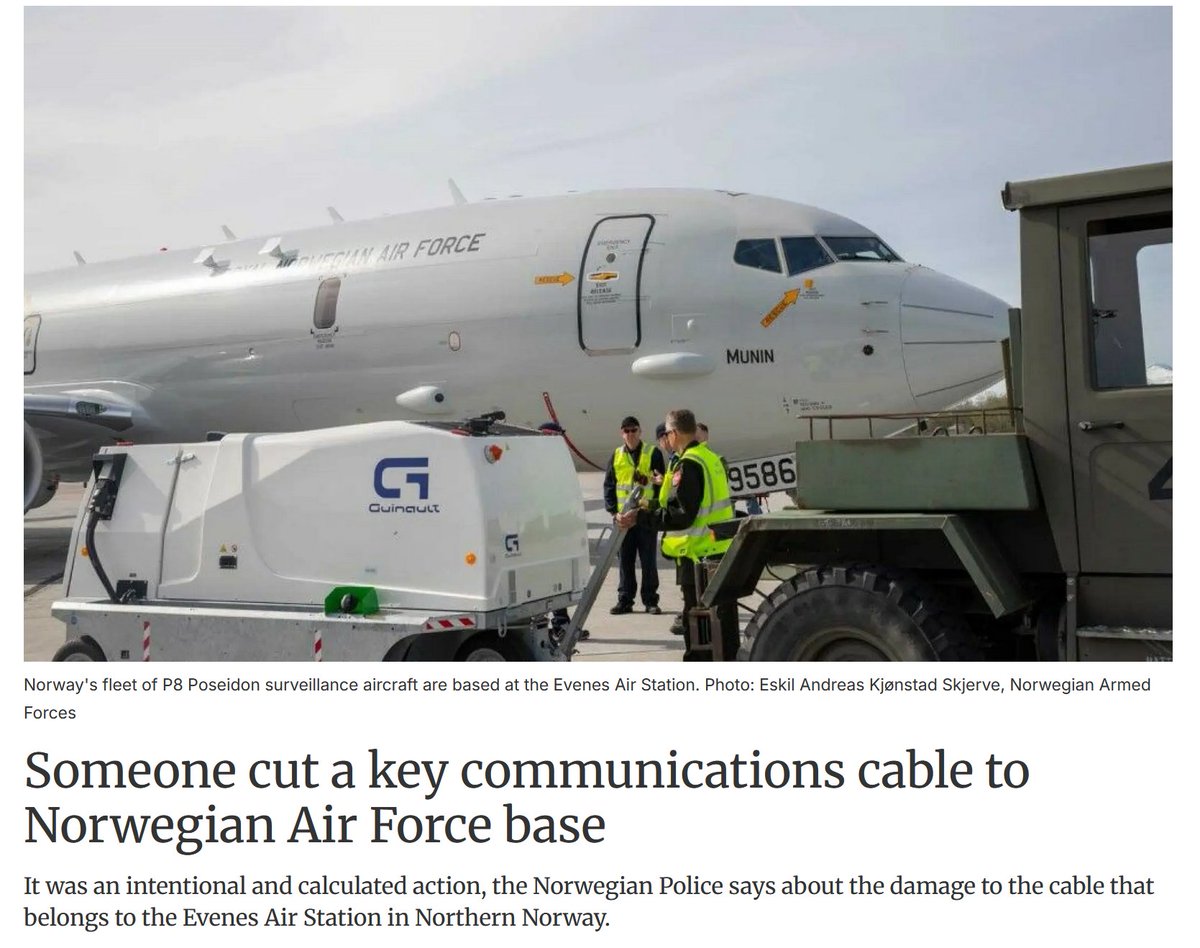
Fiber-optic cables near Svalbard and Norway’s Evenes Air Station were deliberately severed, part of a wider pattern that has seen at least 11 cables and pipelines cut in the Baltic in just two years.
Fiber-optic cables near Svalbard and Norway’s Evenes Air Station were deliberately severed, part of a wider pattern that has seen at least 11 cables and pipelines cut in the Baltic in just two years.
6/ However, Ukraine has shown Russia’s Arctic rear is not untouchable.
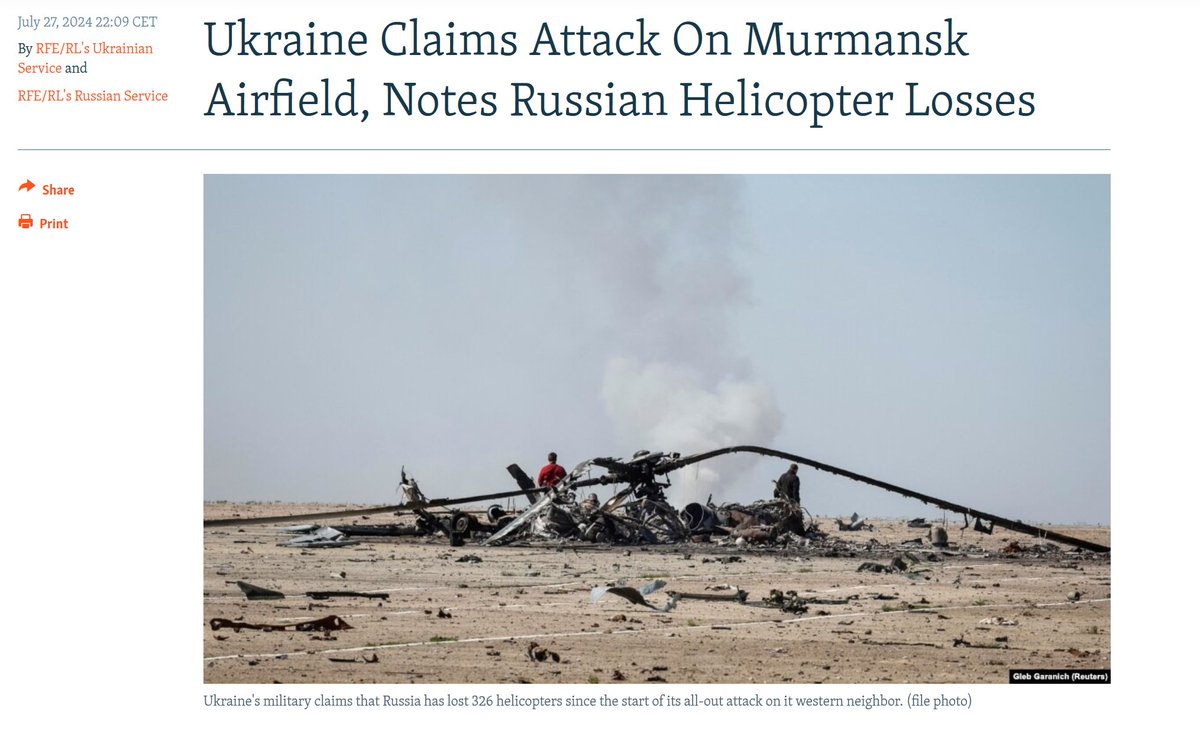
In 2024, Ukrainian drones reportedly struck the Olenya airfield in Murmansk.
In 2025, Operation Spiderweb proved container-launched drones can devastate strategic bombers deep inside Russia.
In 2024, Ukrainian drones reportedly struck the Olenya airfield in Murmansk.
In 2025, Operation Spiderweb proved container-launched drones can devastate strategic bombers deep inside Russia.
7/ A Ukrainian unmanned systems unit commander told me a complex Arctic strike is achievable — but only with detailed intelligence, study of enemy tactics, and drone systems adapted to exploit vulnerabilities.
8/ One Ukrainian expert argues the biggest obstacle is political, not technical.
Any Arctic operation would require allied permission to use territory.
Naval drones, she noted, could target Russian icebreakers for example.
Any Arctic operation would require allied permission to use territory.
Naval drones, she noted, could target Russian icebreakers for example.
9/ The psychological dimension matters as much as firepower.
Even the possibility that Ukrainian naval drones, covertly launched from civilian vessels or containers, could strike Murmansk would force Russia to divert resources northward.
forbes.com/sites/davidkir…
Even the possibility that Ukrainian naval drones, covertly launched from civilian vessels or containers, could strike Murmansk would force Russia to divert resources northward.
forbes.com/sites/davidkir…
10/ However, military experts warn Arctic operations are harder.
Extreme cold degrades batteries, icing disrupts drones, and navigation signals are unreliable.
Ukraine’s Black Sea playbook cannot simply be copied north of the Arctic Circle.
Extreme cold degrades batteries, icing disrupts drones, and navigation signals are unreliable.
Ukraine’s Black Sea playbook cannot simply be copied north of the Arctic Circle.
11/ Yet Russia is already testing gray-zone drone tactics in Europe, using civilian and naval vessels as launch platforms.
Drones spotted over NATO bases and disruptions at European airports show how attribution can be blurred below the threshold of war.
Drones spotted over NATO bases and disruptions at European airports show how attribution can be blurred below the threshold of war.
12/ NATO is scrambling to adapt.
Finland, Denmark, Canada, and Norway are investing in cold-weather drones, but persistent problems remain.
Russia operates around 50 polar icebreakers.
The US only a few — with the next not arriving until 2029.
Finland, Denmark, Canada, and Norway are investing in cold-weather drones, but persistent problems remain.
Russia operates around 50 polar icebreakers.
The US only a few — with the next not arriving until 2029.
13/ The lesson isn’t to replicate Ukraine’s tech wholesale.
It’s to adopt Ukraine’s mindset: cheap, distributed, unpredictable systems that impose costs and force adversaries to stretch resources.
In the Arctic, creativity may matter as much as hardware.
It’s to adopt Ukraine’s mindset: cheap, distributed, unpredictable systems that impose costs and force adversaries to stretch resources.
In the Arctic, creativity may matter as much as hardware.
The need to prep drones for colder weather.
https://x.com/GrandpaRoy2/status/2001927594204369134?s=20
"Sending drones and robots into battle, rather than humans, has become a tenet of modern warfare. Nowhere does that make more sense than in the frozen expanses of the Arctic." wsj.com/world/where-dr…
Ulrik Pram Gad, a global security expert wrote in a report last year that “there are indeed Russian and Chinese ships in the Arctic, but these vessels are too far away to see from Greenland with or without binoculars.” apnews.com/article/denmar…
Russia certainly thinks this will be an upcoming frontier for them.
https://twitter.com/palladiummag/status/1877729460008431849
"Russia’s expanding military presence and China’s dual-use investments heighten strategic pressure on NATO’s northern flank." cepa.org/commentary/hig…
• • •
Missing some Tweet in this thread? You can try to
force a refresh