10 books on aspects of inequality published over the last 3 years that I have found especially valuable.
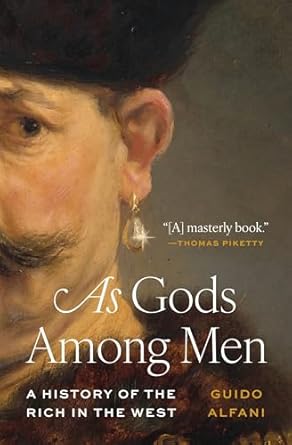
1. Guido Alfani, As Gods Among Men: A History of the Rich in the West
Splendid long run history of the "extreme right tail". Guido and I had a great conversation on The Inequality Podcast
stonecenter.uchicago.edu/whats-new/the-…
1. Guido Alfani, As Gods Among Men: A History of the Rich in the West
Splendid long run history of the "extreme right tail". Guido and I had a great conversation on The Inequality Podcast
stonecenter.uchicago.edu/whats-new/the-…
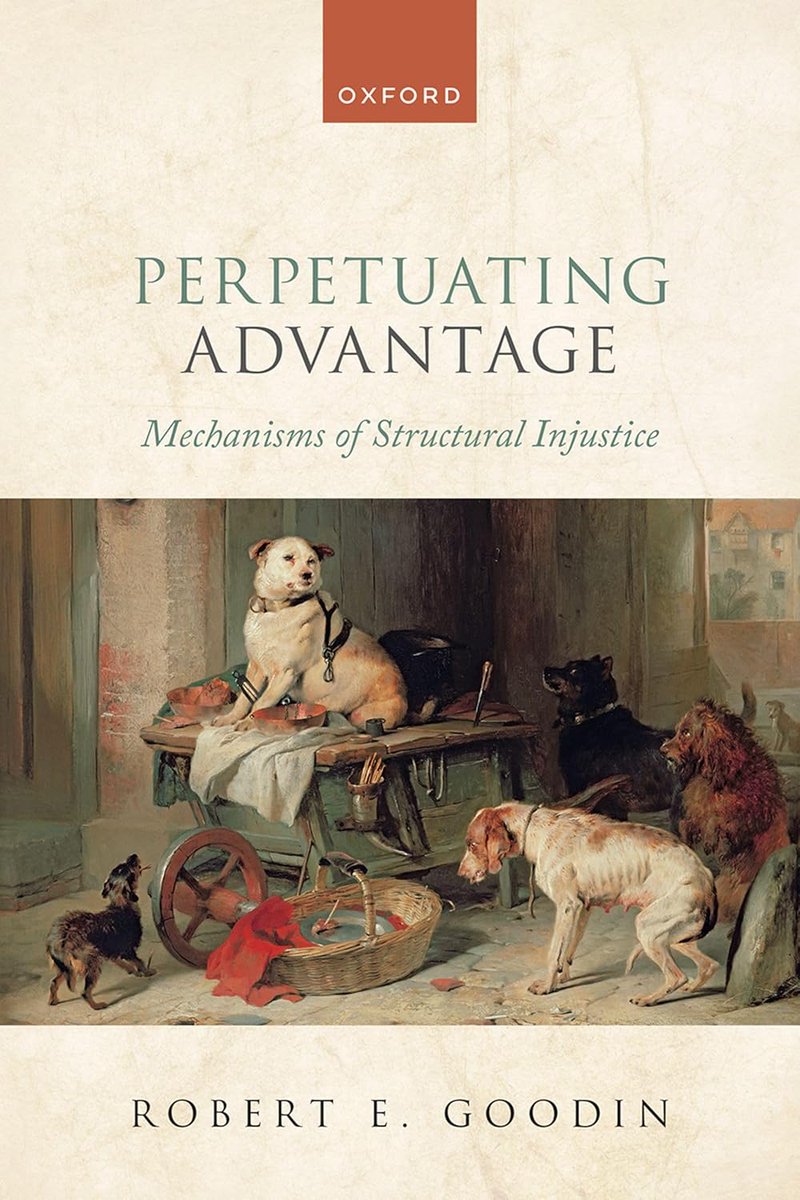
2. Robert Goodin, Perpetuating Advantage: Mechanisms of Structural Injustice.
Goodin's philosophical treatment provides explicit links to socioeconomic phenomena and thereby provides ideas on how to operationalize concepts such as systemic inequality and systematic discrimination. While I think economic/social science theories suggest, in some respects, different ways to think about system effects, Goodin's discussion is enormously valuable.
Goodin's philosophical treatment provides explicit links to socioeconomic phenomena and thereby provides ideas on how to operationalize concepts such as systemic inequality and systematic discrimination. While I think economic/social science theories suggest, in some respects, different ways to think about system effects, Goodin's discussion is enormously valuable.
3. Steven Hahn, Illiberal America: A History
Illiberal America is necessary reading if one wants to understand the political and cultural currents that have protected and promoted inequality in American history.
Illiberal America is necessary reading if one wants to understand the political and cultural currents that have protected and promoted inequality in American history.

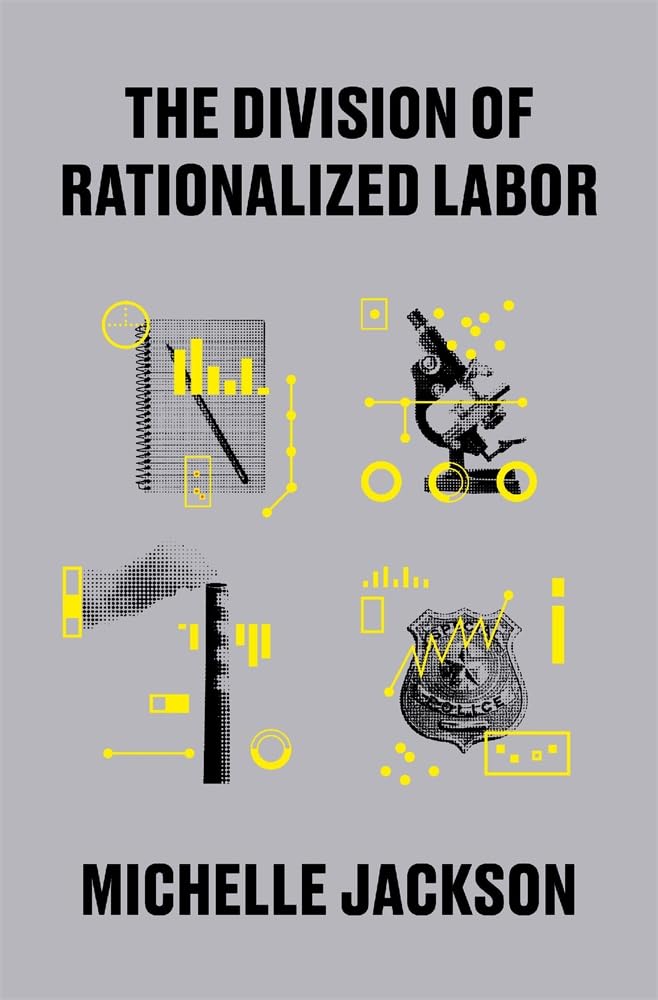
4. Michelle Jackson @mivich, The Division of Rationalized Labor
Michelle Jackson has written a remarkable book, arguing that modern technologies require a reconceptualization of work that moves away from classical division of labor approaches, in order to explain increasing the increasing complexity of individual jobs. I have just finished the book, so am still processing its implications.
Michelle Jackson has written a remarkable book, arguing that modern technologies require a reconceptualization of work that moves away from classical division of labor approaches, in order to explain increasing the increasing complexity of individual jobs. I have just finished the book, so am still processing its implications.
5 and 5a. Lane Kenworthy, Is Inequality the Problem? and Would Socialism Be Better?
Lane Kenworthy's Is Inequality the Problem? makes a spirited defense of equality of opportunity and diminution of disadvantage as the appropriate foci of policy, as opposed to inequality per se. Would Socialism be Better? argues for social democratic capitalism over socialism. Both books are exceptionally well written.
Lane Kenworthy's Is Inequality the Problem? makes a spirited defense of equality of opportunity and diminution of disadvantage as the appropriate foci of policy, as opposed to inequality per se. Would Socialism be Better? argues for social democratic capitalism over socialism. Both books are exceptionally well written.

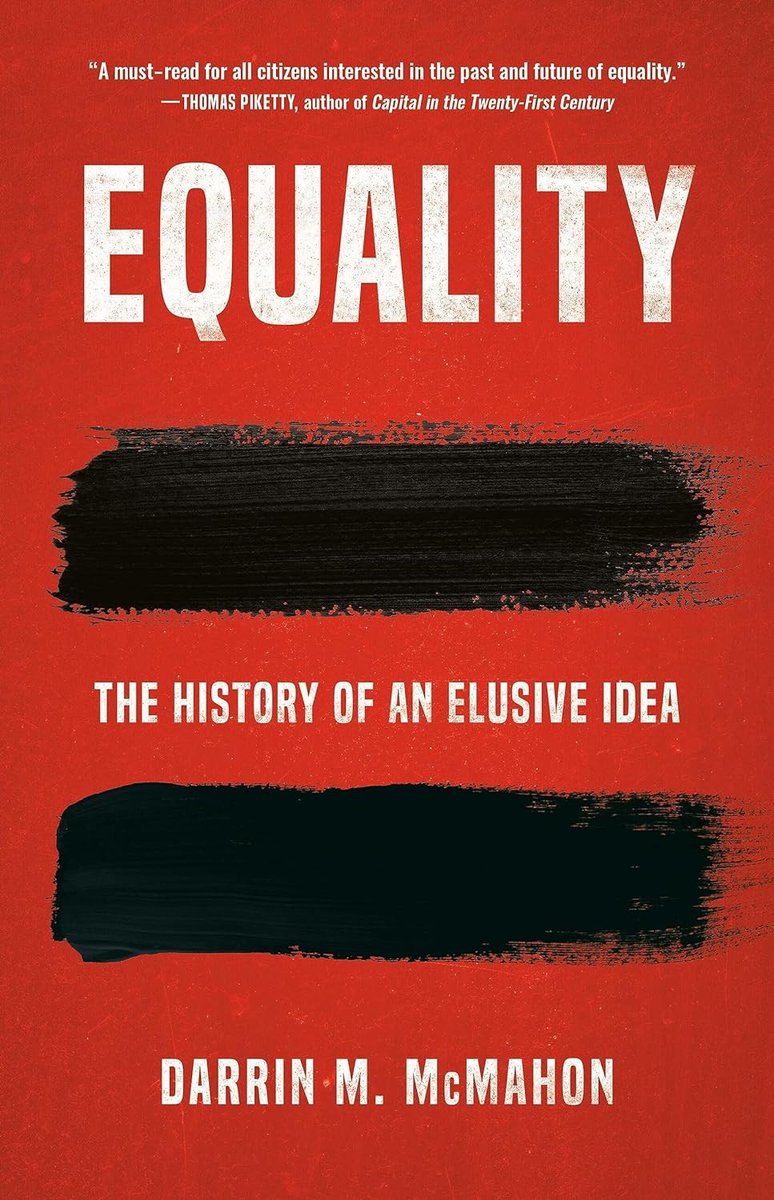
6. Darrin McMahon, Equality: The History of An Elusive Idea
This is a great intellectual history, describing the evolution of the idea of equality over time. One interesting feature is the discussion of the role of exclusion in determining among whom should inequality hold. Filled with interesting insights. Equality was the topic of a Stone Center public event
stonecenter.uchicago.edu/events/book-ta…
This is a great intellectual history, describing the evolution of the idea of equality over time. One interesting feature is the discussion of the role of exclusion in determining among whom should inequality hold. Filled with interesting insights. Equality was the topic of a Stone Center public event
stonecenter.uchicago.edu/events/book-ta…
7. Aaron Reeves @aaronsreeves and Sam Friedman @SamFriedmanSoc, Born to Rule: The Making and Remaking of the British Elite
Born to Rule is a tour de force in describing the ways that the British elites have reproduced themselves since the 1890s. Reeves and Friedman demonstrates the relative lack of change in rates of elite reproduction during this time as well as the ways in which members of the elite define and present themselves. As such this book provides essential insights about mobility and about meritocracy.
Born to Rule is a tour de force in describing the ways that the British elites have reproduced themselves since the 1890s. Reeves and Friedman demonstrates the relative lack of change in rates of elite reproduction during this time as well as the ways in which members of the elite define and present themselves. As such this book provides essential insights about mobility and about meritocracy.

8. Joseph Stiglitz, The Origins of Inequality & Policies to Contain It
This book brings together Joseph Stiglitz's inequality scholarship, which starts with his dissertation. While I have already read most of the articles in this collection, Joe's discussion linking sections of the book, access to some articles I had not seen, and the real pleasure of re-experiencing so many truly profound, path breaking ideas made this book an intellectual highlight of 2025. Especially noteworthy is Stiglitz' early work on wealth dynamics, which precedes modern treatments by decades.
This book brings together Joseph Stiglitz's inequality scholarship, which starts with his dissertation. While I have already read most of the articles in this collection, Joe's discussion linking sections of the book, access to some articles I had not seen, and the real pleasure of re-experiencing so many truly profound, path breaking ideas made this book an intellectual highlight of 2025. Especially noteworthy is Stiglitz' early work on wealth dynamics, which precedes modern treatments by decades.

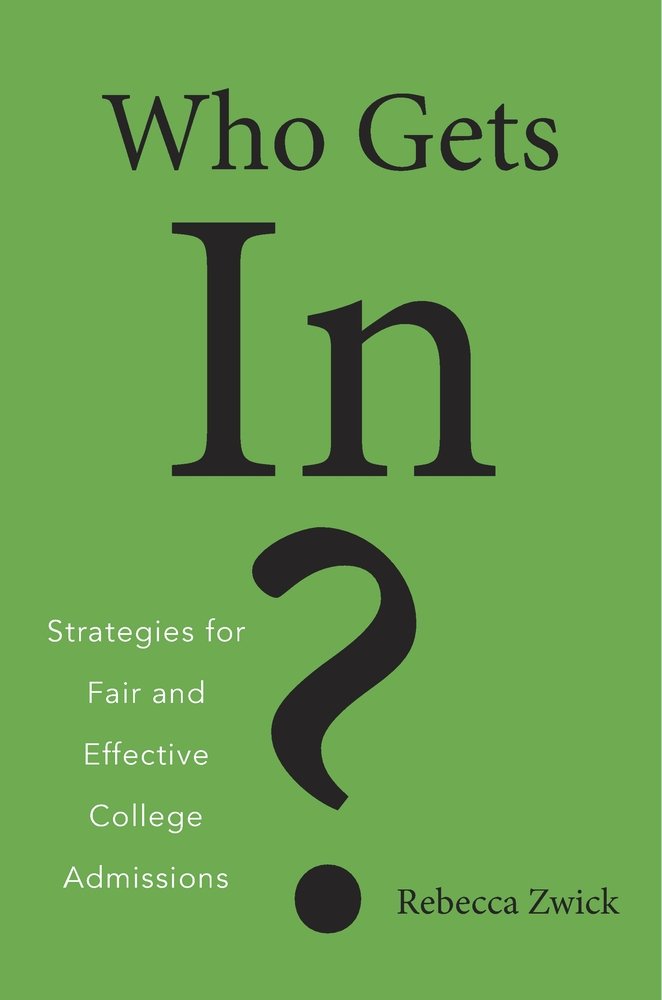
9 and 9a. Howard Wainer and Daniel Robinson, Testing and Paradoxes of Fairness; Rebecca Zwick
Howard Wainer and Daniel Robinson provide a state of the art overview on testing, elaborating the state of evidence showing that standardized tests and the like have powerful information on performance. I pair this will a slightly older book by Rebecca Zwick, Who Gets In?, another excellent book, which covers similar material, but is more oriented towards equality issues.
Howard Wainer and Daniel Robinson provide a state of the art overview on testing, elaborating the state of evidence showing that standardized tests and the like have powerful information on performance. I pair this will a slightly older book by Rebecca Zwick, Who Gets In?, another excellent book, which covers similar material, but is more oriented towards equality issues.

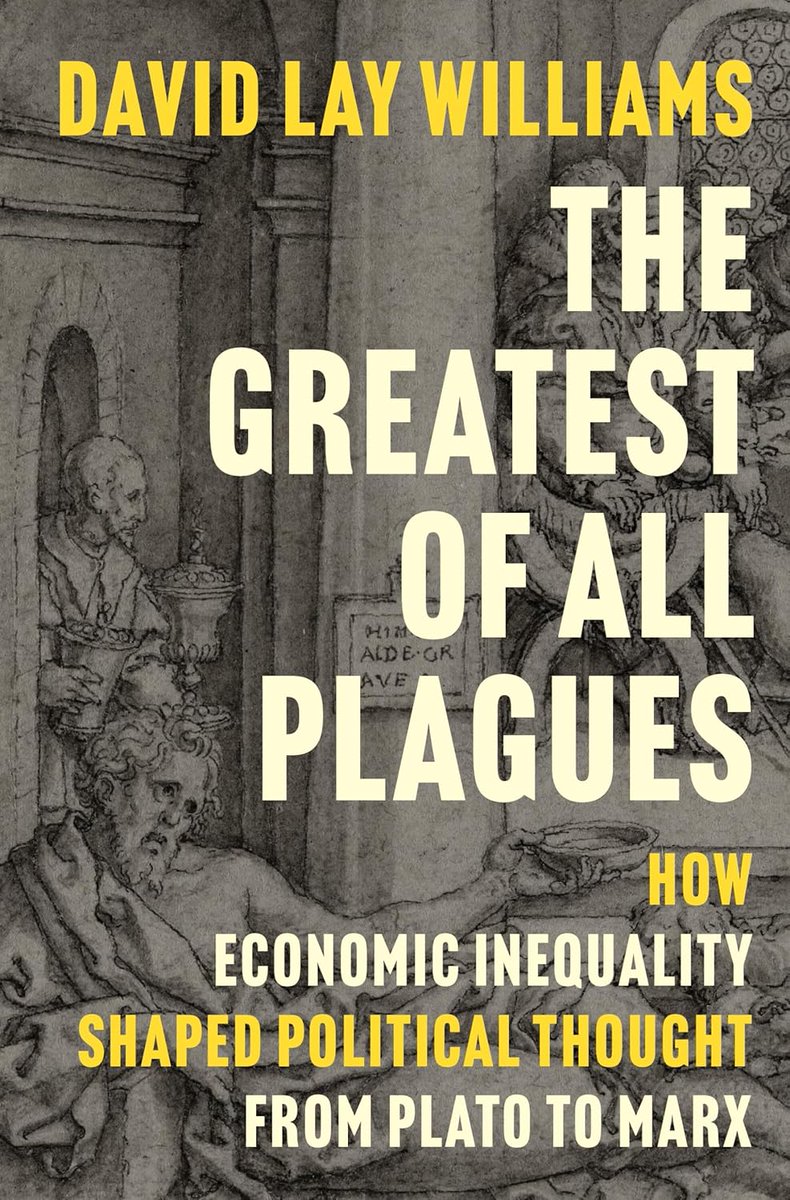
10. David Lay Williams @LayWilliams, The Greatest of All Plagues: How Economic Inequality Shaped Political Thought from Plato to Marx.
The Greatest of All Plagues is a wonderful journey though the role of inequality in political philosophy. The discussion of meritocracy is, for me, especially valuable. David Williams is a leading expert on Rousseau, so that chapter is a particular treat.
Here is a Stone Center book event on The Greatest of All Plagues as well as a podcast with David.
stonecenter.uchicago.edu/events/the-gre…
podcasts.apple.com/us/podcast/dav…
The Greatest of All Plagues is a wonderful journey though the role of inequality in political philosophy. The discussion of meritocracy is, for me, especially valuable. David Williams is a leading expert on Rousseau, so that chapter is a particular treat.
Here is a Stone Center book event on The Greatest of All Plagues as well as a podcast with David.
stonecenter.uchicago.edu/events/the-gre…
podcasts.apple.com/us/podcast/dav…
• • •
Missing some Tweet in this thread? You can try to
force a refresh