THE IRONY IS PAINFUL!
People celebrate the fictionalised fiery student movements in #Parasakthi, reliving 1960s anti-Hindi agitations on screen.
As an alumnus of age-old TN state university, I pity the ignorant: they cheer the fire while ignoring today's zero space for real movements in public institutions! 1/8
People celebrate the fictionalised fiery student movements in #Parasakthi, reliving 1960s anti-Hindi agitations on screen.
As an alumnus of age-old TN state university, I pity the ignorant: they cheer the fire while ignoring today's zero space for real movements in public institutions! 1/8
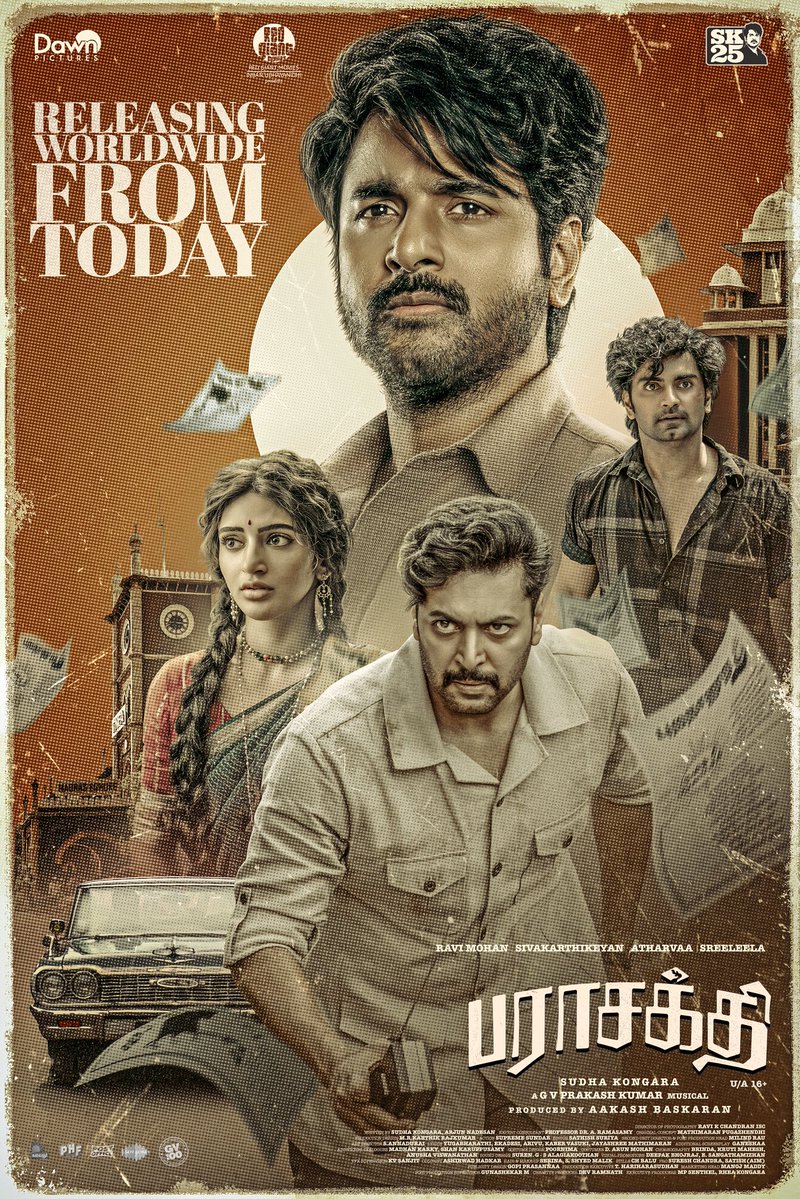
In 1965, students marched, protested & sacrificed lives to defend #Tamil pride against #Hindi imposition, igniting a political revolution that propelled the #DMK to power on student idealism.
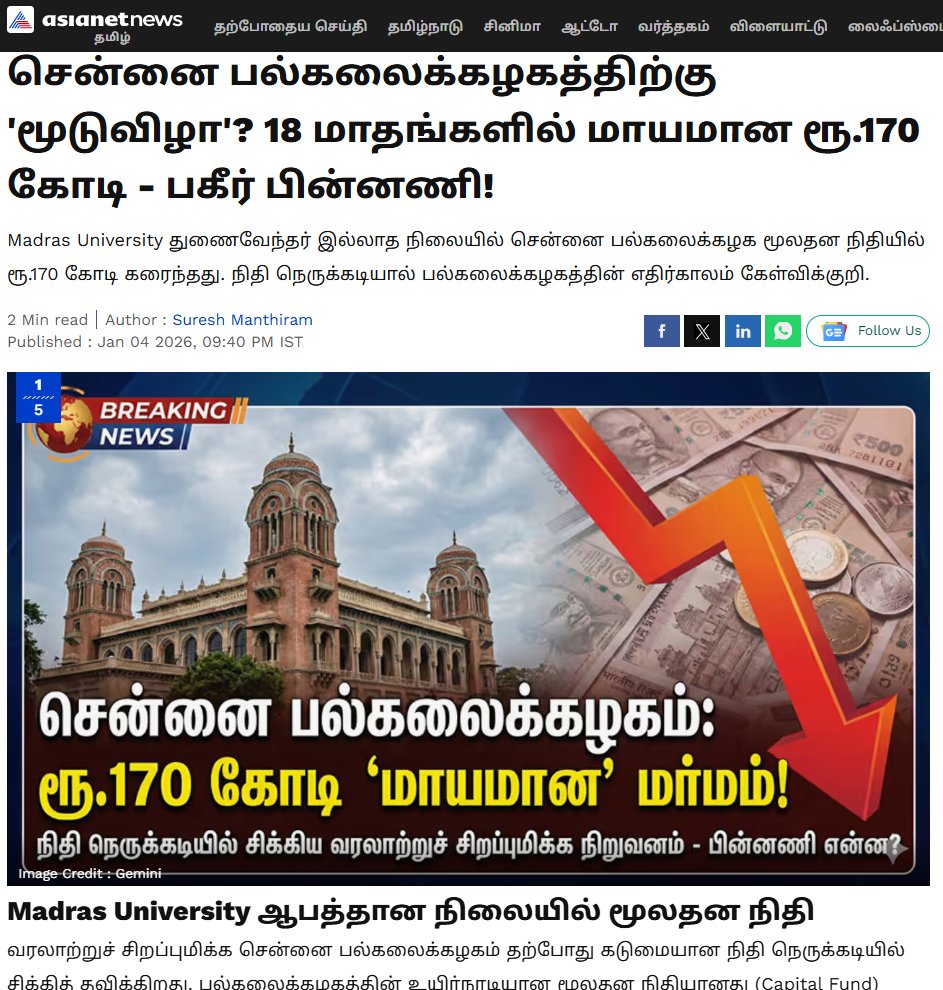
Yet fans glorify this fictionalised fire on screen, leaving behind the reality where rapid growth of deemed-to-be & private universities sidelines public ones, snuffing out that spirit of student movement.
The irony is painful! 2/8
Yet fans glorify this fictionalised fire on screen, leaving behind the reality where rapid growth of deemed-to-be & private universities sidelines public ones, snuffing out that spirit of student movement.
The irony is painful! 2/8
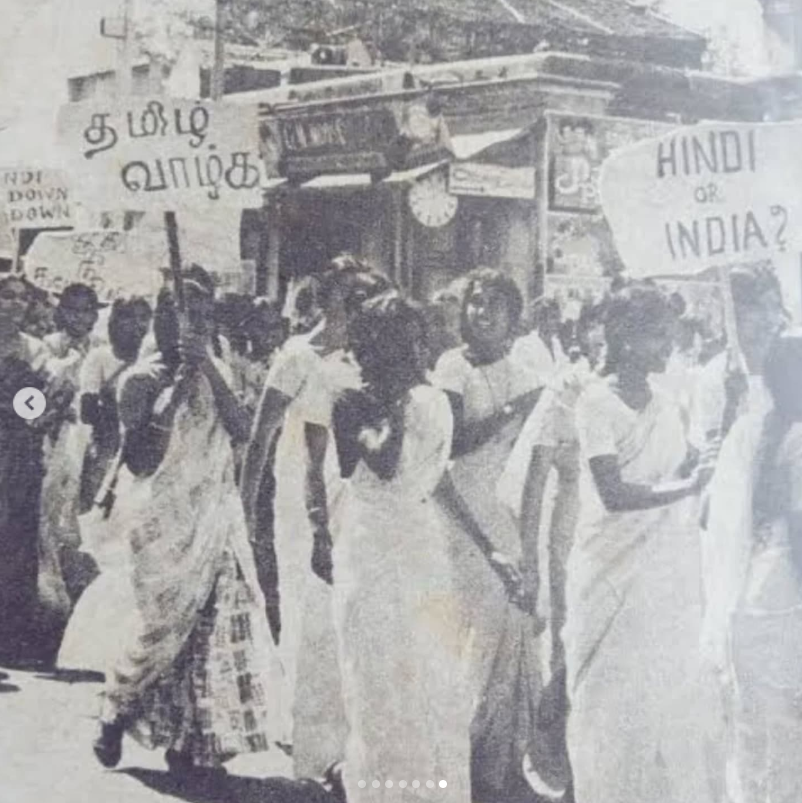
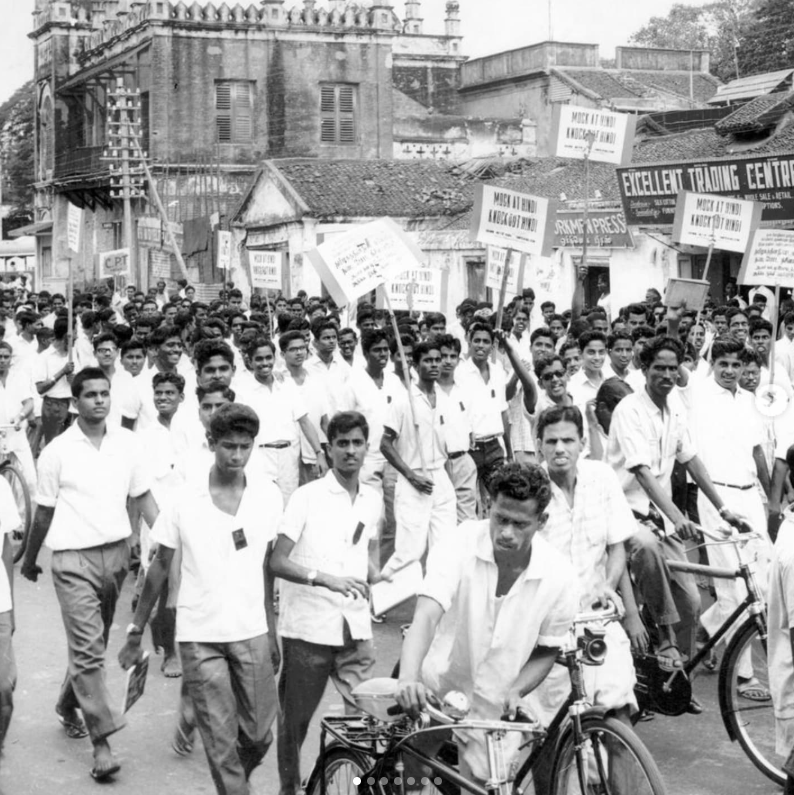
Look at this raw energy from the 1960s: students not just studying, but forging history.
Today, moviegoers celebrate that fictionalised passion on screen, but abandon the grim truth of decreasing research quality in state universities starving innovation, with no room for students to rise up.
The irony is painful! 3/8
Today, moviegoers celebrate that fictionalised passion on screen, but abandon the grim truth of decreasing research quality in state universities starving innovation, with no room for students to rise up.
The irony is painful! 3/8
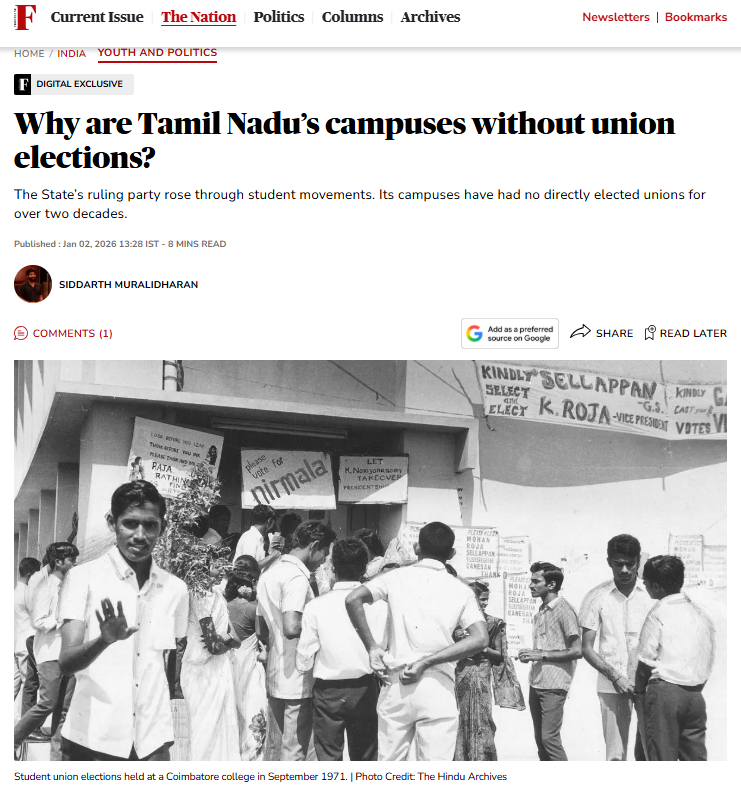
The #DMK, born from those campus fires, now rules.
But in over 170 government arts, science, medical & engineering colleges, plus most universities: no directly elected student unions for two decades.
Supreme Court nudges ignored, blamed on violence and castes, but truly to crush dissent amid mismanagements inflating fees.
Crowds applaud the screen's fire, yet ignore this silenced reality.
The irony is painful! 4/8
Thanks to @Sidzepp for highlighting this.
But in over 170 government arts, science, medical & engineering colleges, plus most universities: no directly elected student unions for two decades.
Supreme Court nudges ignored, blamed on violence and castes, but truly to crush dissent amid mismanagements inflating fees.
Crowds applaud the screen's fire, yet ignore this silenced reality.
The irony is painful! 4/8
Thanks to @Sidzepp for highlighting this.
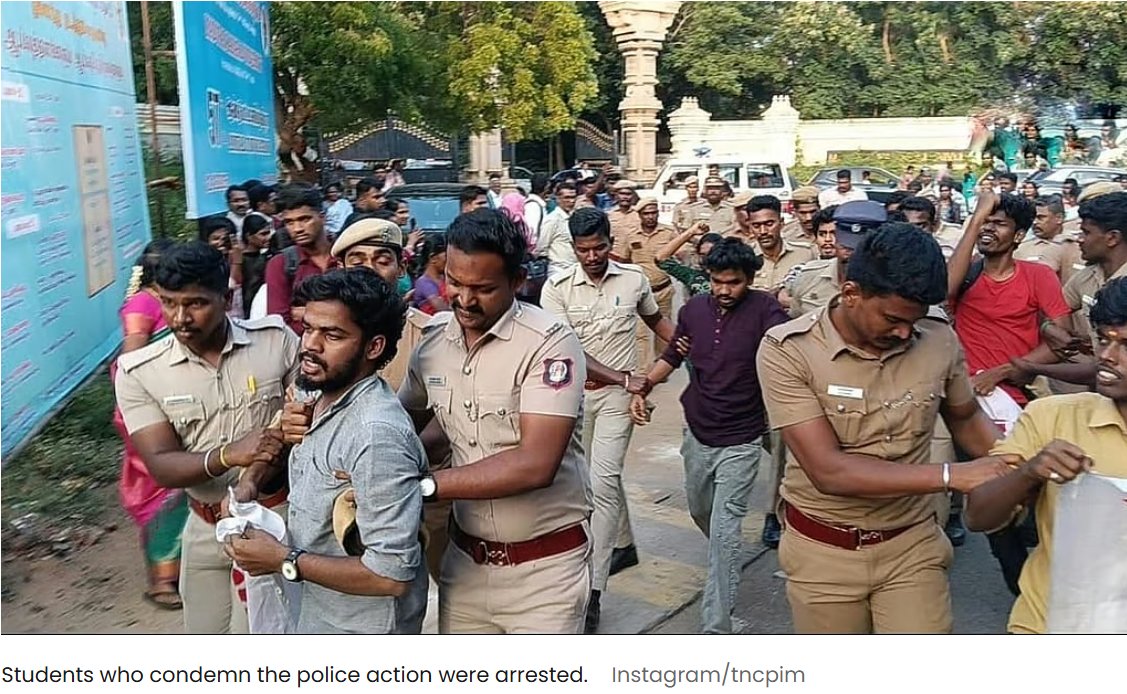
Today's harsh reality: protests crushed, students detained for demanding basics.
No democratic voice to fight exponential financial burdens from leadership failures, as private unis boom and public ones decay.
People rave about fictionalised movements on screen, but leave the real higher education crisis behind.
The irony is painful! 5/8
No democratic voice to fight exponential financial burdens from leadership failures, as private unis boom and public ones decay.
People rave about fictionalised movements on screen, but leave the real higher education crisis behind.
The irony is painful! 5/8
#Parasakthi glorifies the student power that furthered Dravidian politics. But the party from that blaze now oversees campuses where the fire is snuffed out, research quality plummets in state unis & private ones explode unchecked.
Fans celebrate the fictionalised heat on screen, abandoning the cold suppression in reality.
The irony is painful! 6/8
Fans celebrate the fictionalised heat on screen, abandoning the cold suppression in reality.
The irony is painful! 6/8
We cheer on-screen heroes battling injustice in #Parasakthi. In real TN colleges, that fight ends in detention, not change, while students bear mismanagement's weight and watch private institutions rise as public research crumbles.
Audiences ignite over fictional fire, but forget the extinguished reality of student movements.
The irony is painful! 7/8
Audiences ignite over fictional fire, but forget the extinguished reality of student movements.
The irony is painful! 7/8
Pity those ignited by the movie's fictionalised fire but blind to the cold truth: celebrating screen revolutions while leaving behind the dire state of higher education means no true tribute to 1965.
Demand vibrant student politics to tackle these burdens, private dominance & research decline - or the irony remains painfully ignored. 8/8
Demand vibrant student politics to tackle these burdens, private dominance & research decline - or the irony remains painfully ignored. 8/8
@threadreaderapp unroll
• • •
Missing some Tweet in this thread? You can try to
force a refresh