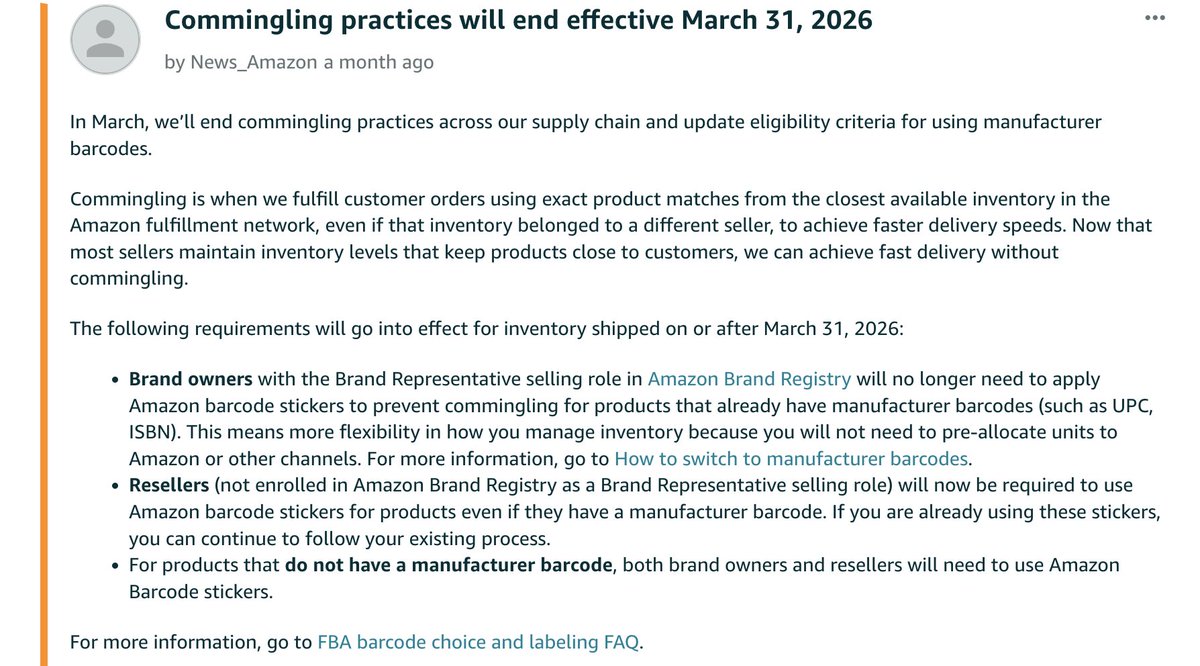
Amazon is ending all inventory commingling as of March 31, 2026. This will reduce your chance of getting counterfeits from Amazon when buying from a reliable seller.
In the past 3d party sellers would wherehouse products with Amazon for fulfilment, but amazon would treat all of the products with the same SKU as being interchangeable, no matter who sent them in. So you'd get other sellers inventory sent to you if it was in a closer warehouse, meaning you could order from a good seller but get counterfeit products sent in by a shady one, and Amazon wouldn't even tell you that they did a switcheroo.
This change is important for safely buying genuine products, such as 3M respirators.
AusAir say their masks with wool filters are more breathable than the meltblown plastic filters of other masks. Is that true?
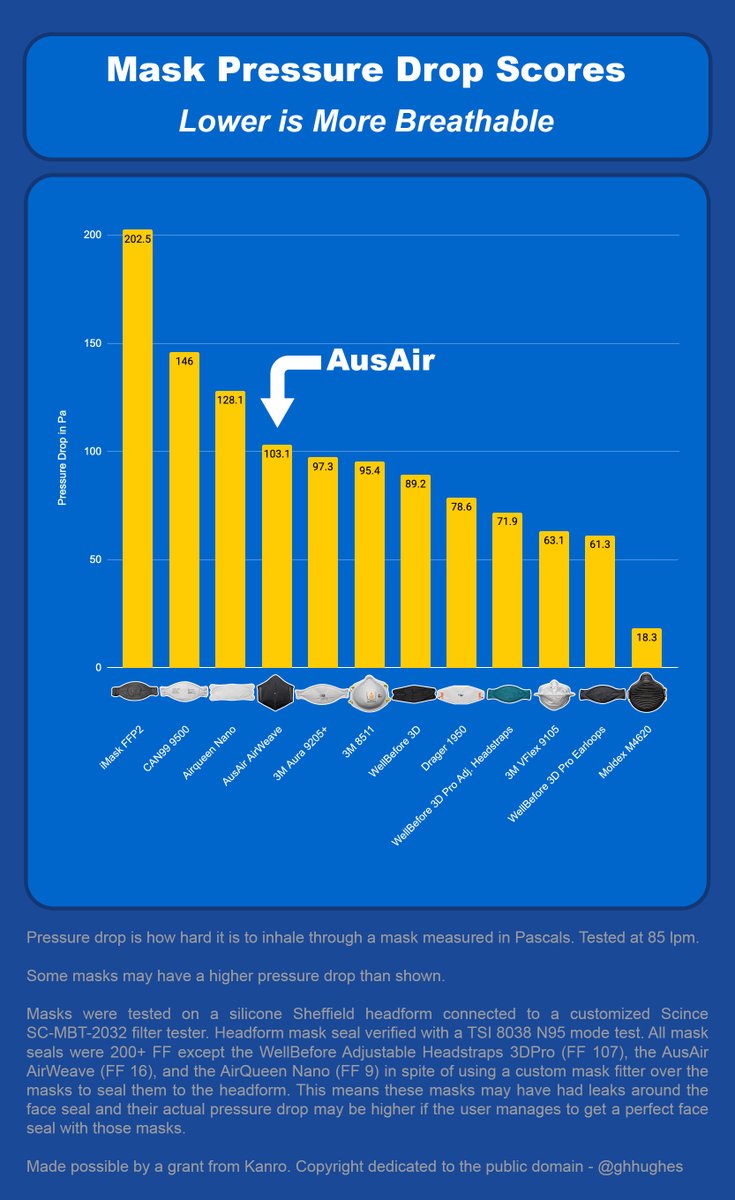
To find out I tested 12 different masks for breathability. Aus Air was not the best when compared to meltblown masks. Not even close.
The AusAir AirWeave is a breathable mask but the wool filters are not categorically better than meltblown filters at breathability.
---
Understanding the Chart:
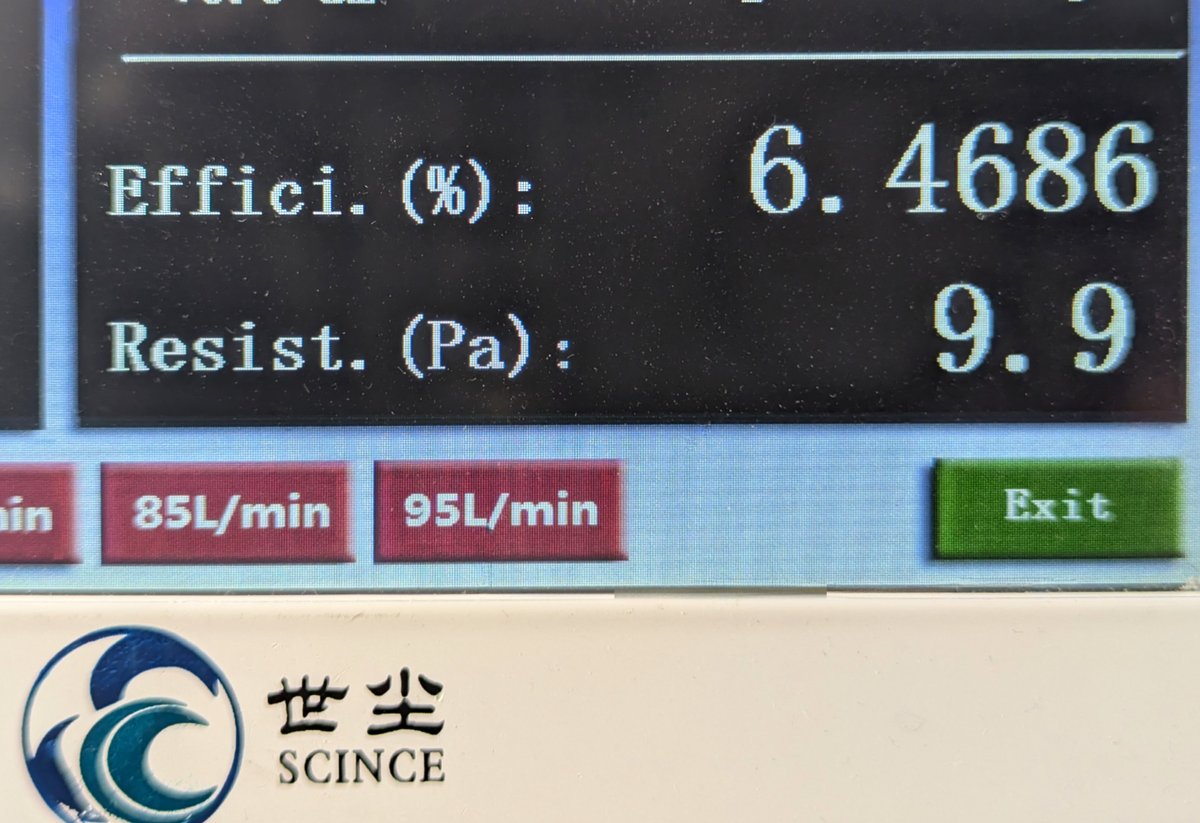
You don't want to have to use a lot of suction to draw in air through your mask, so lower pressure drop scores are better and mean the mask is more breathable.
Of the masks I tested, the AusAir AirWeave is somewhat middle of the pack. It is on the more breathable rage of filtering facepiece masks, but not quite under 100 Pa at 85lpm threshold for the most breathable of the three breathability tiers in the new Canadian CA-N95 standard.
Different testing methods may give somewhat different results.
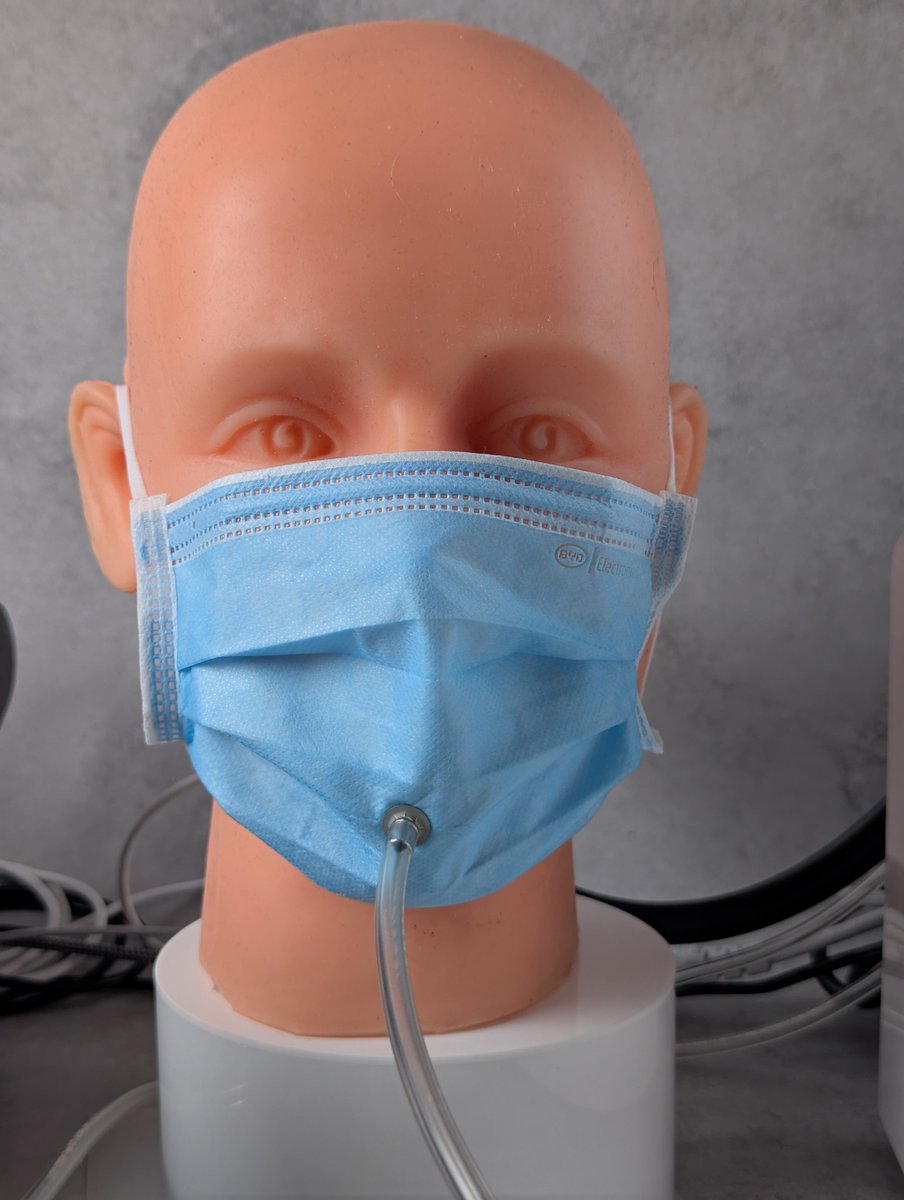
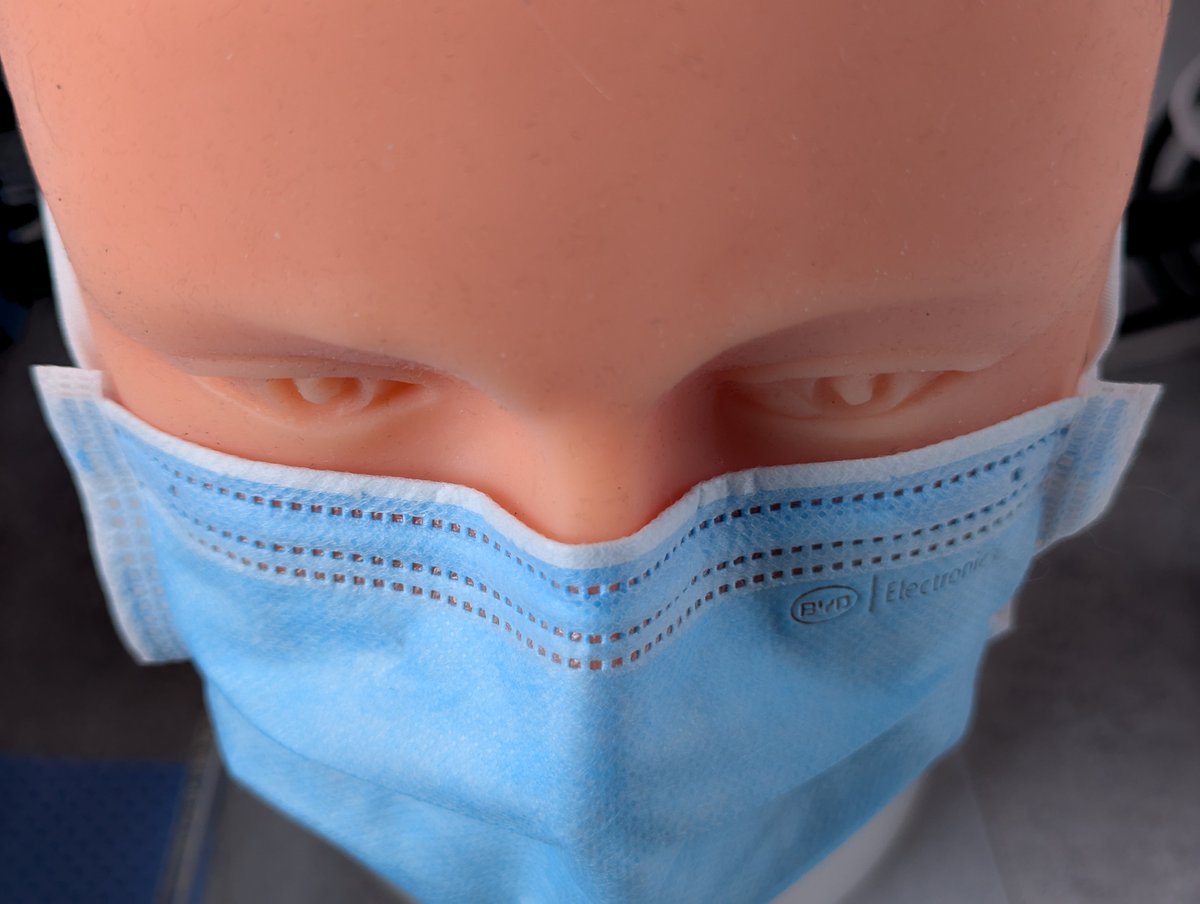
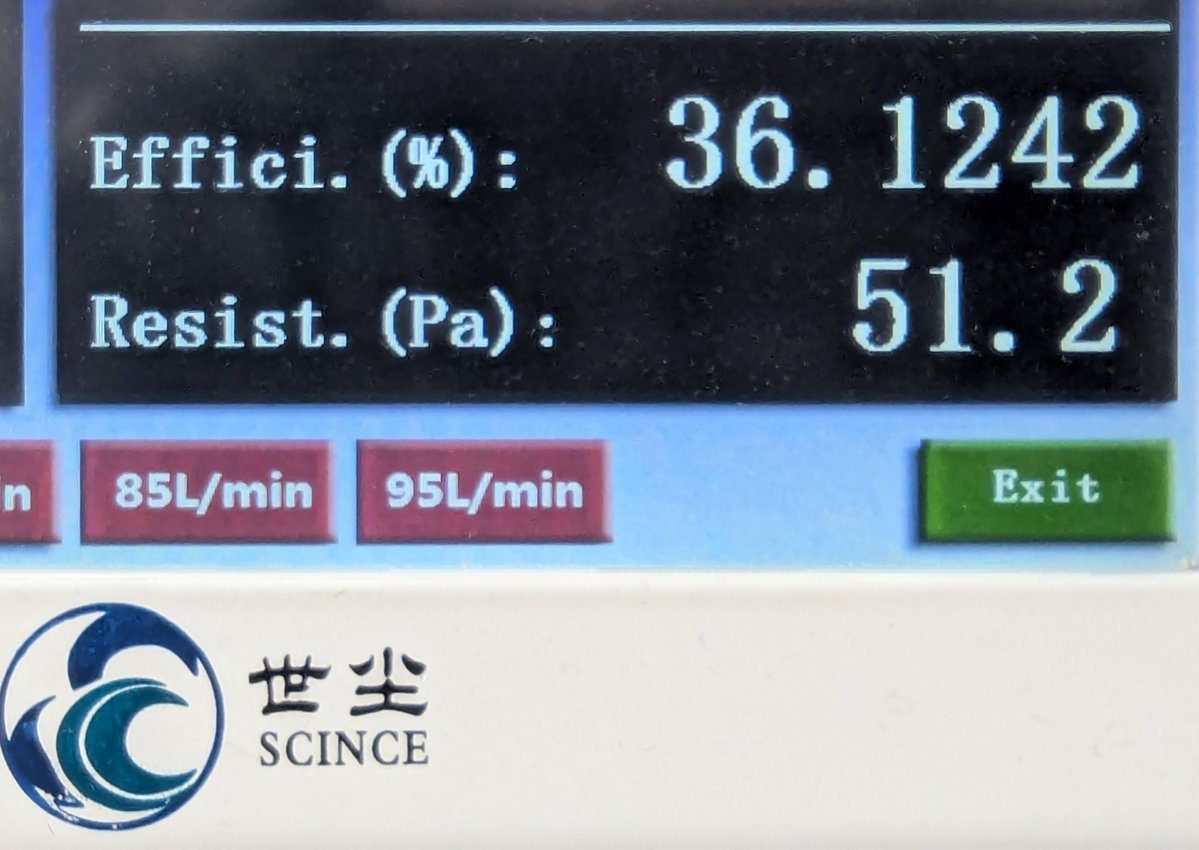
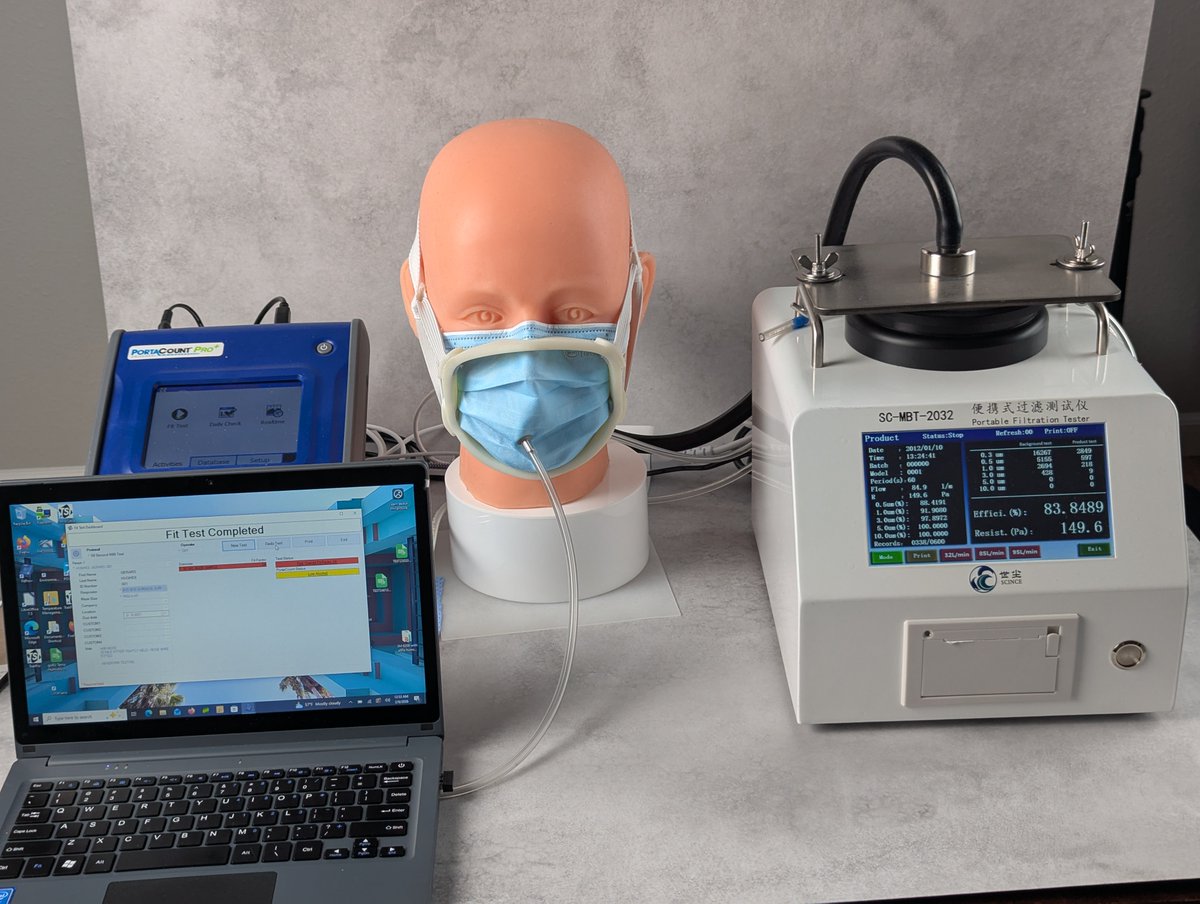
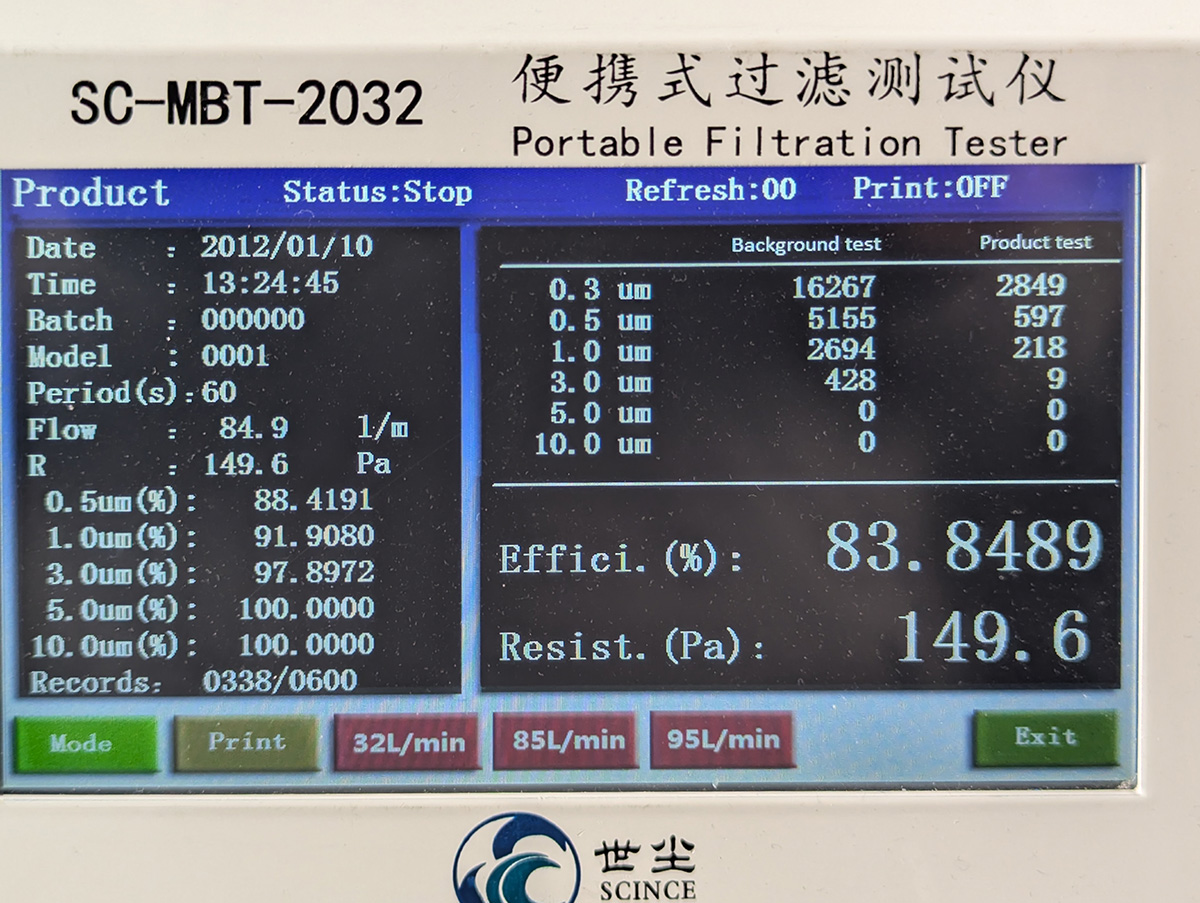
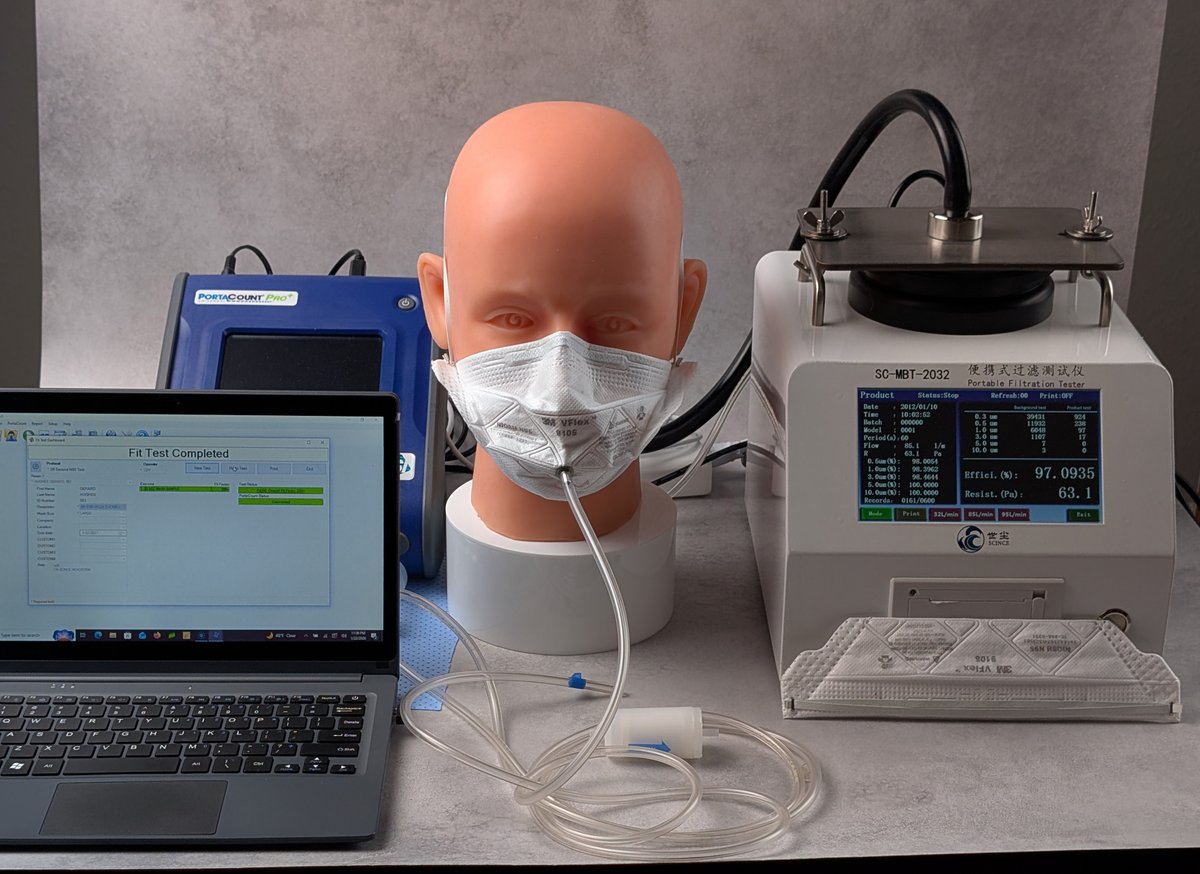
I tested the masks on a silicone mask testing headform. This helps make sure that the filter area that air can go through is similar to when the mask is worn. I connected the headform to a Scince filter testing machine using the 85 liter per minute airflow setting - the airflow rate that NIOSH uses.
It can be surprisingly difficult to get a mask to seal well on a testing headform. I was able to get max N95 mode Fit Test scores of 200+ to confirm excellent face seals on most of the masks.
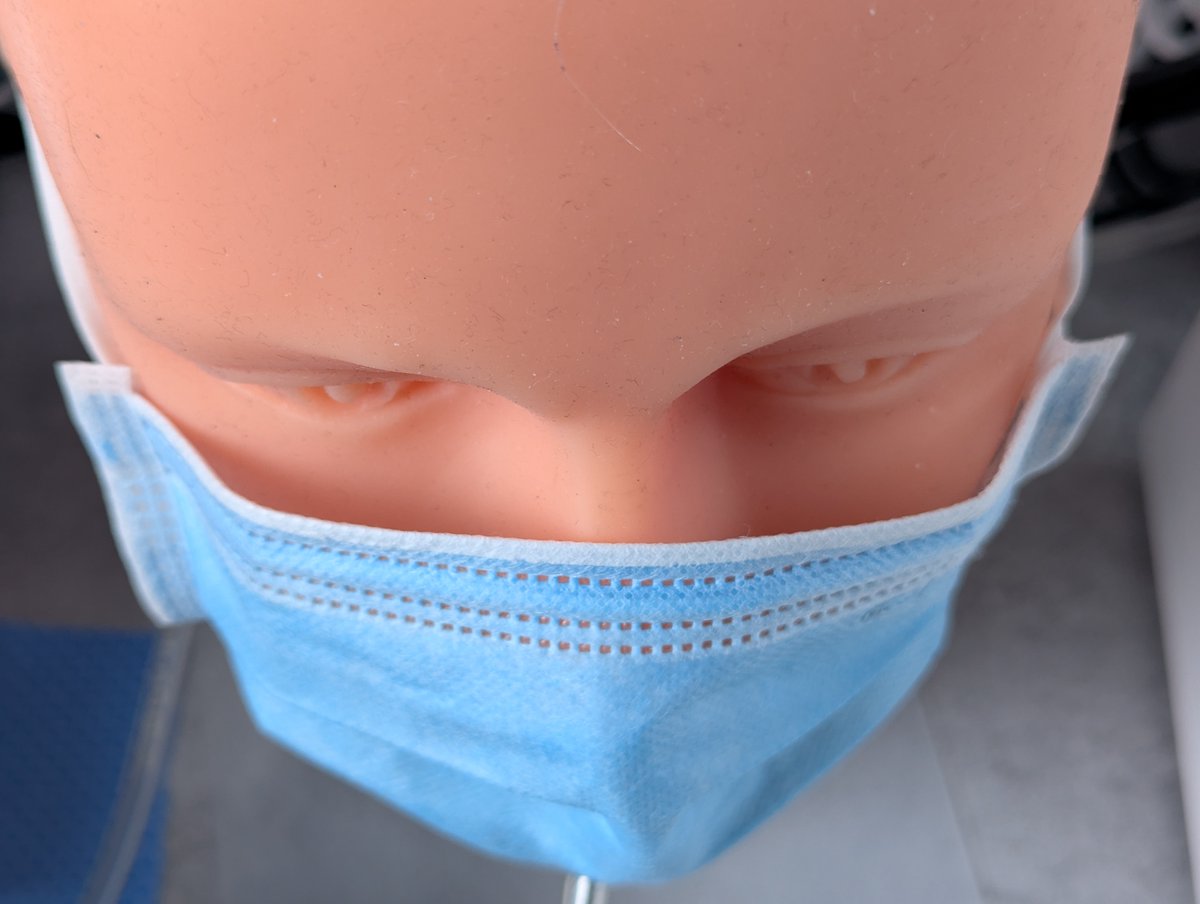
I could not get the AusAir to seal perfectly on the headform. It doesn't seal well on my face either, but mask fit is very individual. What that means to the breathability test results is that the AusAir may actually have a higher pressure drop and less breathability than shown in the test results since some of the apparent breathability could be from seal leakage.
I threw in a black iMask FFP2 tri-fold into the test because they've always felt kind of hard to breathe through to my subjective sense, but they used to be one of the few "good" black respirator grade masks that could fit test better than, say, loose fitting black KF94s.
The winner by far is the Moldex M4620 N95. This is not surprising because the corrugated filter has more surface area than regular N95s, similar to they way the pleats in a furnace filter give more surface area. This mask has an inner gasket around the full perimeter of the mask for a better seal, but it doesn't have a nose wire, so the mask isn't adjustable other than head strap tension. The corrugations rub my nose in a way that I'd prefer to avoid, but people with smaller noses than mine shouldn't run into that issue.
The Moldex breathability score is so stunning that I'm going to have to re-test to make sure there were no leaks. It should be legit since the mask seal was confirmed with a 200+ N95 mode fit test, though.
There is an old AirQueen Nano in there, too. Aaron Collins used to use one for its consistently mediocre filtration that was a good indicator that his testing set up was giving similar results day to day, along with using a P or N100 (I forget which) as another calibration point. The AirQueen is very thin and light weight, and relatively easy to breathe in, but not as much as I would have expected given its meh filtration.
And then there is the 3M 8511. Those were my pre-pandemic wildfire smoke masks. I never thought of them as being especially breathable, but I guess I was not appreciative of how much better than the average respirator they are in terms of breathability.
Note that this line up of masks, other than the iMask, is a bit skewed. They represent a number of the more breathable masks on the market. Most respirator grade masks aren't under 100Pa.
Is the AusAir a good mask?
Well, it is a lovely mask. The knit over masks are very nice looking. And they do have legit 3d party lab testing showing 99% filtration, and even a couple of fit tests (more about those later). So I think it is a legit mask. And it may be "good enough" for some use cases.
Personally, I'm not able to get good fit test results from the Aus Air. But fit is very individual.
There are some areas where I think AusAir's marketing could use some improvement, and that is when they conflate testing standards.
AusAir masks are tested using the particulate standard for medical face masks, ASTM 2299, not a standard for "respirators," which are masks for respiratory protection. And that may be good enough. But the standards for face masks and respirators are not the same.
The AusAir ASTM 2299 test uses polystyrene particles at 28 liters per minute of air flow. NIOSH uses salt particles at 85 liters per minute, a much tougher test. The ASTM test isn't "bad," but the numbers aren't directly comparable to NIOSH test results.
So, why would AusAir use an obscure to the public ASTM 2299 standard when the public recognizes respirator standards N95, KN95, KF94, FFP2/3 and P2 by name? To my mind it is likely because the AusAir AirWeave can't pass any of the respirator standards.
However, respirator standards may be overkill for filtering bioaerosols. Bioaerosols are less dense than NIOSH salt particles, so perhaps the particulate standard meant for ASTM surgical face masks is more appropriate.
I see respiratory protection as a continuum, with choices ranging from least protection to most protection, and there can be trade offs such as lower breathability as you choose higher levels of protection.
So for some, the AusAir may their sweet spot for respiratory protection. But you can easily get both better filtration and equivalent or better breathability with other masks, such as a 3M Aura or a Wellbefore 3D Pro. Much of that will depend on personal fit, though.
My bench test results for the AirFanta Wear wearable air purifier are complete.
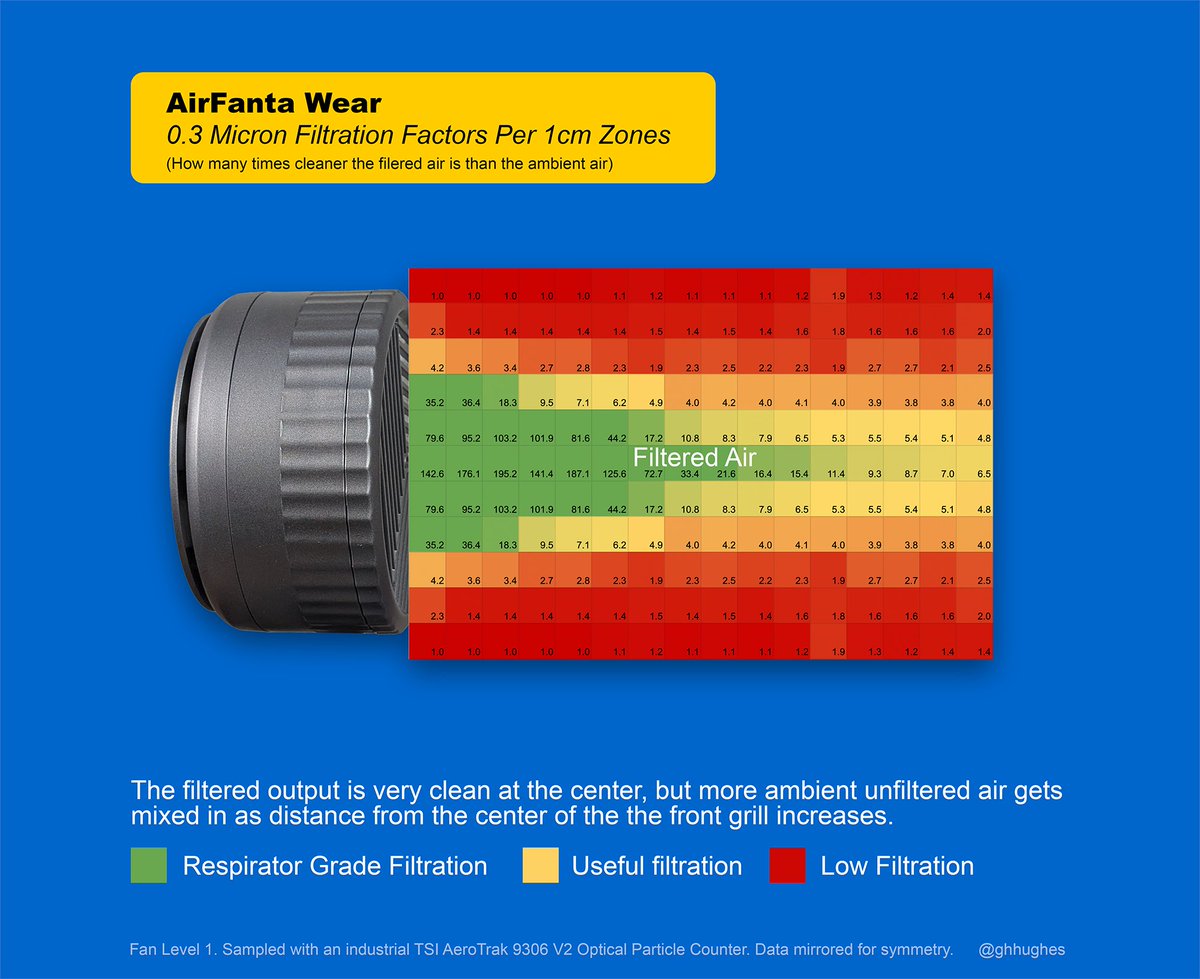
I tested and mapped the 0.3 micron filtration at 90 different distances, in 1 cm increments with an AeroTrak optical particle counter. I tested both fan speeds. Fan speed 1 worked best and is shown here.
The Wear is very effective if you are very close to it and on center, which is possible to do because it is positionable. But it is very directional, so much so that you may need to decide whether to point it at your nose or mouth, because that small distance between the two matters.
The Wear is a potentially useful tool that can give significant protection if it is well positioned and you are careful to keep your head in the right position when breathing. This can be a challenge because the Wear is body worn, not head-worn, and does not move with your head to maintain the distance and orientation required for best protection.
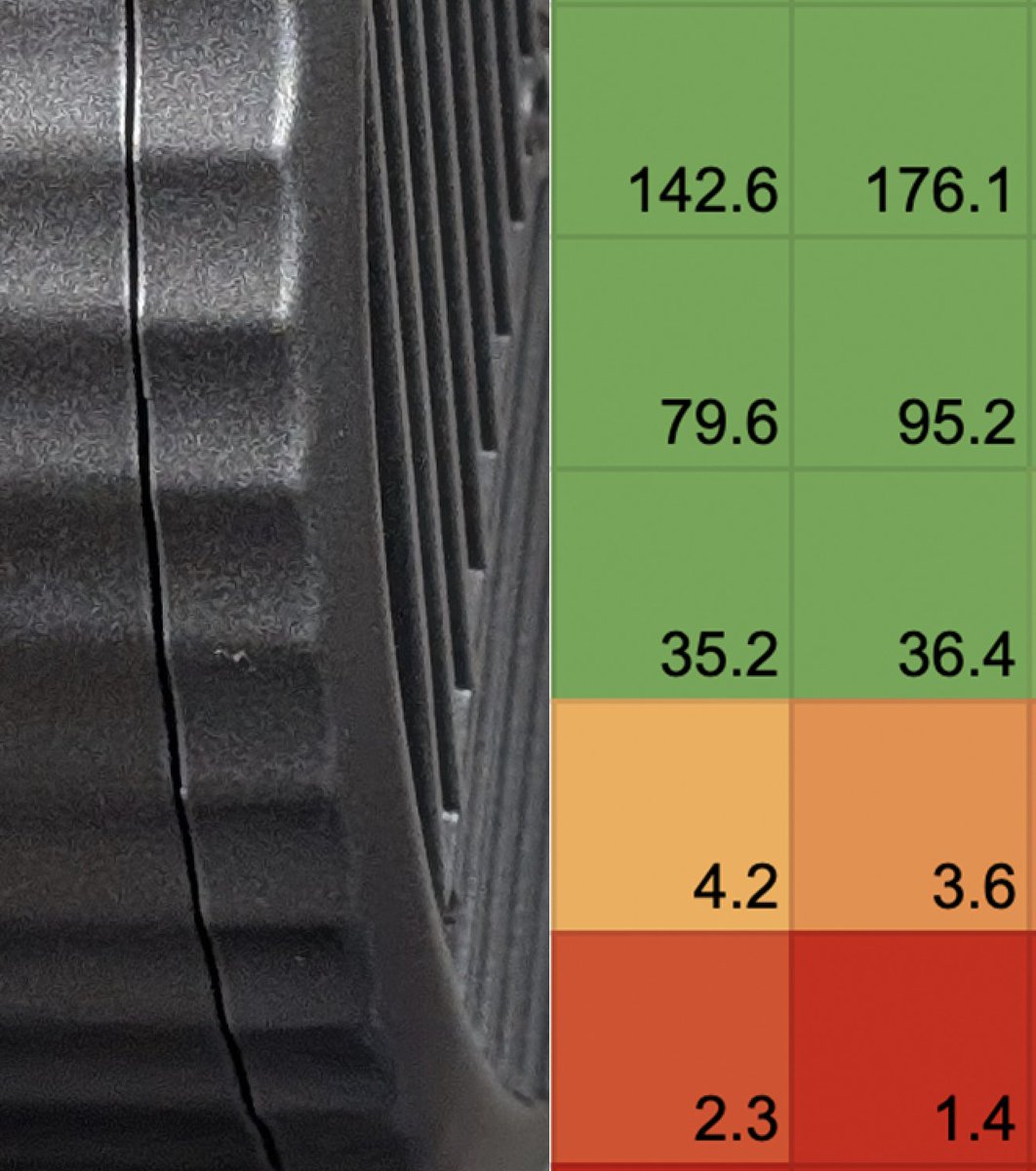
It has a 5cm diameter clean air zone at the face that gives respirator-grade protection but past that, 1cm can make the difference between 35x cleaner air and 4x cleaner air as turbulence mixes the filtered air at the edges of the purifier's air stream with unfiltered ambient air.
How much filtration you need is a bit subjective depending on your application. If you want to reduce allergy symptoms, any amount may be useful, with more being even better. And using the Wear in situations where you previously weren't going to take any precautions is all upside.
But you need to be careful about risk compensation, which is when you take on more risk than is warranted by the protection you are getting. Such as deciding to not use the N95 you were going to wear to visit a relative sick with flu other airborne disease and use the Wear instead. The Wear isn't meant to be a 1:1 substitute for respirator grade masks.
Another thing to consider is that N95s help you keep your own germs to yourself The Wear and other personal air purifiers do not. So if your goal is to also protect others from getting sick, then it's better to use an N95 or other high quality source control respirator.
I'll post the "as worn" PortaCount N95 mode testing and more details soon, with tests of the Wear in different orientations and distances, including with head and body motion.
(h/t to @RolandSB13 for suggesting N95 mode PortaCount testing for the as worn tests that I'll be posting.)
I used a programmable camera slider to move the AeroTrak optical particle counter in repeatable 1cm increments, 15 for each of the 6 horizontal offsets. Samples were 30 seconds each. Fan off ambient samples were taken at the beginning and end of each distance test run.
Made possible by a grant by #Kanro.
All of my Kanro tagged content has my copyright dedicated to the public domain.
The copyright of content I quote or include by reference remains that of the original copyright owner.
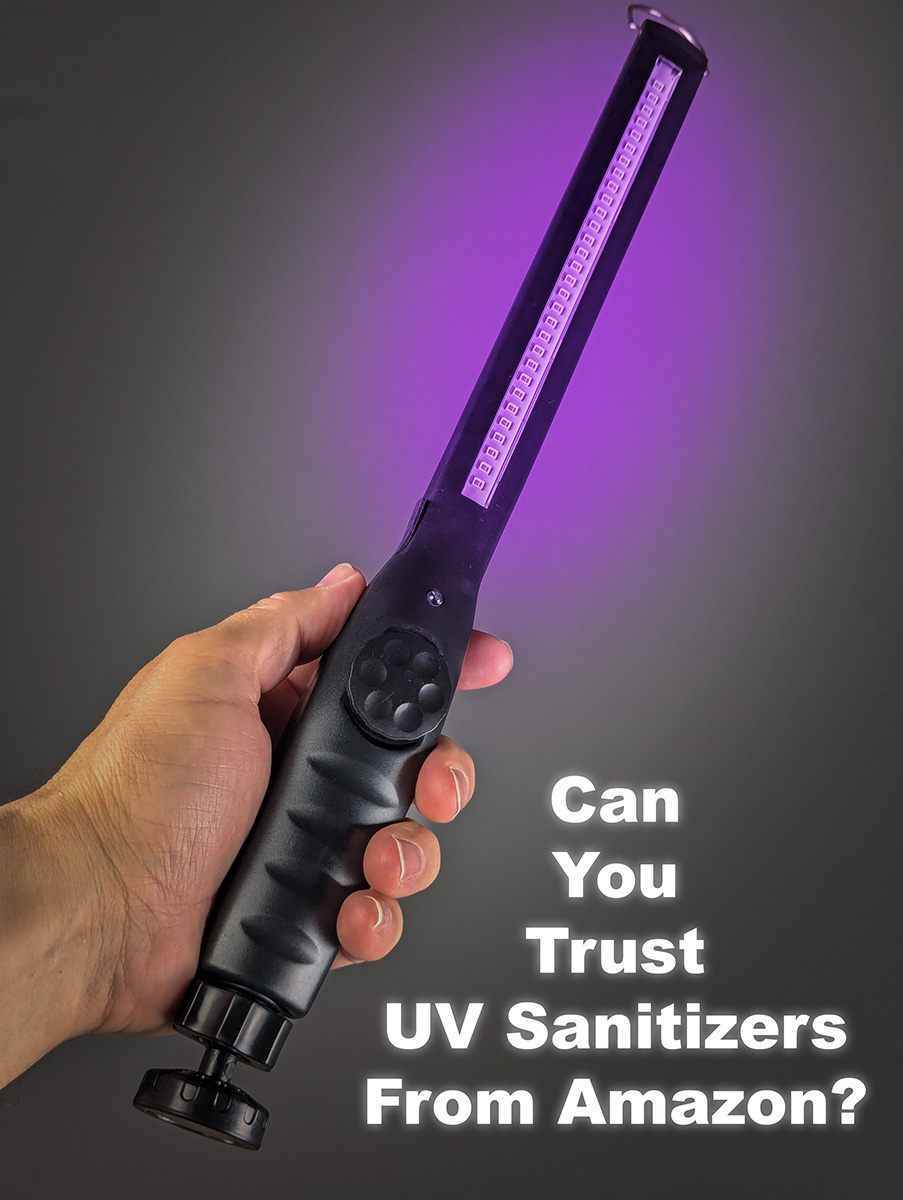
No. The answer is no. You can't trust UV sanitizers from Amazon.
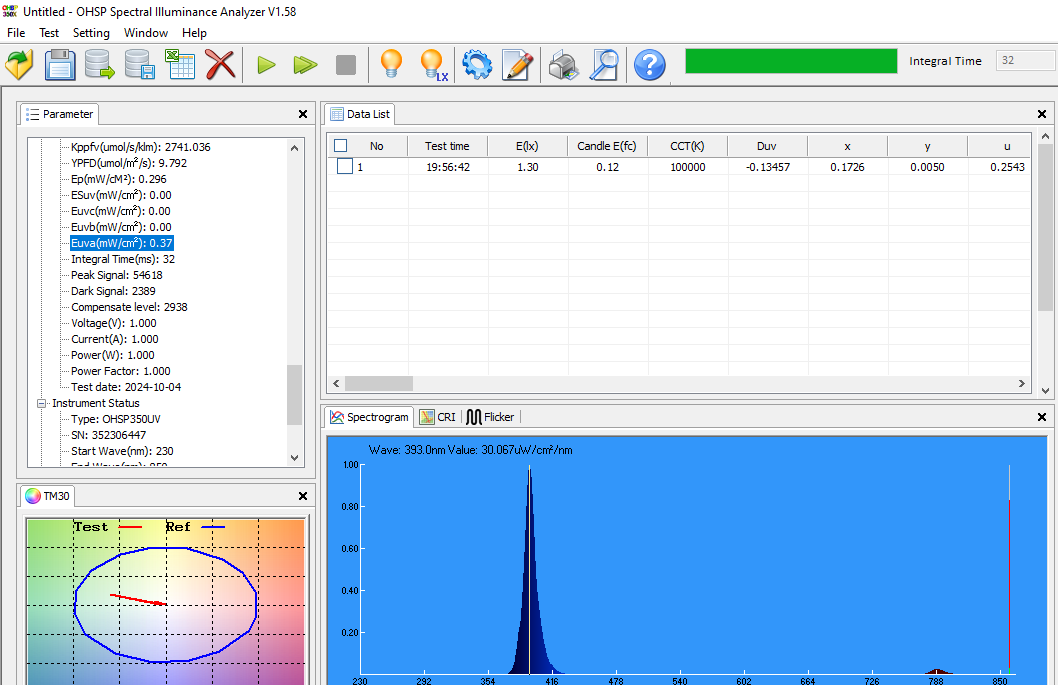
Amazon gave me this one to review. It's supposed to output sanitizing UV-C light, but only gives off UV-A, the kind you get in sunlight. Which may be a good thing because the FDA has warned that UV wands with un-guarded UV-C sources can expose you to unsafe levels of UV.
So, this wand doesn't sanitize, but if it did work and output UV-C you'd be exposed to unsafe levels of UV-C. Even the UV-A it does output out isn't good for you. The LEDs in the Photoshopped picture are turned off, but are pointing towards the camera, which would expose you directly to UV-A if you turned them on.
I should point out that there are legit UV sanitizers on Amazon.
But a consumer has no way to tell which UV sanitizers on Amazon are legit and which are fakes like the one I was sent. UV light is invisible and there is no way to tell visually if the device gives off the right kind of UV, or any UV, or if it is in the right quantity.
Heck, I tested the UV wand with an expensive meter, and still wasn't sure, so I got an even more expensive one and confirmed that this only gives off 393nm UV-A. The listing lied about having UV-C.
So, if you could be sure the wand really was UV-C, then would it be good? No. Because UV-C isn't instant. There is a needed dwell time to inactivate germs that depends on how bright the UV-C light is and on how far away the light is from the thing you are sanitizing. It might need several minutes or who knows how long to work, and that time also depends on which germs you need to protect against.
And, of course, you'd need UV protective gloves, clothing and face covering to protect yourself from exposure to the UV light which is not good for your skin or eyes.
An enclosed UV sanitizer is safer in terms of keeping you from being exposed to UV light, but still subject to being fake from Amazon.
Various wavelengths of UV can have powerful and varied effects, but they are invisible and work invisibly on invisible germs, so you really, really need to trust the company that makes a UV device to be selling you the real thing, and to be giving you the right directions on how to use it effectively.
Currently there is no certification I know of for consumer UV sanitizers that would tell you if a device is trustworthy or not.
Here is the FDA warning about UV devices, which will hopefully remain posted...
I checked the nosewire properties, headband tension, static charge, and fit and filtration.
Video link in the next comment
Spoiler: the expiration date sticker was missing from my case, which could be accidental, or it could be deliberate tampering to hide the expiration date to help sell expired, or near expired masks.
The Lot Code for the Auras I got is A 20 3537. So they were made in 2020, which is likely the reason for the steep discount, and possibly the reason for the missing expiration date sticker.
N95s can still work for years after their expiration date. The filter media holds up well in decent storage conditions. The headbands may degrade before the filter media does.
NIOSH has done stockpile studies to see how well N95s stored for years perform.
Sellers vary on Amazon listings, so the masks you get if you order a case of 440 may be the same or different than the ones I got. The provenance could vary even with cases from the same seller.
First things first: If you need to be sure your 3M masks are legit buy from a 3M Authorized Distributor, such as RS Hughes (no relation). There have been some counterfeits on US Amazon in the past, and some still show up on Amazon in the EU.
Now that being said, here is the video where I find out if the super cheap Auras from Amazon perform like Auras should:
Only 3M can say for sure if a mask is genuine or not. Only they know what manufacturing variations they have. What I can do is test whether a mask has the same performance as the same model I have from other sources. If the performance is the same, then I don't really care whether or not the mask is "genuine" or not because I buy masks for their performance. Though it is possible that a high performance fake could be made of materials that aren't as safe as a genuine mask.
My hypothesis is that counterfeiters won't bother to copy the quality and performance of the 3M nosewires. 3M nose wires are the best in the industry, but even legit competitors don't go to the expense of copying their quality and performance. So it seems likely that counterfeiters wouldn't either, even as they may copy the outward appearance of masks convincingly.
So, how were the nose wires? Similar in dimensions, springback and stiffness to other Auras I have on hand, and to ones I have tested in the past.
Finally! Nice looking black tri-fold respirator masks that perform as well as 3M Auras, the Project 3 Trident FFP3s.
I tested the regular size and the regular size with extended strap length with a quick PortaCount test to see how well they fit and filter, and they scored higher than a 3M Aura 9205+.
I also checked out the strap tension to see how they differ from the 3M tri-fold masks. Turns out there is *a lot* more strap tension, even the "extended" straps version.
The straps are longer at rest than a 3M Aura, so it might seem like they would be looser, but the strap material is much thicker. And I found them to be a bit tighter than I'd like.
These black tri-folds are a collaboration between The Face Mask Store in the UK and Trident Safety in Australia to make nice looking black versions of Trident's existing masks. They are certified as FFP3 respirators, the EU's highest standard for filtering facepiece respirators, a standard that is more protective than the US N95 standard.
The Project 3 masks come in extra small, small, regular, regular extended straps and XXL. When in stock, The Face Mask Store offers a sample pack with 1 of each size.
I measured the upper and lower strap tension with a force gauge at the same length they extend when worn on my head, which for me is 18 inches for the top strap and 14 inches for the bottom strap. I let the tension settle and took readings after 30 seconds of extension.
You can see that both the regular and extended strap Project 3 masks have significantly more tension than a brand new 3M Aura.
The Project 3 straps are thicker, 0.5 mm vs. the 3M Aura 9205+'s 0.3mm. This could mean that the Project 3 straps will be less prone to stretching out and losing tension over time like Aura 9205+ straps tend to, but I've not yet done longer term testing.
What I can say is that the 1 kilogram's worth of tension from the regular Project 3 head strap is more than I find comfortable, and the extended version is pretty tight, too.
222nm UV light, "Far UV", is a wavelength of invisible light that can sanitize air while being safe around people.
One company tried to monopolize the use of this frequency of light to sanitize air, in the middle of the pandemic. That company is Sterilray (aka "HEO3").
Sterilray had a patent for the use of 222nm UV light with other frequencies to sanitize air, and they broadly interpreted that idea in their own favor, filing lawsuits against multiple companies during the pandemic.
In 2022 they sued competitor Far UV Technologies for making and selling a competing product.
Before suing they not only demanded licensing fees from Far UV Technologies, but also from everyone who had bought lights from them.
Yeah, that's a thing. A patent holder can demand licensing fees and also sue *end users*, not just manufacturers, for patent infringement. That includes not only hospitals and venues who bought competing Far UV lights, but also the general public who bought them to be safer from airborne infection.
The pandemic was ongoing, and Sterilray decided there was money to be made by killing the development and use of Far UV by anyone other than Sterilray and their customers or paid licensees.
The thing is, their patent claims were BS. They claimed a legal monopoly on things they had no right to.
After Sterilray started suing over their patent, 4 UV companies collaborated and financed a challenge to the 8,975,605 B2 patent.
In October of 2023, the Patent Trial and Appeal Board found *all* of the challenged patent claims to be unpatentable and invalidated them.
Thanks to that win over Sterilray's specious patent claims, individuals, companies, and open source projects can design, innovate, manufacture and sell Far UV products without facing financially ruinous licensing terms or lawsuits from Sterilray.
Because there is no "non profit" or "open source" exemption to US patents, if Sterilray had won the patent challenge I'd expect even open source projects like @TheOSLUVProject would be dead in the water. It seems unlikely Sterilray would allow open sourcing of their patent after paying all that money to sue competitors over it. And even if they did agree, patent grant issues can complicate or ruin open source projects.
The over broad patent claims of Sterilray were antithetical to the public interest, and to open source development.
The Patent Trial and Appeal Board ruling against Sterilray's claims is a victory for the public in general, and public health specifically
You can read more at the Quantadose website.
Quantadose received correspondence from Sterilray implying they'd be sued if they didn't enter into an agreement to purchase 222nm lamps and power sources from Sterilray.