Don Lemon and Georgia Fort have been released.
But the procedural history now emerging is unusual. Before the arrests, a federal magistrate judge found no probable cause to arrest them. The government appealed anyway.
Here’s why that matters—and what it signals more broadly.
But the procedural history now emerging is unusual. Before the arrests, a federal magistrate judge found no probable cause to arrest them. The government appealed anyway.
Here’s why that matters—and what it signals more broadly.
They’re charged under the Freedom of Access to Clinic Entrances Act. Written to protect abortion clinics, it also covers places of worship.
The government says the law applies because the protest took place at Cities Church in St. Paul.
The government says the law applies because the protest took place at Cities Church in St. Paul.
The church's pastor, David Easterwood, is Field Office Director for ICE—one of the highest-ranking deportation officials in the Midwest.
Protesters were there to expose what they saw as an official using religious privacy as cover. Reporters were there to document it.
Protesters were there to expose what they saw as an official using religious privacy as cover. Reporters were there to document it.
To acknowledge the government’s strongest argument: they entered private property during a service. When asked to leave, they kept filming. By staying, as protesters disrupted the service, they blurred the line between observer and participant—and created a legal opening.
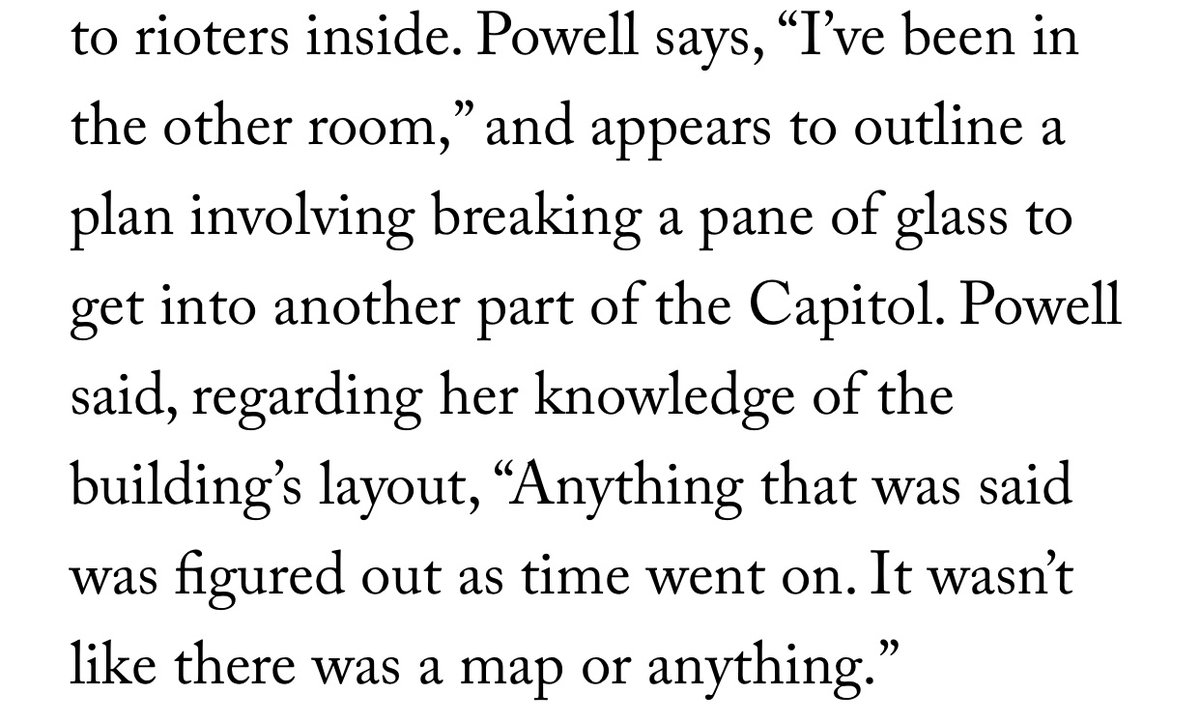
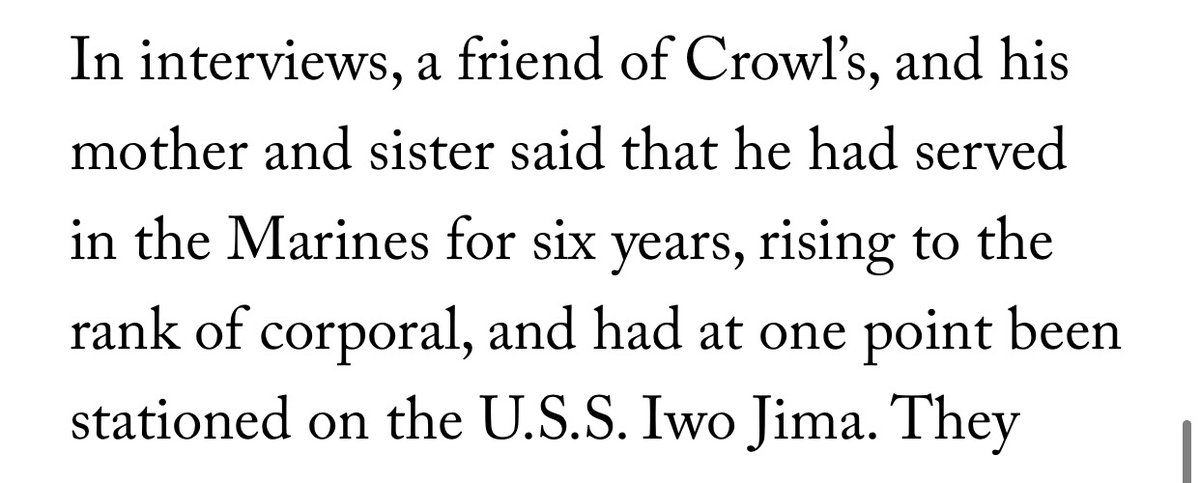
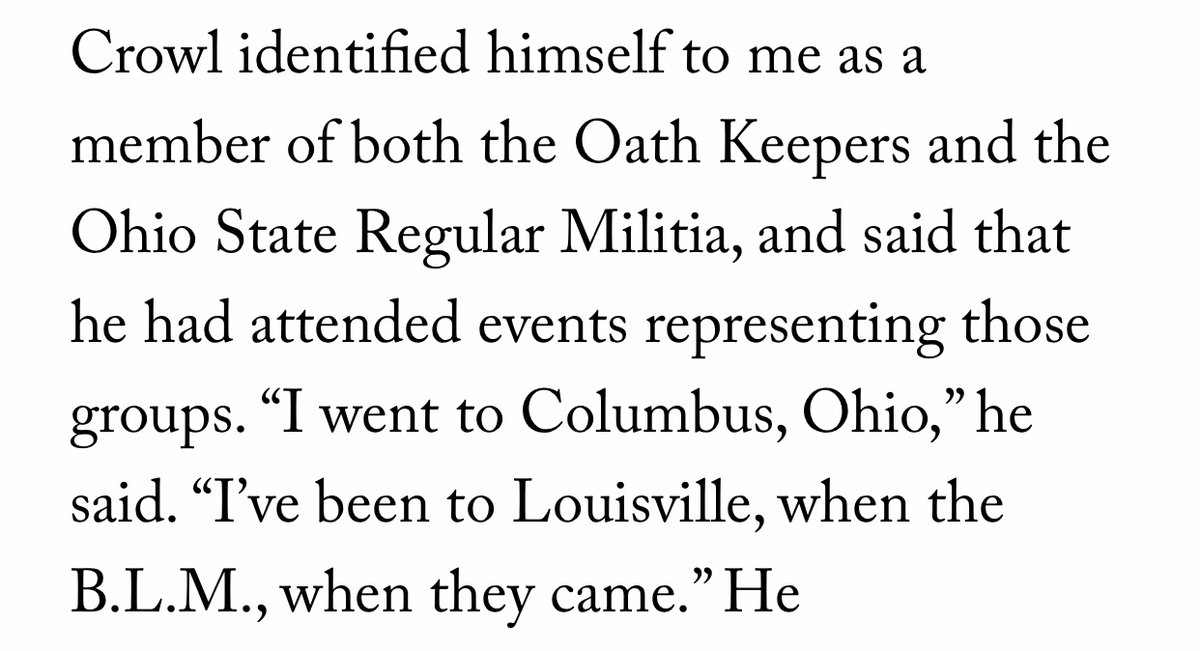
Similar reasoning has been used against journalists across the political spectrum—including in the Steve Baker case, where an independent reporter was charged based on his presence and filming during January 6. The principle should be applied consistently.
But here’s the key distinction in this case: a federal magistrate judge reviewed the video evidence last week and drew a sharp line. He approved arrest warrants for some activists—but rejected warrants for the reporters.
He found no probable cause they committed a federal crime.
He found no probable cause they committed a federal crime.
In a functioning system, that ends it. Instead, the DOJ appealed to a higher court to override the magistrate’s ruling and force the warrants through.
That procedural move—seeking arrests after a judge said the evidence didn’t support them—is the anomaly.
That procedural move—seeking arrests after a judge said the evidence didn’t support them—is the anomaly.
Prosecutors traditionally avoid criminalizing newsgathering unless there’s a compelling public danger.
Appealing past a judicial rejection to secure the arrest of reporters marks a shift in how the state approaches the press—regardless of ideology or the reporters involved.
Appealing past a judicial rejection to secure the arrest of reporters marks a shift in how the state approaches the press—regardless of ideology or the reporters involved.
And this isn’t happening in isolation.
It follows an FBI raid targeting Washington Post reporter Hannah Natanson, months of FCC threats over critical coverage, and Pentagon rules so restrictive that many reporters lost credentials.
It follows an FBI raid targeting Washington Post reporter Hannah Natanson, months of FCC threats over critical coverage, and Pentagon rules so restrictive that many reporters lost credentials.
History shows a pattern here.
When governments begin criminalizing the observation of dissent—using technical oversteps as justification—it’s often a warning sign. We’ve seen similar patterns precede press crackdowns in countries like Turkey, Russia,
When governments begin criminalizing the observation of dissent—using technical oversteps as justification—it’s often a warning sign. We’ve seen similar patterns precede press crackdowns in countries like Turkey, Russia,
First, journalists who step one foot over the line are targeted. Then scrutiny fades—and power operates in the dark.
The real question isn’t “Did Don Lemon trespass?”
It’s: why is the government working this hard to handcuff reporters?
The real question isn’t “Did Don Lemon trespass?”
It’s: why is the government working this hard to handcuff reporters?
• • •
Missing some Tweet in this thread? You can try to
force a refresh