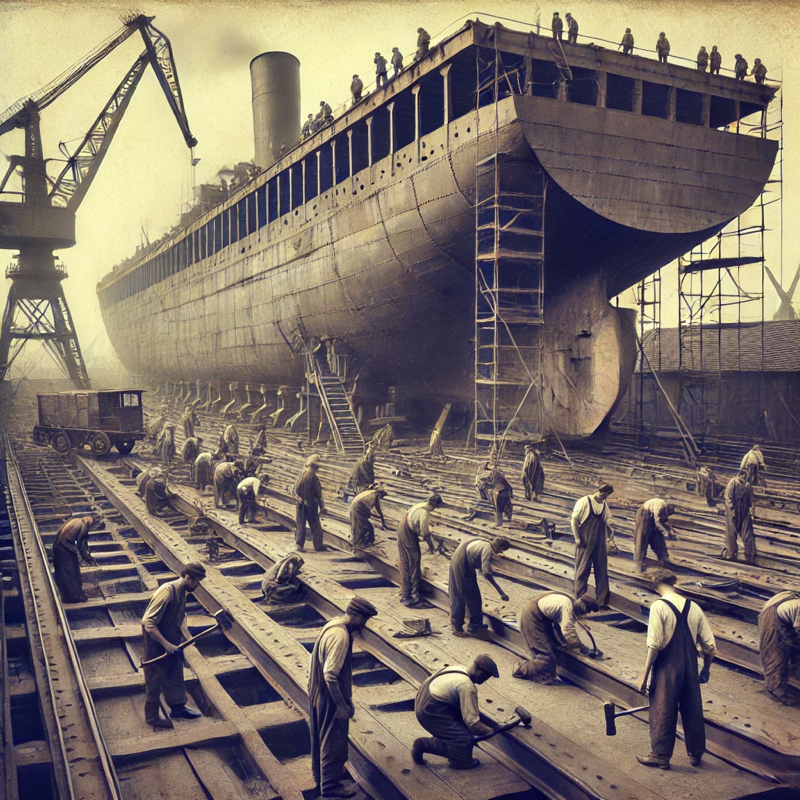
When you turn on a light in your house, turbines can feel it!
Normally, steam turns a turbine which produces electricity.
But the grid can also PUSH BACK on the turbine itself.
And this draws MORE power from the turbine, stabilizing the grid.
GRID INERTIA THREAD 🧵👇
Normally, steam turns a turbine which produces electricity.
But the grid can also PUSH BACK on the turbine itself.
And this draws MORE power from the turbine, stabilizing the grid.
GRID INERTIA THREAD 🧵👇
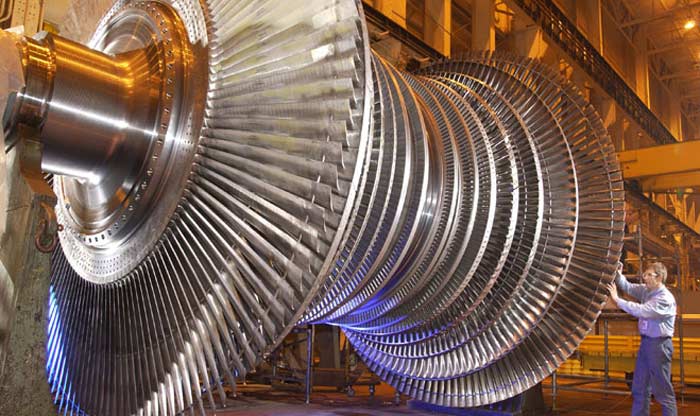
When you flip a switch, you're adding load to the grid.
That load has to be balanced instantly: supply must equal demand.
That load has to be balanced instantly: supply must equal demand.
Large generators (coal, gas, nuclear, hydro) use massive spinning turbines.
These have enormous rotational inertia; they store a lot of kinetic energy.
These have enormous rotational inertia; they store a lot of kinetic energy.
When demand increases, more current is drawn from the generator.
That current creates its own magnetic field, which opposes the turbine's rotation (thanks to Lenz's law).
In other words, the turbine feels a braking force from the grid!
That current creates its own magnetic field, which opposes the turbine's rotation (thanks to Lenz's law).
In other words, the turbine feels a braking force from the grid!
But the turbine doesn't stop instantly.
Its inertia means it slows down gradually, and as it does, that kinetic energy gets converted into electrical energy.
This helps meet the extra demand right away.
Its inertia means it slows down gradually, and as it does, that kinetic energy gets converted into electrical energy.
This helps meet the extra demand right away.
Grid frequency (60 Hz in the US, 50 Hz in Europe) is set by how fast the generators spin.
When turbines slow down under increased load, frequency drops. Every generator on the grid feels this simultaneously.
When turbines slow down under increased load, frequency drops. Every generator on the grid feels this simultaneously.
The spinning mass acts like a short-term battery, automatically releasing stored energy when demand spikes, buying time before frequency falls too far.
This is "grid inertia."
This is "grid inertia."
Meanwhile, the turbine's governor detects the slowdown and opens more steam/fuel to restore speed.
This happens within seconds, no computer required!
How?
This happens within seconds, no computer required!
How?
Spinning weights on the turbine shaft move outward when it speeds up, inward when it slows (centrifugal force).
Those weights connect to linkages that open or close the steam valve.
No sensors, no processors, just masses, springs, and levers. This tech is from the 1700s!
Those weights connect to linkages that open or close the steam valve.
No sensors, no processors, just masses, springs, and levers. This tech is from the 1700s!
So that's how grid inertia works.
More spinning mass on the grid = more stored energy = more buffer time to respond to sudden changes in demand.
More spinning mass on the grid = more stored energy = more buffer time to respond to sudden changes in demand.
Renewables like solar and wind don't naturally provide this.
Solar has no spinning parts. Wind turbines are often decoupled from the grid electronically.
Solar has no spinning parts. Wind turbines are often decoupled from the grid electronically.
This is one reason grid operators worry about retiring too many conventional plants too fast.
You lose this physical buffer.
You lose this physical buffer.
Solutions exist: synchronous condensers, grid-forming inverters, batteries programmed to mimic inertia.
But they add cost and complexity.
But they add cost and complexity.
So in closing, turbines might not be sexy, but they are one of the reasons the lights stay on when millions of people vary their load on the grid.
And it's cool to think: When you flick the switch at home, the turbines can *feel* it!
And it's cool to think: When you flick the switch at home, the turbines can *feel* it!
• • •
Missing some Tweet in this thread? You can try to
force a refresh