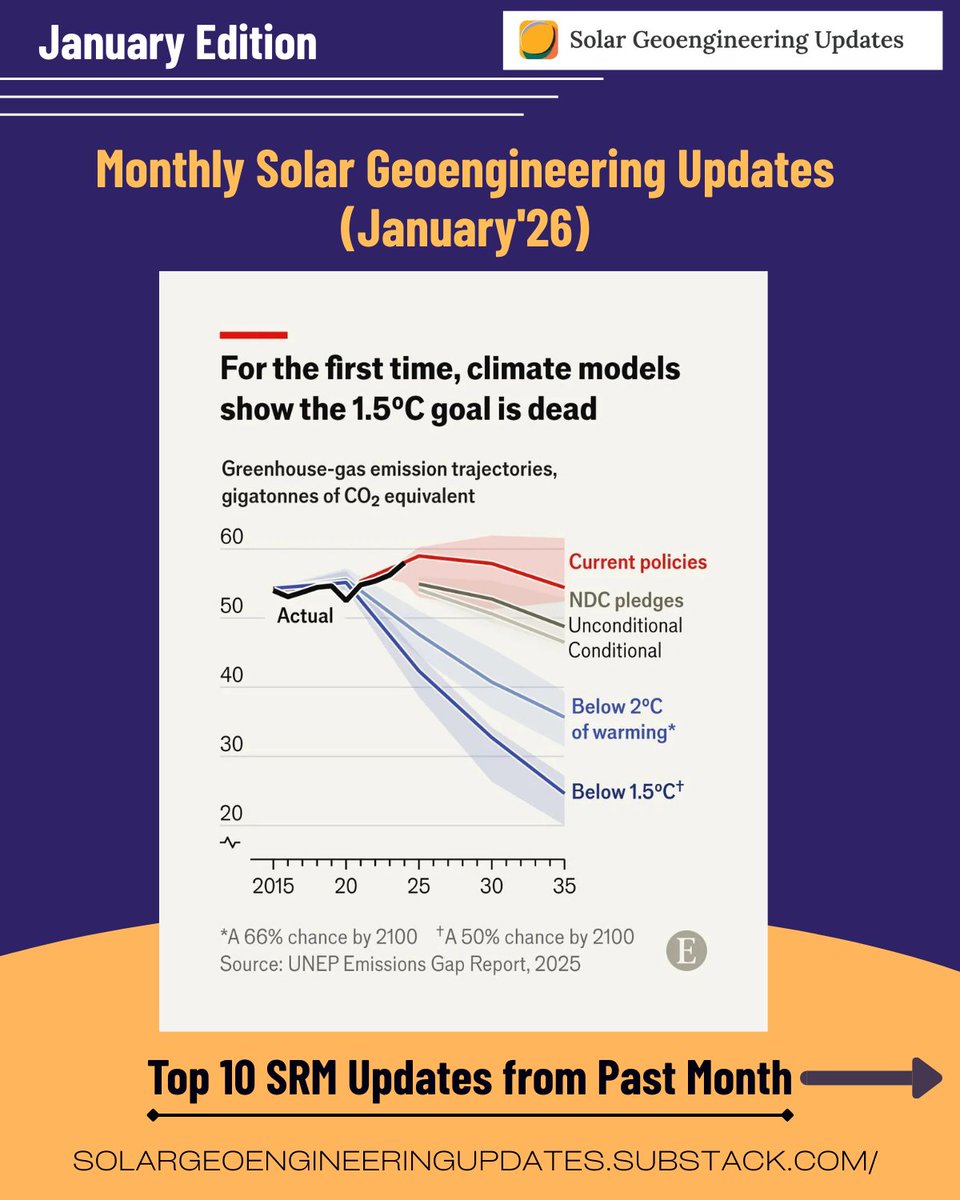
From U.S. withdrawal from global climate bodies & anti-geoengineering bills, to SAI uncertainty tool, Arctic field trials & funding calls, SRM stayed at the nexus of sci & geopolitics.
Top 10 SRM Highlights (Jan'26)๐งต1/11
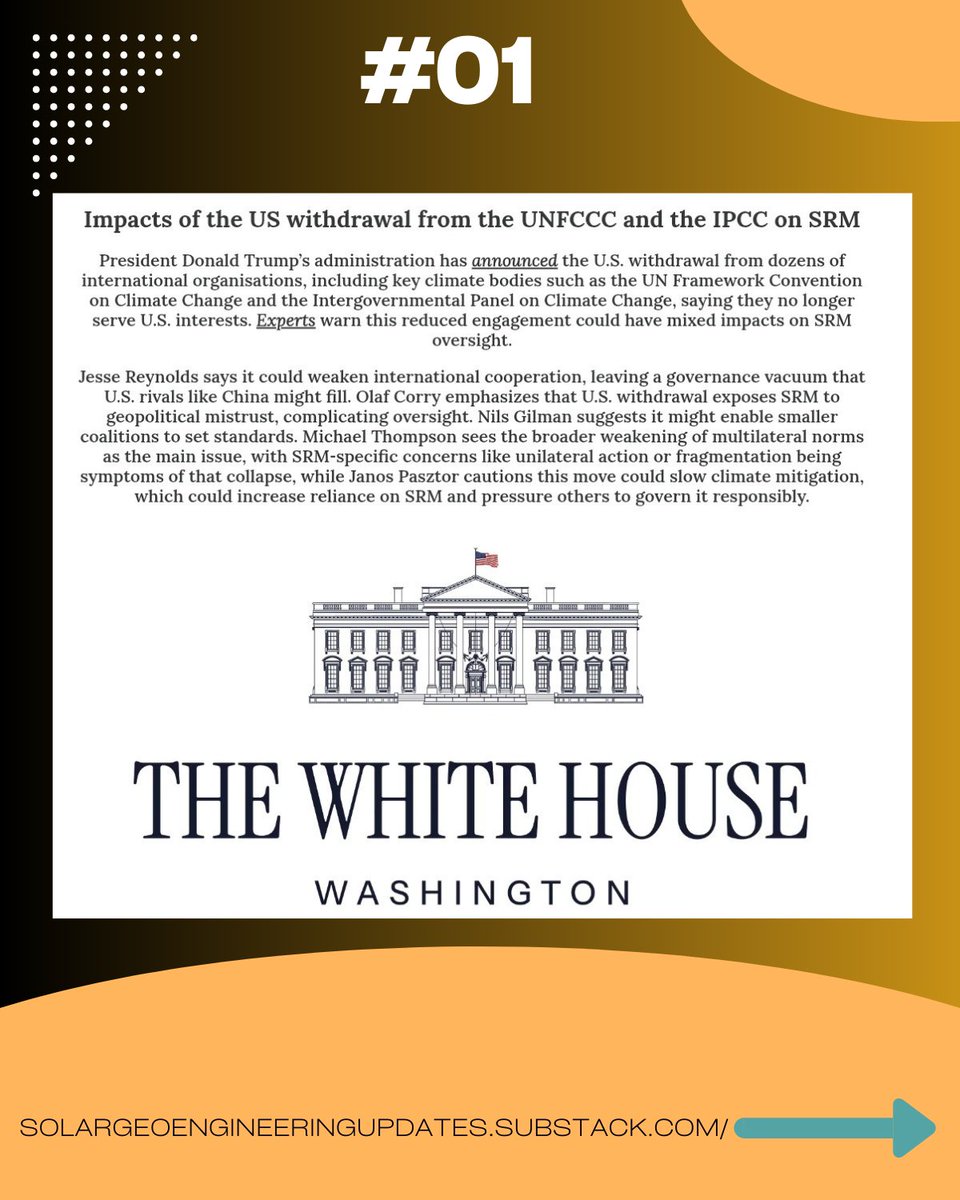
1๏ธโฃ ๐จ.๐ฆ. ๐ฒ๐ ๐ถ๐๐ ๐จ๐ก๐๐๐๐ & ๐๐ฃ๐๐ - Experts warn withdrawal could weaken SRM governance, deepen geopolitical mistrust, and accelerate fragmented or unilateral approaches.
2/11
2๏ธโฃ ๐๐ป๐๐ถ-๐ด๐ฒ๐ผ๐ฒ๐ป๐ด๐ถ๐ป๐ฒ๐ฒ๐ฟ๐ถ๐ป๐ด ๐ฏ๐ถ๐น๐น๐ ๐ถ๐ป ๐๐ต๐ฒ ๐จ.๐ฆ. - New Arizona and Iowa state proposals target geoengineering, despite limited evidence and no active SRM programs.
3/11
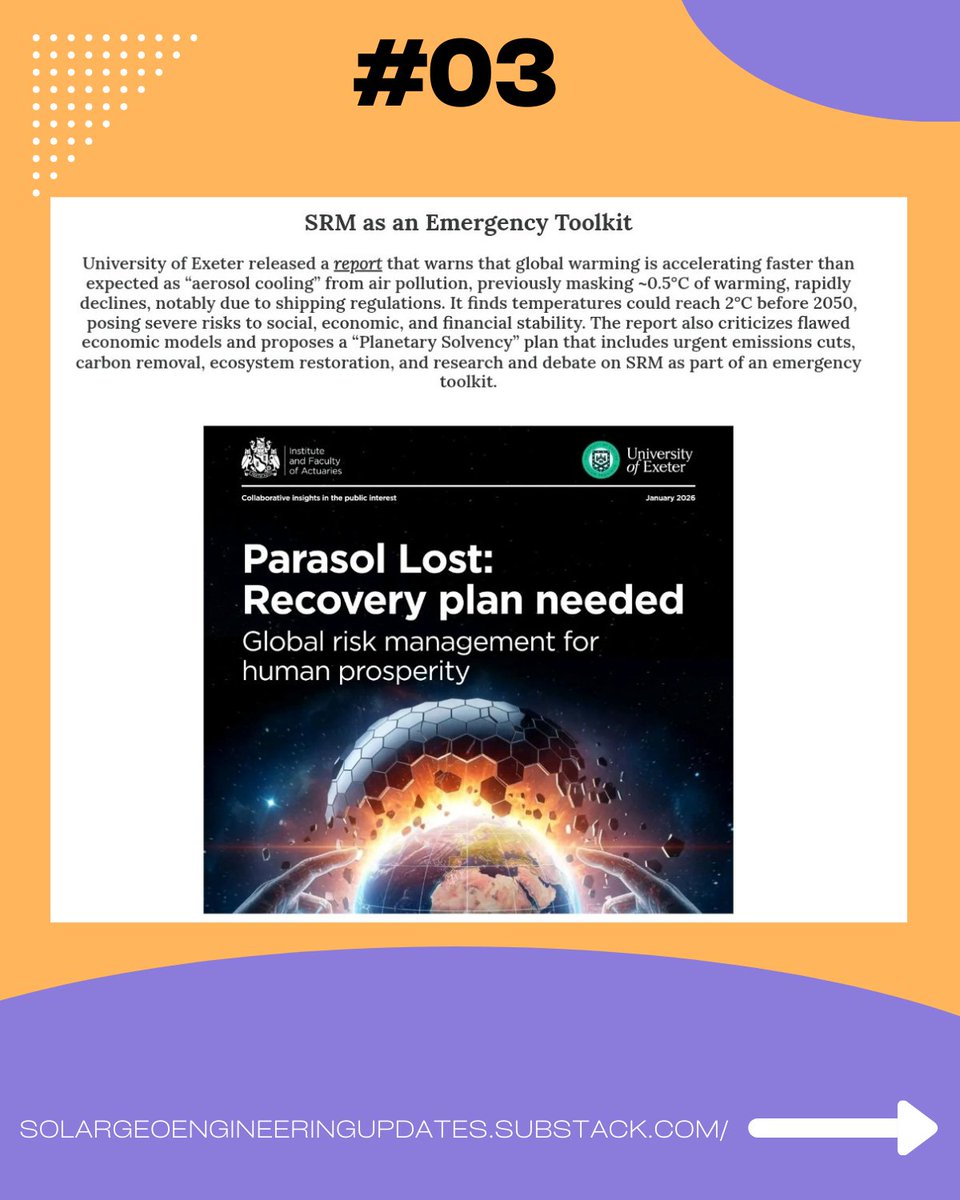
3๏ธโฃ ๐ฆ๐ฅ๐ ๐ฎ๐ ๐ฎ๐ป โ๐ฒ๐บ๐ฒ๐ฟ๐ด๐ฒ๐ป๐ฐ๐ ๐๐ผ๐ผ๐น๐ธ๐ถ๐โ - University of Exeter, Cornwall warns declining aerosol cooling may push warming to 2ยฐC pre-2050, calling for SRM research alongside mitigation and CDR.
4/11
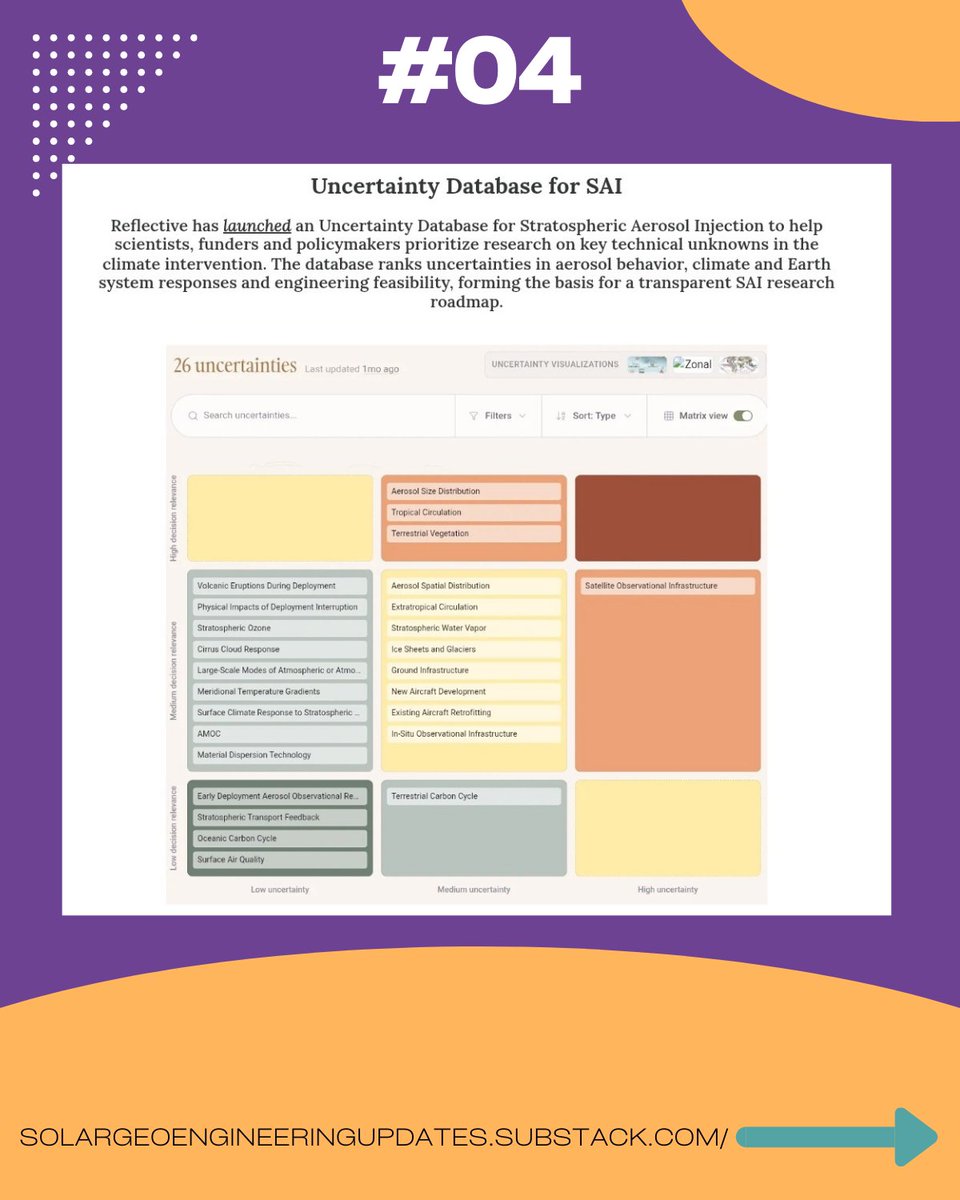
4๏ธโฃ ๐ฆ๐๐ ๐จ๐ป๐ฐ๐ฒ๐ฟ๐๐ฎ๐ถ๐ป๐๐ ๐๐ฎ๐๐ฎ๐ฏ๐ฎ๐๐ฒ ๐น๐ฎ๐๐ป๐ฐ๐ต๐ฒ๐ฑ - Reflective releases a ranked map of key unknowns in SAI to guide transparent research and funding priorities.
5/11
5๏ธโฃ @guardian ๐๐ฒ๐ฟ๐ถ๐ฒ๐ ๐๐ฝ๐ผ๐๐น๐ถ๐ด๐ต๐๐ ๐ฆ๐ฅ๐ ๐ฑ๐ฒ๐ฏ๐ฎ๐๐ฒ - Contributors argue against research bans, stress inclusive governance, and support cautious experimentation.
6/11
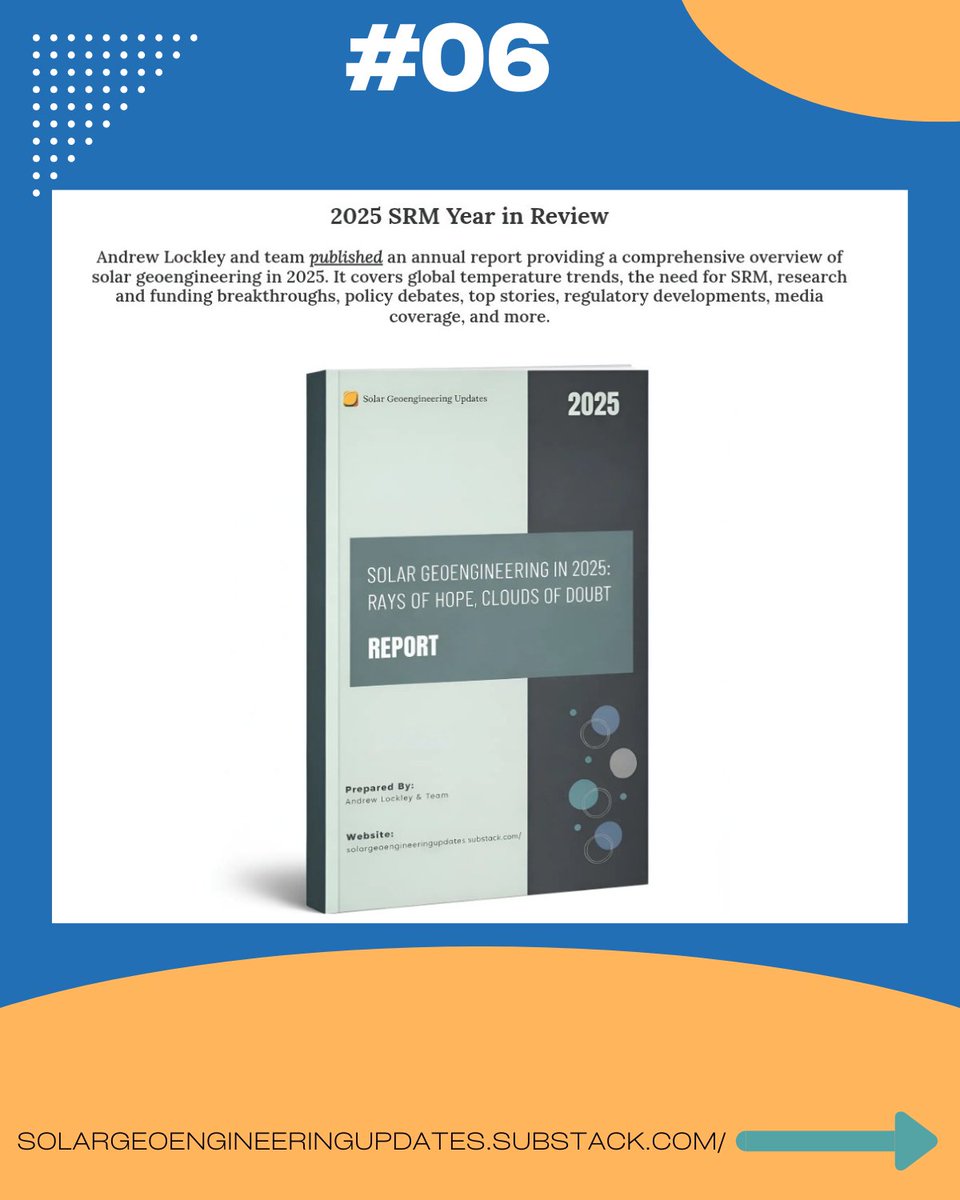
6๏ธโฃ ๐ฎ๐ฌ๐ฎ๐ฑ ๐ฆ๐ฅ๐ ๐ฌ๐ฒ๐ฎ๐ฟ ๐ถ๐ป ๐ฅ๐ฒ๐๐ถ๐ฒ๐ ๐ฝ๐๐ฏ๐น๐ถ๐๐ต๐ฒ๐ฑ - Andrew Lockley (@geoengineering1) and team release a comprehensive overview of SRM science, policy, media, and regulation.
7/11
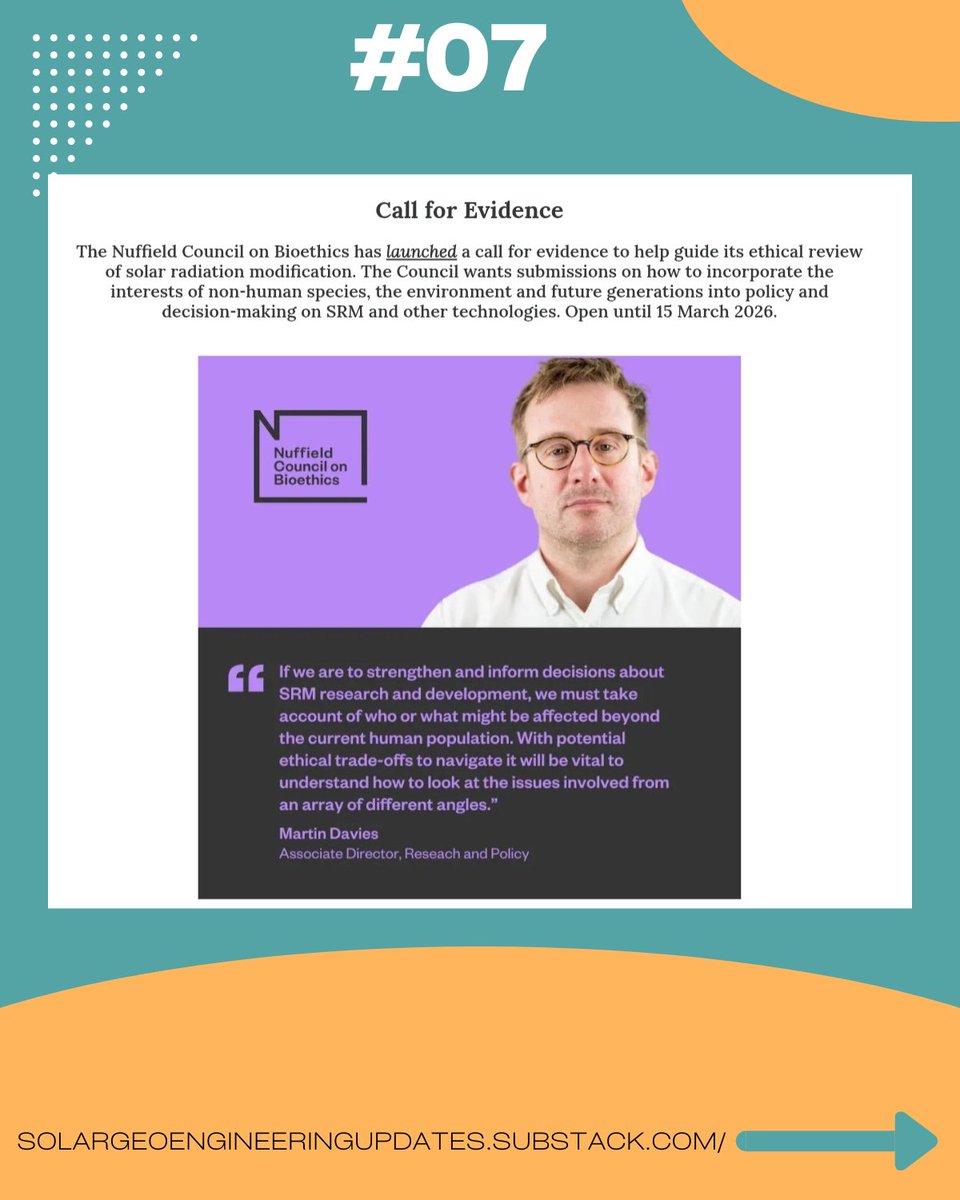
7๏ธโฃ ๐๐ฎ๐น๐น ๐ณ๐ผ๐ฟ ๐ฒ๐๐ถ๐ฑ๐ฒ๐ป๐ฐ๐ฒ - @Nuffbioethics invites input on how SRM governance should reflect future generations and non-human nature.
8/11
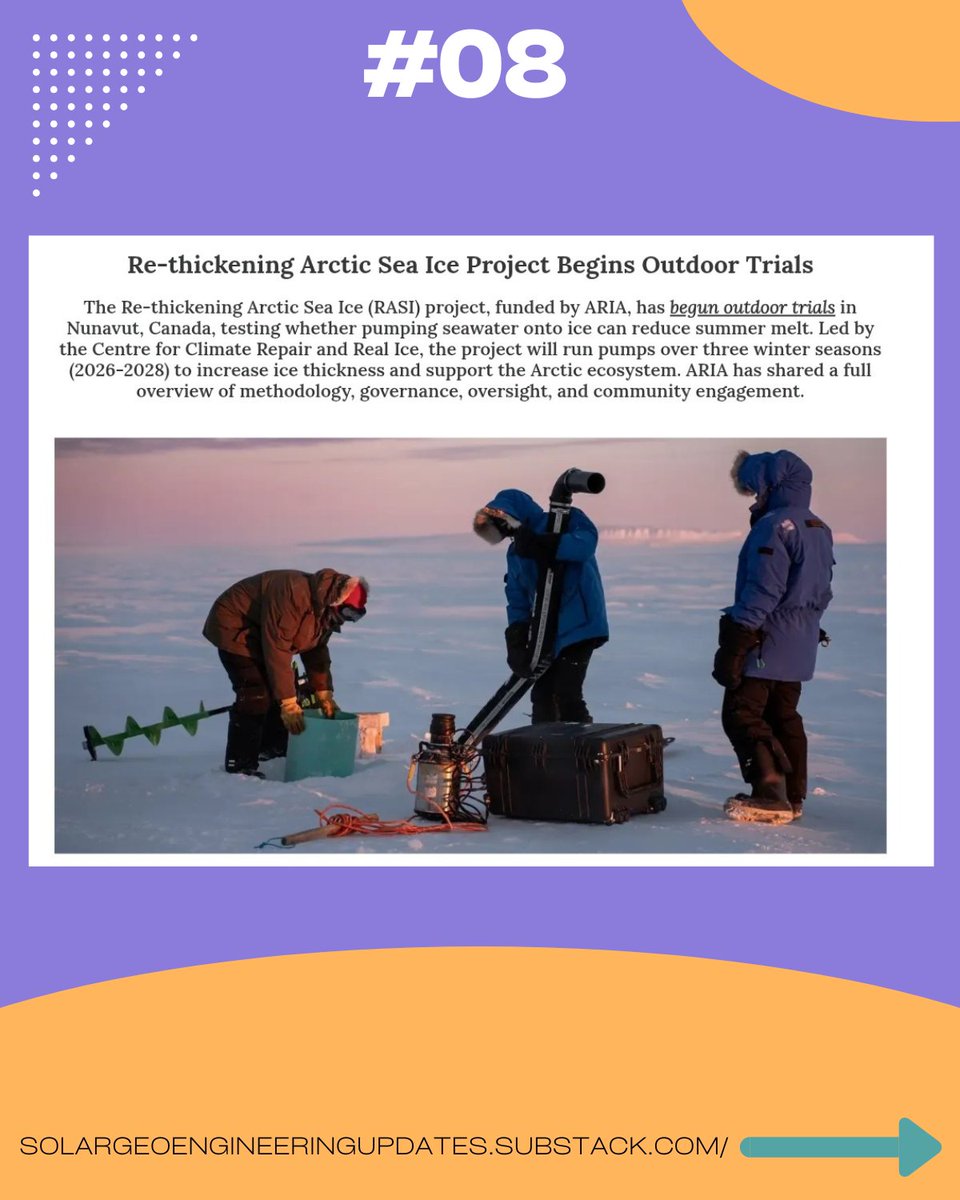
8๏ธโฃ ๐๐ฟ๐ฐ๐๐ถ๐ฐ ๐๐ฒ๐ฎ-๐ถ๐ฐ๐ฒ ๐๐ต๐ถ๐ฐ๐ธ๐ฒ๐ป๐ถ๐ป๐ด ๐๐ฟ๐ถ๐ฎ๐น๐ ๐ฏ๐ฒ๐ด๐ถ๐ป - Advanced Research + Invention Agency (@ARIA_research)-funded RASI project (by Centre for Climate Repair & Real Ice) starts outdoor tests in Nunavut with detailed governance and community oversight.
9/11
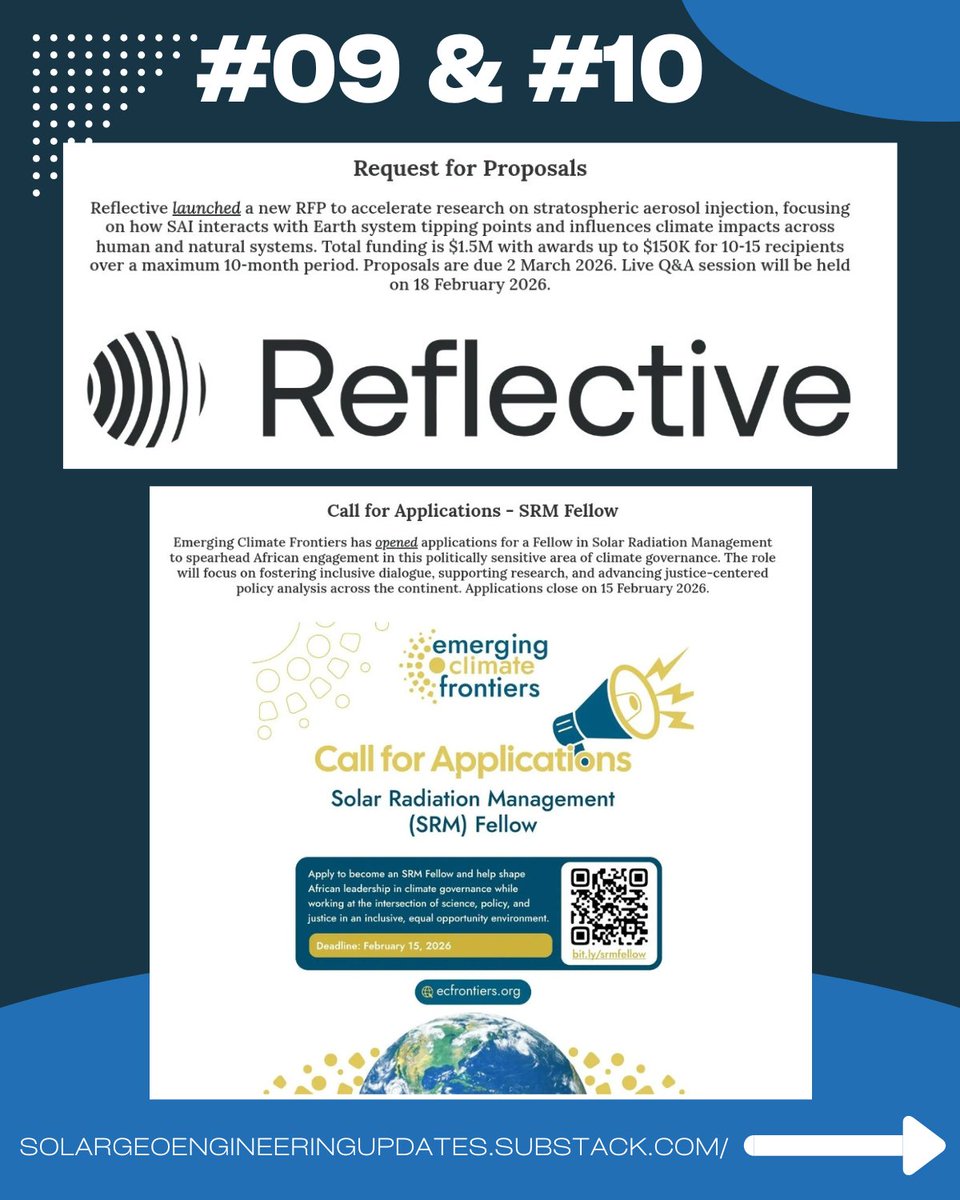
9๏ธโฃ๐ก๐ฒ๐ ๐ฆ๐๐ ๐ฟ๐ฒ๐๐ฒ๐ฎ๐ฟ๐ฐ๐ต ๐ณ๐๐ป๐ฑ๐ถ๐ป๐ด ๐ฐ๐ฎ๐น๐น - Reflective launches a $1.5M RFP on SAI & Earth-system tipping points
๐๐ฆ๐ฅ๐ ๐๐ฒ๐น๐น๐ผ๐ ๐ฟ๐ผ๐น๐ฒ ๐ฎ๐ป๐ป๐ผ๐๐ป๐ฐ๐ฒ๐ฑ - @ecfrontiers opens applications to lead Africa-focused, justice-centred SRM engagement & governance
๐จAmid chemtrail myths and climate confusion, we deliver credible SRM news you can trust. Subscribe to stay informed: โฆlargeoengineeringupdates.substack.com
๐งต11/11
"unroll" @threadreaderapp
โข โข โข
Missing some Tweet in this thread? You can try to
force a refresh

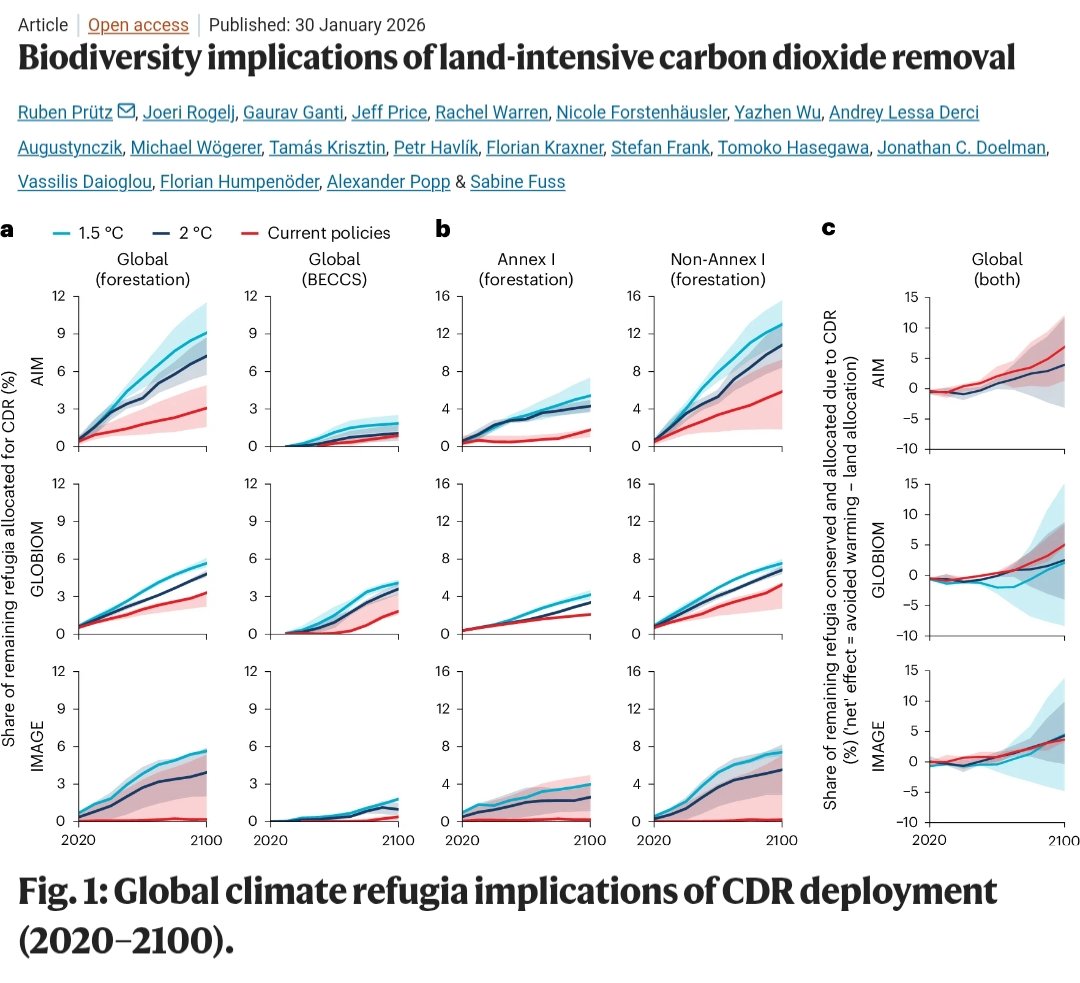
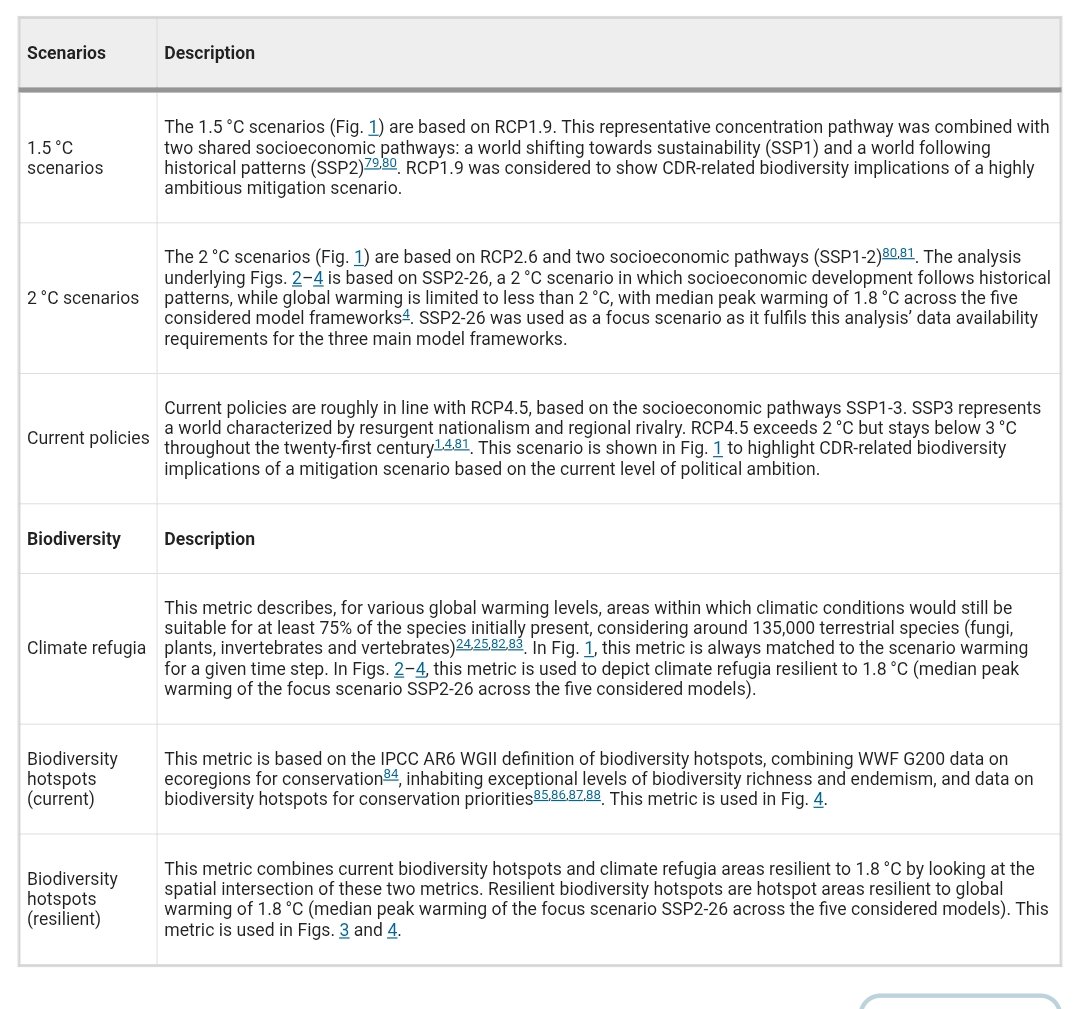
๐จClimate pathways to 1.5ยฐC increasingly depend on land-intensive carbon dioxide removal (#CDR) like forestation and BECCS.
But new research shows these climate solutions could place major pressure on #biodiversity if deployed without safeguards.
Details๐งต1/11
2/ Using five integrated assessment models, the study examines where large-scale CDR is projected to occur & and how often it overlaps with biodiversity hotspots and climate refugia, the places most critical for species survival.
3/ The analysis focuses on a moderate but realistic deployment level of 6 GtCOโ per year:
โข 3 GtCOโ/yr from forestation
โข 3 GtCOโ/yr from BECCS
Even at this level, land pressures are already significant.
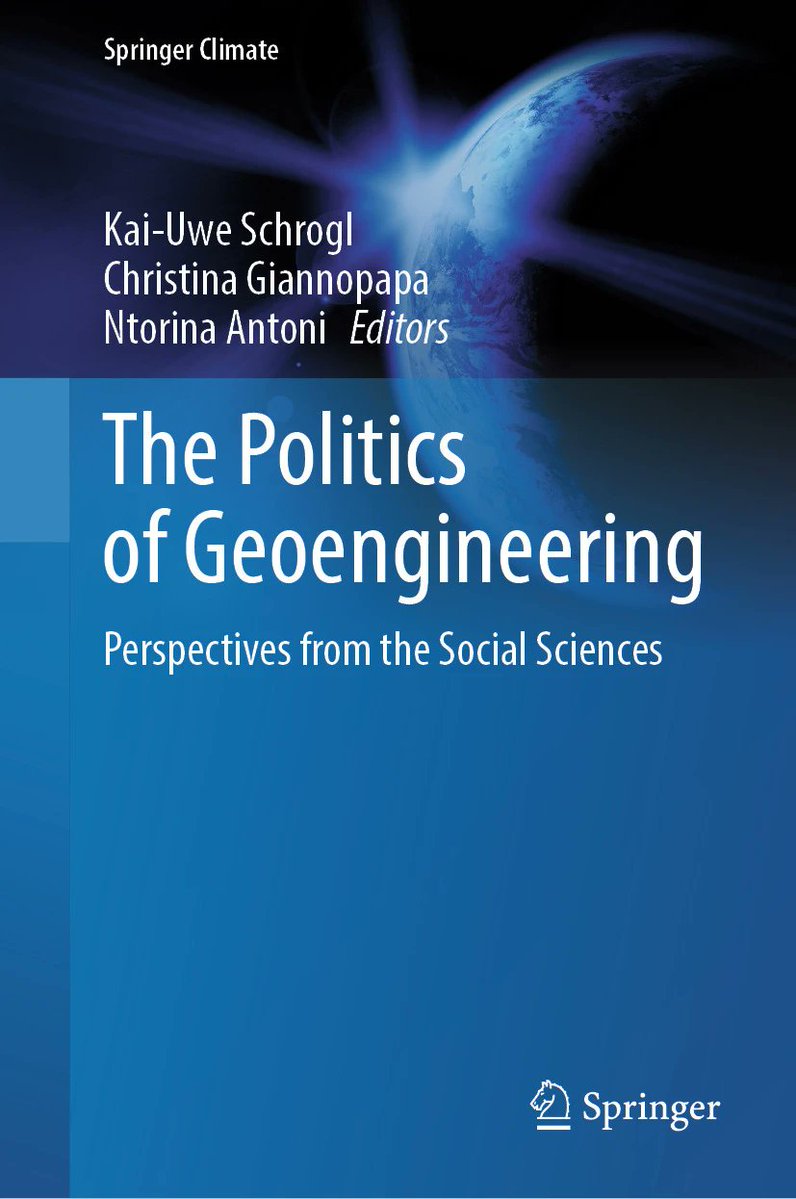
๐จThe Politics of Geoengineering (book) is out, offering 1st comprehensive social science view of #geoengineering.
It examines political, legal, economic & societal dimensions of CDR & SRM, from Africa to the Asia-Pacific, amid urgent governance & ethical debates
Chapters๐งต1/15
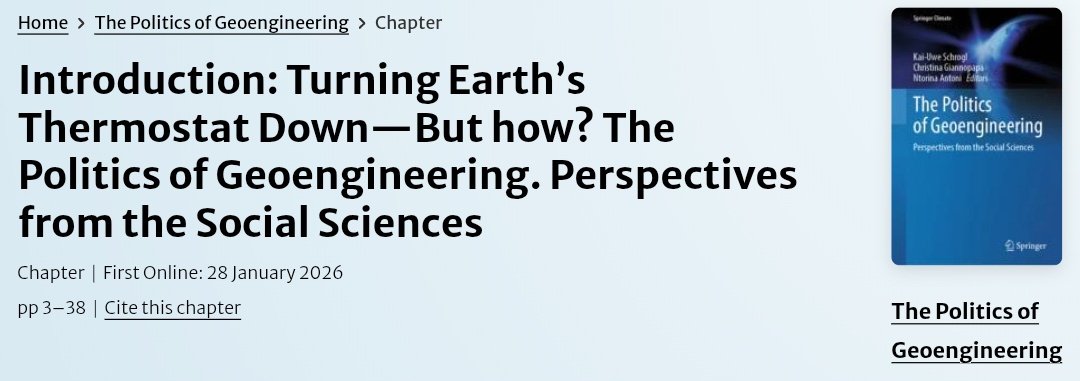
2/ Chapter 01: Geoengineering has shifted from theory to contested policy, with technology outpacing governance. The analysis highlights political, legal, economic, and justice dimensions and calls for urgent global oversight.
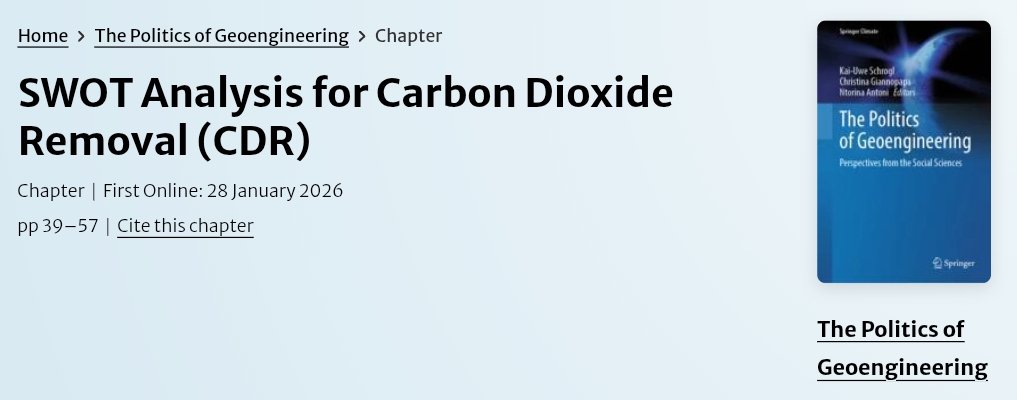
3/ Chapter 2 examines Carbon Dioxide Removal (CDR) as geoengineering, analyzing CO2 extraction, storage, and conversion, with SWOT insights on techniques and implications for sustainable climate action.
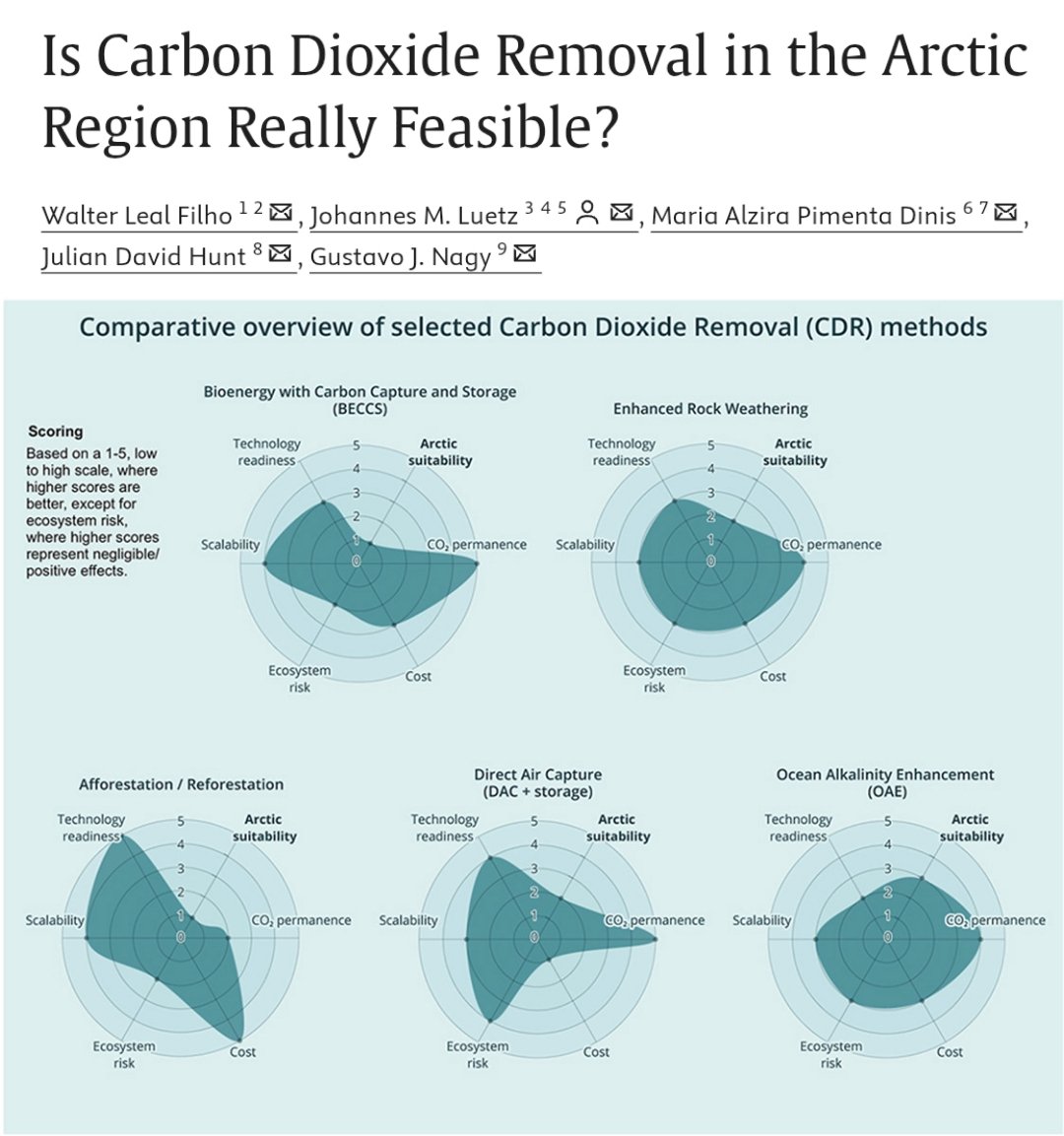
๐จIs carbon dioxide removal (#CDR) in the Arctic really feasible?
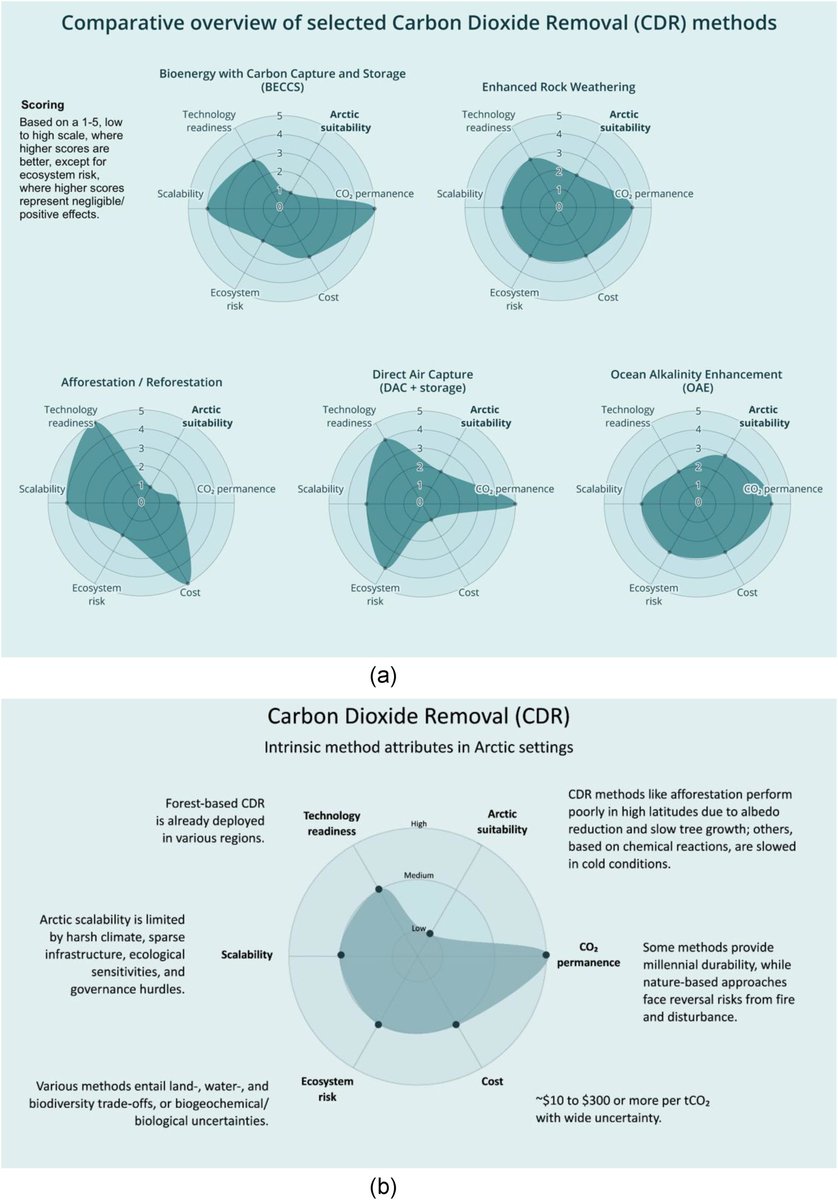
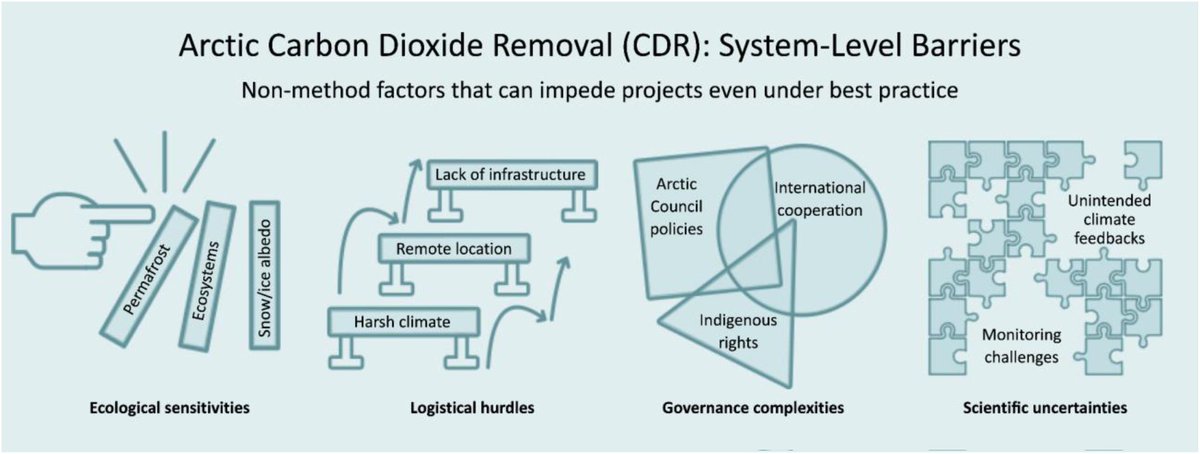
A new peer-reviewed study systematically assessed proposed Arctic CDR pathways and finds that feasibility is far more limited than often assumed.
DETAILS๐งต1/14
2/ As Arctic warms rapidly (4x) & attracts attention for climate interventions, can it host CDR at meaningful scale?
To answer this, authors conducted a comparative assessment of major CDR approaches proposed for Arctic regions, spanning both nature-based & engineered methods.
3/ The analysis draws on existing empirical studies, pilot projects, and modeling literature, evaluating each CDR pathway against biophysical constraints, technical readiness, environmental risks, and governance requirements.
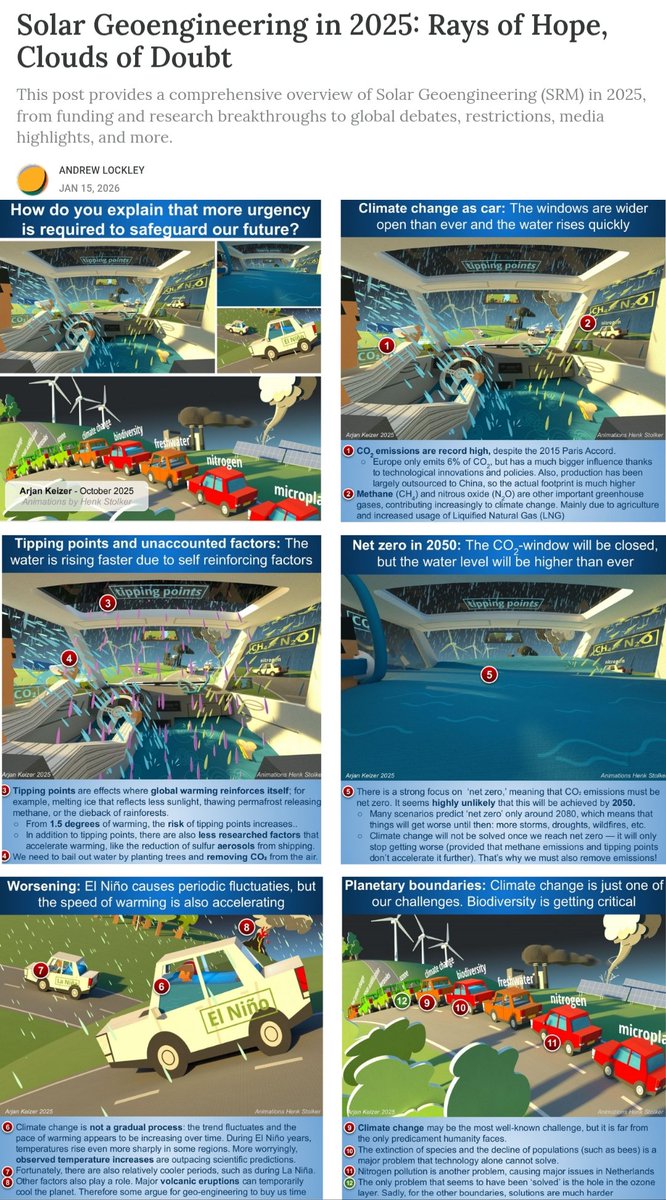
๐จ2025 Year in Review: Solar Geoengineering Edition๐จ
As we enter 2026, weโre excited to share our yearly summary for #SRM: "Solar Geoengineering in 2025: Rays of Hope, Clouds of Doubt."
Hereโs what we cover in this comprehensive review:๐งต1/11
2/ ๐๐ก๐๐ญโ๐ฌ ๐ข๐ง๐๐ฅ๐ฎ๐๐๐ ๐ข๐ง ๐จ๐ฎ๐ซ ๐๐๐5 ๐ซ๐๐ฏ๐ข๐๐ฐ?
1๏ธโฃ Rising Temp & Escalating Climate Impacts
2๏ธโฃSRM Funding Announcements
3๏ธโฃTop SRM Stories
4๏ธโฃRestrictions & Bans on SRM
5๏ธโฃEssential SRM Reads
6๏ธโฃSRM in Media
7๏ธโฃResearch Highlights
8๏ธโฃOur Work Across Geoengineering
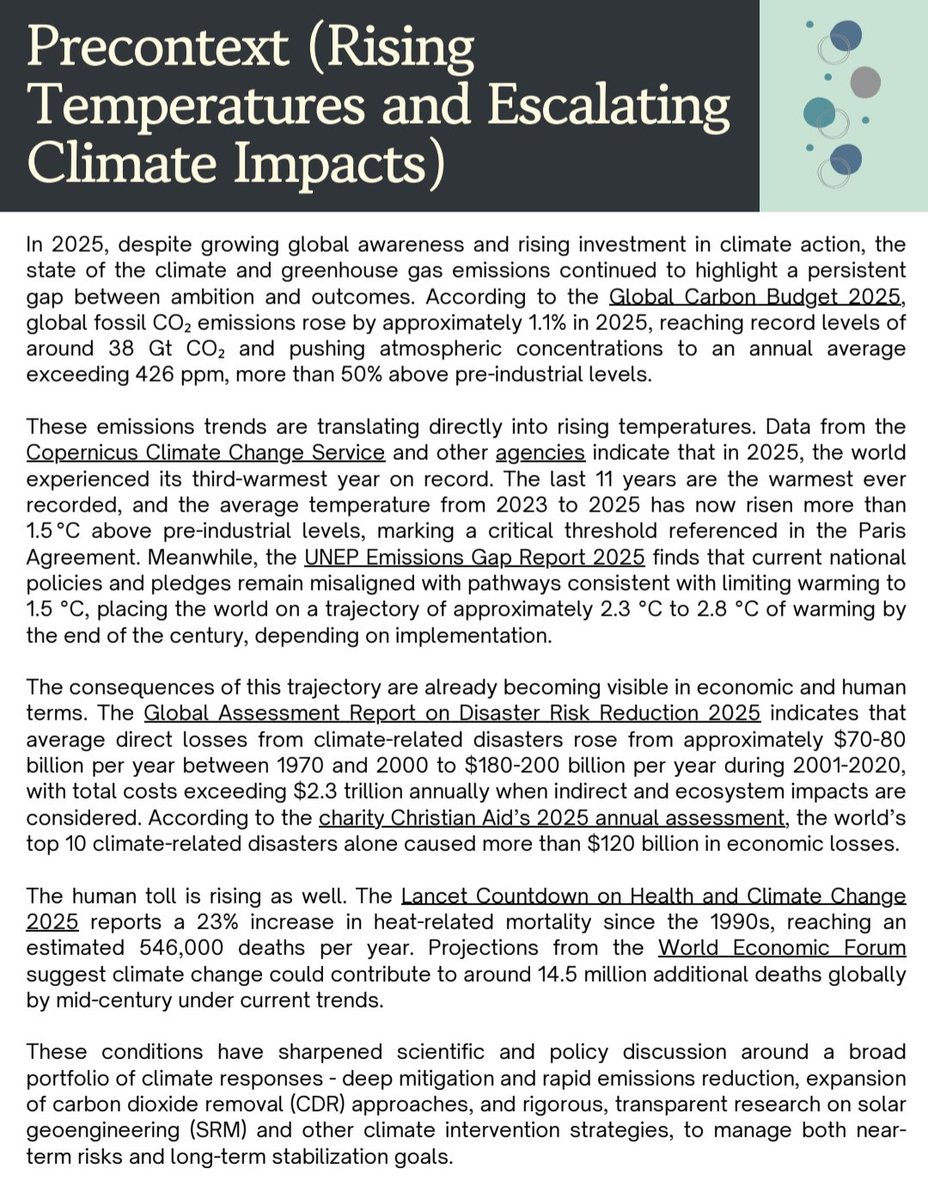
3/ 2025 was the third-warmest yr on record. @CopernicusEU shows the last 11 yrs were the warmest ever, with the global average temp in yrs 2023-25 exceeding 1.5 ยฐC. Top climate disasters caused $120B+ in losses, intensifying debates over mitigation, CDR & SRM.
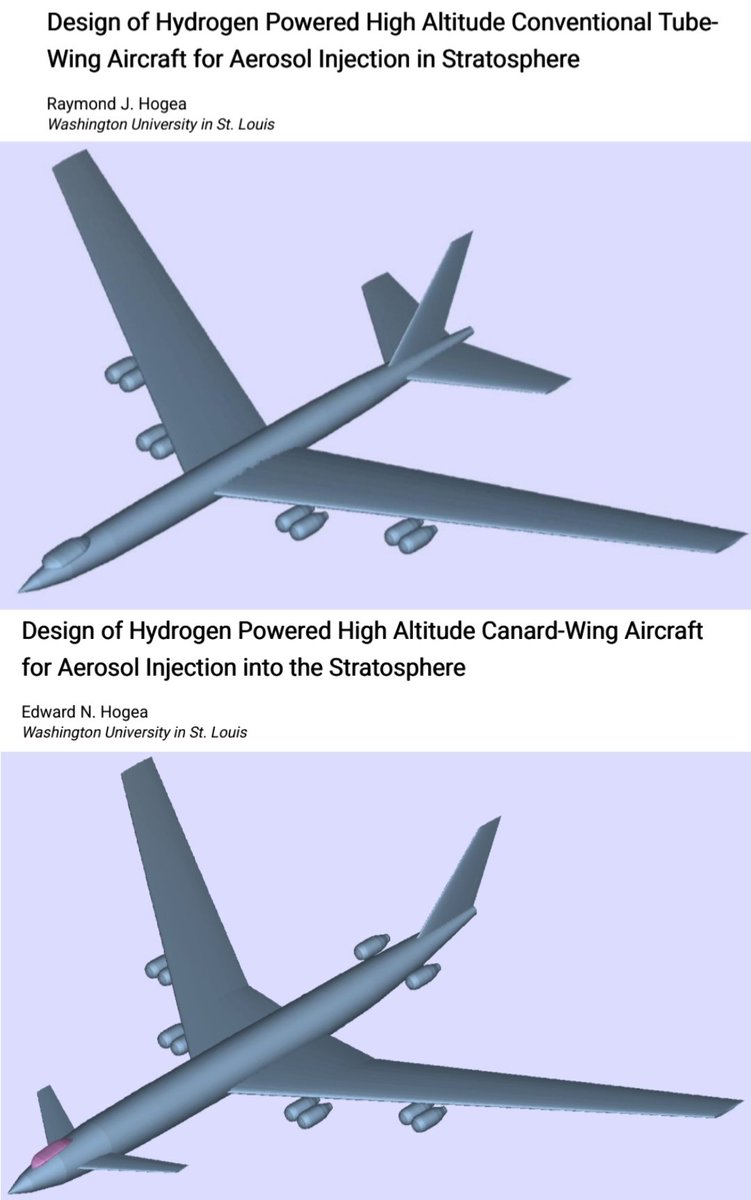
๐จTwo recent engineering studies examine whether H2-powered aircraft can reliably deliver large payloads to the lower stratosphere for #SAI.
The papers compare a conventional tube-wing aircraft & a canard-wing alternative, analyzing design feasibility & performance limits๐งต1/14
2/ Delivering aerosols to these altitudes with large payloads is difficult using existing aircraft.
Both studies explore H2 propulsion b/c it offers high gravimetric energy density & zero COโe, potentially enabling long-duration missions without adding direct C emissions
3/ To enable comparison, both designs are evaluated against the same core mission:
โข Climb and cruise at 65,000 ft
โข Sustain flight for ~3.5 hours
โข Deliver a ~50,000 lb aerosol payload
โข Operate near aerodynamic and propulsion limits typical of the lower stratosphere