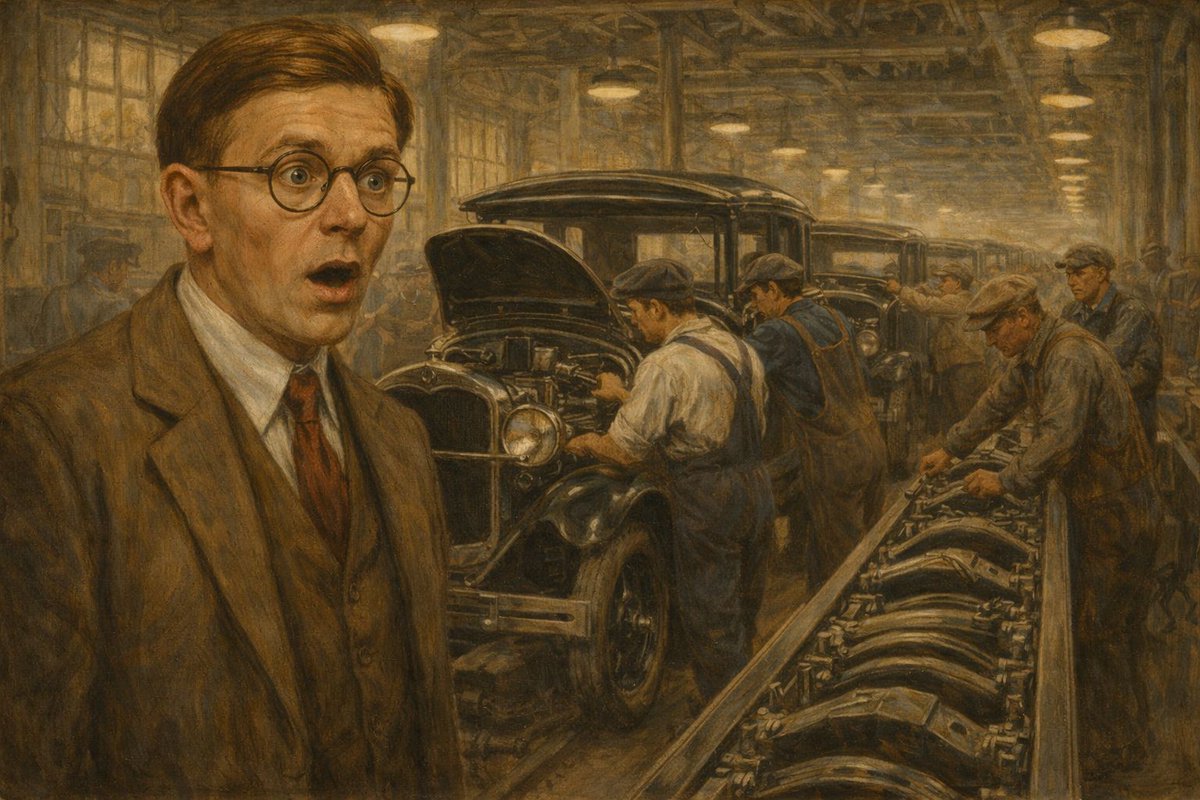
Boston, 1860: Anti-slavery activists are attacked at a public meeting for speaking against popular opinion.
Instead of arresting the mob, Boston officials arrested the speakers.
Free speech was buried in the "Cradle of Liberty" for "public safety".
Frederick Douglass's response became the ultimate defense of free speech. 🧵
Instead of arresting the mob, Boston officials arrested the speakers.
Free speech was buried in the "Cradle of Liberty" for "public safety".
Frederick Douglass's response became the ultimate defense of free speech. 🧵
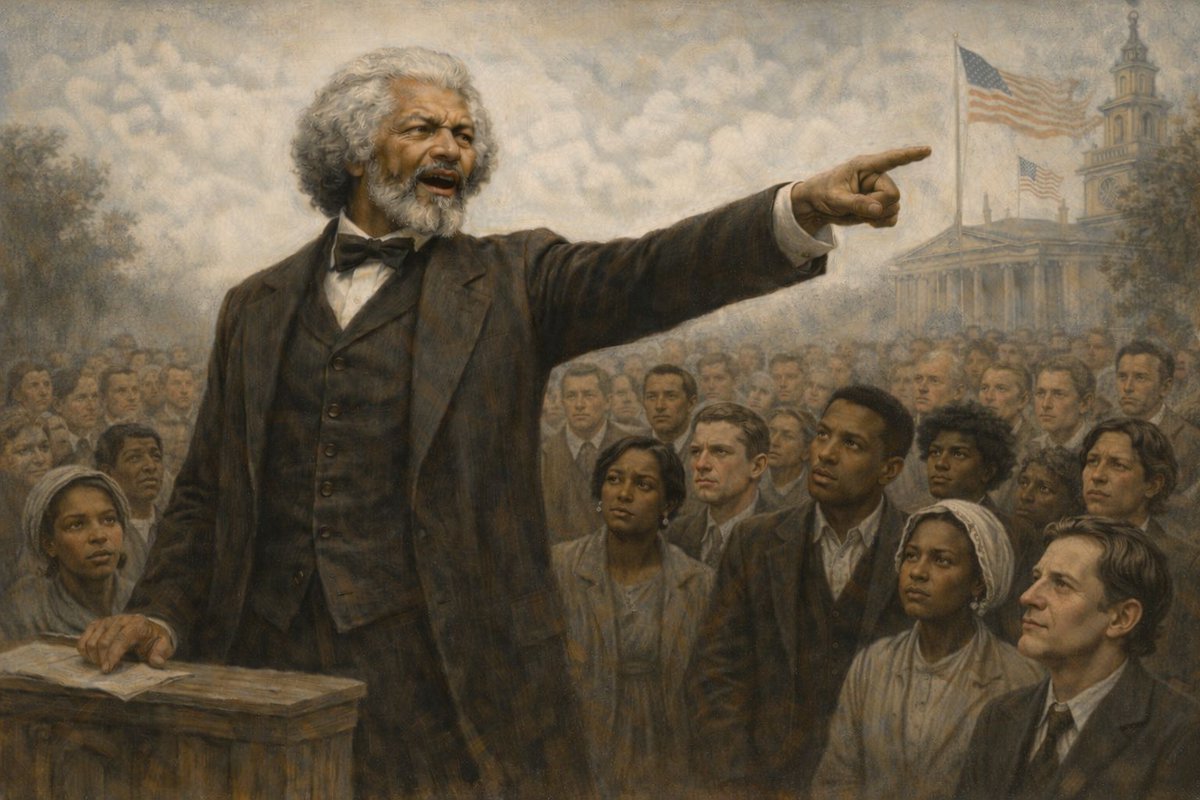
Boston, the "Cradle of Liberty", where American independence was born.
Abolitionists gathered at Tremont Temple to honor John Brown, executed one year earlier for his raid on Harpers Ferry.
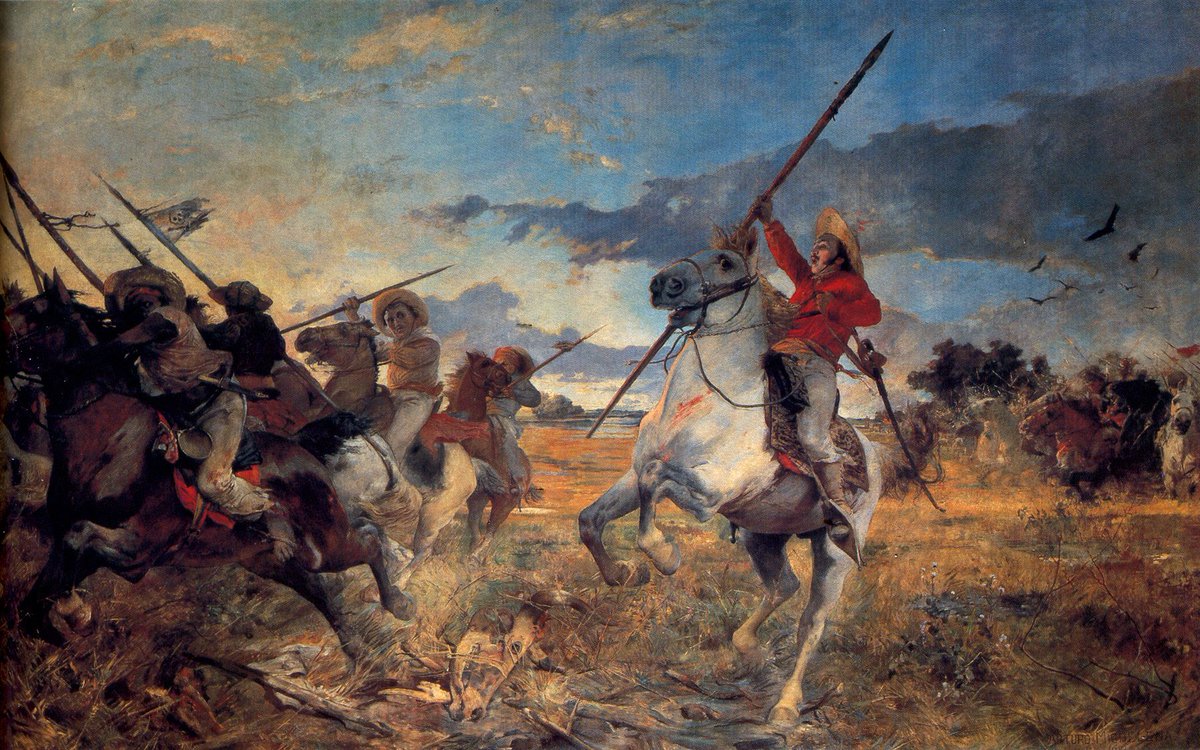
Pro-slavery mobs stormed the meeting. Fists flew. Speakers were dragged from the stage.
Boston's mayor refused to protect the abolitionists. Instead, officials shut it down "to preserve order."
Abolitionists gathered at Tremont Temple to honor John Brown, executed one year earlier for his raid on Harpers Ferry.
Pro-slavery mobs stormed the meeting. Fists flew. Speakers were dragged from the stage.
Boston's mayor refused to protect the abolitionists. Instead, officials shut it down "to preserve order."

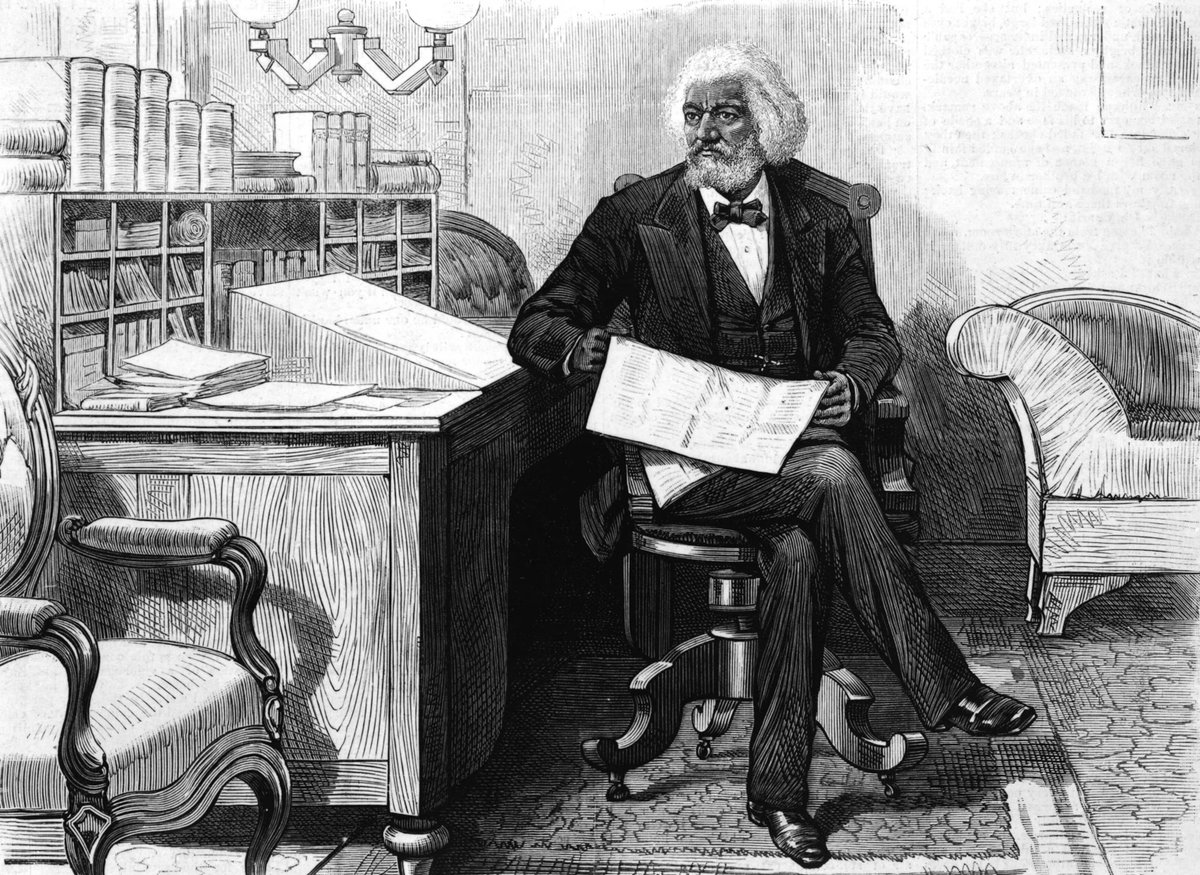
Weeks later, Frederick Douglass sat down and wrote something that cut straight to the mechanism.
His "Plea for Freedom of Speech in Boston" didn't just defend the abolitionists.
It exposed the institutional logic that makes censorship inevitable when authorities value "order" over rights.
His "Plea for Freedom of Speech in Boston" didn't just defend the abolitionists.
It exposed the institutional logic that makes censorship inevitable when authorities value "order" over rights.
Douglass identified what officials won't admit:
When authorities refuse to protect unpopular speech, they hand control over public debate to whoever can mobilize the most force.
Not to whoever has the best arguments. Not to whoever tells the truth.
To whoever can credibly threaten disruption.
When authorities refuse to protect unpopular speech, they hand control over public debate to whoever can mobilize the most force.
Not to whoever has the best arguments. Not to whoever tells the truth.
To whoever can credibly threaten disruption.
"To Suppress Free Speech Is a Double Wrong. It violates the rights of the hearer as well as those of the speaker."
Douglass’ words reveal why censorship is more dangerous than most people realize. When you silence someone, you don't just harm the speaker. You rob every potential listener of the chance to hear, evaluate, and respond to ideas.
The abolitionist movement needed speech rights not just to express themselves, but to reach people who might be persuaded. Without that pathway, no social change is possible.
Douglass’ words reveal why censorship is more dangerous than most people realize. When you silence someone, you don't just harm the speaker. You rob every potential listener of the chance to hear, evaluate, and respond to ideas.
The abolitionist movement needed speech rights not just to express themselves, but to reach people who might be persuaded. Without that pathway, no social change is possible.
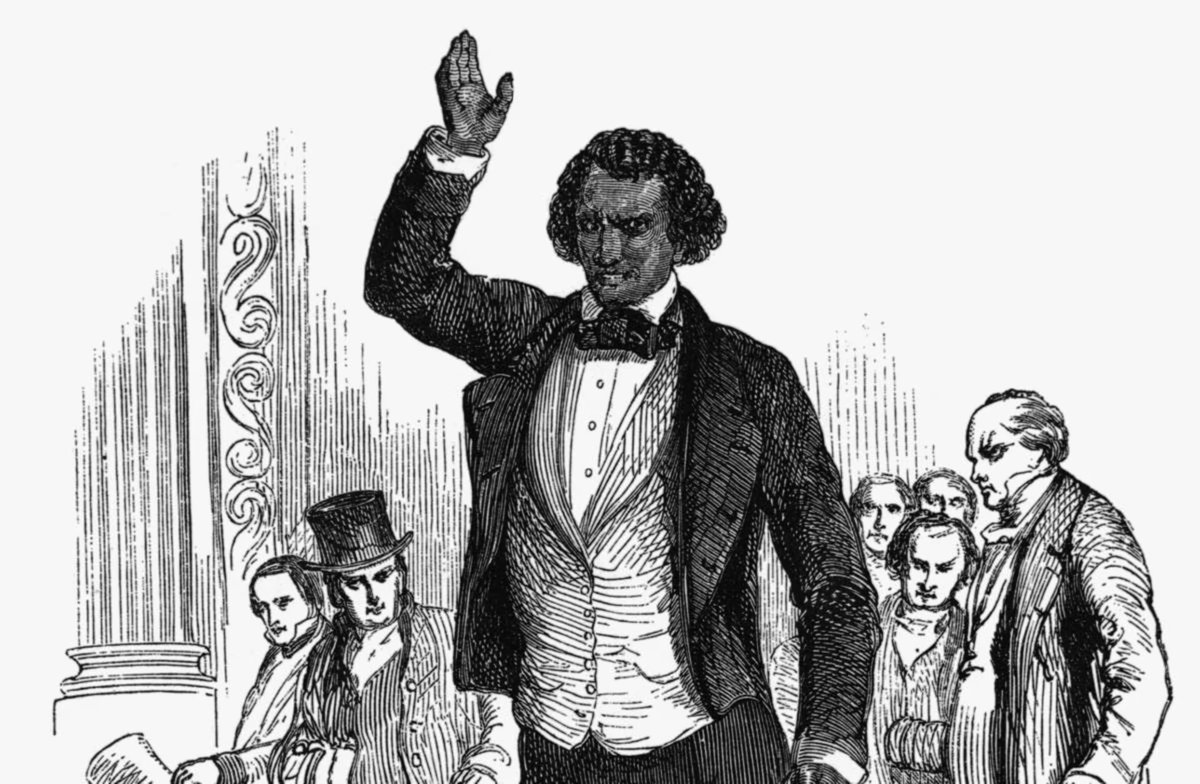
Most people think free speech protects popular opinions. Douglass understood something deeper: free speech exists precisely to protect unpopular speech.
His argument wasn't about politeness or tolerance. It was about who gets to decide what ideas can be heard.
His argument wasn't about politeness or tolerance. It was about who gets to decide what ideas can be heard.
Douglass's analysis revealed how censorship actually works. Officials rarely say "we oppose your ideas." They say "we're protecting public safety" or "preventing disruption."
The mechanism is identical whether it's 1860 Boston or today's campus administrators cancelling controversial speakers. The excuse changes. The power dynamics don't.
The mechanism is identical whether it's 1860 Boston or today's campus administrators cancelling controversial speakers. The excuse changes. The power dynamics don't.
When campus administrators cite "community standards," "inclusivity concerns," or "potential disruption" to shut down controversial speakers or student groups, they're using the 1860 Boston playbook.
The institutional incentive structure remains unchanged: officials prefer control over confrontation, order over genuine debate. They'd rather prevent speech than protect it.
Douglass would recognize this immediately.
The institutional incentive structure remains unchanged: officials prefer control over confrontation, order over genuine debate. They'd rather prevent speech than protect it.
Douglass would recognize this immediately.
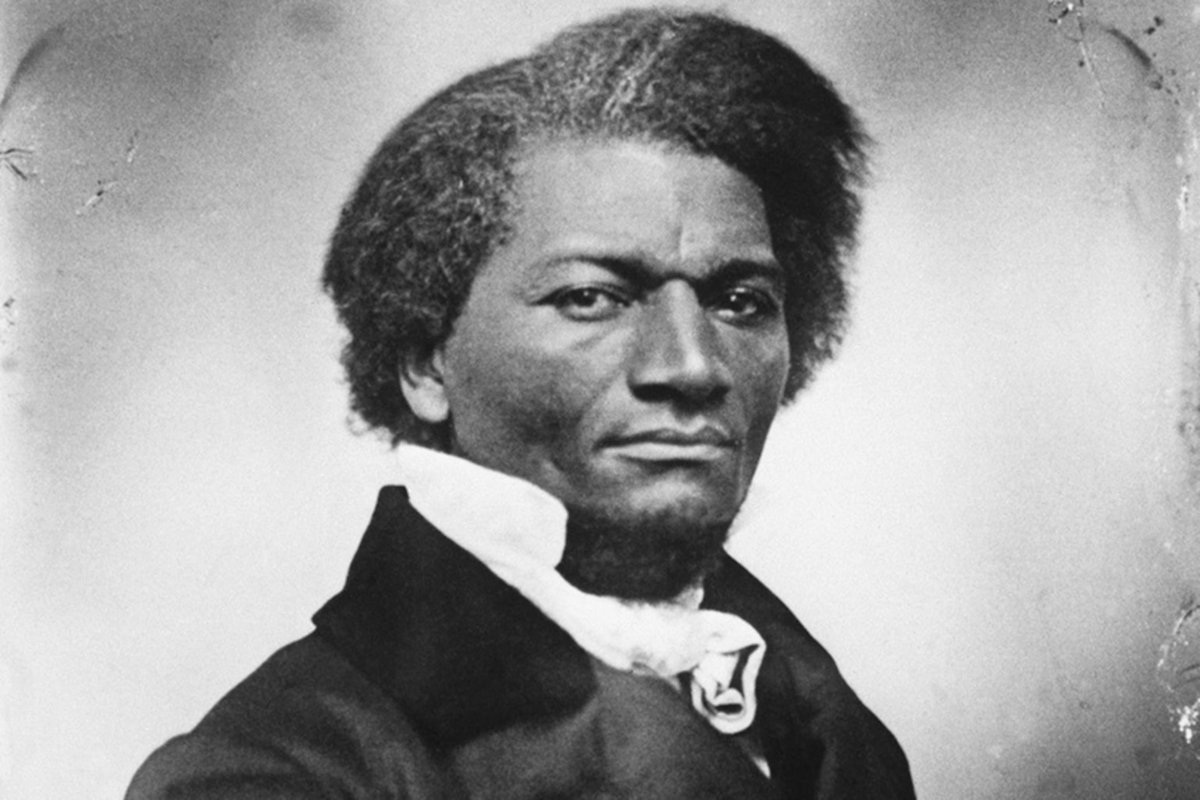
Frederick Douglass didn't just complain about censorship.
He understood power, institutions, and how change actually happens.
He analyzed the mechanisms. Built coalitions. Created change that lasted.
That's the kind of activist SFL's House Douglass trains.
👉 Take the 60-second quiz to find out which House do you belong to: buff.ly/54Gfx0q
He understood power, institutions, and how change actually happens.
He analyzed the mechanisms. Built coalitions. Created change that lasted.
That's the kind of activist SFL's House Douglass trains.
👉 Take the 60-second quiz to find out which House do you belong to: buff.ly/54Gfx0q
• • •
Missing some Tweet in this thread? You can try to
force a refresh