Alan Watts spent 30 years studying human consciousness.
His most powerful insight?
Nearly everyone is trapped in 2 mental illusions that silently drain happiness, purpose, and energy.
Here's how to identify them (and how to permanently break free):
His most powerful insight?
Nearly everyone is trapped in 2 mental illusions that silently drain happiness, purpose, and energy.
Here's how to identify them (and how to permanently break free):
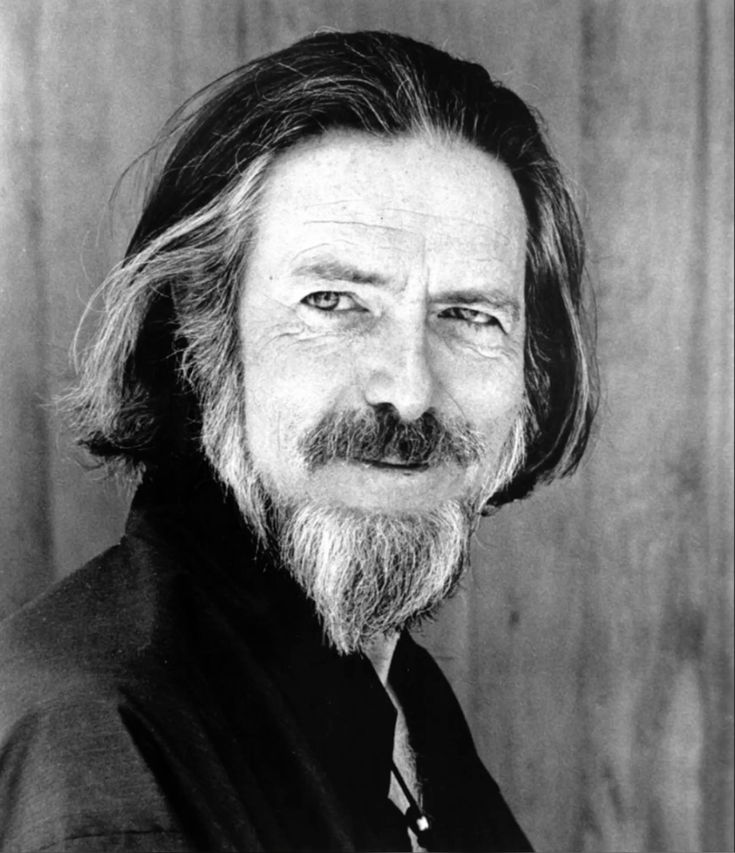
Meet Alan Watts.
A philosopher who dedicated his life to understanding why humans suffer.
For 3 decades, he studied Eastern philosophy, Western psychology, and human consciousness.
What he found challenges everything we believe about ourselves ↓
A philosopher who dedicated his life to understanding why humans suffer.
For 3 decades, he studied Eastern philosophy, Western psychology, and human consciousness.
What he found challenges everything we believe about ourselves ↓

Watts identified 2 fundamental illusions that control your life:
1) The Separate Self
2) The Pursuit of External Happiness
These illusions drive your career choices, relationships, spending habits, and chronic dissatisfaction.
1) The Separate Self
2) The Pursuit of External Happiness
These illusions drive your career choices, relationships, spending habits, and chronic dissatisfaction.
1) The Separate Self
Watts claims that the sense of being a distinct "I" (being separate from the world) is a hallucination.
This isn't your true nature, but a mental construct you've mistaken for reality keeping you trapped.
How does it form?
Watts claims that the sense of being a distinct "I" (being separate from the world) is a hallucination.
This isn't your true nature, but a mental construct you've mistaken for reality keeping you trapped.
How does it form?
1) Language — it separates you from the world through concepts like "me" and the "the world."
2) Social conditioning — it ties your identity to roles and achievements.
As a result, you develop a "persona," which you mistake for your real self.
But this "ego" is not real ↓
2) Social conditioning — it ties your identity to roles and achievements.
As a result, you develop a "persona," which you mistake for your real self.
But this "ego" is not real ↓
In his own words, Watts described it as a hallucination:
"We suffer from a false sensation of our own existence. Most of us have the sensation that 'I myself' is a separate center of feeling and action."
It's constructed.
Not discovered.
But that's only half the battle...
"We suffer from a false sensation of our own existence. Most of us have the sensation that 'I myself' is a separate center of feeling and action."
It's constructed.
Not discovered.
But that's only half the battle...
2) The Pursuit of External Happiness
People chase happiness as if it's "out there" - in the right job, relationship, or income level.
Watts called this the "money trap."
You always look ahead, never here. But Watts argues this mindset only creates suffering ↓
People chase happiness as if it's "out there" - in the right job, relationship, or income level.
Watts called this the "money trap."
You always look ahead, never here. But Watts argues this mindset only creates suffering ↓
If you pursue happiness, you miss it.
Watts understood a cruel paradox: the act of chasing happiness creates the dissatisfaction you're trying to escape.
Modern research now confirms Watts's illusions ↓
Watts understood a cruel paradox: the act of chasing happiness creates the dissatisfaction you're trying to escape.
Modern research now confirms Watts's illusions ↓
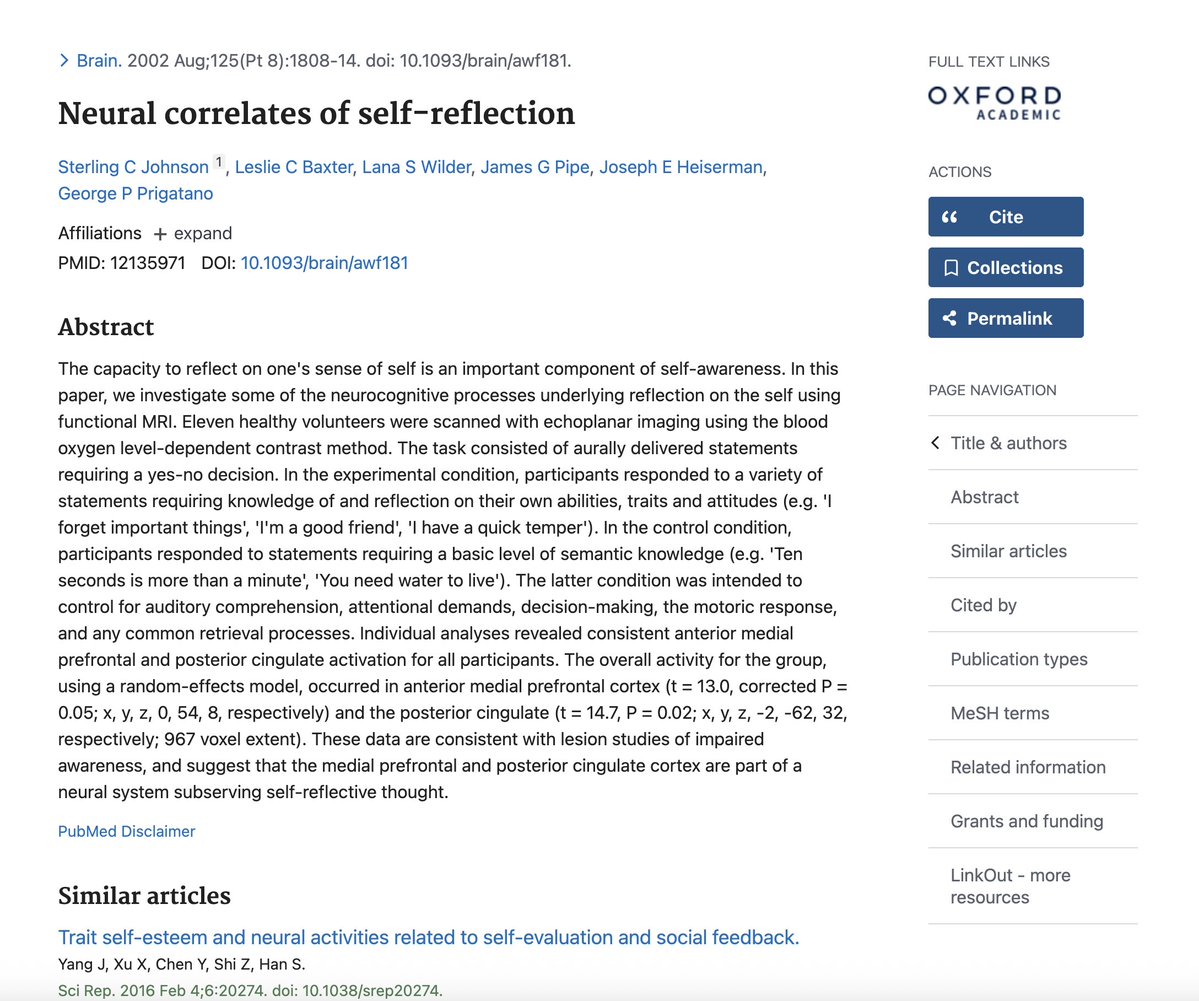
1) fMRI scans reveal the "self" isn't fixed — it's simply brain activity that can be reduced with practice.
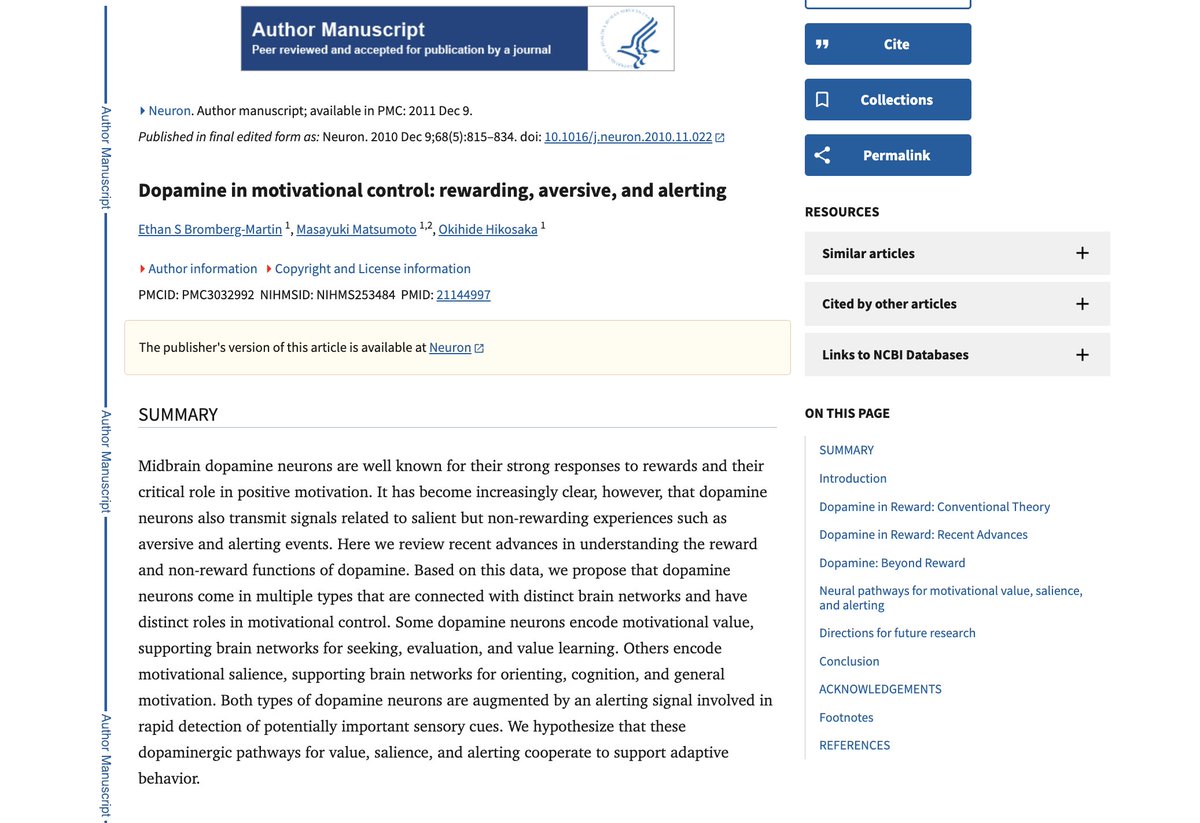
2) Dopamine research shows your brain rewards the chase more than the reward.
These biological mechanics keep you trapped.
But Watts has a system for breaking free:
2) Dopamine research shows your brain rewards the chase more than the reward.
These biological mechanics keep you trapped.
But Watts has a system for breaking free:
1) Accept the illusions as mental traps
See clearly that your ego is a mental construct and that happiness comes from within.
You're not separate from the world. You're an expression of it.
Your happiness is not external. It comes from within.
See clearly that your ego is a mental construct and that happiness comes from within.
You're not separate from the world. You're an expression of it.
Your happiness is not external. It comes from within.
2) Question Socially Imposed Roles
Your ego is shaped by cultural conditioning.
Examine your assumptions about success, status, and identity, and recognize their conditional nature.
This questioning fosters authenticity and diminishes the ego's control over you.
Your ego is shaped by cultural conditioning.
Examine your assumptions about success, status, and identity, and recognize their conditional nature.
This questioning fosters authenticity and diminishes the ego's control over you.
3) Stop Fighting Life's Flow
Much of your suffering comes from resisting what life presents.
Stop trying to control outcomes or cling to permanence.
As Watts said:
"The ego cannot escape itself by its own effort. It must be seen through and accepted."
Much of your suffering comes from resisting what life presents.
Stop trying to control outcomes or cling to permanence.
As Watts said:
"The ego cannot escape itself by its own effort. It must be seen through and accepted."
4) Embrace the Here and Now Fully
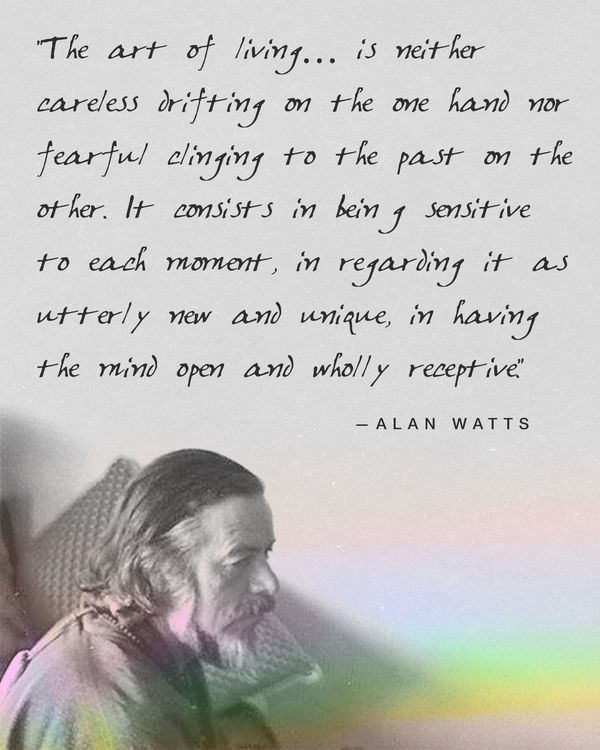
Happiness isn't in the future.
It's in the full experience of this present moment.
Practice observing your thoughts and feelings without attachment or judgment. Let go of past regrets and future anxieties.
Happiness isn't in the future.
It's in the full experience of this present moment.
Practice observing your thoughts and feelings without attachment or judgment. Let go of past regrets and future anxieties.
Thanks for reading!
Enjoyed this breakdown?
Follow @BigBrainPsych for more content like this.
Enjoyed this breakdown?
Follow @BigBrainPsych for more content like this.
• • •
Missing some Tweet in this thread? You can try to
force a refresh