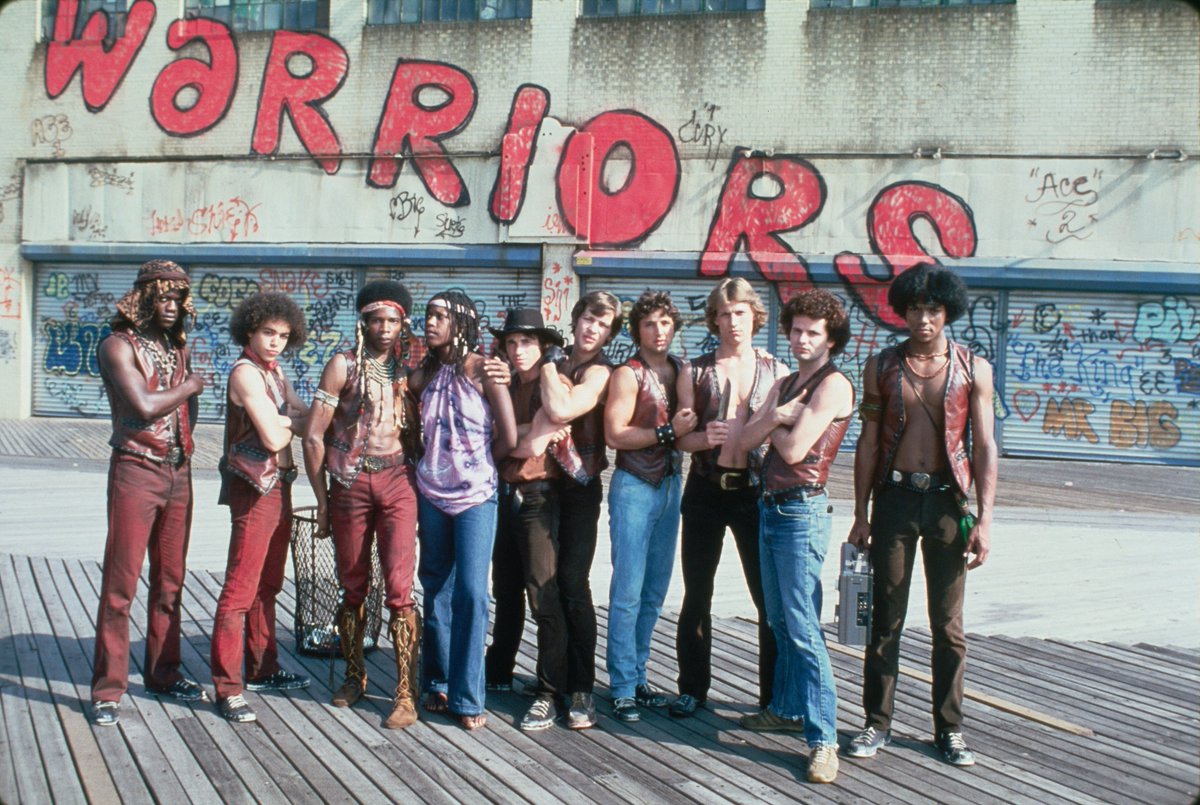
THE WARRIORS was released 47 years ago today. Acclaimed as one of the great 1970s NYC movies, and a true cult classic, the story of how it was made involved real gangs, vomiting extras and a future star who didn't make the cut. Can you dig it?
1/46
1/46
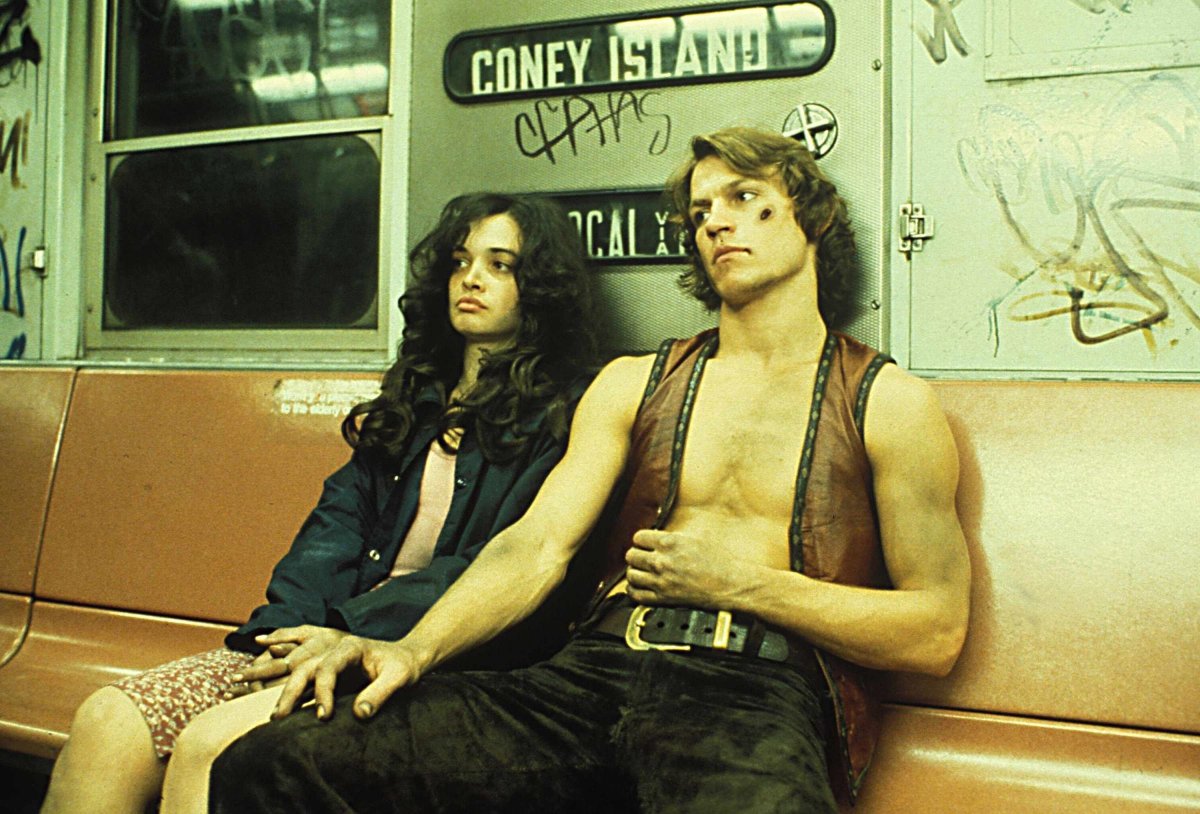
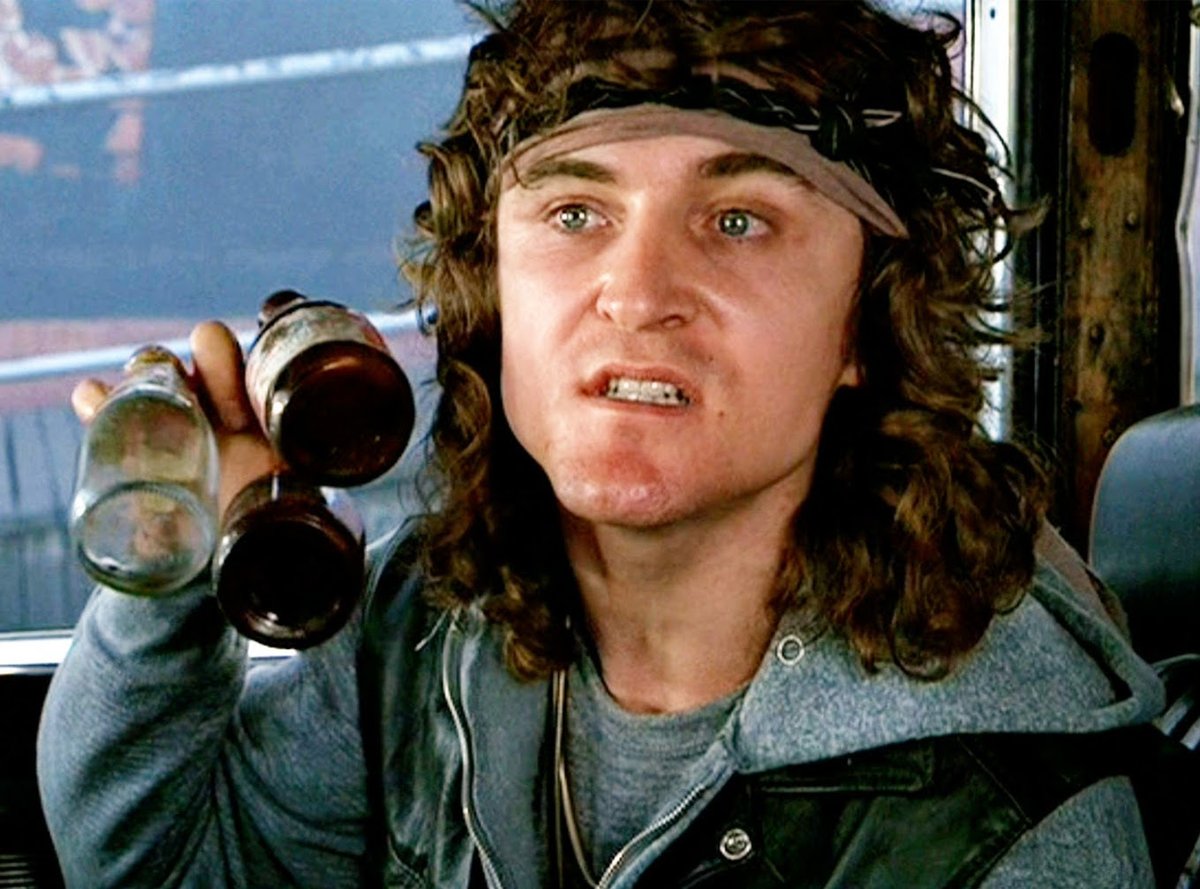
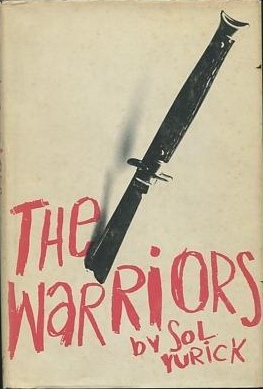
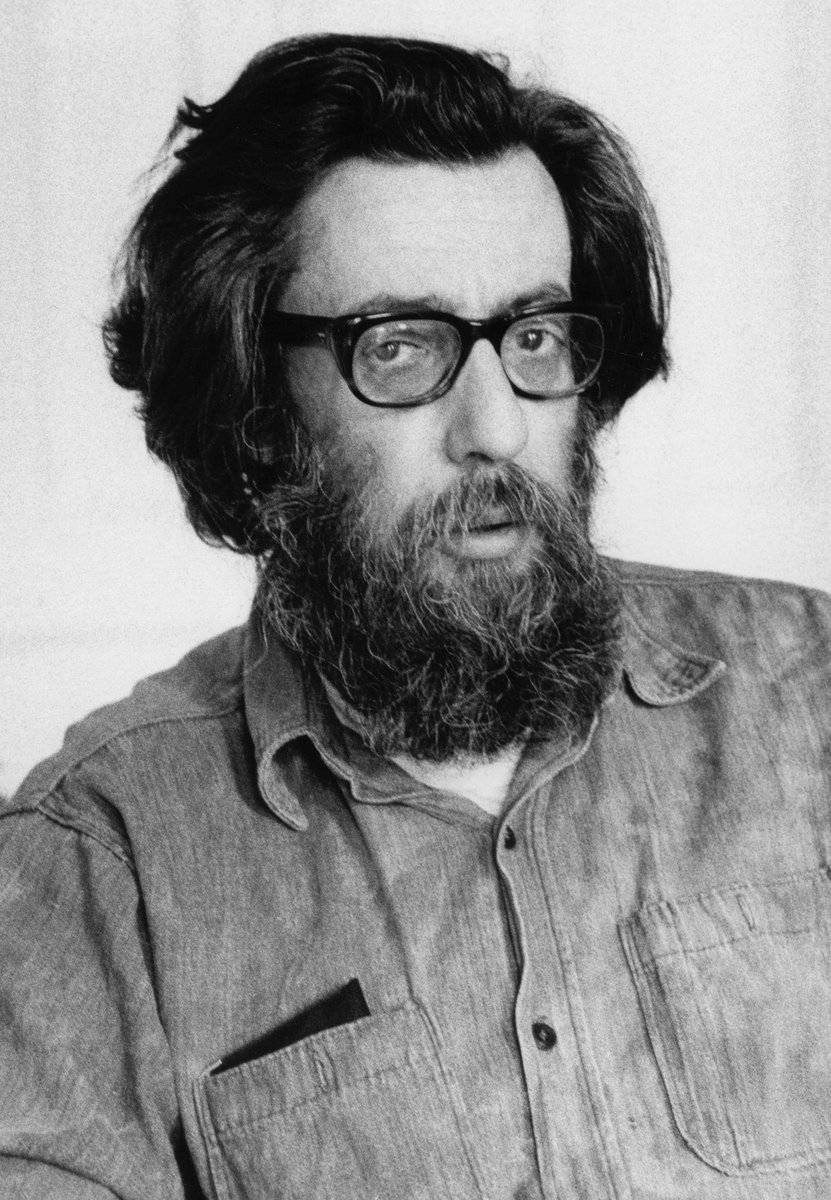
The Warriors is based on Sol Yurick's 1965 novel of the same name, which was inspired by the classic ancient Greek story Anabasis by Xenophon. Yurick drew on his experiences working in the Department of Welfare in New York City for a gritty portrayal of gang life.
2/46
2/46
Film rights to the novel were bought in 1969 by American International Pictures, but no film resulted. A few years later, Hollywood producers Otto Preminger and Lawrence Gordon vied for the rights. Gordon's last-minute, better offer won out.
3/46
3/46
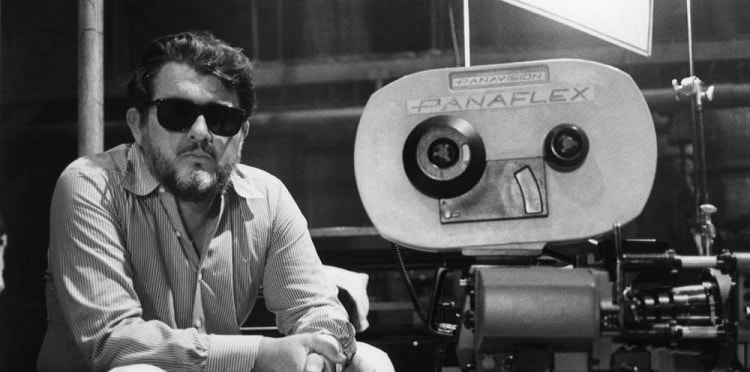
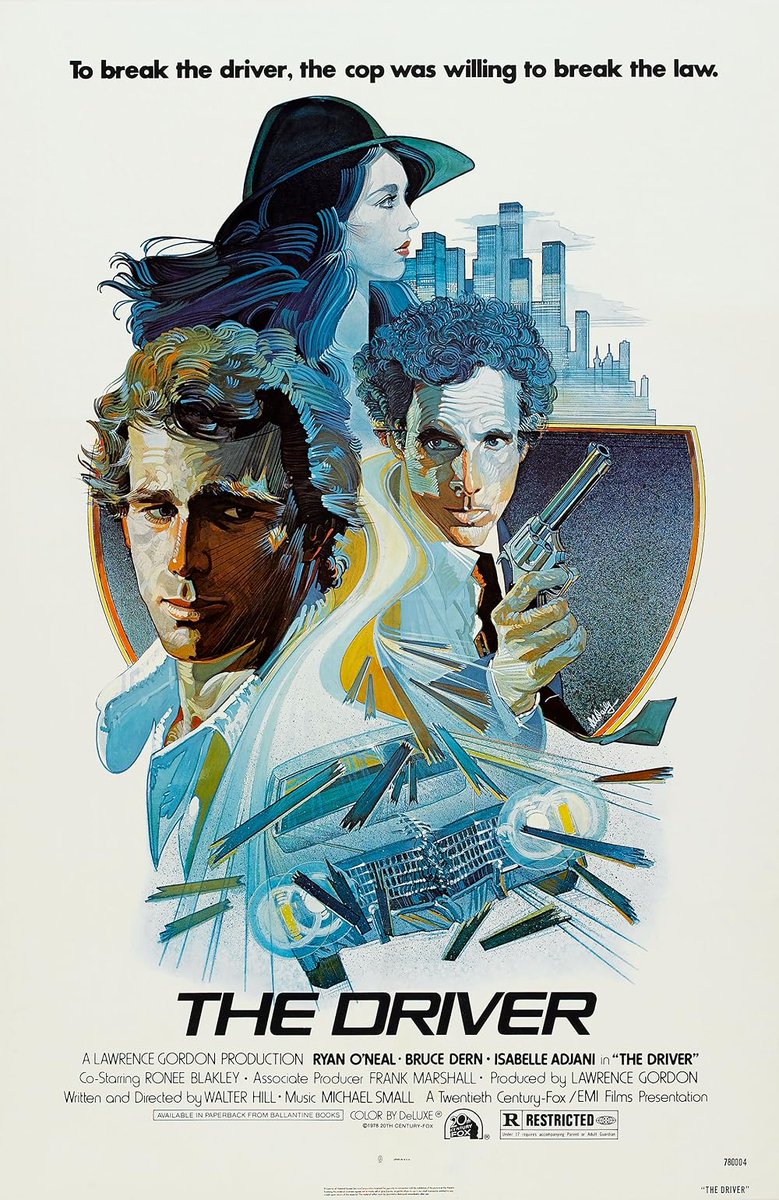
Gordon hired David Shaber to write the script, then approached Walter Hill to direct, having just worked with him on The Driver. Hill was keen but didn't think any studio would let them make the film, saying "It was too extreme and too weird."
4/46
4/46
Paramount disagreed and provided financing with a $4m budget. Hill set about re-writing the script, making it less realistic and more heightened than the novel. "I eventually wound up re-writing a lot of it," Hill said.
5/46
5/46
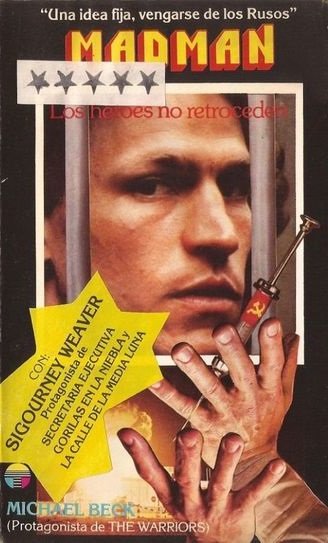
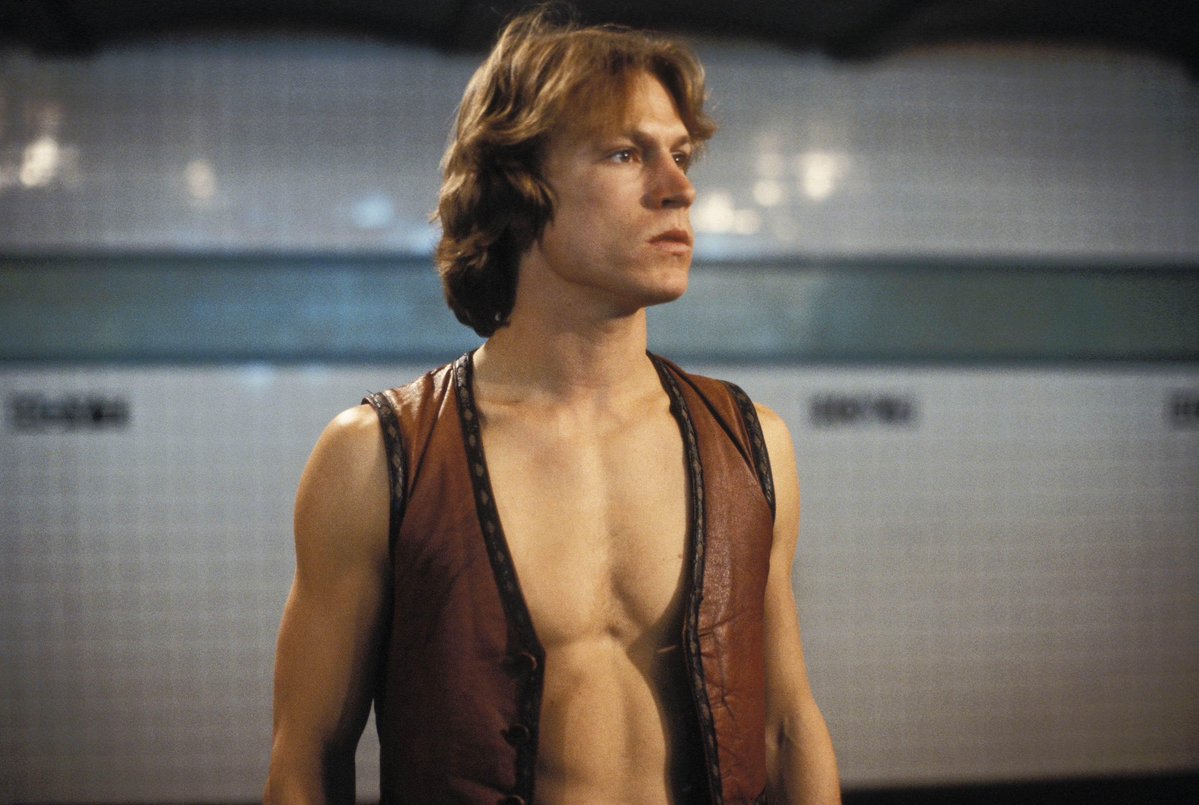
For the role of protagonist Swan, Hill cast Michael Beck after seeing him in the 1978 film Madman. And Beck's co-star in that film, Sigourney Weaver, would go on to headline Hill's next project, when he produced Alien.
6/46
6/46
Deborah Van Valkenburgh wasn't the first choice to play Mercy. Originally, Hill wanted a Puerto Rican actress for the part. But Van Valkenburgh's agent campaigned for her, and Hill relented, telling the actress she was "the unobvious choice."
7/46
7/46
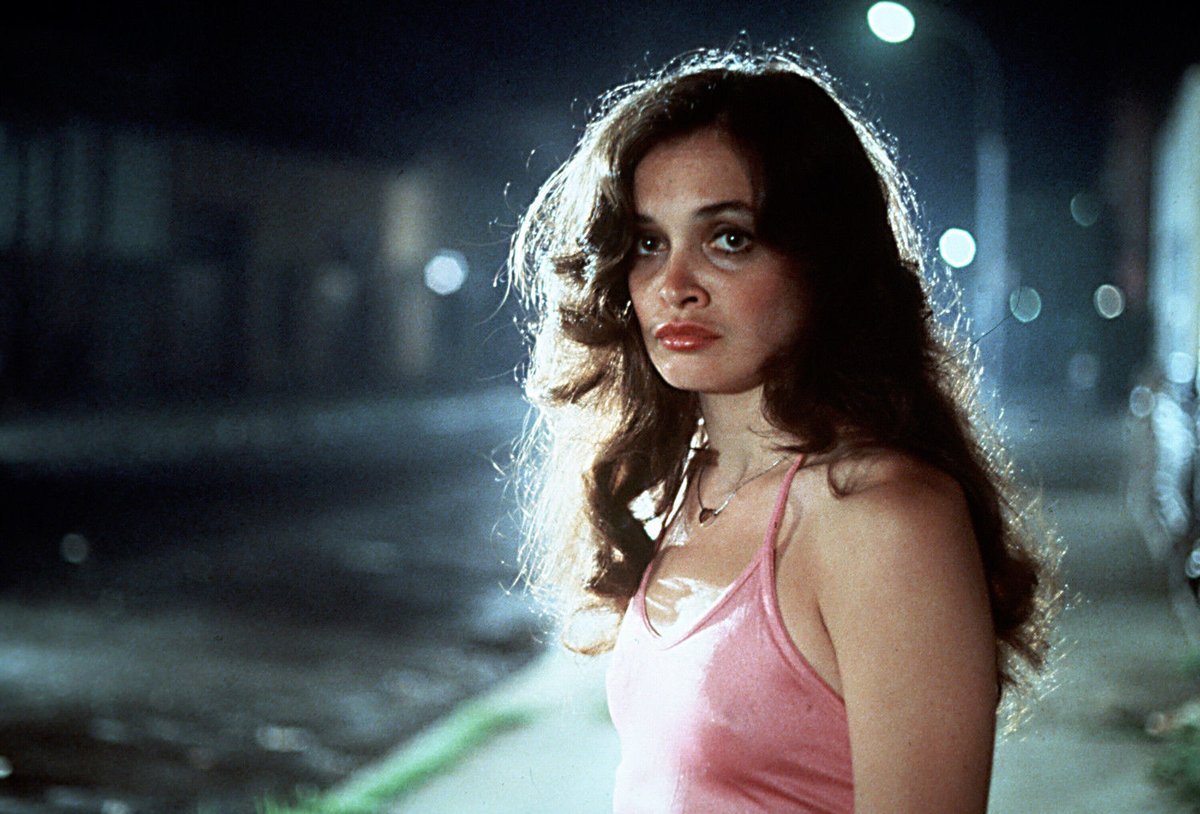
Van Valkenburgh got roughed up during filming. In one scene, a stuntman broke her wrist. In another, Beck accidentally hit her in the face with a bat, sending her to the hospital for stitches. She wore a jacket to hide her cast in some scenes.
8/46
8/46
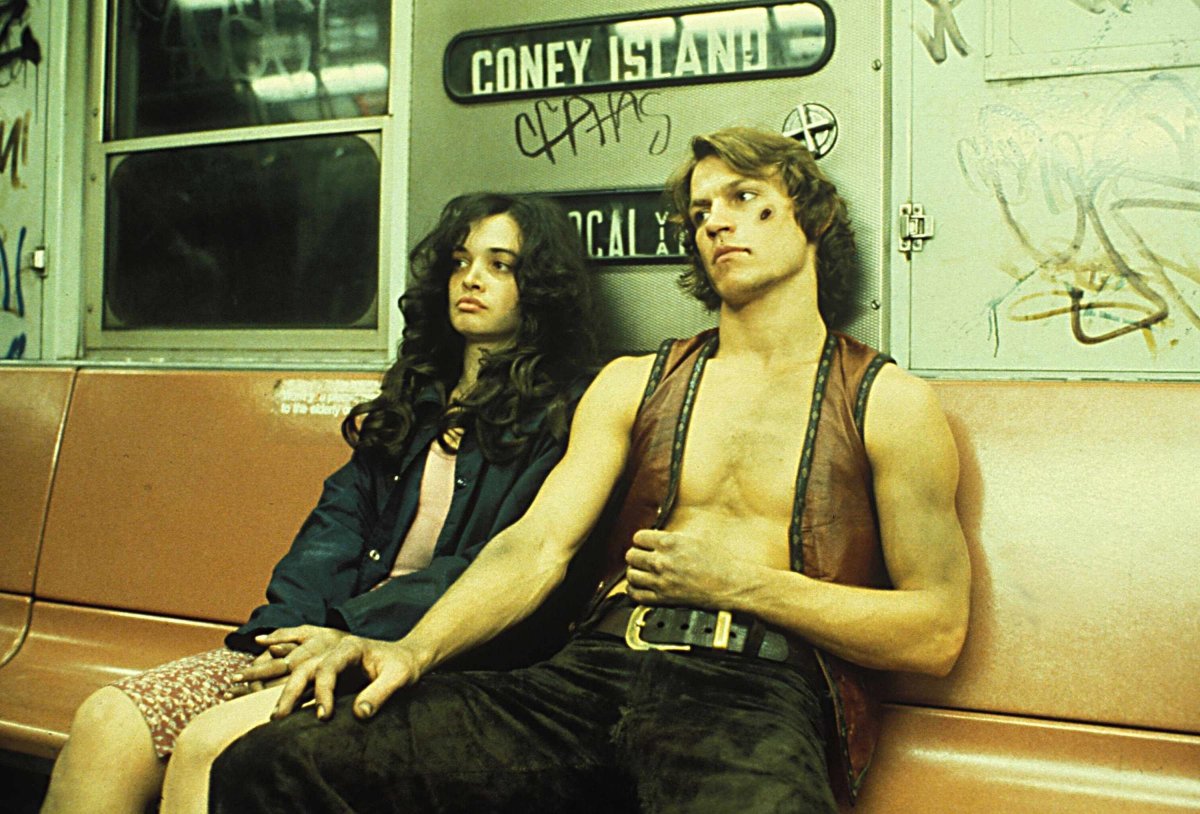
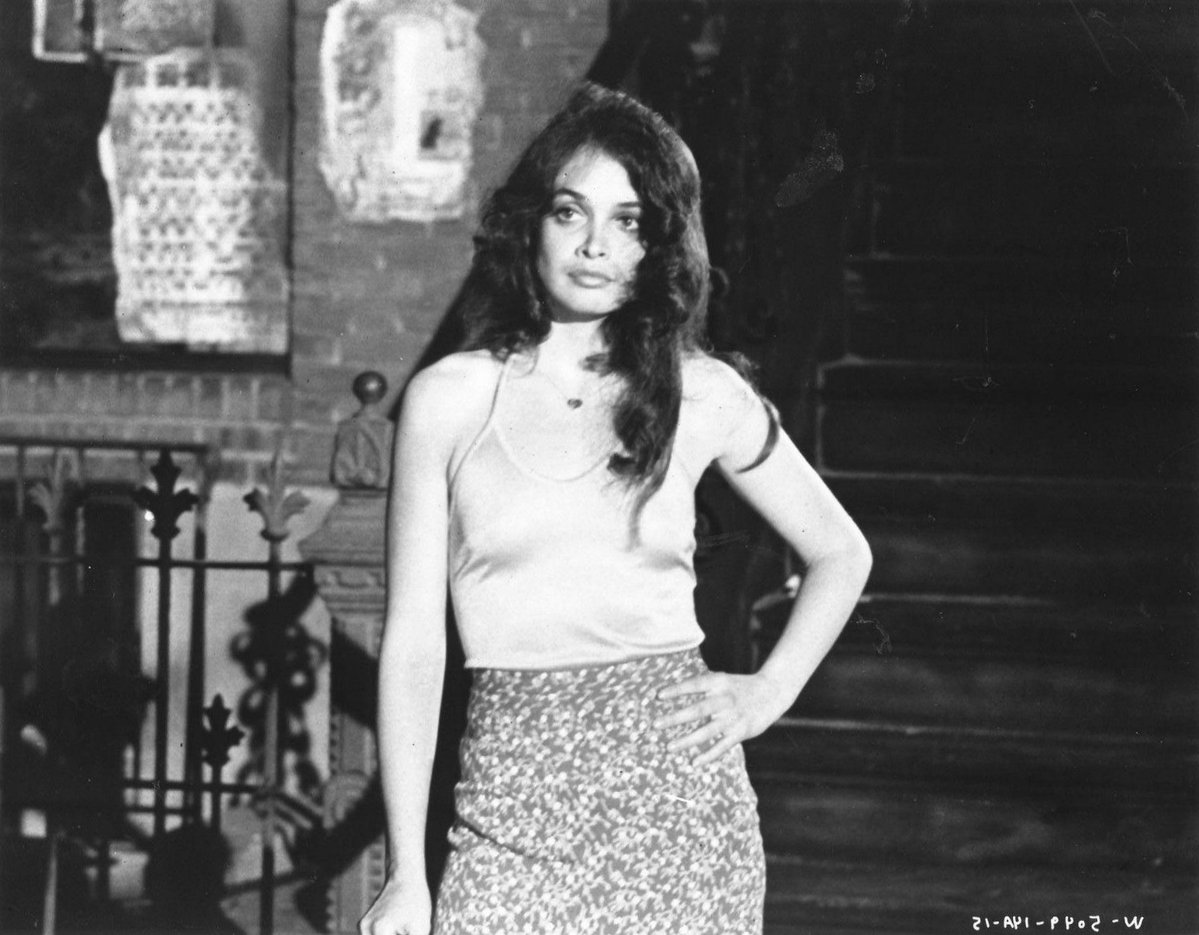
To get into the headspace of his character Ajax, James Remar hung out in Coney Island. Asking a local crew member what kind of people were around, Remar was told: "the worst kind."
9/46
9/46
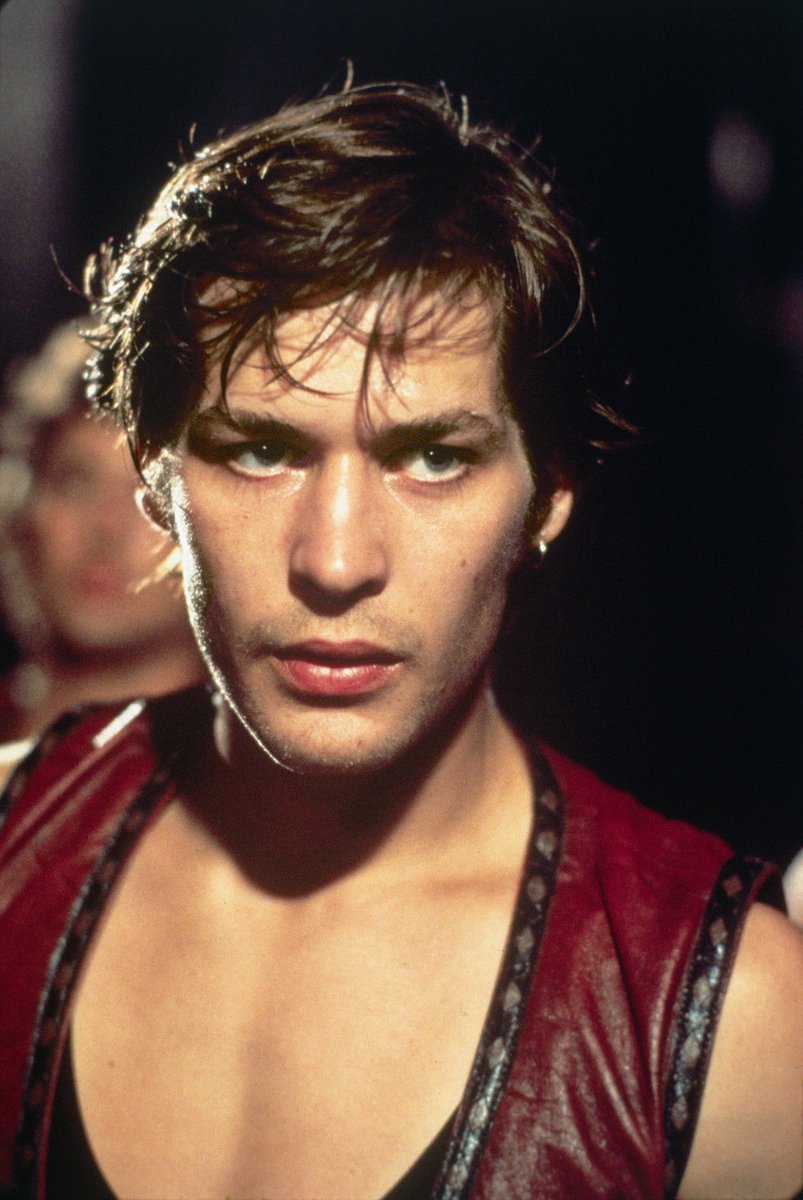
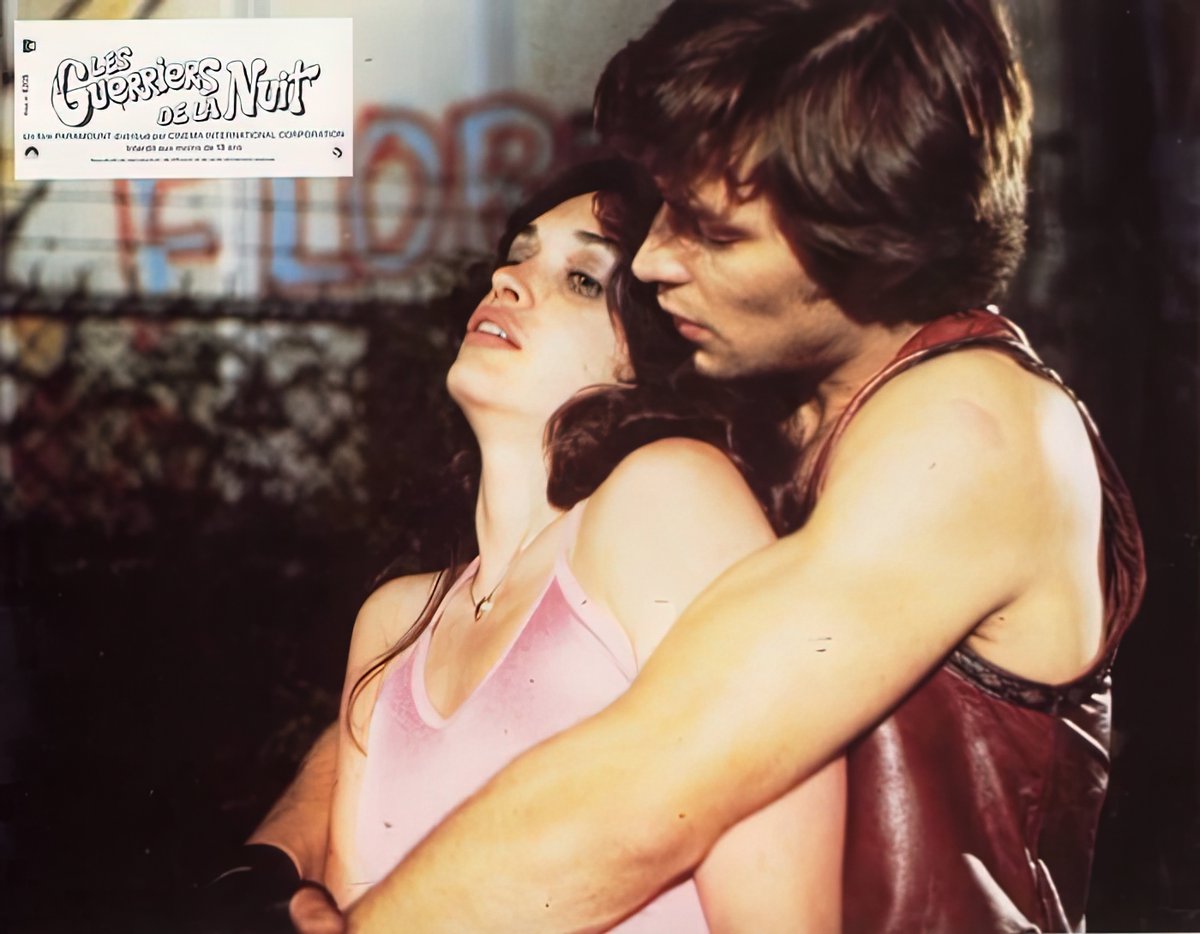
David Patrick Kelly was cast as gang leader Luther after Hill and Gordon saw him in a play. Kelly apparently stayed in character during the entire shoot, only breaking on the last day to bring his co-stars Irish soda bread and beer.
10/46
10/46
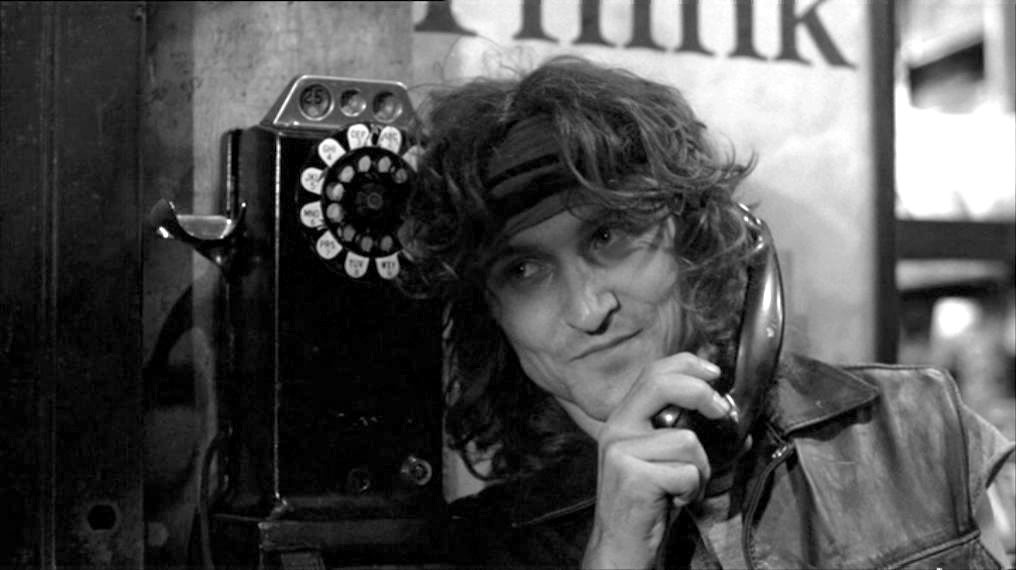
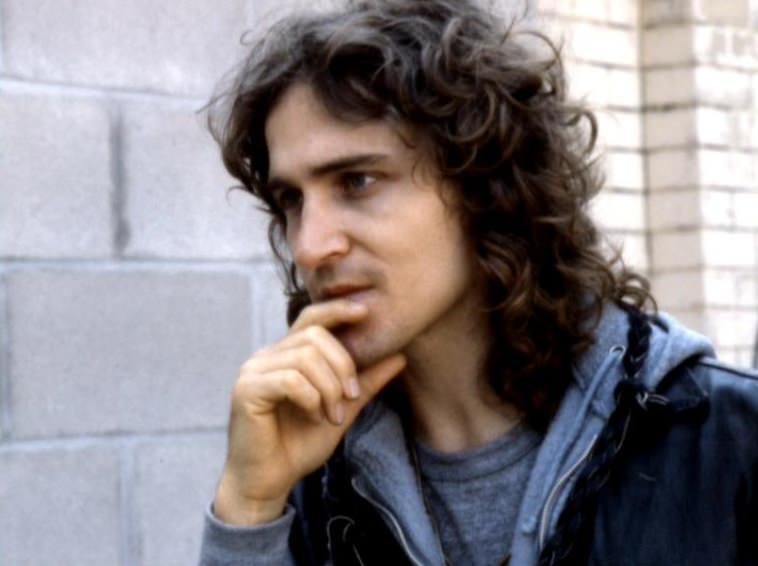
Luther's famous "come out to play" taunt, clicking bottles together, was improvised by Kelly after Hill asked him to spice up the scene. It was inspired by "a really bad guy" Kelly knew in New York who would mockingly call him "Daaaaave."
11/46
11/46
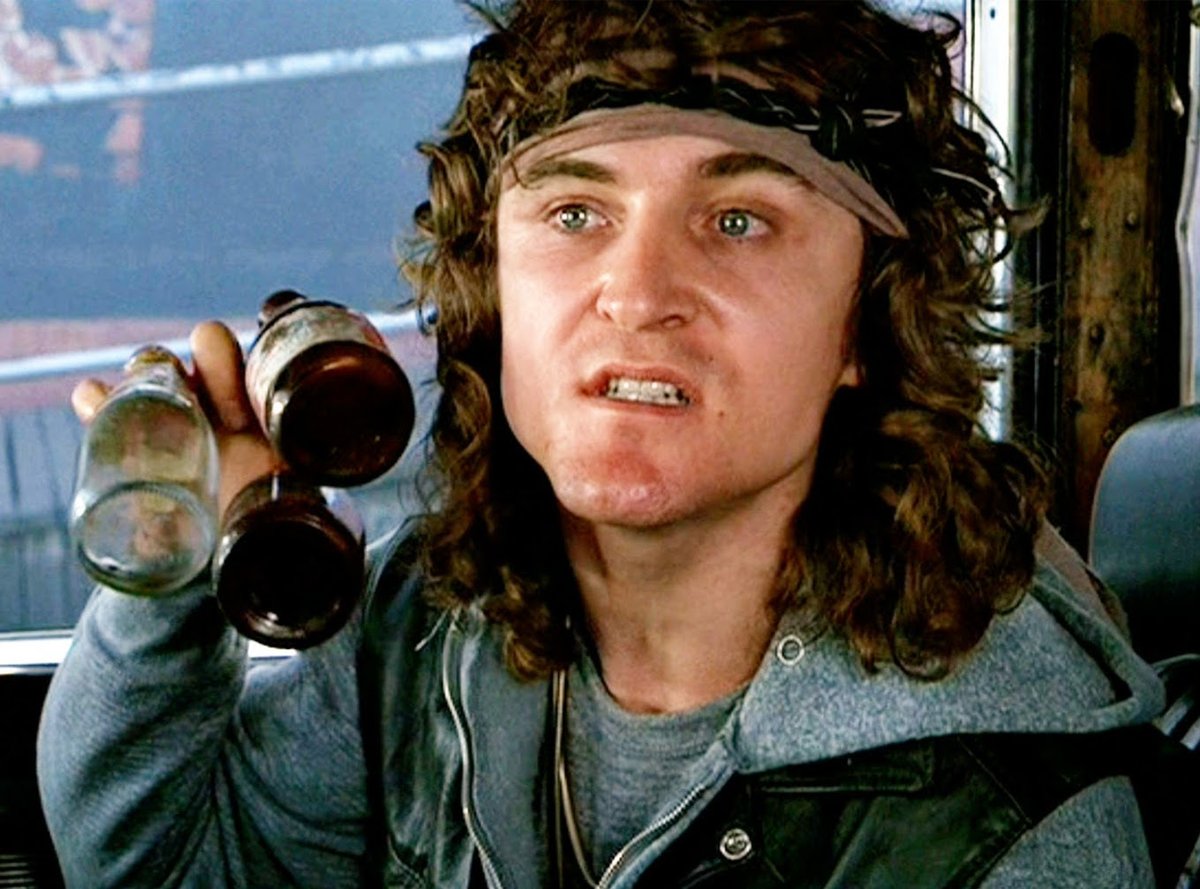
Thomas G. Waites originally played Fox, the Warriors' "scout." But he was fired partway through filming and replaced with a double in reshoots. Waites later admitted he had been very difficult on set and took full responsibility for being fired.
12/46
12/46
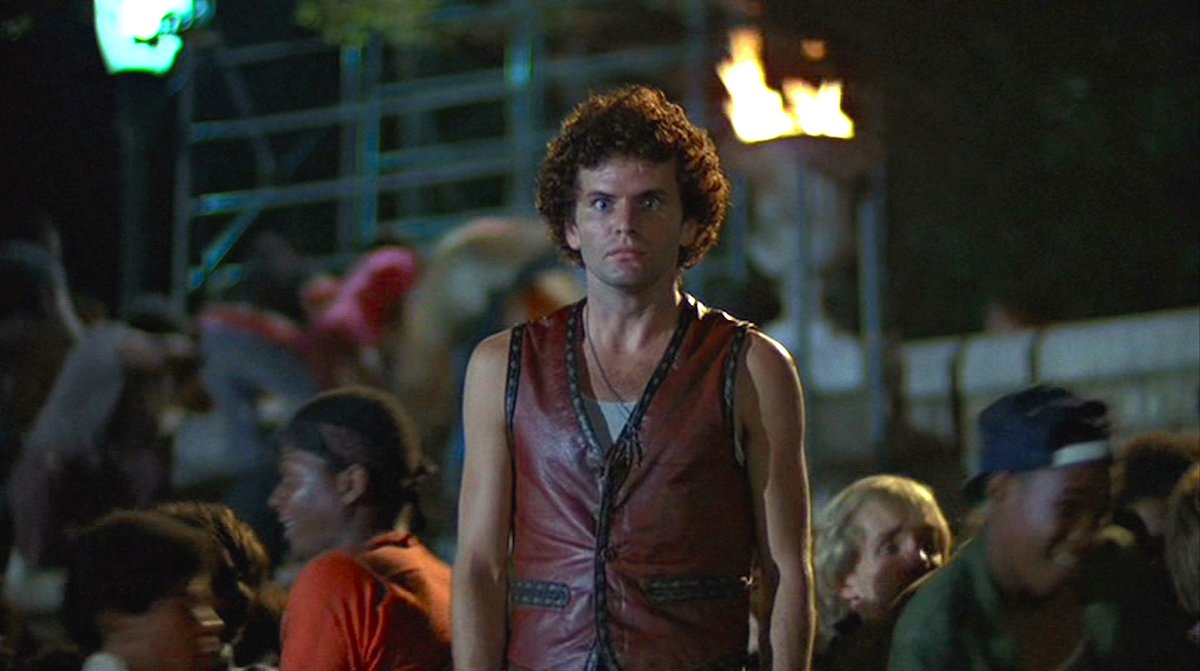
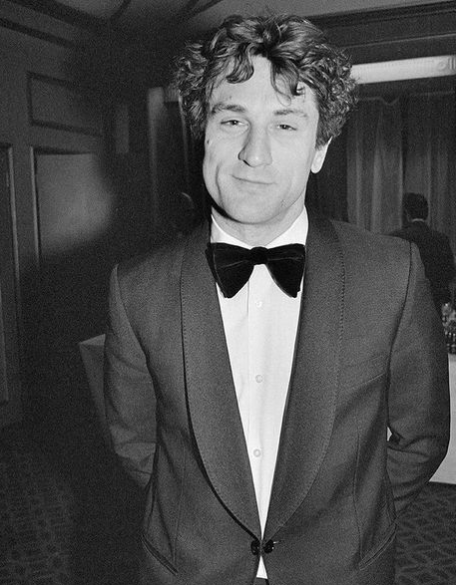
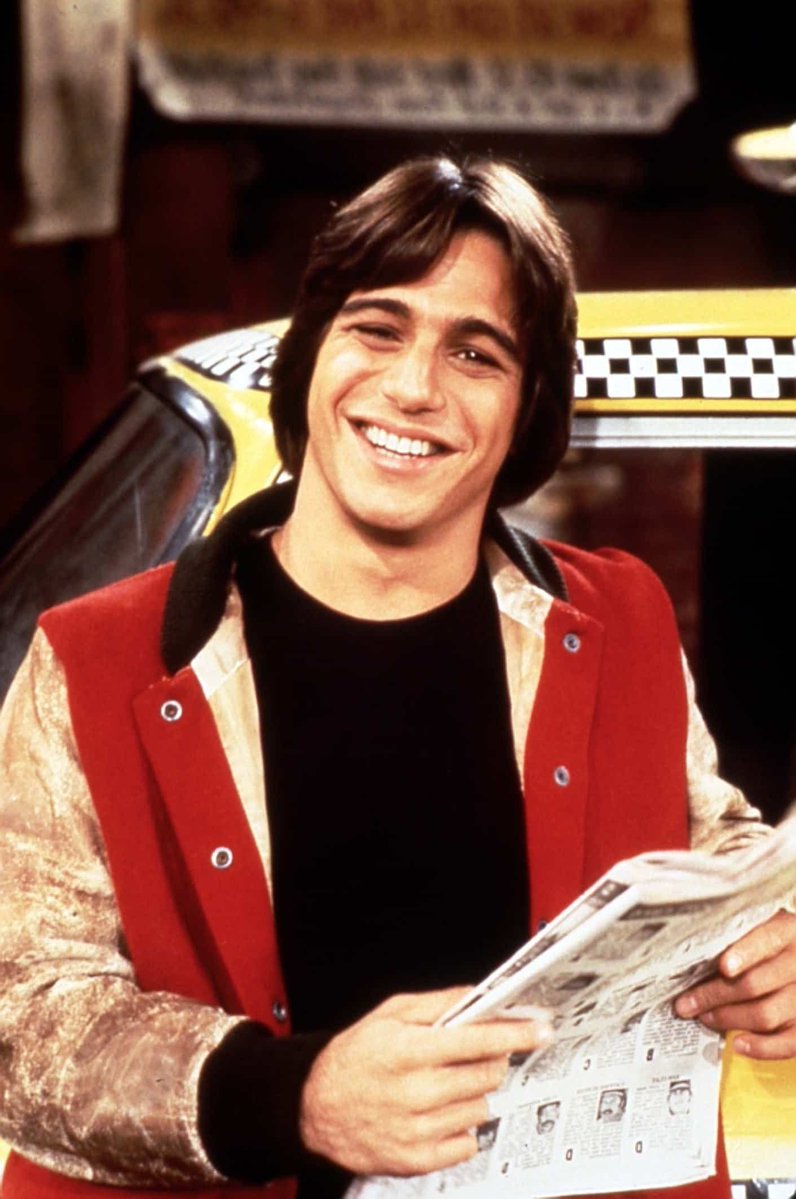
Other casting rumours that never came to be: Robert De Niro was allegedly approached to play Cowboy, while Tony Danza was apparently in the frame for Vermin before choosing to star in TV show Taxi instead.
13/46
13/46
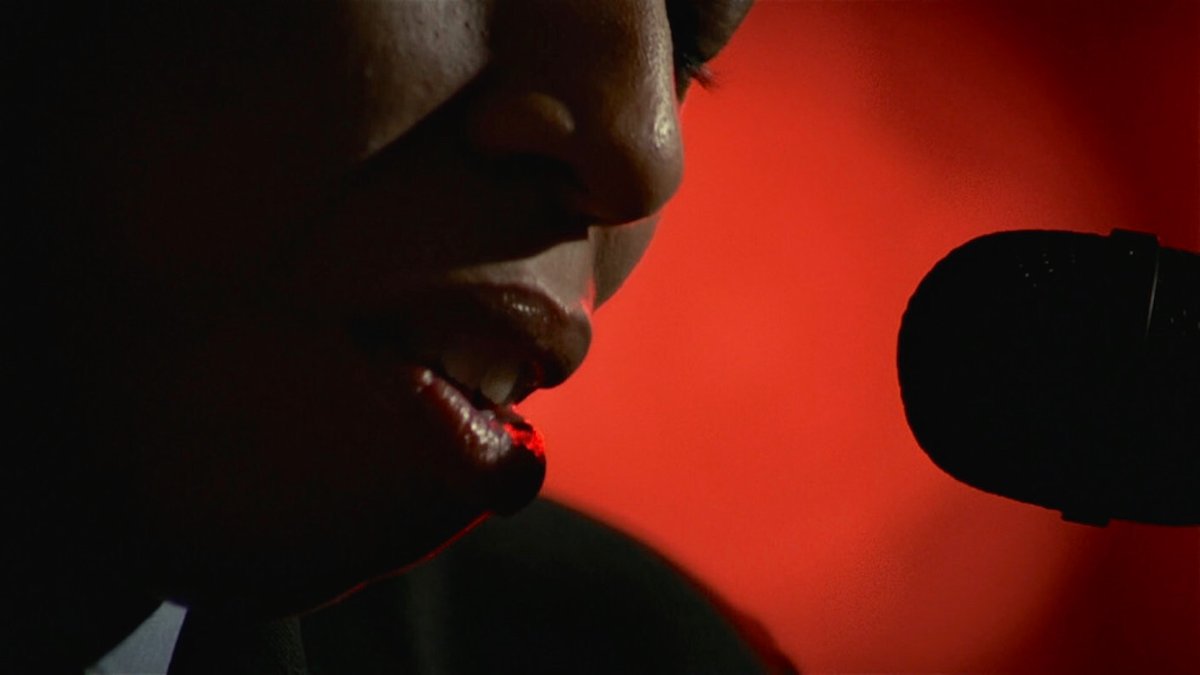
Lynne Thigpen, who plays the DJ narrating the action, was cast after Hill and Gordon saw her in the same play as David Patrick Kelly. She was disappointed her scenes only showed her mouth, even though they’re some of the film’s most famous images.
14/46
14/46
Hill hired real gang members as extras for the conclave scene to add authenticity. But they also mixed in undercover cops in case things got out of hand. Largely, the gang members behaved themselves.
15/46
15/46
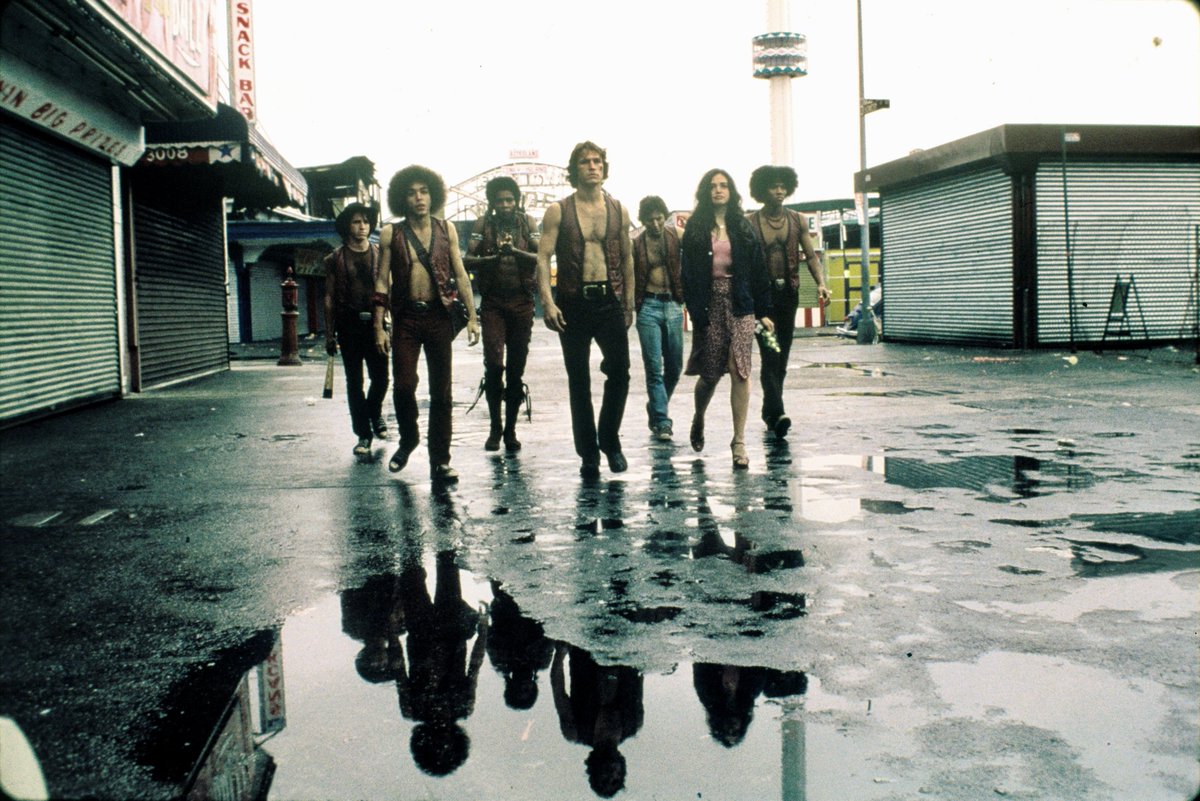
However, there were hiccups with real gangs during filming. One scene had to move because gang members hadn't been paid to shoot on their turf, and turned up jeering. Another time, a gang member reportedly urinated on the cast from an elevated train.
16/46
16/46
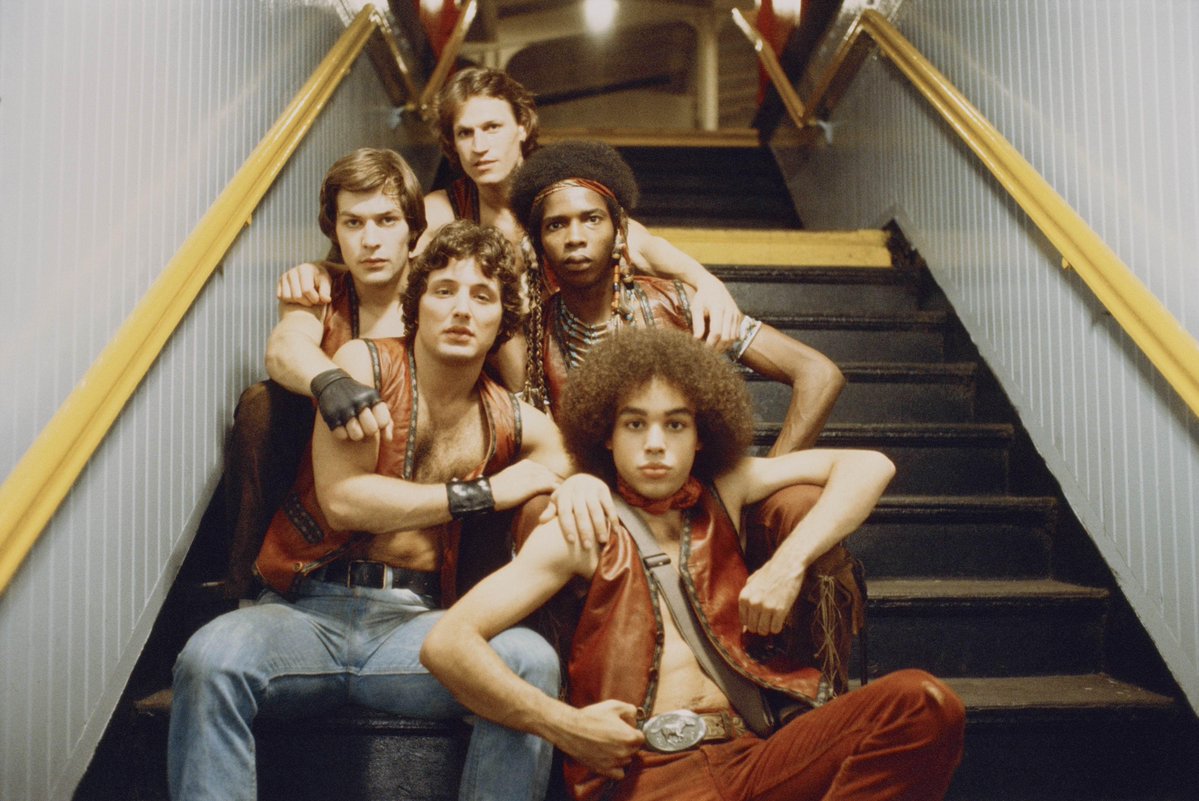
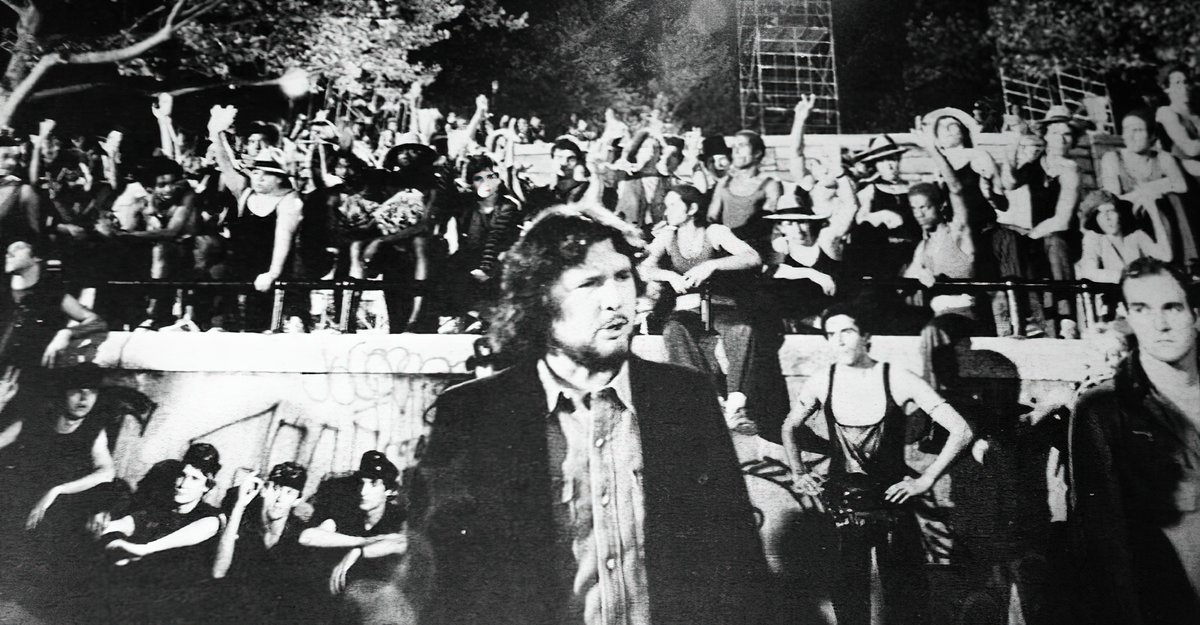
For a scene in Alphabet City, filming had to relocate after a double homicide around the block. "It seems funny now, but it was not at the time" Hill said of the production's brushes with real street gangs.
17/46
17/46
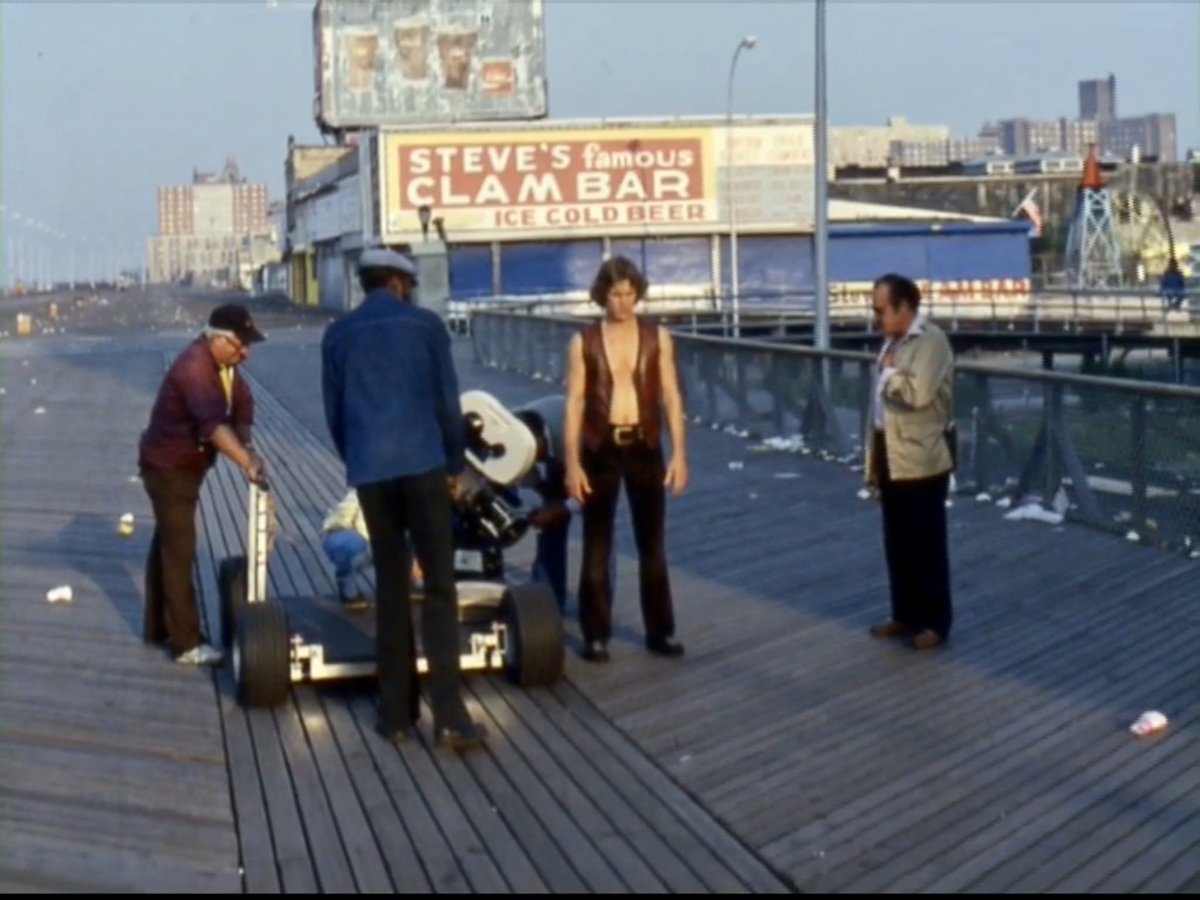
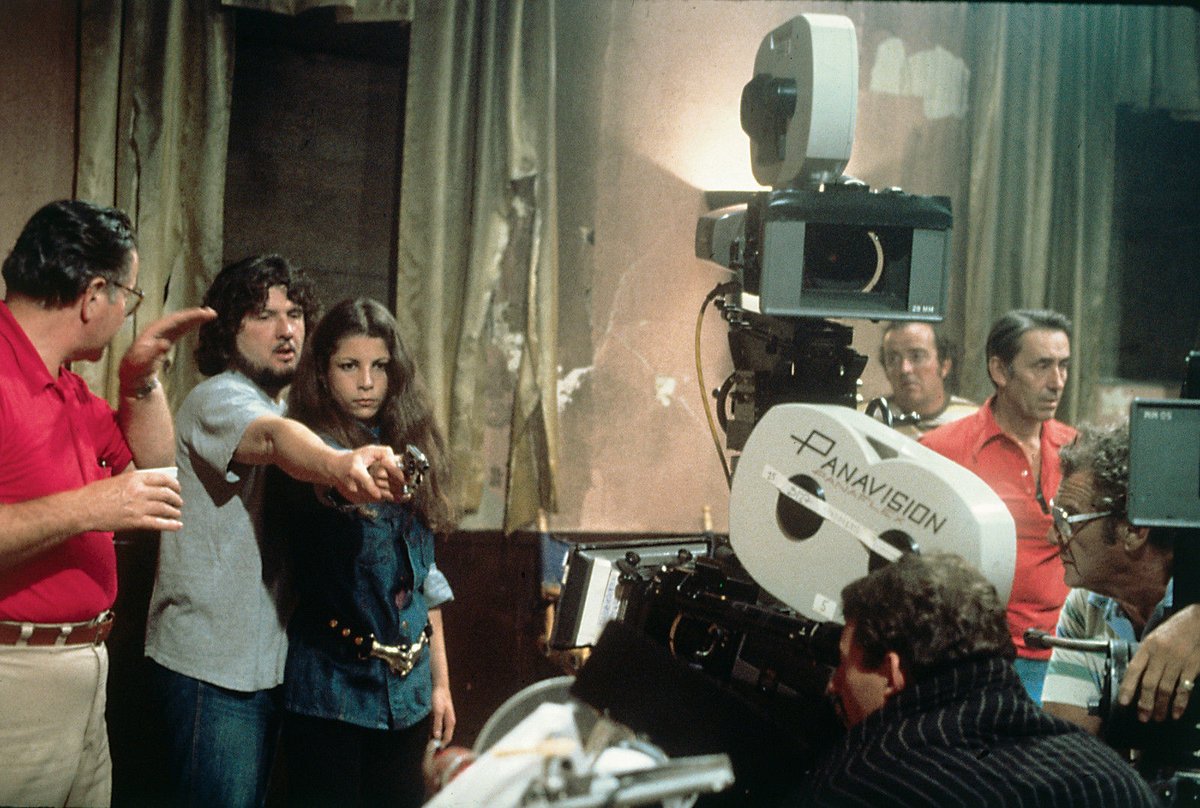
The Warriors was shot almost entirely on the streets of NYC, with only one studio set. Hill wanted to divide the film into comic book-like chapters, but budget and deadline concerns forced him to use more traditional wipe transitions instead.
18/46
18/46
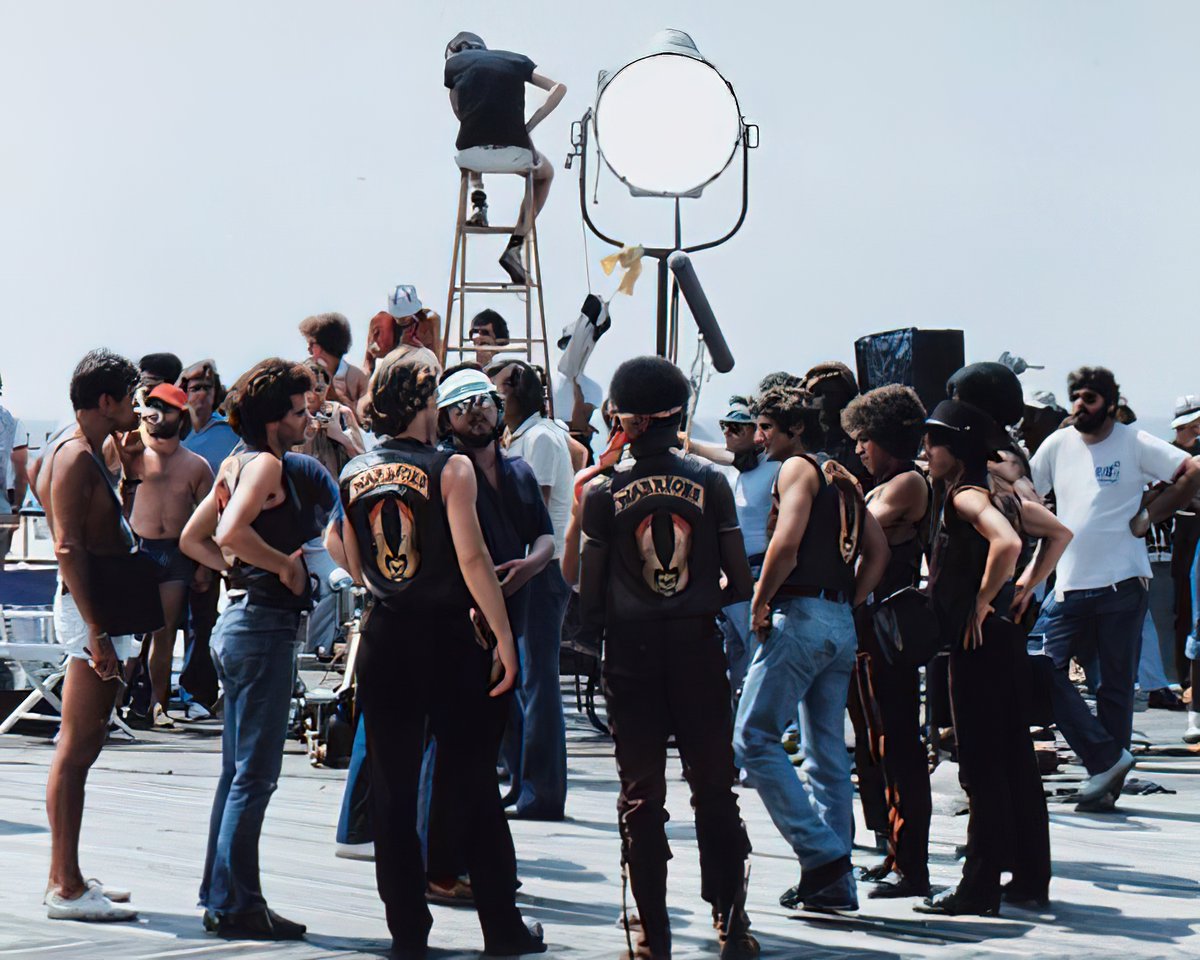
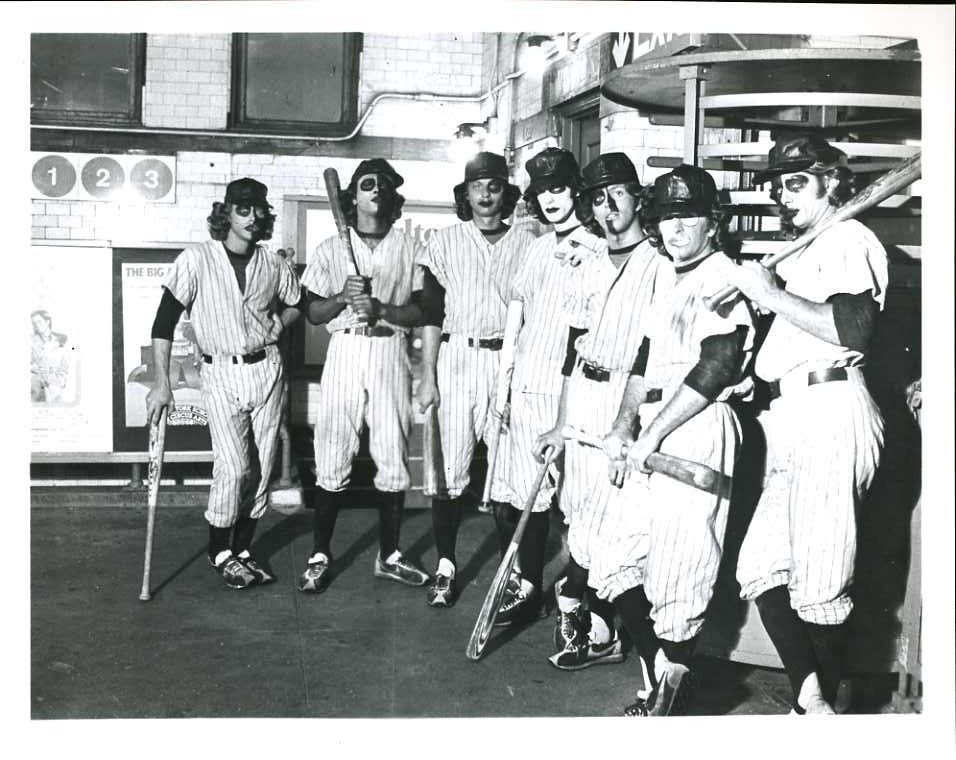
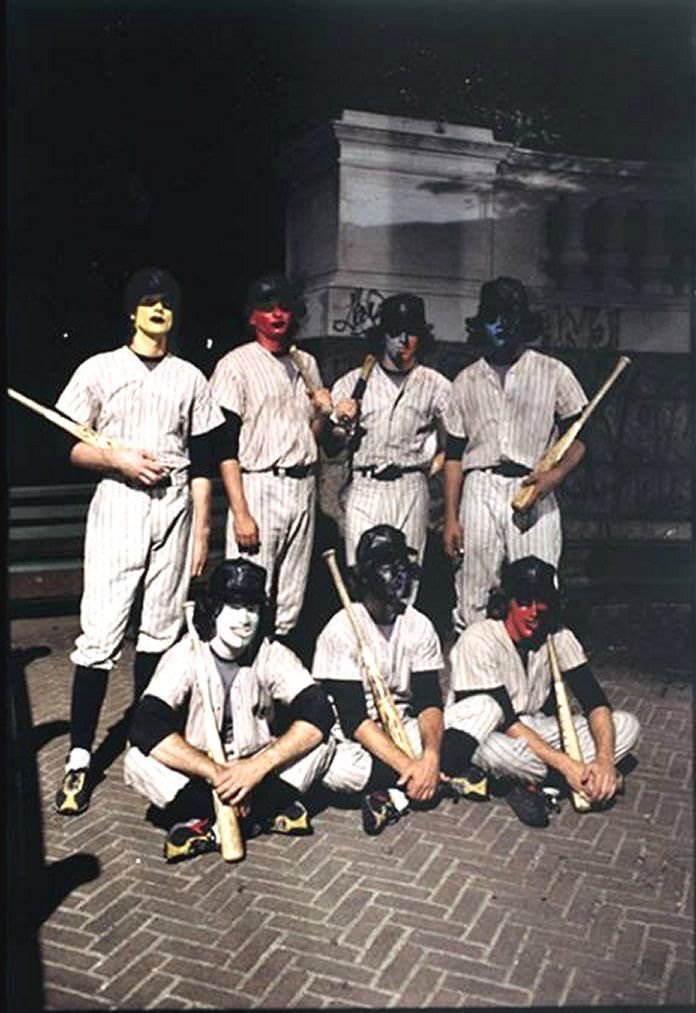
The Baseball Furies gang were designed by combining Walter Hill’s love of baseball with the face paint style of rock band Kiss.
19/46
19/46
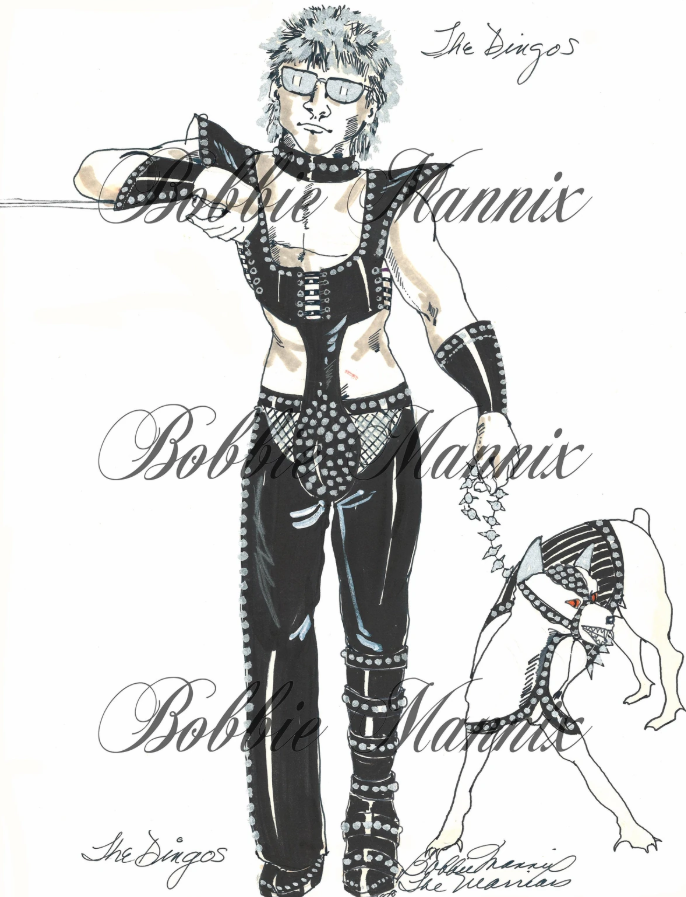
Originally, there was a gay gang called The Dingos who apparently wore blonde wigs, leather and chrome spikes. They were meant to kidnap Swan, but the scene was cut for budget reasons. Hill defended the idea saying they were portrayed with “dignity”.
20/46
20/46
John Snyder and, a then-unknown Kevin Bacon, were among those in the frame to play members of the Dingos. After the Dingos scene was axed, Bacon missed out, but Snyder was later re-cast as a gas station attendant.
21/46
21/46
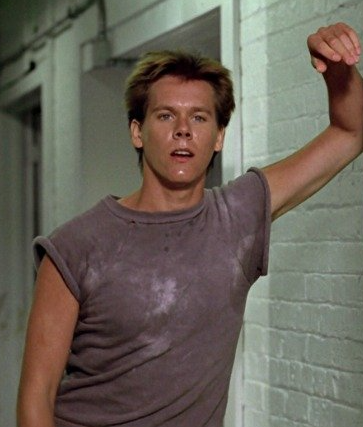
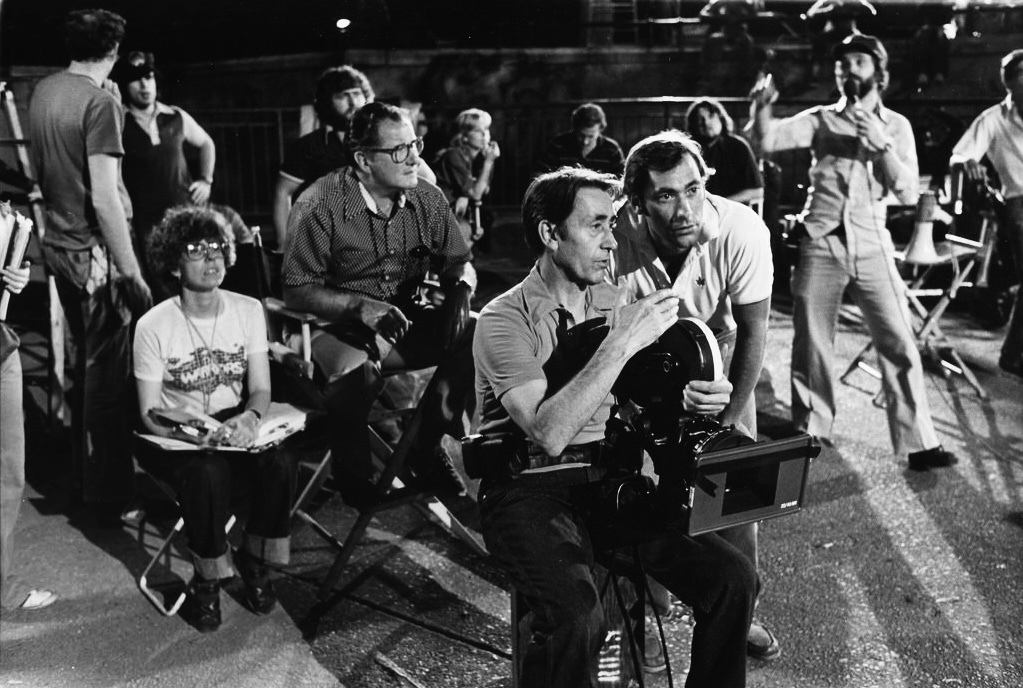
The film's budget didn't allow for removing camera cranes during the conclave scene. So cinematographer Andrew Laszlo disguised them with branches and shot around them. "Pulling a rabbit out of the hat," he called it.
22/46
22/46
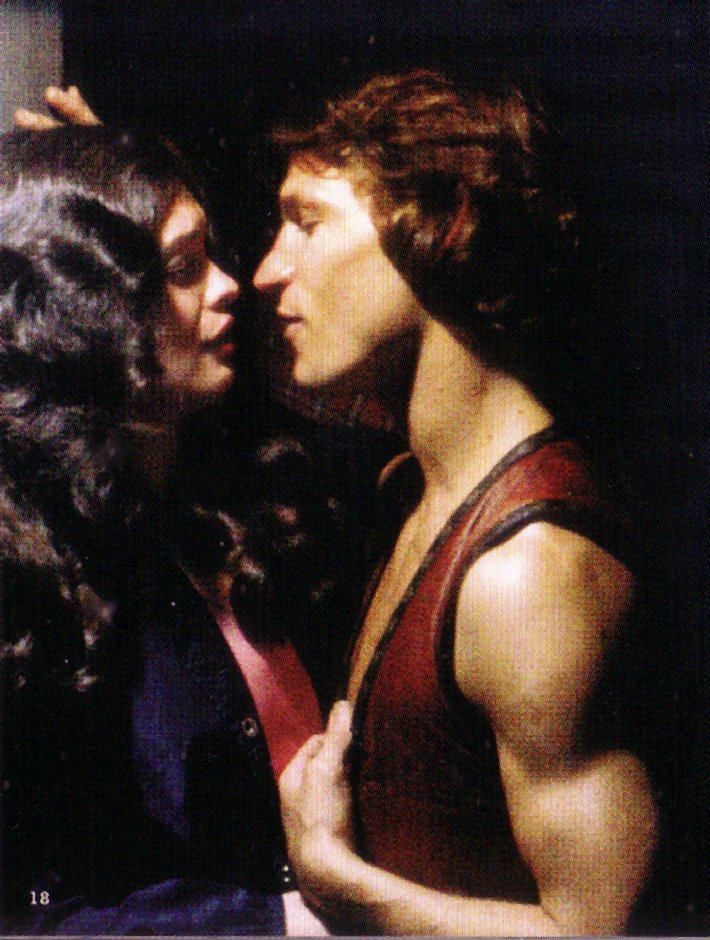
Laszlo said his favourite shot was the kiss between Swan and Mercy, timed to the flashes of a passing train. Editor David Holden agreed that shot alone was "worth the price of admission."
23/46
23/46
Getting those kinetic shots of the Baseball Furies in full sprint took a toll. Stuntmen were made to run full-tilt until they threw up. When the stuntmen couldn't continue, local marathon runners were brought in - and also ran until they vomited.
24/46
24/46
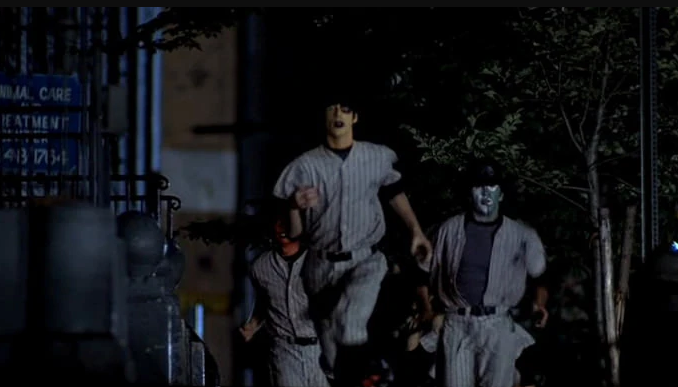
Shooting the scene where the Furies emerge from a basement, one stuntman called the location "disgusting" and "impossible to fathom that a human being would exist in such squalor." But as they filmed, locals who lived there appeared silently in doorways.
25/46
25/46
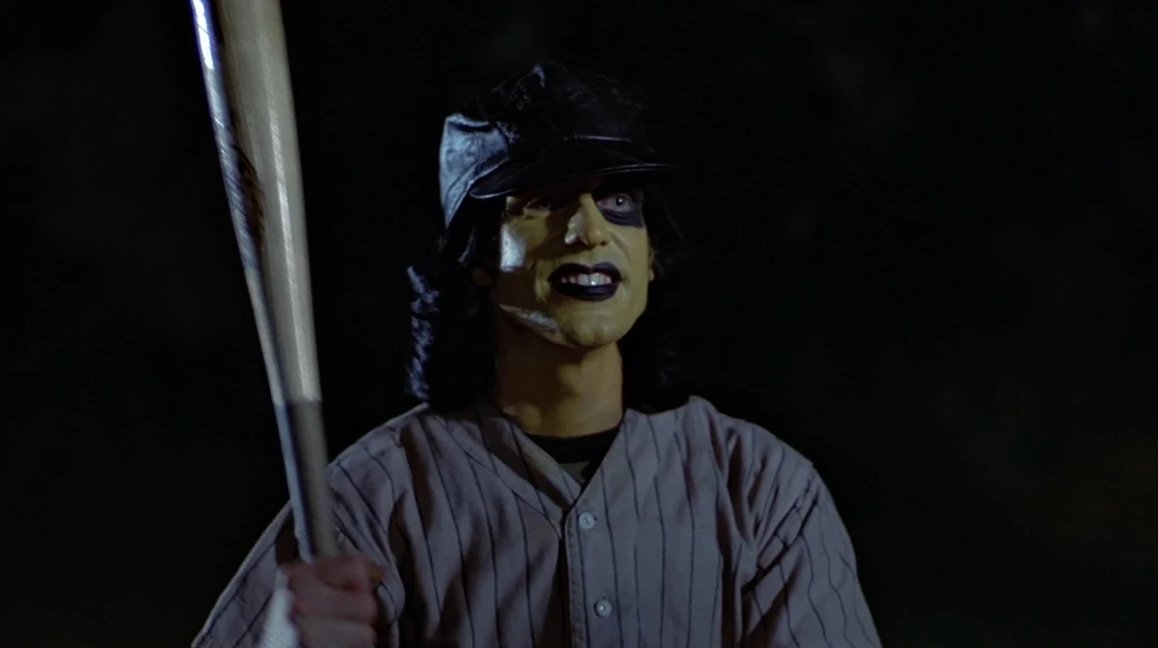
The Warriors' vest logo was lifted from a real incarcerated Hell's Angel member's illustration. Meanwhile, an actual Coney Island gang called the Homicides took issue with their colours being co-opted, and tried to prevent filming in the area.
26/46
26/46
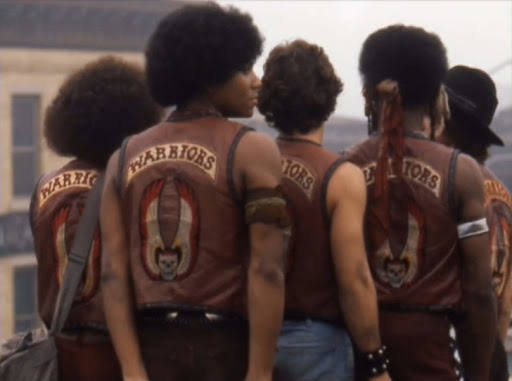
Hill shot so much footage across NYC that his editors affectionately called him "The Blanket." In total, they had 30 hours of material to whittle down to make the final cut.
27/46
27/46
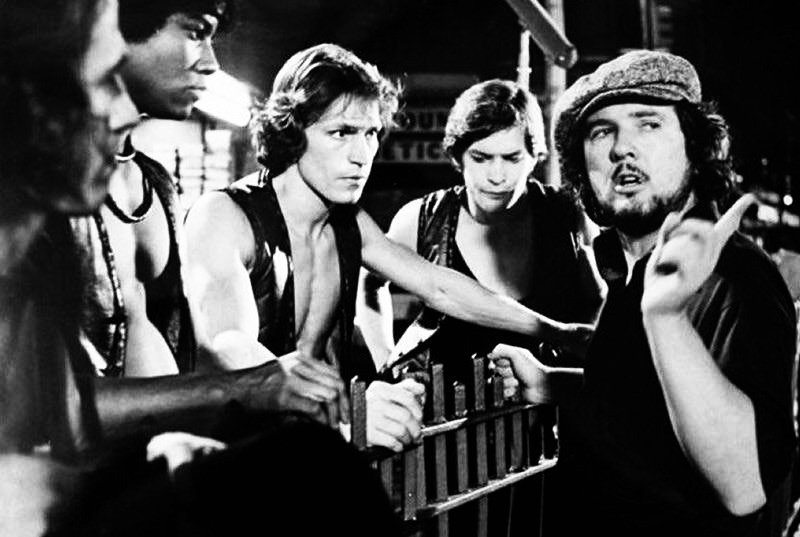
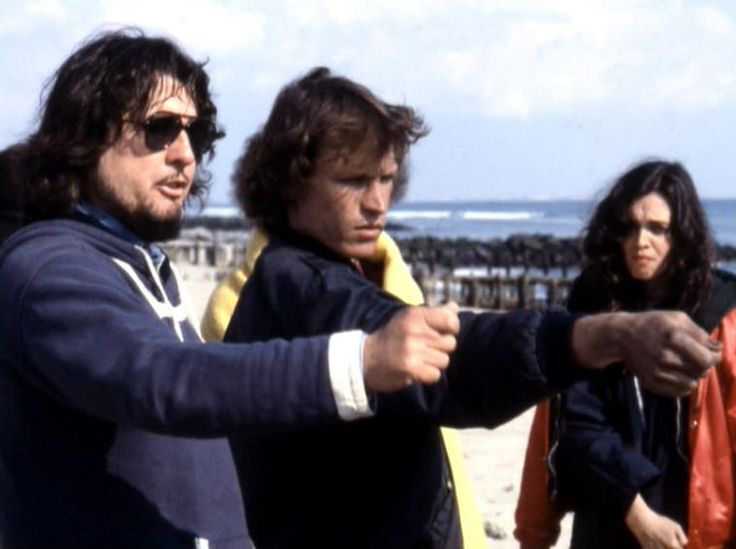
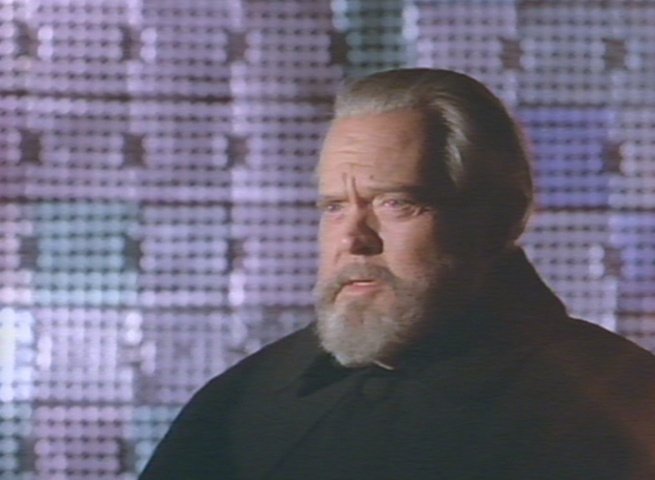
Hill had originally wanted Hollywood legend Orson Welles to record a voiceover narration for the beginning of the film, but budget-conscious Paramount pulled the plug on that plan.
28/46
28/46
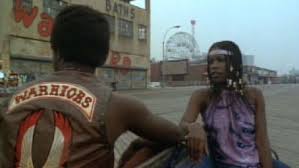
In another early scene, Hill planned to show Cleon (Dorsey Wright) talking to his girlfriend, played by Sidney Poitier's daughter Pamela. Another ditched opening had Cleon instructing the Warriors on the boardwalk before heading to the conclave.
29/46
29/46
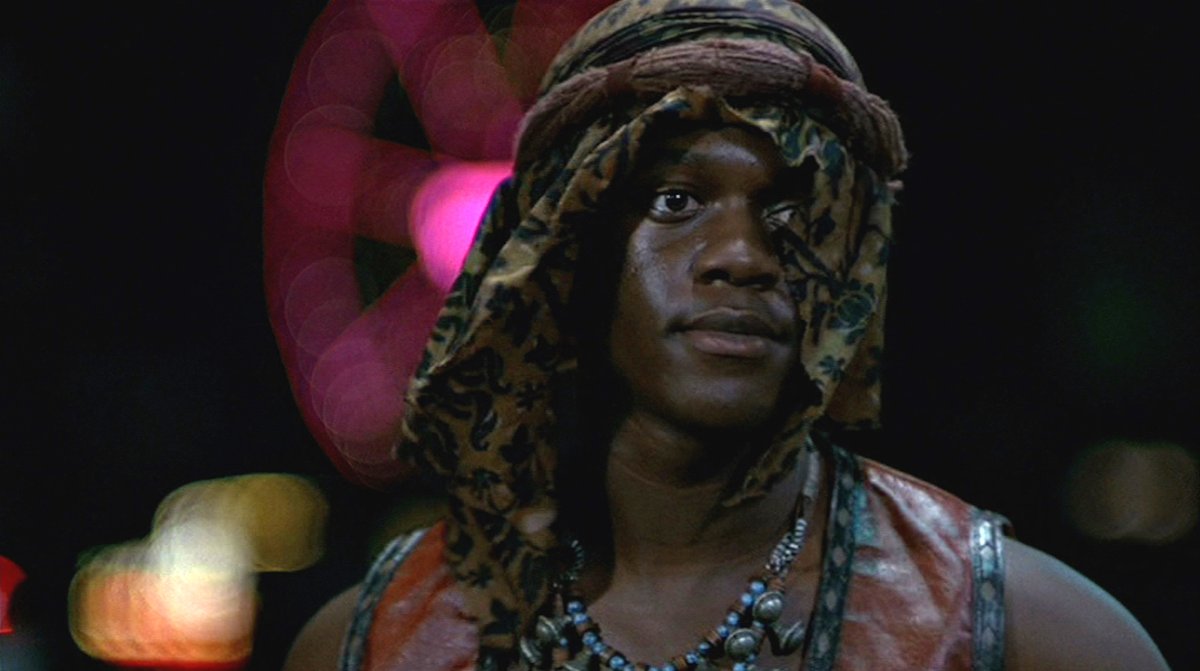
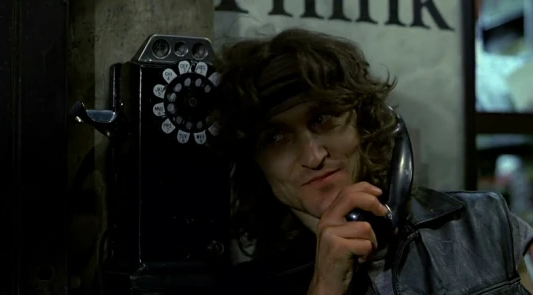
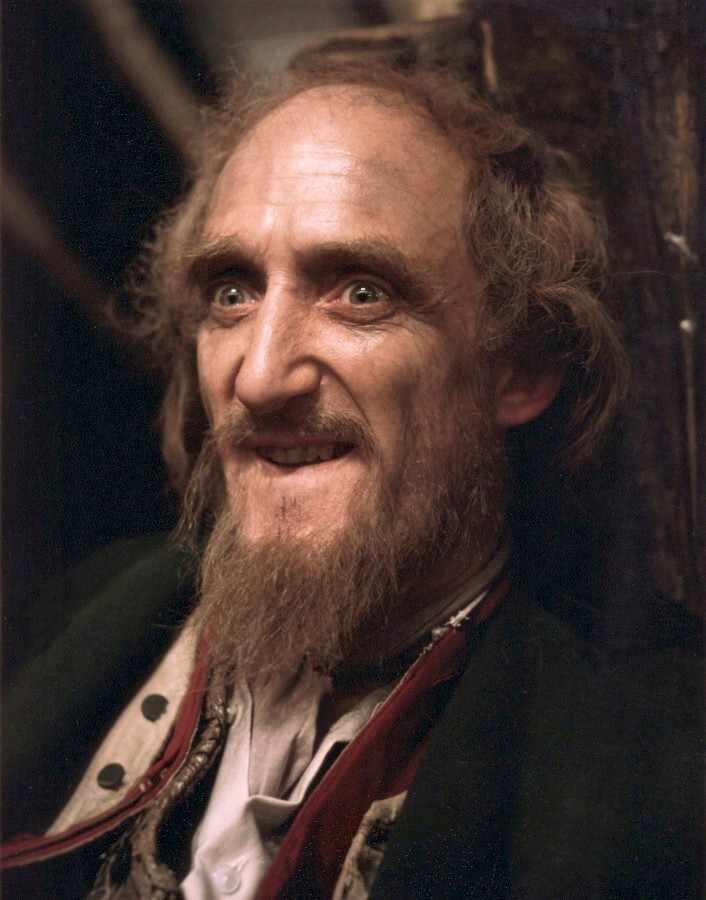
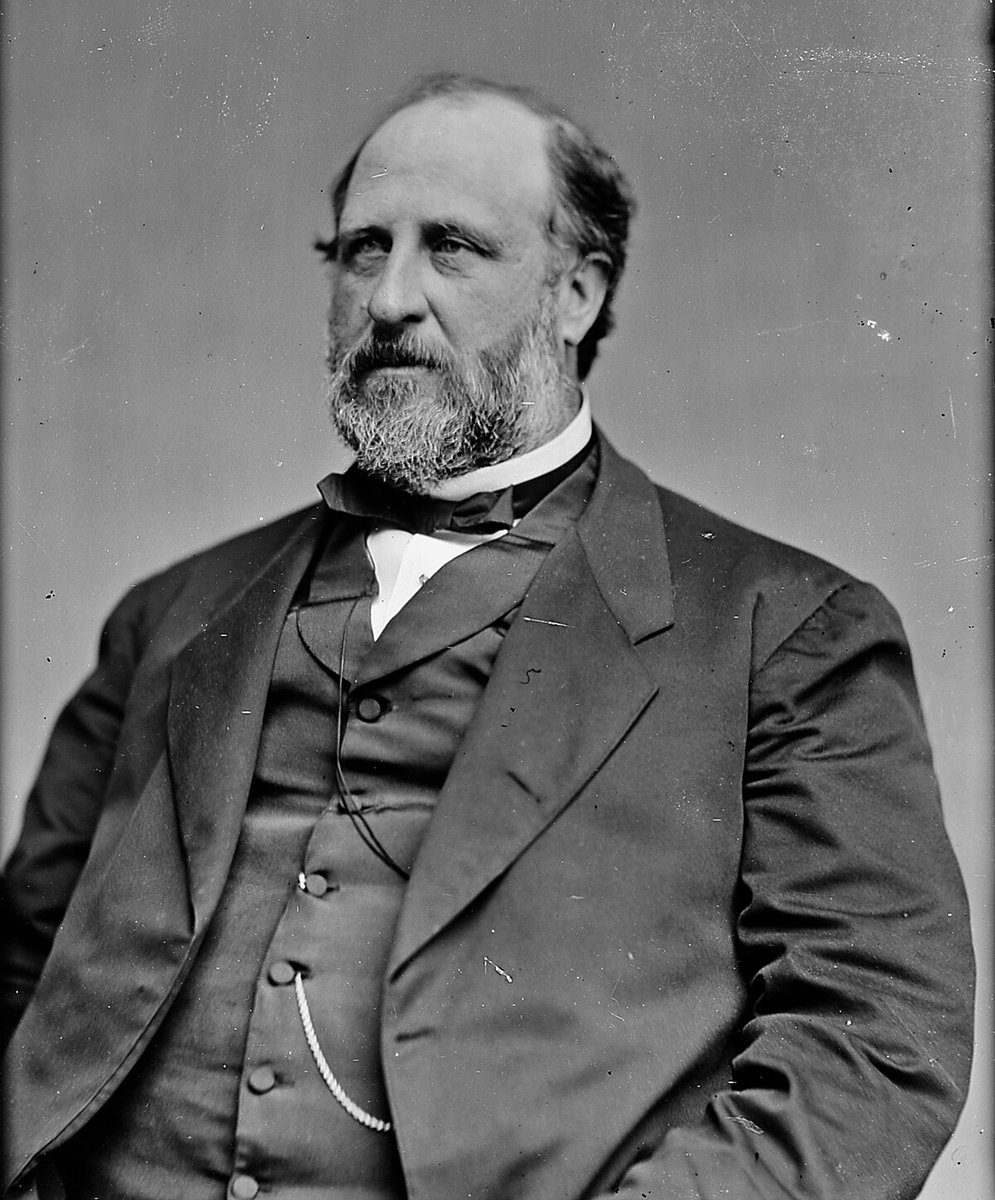
When Luther makes a phone call from the candy stand, David Patrick Kelly decided he was talking to someone he called "The Boss" to inspire him in the scene. He said he imagined the Boss as a mix between Fagin from Oliver! And 19th century US politician Boss Tweed.
30/46
30/46
David Patrick Kelly said that while filming the conclave scene, real gang members approached him, asked if he was the sheriff, then looked at his badge. Kelly said he was intimidated and walked away silently, letting the stuntmen shoo the gang members off.
31/46
31/46
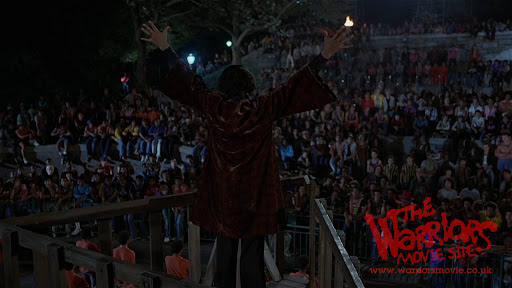
When Cowboy does a forward roll in the 96th Street subway station, that was ad-libbed by the actor Tom McKitterick, but Walter Hill loved it and kept it in.
32/46
32/46
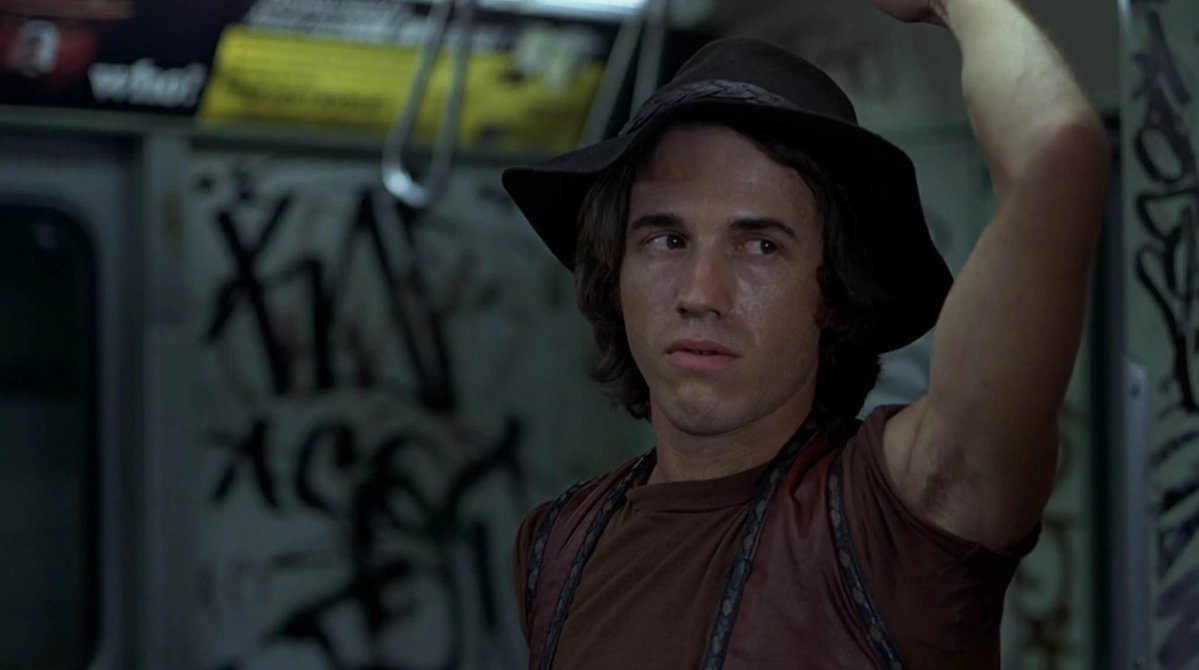
In the Lizzies' hangout, filming was complicated by the presence of a large mirror that reflected the crew on certain shots. They ended up having to shoot the scene piecemeal and bit-by-bit to keep equipment out of frame.
33/46
33/46
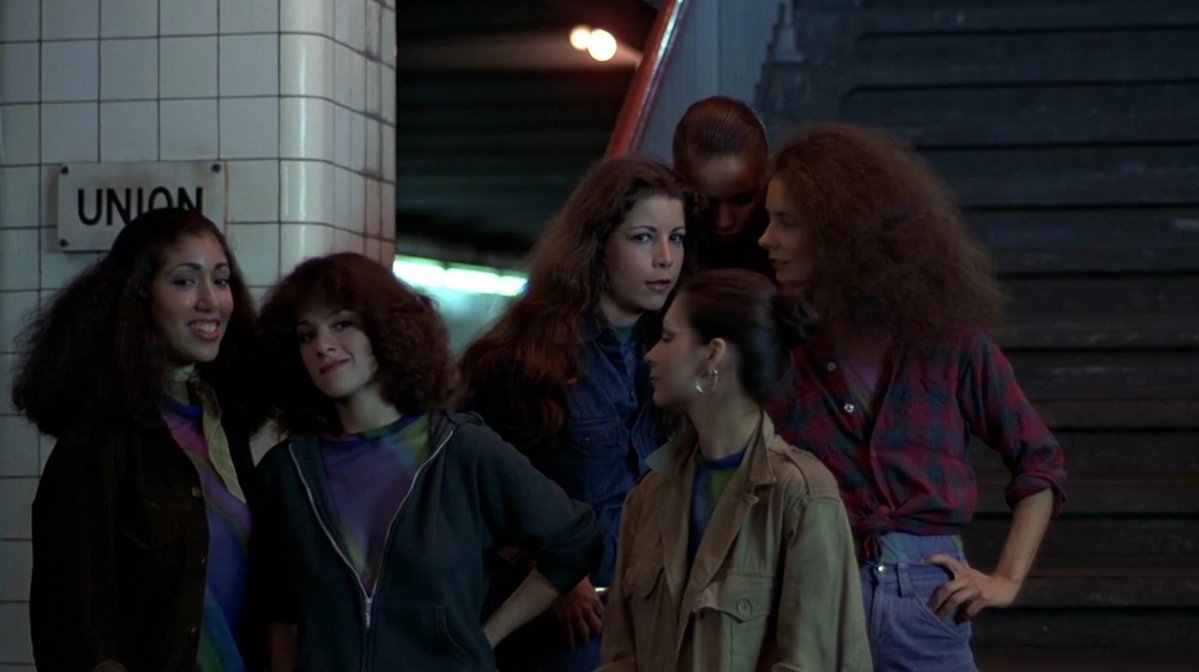
The idea to have a fire stop the train came from producer Frank Marshall. He asked transit consultants what could feasibly halt a subway car, and a track fire was the answer.
34/46
34/46
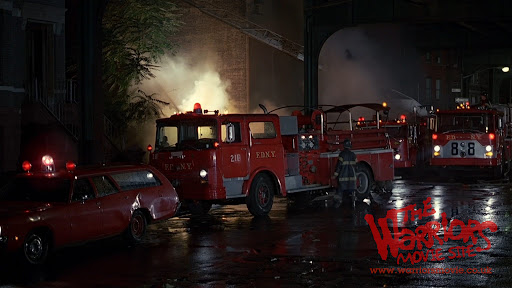
Originally, the Rogues' hearse-style car only had crates to sit on, and no proper seats inside. Actor Joel Weiss did the driving, while the other gang members were jostled on boxes in the back.
35/46
35/46
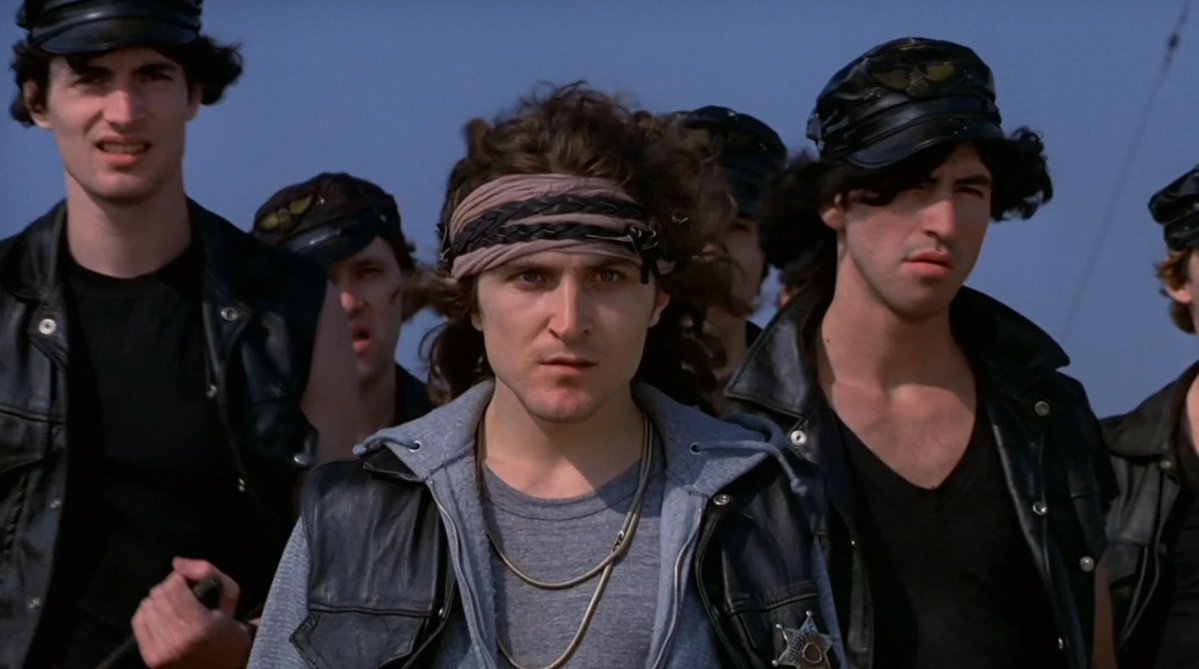
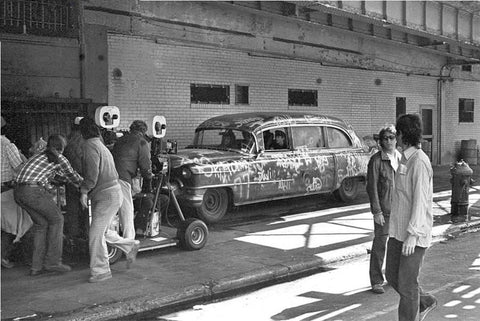
Stuntman Steve Chambers said the abandoned building used for the Rogues' hangout was "so bad the smell would make you gag." Rotting provisions were strewn about and walls were crumbling.
36/46
36/46
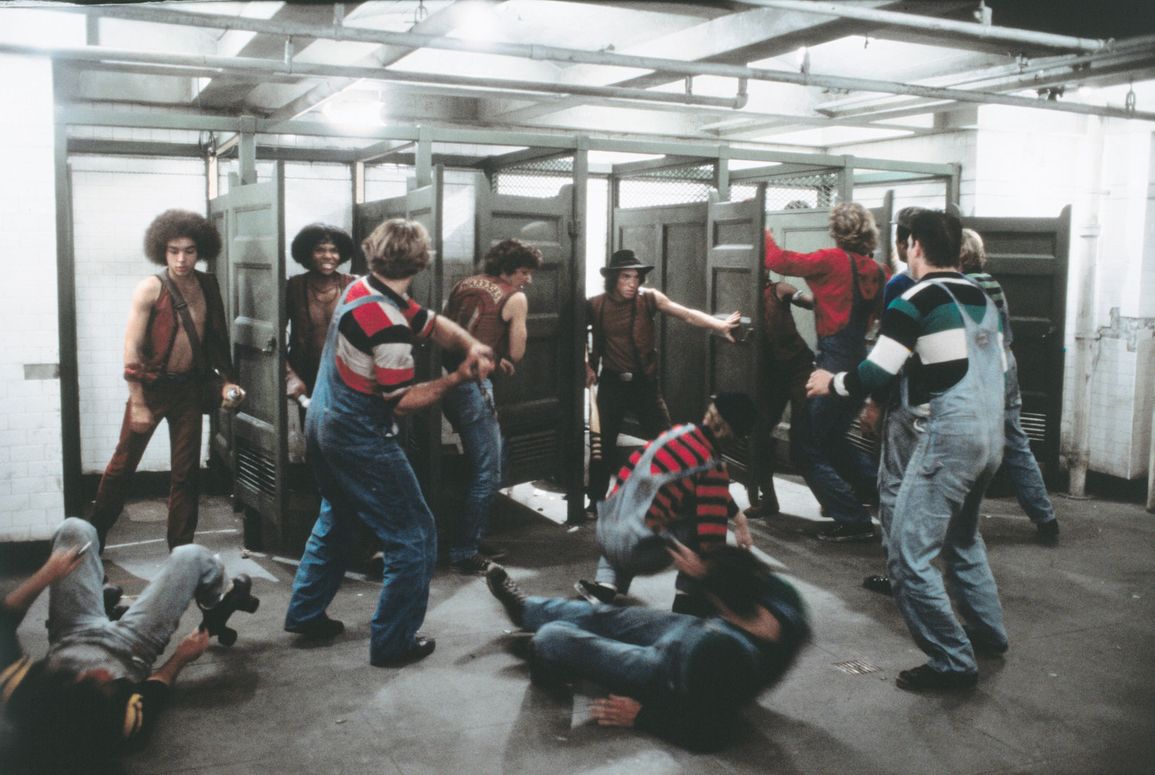
Actual Coney Island landmarks were used for filming, including the Wonder Wheel and boardwalk. The final shot of the Warriors walking down the beach at dawn capped off the location shooting, and was the final shot of production.
37/46
37/46
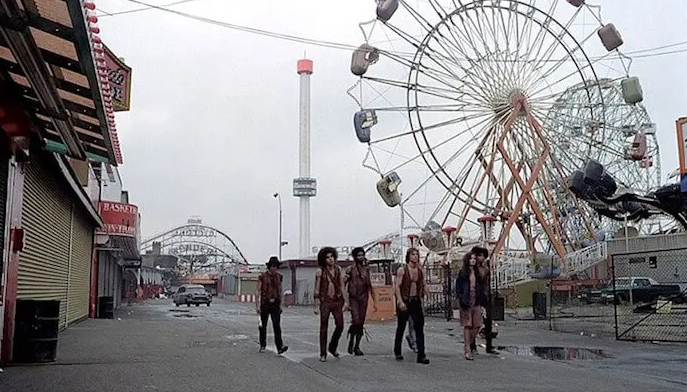
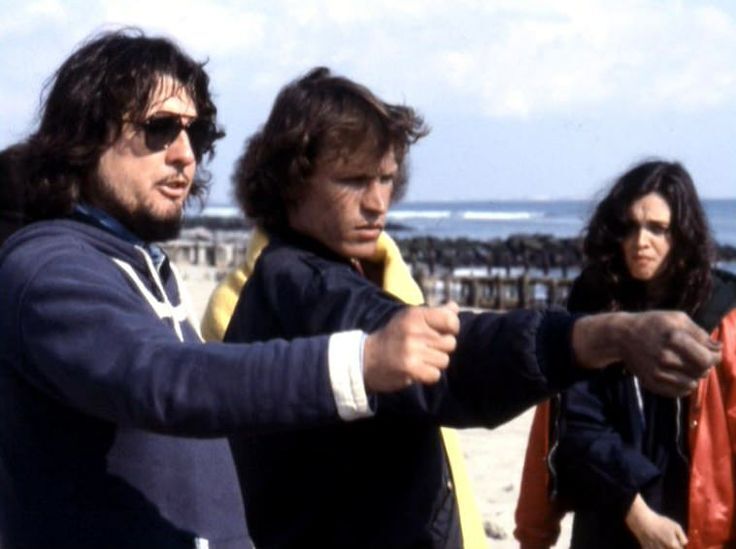
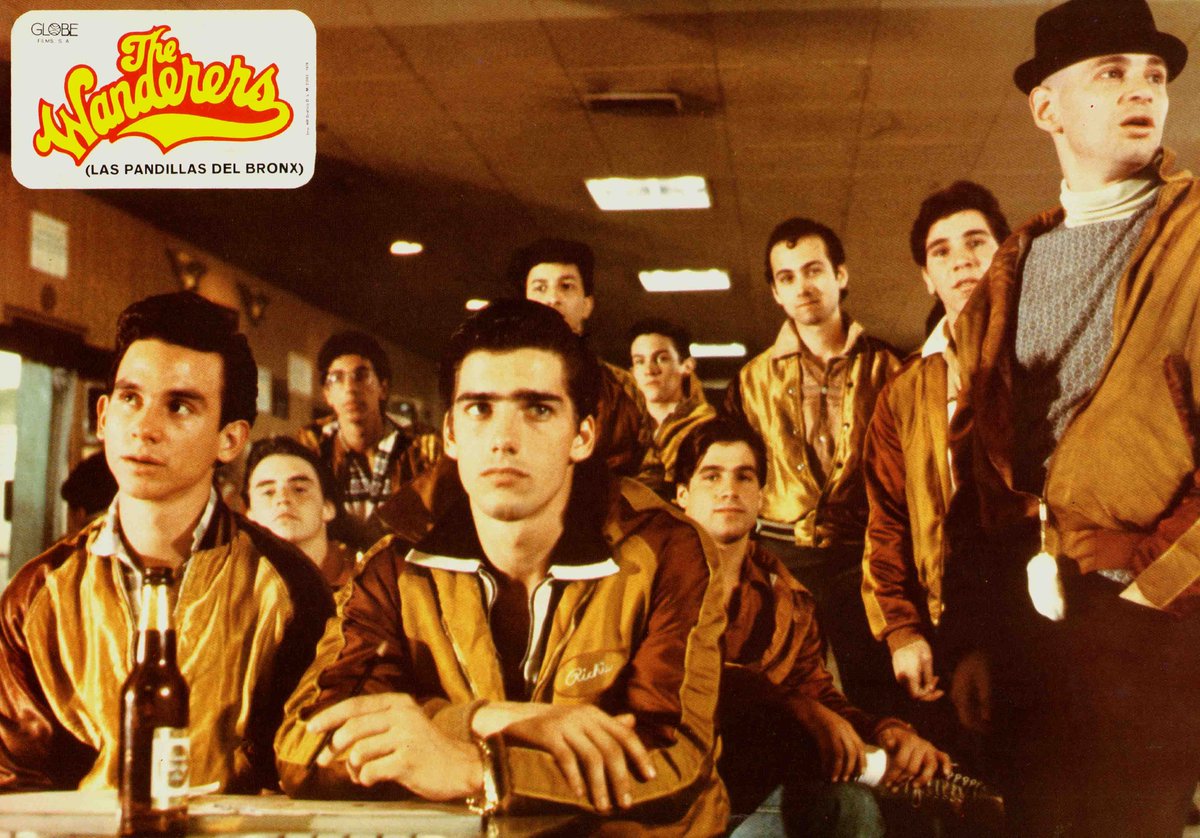
The film's muted colour palette was an intentional choice by Hill and DP Laszlo. The idea was to try and give the film a comic book feel and avoid the vibrant, saturated look of other 70s gang movies like Philip Kauffman’s The Wanderers.
38/46
38/46
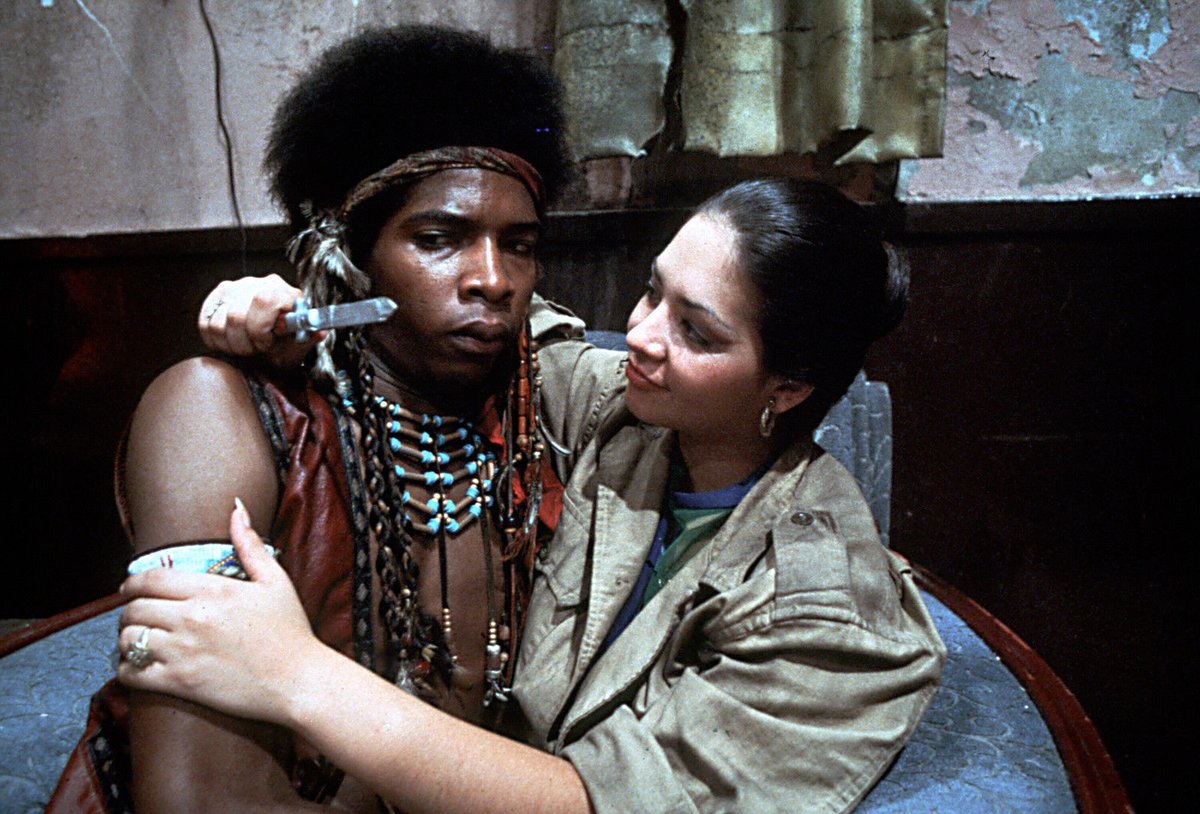
On the last day of filming, the crew surprised Deborah Van Valkenburgh with a bouquet of roses, a thank-you for all the rough-and-tumble work she did. (And all the injuries she suffered).
39/46
39/46
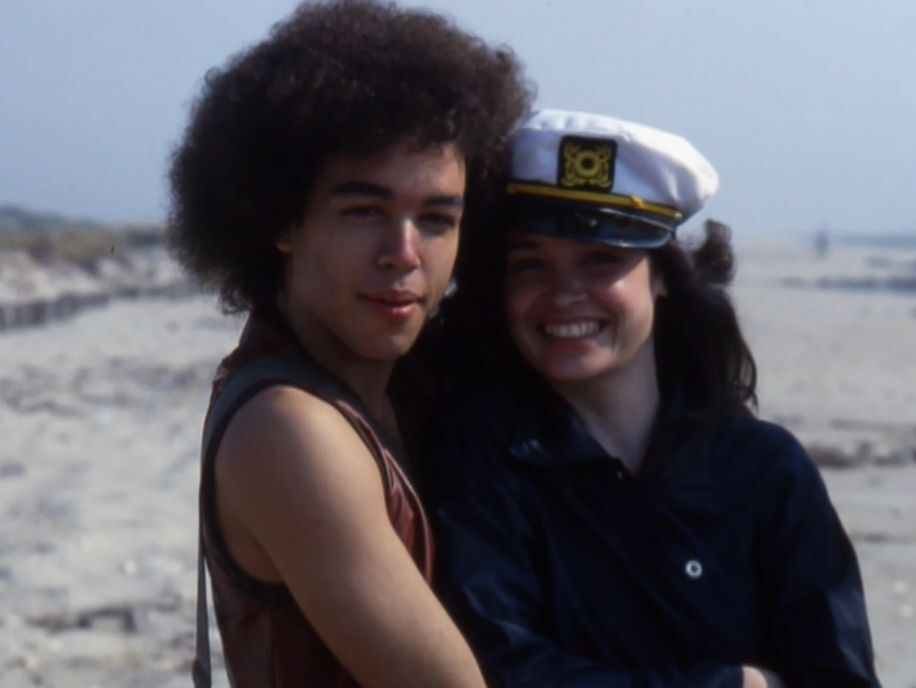
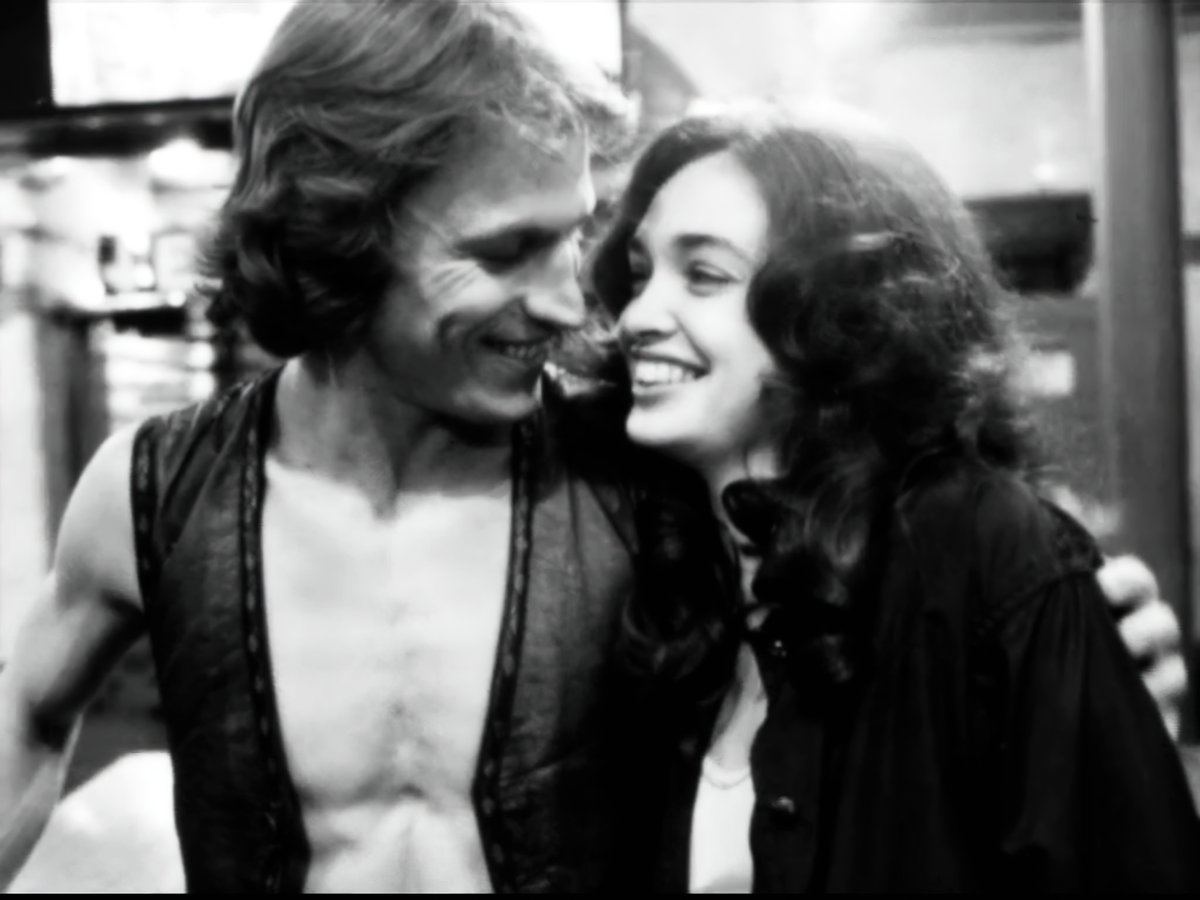
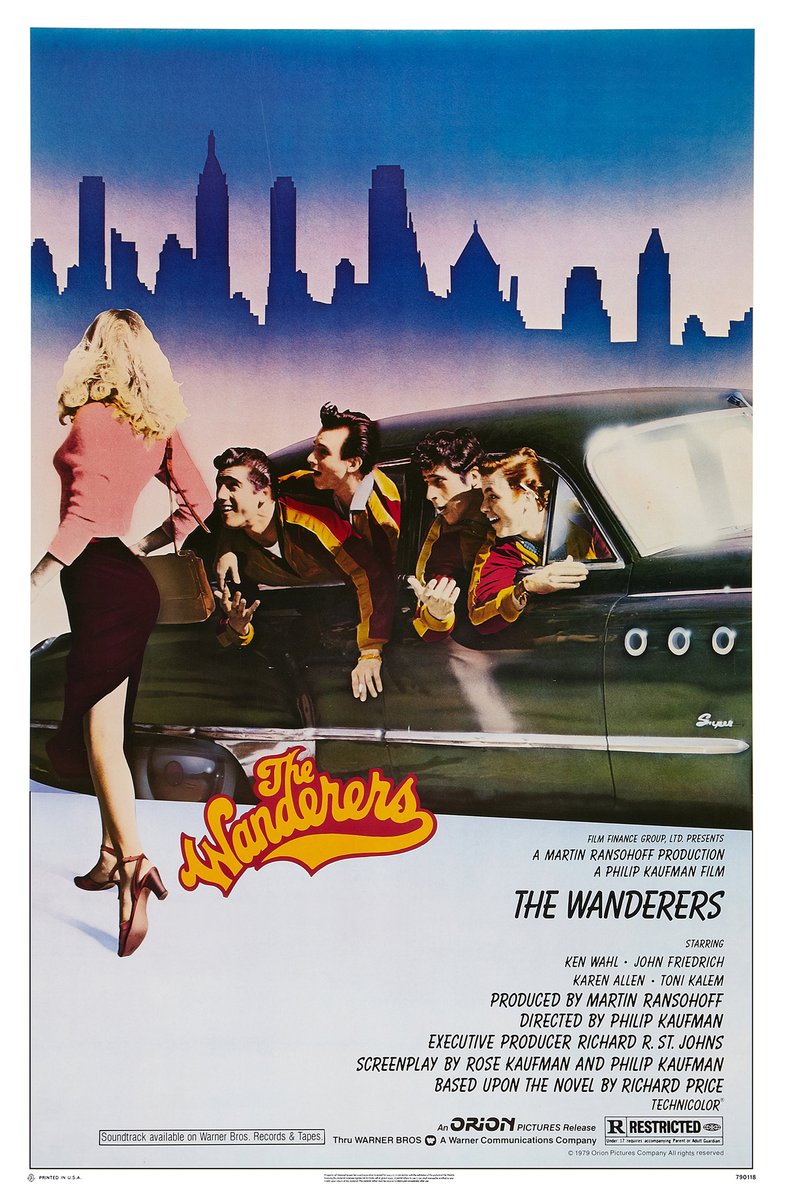
The Wanderers was another gang movie in production at the same time, and Paramount wanted The Warriors to release first. As such, 4 editors were hired to work on the film at the same time: Freeman A. Davies Jr, Dabid Holden, Susan E. Morse, and Billy Weber.
40/46
40/46
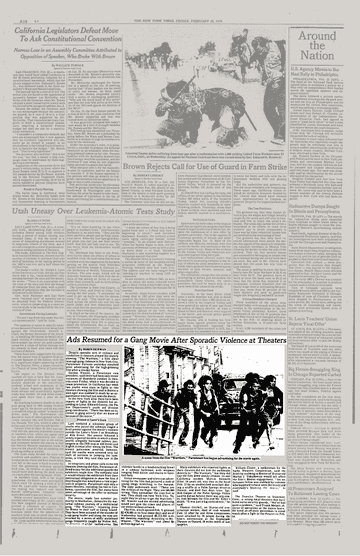
Upon release, The Warriors proved to be pretty controversial. Gangs would turn up at screenings and three gang-related killings at screenings led Paramount to pull advertising and allow cinema chains to drop the film if they chose.
41/46
41/46
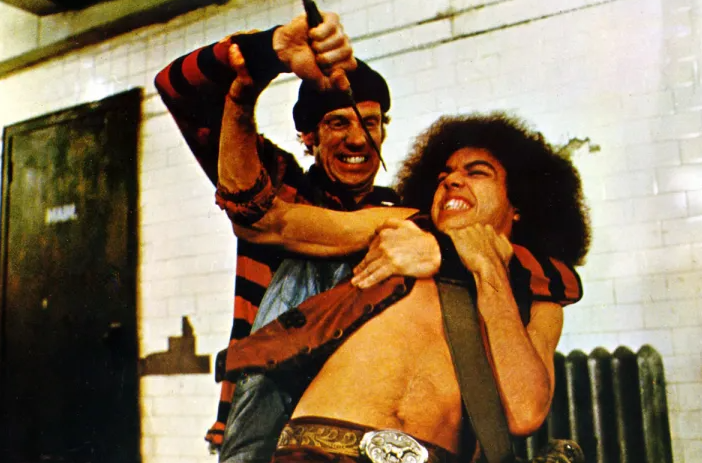
However, despite (or perhaps because of) the controversy and a muted marketing campaign, The Warriors was a box office hit. It topped the box charts in its opening weekend, beating several high-profile films like Hair and The Concorde: Airport ’79.
42/46
42/46
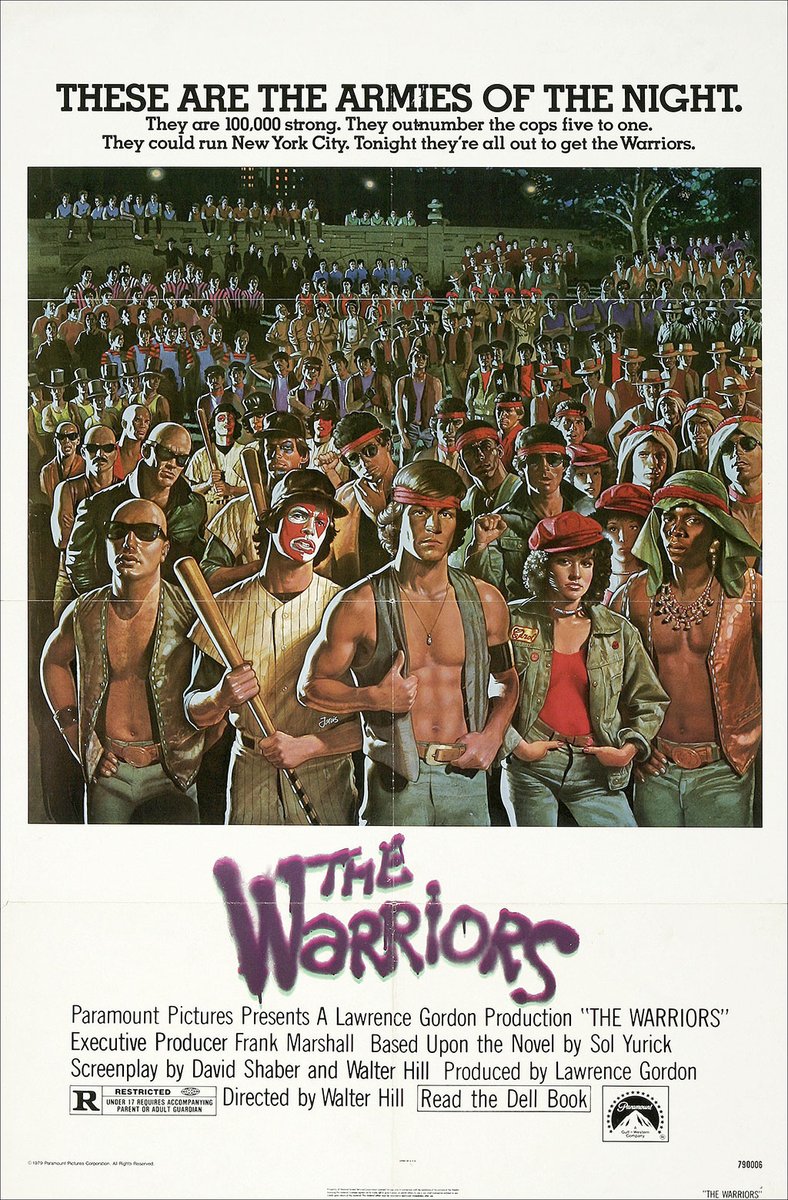
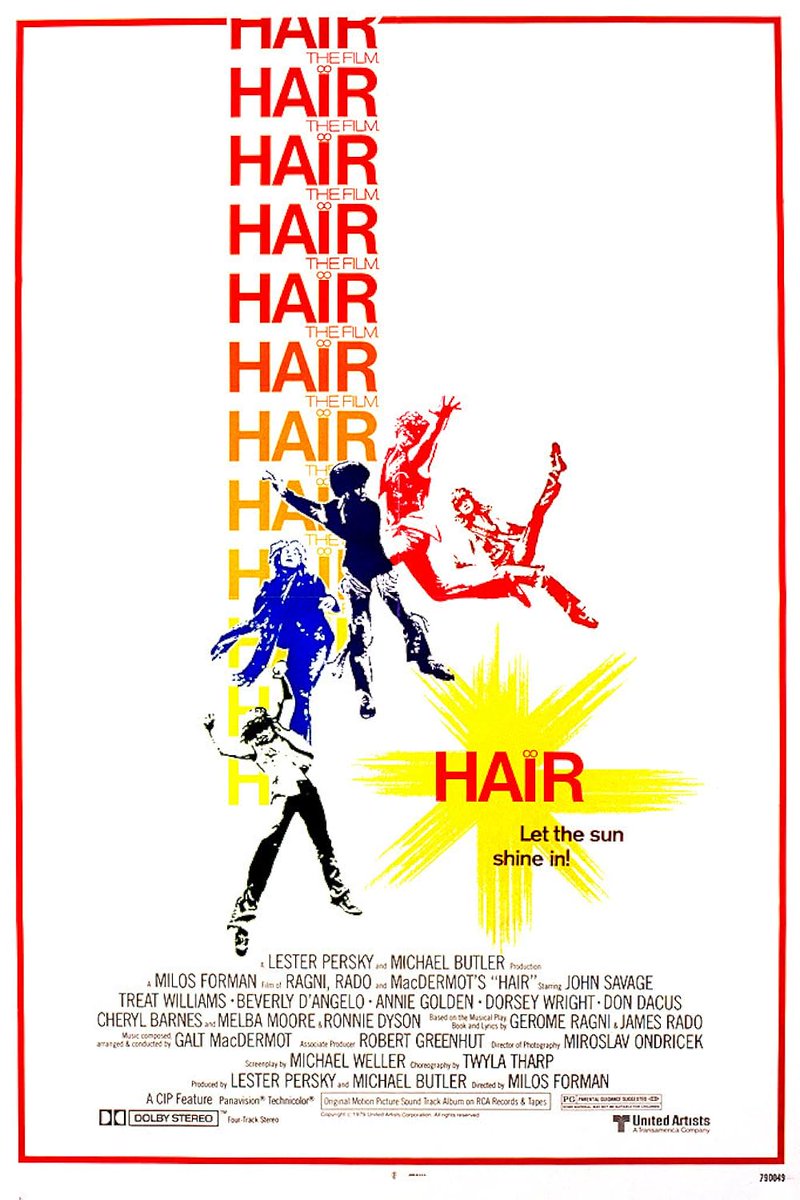
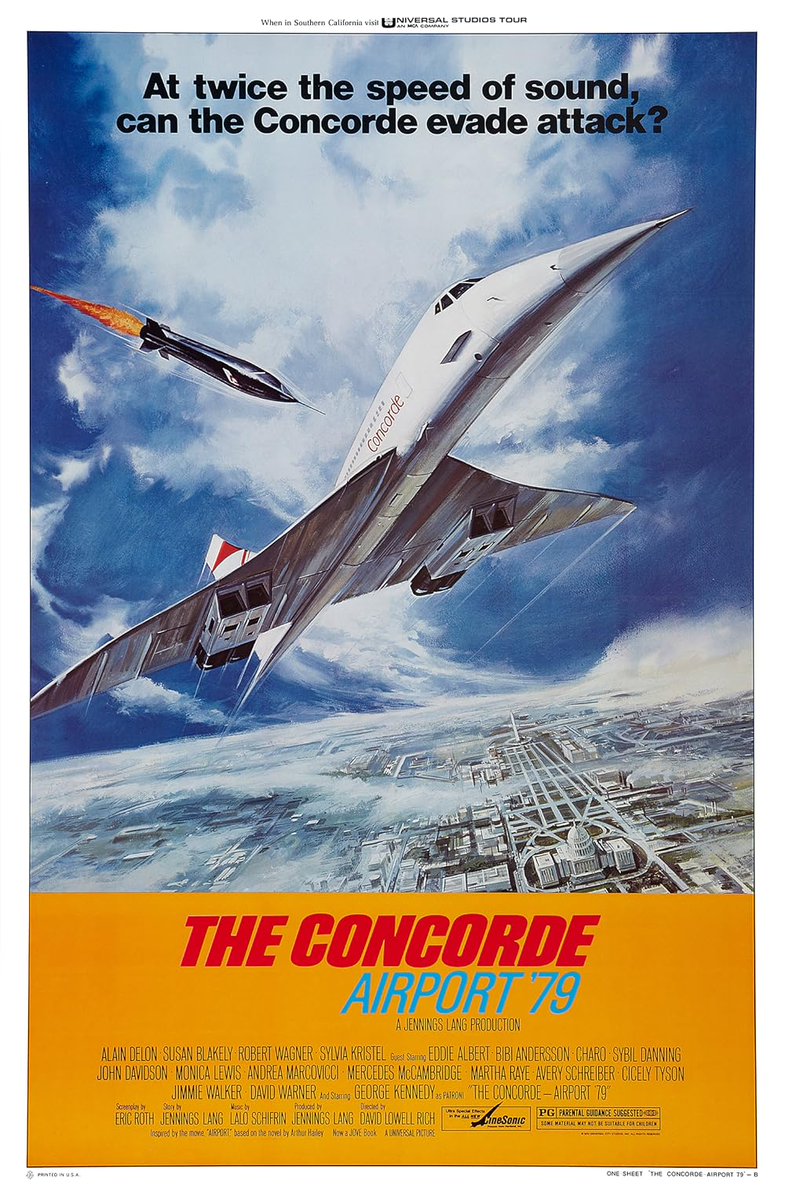
With a final production budget of $4 million, The Warriors went on to gross $22.5 million at the US box office, making it a profitable success for Paramount. (The domestic gross was pretty much its entire gross, it took approx. $5000 internationally).
43/46
43/46
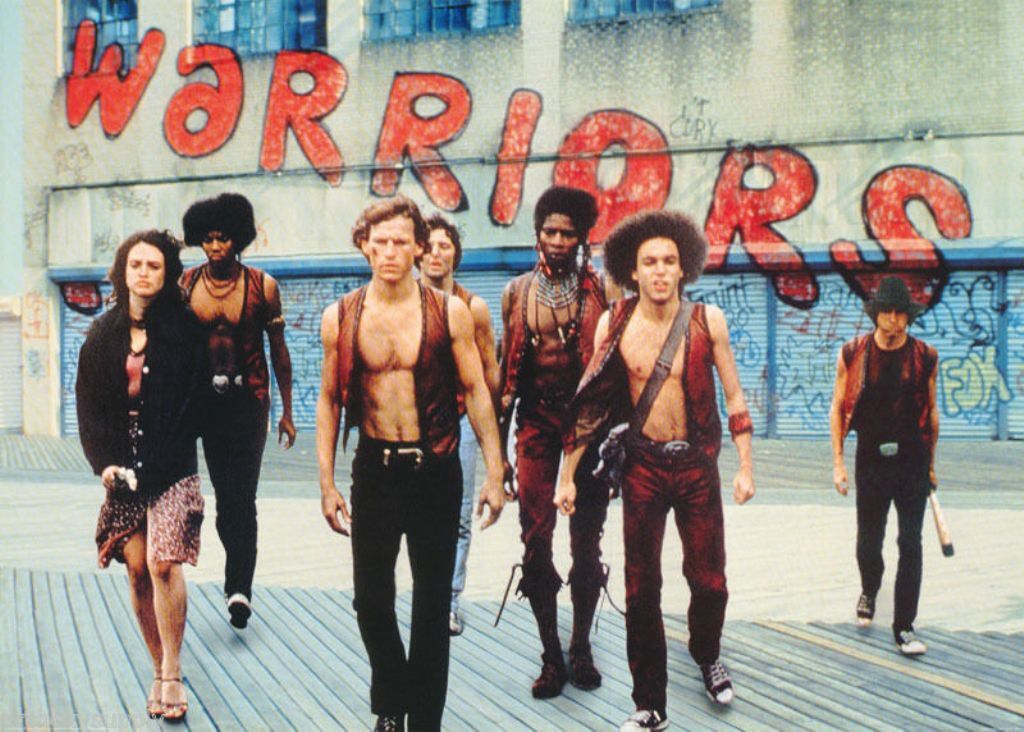
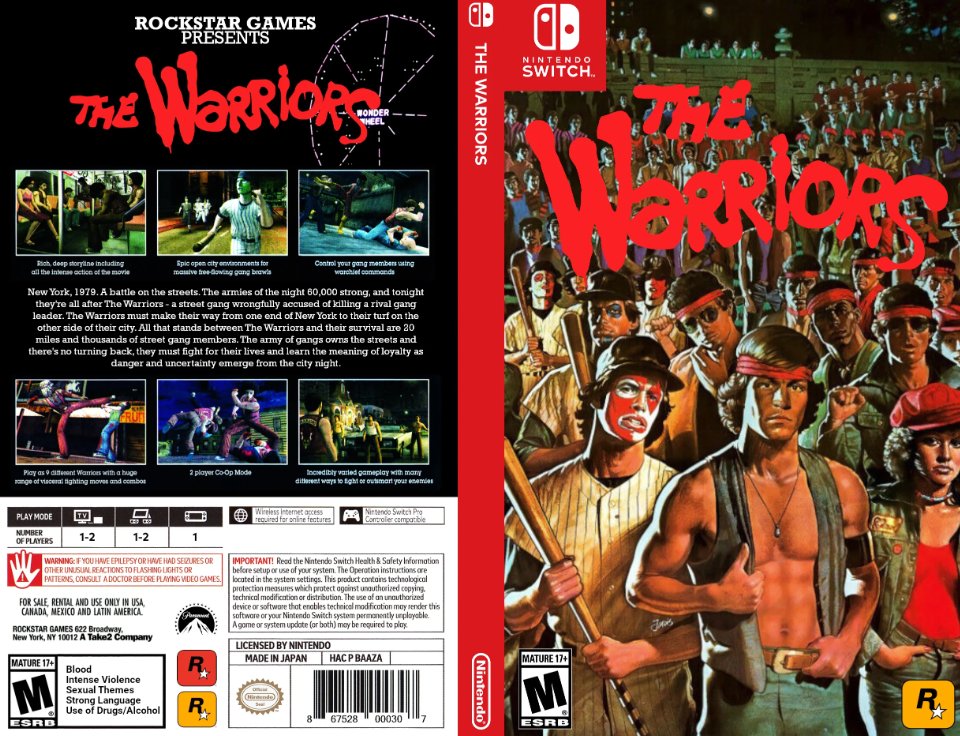
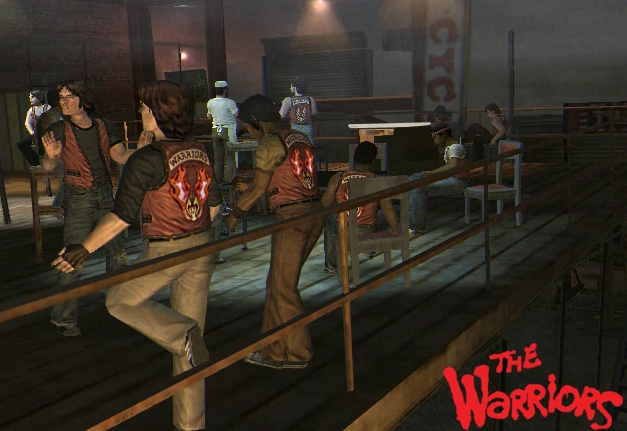
Over time, The Warriors has endured as a cult classic with wide-ranging influences. In 2005, Rockstar Games released a video game adaptation that served as both a remake of the film and a prequel to its events. It was well received with critics and in terms of sales.
44/46
44/46
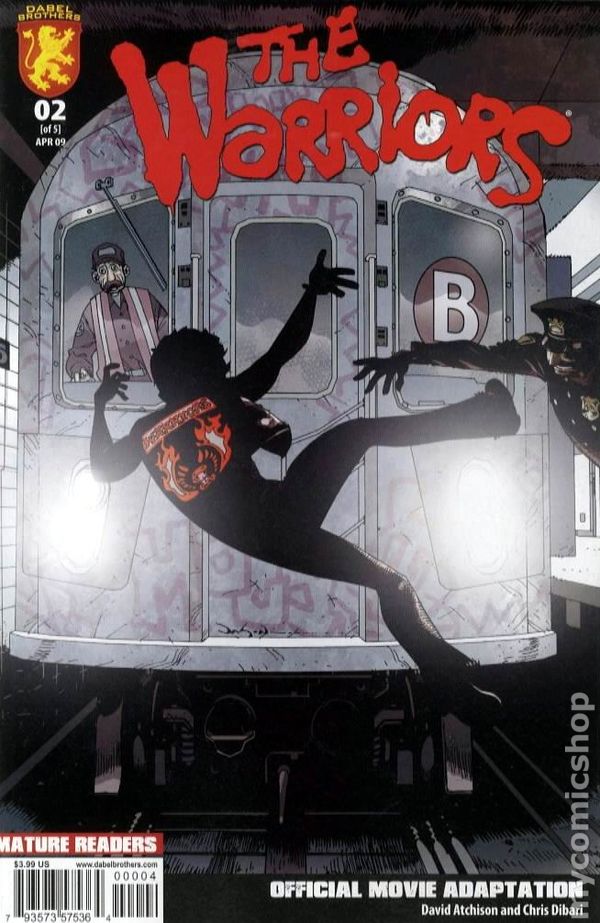
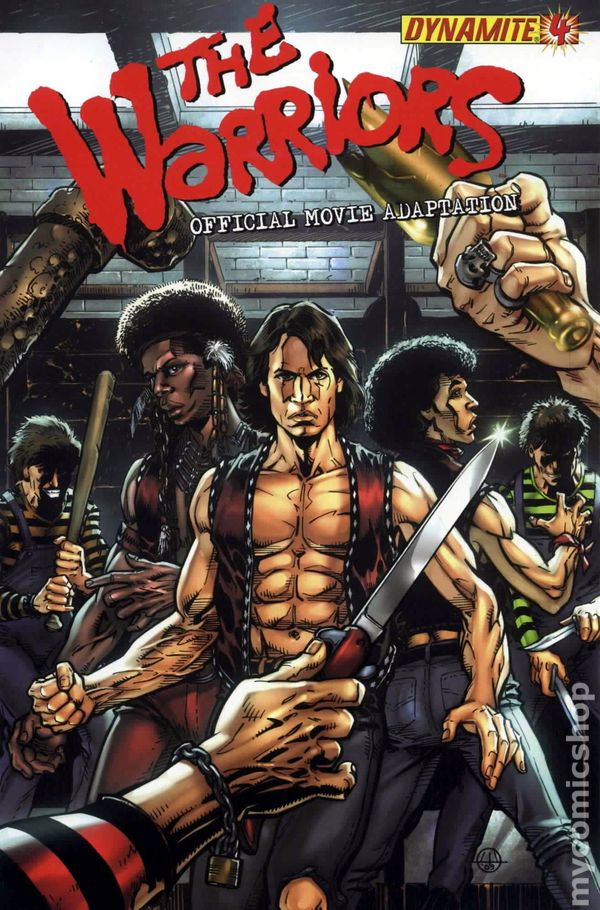
The Warriors also later found new life in comic books. In 2009, Dabel Brothers Productions published a four-issue series that adapted the film's storyline and some added new scenes. (Though it did focus on former mutants who had lost their superpowers).
45/46
45/46
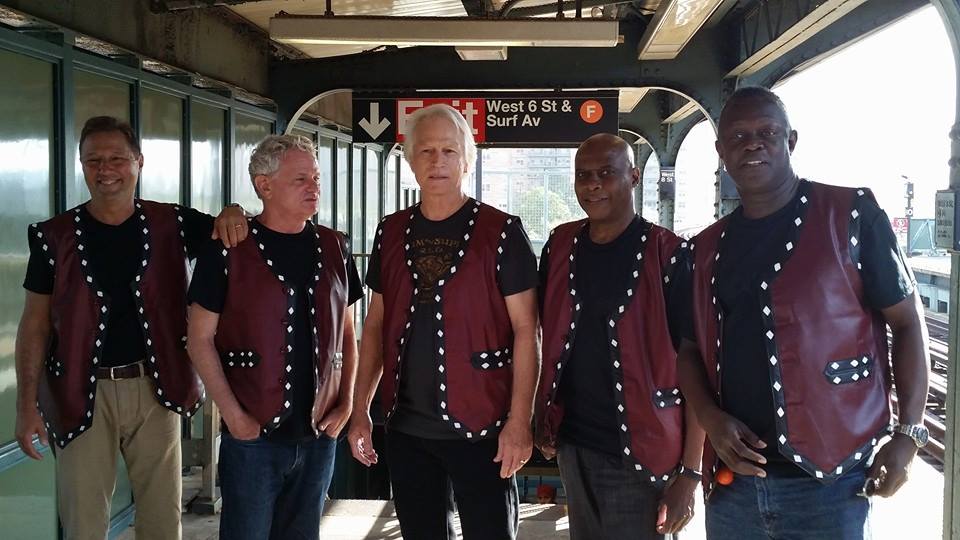
Finally... In September 2015, cast members reunited unannounced to recreate their iconic characters' subway ride back to Coney Island. During this meetup that Michael Beck learned he broke a stunt performer's ribs while filming, for which he apologised.
46/46
46/46
If you liked our making-of story of the classic cult film THE WARRIORS, please share the opening post.
https://x.com/ATRightMovies/status/2020861658030035349
Enjoy this thread? The All The Right Movies podcast is full of deep dives, laughs and opinions as we tell “the story of Hollywood, one film at a time.” Listen now.
alltherightmovies.com/feature/listen…
alltherightmovies.com/feature/listen…
• • •
Missing some Tweet in this thread? You can try to
force a refresh