🧵A lot of you are terminally blackpilled. You are doing exactly what they want.
The incessant and obscene messaging is rooted in a 70-year-old blueprint for breaking the human will, rooted in the Korean War.
Understand the mechanisms and break yourself and others free:
The incessant and obscene messaging is rooted in a 70-year-old blueprint for breaking the human will, rooted in the Korean War.
Understand the mechanisms and break yourself and others free:
Modern social engineering is a very refined version of the Thought Reform techniques the Chinese pioneered during the Korean War.
In these camps, beatings and physical torture took second chair to mental anguish and group ostracization.
The same tools that were utilized to try and create human robots that would espouse Chinese communism over 70 years ago are still being utilized today to manipulate populations and society as a whole.
First, we need to establish the history of this procedure and what it initially entailed...
In these camps, beatings and physical torture took second chair to mental anguish and group ostracization.
The same tools that were utilized to try and create human robots that would espouse Chinese communism over 70 years ago are still being utilized today to manipulate populations and society as a whole.
First, we need to establish the history of this procedure and what it initially entailed...
Thought Reform and Brainwashing During the Korean War.
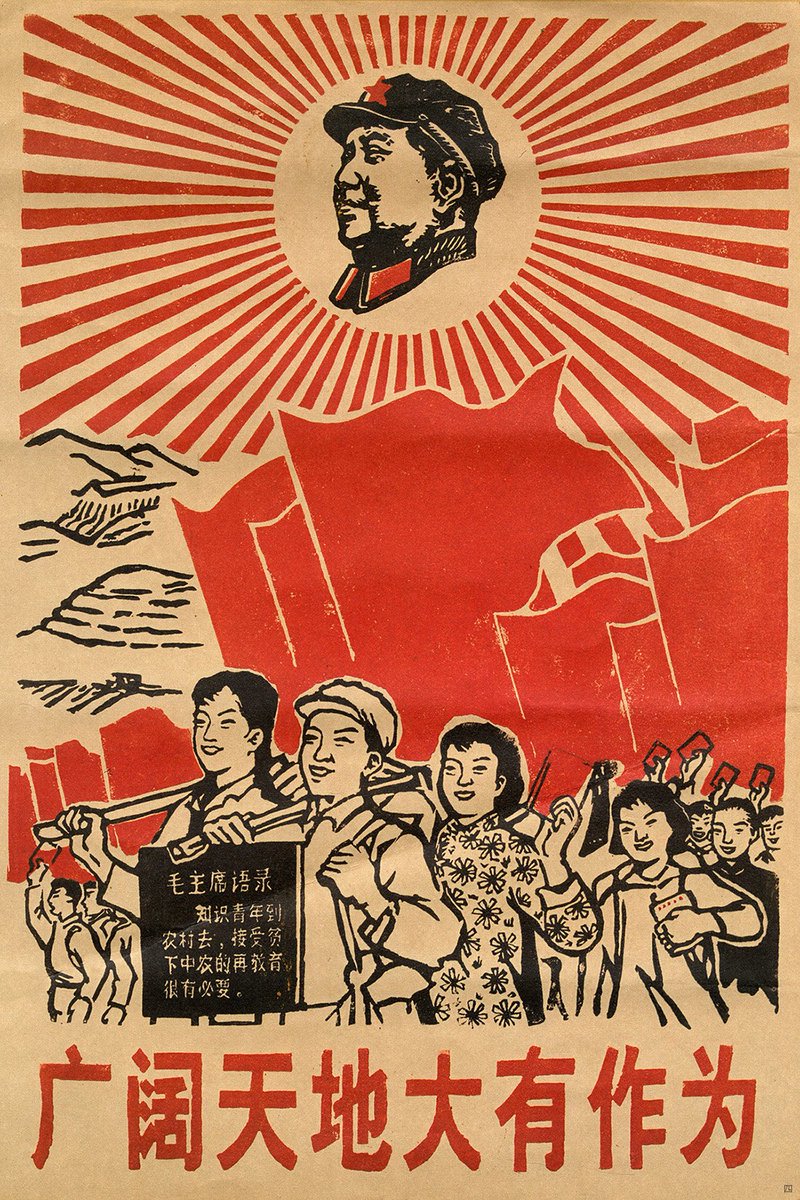
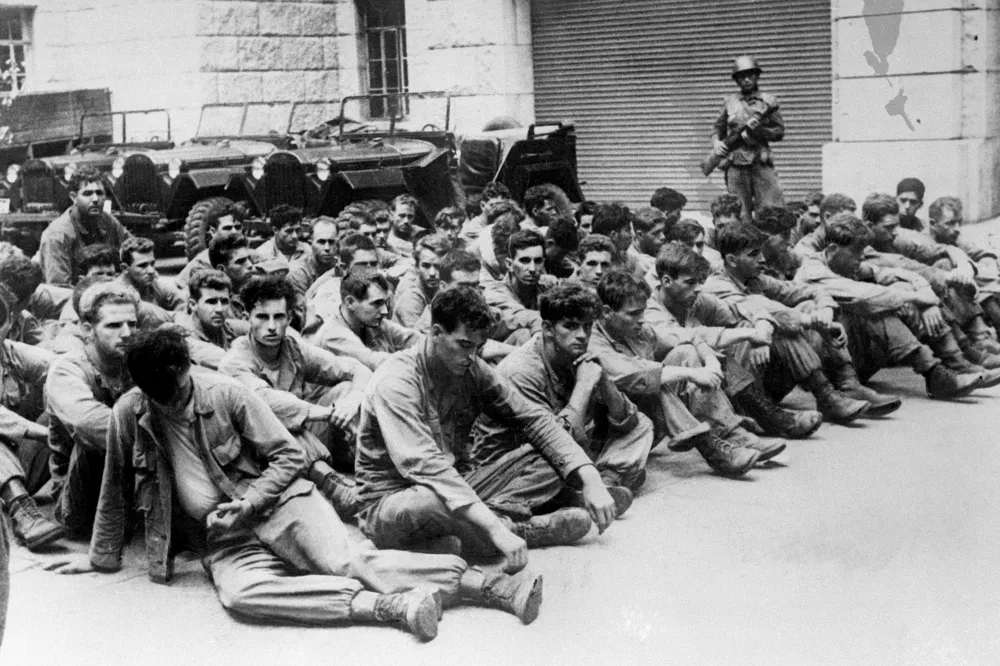
After capturing US soldiers, the Chinese military interned these men into camps where they were focused on turning them into tools of the state. Soldiers that would admit to crimes they did not commit such as saying they used chemical or biological agents in the field to hurt the United States on the international stage. The theory also held that after returning them home, the soldiers would carry their new programming and spread it among the US, leading to a communist revolt such as the one conducted by Mao. There were 7 key aspects to the Chinese brainwashing program. They were as follows: milieu control, mystical manipulation, confession, self-sanctification through purity, loading the language, doctrine over person, and dispensing of existence. We will delve into each of these.
After capturing US soldiers, the Chinese military interned these men into camps where they were focused on turning them into tools of the state. Soldiers that would admit to crimes they did not commit such as saying they used chemical or biological agents in the field to hurt the United States on the international stage. The theory also held that after returning them home, the soldiers would carry their new programming and spread it among the US, leading to a communist revolt such as the one conducted by Mao. There were 7 key aspects to the Chinese brainwashing program. They were as follows: milieu control, mystical manipulation, confession, self-sanctification through purity, loading the language, doctrine over person, and dispensing of existence. We will delve into each of these.
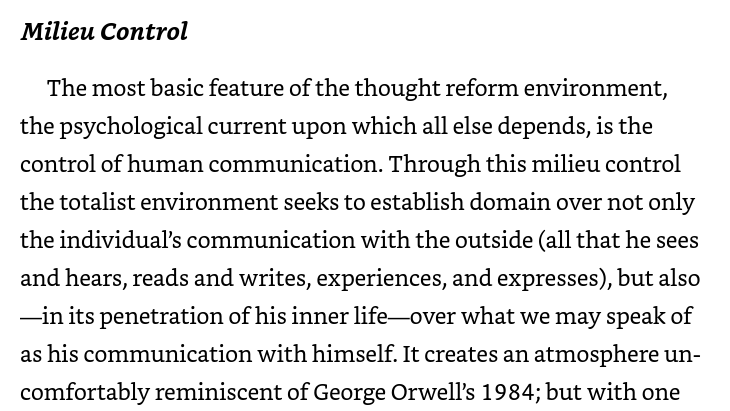
Milieu Control.
Milieu control involves controlling the environment and the communication within a group. Limiting access to outside information, preventing the group from developing ideas that may contrast with the planned ideology that is to control or is actively controlling the group. They also isolate the individuals of the group from those who think similarly to them, and place them in a group with the planned ideology. This isolation creates a new social reality that the member must adapt to and adopt, at least on a surface level, to maintain a social circle or risk ostracization.
Milieu control involves controlling the environment and the communication within a group. Limiting access to outside information, preventing the group from developing ideas that may contrast with the planned ideology that is to control or is actively controlling the group. They also isolate the individuals of the group from those who think similarly to them, and place them in a group with the planned ideology. This isolation creates a new social reality that the member must adapt to and adopt, at least on a surface level, to maintain a social circle or risk ostracization.
Mystical Manipulation.
The authority figure or the ideology itself is portrayed as having a higher purpose or mission, either via historical precedent or divine imperative (see the Chinese Mandate of Heaven). This can take a religious or secular approach with an ultimate goal of manipulating the individual into thinking that their sacrifices and adoption of the ideology are working towards a greater goal than themselves.
The authority figure or the ideology itself is portrayed as having a higher purpose or mission, either via historical precedent or divine imperative (see the Chinese Mandate of Heaven). This can take a religious or secular approach with an ultimate goal of manipulating the individual into thinking that their sacrifices and adoption of the ideology are working towards a greater goal than themselves.

Confession.
Forcing confessions is one of the strongest aspects of this form of brainwashing. Individuals are made to admit their real or fabricated flaws, sins, and ideological deviations. This in turn breaks down the individual’s personal integrity, will, and reinforces the central figure of authority for the programmed ideology.
Forcing confessions is one of the strongest aspects of this form of brainwashing. Individuals are made to admit their real or fabricated flaws, sins, and ideological deviations. This in turn breaks down the individual’s personal integrity, will, and reinforces the central figure of authority for the programmed ideology.
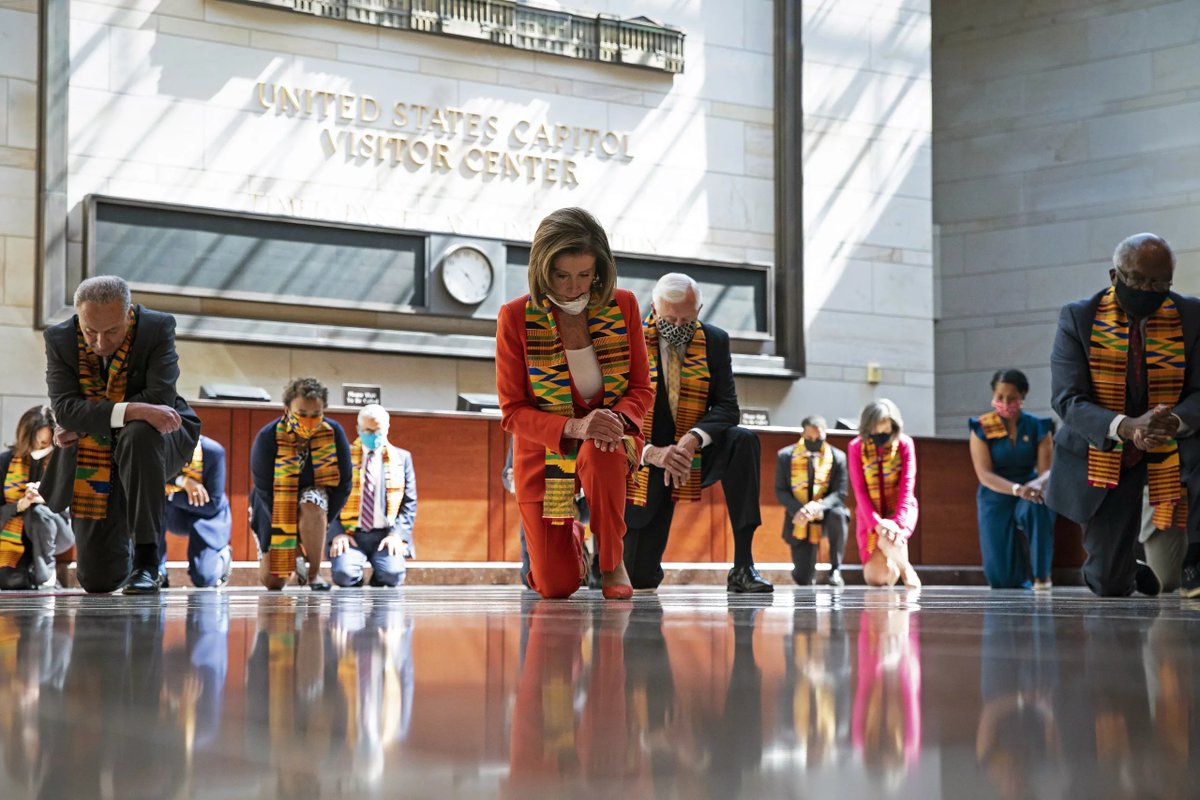
Self-Sanctification Through Purity.
Following confessions, the individual is pressured to reach for a state of purity that satisfies the ideology’s worldview. These are extremely hard, if not borderline impossible goals to reach and are programmed to create cycles of guilt, confession, and then striving for this ideal that cannot be reached. This reinforces the regime’s control on the social and mental state of the individual.
Following confessions, the individual is pressured to reach for a state of purity that satisfies the ideology’s worldview. These are extremely hard, if not borderline impossible goals to reach and are programmed to create cycles of guilt, confession, and then striving for this ideal that cannot be reached. This reinforces the regime’s control on the social and mental state of the individual.

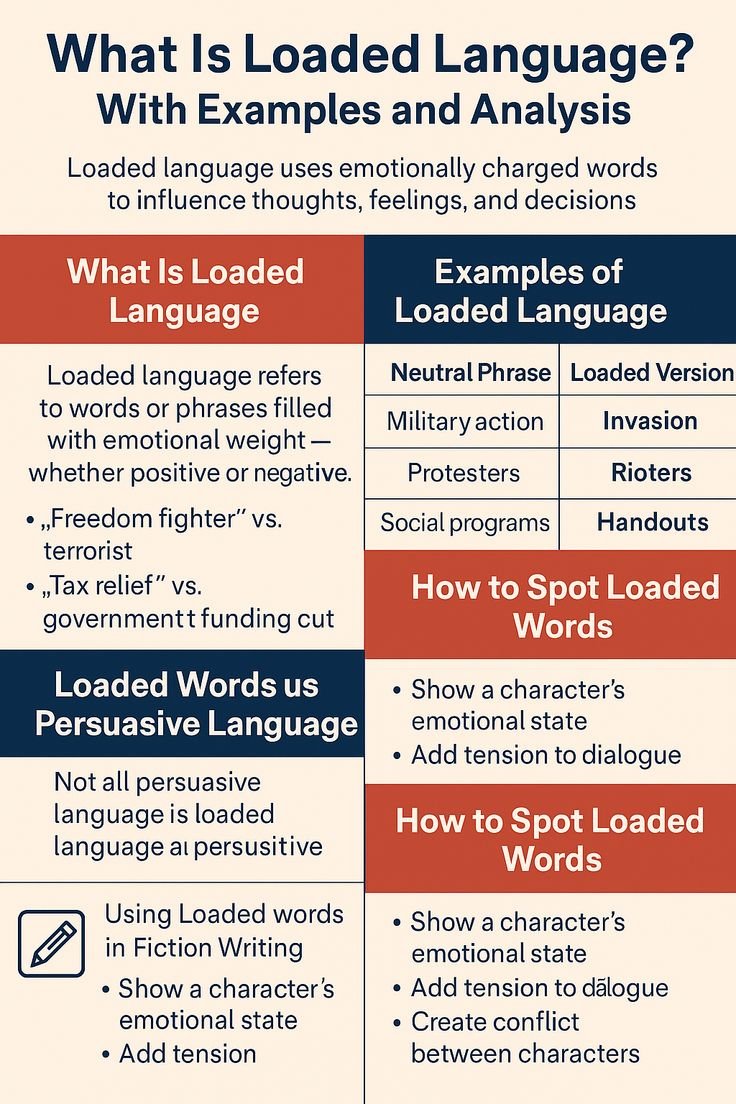
Loading the Language.
Language is a powerful tool and changing the way people speak, changes the way they think. I have written a couple times on doublespeak and how it changes perceptions. This is commonplace as well as the use of thought-terminating cliches as answers to questions on complicated ideals in order to limit critical thinking. By doing this, complicated answers to questions that may require nuance can be lowered to a simple binary of yes or no, with the programmed ideology providing the answer.
Language is a powerful tool and changing the way people speak, changes the way they think. I have written a couple times on doublespeak and how it changes perceptions. This is commonplace as well as the use of thought-terminating cliches as answers to questions on complicated ideals in order to limit critical thinking. By doing this, complicated answers to questions that may require nuance can be lowered to a simple binary of yes or no, with the programmed ideology providing the answer.
Doctrine Over Person.
The programmed ideology is given precedence over the individual in all forms. Despite one’s emotions, the ideology always comes first. Personal doubts, seen as discrepancies or contradictions, are suppressed and any internal viewpoints that contradict the ideology are dismissed and ignored.
The programmed ideology is given precedence over the individual in all forms. Despite one’s emotions, the ideology always comes first. Personal doubts, seen as discrepancies or contradictions, are suppressed and any internal viewpoints that contradict the ideology are dismissed and ignored.
Dispensing of Existence.
The regime and its ideology determines who has the right to exist within the framework of the ideology. Those not adopting the ideology are seen as less than human or as enemies. This allows the group to justify their ostracization, punishment, or worse.
The regime and its ideology determines who has the right to exist within the framework of the ideology. Those not adopting the ideology are seen as less than human or as enemies. This allows the group to justify their ostracization, punishment, or worse.

These tools were utilized with other techniques such as beatings, isolation, lectures, the writing of essays, social isolation, starvation, and a constant bombardment of propaganda.
But why was the propaganda constantly used if their minds had already been supposedly changed?
Through the constant saturation of propaganda, prisoners became overwhelmed with it, making resistance to the ideology seem futile.
Through the sheer volume and constant attacks on their psyche and their will, the individual became susceptible to further brainwashing.
More importantly, the propaganda created a psychological dependency on the group to look towards the messaging for validation, meaning, and purpose. Since all other forms of information were denied, the propaganda became their only source of information and narratives to build a framework around.
But why was the propaganda constantly used if their minds had already been supposedly changed?
Through the constant saturation of propaganda, prisoners became overwhelmed with it, making resistance to the ideology seem futile.
Through the sheer volume and constant attacks on their psyche and their will, the individual became susceptible to further brainwashing.
More importantly, the propaganda created a psychological dependency on the group to look towards the messaging for validation, meaning, and purpose. Since all other forms of information were denied, the propaganda became their only source of information and narratives to build a framework around.
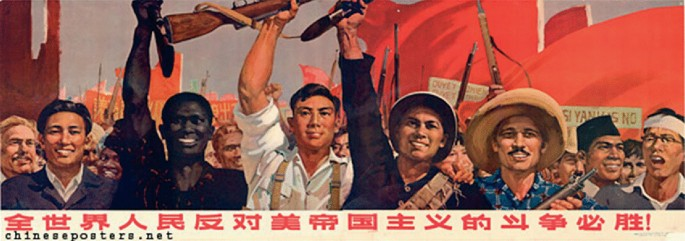
What happens when the propaganda stops?
Once the overwhelming stimuli of the propaganda left via the war ending and the soldiers returning home, most of the men slowly reverted back to their old selves and their frameworks prior to the brainwashing. Once the messaging was gone and the power of the group’s peer pressure was broken, critical thought was allowed again. The men could reflect on their programmed ideology clearly and find the flaws and moral repugnancies within it.
Once the overwhelming stimuli of the propaganda left via the war ending and the soldiers returning home, most of the men slowly reverted back to their old selves and their frameworks prior to the brainwashing. Once the messaging was gone and the power of the group’s peer pressure was broken, critical thought was allowed again. The men could reflect on their programmed ideology clearly and find the flaws and moral repugnancies within it.

Where do we see Thought Reform today?
Thought Reform techniques are still employed en masse by governments and NGOs across the world.
They can come in various forms such as information and media control, the education system, mass rallies, surveillance states and fear, and the manipulation of social norms.
Thought Reform techniques are still employed en masse by governments and NGOs across the world.
They can come in various forms such as information and media control, the education system, mass rallies, surveillance states and fear, and the manipulation of social norms.
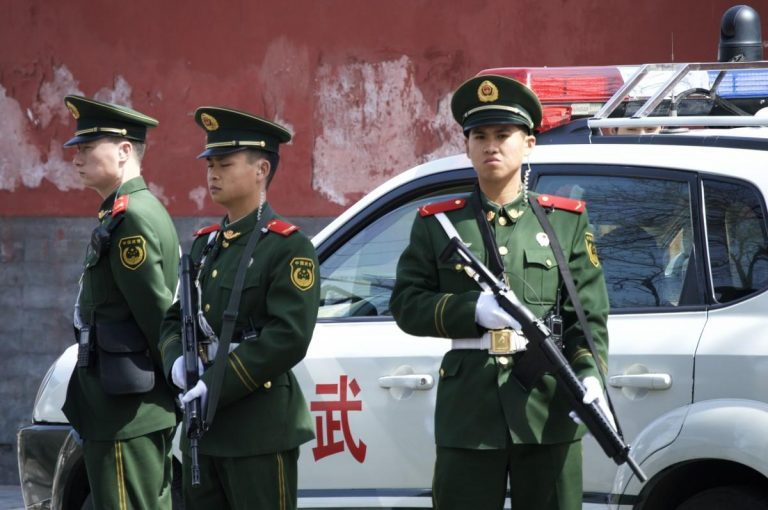
Information control.
Through the use of state-controlled (or influenced) information, regimes can control the messaging of mass media so that what is broadcasted only meets the criteria of the regime’s ideology. This creates an echo chamber where the narrative dominates and alternative viewpoints are suppressed. Through the use of censorship, the propaganda becomes the only acceptable form of information trusted by those impacted by the programming.
Through the use of state-controlled (or influenced) information, regimes can control the messaging of mass media so that what is broadcasted only meets the criteria of the regime’s ideology. This creates an echo chamber where the narrative dominates and alternative viewpoints are suppressed. Through the use of censorship, the propaganda becomes the only acceptable form of information trusted by those impacted by the programming.
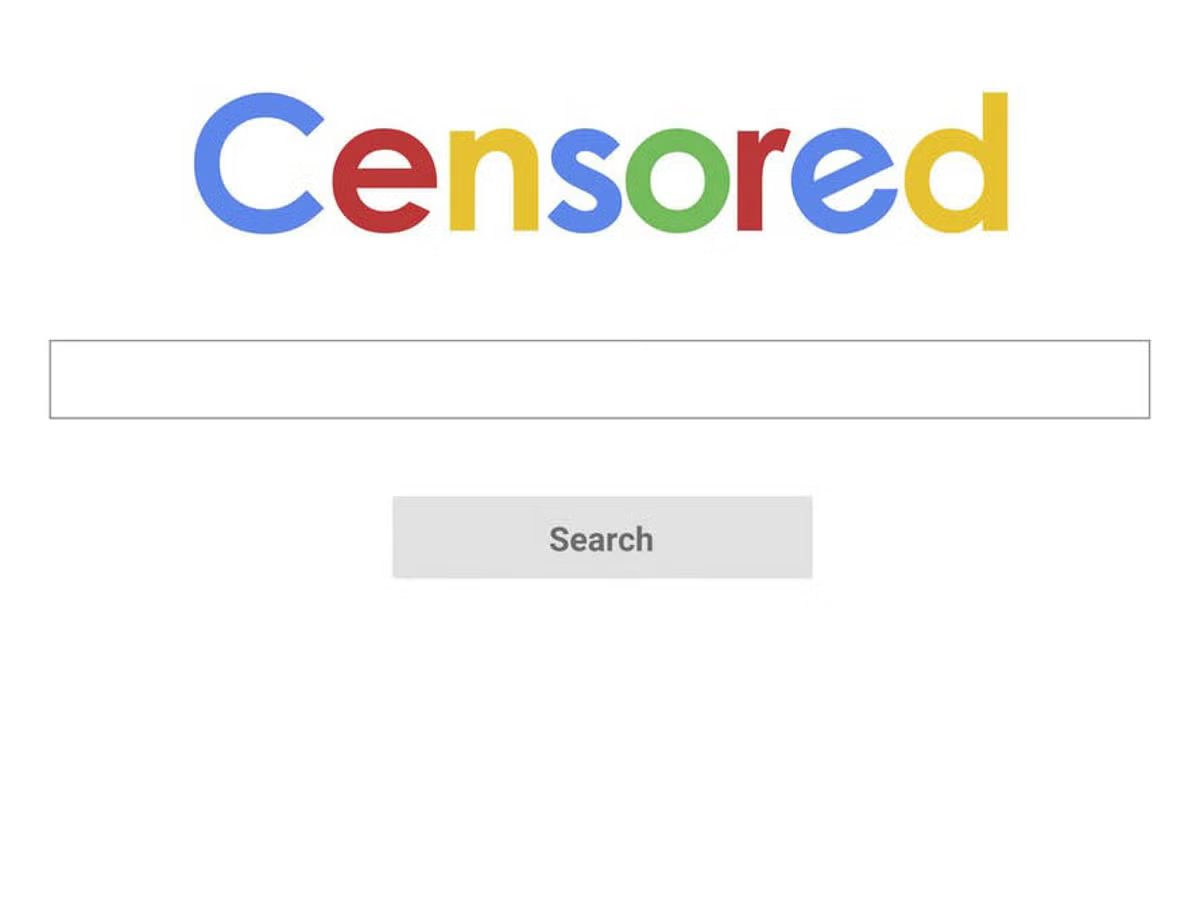
Educational System.
Through the educational system, young minds can be indoctrinated from a young age, being taught that the regime’s ideology reflects reality. History can be rewritten to fit the narrative, morals can be changed against that of the student’s parents through longform lectures that terminate critical thought and reinforce the state’s ideology. Essays can be written to reinforce the ideology or as a form of confession and self-sanctification. This creates a generation that is less likely to upset the status quo.
Youth organizations can also be used to incubate extremely loyal and corrupted youth. Participation in these organizations can come with incentives such as better avenues for future education or social incentives and pressures. Once inside, the regime’s ideology can become almost militant within the minds of the youths that join, leading them to generally become future members of the ruling regime.
Through the educational system, young minds can be indoctrinated from a young age, being taught that the regime’s ideology reflects reality. History can be rewritten to fit the narrative, morals can be changed against that of the student’s parents through longform lectures that terminate critical thought and reinforce the state’s ideology. Essays can be written to reinforce the ideology or as a form of confession and self-sanctification. This creates a generation that is less likely to upset the status quo.
Youth organizations can also be used to incubate extremely loyal and corrupted youth. Participation in these organizations can come with incentives such as better avenues for future education or social incentives and pressures. Once inside, the regime’s ideology can become almost militant within the minds of the youths that join, leading them to generally become future members of the ruling regime.

Mass rallies.
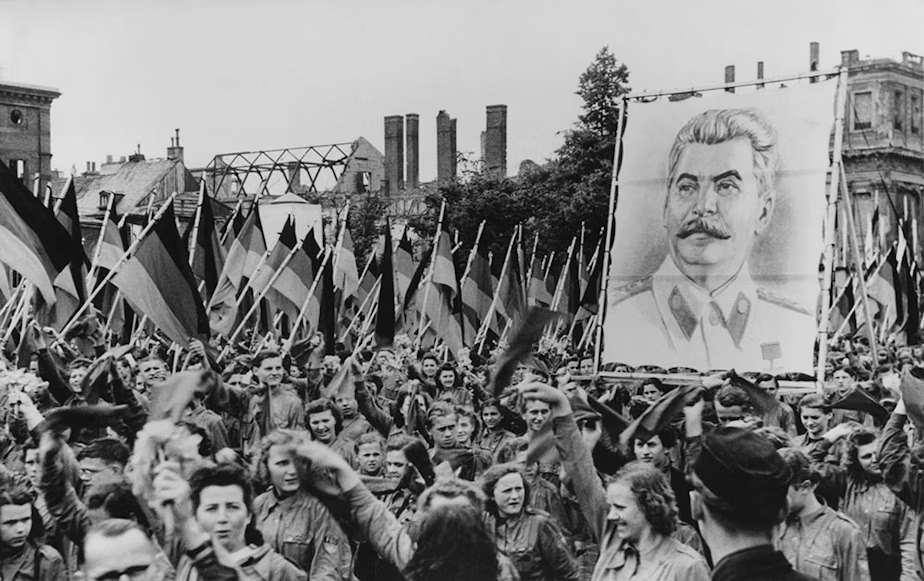
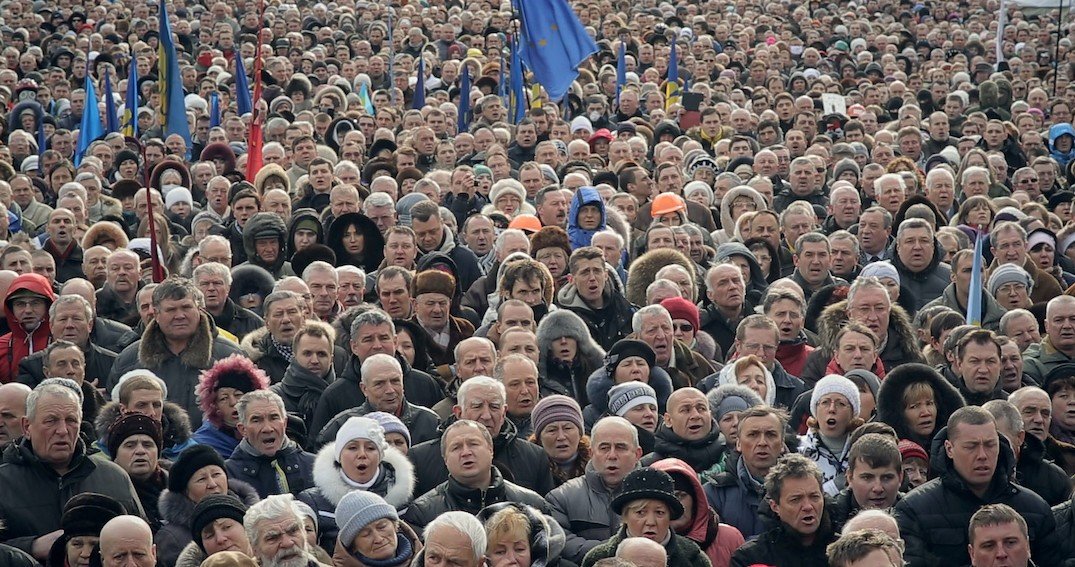
Mass rallies and large public demonstrations that are in support of the regime are used to create a sense of unity and social pressure. Creating the image of the regime being more popular than it might really be. This reinforces the image of authority and approval of the regime while discouraging dissent, leaving outsiders feeling isolated and alone.
Mass rallies and large public demonstrations that are in support of the regime are used to create a sense of unity and social pressure. Creating the image of the regime being more popular than it might really be. This reinforces the image of authority and approval of the regime while discouraging dissent, leaving outsiders feeling isolated and alone.
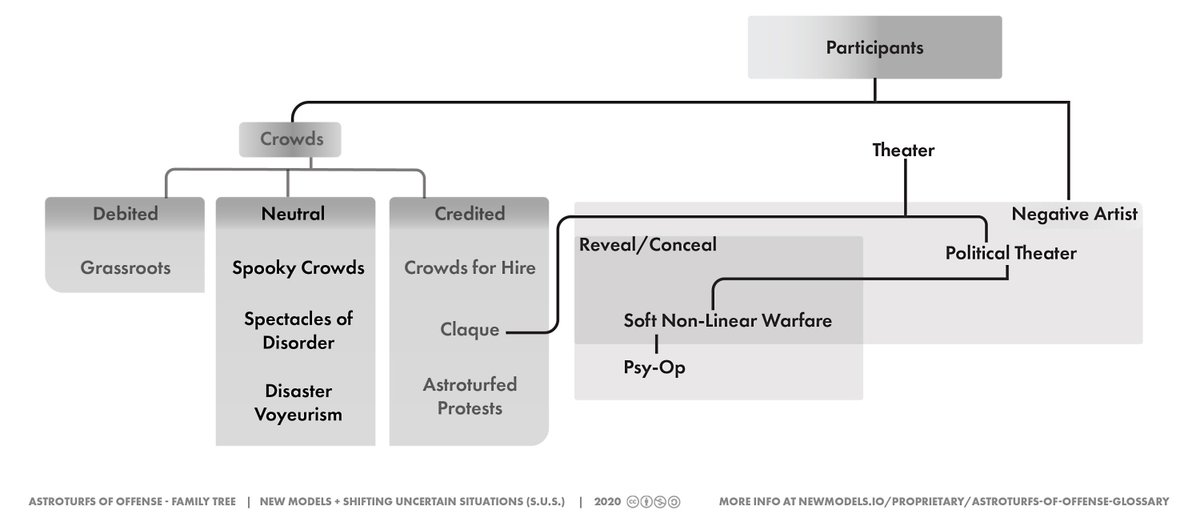
Surveillance and Fear.
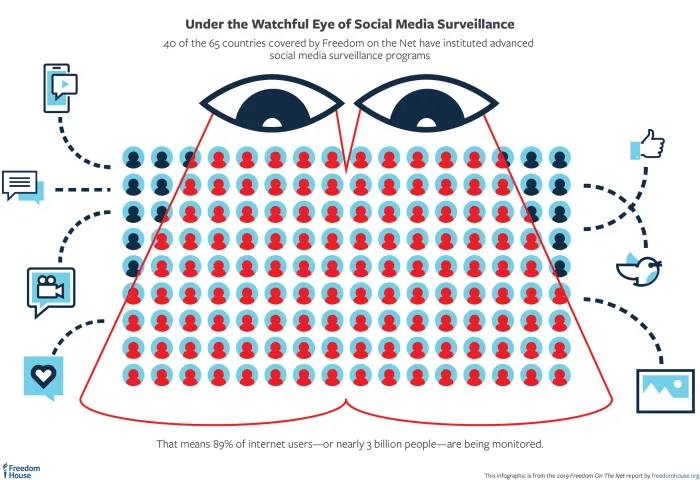
Through the use of a mass surveillance state, the regime can constantly monitor their population. This allows them to easily locate dissenters and have them silenced via removal of their ability to speak or through a visit from state authorities. This creates an environment of fear where speaking up can lead to you losing your voice or much worse. On top of this, creating a visible punishment of dissenters leads individuals to want to be quiet on the topics the state wishes to not be discussed. This does not necessarily come in the form of public trials but can come in the form of mass public ridicule, particularly through the use of media.
Through the use of a mass surveillance state, the regime can constantly monitor their population. This allows them to easily locate dissenters and have them silenced via removal of their ability to speak or through a visit from state authorities. This creates an environment of fear where speaking up can lead to you losing your voice or much worse. On top of this, creating a visible punishment of dissenters leads individuals to want to be quiet on the topics the state wishes to not be discussed. This does not necessarily come in the form of public trials but can come in the form of mass public ridicule, particularly through the use of media.
Manipulation of Social Norms.
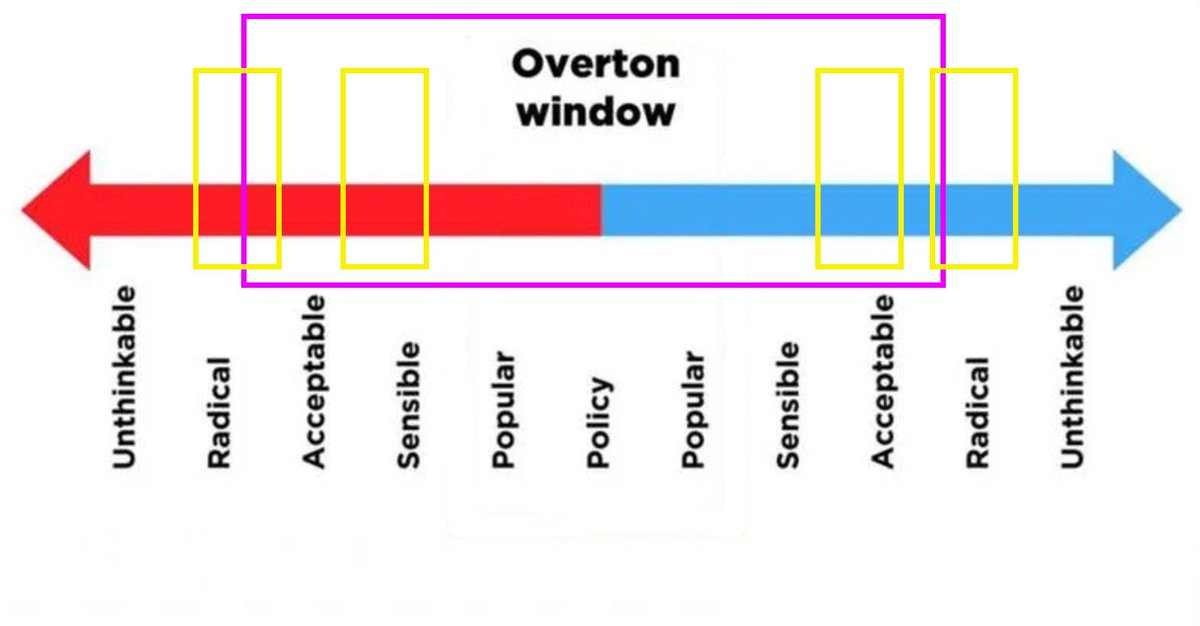
By changing the social norms, peer pressure becomes a strong form of self-regulating social groups. The regime can make it difficult on a micro level for dissenters to connect with others within their own nation. This also makes social shaming more effective, particularly in a state where citizens are encouraged to report those breaking these norms to the authorities, forcing conformity at the end of a baton or a rifle.
Social norms can also be shifted with the changing of symbols. A state’s historical symbols can be replaced with new ones that reflect the ideology of the regime while removing the history that may be clung to by dissenters. The regime may also make these symbols compulsory to use so that it forces those who wish to opt-out of the use of such symbols into enemies due to reasoning dictated by the state.
By changing the social norms, peer pressure becomes a strong form of self-regulating social groups. The regime can make it difficult on a micro level for dissenters to connect with others within their own nation. This also makes social shaming more effective, particularly in a state where citizens are encouraged to report those breaking these norms to the authorities, forcing conformity at the end of a baton or a rifle.
Social norms can also be shifted with the changing of symbols. A state’s historical symbols can be replaced with new ones that reflect the ideology of the regime while removing the history that may be clung to by dissenters. The regime may also make these symbols compulsory to use so that it forces those who wish to opt-out of the use of such symbols into enemies due to reasoning dictated by the state.

Conclusion and closing thoughts.
“’Be ever hearing, but never understanding; be ever seeing, but never perceiving.’” -Is 6:9
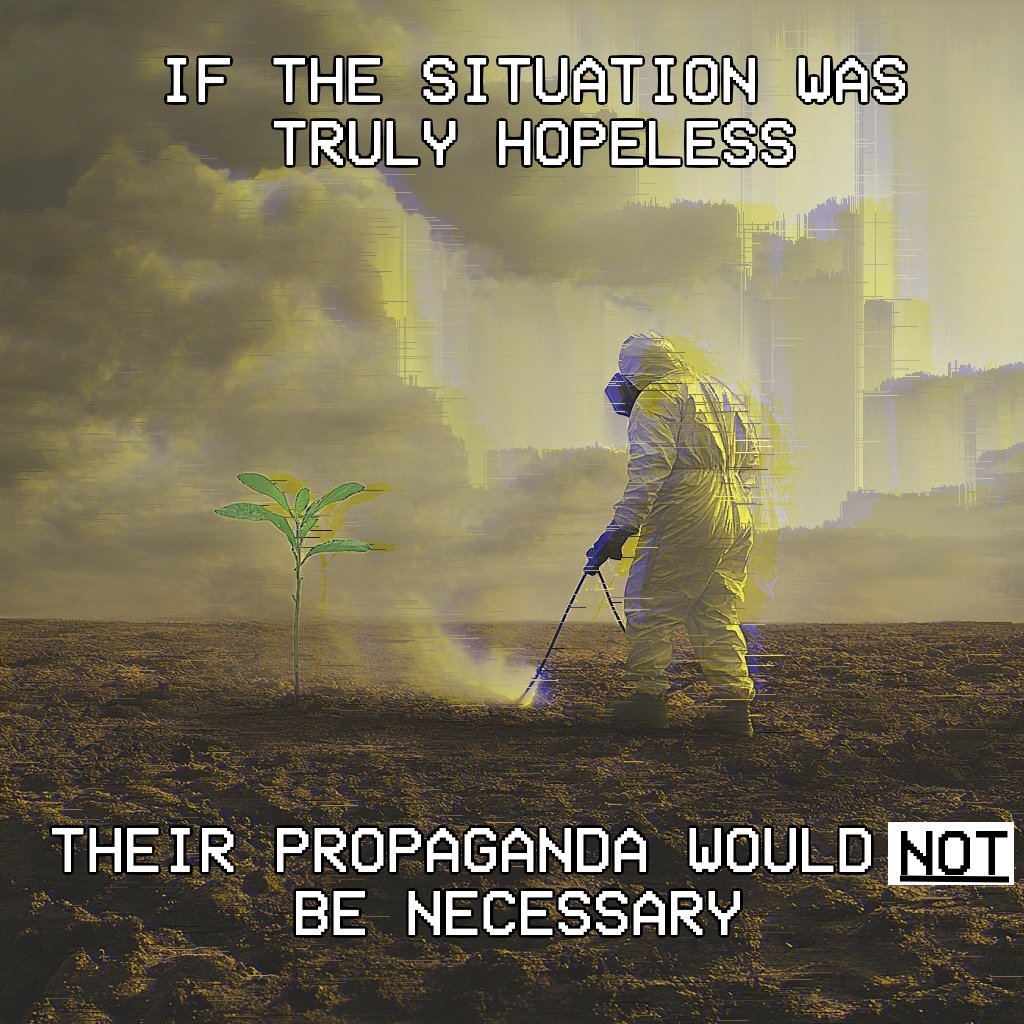
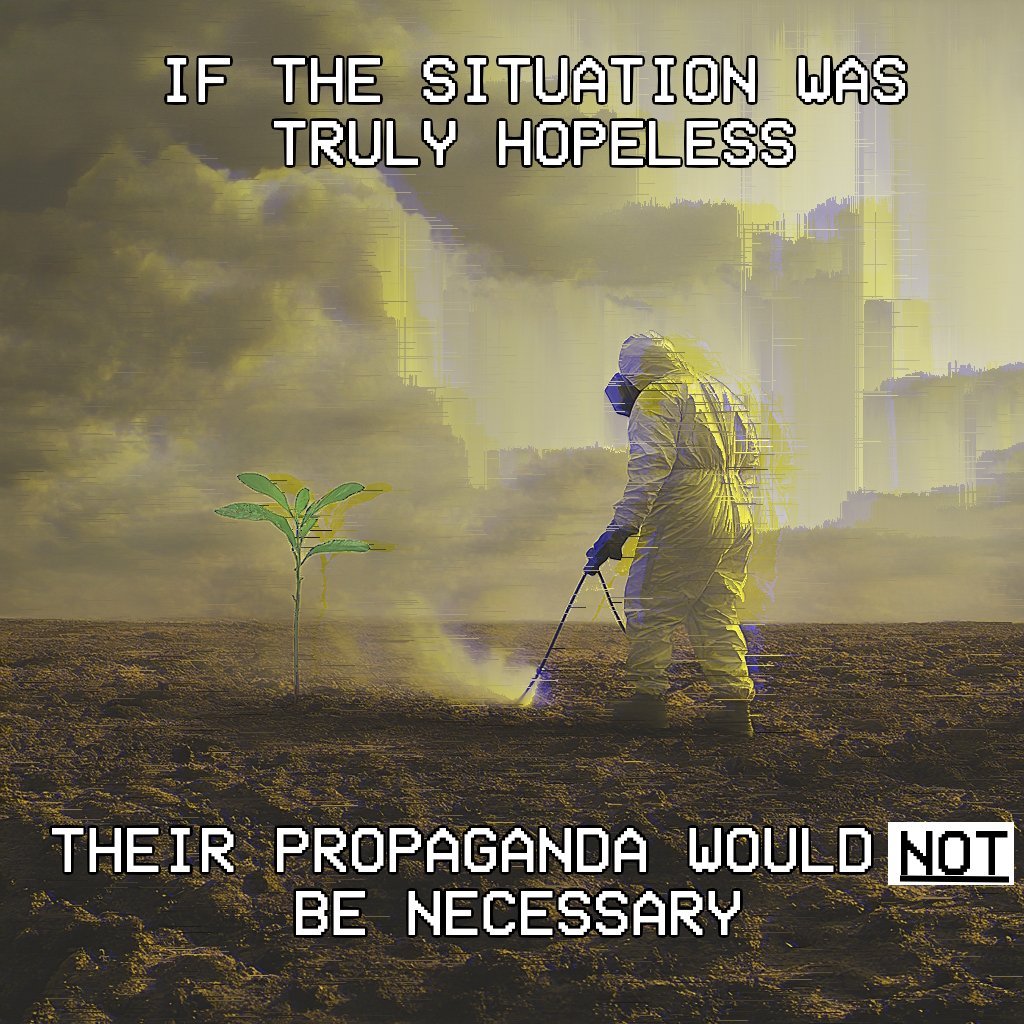
The tools of the regime are always at work whether perceived or not because if the messaging were to stop, their carefully crafted ideology and narrative would be broken. With time, the minds of those impacted would heal. That is why they are constant with their propaganda. The messaging must be constant, ever-present, and sometimes outright ridiculous, because without it, their credibility and message would crumble. The strongest way to withstand the propaganda is to “hold fast to what is good.” (1 Th 5:21). When it comes to others who are within the realm of it’s spell, bringing them out of that environment and allowing them to think freely again is the best course of action as seen for the soldiers during the Korean War. To quote an image macro, “If the situation was hopeless, their propaganda would be unnecessary.”
Act accordingly.
“’Be ever hearing, but never understanding; be ever seeing, but never perceiving.’” -Is 6:9
The tools of the regime are always at work whether perceived or not because if the messaging were to stop, their carefully crafted ideology and narrative would be broken. With time, the minds of those impacted would heal. That is why they are constant with their propaganda. The messaging must be constant, ever-present, and sometimes outright ridiculous, because without it, their credibility and message would crumble. The strongest way to withstand the propaganda is to “hold fast to what is good.” (1 Th 5:21). When it comes to others who are within the realm of it’s spell, bringing them out of that environment and allowing them to think freely again is the best course of action as seen for the soldiers during the Korean War. To quote an image macro, “If the situation was hopeless, their propaganda would be unnecessary.”
Act accordingly.
• • •
Missing some Tweet in this thread? You can try to
force a refresh