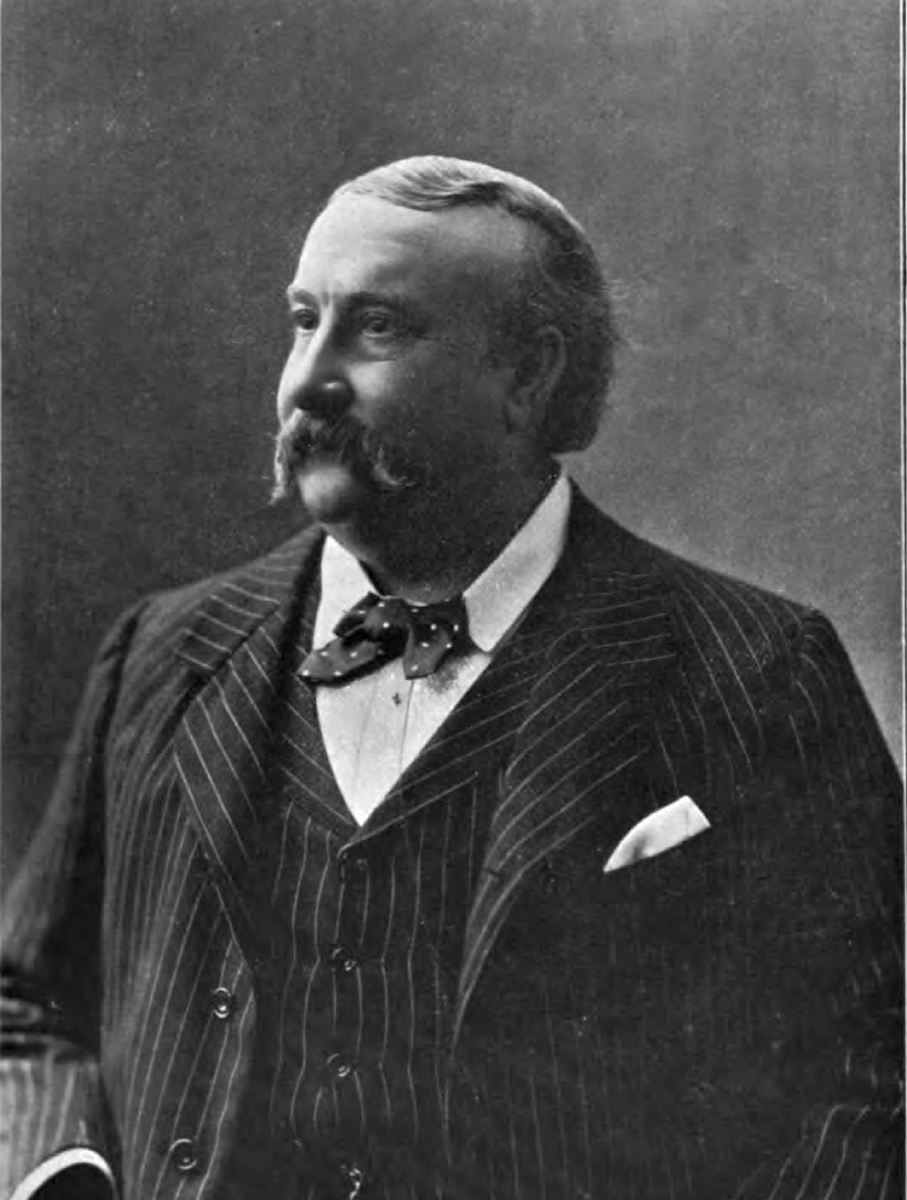
Stop calling Big Tech powerful.
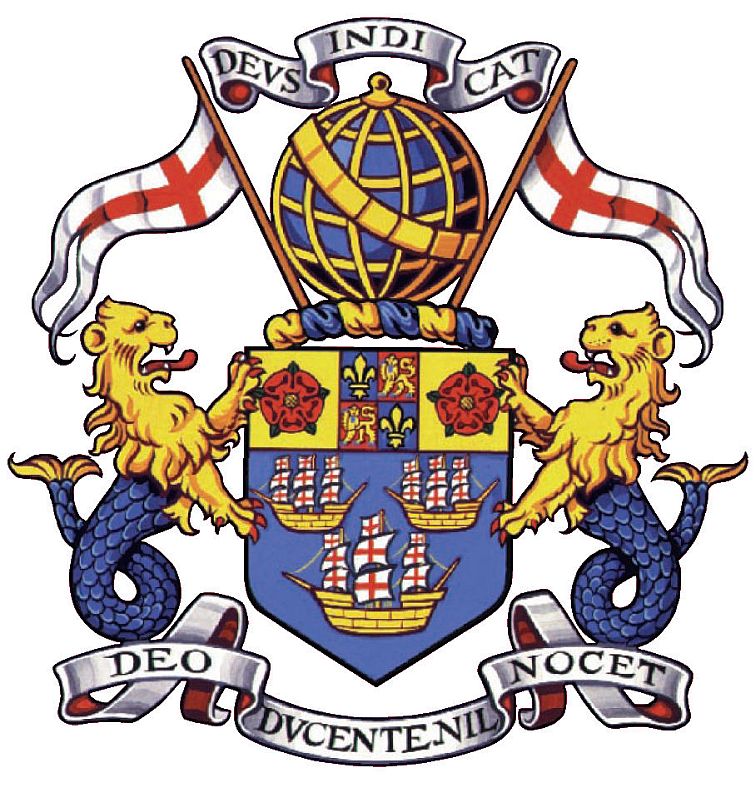
In 1600, a corporation got a piece of paper from the British king.
By 1800, it ruled India.
Not influenced.
RULED.
If you don’t know this story, you don’t understand power.
Let’s fix that:🧵
In 1600, a corporation got a piece of paper from the British king.
By 1800, it ruled India.
Not influenced.
RULED.
If you don’t know this story, you don’t understand power.
Let’s fix that:🧵
Here’s the part that sounds fake:
At their peak, the East India Company:
• Controlled large parts of India
• Collected taxes from millions of people
• Employed more than 260,000 soldiers
That was twice the size of Britain’s own army!
All of this… as a private company.
At their peak, the East India Company:
• Controlled large parts of India
• Collected taxes from millions of people
• Employed more than 260,000 soldiers
That was twice the size of Britain’s own army!
All of this… as a private company.
India at the time wasn't as we know them today.
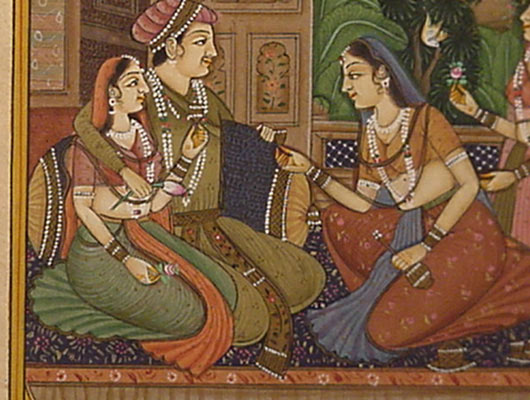
In the 1700s, India was one of the richest regions on Earth...
Producing roughly a quarter of global GDP.
Cotton. Textiles. Spices. Trade routes.
They were the center of the world economy
The Company knew the value and chased it.
In the 1700s, India was one of the richest regions on Earth...
Producing roughly a quarter of global GDP.
Cotton. Textiles. Spices. Trade routes.
They were the center of the world economy
The Company knew the value and chased it.
At first, the business model was simple:
• Buy goods cheap in India/Asia
• Sell them expensive in Europe
• Use armed ships to protect trade
That last part mattered.
Because once you bring guns into commerce, the game changes.
• Buy goods cheap in India/Asia
• Sell them expensive in Europe
• Use armed ships to protect trade
That last part mattered.
Because once you bring guns into commerce, the game changes.
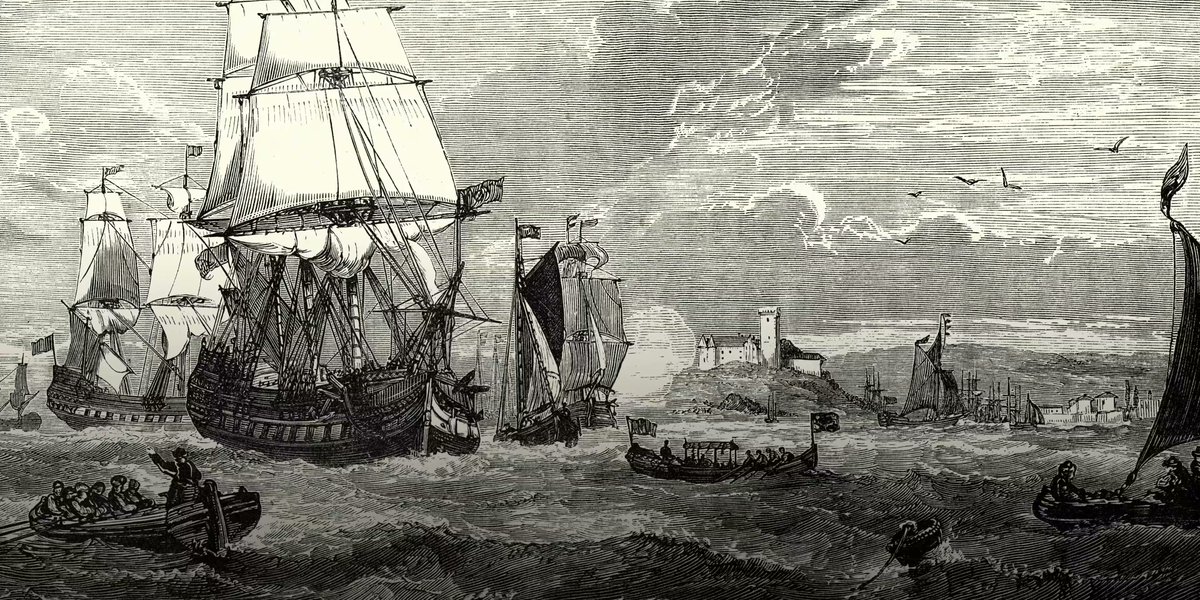
And that turning point came in 1757.
The Battle of Plassey.
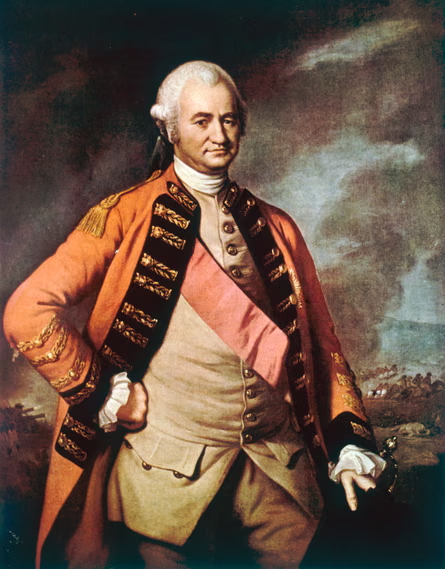
A small Company force led by Robert Clive crushed the much larger army of Siraj-ud-Daulah.
Siraj-ud-Daulah was the ruler of Bengal...
One of the wealthiest regions in India!
The Battle of Plassey.
A small Company force led by Robert Clive crushed the much larger army of Siraj-ud-Daulah.
Siraj-ud-Daulah was the ruler of Bengal...
One of the wealthiest regions in India!
After that, something unprecedented happened.
The Company was no longer "just trading" in Bengal.
They started running it.
But it doesn't stop there...
The Company was no longer "just trading" in Bengal.
They started running it.
But it doesn't stop there...

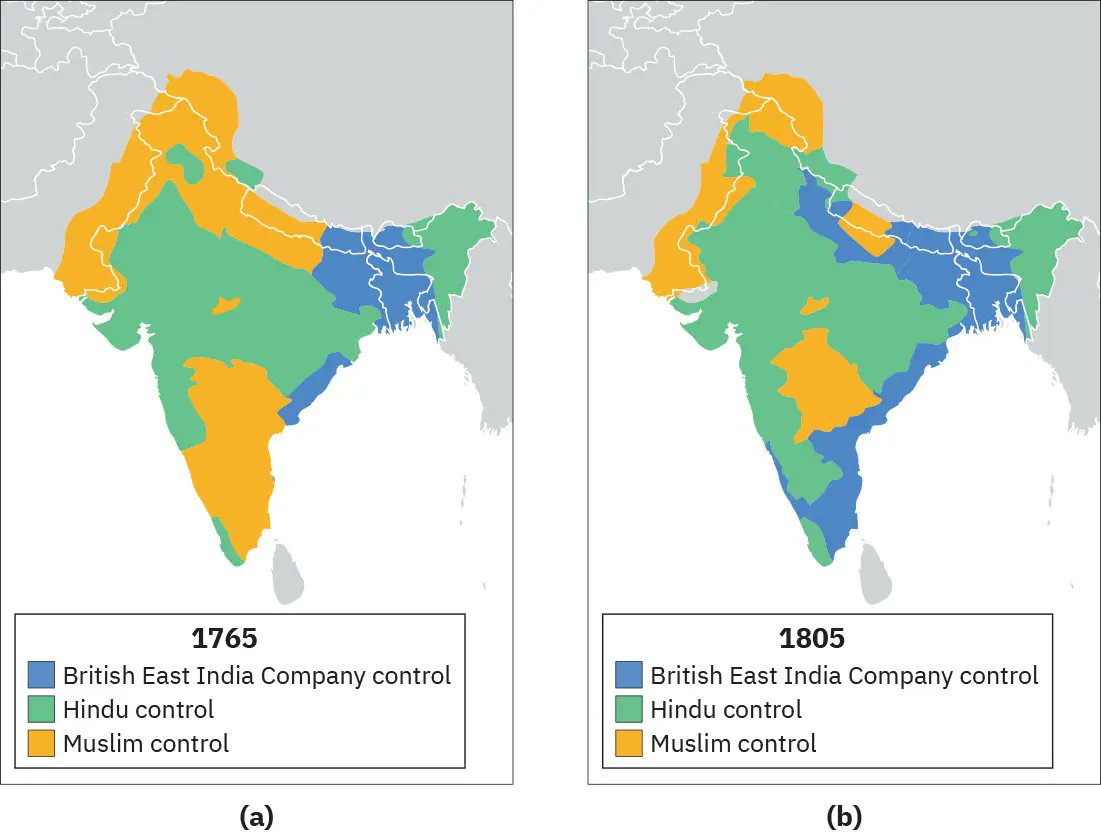
In 1765, the Mughal emperor granted the Company the Diwani.
That meant:
• The right to collect taxes
• Control over the region's revenue
• Authority over administration
A private firm was now collecting state taxes — protected by its own army.
The British East India Company had become government.
That meant:
• The right to collect taxes
• Control over the region's revenue
• Authority over administration
A private firm was now collecting state taxes — protected by its own army.
The British East India Company had become government.

The scale was crazy.
A few hundred British officials, backed by Indian soldiers called sepoys, ruled over the people.
They ran:
• Courts
• Prisons
• Coin mints
• Bureaucracies
The Company even had its own navy.
A few hundred British officials, backed by Indian soldiers called sepoys, ruled over the people.
They ran:
• Courts
• Prisons
• Coin mints
• Bureaucracies
The Company even had its own navy.

By the early 1800s, the East India Company had become a full corporate state.
They caused wars.
Signed treaties.
Raised armies.
And enforced laws.
Also, their territory was spreading rapidly across the subcontinent.
All while remaining a private company.
They caused wars.
Signed treaties.
Raised armies.
And enforced laws.
Also, their territory was spreading rapidly across the subcontinent.
All while remaining a private company.
And yes — the system was brutal.
Tax pressure increased.
Local industries collapsed.
Famines followed.
In Bengal alone, millions died during a famine while Company revenues kept flowing.
As long as the revenue kept coming in, human cost was secondary.
This is where things started to go wrong...
Tax pressure increased.
Local industries collapsed.
Famines followed.
In Bengal alone, millions died during a famine while Company revenues kept flowing.
As long as the revenue kept coming in, human cost was secondary.
This is where things started to go wrong...

By 1857, the strain snapped.
A massive rebellion broke out across northern India.
Company control cracked.
Britain panicked.
Not because the Company was immoral...
But because they had become too powerful to fail safely.
A massive rebellion broke out across northern India.
Company control cracked.
Britain panicked.
Not because the Company was immoral...
But because they had become too powerful to fail safely.

In 1858, Britain made a final decision.
The East India Company was to be dissolved.
Its assets, armies, and territories taken over by the Crown.
Corporate rule was replaced by direct imperial rule.
Kickstarting the British Imperial machine that colonized most of Asia and Africa.
The East India Company was to be dissolved.
Its assets, armies, and territories taken over by the Crown.
Corporate rule was replaced by direct imperial rule.
Kickstarting the British Imperial machine that colonized most of Asia and Africa.

No company before or since has come close.
A private firm that:
• Ruled nations
• Fielded massive armies
• Controlled global trade
The East India Company wasn’t just a business story.
It was the moment the world learned what happens when commerce grows into power.
A private firm that:
• Ruled nations
• Fielded massive armies
• Controlled global trade
The East India Company wasn’t just a business story.
It was the moment the world learned what happens when commerce grows into power.
Follow @dh for more stories about how money actually moves in business.
Join 15,000+ entrepreneurs at for weekly insights on business, finance, and strategy.davidhauser.com
Join 15,000+ entrepreneurs at for weekly insights on business, finance, and strategy.davidhauser.com
• • •
Missing some Tweet in this thread? You can try to
force a refresh