A Czech playwright predicted the Soviet collapse 11 years before it happened.
While CIA analysts studied missile counts and economic indicators, Václav Havel explained why communist regimes would fall from moral exhaustion, destroying itself from the inside.
The experts dismissed him. History proved them wrong. 🧵
While CIA analysts studied missile counts and economic indicators, Václav Havel explained why communist regimes would fall from moral exhaustion, destroying itself from the inside.
The experts dismissed him. History proved them wrong. 🧵
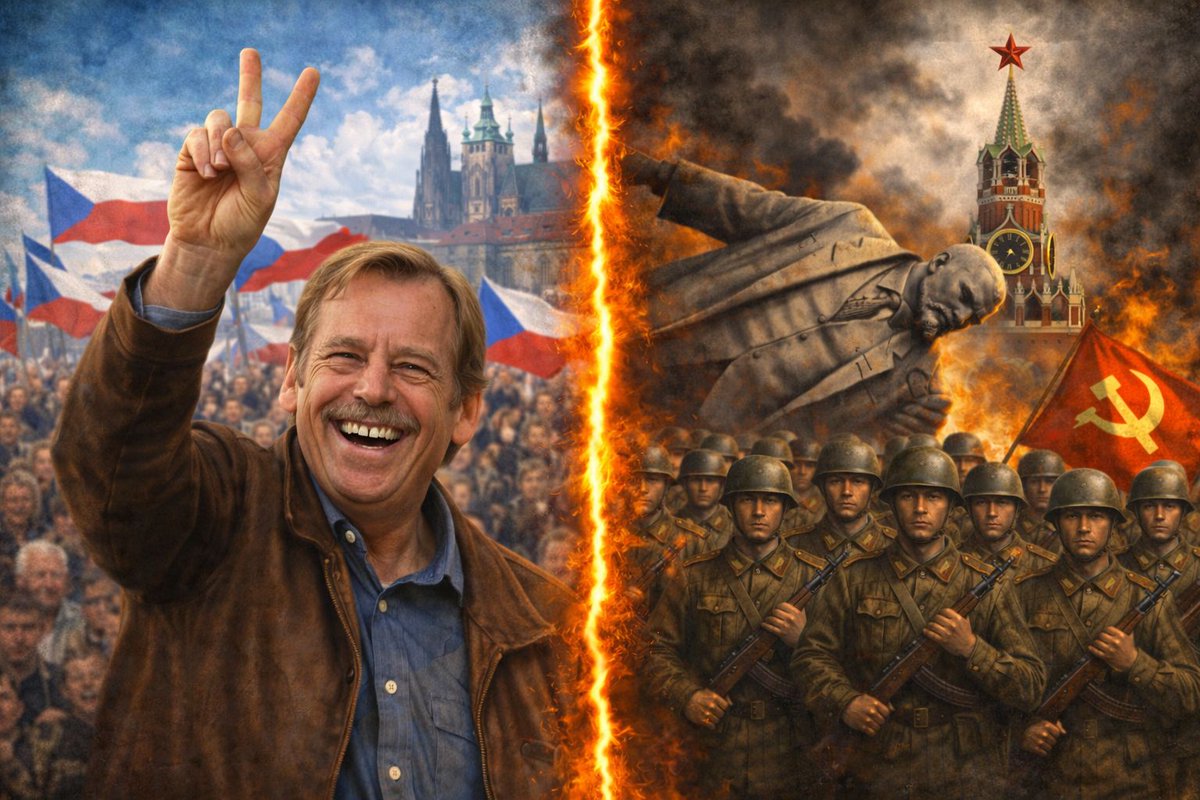
In 1978, The Soviet System Looked Permanent
Western analysts treated communist rule as unchangeable fact. Military power. Total surveillance. Complete control.
Political scientists predicted gradual reform at best. Revolution seemed impossible.
But they were missing one important factor.
Western analysts treated communist rule as unchangeable fact. Military power. Total surveillance. Complete control.
Political scientists predicted gradual reform at best. Revolution seemed impossible.
But they were missing one important factor.
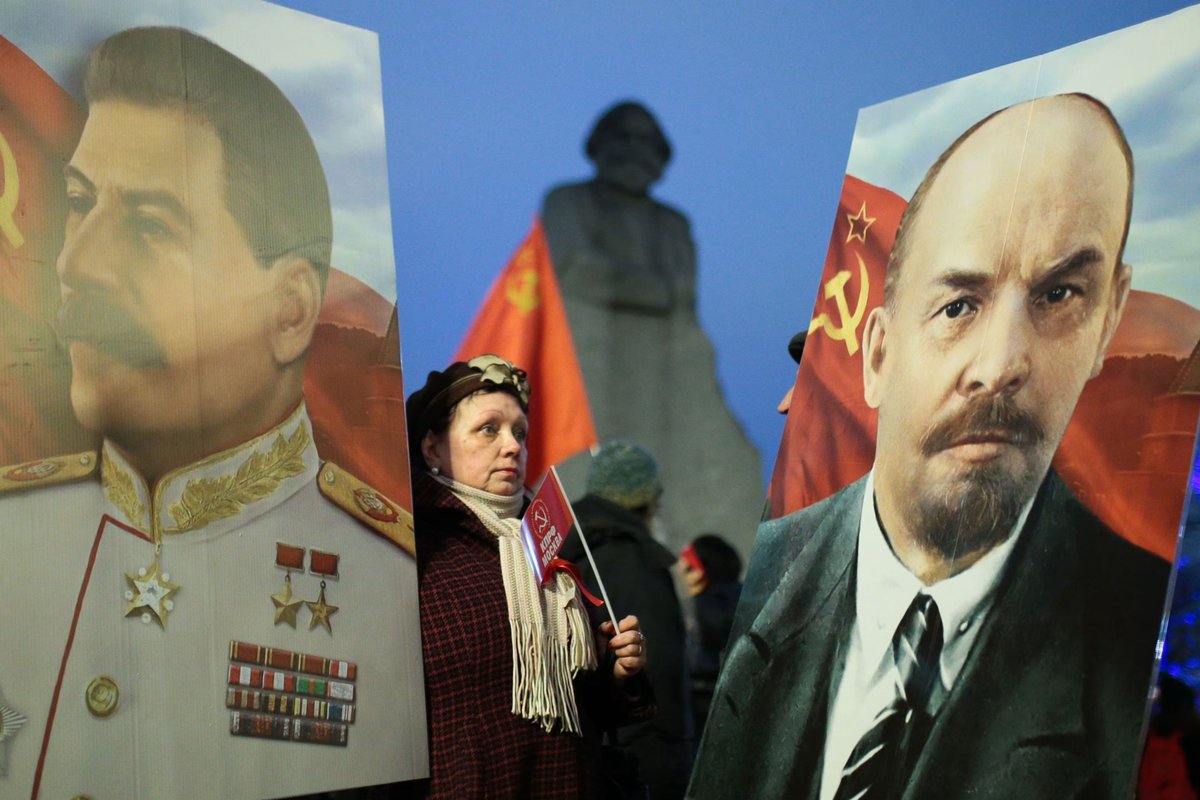
Havel Understood What The Data Couldn't Capture
In his underground essay "The Power of the Powerless," written in 1978, Havel identified the regime's hidden fragility.
Communist systems didn't survive through force alone. They required mass participation in obvious lies.
Every citizen had to pretend the system worked. Every worker had to attend celebrations for policies they knew were failing. Every student had to repeat slogans contradicting observable reality.
This created exhaustion that military strength couldn't cure.
In his underground essay "The Power of the Powerless," written in 1978, Havel identified the regime's hidden fragility.
Communist systems didn't survive through force alone. They required mass participation in obvious lies.
Every citizen had to pretend the system worked. Every worker had to attend celebrations for policies they knew were failing. Every student had to repeat slogans contradicting observable reality.
This created exhaustion that military strength couldn't cure.

The Greengrocer's Dilemma
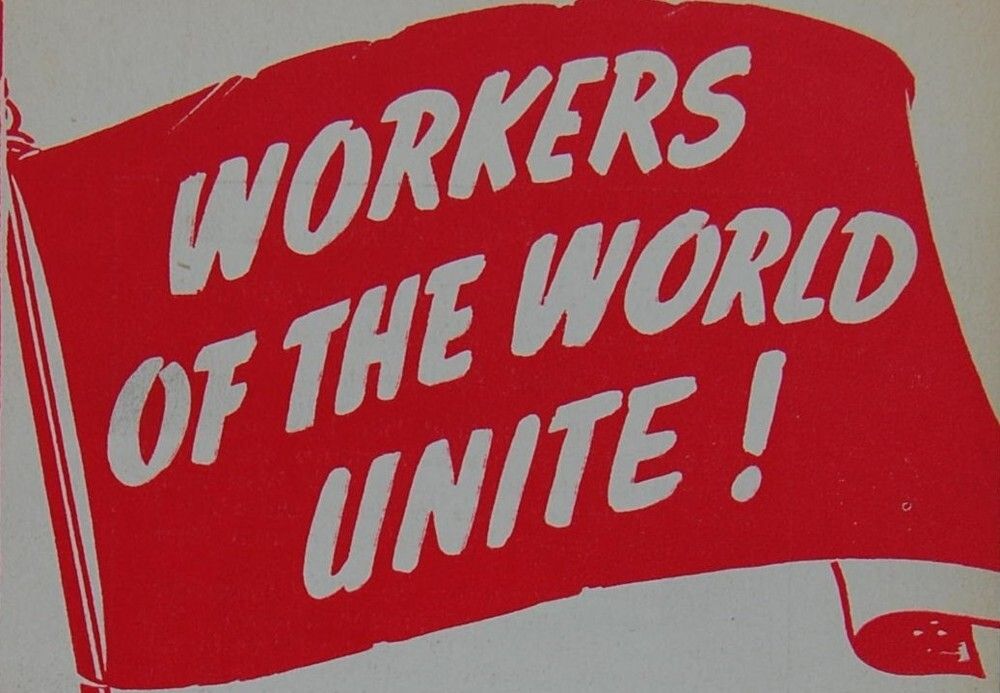
Havel described a shop owner displaying "Workers of the world, unite!" in his window.
Not because he believes it. Because refusing marks him as dangerous.
The regime demanded millions of these small moral compromises daily. Attend the rally. Sign the petition. Applaud the speech. Affirm the obvious falsehood.
Each compliance corroded something in the person performing it.
Havel described a shop owner displaying "Workers of the world, unite!" in his window.
Not because he believes it. Because refusing marks him as dangerous.
The regime demanded millions of these small moral compromises daily. Attend the rally. Sign the petition. Applaud the speech. Affirm the obvious falsehood.
Each compliance corroded something in the person performing it.
"Living In Truth" As Political Strategy
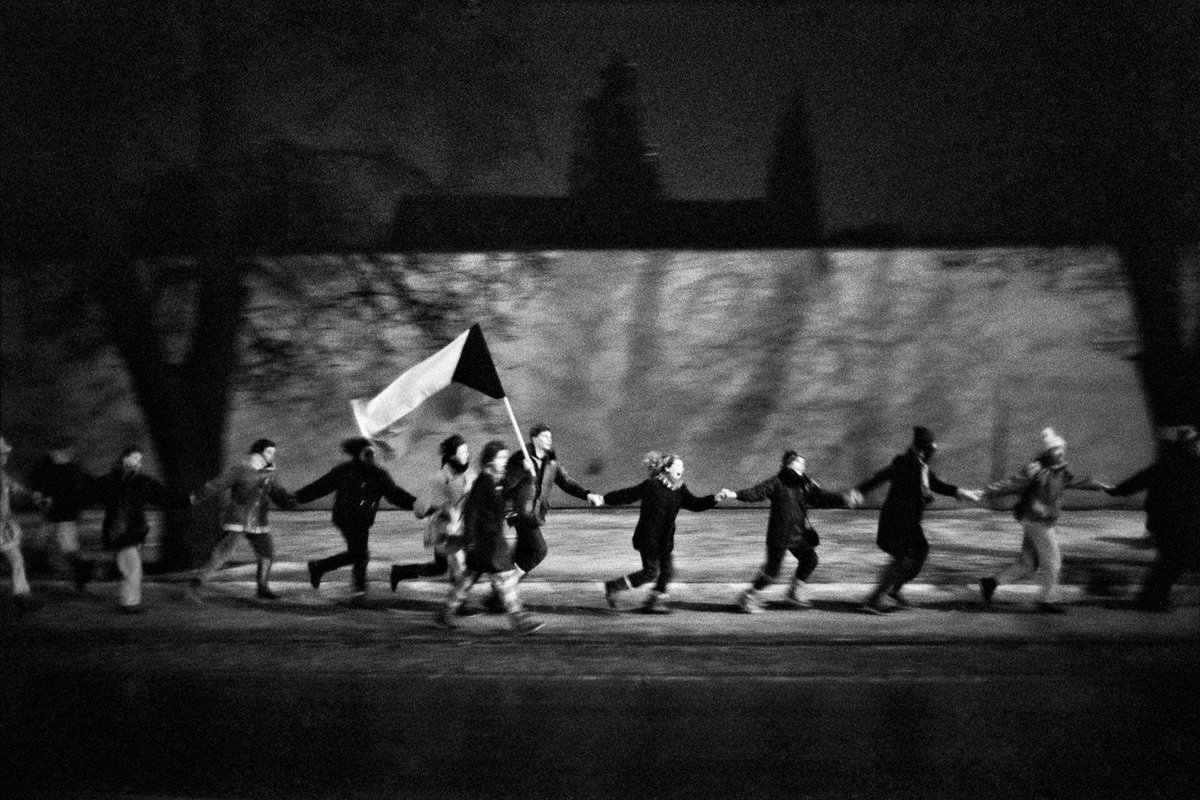
Havel argued that simply refusing to participate in required lies would expose the system's weakness.
Not organizing militias. Not plotting coups. Just refusing to affirm things you know are false.
He called this "living in truth": treating obvious contradictions as if they were obvious.
The intellectual framework mattered. This wasn't naive idealism. It was rigorous analysis of how systems requiring mass pretending eventually exhaust their participants.
Havel argued that simply refusing to participate in required lies would expose the system's weakness.
Not organizing militias. Not plotting coups. Just refusing to affirm things you know are false.
He called this "living in truth": treating obvious contradictions as if they were obvious.
The intellectual framework mattered. This wasn't naive idealism. It was rigorous analysis of how systems requiring mass pretending eventually exhaust their participants.
The Missing Variable In Expert Analysis
Western analysts weren't wrong about economics and military competition. The Soviet bloc was losing the arms race and facing severe economic stagnation.
But they missed the compounding factor: systems requiring daily betrayal of observed reality eventually produce populations incapable of defending anything, including the regime itself.
When economic pressure meets moral exhaustion, collapse accelerates.
Western analysts weren't wrong about economics and military competition. The Soviet bloc was losing the arms race and facing severe economic stagnation.
But they missed the compounding factor: systems requiring daily betrayal of observed reality eventually produce populations incapable of defending anything, including the regime itself.
When economic pressure meets moral exhaustion, collapse accelerates.
November 1989 Proved The Dissidents Right
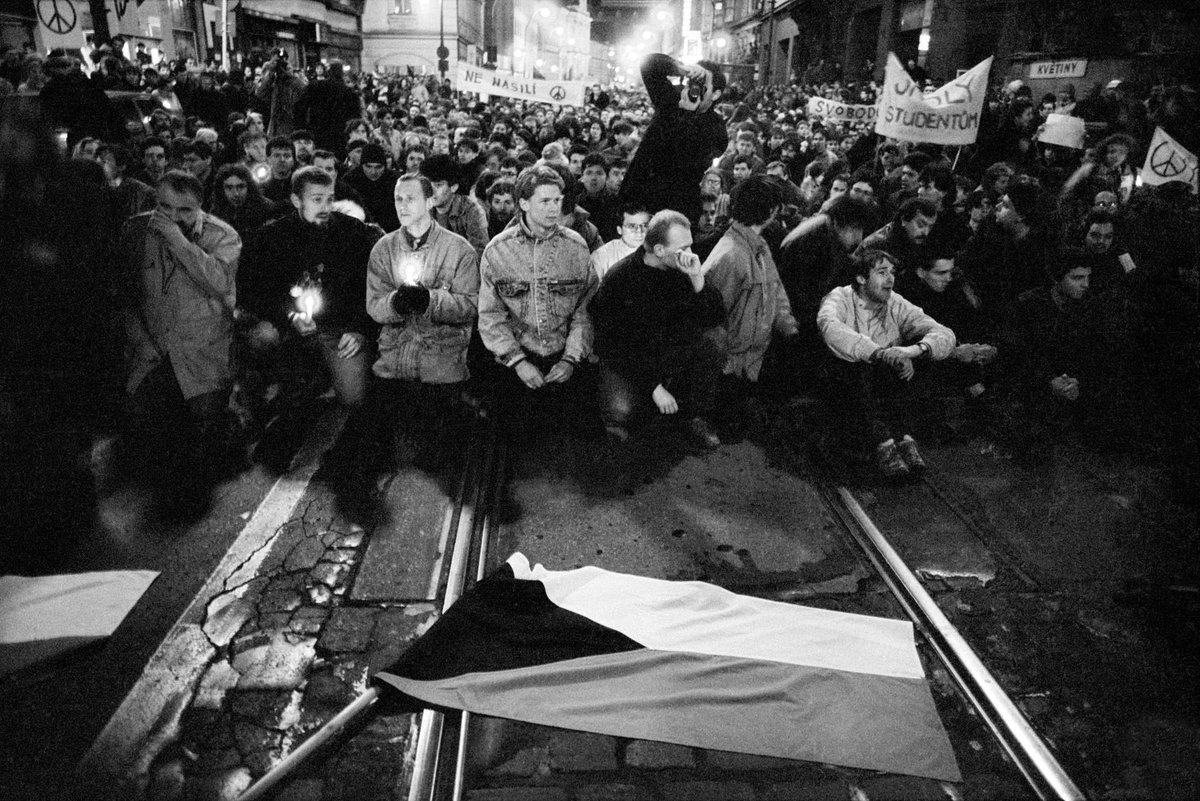
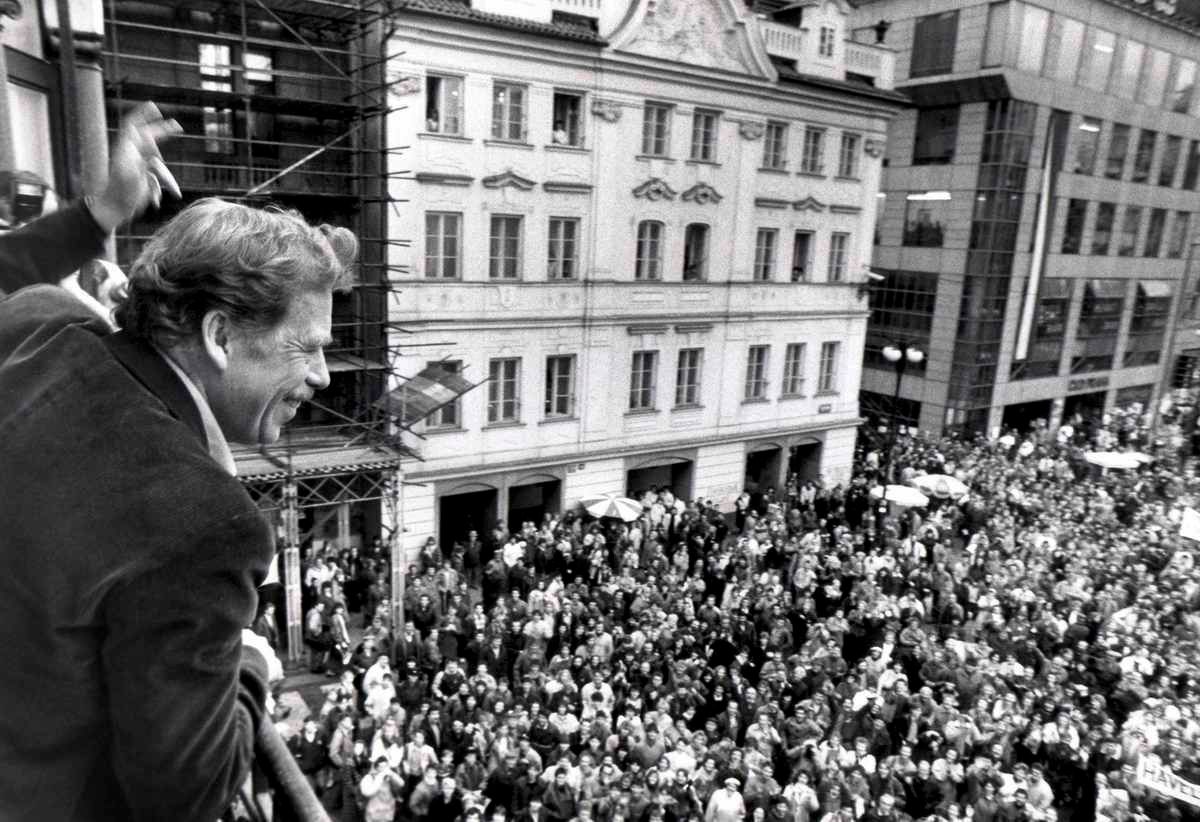
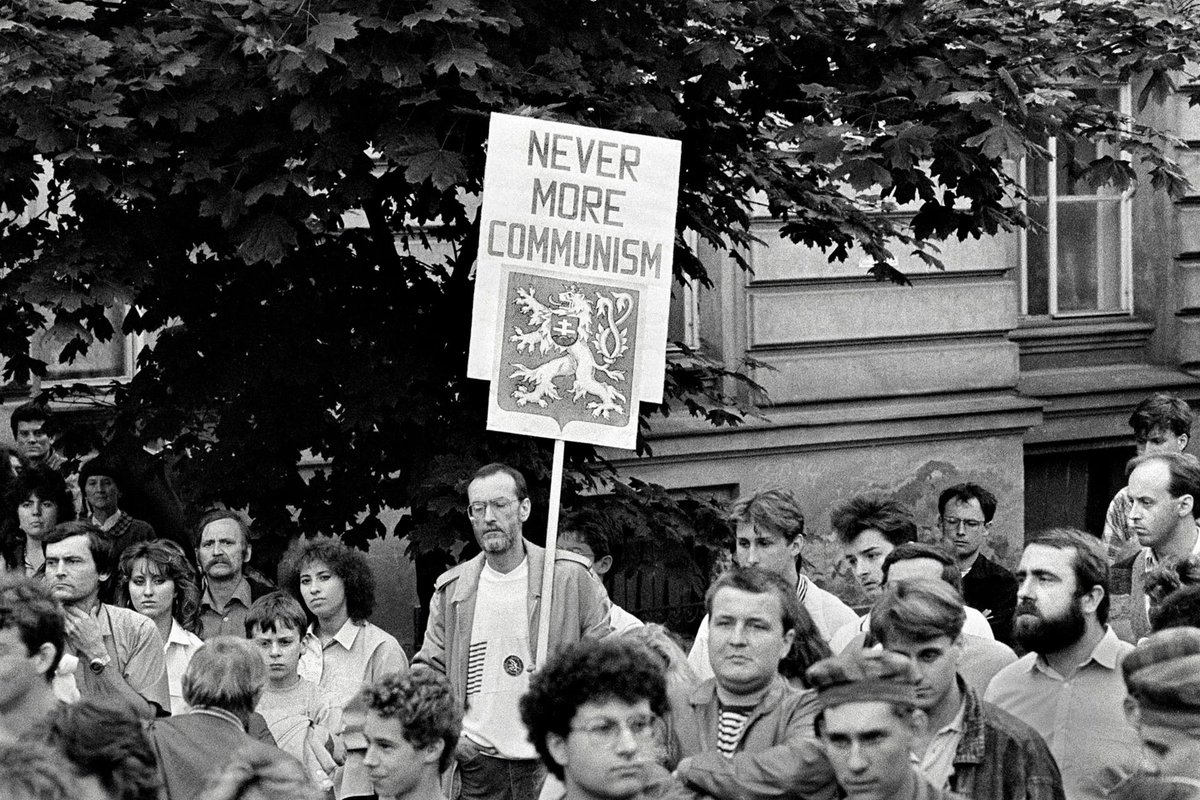
Communist regimes across Eastern Europe collapsed within weeks. Havel went from imprisoned dissident to president of Czechoslovakia in months.
Every expert who dismissed his analysis as naive idealism watched him lead a nation while they revised their theories.
The dissidents had understood the system better than the analysts. Because they lived under the required lies. The experts just theorized from comfortable distance.
Communist regimes across Eastern Europe collapsed within weeks. Havel went from imprisoned dissident to president of Czechoslovakia in months.
Every expert who dismissed his analysis as naive idealism watched him lead a nation while they revised their theories.
The dissidents had understood the system better than the analysts. Because they lived under the required lies. The experts just theorized from comfortable distance.
Your Generation Recognizes The Pattern
You grew up watching institutions demand you accept obvious contradictions.
Celebrate declining standards as progress. Say the economy works while you can't afford rent. Treat ideological conformity as intellectual sophistication. Affirm narratives that contradict what you can observe.
Havel proved that systems requiring mass participation in obvious falsehoods become fragile over time.
You grew up watching institutions demand you accept obvious contradictions.
Celebrate declining standards as progress. Say the economy works while you can't afford rent. Treat ideological conformity as intellectual sophistication. Affirm narratives that contradict what you can observe.
Havel proved that systems requiring mass participation in obvious falsehoods become fragile over time.

The Exhaustion You Feel Isn't Weakness
Your generation's refusal to participate in institutional demands for conformity isn't cynicism. It's pattern recognition.
The exhaustion from being asked to ignore observable reality isn't a character flaw. It's the same moral fatigue Havel identified as the precursor to institutional collapse.
And refusing to say things you know are false isn't being contrarian. It's maintaining the capacity to think clearly.
Your generation's refusal to participate in institutional demands for conformity isn't cynicism. It's pattern recognition.
The exhaustion from being asked to ignore observable reality isn't a character flaw. It's the same moral fatigue Havel identified as the precursor to institutional collapse.
And refusing to say things you know are false isn't being contrarian. It's maintaining the capacity to think clearly.
• • •
Missing some Tweet in this thread? You can try to
force a refresh