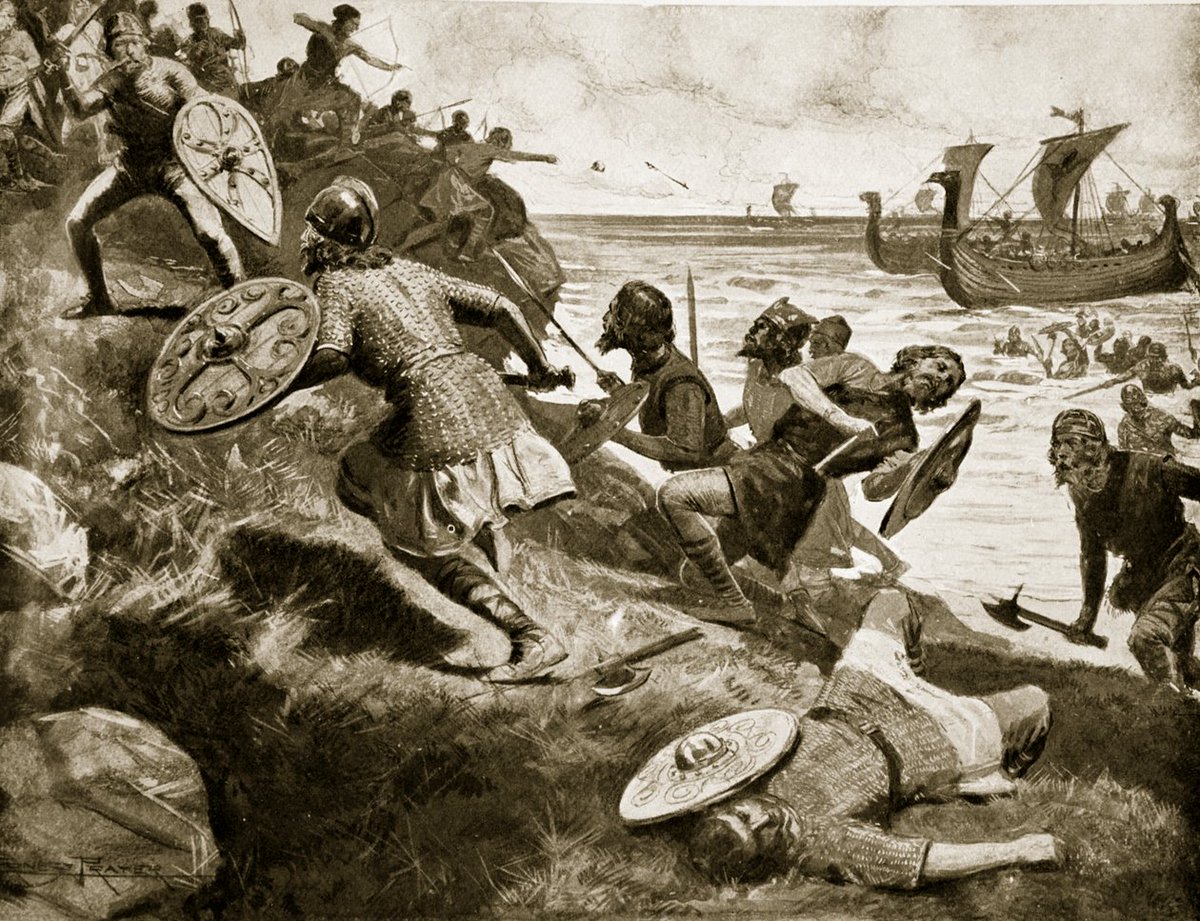
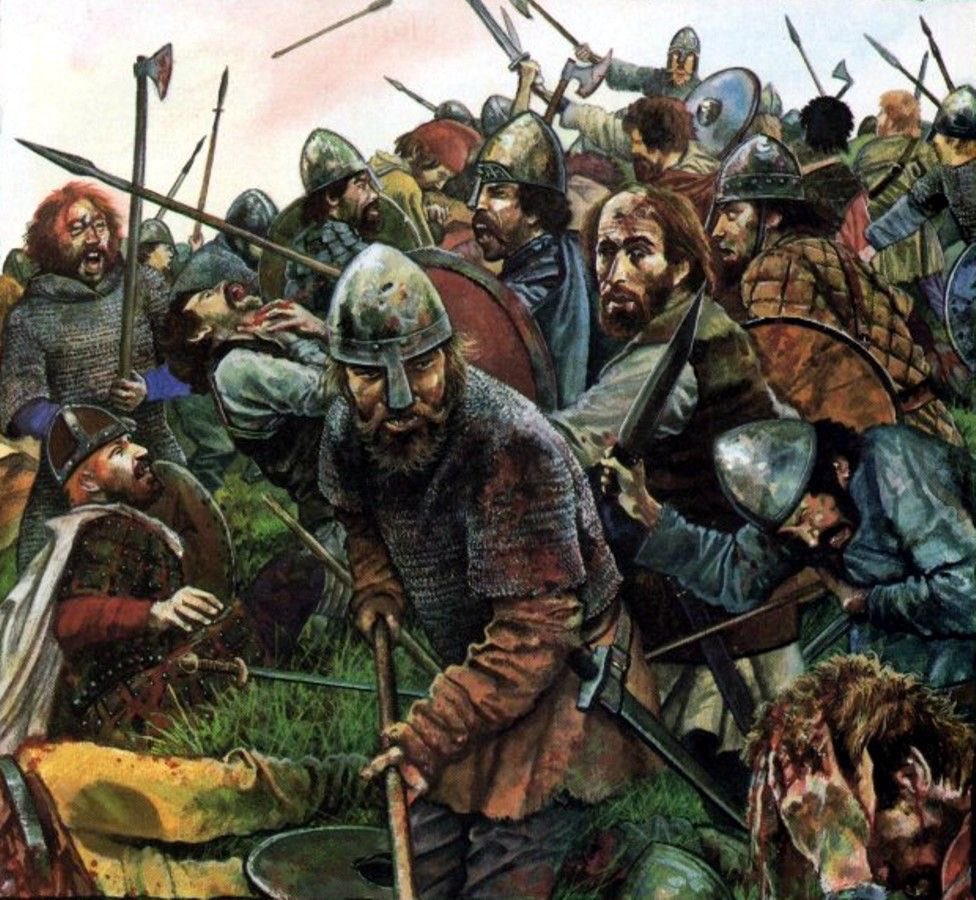
In 859, Vikings led by Björn Ironside and Hastein passed through the Straits of Gibraltar to raid Al Andalus, Francia and Italy.
This is the story of the Viking raid on the Mediterranean
A thread 🧵
This is the story of the Viking raid on the Mediterranean
A thread 🧵
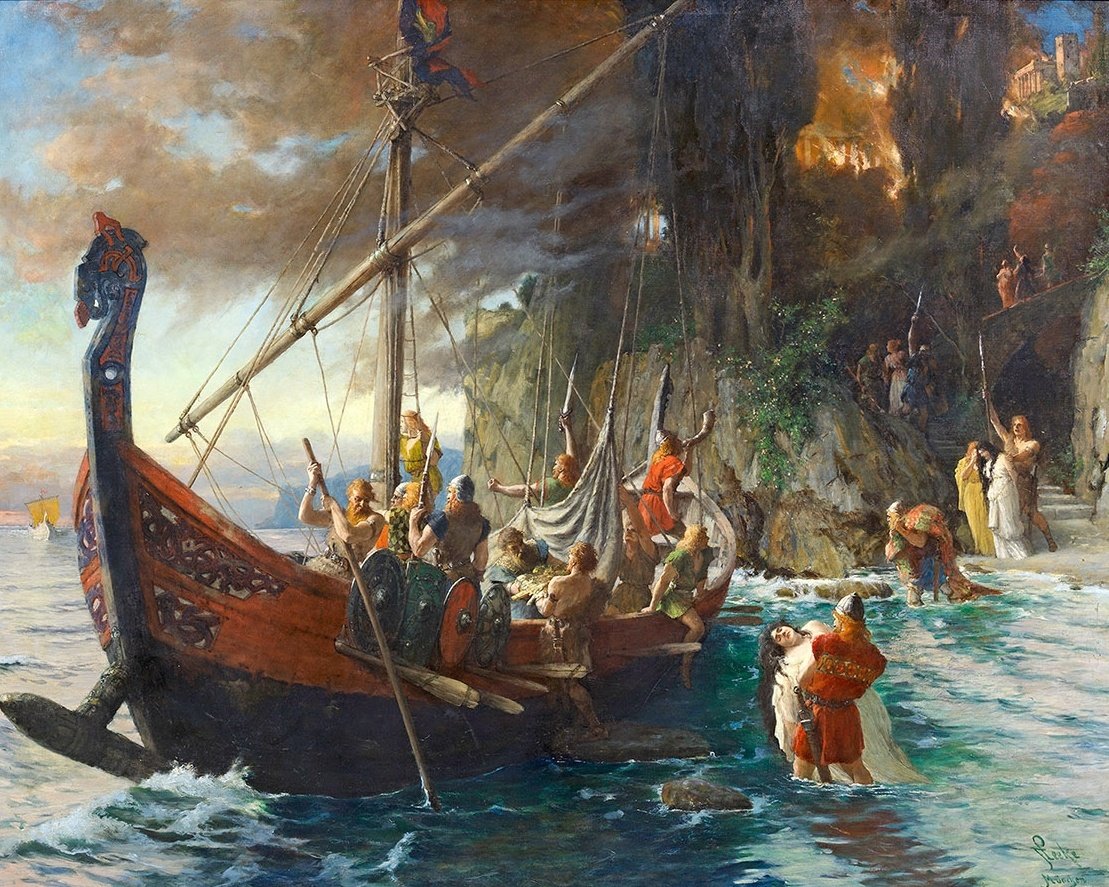
The Vikings had been raiding Western Europe for decades, most famously at Lindisfarne (793) and Paris (855).
They then turned their gaze southwards first raiding (not very successfully) into what is now Spain in 844.
They then turned their gaze southwards first raiding (not very successfully) into what is now Spain in 844.
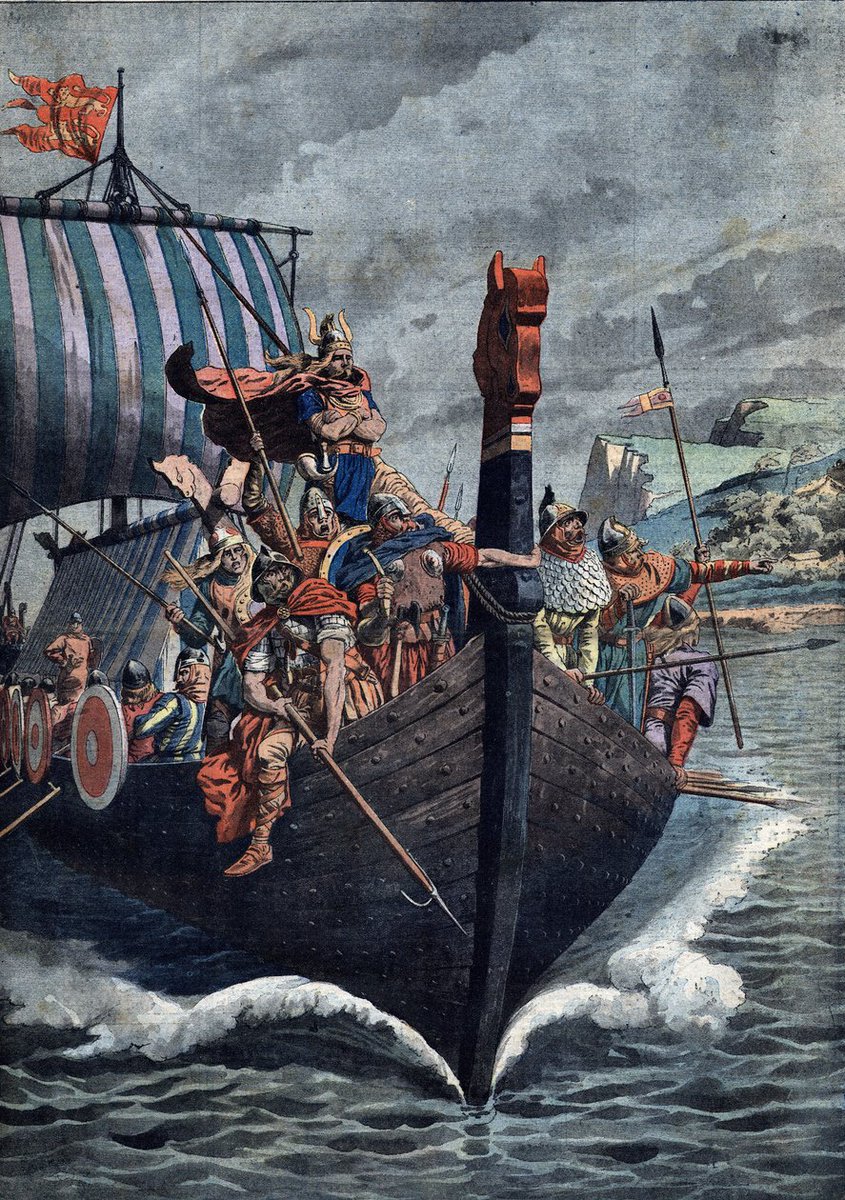
The Vikings were well aware of the riches of the Muslim world, therefore Björn Ironside (reportedly a son of Ragnar Lodbrok) and Hastein began to draw up plans for a large raiding expedition.
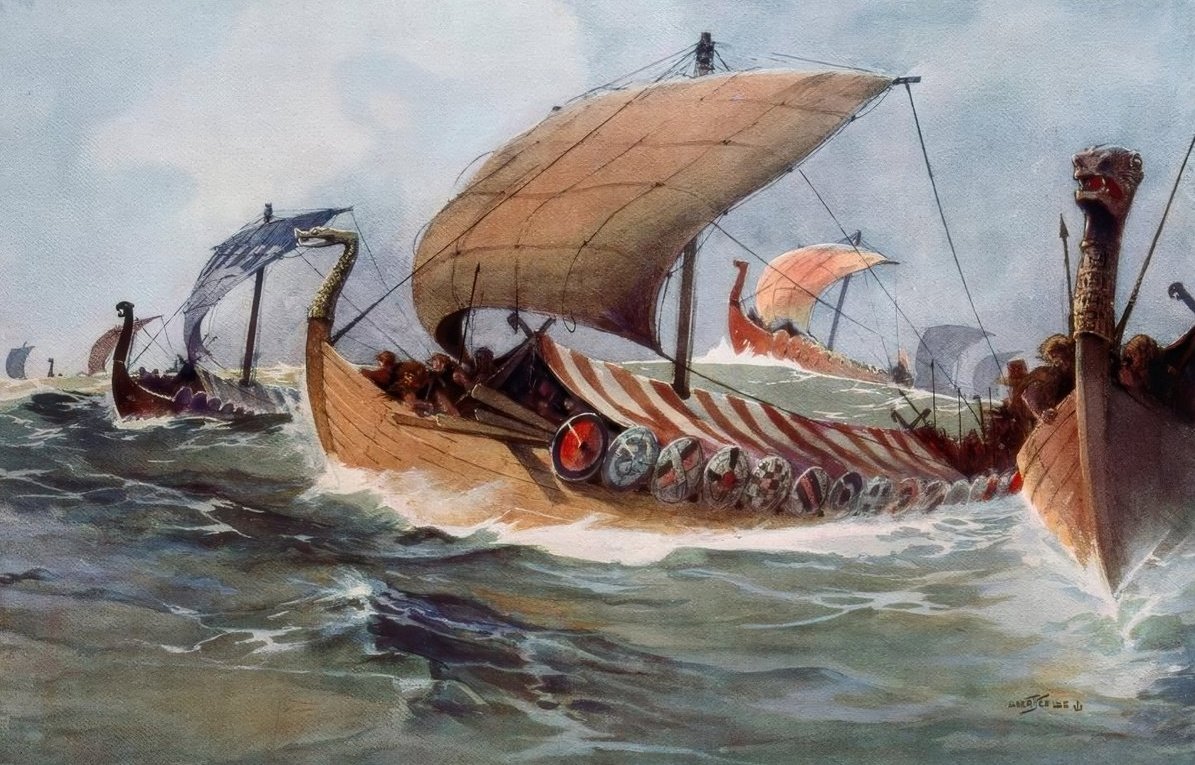
The fleet numbering around 60 ships left the Loire in 859 and began to raid Galicia and along the West Coast of the Iberian Peninsula.
Here they found little success and stiff resistance, so they did what all good Vikings did... and moved on to find an easier target.
Here they found little success and stiff resistance, so they did what all good Vikings did... and moved on to find an easier target.
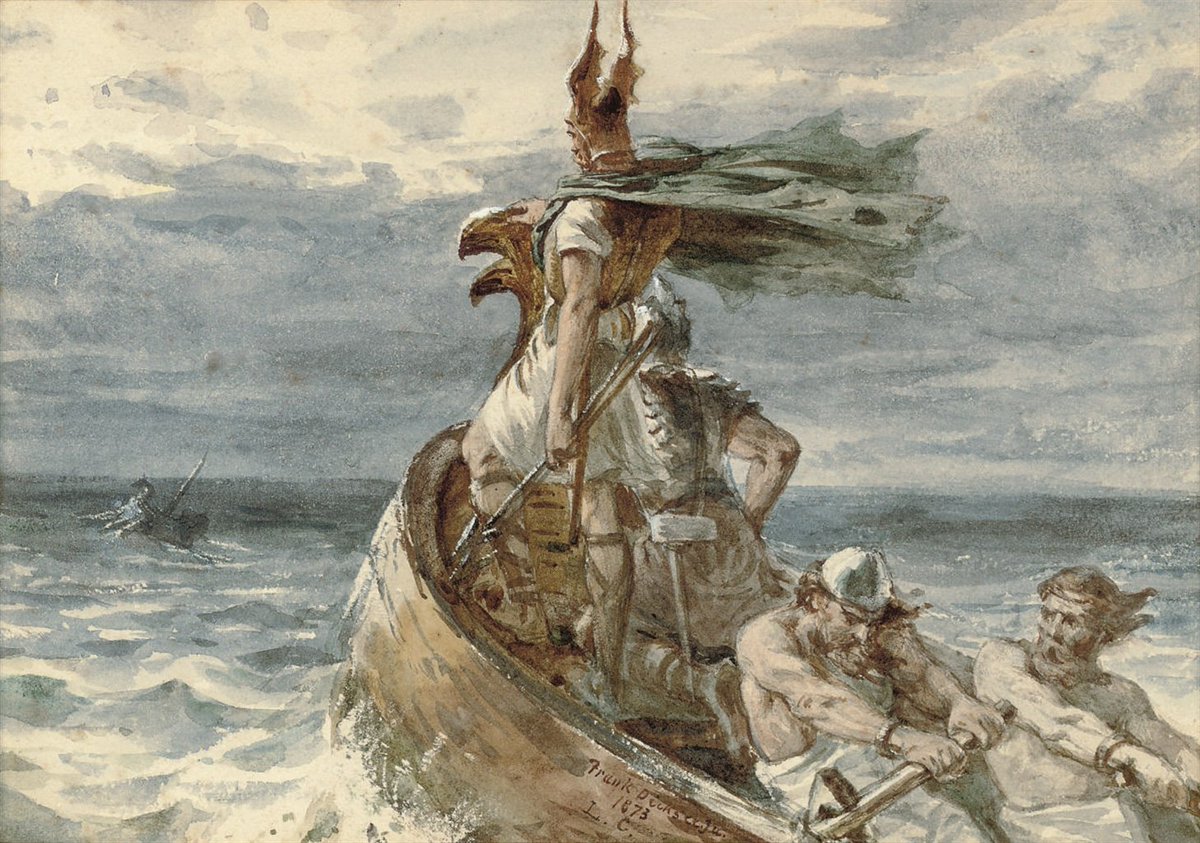
This search brought them through the Strait of Gibraltar and then into North Africa, where they raided freely with little resistance.
From there they made their way Northwards raiding the Balerics and Murcia, before wintering in what is now Provence in South France.
From there they made their way Northwards raiding the Balerics and Murcia, before wintering in what is now Provence in South France.
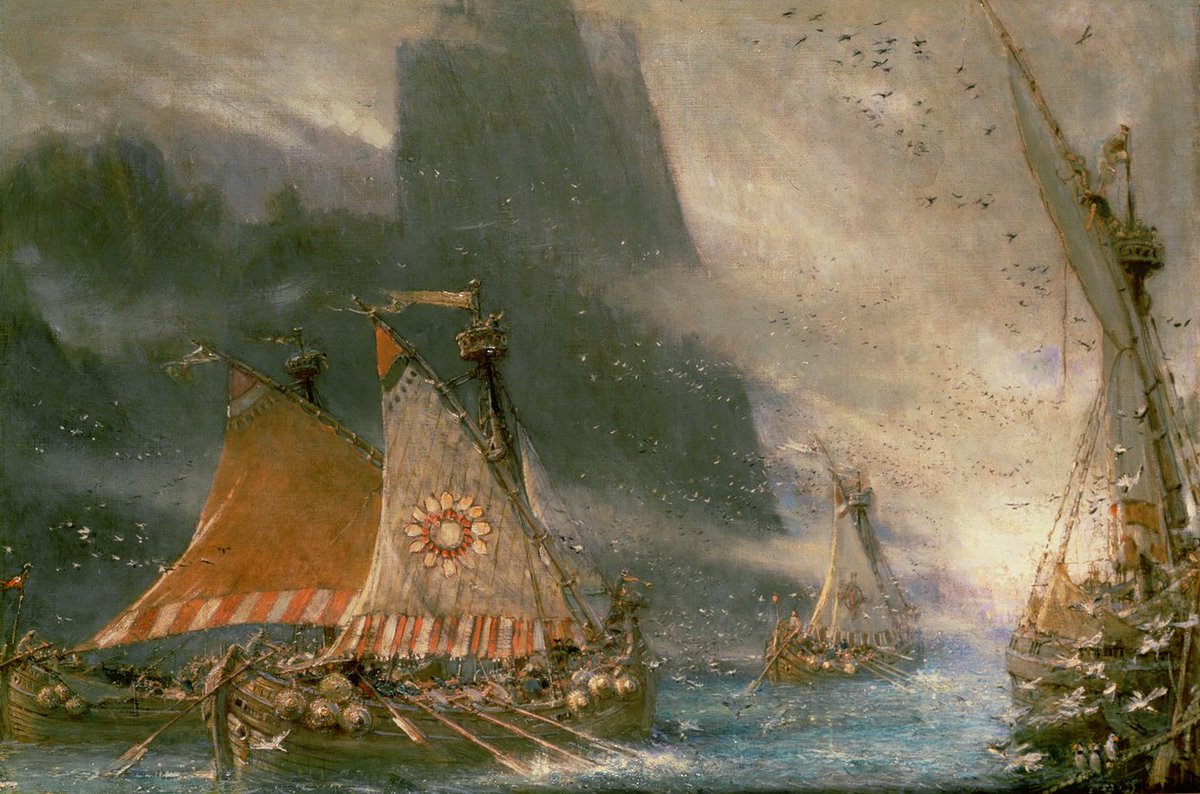
As raiding season again approached the Vikings plundered their merry way along southern France before heading into Italy.
Here they set their sights on Luna. It is claimed they believed this to be Rome itself which is quite unlikely, but makes for an interesting story.
Here they set their sights on Luna. It is claimed they believed this to be Rome itself which is quite unlikely, but makes for an interesting story.
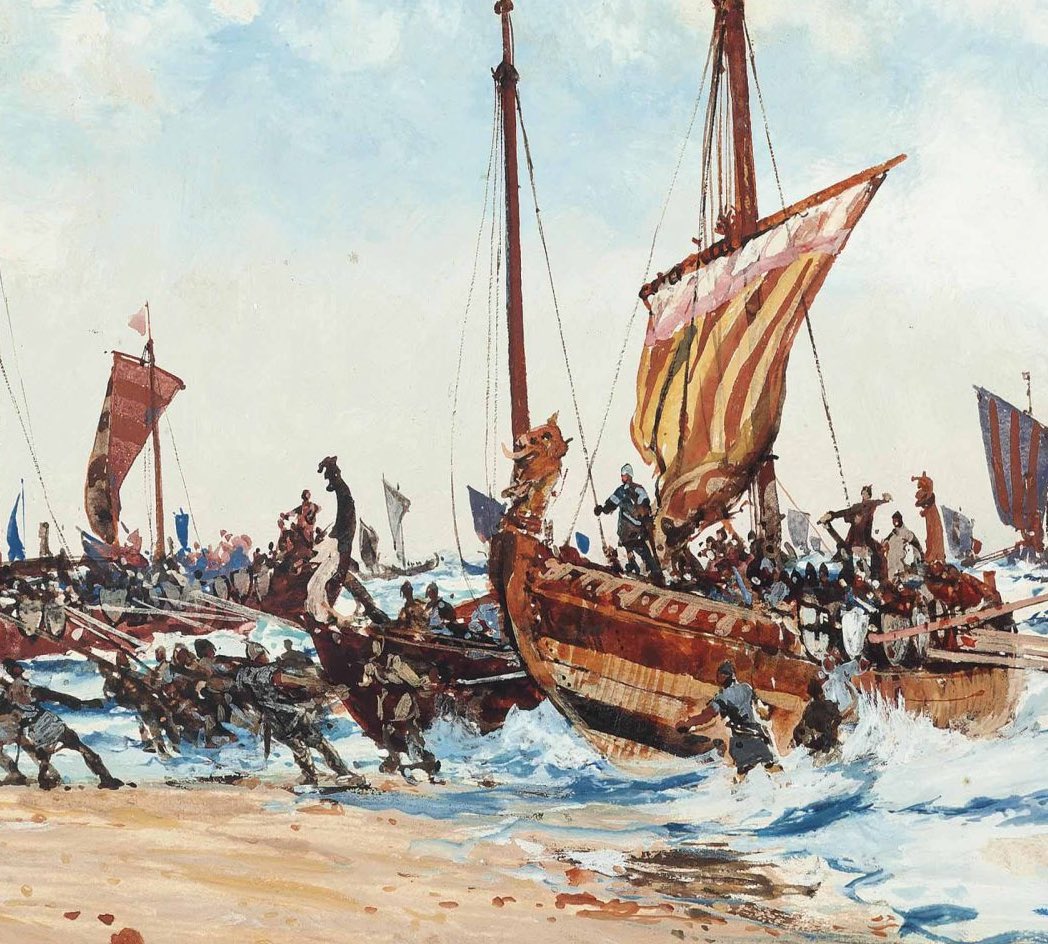
At Luna the Vikings found their way blocked by the town's wall, so they devised a cunning planning...
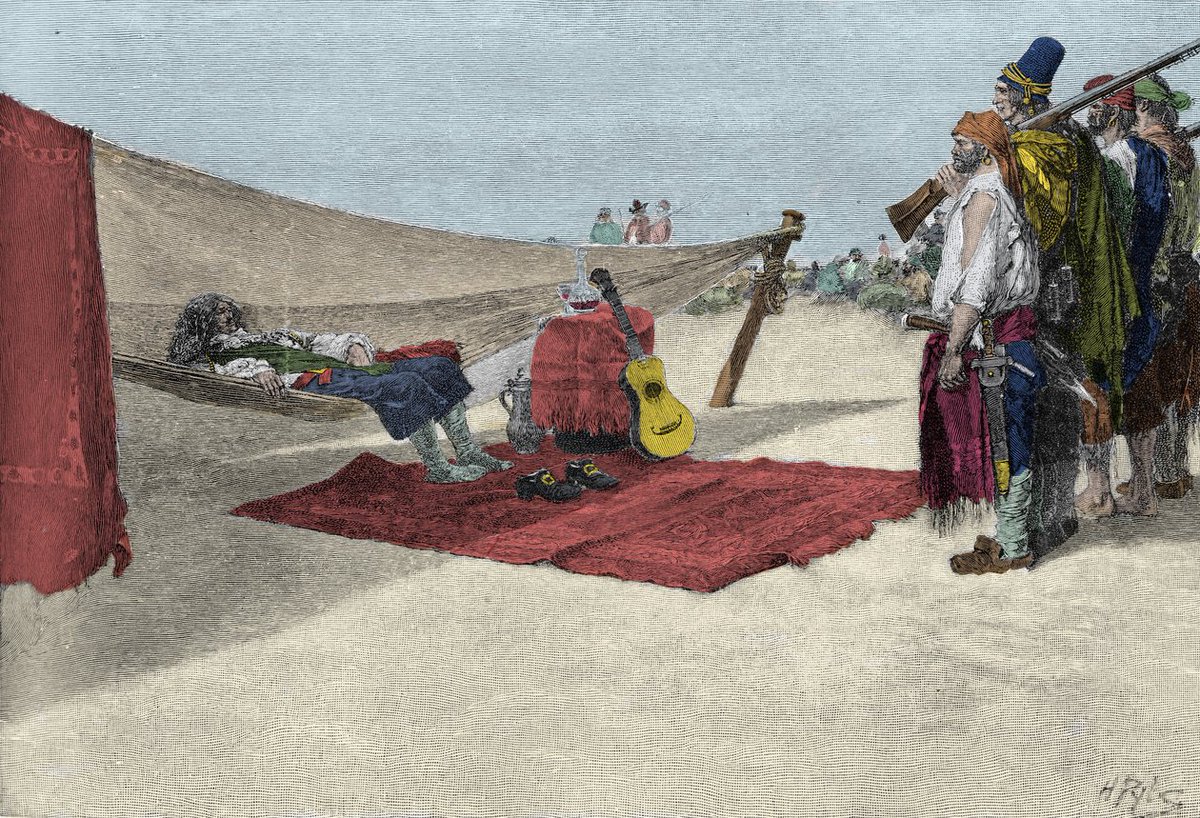
Hastein supposedly faked his own death and requested a Christian burial inside the city walls, once inside he leaped from his coffin, killed the bishop and sacked the city.
Hastein supposedly faked his own death and requested a Christian burial inside the city walls, once inside he leaped from his coffin, killed the bishop and sacked the city.
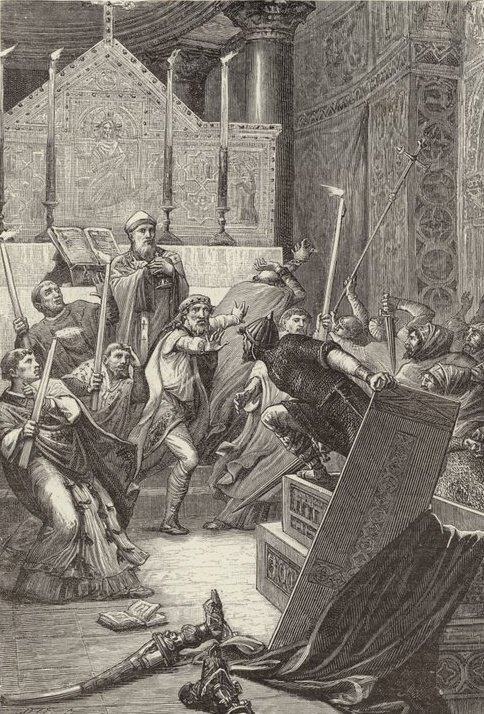
It is well worth noting this is a similar story repeated a couple of times throughout the Viking Age so take it with a pinch of salt.
After their raid on Luna they sacked Pisa, and then they disappear somewhat from the stories for about a year.
Some sources place them in Greece or Constantinople, whilst some have them as far afield as Alexandria in Egypt (a very interesting proposition).
Some sources place them in Greece or Constantinople, whilst some have them as far afield as Alexandria in Egypt (a very interesting proposition).
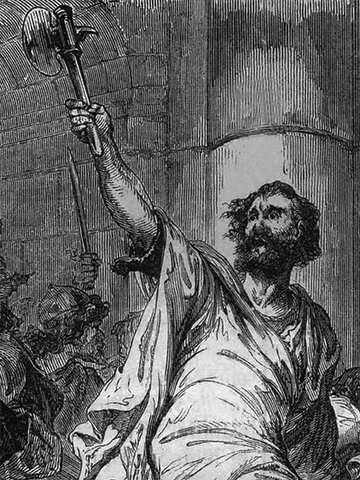
We next pick up the scent of Björn and Hastein back off the coast of Al Andalus facing down a mighty Muslim fleet.
The fleet manages to destroy about 2/3 of the Viking ships, but Björn and Hastein both make it out alive.
The fleet manages to destroy about 2/3 of the Viking ships, but Björn and Hastein both make it out alive.
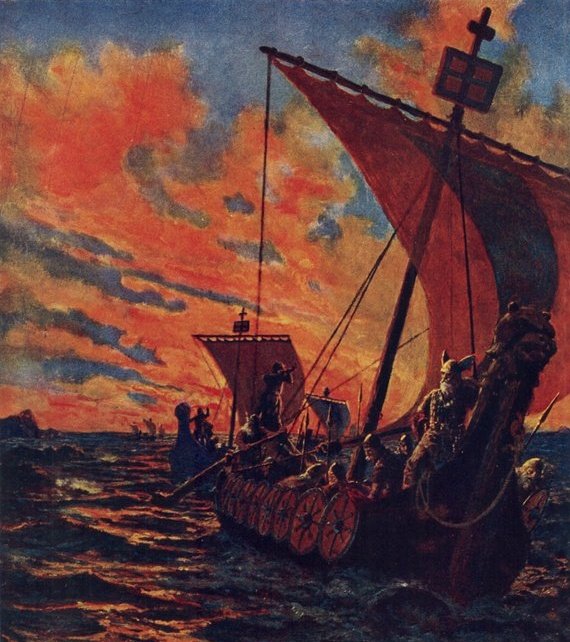
The pair, now fabulously wealthy, say their goodbyes and go their separate ways.
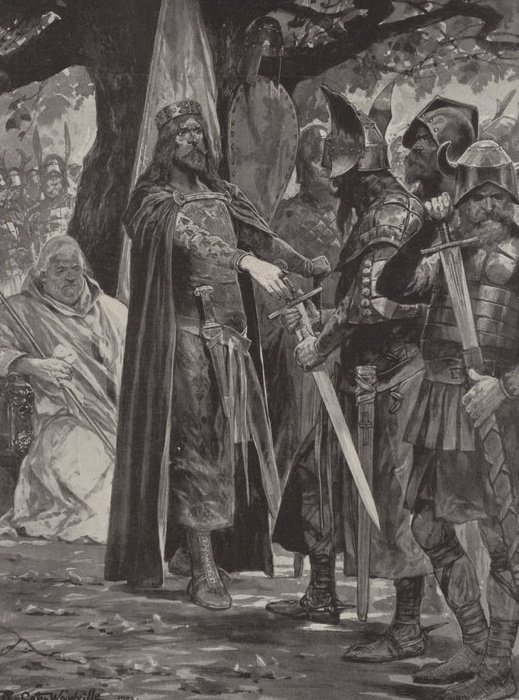
Hastein in particular has an illustrious career ahead of him, and he will soon pop up in England where he will face off against none other than Alfred the Great!
Hastein in particular has an illustrious career ahead of him, and he will soon pop up in England where he will face off against none other than Alfred the Great!
Thank you for sticking with me, if you enjoyed this thread please give it a like and share to help it reach a wider audience.
And for more great stories from the past drop me a follow @HistoriaJack
And for more great stories from the past drop me a follow @HistoriaJack
• • •
Missing some Tweet in this thread? You can try to
force a refresh