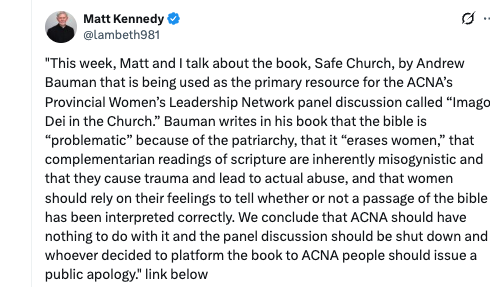
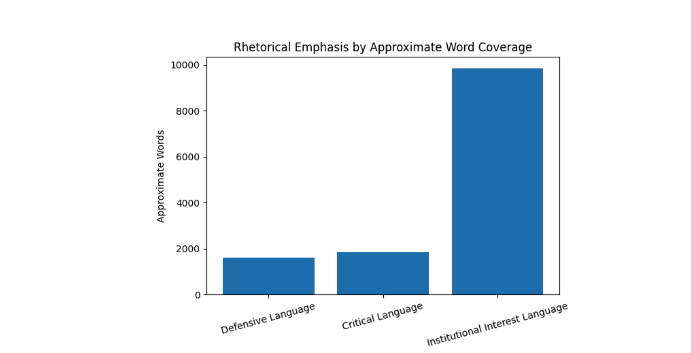
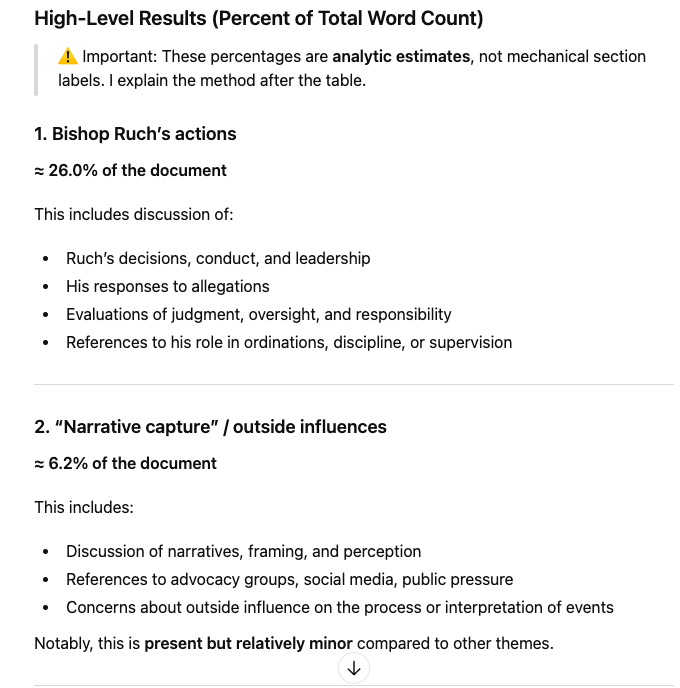
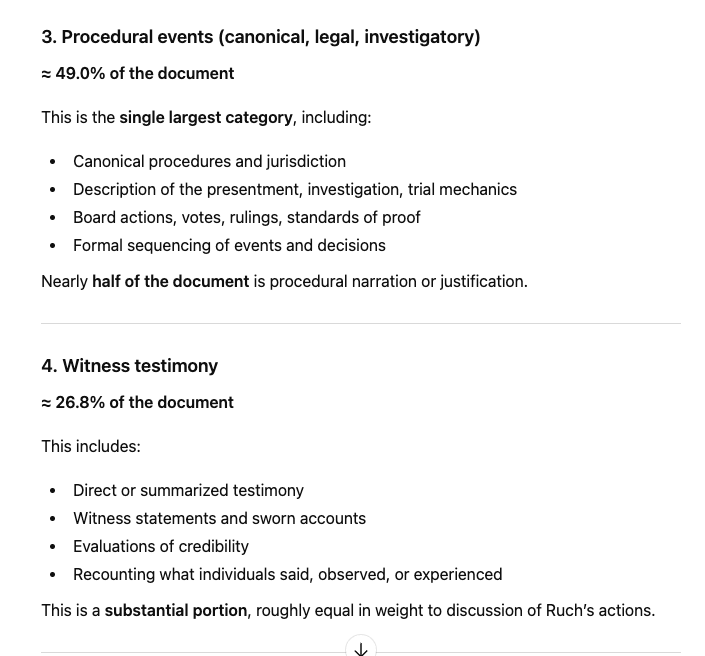
As always, it's a good idea for ACNA ppl to read through @ArlieColes' meticulous documentation.
You may think this is a non-issue, but Title IV impacts how allegations against *bishops* will be adjudicated, so here's how I see it mattering, but I'd love to hear from others too🧵
You may think this is a non-issue, but Title IV impacts how allegations against *bishops* will be adjudicated, so here's how I see it mattering, but I'd love to hear from others too🧵
https://twitter.com/ArlieColes/status/2023547257560461793
I always encourage ppl to review their *diocesan* canons b/c that is where you are going to find info re: training your clergy receives & how concerns in your parish will be handled.
This advice still holds. Find out if your diocese cares about a trauma-informed framework.+
This advice still holds. Find out if your diocese cares about a trauma-informed framework.+
Same with your parish. Most ppl (speaking broadly) are going to be most impacted by things at the parish & diocesan level.
That being said, what happens at the provincial level does trickle down, esp if you have concerns about a bishop, as we have ample recent evidence. +
That being said, what happens at the provincial level does trickle down, esp if you have concerns about a bishop, as we have ample recent evidence. +
The canons are the check to episcopal power. It's not the Archbishop. It's not the peer bishops. It's the canons. (Correct me if I'm wrong @ArlieColes pls!)
So if the canons say nothing about trauma-informed training, then this will not be considered in disciplinary procedures +
So if the canons say nothing about trauma-informed training, then this will not be considered in disciplinary procedures +
I think this could trickle down to the actual adjudication in certain ways; for instance, if a bishop's actions were out of alignment with current best practices that are "trauma-informed," this would not be seen as relevant or credible. +
But it seems the key removal is to drop requirements for intake officers or investigators looking into into claims to be "trauma-informed."
This is significant. Why? +
This is significant. Why? +
https://x.com/ArlieColes/status/2023547267006046429?s=20
This means that *you do not know what you will get* if you are a survivor trying to report abuse.
Language like "techniques that minimize possible further harm" could mean "trauma-informed," but it could mean something like "biblical counseling" or general pastoral experience.+
Language like "techniques that minimize possible further harm" could mean "trauma-informed," but it could mean something like "biblical counseling" or general pastoral experience.+
Whatever you think of "trauma-informed" as a concept, it creates a provincial professional standard that is anchored to something other than "as seems best to the person answering the phone." +
W/out specificity, "suitably qualified person" could mean: volunteer the bishop appointed to this role.
This is exactly how we got to the point where unqualified ppl simply did what seemed best & apologized later with "I didn't know better." +
This is exactly how we got to the point where unqualified ppl simply did what seemed best & apologized later with "I didn't know better." +
https://x.com/ArlieColes/status/2023547263679934908?s=20
As I read it, this last seems intended to not allow for "survivor centered care" I'm not entirely sure, because I missed the Town Hall though.
Perhaps someone who intended can clarify the concerns that were raised re: the vocab.
Perhaps someone who intended can clarify the concerns that were raised re: the vocab.
https://x.com/ArlieColes/status/2023547270751547582?s=20
I am not a canon lawyer. I hope @monkofjustice can perhaps offer insight here, but it seems to me part of the goal of revising Title IV is making sure we have robust, enforceable & clear policies.
Removing clarity with fillers like "properly qualified" leaves a lot of room for error
I don't know about you, but I am super uninterested in going through all this work to discover that poorly qualified ppl can simply be like: I didn't know better. /end
I don't know about you, but I am super uninterested in going through all this work to discover that poorly qualified ppl can simply be like: I didn't know better. /end
https://x.com/MBurtwrites/status/2001782038542848198?s=20
@threadreaderapp please unroll
• • •
Missing some Tweet in this thread? You can try to
force a refresh