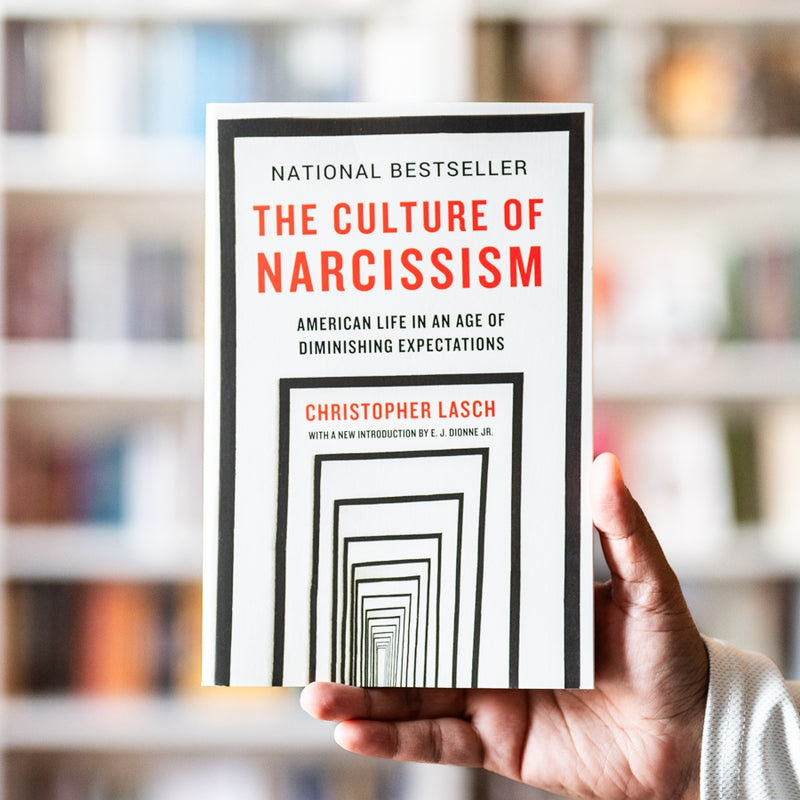
Canarsie: The Jews and Italians of Brooklyn Against Liberalism by Jonathan Rieder
This is a 1985 ethnography about racial conflict in eastern Brooklyn in the 70s. It’s a true story of white flight. Rieder embedded in the community for two years to learn their stories
🧵
This is a 1985 ethnography about racial conflict in eastern Brooklyn in the 70s. It’s a true story of white flight. Rieder embedded in the community for two years to learn their stories
🧵

An amuse bouche:
“Canarsians spoke about crime with more unanimity than they achieved on any other subject, and they spoke often and forcefully. Most had a favorite story of horror. A trucker remembered defecating in his pants a few years earlier when five black youths cornered him in an elevator and placed a knifeblade against his throat. ‘They got two hundred dollars and a gold watch. They told me, Listen you white motherfucker, you ain't calling the law.’”
“‘The police came and we caught one of them. The judge gave them a fucking two-year probation.’ The experience left an indelible imprint. He still relived the humiliation of soiling himself.”
“Canarsians spoke about crime with more unanimity than they achieved on any other subject, and they spoke often and forcefully. Most had a favorite story of horror. A trucker remembered defecating in his pants a few years earlier when five black youths cornered him in an elevator and placed a knifeblade against his throat. ‘They got two hundred dollars and a gold watch. They told me, Listen you white motherfucker, you ain't calling the law.’”
“‘The police came and we caught one of them. The judge gave them a fucking two-year probation.’ The experience left an indelible imprint. He still relived the humiliation of soiling himself.”
Some background:
Canarsie is a neighborhood on the edge of Brooklyn in the east, abutting Jamaica Bay
Canarsie is a neighborhood on the edge of Brooklyn in the east, abutting Jamaica Bay
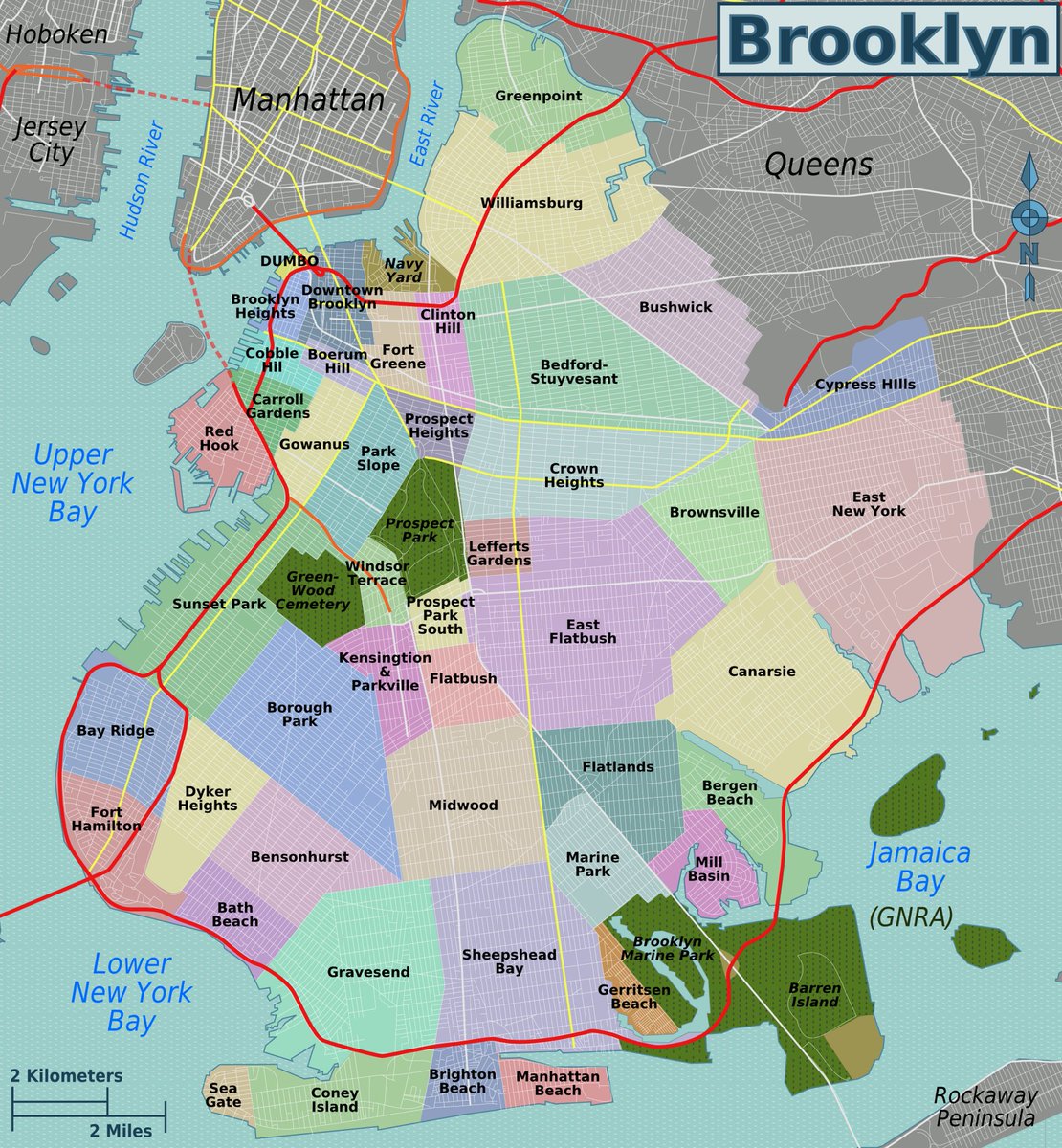

Rieder is a little light on statistics. The book is more of an oral history framed by his own commentary
I’m going to add a little data for context
NYC experienced a large influx of black and Hispanic immigration in the decades after WW2
I’m going to add a little data for context
NYC experienced a large influx of black and Hispanic immigration in the decades after WW2

I didn’t look up the census microdata, but Rieder mentions large black increases in Flatbush, Canarsie’s neighbors
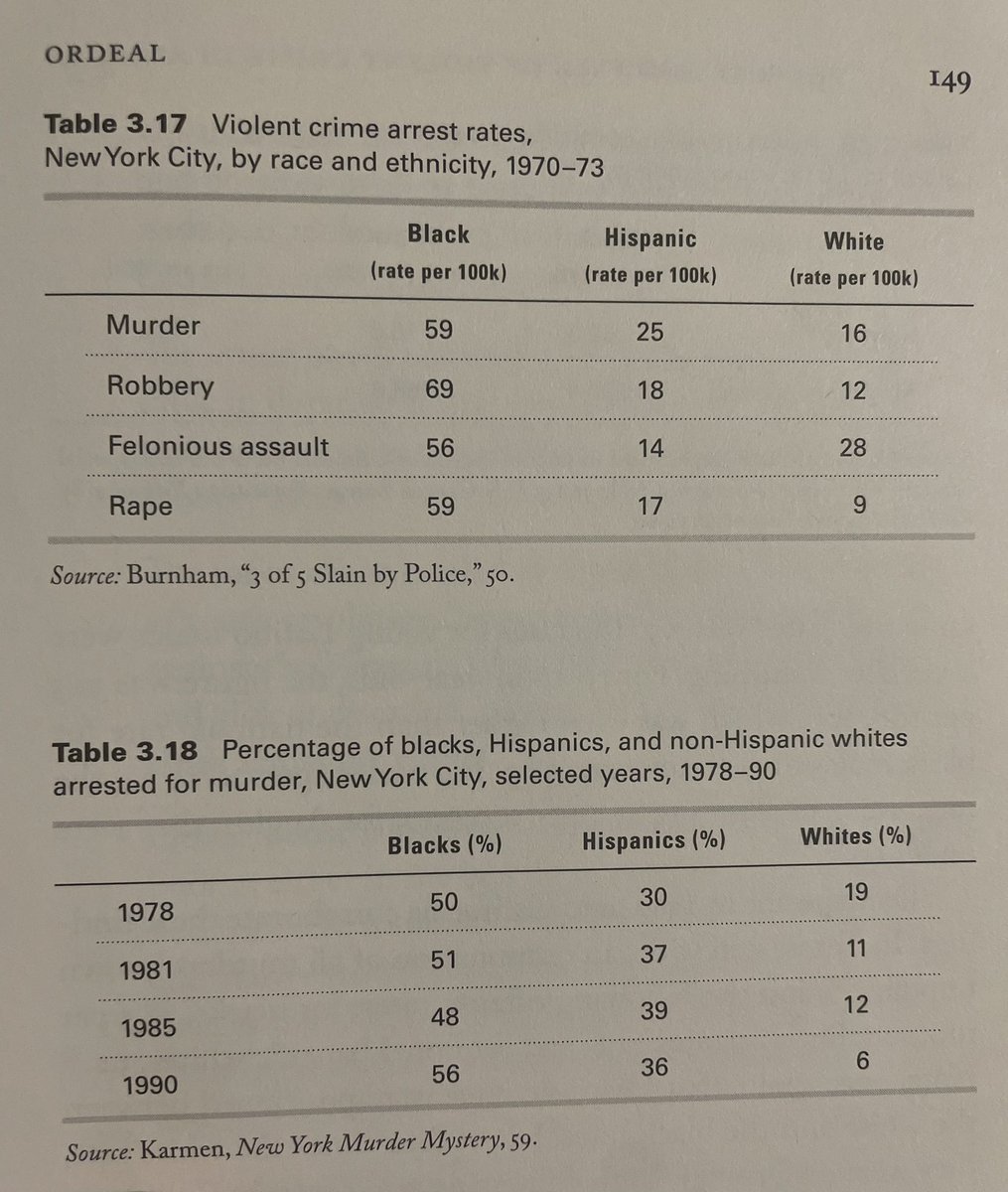
Murders tripled in NYC from 1960 to 1970 and didn’t fall until the 90s
Blacks were about 5x more likely to be arrested for the major violent crimes
Murders tripled in NYC from 1960 to 1970 and didn’t fall until the 90s
Blacks were about 5x more likely to be arrested for the major violent crimes

With that out of the way, the book is full of quotable quotes, so I’m going to rattle them off and only add clarification/comment where I think it’s warranted. Rieder treats his subjects with empathy, hence I don’t feel the need to countersignal him
The quotes are copy/pasted from phone screenshots, which add line breaks and typos. Apologies for any of that sloppiness that I didn’t catch
I’ll have three broad sections to match Rieder’s:
-history/attitudes of the community
-conditions on the ground
-political reaction
I’ll have three broad sections to match Rieder’s:
-history/attitudes of the community
-conditions on the ground
-political reaction
Rieder in the intro:
“An even more pressing problem of understanding lies in the many
meanings of the word liberalism: a doctrine of political rights, the free market economy of classical individualism, moderation of the
excesses of the business cycle, to name just a few. Canarsians, however, did not have such rarified ideas in mind when they complained about liberalism. For them the word had a variety of earthier meanings that did not always cohere logically. Since 1960 the Jews and Italians of Canarsie have embellished and modified the meaning of liberalism, associating it with profligacy, spinelessness, malevolence,
masochism, elitism, fantasy, anarchy, idealism, softness, irresponsibility, and sanctimoniousness. The term conservative acquired connotations of pragmatism, character, reciprocity, truthfulness, stoicism, manliness, realism, hardness, vengeance, strictness, and responsibility. This book explores the process by which that change in meaning was accomplished.”
“An even more pressing problem of understanding lies in the many
meanings of the word liberalism: a doctrine of political rights, the free market economy of classical individualism, moderation of the
excesses of the business cycle, to name just a few. Canarsians, however, did not have such rarified ideas in mind when they complained about liberalism. For them the word had a variety of earthier meanings that did not always cohere logically. Since 1960 the Jews and Italians of Canarsie have embellished and modified the meaning of liberalism, associating it with profligacy, spinelessness, malevolence,
masochism, elitism, fantasy, anarchy, idealism, softness, irresponsibility, and sanctimoniousness. The term conservative acquired connotations of pragmatism, character, reciprocity, truthfulness, stoicism, manliness, realism, hardness, vengeance, strictness, and responsibility. This book explores the process by which that change in meaning was accomplished.”
“The point is not to take sides. There can be no question about whether blacks or whites are the greater victims. The complaints of
Canarsians about ghetto culture and reverse discrimination pale before the historic brutalization of black Americans, but that truth would be cold comfort to Canarsians. Few of us, the privileged along with the vulnerable, find consolation in such abstract, historic truths. The very posing of the question in that fashion, setting up a situation in which black or white interests can be satisfied only at the expense of the other party, symbolizes much of the recent failure of liberalism.”
Canarsians about ghetto culture and reverse discrimination pale before the historic brutalization of black Americans, but that truth would be cold comfort to Canarsians. Few of us, the privileged along with the vulnerable, find consolation in such abstract, historic truths. The very posing of the question in that fashion, setting up a situation in which black or white interests can be satisfied only at the expense of the other party, symbolizes much of the recent failure of liberalism.”
COMMUNITY HISTORY
“Jews and Italians in Canarsie both claim to be family people, and they like to contrast their strong kinship ties with the fragile families of the black ghetto. Nathan Glazer wrote, "The Italian family resembles in some ways the Jewish one, in its strength, its heightened and uninhibited emotional quality, and even in some of its inner alliances. Thus, there is a strong tie between mother and son." In Jewish culture, however, the family has never had as strong a hold as in the Italian culture. The distinction between porous and impermeable family boundaries matches the historic differences between the two peoples. Italians rely on the family to settle grudges; Jews accept the state's monopoly on violence. Earthbound Italians are home owners; wandering Jews are apartment dwellers.”
“Jews and Italians in Canarsie both claim to be family people, and they like to contrast their strong kinship ties with the fragile families of the black ghetto. Nathan Glazer wrote, "The Italian family resembles in some ways the Jewish one, in its strength, its heightened and uninhibited emotional quality, and even in some of its inner alliances. Thus, there is a strong tie between mother and son." In Jewish culture, however, the family has never had as strong a hold as in the Italian culture. The distinction between porous and impermeable family boundaries matches the historic differences between the two peoples. Italians rely on the family to settle grudges; Jews accept the state's monopoly on violence. Earthbound Italians are home owners; wandering Jews are apartment dwellers.”
The neighborhood was mixed Jewish and Italian. Jews had long-standing loyalties to the Democratic Party as stalwarts from the era of the New Deal and the labor movement. The Jefferson Democratic Club was the strongest grassroots political institute in Canarsie, with a few thousand dues-paying members and a Jewish majority
“"The memory of Roosevelt as savior lasted for generations. My parents are still Democrats all the way," one Canarsie woman began. "They held FDR as God. When he died, we all cried, we loved him so. He got us out of the Depression, and my parents thought Social Security was marvelous. We were very poor then." Nostalgia for the Brahmin mensch added to the visceral political identification. "We thought of Roosevelt in glowing terms. He saved the country, and wewere all heartbroken when he died. My parents considered him Jewish. He was kindly and liberal and good. 'He should be a Jew, they thought. He must be a Jew!'"”
A major motif in Rieder’s conversations is the macho Italian penchant for confrontation versus the nebbish Jewish withdrawal to political procedure
“A woman who worked in Canarsie High School contrasted the Jewish fear of vigilantism with the Italian taste for action. "The Jews in Canarsie teach their kids 'Turn and run away, don't join in gang violence.' But the Italian boys like to show their muscles. They don't like to show they're afraid."”
“A woman who worked in Canarsie High School contrasted the Jewish fear of vigilantism with the Italian taste for action. "The Jews in Canarsie teach their kids 'Turn and run away, don't join in gang violence.' But the Italian boys like to show their muscles. They don't like to show they're afraid."”
“For a time in the 1970s political events threatened the club's ability to suppress those issues. The local party system could not be immunized against the passions of urban crisis, the civil rights movement, and the Vietnam war, which inflamed the national Democratic party. In 1972 the busing crisis found the Jefferson Democrats caught between pressures from angry Jewish and Italian residents and their own commitment to law, to survival, and to respectability. Challenges from local right-wing Jews, as well as feuding between Italian conservatives and Jewish liberals, undermined the Jefferson Club's uncontested primacy.”
“Italian conservatives in Canarsie complained bitterly of the Jewish fidelity to a party. How different that was from lovalty to one's kin, to home, to the neighborhood.
Italians were natural conservatives: they had no effete pity or old rhetoric of class to deter them from the task of racial self-protection. But the Jews, they grumbled, ‘would vote for Adolf Eichmann if he was on the Democratic line.’”
Italians were natural conservatives: they had no effete pity or old rhetoric of class to deter them from the task of racial self-protection. But the Jews, they grumbled, ‘would vote for Adolf Eichmann if he was on the Democratic line.’”
CRIME AND LIVING CONDITIONS
“Whites trickled into Canarsie from all across Brooklyn. An Italian dockworker left South Brooklyn in the late 1950s when a Puerto
Rican family took up residence on the block. "The mother told her kid to use a jagged can opener to slash some kids. I wasn't going for that nonsense. It was unheard of, an adult telling kids to act like that!"' A refugee from Nazi Germany told of a second escape, this time from Crown Heights, as a compulsion, not a choice. "I was pushed out. After my daughter was attacked in Lincoln Terrace Park, I decided it was time to get out."”
“Whites trickled into Canarsie from all across Brooklyn. An Italian dockworker left South Brooklyn in the late 1950s when a Puerto
Rican family took up residence on the block. "The mother told her kid to use a jagged can opener to slash some kids. I wasn't going for that nonsense. It was unheard of, an adult telling kids to act like that!"' A refugee from Nazi Germany told of a second escape, this time from Crown Heights, as a compulsion, not a choice. "I was pushed out. After my daughter was attacked in Lincoln Terrace Park, I decided it was time to get out."”
“In the Italian section of East New York youths resisted black advances with fists and lug wrenches as well as with grumbling and witchcraft. In the mid-1960s blacks, Italians, and Hispanics jostled for primacy at the intersection of New Lots Avenue and Livonia and Ashford streets. A band of local teens—the Society for the Prevention of N!ggers from Getting Everything (SPONGE)—picketed across from the black enclave.”
“One Jewish veteran of reform politics resisted moving out as her Brownsville project turned black and poor and tough. By osmosis she had absorbed the lessons of concern from her family. "The whole family read the Jewish Daily Forward. And we read books in Yiddish on Eugene Debs. My brothers worked to help the Scottsboro Boys, and Sacco-Vanzetti, now that was an important name in our family! She remembered her brothers' byword, "Blacks are the last hired and the first fired.' But one day in the laundry room of the project, a black girl slammed her hands across this woman's ears, leaving her stunned and wounded. She finally heeded her husband's plea to join the exodus.”
“Canarsians translated ugly scrawls and obscenities as a form of sensory mayhem carried out against the public. "It's a senseless defacement of property,"' claimed one man. "Nobody has the right to destroy things of others. We never had this graffiti stuff when we were growing up, and we didn't have muggings back then either. It's destructive, these are sick people who have no respect."
The ultimate message of graffiti was that the public sphere was full of unseen dangers and no longer belonged to the law-abiding.”
The ultimate message of graffiti was that the public sphere was full of unseen dangers and no longer belonged to the law-abiding.”
“Neighbors occasionally tried to best each other in duels of grotesque incidents. "Forget about that,” a utility worker broke into his wife's account of her mugging. "Did you see what they did to the guy who gives you the tokens up near Van Sinderen Avenue? They took the money off the guy, but then they didn't leave him alone. They poured gasoline on him and threw a match inside the cage, and they barbecued him."”
“"Most Canarsians are against busing. They're afraid their property values will decline, but they're also afraid their kids will be killed in the hallways." She ruefully described the chasm of the generations. "Our kids' experience in mixed schools hasn't been positive. My daughters are extremely bigoted, they tell me, I hate the n!ggers. You see, they've had frightening experiences. It's funny, but the racial feeling is generational. I was more liberal than they are, but I didn't have to deal with the dangers they face."”
• • •
Missing some Tweet in this thread? You can try to
force a refresh