1/8
The 1916 Sykes-Picot Accord wasn’t just a secret map; it was a weaponized blueprint.
While the American System focuses on internal improvements and national productivity, the British-French model focused on the "repositioning of empire" through artificial borders.
Here is how 1916 still dictates 2026.
The 1916 Sykes-Picot Accord wasn’t just a secret map; it was a weaponized blueprint.
While the American System focuses on internal improvements and national productivity, the British-French model focused on the "repositioning of empire" through artificial borders.
Here is how 1916 still dictates 2026.
2/8
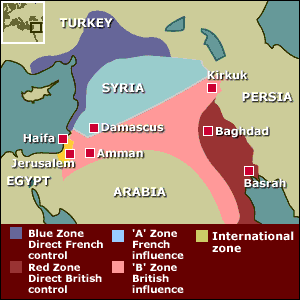
The goal was simple: ensure the Middle East would never become a unified industrial power.
By dividing Palestine, Transjordan, and Iraq (British) from Lebanon and Syria (French), imperial powers ignored ethnic and historical realities to foster instability.
Lines on a map became fault lines for war.
The goal was simple: ensure the Middle East would never become a unified industrial power.
By dividing Palestine, Transjordan, and Iraq (British) from Lebanon and Syria (French), imperial powers ignored ethnic and historical realities to foster instability.
Lines on a map became fault lines for war.
3/8
The archives are clear: these weren't "mistakes." They were "the worst borders imaginable" by design.
In the American System, infrastructure binds a nation together. In the Sykes-Picot system, geography is manipulated to keep populations "pawns in a much larger game."
The archives are clear: these weren't "mistakes." They were "the worst borders imaginable" by design.
In the American System, infrastructure binds a nation together. In the Sykes-Picot system, geography is manipulated to keep populations "pawns in a much larger game."
4/8
Why foster instability? Because a region in perpetual conflict is a region that cannot develop a "Home Market."
If a nation is busy fighting a border war designed in a London drawing room, it isn't building railroads, power grids, or a sovereign industrial base.
Why foster instability? Because a region in perpetual conflict is a region that cannot develop a "Home Market."
If a nation is busy fighting a border war designed in a London drawing room, it isn't building railroads, power grids, or a sovereign industrial base.
5/8
The legacy of this 1916 agreement isn’t just historical—it’s active.
The archives assert that modern friction between nations like Israel and Iran is a direct outgrowth of this imperial architecture. These are not just "regional disputes"; they are echoes of a century-old plan.
The legacy of this 1916 agreement isn’t just historical—it’s active.
The archives assert that modern friction between nations like Israel and Iran is a direct outgrowth of this imperial architecture. These are not just "regional disputes"; they are echoes of a century-old plan.
6/8
By keeping the conflict "on the front burner," globalist factions ensure the Middle East remains a zone of extraction rather than a zone of production.
This is the antithesis of Hamiltonian sovereignty. It is the institutionalization of chaos to serve financial oligarchy.
By keeping the conflict "on the front burner," globalist factions ensure the Middle East remains a zone of extraction rather than a zone of production.
This is the antithesis of Hamiltonian sovereignty. It is the institutionalization of chaos to serve financial oligarchy.
7/8
Look at the straight lines. Those aren't natural geographic or cultural boundaries. They are the signatures of an external manager.
When borders are designed for "management" from the outside, national sovereignty dies.
Look at the straight lines. Those aren't natural geographic or cultural boundaries. They are the signatures of an external manager.
When borders are designed for "management" from the outside, national sovereignty dies.
8/8
The lesson for today? True independence requires more than a flag. It requires the rejection of imperial "spheres of influence."
To move past Sykes-Picot, a region must prioritize internal development and industrial cooperation over the "perpetual war" trap set 110 years ago.
The lesson for today? True independence requires more than a flag. It requires the rejection of imperial "spheres of influence."
To move past Sykes-Picot, a region must prioritize internal development and industrial cooperation over the "perpetual war" trap set 110 years ago.
• • •
Missing some Tweet in this thread? You can try to
force a refresh