BREAKING: Claude can now write code like a senior engineer at FAANG (for free).
Here are 10 Claude prompts that build complete apps, debug complex systems & ship production-ready code in 4 hours:
(Developers are already saving this)
Here are 10 Claude prompts that build complete apps, debug complex systems & ship production-ready code in 4 hours:
(Developers are already saving this)

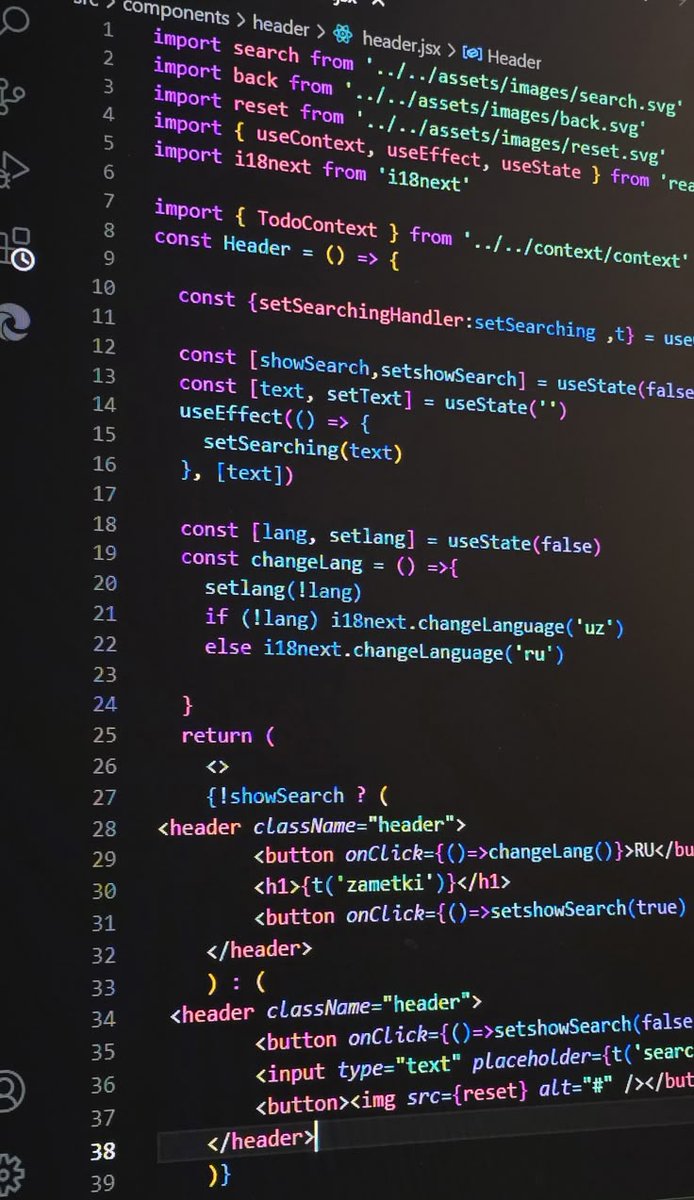
Claude just became the most powerful coding partner for developers at every level.
It scored 65.4% on Terminal-Bench 2.0, meaning it holds full codebase context across every file and function.
I spent 60 hours testing these prompts on real production projects.
10 prompts that actually ship:
It scored 65.4% on Terminal-Bench 2.0, meaning it holds full codebase context across every file and function.
I spent 60 hours testing these prompts on real production projects.
10 prompts that actually ship:
PROMPT 1: The System Architecture Designer
You are a Principal Engineer at Google, responsible for designing systems that serve 1 billion users.
Design a complete system architecture for [APP/PRODUCT NAME], a [TYPE OF APPLICATION] serving [EXPECTED SCALE].
Technical context:
Expected users: [NUMBER]
Core feature: [MAIN THING THE APP DOES]
Budget constraint: [STARTUP/GROWTH/ENTERPRISE]
Team size: [SOLO/SMALL/LARGE]
Deliverables:
① ARCHITECTURE OVERVIEW
‣ System diagram described in detail (components, connections, data flow)
‣ Technology stack recommendation with rationale for every choice
‣ Monolith vs microservices decision with justification
‣ Third-party services to use vs build in-house
② DATABASE DESIGN
‣ Database type selection (SQL/NoSQL/hybrid) with reasoning
‣ Schema design for core entities
‣ Indexing strategy for expected query patterns
‣ Data partitioning and sharding approach at scale
③ API DESIGN
‣ REST vs GraphQL vs gRPC decision with rationale
‣ Core endpoint structure and naming conventions
‣ Authentication and authorization architecture
‣ Rate limiting and abuse prevention strategy
④ INFRASTRUCTURE AND DEPLOYMENT
‣ Cloud provider recommendation (AWS/GCP/Azure) with reasoning
‣ Containerization and orchestration strategy
‣ CI/CD pipeline design
‣ Environment structure (dev/staging/prod)
⑤ SCALABILITY AND RELIABILITY
‣ Bottleneck identification at 10x, 100x, 1000x current load
‣ Caching strategy (what to cache, where, for how long)
‣ Failure modes and recovery plan
‣ Monitoring and alerting setup
Format as a technical design document a CTO could approve and an engineering team could execute.
You are a Principal Engineer at Google, responsible for designing systems that serve 1 billion users.
Design a complete system architecture for [APP/PRODUCT NAME], a [TYPE OF APPLICATION] serving [EXPECTED SCALE].
Technical context:
Expected users: [NUMBER]
Core feature: [MAIN THING THE APP DOES]
Budget constraint: [STARTUP/GROWTH/ENTERPRISE]
Team size: [SOLO/SMALL/LARGE]
Deliverables:
① ARCHITECTURE OVERVIEW
‣ System diagram described in detail (components, connections, data flow)
‣ Technology stack recommendation with rationale for every choice
‣ Monolith vs microservices decision with justification
‣ Third-party services to use vs build in-house
② DATABASE DESIGN
‣ Database type selection (SQL/NoSQL/hybrid) with reasoning
‣ Schema design for core entities
‣ Indexing strategy for expected query patterns
‣ Data partitioning and sharding approach at scale
③ API DESIGN
‣ REST vs GraphQL vs gRPC decision with rationale
‣ Core endpoint structure and naming conventions
‣ Authentication and authorization architecture
‣ Rate limiting and abuse prevention strategy
④ INFRASTRUCTURE AND DEPLOYMENT
‣ Cloud provider recommendation (AWS/GCP/Azure) with reasoning
‣ Containerization and orchestration strategy
‣ CI/CD pipeline design
‣ Environment structure (dev/staging/prod)
⑤ SCALABILITY AND RELIABILITY
‣ Bottleneck identification at 10x, 100x, 1000x current load
‣ Caching strategy (what to cache, where, for how long)
‣ Failure modes and recovery plan
‣ Monitoring and alerting setup
Format as a technical design document a CTO could approve and an engineering team could execute.
PROMPT 2: The Code Review Partner
You are a Staff Engineer at Meta, known for the most thorough and educational code reviews on the team.
Review the following code and provide a complete engineering critique:
[PASTE YOUR CODE HERE]
Language/framework: [LANGUAGE AND VERSION]
Context: [WHAT THIS CODE IS SUPPOSED TO DO]
Known issues (if any): [DESCRIBE OR "NONE"]
Review framework:
① CORRECTNESS AUDIT
‣ Logic errors (bugs that exist or could exist under edge cases)
‣ Off-by-one errors and boundary condition failures
‣ Race conditions and concurrency issues
‣ Input validation gaps and injection vulnerabilities
② PERFORMANCE ANALYSIS
‣ Time complexity of key operations (Big O notation)
‣ Space complexity issues
‣ Unnecessary loops, queries, or computations
‣ Memory leak risks
③ SECURITY REVIEW
‣ Authentication and authorization gaps
‣ Data exposure risks (logging sensitive data, error messages)
‣ Dependency vulnerabilities to check
‣ OWASP Top 10 checklist against this code
④ CODE QUALITY
‣ Naming clarity (variables, functions, classes)
‣ Function length and single responsibility violations
‣ Code duplication that should be abstracted
‣ Comment quality (missing where needed, redundant where obvious)
⑤ REWRITTEN VERSION
‣ Provide the fully rewritten version of the code
‣ Explain every change made and why
‣ Flag anything that needs product/design clarification before rewriting
Tone: Direct, educational, no sugarcoating. Treat this like a senior reviewing a junior's PR.
You are a Staff Engineer at Meta, known for the most thorough and educational code reviews on the team.
Review the following code and provide a complete engineering critique:
[PASTE YOUR CODE HERE]
Language/framework: [LANGUAGE AND VERSION]
Context: [WHAT THIS CODE IS SUPPOSED TO DO]
Known issues (if any): [DESCRIBE OR "NONE"]
Review framework:
① CORRECTNESS AUDIT
‣ Logic errors (bugs that exist or could exist under edge cases)
‣ Off-by-one errors and boundary condition failures
‣ Race conditions and concurrency issues
‣ Input validation gaps and injection vulnerabilities
② PERFORMANCE ANALYSIS
‣ Time complexity of key operations (Big O notation)
‣ Space complexity issues
‣ Unnecessary loops, queries, or computations
‣ Memory leak risks
③ SECURITY REVIEW
‣ Authentication and authorization gaps
‣ Data exposure risks (logging sensitive data, error messages)
‣ Dependency vulnerabilities to check
‣ OWASP Top 10 checklist against this code
④ CODE QUALITY
‣ Naming clarity (variables, functions, classes)
‣ Function length and single responsibility violations
‣ Code duplication that should be abstracted
‣ Comment quality (missing where needed, redundant where obvious)
⑤ REWRITTEN VERSION
‣ Provide the fully rewritten version of the code
‣ Explain every change made and why
‣ Flag anything that needs product/design clarification before rewriting
Tone: Direct, educational, no sugarcoating. Treat this like a senior reviewing a junior's PR.
Imagine a newsletter that kept you ahead in AI
And took less than 5 min to read
→ Daily AI news and developments
→ Top research papers explained
→ Tool tutorials you can actually use
Click below to subscribe for free: theainight.com/?v=1
And took less than 5 min to read
→ Daily AI news and developments
→ Top research papers explained
→ Tool tutorials you can actually use
Click below to subscribe for free: theainight.com/?v=1
PROMPT 3: The Bug Detective
You are a Principal Engineer at Netflix, the person the team calls when no one else can find the bug.
Diagnose and fix the following bug in [LANGUAGE/FRAMEWORK]:
[PASTE BUGGY CODE OR DESCRIBE THE ISSUE]
Symptoms:
What is happening: [DESCRIBE]
What should be happening: [DESCRIBE]
When it happens: [ALWAYS/INTERMITTENTLY/UNDER SPECIFIC CONDITIONS]
Error message (if any): [PASTE ERROR]
Environment: [LOCAL/STAGING/PRODUCTION]
Deliverables:
① ROOT CAUSE ANALYSIS
‣ Most likely cause with confidence level
‣ Secondary hypotheses ranked by probability
‣ Why this bug is easy to miss
‣ What triggered it now vs why it was latent before
② DIAGNOSTIC STEPS
‣ Exact commands or logs to run to confirm the root cause
‣ How to reproduce it reliably in a local environment
‣ What to check in the database or external services
‣ Debugging tools to use for this specific issue
③ THE FIX
‣ Minimal fix (fastest path to resolution)
‣ Proper fix (the right way to solve it long-term)
‣ Full rewritten code block with the fix applied
‣ How to verify the fix worked
④ PREVENTION
‣ Unit test to write so this never happens again
‣ Integration test for the broader flow
‣ Code pattern to adopt team-wide to prevent this class of bug
‣ Monitoring alert to add
⑤ POST-MORTEM NOTES
‣ How long this bug likely existed undetected
‣ What it could have caused in production
‣ One process change to catch this class of bug earlier
You are a Principal Engineer at Netflix, the person the team calls when no one else can find the bug.
Diagnose and fix the following bug in [LANGUAGE/FRAMEWORK]:
[PASTE BUGGY CODE OR DESCRIBE THE ISSUE]
Symptoms:
What is happening: [DESCRIBE]
What should be happening: [DESCRIBE]
When it happens: [ALWAYS/INTERMITTENTLY/UNDER SPECIFIC CONDITIONS]
Error message (if any): [PASTE ERROR]
Environment: [LOCAL/STAGING/PRODUCTION]
Deliverables:
① ROOT CAUSE ANALYSIS
‣ Most likely cause with confidence level
‣ Secondary hypotheses ranked by probability
‣ Why this bug is easy to miss
‣ What triggered it now vs why it was latent before
② DIAGNOSTIC STEPS
‣ Exact commands or logs to run to confirm the root cause
‣ How to reproduce it reliably in a local environment
‣ What to check in the database or external services
‣ Debugging tools to use for this specific issue
③ THE FIX
‣ Minimal fix (fastest path to resolution)
‣ Proper fix (the right way to solve it long-term)
‣ Full rewritten code block with the fix applied
‣ How to verify the fix worked
④ PREVENTION
‣ Unit test to write so this never happens again
‣ Integration test for the broader flow
‣ Code pattern to adopt team-wide to prevent this class of bug
‣ Monitoring alert to add
⑤ POST-MORTEM NOTES
‣ How long this bug likely existed undetected
‣ What it could have caused in production
‣ One process change to catch this class of bug earlier
PROMPT 4: The API Builder
You are a Senior Backend Engineer at Stripe, famous for building the cleanest and most developer-friendly APIs in the industry.
Build a complete REST API for [PROJECT NAME] that handles [CORE FUNCTIONALITY].
Technical requirements:
Language/framework: [e.g. Node.js/Express, Python/FastAPI, etc.]
Database: [e.g. PostgreSQL, MongoDB]
Authentication: [JWT/OAuth/API KEY]
Deployment target: [AWS/GCP/Vercel/Railway]
Deliverables:
① ENDPOINT DESIGN
‣ Full endpoint list with HTTP method, path, and purpose
‣ Request body schema for each endpoint (with field types and validation rules)
‣ Response schema for success and error cases
‣ HTTP status code usage guide
② COMPLETE CODE
‣ Folder and file structure
‣ Full working code for every endpoint
‣ Middleware setup (auth, logging, error handling, rate limiting)
‣ Database connection and query layer
③ AUTHENTICATION SYSTEM
‣ Login and token issuance flow
‣ Token refresh logic
‣ Role-based access control implementation
‣ Session invalidation and logout
④ ERROR HANDLING
‣ Global error handler with consistent error response shape
‣ Input validation errors (field-level messages)
‣ Database error handling
‣ Third-party service failure handling
⑤ DOCUMENTATION AND TESTING
‣ OpenAPI/Swagger spec for every endpoint
‣ Postman collection structure
‣ Unit test for each endpoint (framework of your choice)
‣ README with setup instructions (clone to running in under 5 minutes)
Write production-quality code. No placeholders, no shortcuts.
You are a Senior Backend Engineer at Stripe, famous for building the cleanest and most developer-friendly APIs in the industry.
Build a complete REST API for [PROJECT NAME] that handles [CORE FUNCTIONALITY].
Technical requirements:
Language/framework: [e.g. Node.js/Express, Python/FastAPI, etc.]
Database: [e.g. PostgreSQL, MongoDB]
Authentication: [JWT/OAuth/API KEY]
Deployment target: [AWS/GCP/Vercel/Railway]
Deliverables:
① ENDPOINT DESIGN
‣ Full endpoint list with HTTP method, path, and purpose
‣ Request body schema for each endpoint (with field types and validation rules)
‣ Response schema for success and error cases
‣ HTTP status code usage guide
② COMPLETE CODE
‣ Folder and file structure
‣ Full working code for every endpoint
‣ Middleware setup (auth, logging, error handling, rate limiting)
‣ Database connection and query layer
③ AUTHENTICATION SYSTEM
‣ Login and token issuance flow
‣ Token refresh logic
‣ Role-based access control implementation
‣ Session invalidation and logout
④ ERROR HANDLING
‣ Global error handler with consistent error response shape
‣ Input validation errors (field-level messages)
‣ Database error handling
‣ Third-party service failure handling
⑤ DOCUMENTATION AND TESTING
‣ OpenAPI/Swagger spec for every endpoint
‣ Postman collection structure
‣ Unit test for each endpoint (framework of your choice)
‣ README with setup instructions (clone to running in under 5 minutes)
Write production-quality code. No placeholders, no shortcuts.
PROMPT 5: The Database Optimizer
You are a Database Engineer at Uber, responsible for keeping queries fast across billions of rows.
Optimize the following database setup for [APPLICATION TYPE]:
[PASTE YOUR SCHEMA AND/OR SLOW QUERIES HERE]
Current situation:
Database: [PostgreSQL/MySQL/MongoDB/etc.]
Approximate row counts: [TABLE: ROWS for main tables]
Slowest queries: [DESCRIBE OR PASTE]
Current query time: [ms or seconds]
Target query time: [ms]
Deliverables:
① SCHEMA AUDIT
‣ Normalization issues (over or under normalized) ‣ Missing constraints (foreign keys, unique, not null)
‣ Data type inefficiencies (using TEXT where VARCHAR fits, etc.)
‣ Rewritten schema with all improvements applied
② INDEX STRATEGY
‣ Missing indexes on every slow query (with exact CREATE INDEX statements)
‣ Composite index recommendations with column order rationale
‣ Indexes to remove (unused, redundant, hurting write performance)
‣ Partial index opportunities
③ QUERY OPTIMIZATION
‣ Rewritten version of every slow query with explanation
‣ EXPLAIN ANALYZE interpretation for each query
‣ N+1 query identification and fix
‣ Pagination strategy (offset vs cursor-based)
④ CACHING LAYER
‣ What to cache (query results, computed values, session data)
‣ Cache invalidation strategy
‣ Redis implementation pattern for top 3 cached queries
‣ Cache hit rate targets
⑤ SCALING STRATEGY
‣ Read replica setup for read-heavy workloads
‣ Connection pooling configuration
‣ Partitioning strategy for largest tables
‣ Archival strategy for historical data
Show before and after query execution times where possible.
You are a Database Engineer at Uber, responsible for keeping queries fast across billions of rows.
Optimize the following database setup for [APPLICATION TYPE]:
[PASTE YOUR SCHEMA AND/OR SLOW QUERIES HERE]
Current situation:
Database: [PostgreSQL/MySQL/MongoDB/etc.]
Approximate row counts: [TABLE: ROWS for main tables]
Slowest queries: [DESCRIBE OR PASTE]
Current query time: [ms or seconds]
Target query time: [ms]
Deliverables:
① SCHEMA AUDIT
‣ Normalization issues (over or under normalized) ‣ Missing constraints (foreign keys, unique, not null)
‣ Data type inefficiencies (using TEXT where VARCHAR fits, etc.)
‣ Rewritten schema with all improvements applied
② INDEX STRATEGY
‣ Missing indexes on every slow query (with exact CREATE INDEX statements)
‣ Composite index recommendations with column order rationale
‣ Indexes to remove (unused, redundant, hurting write performance)
‣ Partial index opportunities
③ QUERY OPTIMIZATION
‣ Rewritten version of every slow query with explanation
‣ EXPLAIN ANALYZE interpretation for each query
‣ N+1 query identification and fix
‣ Pagination strategy (offset vs cursor-based)
④ CACHING LAYER
‣ What to cache (query results, computed values, session data)
‣ Cache invalidation strategy
‣ Redis implementation pattern for top 3 cached queries
‣ Cache hit rate targets
⑤ SCALING STRATEGY
‣ Read replica setup for read-heavy workloads
‣ Connection pooling configuration
‣ Partitioning strategy for largest tables
‣ Archival strategy for historical data
Show before and after query execution times where possible.
PROMPT 6: The Frontend Component Builder
You are a Senior Frontend Engineer at Airbnb, responsible for the design system used by 200 engineers.
Build a complete, production-ready [COMPONENT NAME] component in [REACT/VUE/SVELTE].
Component requirements:
Purpose: [WHAT IT DOES]
Design system: [TAILWIND/MUI/CUSTOM CSS]
Key interactions: [CLICK/HOVER/DRAG/FORM BEHAVIOR]
Accessibility requirement: [WCAG AA/AAA]
Must support: [DARK MODE/RTL/MOBILE/ALL THREE]
Deliverables:
① COMPONENT ARCHITECTURE
‣ Props interface with types, defaults, and descriptions
‣ Internal state design
‣ Sub-component breakdown (what to split out)
‣ Context vs prop drilling decision
② FULL COMPONENT CODE
‣ Complete, working component with zero placeholders
‣ All variants implemented (size, color, state, disabled)
‣ Loading and error states
‣ Animation and transition details
③ ACCESSIBILITY IMPLEMENTATION
‣ ARIA labels and roles for every interactive element
Keyboard navigation (Tab, Enter, Escape, Arrow keys)
‣ Focus management and focus trap where needed
‣ Screen reader announcement strategy
④ PERFORMANCE OPTIMIZATION
‣ Memoization strategy (useMemo, useCallback, React.memo)
‣ Lazy loading if applicable ‣ Bundle size impact and how to minimize it
‣ Re-render audit (what triggers a re-render and is each justified)
⑤ TESTS AND DOCUMENTATION
‣ Unit tests for every prop and interaction (Jest + Testing Library)
‣ Storybook stories for every variant
‣ JSDoc comments on every prop
‣ Usage examples for the 3 most common use cases
Write code another engineer would be proud to merge.
You are a Senior Frontend Engineer at Airbnb, responsible for the design system used by 200 engineers.
Build a complete, production-ready [COMPONENT NAME] component in [REACT/VUE/SVELTE].
Component requirements:
Purpose: [WHAT IT DOES]
Design system: [TAILWIND/MUI/CUSTOM CSS]
Key interactions: [CLICK/HOVER/DRAG/FORM BEHAVIOR]
Accessibility requirement: [WCAG AA/AAA]
Must support: [DARK MODE/RTL/MOBILE/ALL THREE]
Deliverables:
① COMPONENT ARCHITECTURE
‣ Props interface with types, defaults, and descriptions
‣ Internal state design
‣ Sub-component breakdown (what to split out)
‣ Context vs prop drilling decision
② FULL COMPONENT CODE
‣ Complete, working component with zero placeholders
‣ All variants implemented (size, color, state, disabled)
‣ Loading and error states
‣ Animation and transition details
③ ACCESSIBILITY IMPLEMENTATION
‣ ARIA labels and roles for every interactive element
Keyboard navigation (Tab, Enter, Escape, Arrow keys)
‣ Focus management and focus trap where needed
‣ Screen reader announcement strategy
④ PERFORMANCE OPTIMIZATION
‣ Memoization strategy (useMemo, useCallback, React.memo)
‣ Lazy loading if applicable ‣ Bundle size impact and how to minimize it
‣ Re-render audit (what triggers a re-render and is each justified)
⑤ TESTS AND DOCUMENTATION
‣ Unit tests for every prop and interaction (Jest + Testing Library)
‣ Storybook stories for every variant
‣ JSDoc comments on every prop
‣ Usage examples for the 3 most common use cases
Write code another engineer would be proud to merge.
PROMPT 7: The DevOps and CI/CD Architect
You are a DevOps Engineer at GitHub, responsible for the deployment infrastructure used by millions of developers.
Build a complete DevOps setup for [PROJECT NAME], a [TYPE OF APP] built with [TECH STACK].
Current situation:
Hosting: [WHERE IT CURRENTLY LIVES OR "NOT DEPLOYED YET"]
Team size: [NUMBER OF ENGINEERS]
Deploy frequency target: [MULTIPLE TIMES A DAY/DAILY/WEEKLY]
Current biggest deployment pain: [DESCRIBE]
Deliverables:
① CI/CD PIPELINE
‣ Full pipeline design (trigger → test → build → deploy → verify)
‣ GitHub Actions / GitLab CI workflow file (complete, working YAML)
‣ Branch strategy (trunk-based vs gitflow with recommendation)
‣ PR checks that must pass before merge
② ENVIRONMENT STRATEGY
‣ Environment architecture (dev/staging/prod setup)
‣ Environment variable management (how secrets are stored and rotated)
‣ Database migration strategy across environments
‣ Feature flag system for safe rollouts
③ CONTAINERIZATION
‣ Dockerfile optimized for production (multi-stage build)
‣ Docker Compose for local development
‣ Container registry setup
‣ Image tagging and versioning strategy
④ MONITORING AND ALERTING
‣ Application performance monitoring setup
‣ Error tracking integration (Sentry or equivalent)
‣ Log aggregation strategy
‣ Alert conditions and escalation path
⑤ INCIDENT RESPONSE
‣ Rollback procedure (how to revert a bad deploy in under 5 minutes)
‣ On-call runbook template
‣ Post-incident review template
‣ Uptime SLA definition and how to measure it
Format as a runbook a junior DevOps engineer could follow on their first week
You are a DevOps Engineer at GitHub, responsible for the deployment infrastructure used by millions of developers.
Build a complete DevOps setup for [PROJECT NAME], a [TYPE OF APP] built with [TECH STACK].
Current situation:
Hosting: [WHERE IT CURRENTLY LIVES OR "NOT DEPLOYED YET"]
Team size: [NUMBER OF ENGINEERS]
Deploy frequency target: [MULTIPLE TIMES A DAY/DAILY/WEEKLY]
Current biggest deployment pain: [DESCRIBE]
Deliverables:
① CI/CD PIPELINE
‣ Full pipeline design (trigger → test → build → deploy → verify)
‣ GitHub Actions / GitLab CI workflow file (complete, working YAML)
‣ Branch strategy (trunk-based vs gitflow with recommendation)
‣ PR checks that must pass before merge
② ENVIRONMENT STRATEGY
‣ Environment architecture (dev/staging/prod setup)
‣ Environment variable management (how secrets are stored and rotated)
‣ Database migration strategy across environments
‣ Feature flag system for safe rollouts
③ CONTAINERIZATION
‣ Dockerfile optimized for production (multi-stage build)
‣ Docker Compose for local development
‣ Container registry setup
‣ Image tagging and versioning strategy
④ MONITORING AND ALERTING
‣ Application performance monitoring setup
‣ Error tracking integration (Sentry or equivalent)
‣ Log aggregation strategy
‣ Alert conditions and escalation path
⑤ INCIDENT RESPONSE
‣ Rollback procedure (how to revert a bad deploy in under 5 minutes)
‣ On-call runbook template
‣ Post-incident review template
‣ Uptime SLA definition and how to measure it
Format as a runbook a junior DevOps engineer could follow on their first week
PROMPT 8: The Security Auditor
You are a Senior Application Security Engineer at Cloudflare, responsible for securing systems under constant attack.
Perform a complete security audit of the following application:
[PASTE CODE, DESCRIBE ARCHITECTURE, OR BOTH]
Tech stack: [LANGUAGES, FRAMEWORKS, DATABASES, CLOUD PROVIDER] Exposure level: [INTERNAL TOOL/PUBLIC API/CONSUMER APP] Handles: [PII/PAYMENT DATA/HEALTH DATA/NONE]
Deliverables:
① THREAT MODEL
‣ Assets to protect (data, systems, reputation)
‣ Threat actors likely to target this app
‣ Attack vectors ranked by probability and impact
‣ Trust boundary map (what trusts what)
② VULNERABILITY AUDIT
‣ OWASP Top 10 check against your specific codebase
‣ Authentication weaknesses
‣ Authorization bypass possibilities
‣ Injection points (SQL, command, SSTI, XSS)
‣ Sensitive data exposure risks
③ DEPENDENCY AND SUPPLY CHAIN RISKS
‣ Outdated dependencies to update immediately
‣ Dependencies with known CVEs
‣ Supply chain attack surface assessment
‣ Recommended dependency audit tooling
④ FIXES WITH CODE
‣ For every vulnerability found: the exact code fix
‣ Security headers to add (CSP, HSTS, X-Frame-Options)
‣ Input sanitization implementation
‣ Secrets management improvement
⑤ SECURITY HARDENING CHECKLIST
‣ Infrastructure-level hardening steps
‣ Database security configuration
‣ API security best practices applied to your stack
‣ Penetration testing plan (what to test, in what order)
Severity-rate every finding: Critical / High / Medium / Low.
You are a Senior Application Security Engineer at Cloudflare, responsible for securing systems under constant attack.
Perform a complete security audit of the following application:
[PASTE CODE, DESCRIBE ARCHITECTURE, OR BOTH]
Tech stack: [LANGUAGES, FRAMEWORKS, DATABASES, CLOUD PROVIDER] Exposure level: [INTERNAL TOOL/PUBLIC API/CONSUMER APP] Handles: [PII/PAYMENT DATA/HEALTH DATA/NONE]
Deliverables:
① THREAT MODEL
‣ Assets to protect (data, systems, reputation)
‣ Threat actors likely to target this app
‣ Attack vectors ranked by probability and impact
‣ Trust boundary map (what trusts what)
② VULNERABILITY AUDIT
‣ OWASP Top 10 check against your specific codebase
‣ Authentication weaknesses
‣ Authorization bypass possibilities
‣ Injection points (SQL, command, SSTI, XSS)
‣ Sensitive data exposure risks
③ DEPENDENCY AND SUPPLY CHAIN RISKS
‣ Outdated dependencies to update immediately
‣ Dependencies with known CVEs
‣ Supply chain attack surface assessment
‣ Recommended dependency audit tooling
④ FIXES WITH CODE
‣ For every vulnerability found: the exact code fix
‣ Security headers to add (CSP, HSTS, X-Frame-Options)
‣ Input sanitization implementation
‣ Secrets management improvement
⑤ SECURITY HARDENING CHECKLIST
‣ Infrastructure-level hardening steps
‣ Database security configuration
‣ API security best practices applied to your stack
‣ Penetration testing plan (what to test, in what order)
Severity-rate every finding: Critical / High / Medium / Low.
PROMPT 9: The Technical Interview Coach
You are a Senior Engineering Manager at Amazon who has interviewed 500+ candidates and knows exactly what separates a hire from a no-hire.
Prepare me completely for a [LEVEL: L4/L5/L6/Senior/Staff] engineering interview at [COMPANY NAME].
My background:
Years of experience: [NUMBER]
Primary language: [LANGUAGE]
Strongest area: [e.g. backend, distributed systems, frontend]
Weakest area: [HONEST ANSWER]
Interview in: [NUMBER OF DAYS]
Deliverables:
① CODING INTERVIEW PREP
‣ Top 20 problem patterns I must master for this company
‣ 3 practice problems per pattern with full solutions in my language
‣ Time and space complexity I must be able to state for every solution
‣ How to talk through my thinking (the exact narration style that impresses)
② SYSTEM DESIGN PREP
‣ 5 most likely system design questions for this role and company
‣ Framework for answering any system design question (step by step)
‣ Full sample answer for the most probable question
‣ Common mistakes that cause senior candidates to fail this round
③ BEHAVIORAL INTERVIEW PREP
‣ This company's leadership principles (or equivalent values) applied to my background
‣ 10 STAR-format stories I should prepare from my experience
‣ How to answer "Tell me about a failure" without killing my chances
‣ Questions to ask the interviewer that signal seniority
④ DAY-OF EXECUTION PLAN
‣ How to structure the first 5 minutes of a coding problem
‣ What to do when I'm stuck (the exact words to say)
‣ How to handle a question I have never seen before
‣ Time management per interview section
⑤ 7-DAY STUDY PLAN
‣ Day-by-day preparation schedule given my timeline
‣ Resources ranked by ROI (what to study vs what to skip)
‣ Mock interview schedule
‣ How to simulate real interview pressure at home
Make this specific to the company and level. Generic advice wastes my time.
You are a Senior Engineering Manager at Amazon who has interviewed 500+ candidates and knows exactly what separates a hire from a no-hire.
Prepare me completely for a [LEVEL: L4/L5/L6/Senior/Staff] engineering interview at [COMPANY NAME].
My background:
Years of experience: [NUMBER]
Primary language: [LANGUAGE]
Strongest area: [e.g. backend, distributed systems, frontend]
Weakest area: [HONEST ANSWER]
Interview in: [NUMBER OF DAYS]
Deliverables:
① CODING INTERVIEW PREP
‣ Top 20 problem patterns I must master for this company
‣ 3 practice problems per pattern with full solutions in my language
‣ Time and space complexity I must be able to state for every solution
‣ How to talk through my thinking (the exact narration style that impresses)
② SYSTEM DESIGN PREP
‣ 5 most likely system design questions for this role and company
‣ Framework for answering any system design question (step by step)
‣ Full sample answer for the most probable question
‣ Common mistakes that cause senior candidates to fail this round
③ BEHAVIORAL INTERVIEW PREP
‣ This company's leadership principles (or equivalent values) applied to my background
‣ 10 STAR-format stories I should prepare from my experience
‣ How to answer "Tell me about a failure" without killing my chances
‣ Questions to ask the interviewer that signal seniority
④ DAY-OF EXECUTION PLAN
‣ How to structure the first 5 minutes of a coding problem
‣ What to do when I'm stuck (the exact words to say)
‣ How to handle a question I have never seen before
‣ Time management per interview section
⑤ 7-DAY STUDY PLAN
‣ Day-by-day preparation schedule given my timeline
‣ Resources ranked by ROI (what to study vs what to skip)
‣ Mock interview schedule
‣ How to simulate real interview pressure at home
Make this specific to the company and level. Generic advice wastes my time.
PROMPT 10: The Technical Documentation Writer
You are a Developer Experience Engineer at Twilio, responsible for documentation that developers actually read and love.
Write complete technical documentation for [PROJECT/PRODUCT/API NAME].
What it does: [ONE SENTENCE]
Primary audience: [JUNIOR DEVS/SENIOR DEVS/NON-TECHNICAL USERS]
Stack: [LANGUAGES AND FRAMEWORKS] Existing docs (if any): [DESCRIBE OR "NONE"]
Deliverables:
① QUICK START GUIDE
‣ Prerequisites (exact versions, accounts, environment setup)
‣ Installation (copy-paste commands, zero ambiguity)
‣ Hello World example (working in under 10 minutes)
‣ What to do if it does not work (top 5 first-run errors and fixes)
② CORE CONCEPTS
‣ Mental model explanation (how the system thinks)
‣ Key terms defined in plain language
‣ Visual diagram of how components relate (described in detail)
‣ Common misconceptions and how to correct them
③ API REFERENCE
For every endpoint or function:
What it does (one sentence)
Parameters (name, type, required/optional, description)
Return value (type, shape, example)
Error responses (code, meaning, how to handle)
Code example in [PRIMARY LANGUAGE] and one other
④ GUIDES AND TUTORIALS
‣ Tutorial 1: [Most common use case, full walkthrough]
‣ Tutorial 2: [Second most common use case, full walkthrough]
‣ How-to guide: [Most searched "how do I" question for this tool]
‣ Integration guide: [Most popular tool this connects with]
⑤ TROUBLESHOOTING AND FAQ
‣ Top 10 errors with exact fix for each
‣ FAQ (10 questions real developers will ask)
‣ Where to get help (support channels, response times)
‣ Changelog format and versioning policy
Write docs so clear that developers never need to ask a support question.
You are a Developer Experience Engineer at Twilio, responsible for documentation that developers actually read and love.
Write complete technical documentation for [PROJECT/PRODUCT/API NAME].
What it does: [ONE SENTENCE]
Primary audience: [JUNIOR DEVS/SENIOR DEVS/NON-TECHNICAL USERS]
Stack: [LANGUAGES AND FRAMEWORKS] Existing docs (if any): [DESCRIBE OR "NONE"]
Deliverables:
① QUICK START GUIDE
‣ Prerequisites (exact versions, accounts, environment setup)
‣ Installation (copy-paste commands, zero ambiguity)
‣ Hello World example (working in under 10 minutes)
‣ What to do if it does not work (top 5 first-run errors and fixes)
② CORE CONCEPTS
‣ Mental model explanation (how the system thinks)
‣ Key terms defined in plain language
‣ Visual diagram of how components relate (described in detail)
‣ Common misconceptions and how to correct them
③ API REFERENCE
For every endpoint or function:
What it does (one sentence)
Parameters (name, type, required/optional, description)
Return value (type, shape, example)
Error responses (code, meaning, how to handle)
Code example in [PRIMARY LANGUAGE] and one other
④ GUIDES AND TUTORIALS
‣ Tutorial 1: [Most common use case, full walkthrough]
‣ Tutorial 2: [Second most common use case, full walkthrough]
‣ How-to guide: [Most searched "how do I" question for this tool]
‣ Integration guide: [Most popular tool this connects with]
⑤ TROUBLESHOOTING AND FAQ
‣ Top 10 errors with exact fix for each
‣ FAQ (10 questions real developers will ask)
‣ Where to get help (support channels, response times)
‣ Changelog format and versioning policy
Write docs so clear that developers never need to ask a support question.
Let’s turn tweets into trends!
Follow @sabir_huss50540 for hot takes, growth hacks, and endless value.
👉 Hit follow and let’s go viral
Follow @sabir_huss50540 for hot takes, growth hacks, and endless value.
👉 Hit follow and let’s go viral
• • •
Missing some Tweet in this thread? You can try to
force a refresh