
#MECFS #pwME
1/13
Some of the responses here, conspiracy claims, personal attacks, insinuations, and insults, have been far below any reasonable standard of civil discourse. I am not posting this for that audience, but for people who are suffering.
1/13
Some of the responses here, conspiracy claims, personal attacks, insinuations, and insults, have been far below any reasonable standard of civil discourse. I am not posting this for that audience, but for people who are suffering.
2/13
Disclaimer: this is not medical advice and not a treatment recommendation. It is only a report of what seems to help me personally and should be discussed with a physician.
Disclaimer: this is not medical advice and not a treatment recommendation. It is only a report of what seems to help me personally and should be discussed with a physician.
3/13
This is not evidence. At most, it is an n=1 case report based on repeated stop-and-go observations and changes in function and symptom perception.
This is not evidence. At most, it is an n=1 case report based on repeated stop-and-go observations and changes in function and symptom perception.
4/13
My working hypothesis: excessive glutamatergic and noradrenergic signaling may keep the body in a state of persistent physiological overactivation. That may be metabolically costly and worsen exhaustion.
My working hypothesis: excessive glutamatergic and noradrenergic signaling may keep the body in a state of persistent physiological overactivation. That may be metabolically costly and worsen exhaustion.
5/13
A parallel hypothesis is that IL-1β-related signaling, microglial activation, and chronic low-grade inflammation may contribute to the “sickness behavior” component: flu-like, poisoned, or hungover symptoms.
A parallel hypothesis is that IL-1β-related signaling, microglial activation, and chronic low-grade inflammation may contribute to the “sickness behavior” component: flu-like, poisoned, or hungover symptoms.
6/13
The pharmacological backbone for me is pregabalin. It binds the α2δ subunit of presynaptic voltage-gated calcium channels, reducing calcium influx and lowering release of excitatory neurotransmitters such as glutamate and norepinephrine.
The pharmacological backbone for me is pregabalin. It binds the α2δ subunit of presynaptic voltage-gated calcium channels, reducing calcium influx and lowering release of excitatory neurotransmitters such as glutamate and norepinephrine.
7/13
Functionally, pregabalin may reduce neuronal hyperexcitability, sensory amplification, and autonomic overactivation. In my case, it seems to reduce excitatory load rather than merely sedate.
Functionally, pregabalin may reduce neuronal hyperexcitability, sensory amplification, and autonomic overactivation. In my case, it seems to reduce excitatory load rather than merely sedate.
8/13
Lorazepam (Ativan) may complement this. It is a positive allosteric modulator of the GABA-A receptor, enhancing inhibitory signaling. In simple terms: less excitatory output, more inhibitory tone.
Lorazepam (Ativan) may complement this. It is a positive allosteric modulator of the GABA-A receptor, enhancing inhibitory signaling. In simple terms: less excitatory output, more inhibitory tone.
9/13
I also considered synergistic agents:
Lamotrigine may reduce pathological firing via voltage-gated sodium channel blockade and may also reduce glutamate release.
I also considered synergistic agents:
Lamotrigine may reduce pathological firing via voltage-gated sodium channel blockade and may also reduce glutamate release.
10/13
Memantine is an uncompetitive NMDA receptor antagonist and may dampen pathological tonic glutamatergic activity without fully suppressing physiological neurotransmission.
Memantine is an uncompetitive NMDA receptor antagonist and may dampen pathological tonic glutamatergic activity without fully suppressing physiological neurotransmission.
11/13
Regarding IL-1β, anakinra would be a more direct mechanistic option as an IL-1 receptor antagonist, but it is not financially realistic for me.
Regarding IL-1β, anakinra would be a more direct mechanistic option as an IL-1 receptor antagonist, but it is not financially realistic for me.
12/13
Colchicine is a more tentative option, potentially relevant upstream of IL-1β, but it carries substantial risks, including myopathy/neuromyopathy.
Colchicine is a more tentative option, potentially relevant upstream of IL-1β, but it carries substantial risks, including myopathy/neuromyopathy.
13/13
Any such approach requires strict patient selection, careful risk-benefit assessment, and close monitoring, especially of renal and hepatic function. This is not advice for self-experimentation.
Any such approach requires strict patient selection, careful risk-benefit assessment, and close monitoring, especially of renal and hepatic function. This is not advice for self-experimentation.
@sibylle_berlin
Appendix:
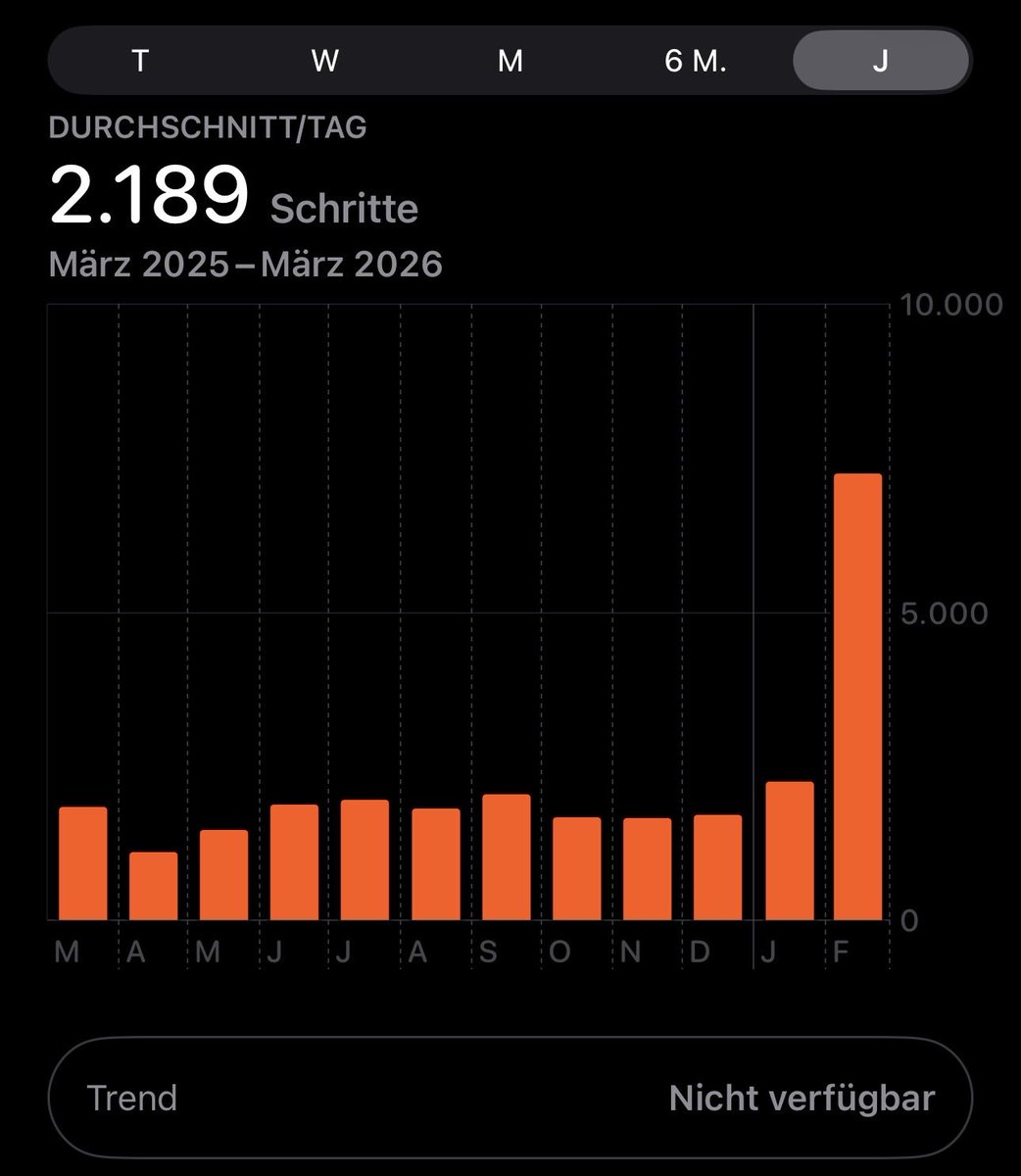
To objectify all of it regarding bodily functions and physiological outcome
(Last 12 months)
To objectify all of it regarding bodily functions and physiological outcome
(Last 12 months)
• • •
Missing some Tweet in this thread? You can try to
force a refresh




