Noam Chomsky defended the Khmer Rouge while they were killing 25% of Cambodia's population.
He kept his position at MIT. His reputation kept growing. His books kept selling.
Thomas Sowell predicted this would happen. He explained exactly why it always does.🧵
He kept his position at MIT. His reputation kept growing. His books kept selling.
Thomas Sowell predicted this would happen. He explained exactly why it always does.🧵
Chomsky's linguistics work was genuinely brilliant.
It made him one of the most cited academics alive and gave him a platform far beyond his field. He decided, so, to use that platform not to side with the oppressed, but to cast doubt on genocide survivors.
When the Khmer Rouge took Cambodia, Chomsky didn't defend the victims. He questioned their testimony.
It made him one of the most cited academics alive and gave him a platform far beyond his field. He decided, so, to use that platform not to side with the oppressed, but to cast doubt on genocide survivors.
When the Khmer Rouge took Cambodia, Chomsky didn't defend the victims. He questioned their testimony.

In 1977, he and Edward Herman published "Distortions at Fourth Hand" in The Nation, arguing that Western media was exaggerating the killings to justify U.S. intervention. He wrote that refugee accounts deserved "great care" because refugees are "subject to pressure."
He even dismissed François Ponchaud, a French priest who documented the massacres in ”Cambodia: Year Zero”, as unreliable. Called his figures inflated.
He even dismissed François Ponchaud, a French priest who documented the massacres in ”Cambodia: Year Zero”, as unreliable. Called his figures inflated.

Paul Johnson tracked what happened next in Intellectuals (2007). Chomsky's position shifted four times as evidence mounted.
— First: no massacres, just propaganda.
— Then: small-scale killings, exploited by cynical humanitarians.
— Then: killings were real, but caused by American war crimes.
— Then: the Khmer Rouge weren't real Marxists anyway.
The evidence kept changing, but America was always the villain
— First: no massacres, just propaganda.
— Then: small-scale killings, exploited by cynical humanitarians.
— Then: killings were real, but caused by American war crimes.
— Then: the Khmer Rouge weren't real Marxists anyway.
The evidence kept changing, but America was always the villain
No retraction. No apology. No lost position. No revoked degree. No serious professional consequence of any kind. Chomsky remained an Institute Professor at MIT.
The Cambodia episode became a footnote in his biography, not a mark against his reputation. He kept giving lectures. His books kept getting assigned.
What matters here is who this protection applies to. Chomsky sadly isn’t the anomaly. Leftist intellectuals who get things catastrophically wrong keep their chairs.
The Cambodia episode became a footnote in his biography, not a mark against his reputation. He kept giving lectures. His books kept getting assigned.
What matters here is who this protection applies to. Chomsky sadly isn’t the anomaly. Leftist intellectuals who get things catastrophically wrong keep their chairs.

Sowell noticed this pattern and named the mechanism behind it.
In Intellectuals and Society, he observed that intellectuals are the only professionals never judged by consequences.
A doctor who kills patients loses their license. An engineer whose bridge collapses faces lawsuits. An intellectual whose ideas contribute to millions of deaths writes another book. Nobody calls him to account. Nobody takes the degree back. The next conference invitation still arrives.
Sowell's point was not that intellectuals are uniquely evil. It was that they operate inside a system with no penalty for being wrong, which means being wrong carries no cost worth avoiding.
In Intellectuals and Society, he observed that intellectuals are the only professionals never judged by consequences.
A doctor who kills patients loses their license. An engineer whose bridge collapses faces lawsuits. An intellectual whose ideas contribute to millions of deaths writes another book. Nobody calls him to account. Nobody takes the degree back. The next conference invitation still arrives.
Sowell's point was not that intellectuals are uniquely evil. It was that they operate inside a system with no penalty for being wrong, which means being wrong carries no cost worth avoiding.
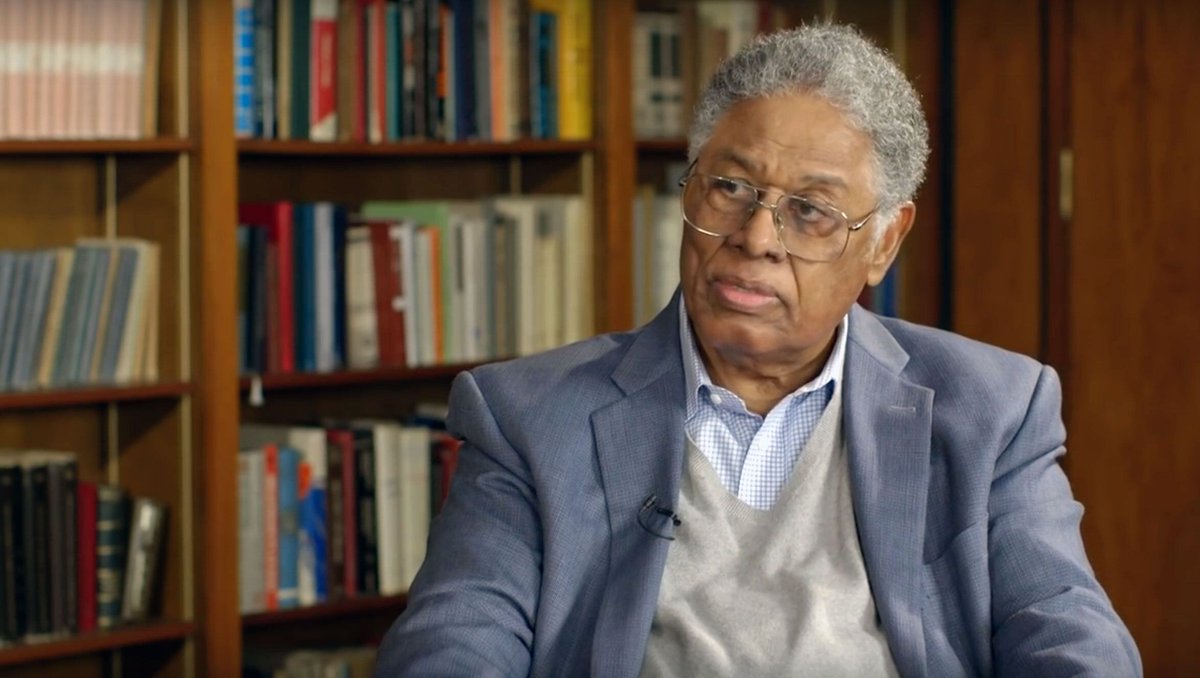
Marxist-inspired regimes killed between 60 and 100 million people in the 20th century. The Soviet Union. Maoist China. The Khmer Rouge. North Korea. These were not fringe misreadings of Marx. They were direct political applications, built by people who read him, cited him, and named him as their foundation.
And yet Marxism remains a legitimate intellectual framework in sociology, history, political science, and literature departments across the Western world. Professors who identify as Marxists hold endowed chairs without controversy.
And yet Marxism remains a legitimate intellectual framework in sociology, history, political science, and literature departments across the Western world. Professors who identify as Marxists hold endowed chairs without controversy.

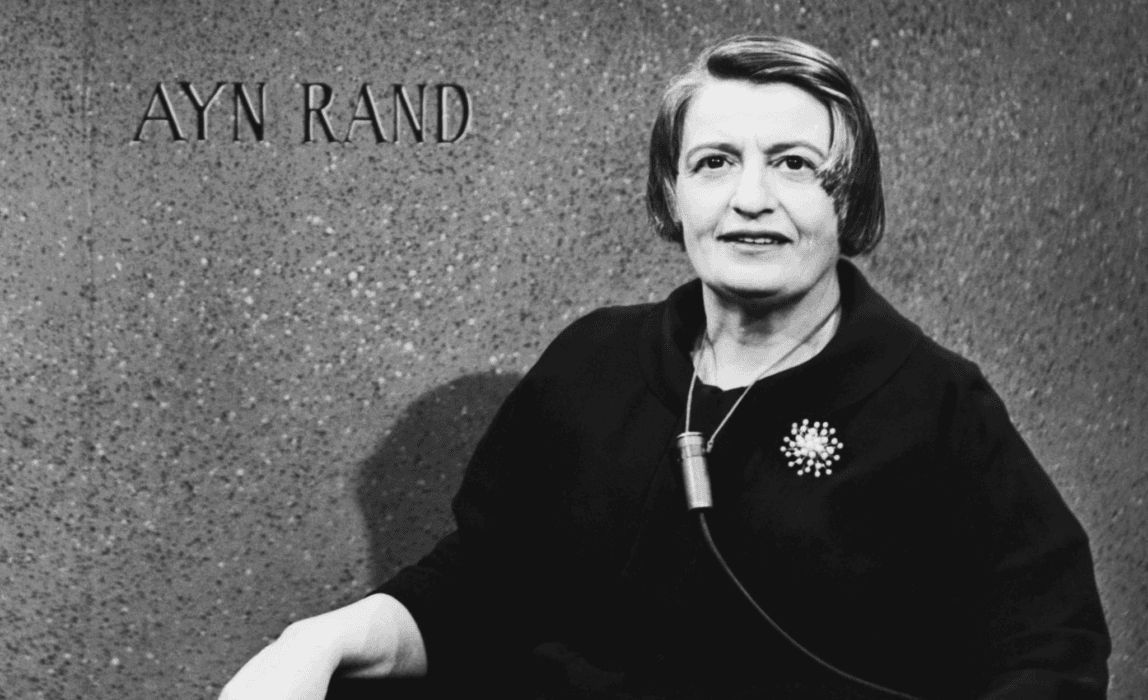
Now consider Ayn Rand. No regime. No atrocity. No gulag. No famine. No political program that killed anyone, anywhere, at any point in history.
Rand is treated as intellectually unserious by many of the same academics who assign Marx with reverence and cite Chomsky as a moral authority. The thinker whose followers killed nobody is a punchline. The thinker whose framework justified more state violence than any other secular ideology in history is a syllabus staple.
The difference is not about rigor. Rand was a rigorous thinker who defended capitalism. Marx was a rigorous thinker who gave cover to people who built gulags. Only one of them remains embarrassing to cite in a faculty meeting.
Rand is treated as intellectually unserious by many of the same academics who assign Marx with reverence and cite Chomsky as a moral authority. The thinker whose followers killed nobody is a punchline. The thinker whose framework justified more state violence than any other secular ideology in history is a syllabus staple.
The difference is not about rigor. Rand was a rigorous thinker who defended capitalism. Marx was a rigorous thinker who gave cover to people who built gulags. Only one of them remains embarrassing to cite in a faculty meeting.
The people who got it right were punished for it.
– Orwell struggled to publish Animal Farm because it offended Soviet sympathizers in British publishing.
– Camus was shunned by the French left for denouncing labor camps. Sartre mocked him publicly.
– Solzhenitsyn was expelled from his country for documenting what Chomsky was busy doubting.
All of them were vindicated by history. None of them received an apology.
– Orwell struggled to publish Animal Farm because it offended Soviet sympathizers in British publishing.
– Camus was shunned by the French left for denouncing labor camps. Sartre mocked him publicly.
– Solzhenitsyn was expelled from his country for documenting what Chomsky was busy doubting.
All of them were vindicated by history. None of them received an apology.
Paul Johnson studied Rousseau, Marx, Tolstoy, Sartre, and Chomsky over decades of research. His conclusion was blunt:
"One of the principal lessons of our tragic century is: beware intellectuals. Not merely should they be kept well away from the levers of power, they should also be objects of particular suspicion when they seek to offer collective advice."
Johnson was not arguing against thinking. He was arguing against the specific habit of rewarding thinkers regardless of what their thinking produced. The 20th century gave us enough evidence to take that argument seriously.
Chomsky denied a genocide and kept his chair. Marx inspired regimes that killed tens of millions and kept his syllabus. Rand's followers never harmed anyone, and she lost her reputation. What does that tell you about how intellectual credibility actually gets assigned?
"One of the principal lessons of our tragic century is: beware intellectuals. Not merely should they be kept well away from the levers of power, they should also be objects of particular suspicion when they seek to offer collective advice."
Johnson was not arguing against thinking. He was arguing against the specific habit of rewarding thinkers regardless of what their thinking produced. The 20th century gave us enough evidence to take that argument seriously.
Chomsky denied a genocide and kept his chair. Marx inspired regimes that killed tens of millions and kept his syllabus. Rand's followers never harmed anyone, and she lost her reputation. What does that tell you about how intellectual credibility actually gets assigned?

• • •
Missing some Tweet in this thread? You can try to
force a refresh