NEW from me: Ketamine, Prostitution and Money: Here Are The Details of a Secret DEA Probe of Jeffrey Epstein
🎁bloomberg.com/news/features/…
🎁bloomberg.com/news/features/…
The investigation, which grew out of a longstanding probe into organized crime, was conducted by a secretive intelligence and law enforcement unit of the DEA and a transnational crime-fighting task force. It began after an informant told authorities that Epstein was involved in the illicit funding and distribution of so-called club drugs, including ecstasy, ketamine and methamphetamines, according to the people, who asked not to be named to discuss sensitive law enforcement matters.
The individuals named in a document related to the investigation, according to the people, included Epstein’s accountants, attorneys and European women who worked as his assistants or fashion models. The DEA investigation also named two businesses.
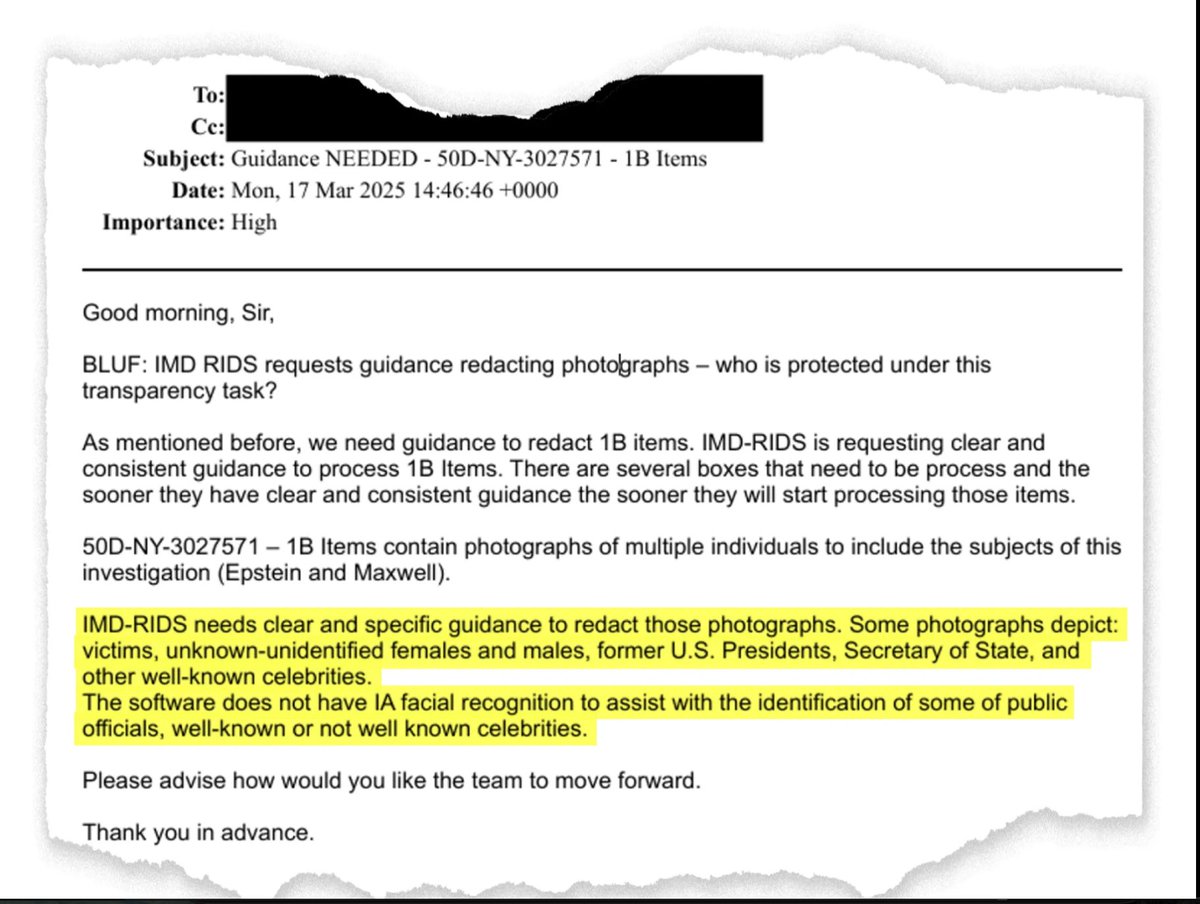
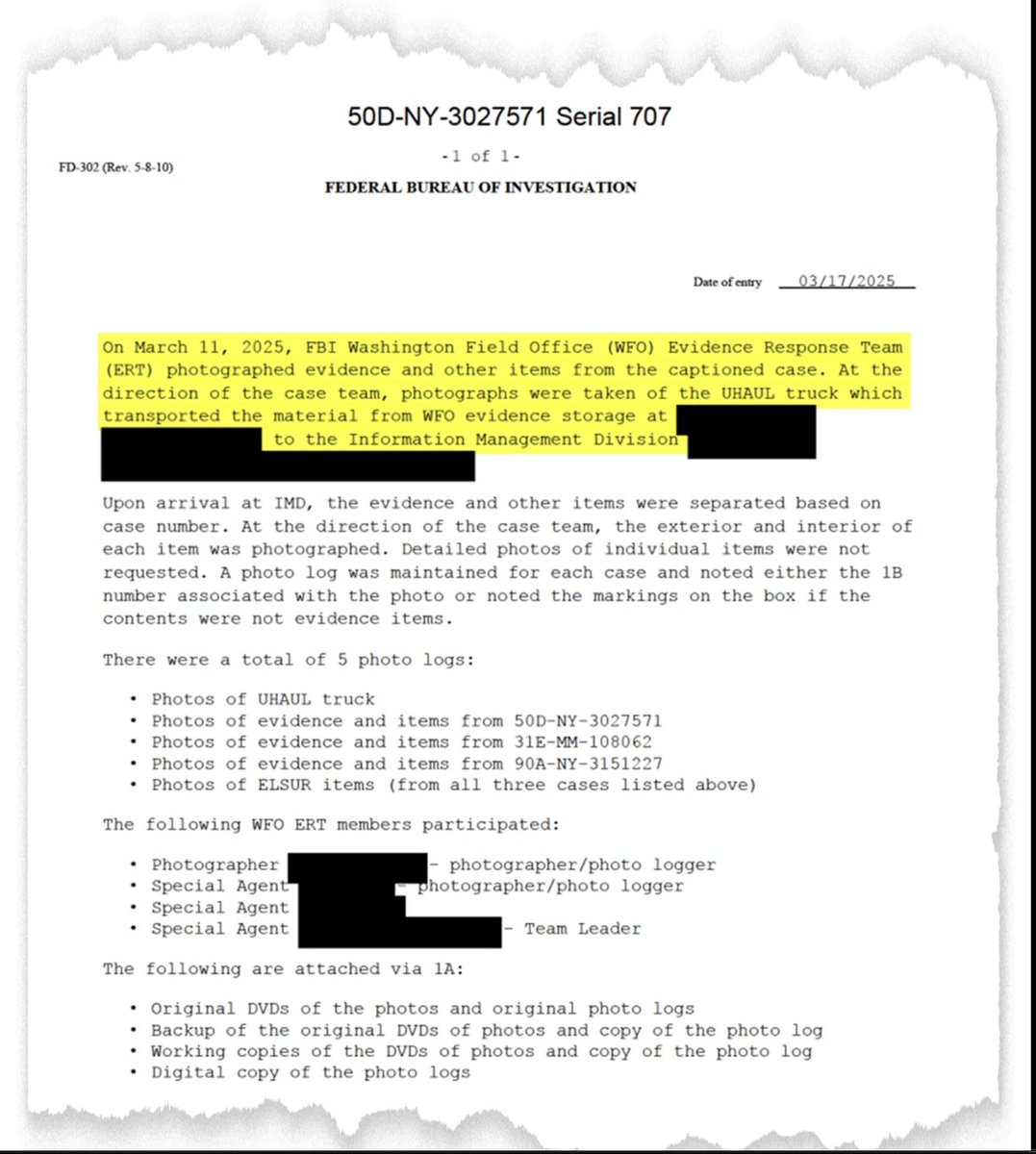
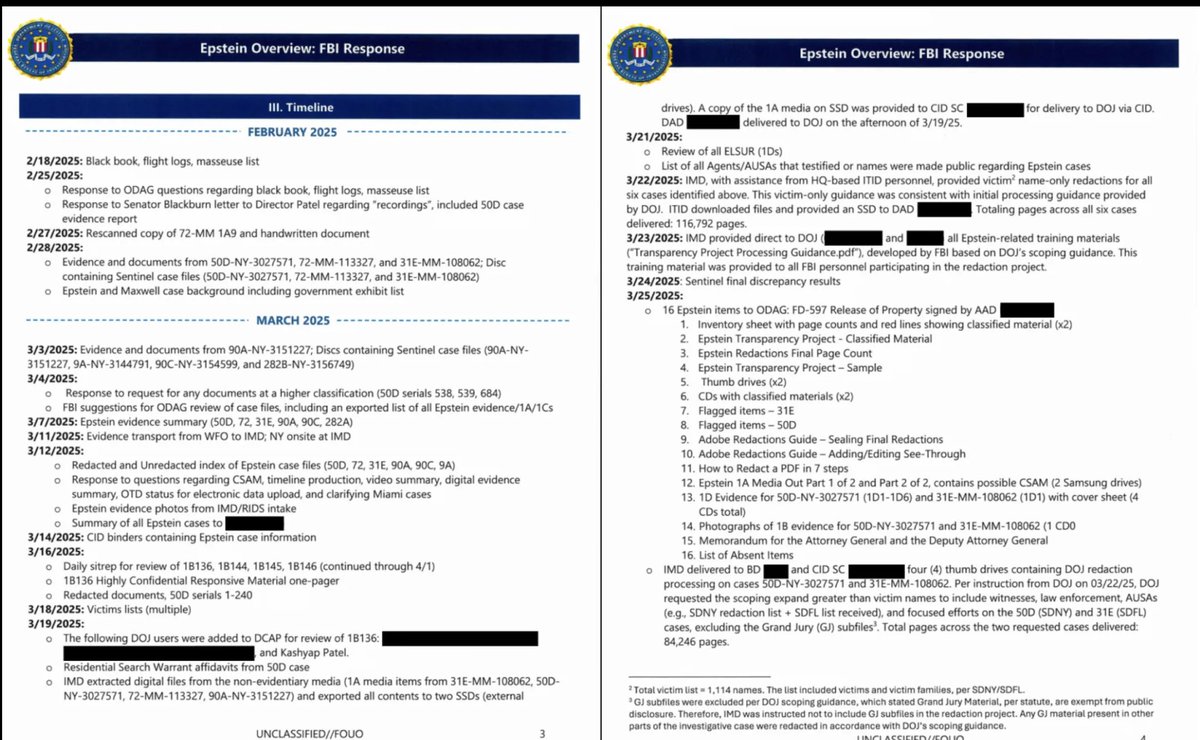
Initial information about the 2015 investigation surfaced in January in a heavily redacted document that was released by the DOJ. These new details about the investigation deepen the mystery surrounding the serial sex abuser, and reveal a striking level of scrutiny into him that extended beyond the federal sex-crimes probe that has captured international attention for years.
The documents show that law enforcement agencies kept tabs on Epstein by tracking his movements, building dossiers on his connections and following his money as it moved through offshore accounts. Foreign governments did likewise. The US Secret Service’s White House division and Harvard University’s campus police conducted background checks on Epstein years after he was released from custody in Florida.
In December 2010, long before Epstein or anyone in his circle surfaced in their probe, the DEA and the FBI started investigating a drug trafficking operation in nightclubs in New York, New Jersey, Nevada, Florida, South Carolina, and Mexico, according to the five people familiar with the case. One person who’d been arrested in connection with the probe had attempted to ship a package to Florida containing ecstasy tablets and ketamine, a drug known to facilitate date rape.
The following year, the DEA requested the help of the Organized Crime Drug Enforcement Task Forces, a Reagan-era Justice Department division made up of hundreds of prosecutors and thousands of intelligence and law enforcement personnel from across the federal government. OCDETF, as it’s called, worked jointly on investigations with other agencies to combat illicit finance and take down transnational criminal networks. Getting OCDETF’s buy-in unlocked additional funding and resources — including access to its fusion center, which the DOJ called “the single largest repository of federal and foreign investigative reporting throughout the federal government.”
In May 2011, OCDETF formally launched an operation called Chain Reaction. Over the next four years, federal authorities targeted and prosecuted nearly a dozen people in New York, including associates of the Genovese crime family, on various racketeering charges including loan sharking, drug trafficking and running an illegal gambling business. They brought charges against a police officer in Suffolk County, New York for extortion, narcotics distribution and counterfeiting. At least two of the cases involved the distribution of ketamine.
Around January 2015, the lead DEA agent on Operation Chain Reaction wrote in a status update that he expected the case to wrap up in a few months after all the defendants were sentenced, the five people familiar with the investigation said. But in a twist, one suspected drug trafficker became an informant and told federal agents that Epstein had been involved in the funding and distribution of ecstasy, ketamine and methamphetamines, the people familiar with the matter said. The informant also said that Epstein ran a prostitution ring.
A few months later, on April 28, 2015, the DEA requested that OCDETF’s fusion center prepare a “target profile” on Epstein, 12 other individuals and two businesses. A DEA agent told OCDETF the agency needed the information to support an investigation into money laundering, drug trafficking and the procurement of Eastern European prostitutes for high profile clientele, the people familiar with the matter said.
The 12 individuals and two businesses were redacted from the document the DOJ released. Bloomberg has learned their identities from the people familiar with the matter. They include Epstein’s lawyer, Darren Indyke; his brother, Mark; and his accountants, Bella Klein, Harry Beller and Richard Kahn. Indyke and Kahn are co-executors of Epstein’s estate. Epstein died while in federal custody in August 2019.
The two businesses are Wagging Tail Entertainment and Ossa Properties Inc. Peggy Siegal, an entertainment publicist and friend of Epstein’s, did business under Wagging Tail, according to multiple emails in the DOJ’s Epstein documents. Ossa is a real estate company owned by Mark Epstein. Anthony Barrett, who was an executive at Ossa Properties, was also named in the target profile. Some of Epstein's victims have said in civil lawsuits that they were sexually abused in a building managed by Ossa Properties.
Bloomberg is not revealing the identities of six women who were also named as targets by the DEA either because they could not be located or because publicly available information indicates that they could be considered victims of Epstein’s sex-trafficking operation.
The target profile showed that more than a dozen law enforcement agencies in the US and abroad, including Harvard’s police department, the US Secret Service and the agency’s White House division, queried a national crime database 311 times between 2013 and 2015 for information about Epstein.
The query by the Secret Service’s White House division in August 2014 suggests that Epstein may have been vetted because he was expected to come into contact with the agency’s protectees, such as the president, or a protected government site. There’s no public record indicating that Epstein visited the White House that year. A spokesperson for the Secret Service said the agency was unable to track down records related to the query because “records from 2014 fall outside the applicable federal records retention schedule for this category of information.”
A Harvard University spokesperson told Bloomberg News that the campus police’s query occurred on Nov. 6, 2013, a day before a meeting between university officials on whether Harvard would reconsider its position of no longer accepting gifts from Jeffrey Epstein. A 2020 report by Harvard said it did not reverse the ban.
• • •
Missing some Tweet in this thread? You can try to
force a refresh