The Paperclip Profile picture
Mar 8 19 tweets 4 min read Read on X
Later today, the Indian Cricket Team is set to face New Zealand at the Narendra Modi Stadium, Ahmedabad for the T20 world champion crown. But do you know that India's first tryst with cricket began in Gujarat – a little over 300-years ago?

1/19 Image
By the mid-18th century, the Mughal Empire was on the decline and European powers were increasingly making their presence felt on the subcontinent. Although late to the party, the British were gradually stepping up their trading activities.

2/19
The Gujarat coast was a hub of maritime trade and one of the busy ports was Khambat – back then known as Cambay. Globally well known for its classical agate industry, Cambay cloth, ivory, golf and lacquer works, one fine day in 1721, Cambay was witness to a strange scene.

3/19 Image
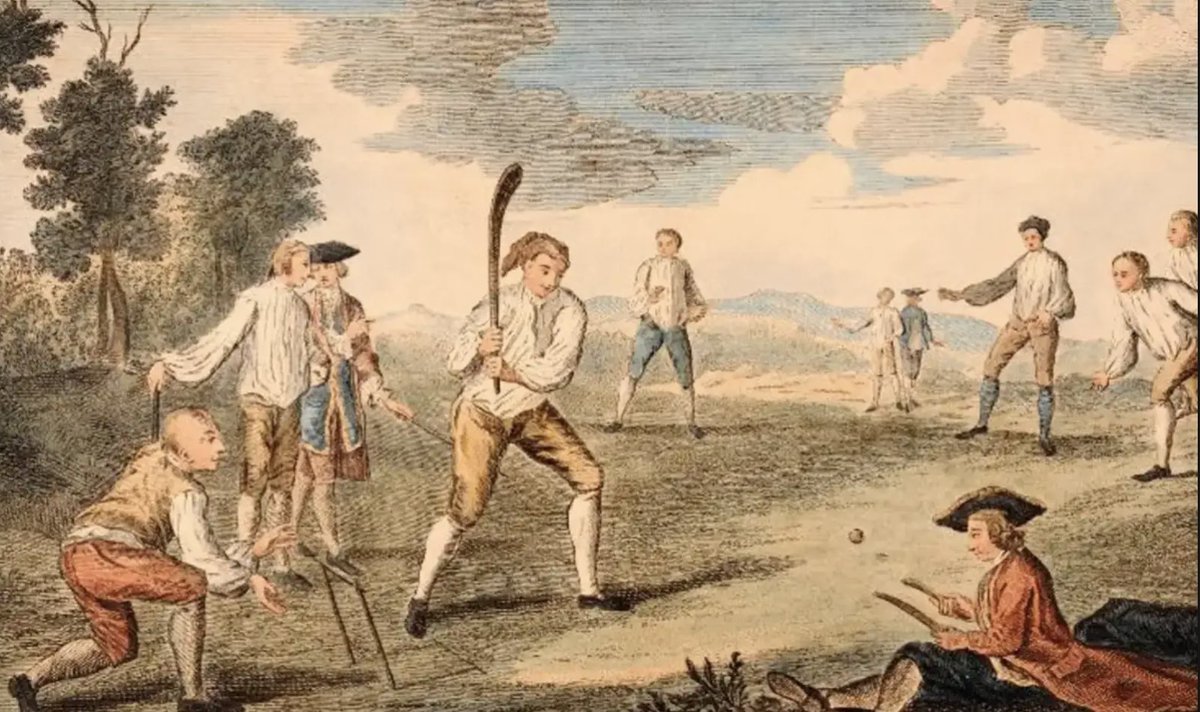
A group of English sailors from the East India Co. ships Hunter and Gallery, bored while waiting for the high tide, descended to kill time by indulging in a game of cricket.

4/19 Image
This impromptu match – widely accepted as the first in the subcontinent – marked the humble beginnings of a game that today dominates the subcontinent with no other sport coming even close.

5/19
Over the next 150+ years, as British monarchy took over the reins of India, cricket spread rapidly all over – Bombay, Poona, Madras, Karachi, Calcutta – all became major cricket hotspots as locals also warmed up to the game.

6/19
But Gujarat’s tryst with cricket would return with a bang – and take the cricketing world by a storm. And it started from one of Cambay’s neighbors – the princely state of Nawanagar.

7/19
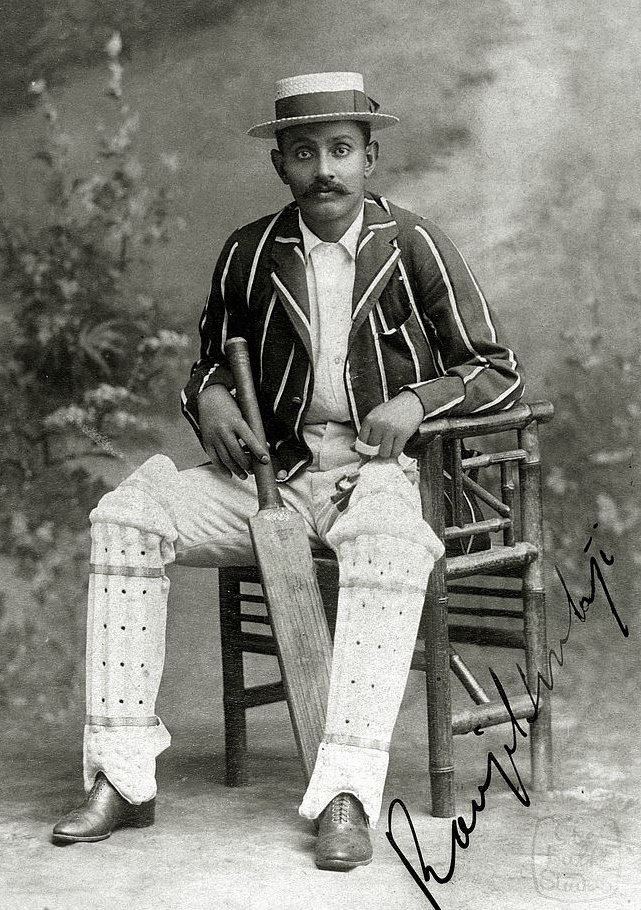
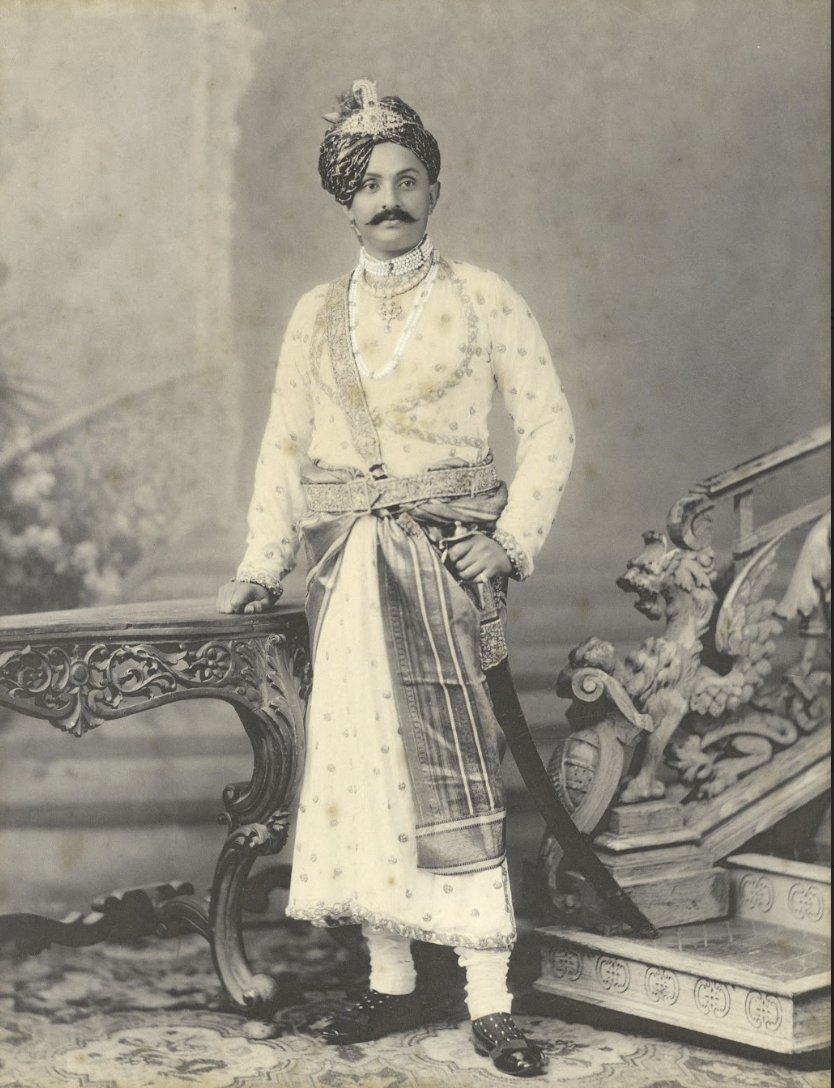
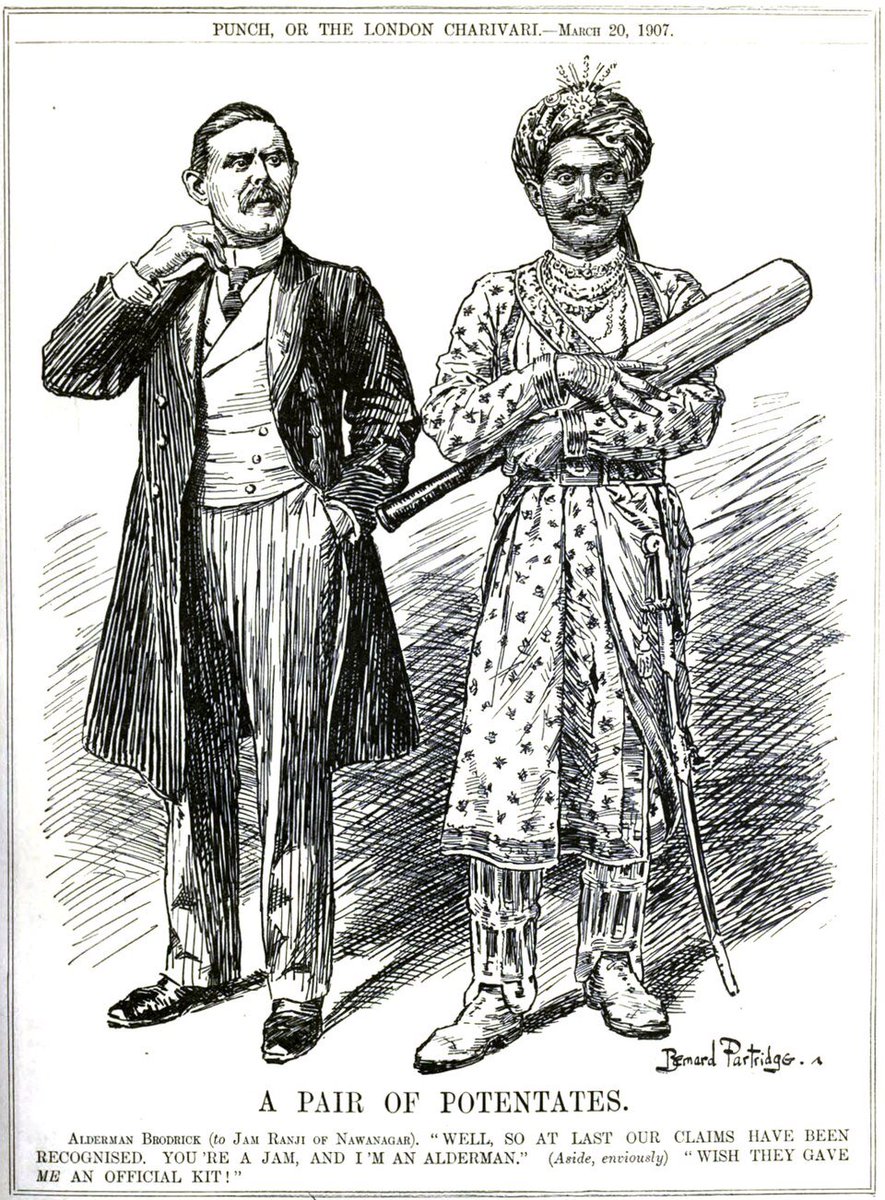
Born on 10th September, 1872, Ranjitsinhji Vibhaji was distantly related to the ruling family of Nawanagar and in 1878, he was selected as the official heir of the ruling Jamsahib.

8/19 Image
Although his succession was a muddled affair, the royal patronage ensured a young Ranji received a good education at the Rajkumar College of Rajkot.

9/19
The college was organized like a British public school and egged on by the principal, Chester Macnaghten, Ranji embraced and excelled in cricket along with studies. His strong academic performance eventually took him to Cambridge in 1889.

10/19
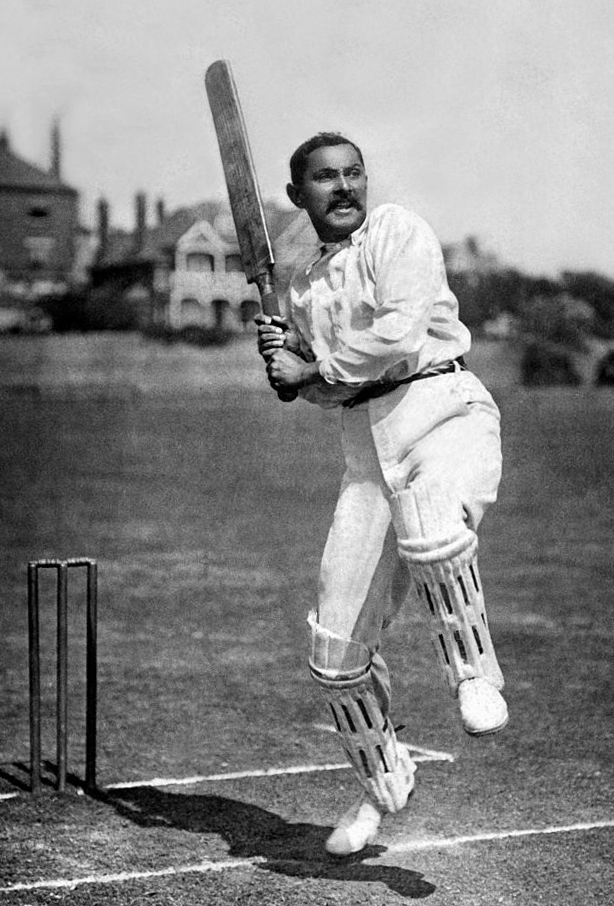
It did not take long for Ranji’s prodigious talent to shine through and the British cricket establishment was left awed by the Indian’s unorthodox, aggressive batting style and brilliant use of wrists in stroke making.

11/19 Image
In 1892, Ranji became the first Indian to earn the coveted Cambridge “Blue” in cricket. In the next few years, his performance for the Sussex County Cricket Club became the stuff of legends.

12/19
The doyen of English cricket writers, Neville Cardus, fell in love with Ranji’s game and hailed him as “the Midsummer night’s dream” while describing his style as a "strange light of the East" that brought magical, unprecedented artistry to English cricket.

13/19
In 1896, a glass ceiling was broken as Ranji was selected in the English side to face Australia in an Ashes test at Old Trafford. Ranji marked the occasion with sparkling knocks of 62 and 154* - the latter coming after England was asked to follow on.

!4/19
The Indian’s test career was limited to 15 appearances in which he made close to 1000 runs. But it was for Sussex that he left the most indelible mark – scoring more than 24000 first class runs at an average of 56+ with 72 centuries.

!5/19
From 1899-1903, Ranji captained Sussex before returning to India to take over as the ruler of Nawanagar, returning twice in 1908 and 1912 – scoring more than 1000 runs in both seasons.

16/19 Image
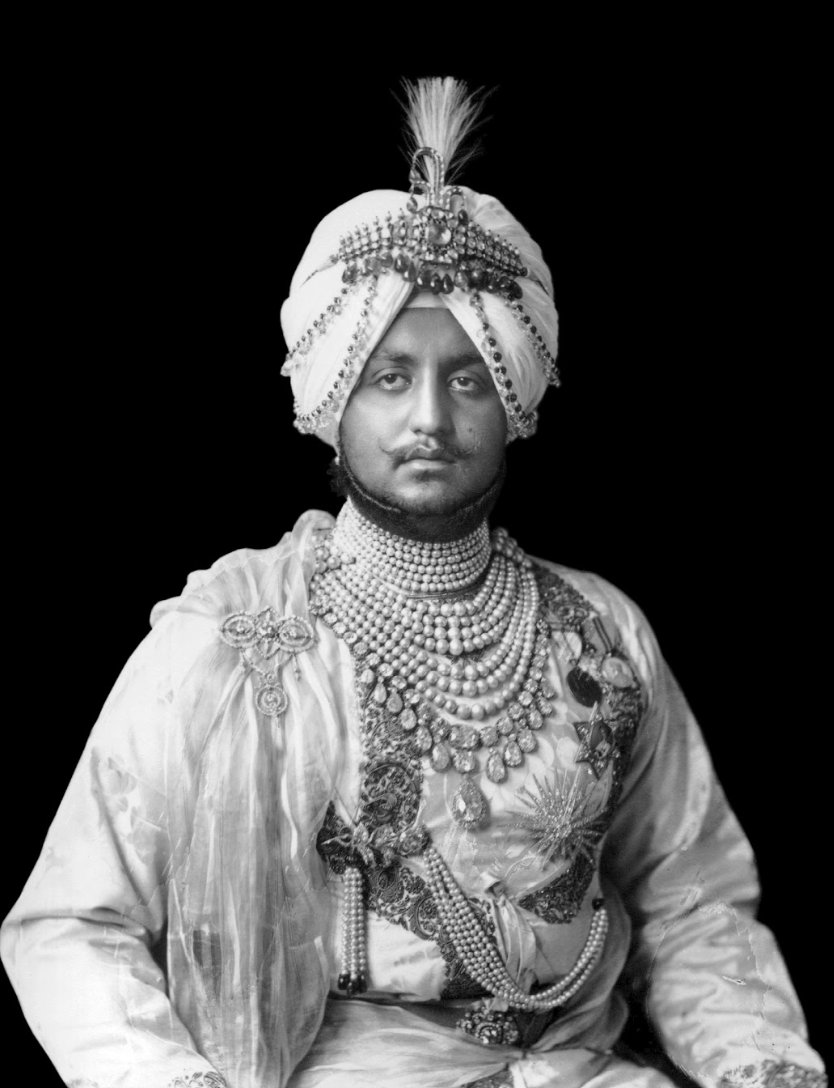
Although Ranji played little cricket in India, such was his impact on the game that when a domestic national cricket tournament was conceptualized in 1934, the Maharaja of Patiala, Bhupindersinhi, donated a trophy – naming it Ranji Trophy.

17/19 Image
Cricket as a game has undergone radical transformation since Ranjitsinhji’s time. India, back then a colony of the British Raj, is today a superpower of the game – both on the field and off it.

18/19
As for today, we wish – may the better team win (and let it be India 😊)

The story is researched and written by flamboyant writer @yashmishra91

19/19

• • •

Missing some Tweet in this thread? You can try to force a refresh

 

Keep Current with The Paperclip

The Paperclip Profile picture

Stay in touch and get notified when new unrolls are available from this author!

Read all threads

This Thread may be Removed Anytime!

PDF

Twitter may remove this content at anytime! Save it as PDF for later use!

Try unrolling a thread yourself!

how to unroll video
  1. Follow @ThreadReaderApp to mention us!

  2. From a Twitter thread mention us with a keyword "unroll"
@threadreaderapp unroll

Practice here first or read more on our help page!

More from @Paperclip_In

Feb 28
In 1905, a young woman in Kerala was dragged into a trial for adultery. The system was built to break her. Instead, she brought the system down with her. It became, and remains, one of the most extraordinary episodes in Kerala’s social history.

Thread. 1/21 Image
The story unfolded in the princely state of Kochi, within the tightly guarded households of the Namboodiri Brahmin community. At its center was Kuriyedathu Thatri, a young woman whose life and public trial laid bare the double standards of her society. 2/21
To understand what happened, one must first understand the social world Thatri was born into. In early 20th-century Kerala, upper-caste Namboodiri Brahmins lived under rigid patriarchy. Women were confined indoors, their lives dictated by strict codes of conduct. 3/21
Read 22 tweets
Feb 23
1944. On a quiet night in the then State of Madras, a man was stabbed and left bleeding on the streets. He was a tabloid editor. The suspicion had turned toward a beloved comedian widely known as the Charlie Chaplin of the South.

1/22 Image
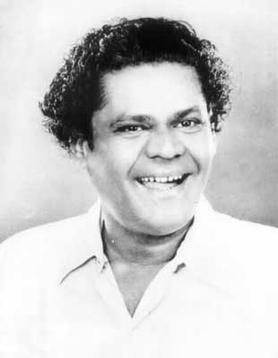
So who was this Charlie Chaplin of the South? He was N.S. Krishnan also called Kalaivanar- “the devotee of the arts”  An actor and comedian who rose during the formative decades of Tamil cinema in the 1940s and 1950s.
2/22 Image
Like Chaplin, he came from a humble background, had little formal education, and turned to stage plays early in life. He set the screen on fire with satire that made audiences laugh, and think. But he was not alone. Beside him stood his wife.
3/22
Read 22 tweets
Feb 18
Did you know Indians born in Suriname were once considered Dutch citizens? And while that might sound strange, all of this connects back to Lord Ram and the settlements of Chinsurah and Baranagar on the banks of the Hooghly. Do read on. 1/24 Image
Moving through the streets of Baranagar in North Kolkata can be challenging at times. Rickshaws, autos, trucks, and even the odd stray cattle all vie for a place. It does not just bustle with activity; it practically lives and breathes it. 2/24
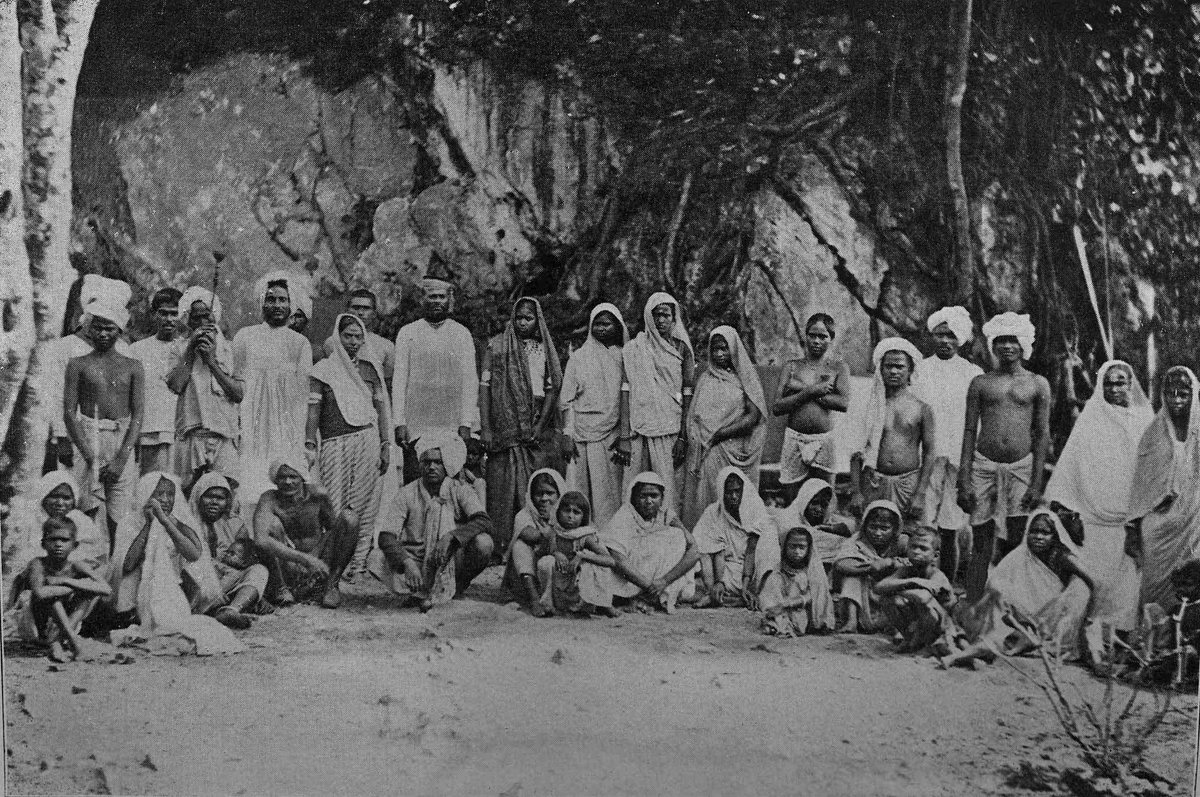
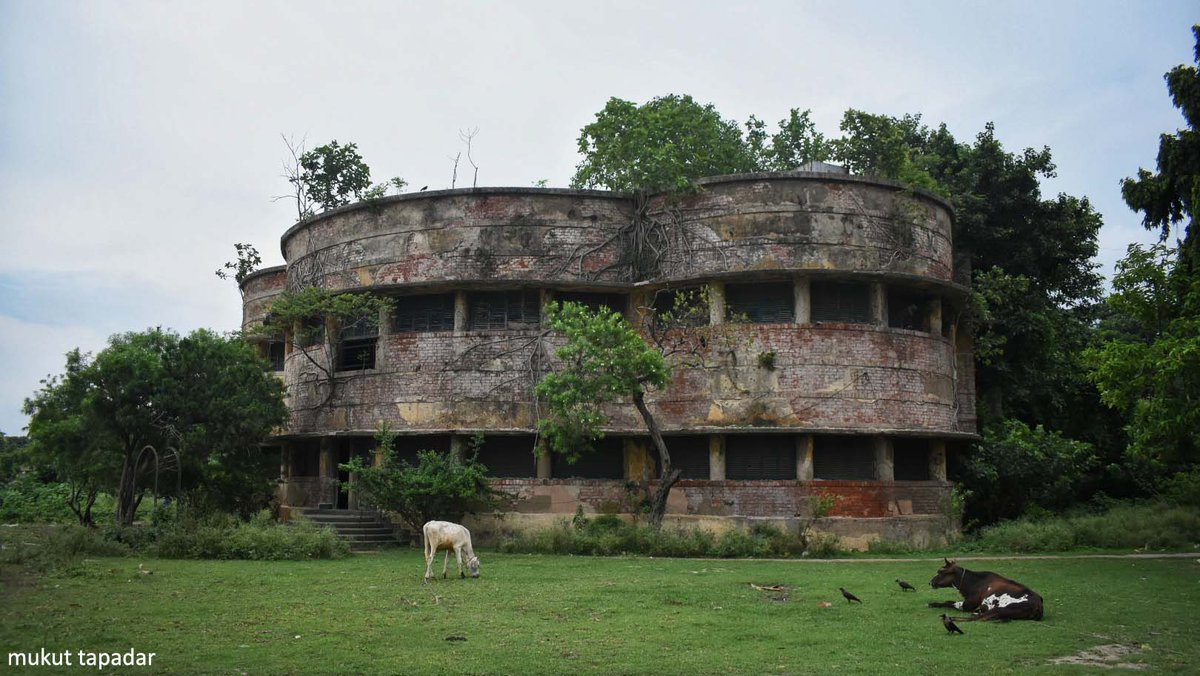
But as you move through the intricate, narrow lanes, you will find old houses, broken and scarred, called Kuthis. Now these kuthis once housed Sahebs, mostly Britishers, but for a time they also housed people from the land of the Oranje, the Dutch. 3/24 Image
Read 29 tweets
Feb 14
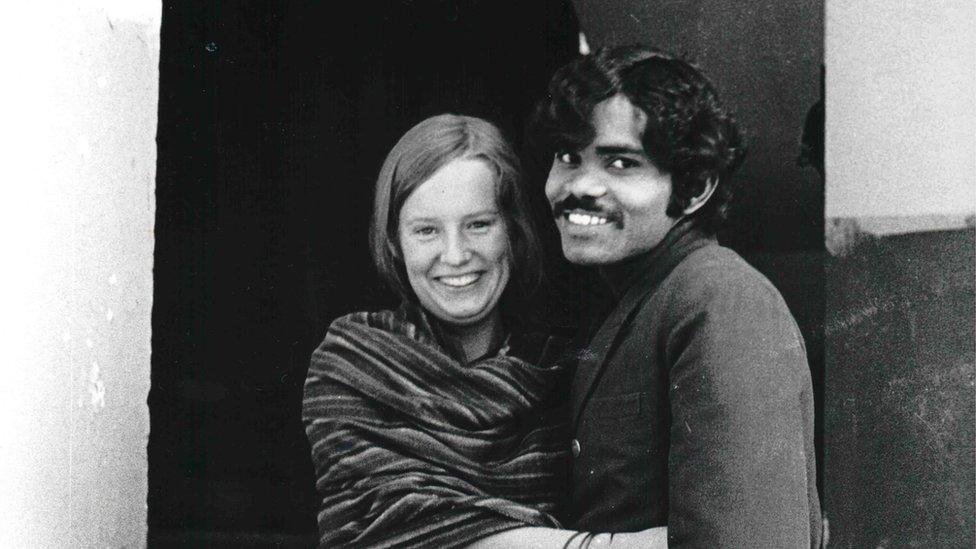
In 1977, an Indian art student set out on a bicycle for Sweden, covering more than 11,000 kilometers because he could not afford an airfare to be with the love of his life. An incredible story worth remembering a thousand times. Read on. 1/18 Image
The facts of the journey are striking enough. But to understand why it happened, it is necessary to return to a village in Odisha where Pradyumna Kumar Mahanandia was born into the Kandha tribal community n 1949, historically among India’s most marginalized groups. 2/18
He grew up in poverty, in a house without electricity, and displayed an early aptitude for drawing. In interviews over the years, he has spoken candidly about the discrimination he faced as a child. It was too real to forget. 3/18
Read 19 tweets
Jan 20
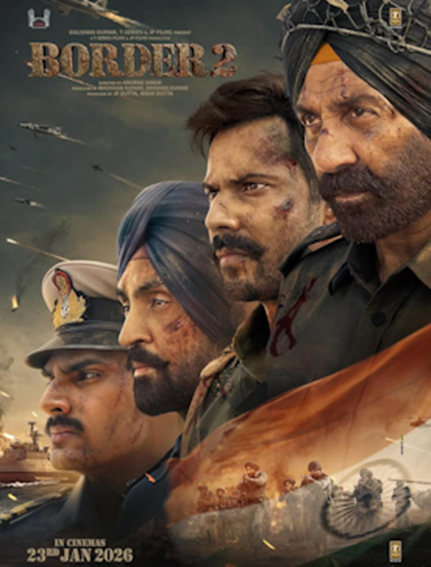
The high-octane trailer of #Border2 dropped recently and one character – played by Ahaan Shetty caught our eye. Shetty plays an officer of Indian Navy in the 1971 War and our thoughts went back to a real-life Indian Navy officer who left behind an eternal legacy through his actions in this war. 1/18Image
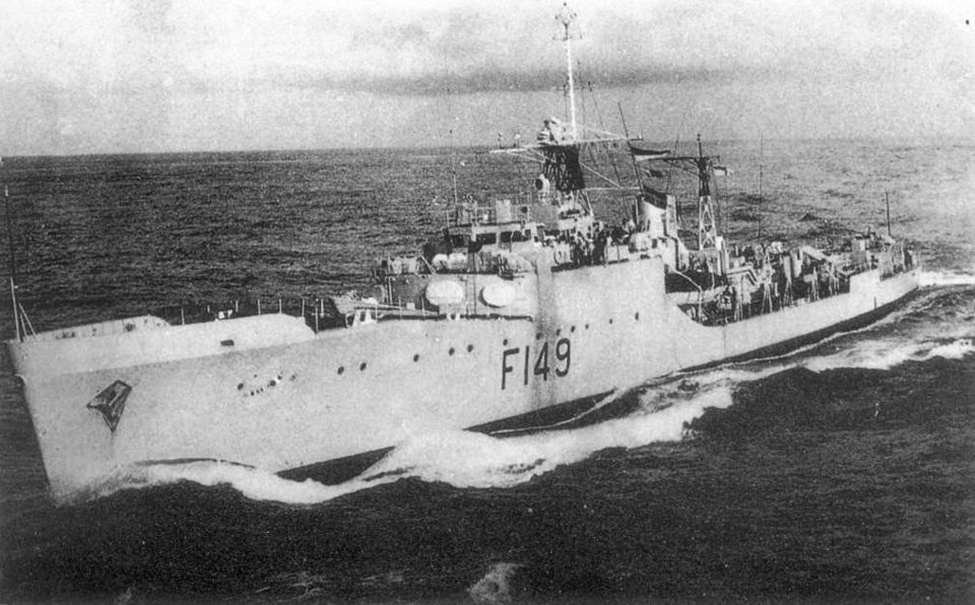
The INS Khukri was a Type 14 frigate of the Indian Navy in 1971. The Type 14 was a minimal anti-submarine craft, a cheaper alternative to the more expensive Type 12. They were introduced to the British Royal Navy in the early 1950s. By 1971, they were considered somewhat obsolete. 2/18Image
India had acquired three Type 14s, which it had named INS Khukri, Kirpan and Kuthar – all part of Western Fleet’s 14th Squadron. On the other hand, in the aftermath of the 1965 war with India, the Pakistan Navy acquired three Daphne class submarines – which it named PNS Hangor, Shushuk, and Mangro. 3/18
Read 19 tweets
Jan 7
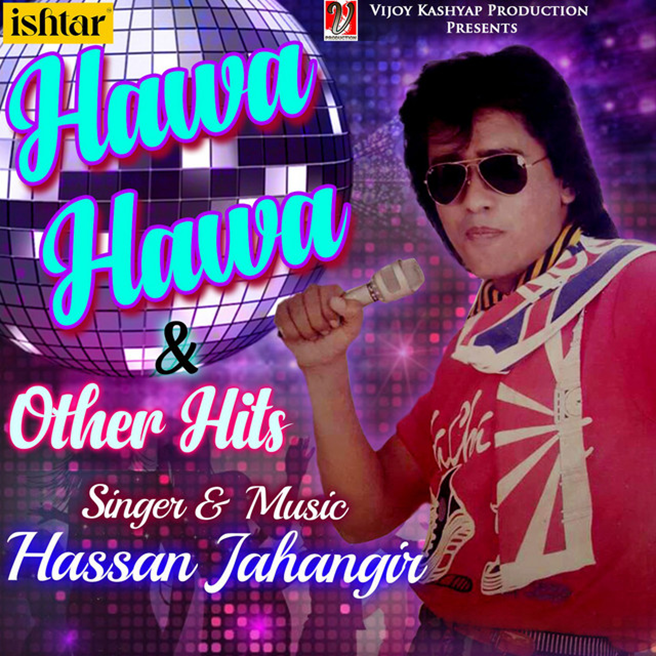
Sunjay Dutt enters the fray in #Dhurandhar and a familiar tune immediately starts playing – a song that has won hearts for nearly 40 years now: Hawa Hawa. Today we tell you about the fascinating yet tragic story of its OG creator. 1/20 Image
In 1987, young Pakistani singer Hassan Jahangir became a household name with his chartbusting song – Hawa Hawa. The song became such a rage that Jahangir earned the nickname – ‘Michael Jackson of Pakistan’. 2/20 Image
The eponymously named album sold 15 million cassettes in India – making Jahangir and Hawa Hawa a household name on both sides of the border. 3/20
Read 21 tweets

Did Thread Reader help you today?

Support us! We are indie developers!


This site is made by just two indie developers on a laptop doing marketing, support and development! Read more about the story.

Become a Premium Member ($3/month or $30/year) and get exclusive features!

Become Premium

Don't want to be a Premium member but still want to support us?

Make a small donation by buying us coffee ($5) or help with server cost ($10)

Donate via Paypal

Or Donate anonymously using crypto!

Ethereum

0xfe58350B80634f60Fa6Dc149a72b4DFbc17D341E copy

Bitcoin

3ATGMxNzCUFzxpMCHL5sWSt4DVtS8UqXpi copy

Thank you for your support!

Follow Us!

:(