Geoengineering Info Profile picture
Mar 11 13 tweets 4 min read Read on X
🚨How much does the shape of particles matter for #SolarGeoengineering?

A new study tests whether non-spherical particles could improve the cooling efficiency of #SAI.

The result: shape can help slightly, but particle size & refractive index dominate the cooling effect.🧵1/11 Image
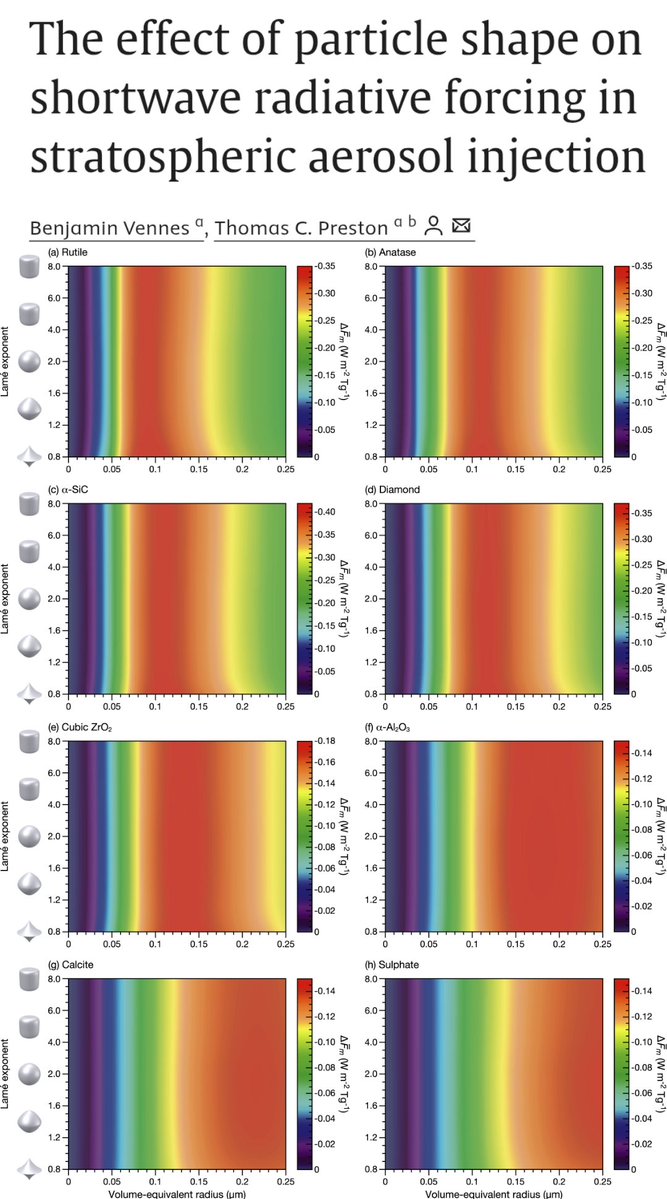
2/ SAI aims to cool Earth by injecting particles into the lower stratosphere that scatter incoming sunlight back to space, increasing planetary reflectivity (albedo).

The effectiveness of these particles depends on their optical properties, how they scatter and absorb sunlight.
3/ Most previous studies optimized SAI particles assuming they're perfect spheres, focusing on 2 parameters: particle radius & refractive index.

But real particles in the atm are often irregular or elongated, raising an imp Q: could particle shape improve solar reflection?
4/ To investigate this, researchers examined a wide range of non-spherical particles, including elongated spheroids and more complex superspheroids, and tested how these shapes influence shortwave radiative cooling across the solar spectrum. Image
5/ They evaluated several potential SAI materials, including rutile, anatase, silicon carbide, diamond, zirconia, alumina, calcite, and sulfate, comparing how particle shape affects their ability to scatter sunlight and increase planetary reflectivity.
6/ The results show a clear pattern: changes in Earth’s Bond albedo (ΔA), a measure of planetary reflectivity, are largely controlled by particle size and refractive index, not particle morphology. Image
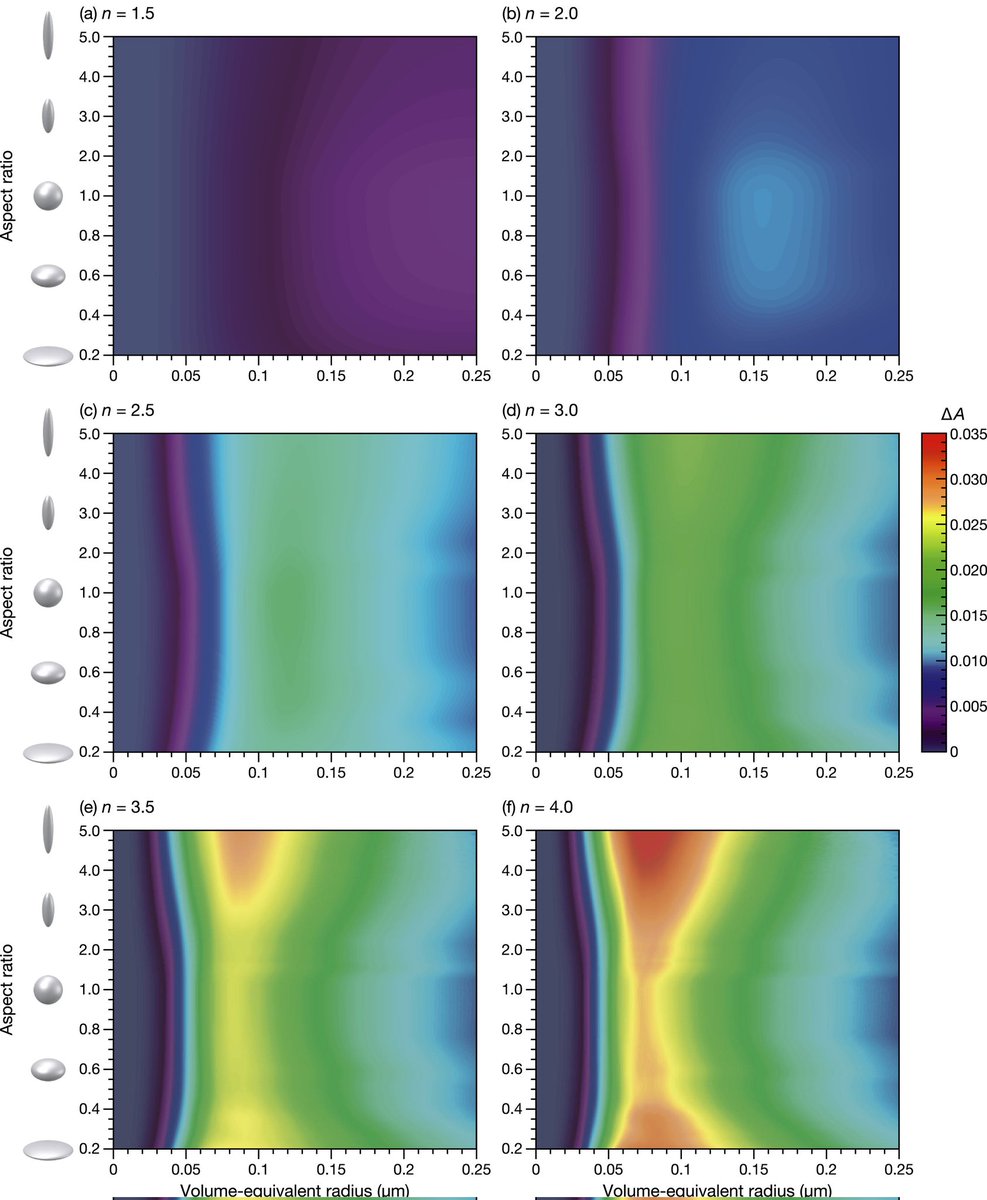
7/ When particles are compared at the same volume-equivalent radius, differences in shape produce only negligible changes in cooling performance.

In other words, whether particles are spherical, elongated, or slightly box-like makes little difference to overall radiative effect. Image
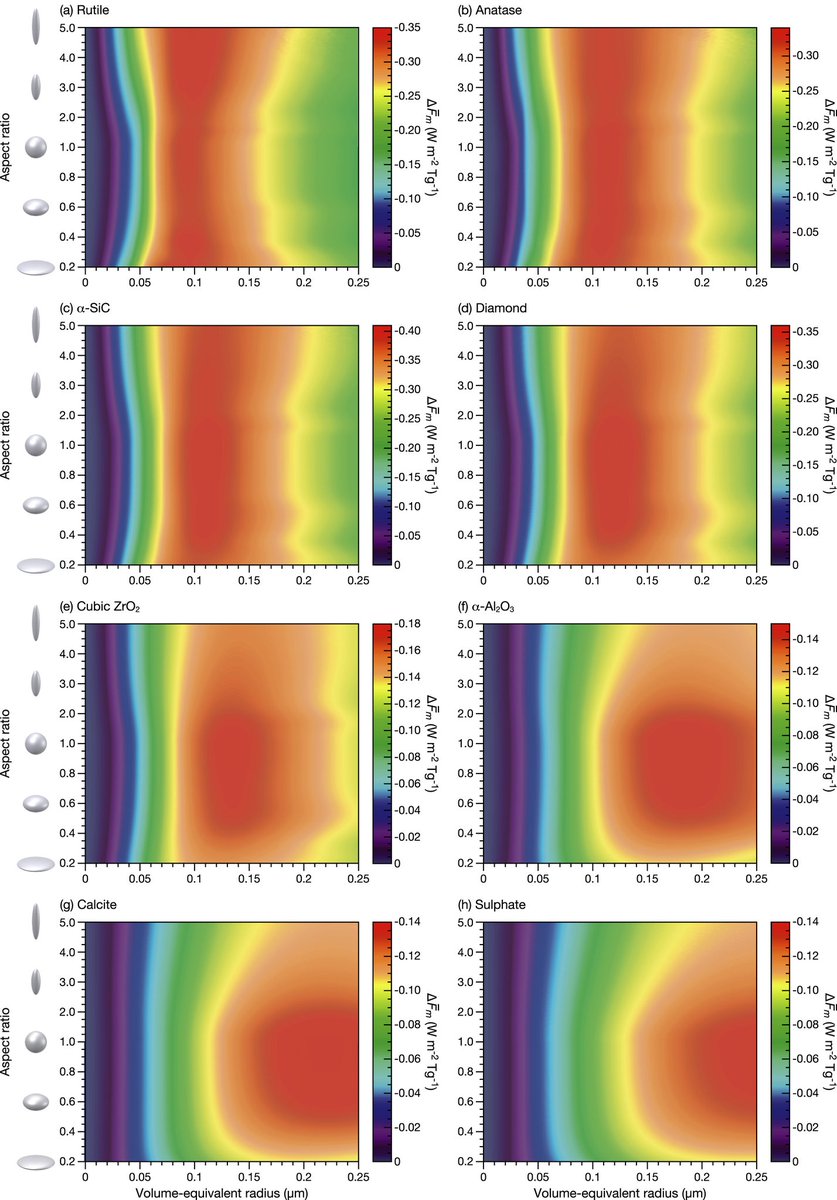
8/ Even though some non-spherical shapes can slightly increase sunlight backscattering, the improvement in cooling per unit mass is small.

The potential gains from shape optimization are therefore modest at best. Image
9/ This leads to an important design implication: particle shape should not be a primary focus when designing SAI aerosols.

Instead, optimizing material properties and particle size remains the most effective way to enhance solar reflection.
10/ The study suggests that targeting particles with high refractive index, minimal visible-light absorption, and a radius around ~0.1 μm offers the best optical performance for reflecting sunlight in SAI scenarios. Image
📝For more details, read the study entitled "The effect of particle shape on shortwave radiative forcing in stratospheric aerosol injection" here:


🧵11/11 #SolarGeoengineering #SRM #SAIsciencedirect.com/science/articl…
For more such updates, subscribe to the Solar Geoengineering Updates Substack Newsletter:
…largeoengineeringupdates.substack.com
"unroll" @threadreaderapp

• • •

Missing some Tweet in this thread? You can try to force a refresh

 

Keep Current with Geoengineering Info

Geoengineering Info Profile picture

Stay in touch and get notified when new unrolls are available from this author!

Read all threads

This Thread may be Removed Anytime!

PDF

Twitter may remove this content at anytime! Save it as PDF for later use!

Try unrolling a thread yourself!

how to unroll video
  1. Follow @ThreadReaderApp to mention us!

  2. From a Twitter thread mention us with a keyword "unroll"
@threadreaderapp unroll

Practice here first or read more on our help page!

More from @geoengineering1

Mar 7
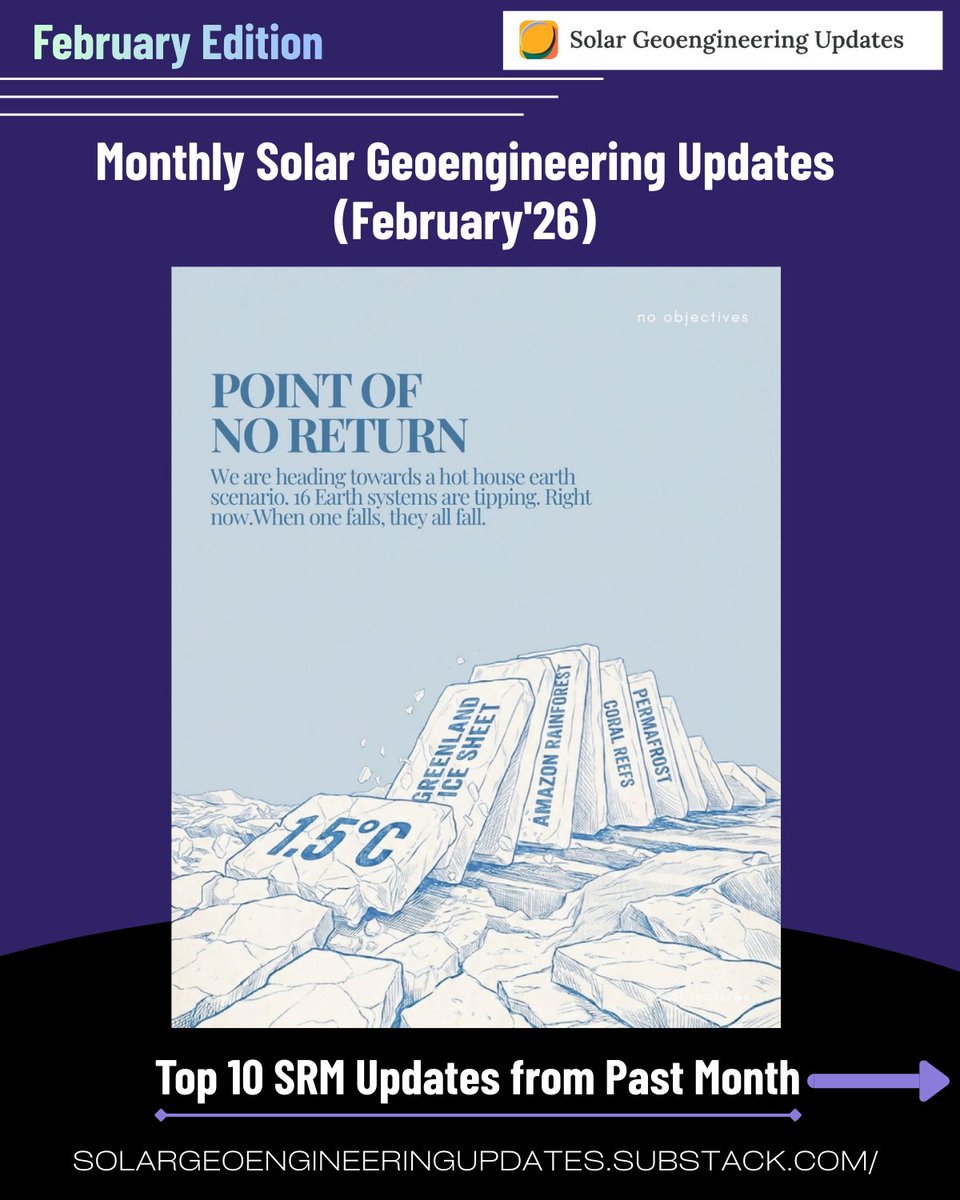
🚨🗞️Monthly Solar Geoengineering Updates (February 2026 Edition)🗞️🚨

AMOC collapse alerts, Arctic intervention studies & new governance & funding initiatives - #SRM headlines you need to know from the past month:

🔗:

🚨Top 10 SRM Updates from Feb 2026: …largeoengineeringupdates.substack.com/p/monthly-sola…Image
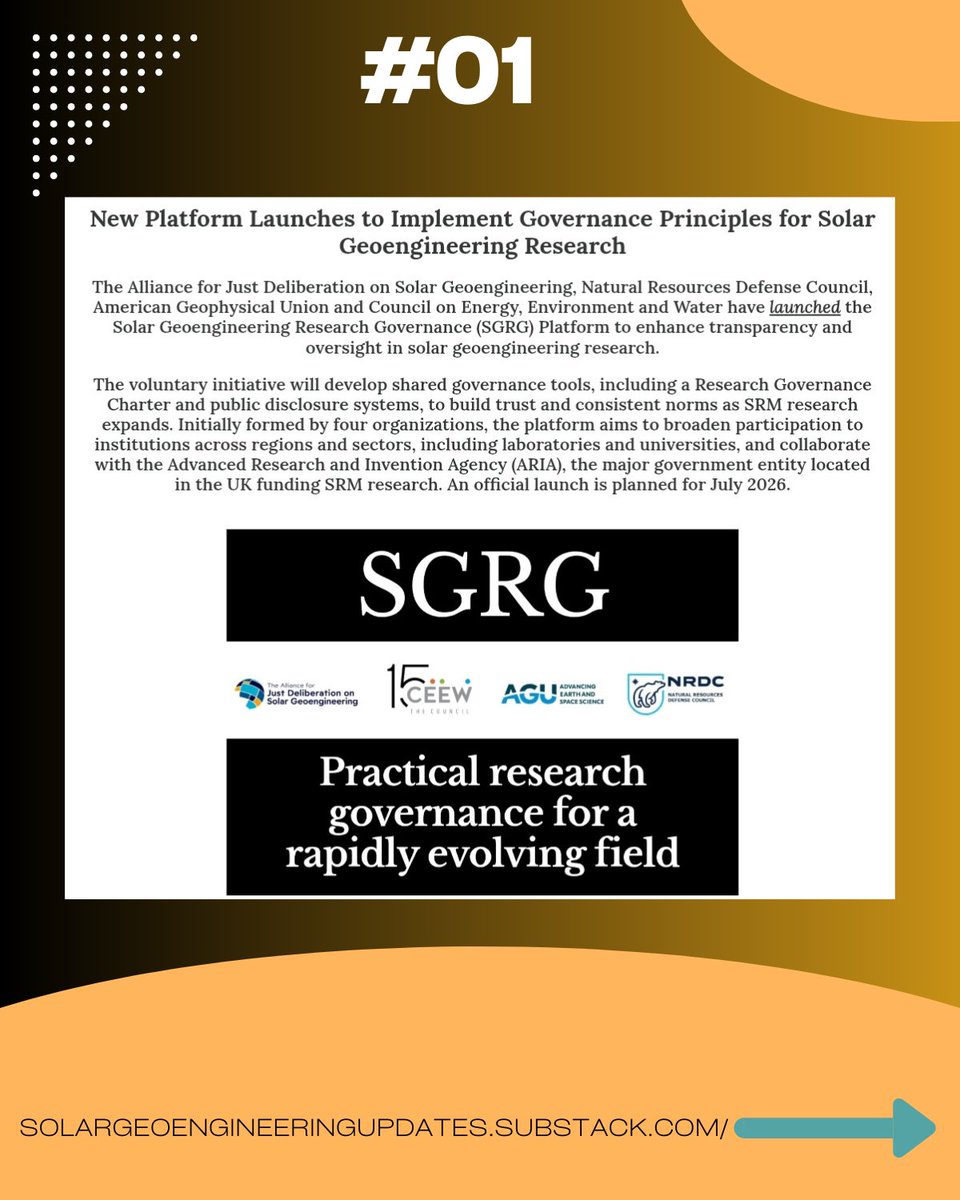
1️⃣ Solar geoengineering governance platform - A new SGRG initiative will develop transparency tools, disclosure systems and a research governance charter as SRM studies expand. Image
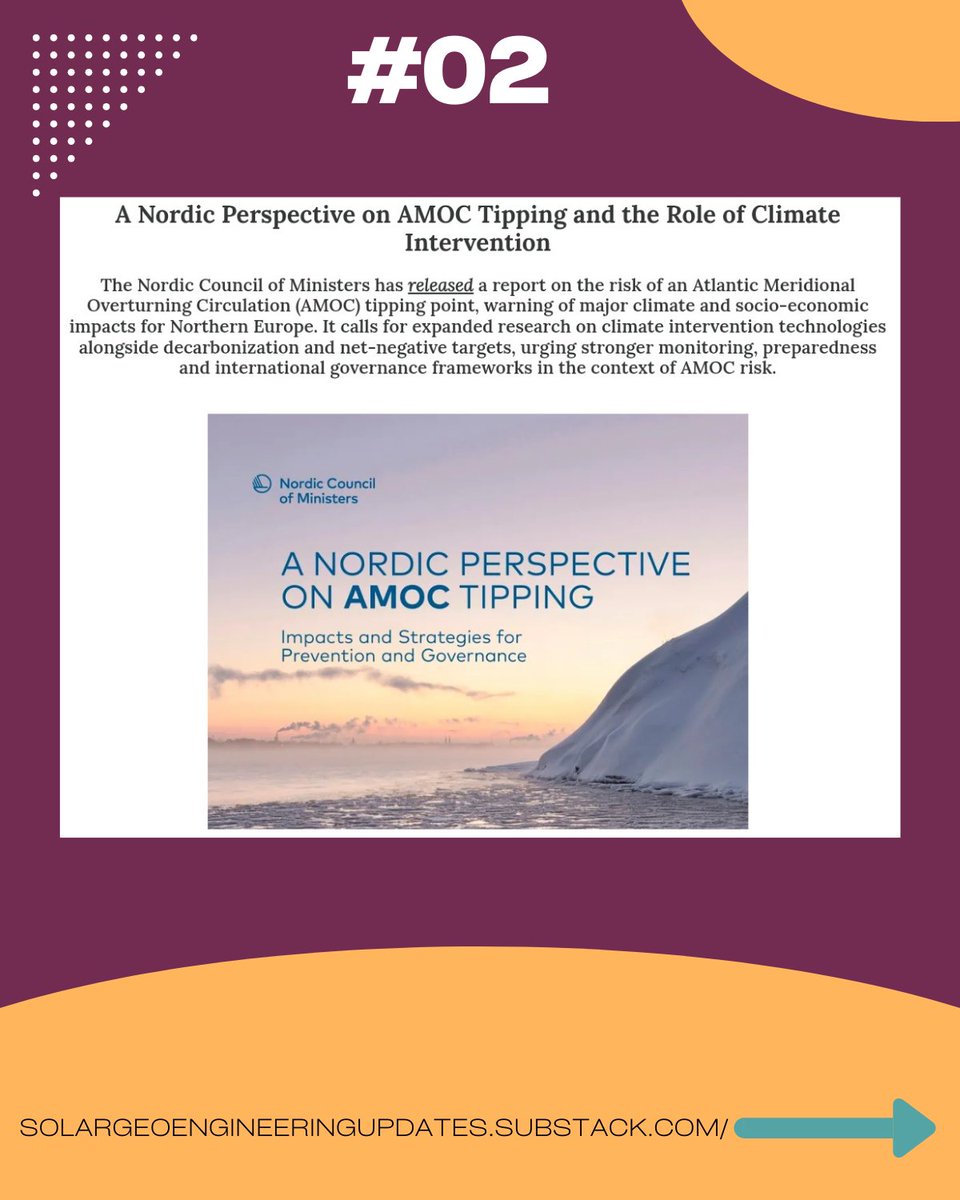
2️⃣ AMOC tipping warning & role of SRM - Nordic Council report highlights risks of an Atlantic circulation collapse and urges stronger monitoring and expanded research into climate intervention alongside emissions cuts. Image
Read 14 tweets
Mar 4
🚨🐜Tiny fungus-farming ants have evolved the ability to capture carbon dioxide from air (#CDR) and convert it into a mineral layer on their bodies, forming a natural protective armour, a surprising biological mechanism reported by scientists in a new study.

Details🧵1/11 Image
2/ The discovery comes from studying crowded ant nests where carbon dioxide can build up.

Instead of simply tolerating high CO₂, these ants appear to use the gas as a chemical resource inside their nest environment.
3/ Fungus-farming ants forage for vegetation to feed cultivated fungi that are grown inside their colonies. In turn, the fungi serve as the primary food source for the ants.

The high density of ants and fungi can result in high concentrations of CO2 inside the nests. Image
Read 13 tweets
Mar 4
🚨🗓️Solar Geoengineering Events Calendar Update

From Oxford lectures & London policy debates to GeoMIP in Tokyo, #SRM governance forums in Belgium & major gatherings across Vienna, US & beyond + key job & abstract deadlines. Here’s what’s coming up🧵1/22

teamup.com/ks64mmvtit583e…Image
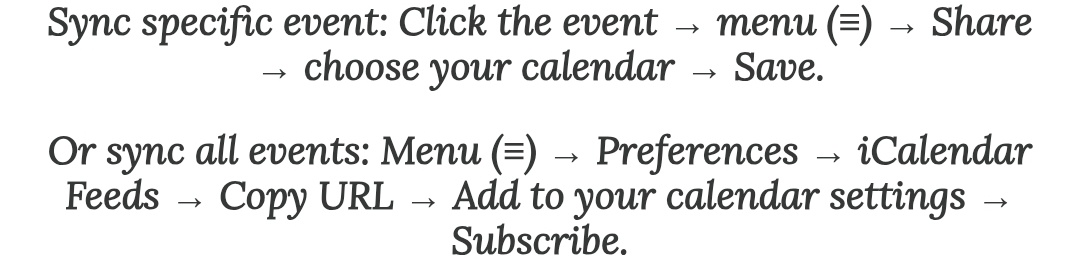
2/ Add our SRM Events Calendar to your default calendar in 2 ways:

Head to this link:

And follow these steps: teamup.com/ks64mmvtit583e…Image
List of what's coming up:

04 March | Oxford University - The unknowability of solar geoengineering and why it matters by OCRN Annual Lecture


3/energy.ox.ac.uk/events/event/o…
Read 23 tweets
Feb 26
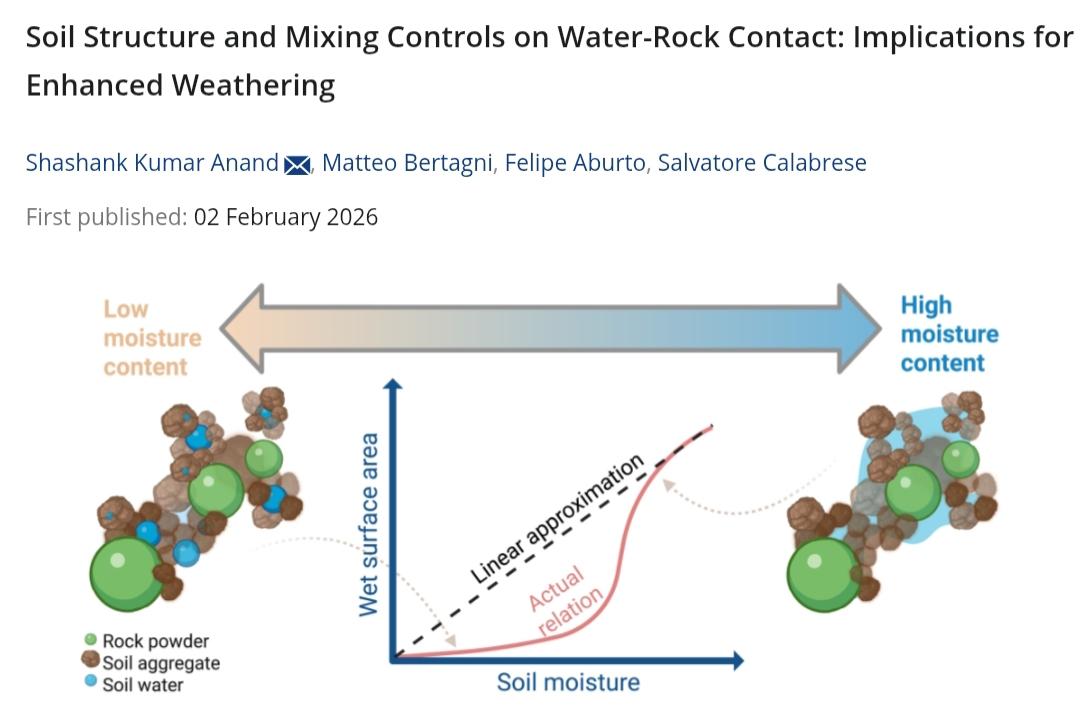
🚨A new study finds that most enhanced weathering models overestimate CO₂ removal (#CDR) because they assume all added rock powder reacts, when in reality, soil structure & moisture mean much of the mineral surface never gets wet, cutting reaction rates by up to 97%.

🧵1/12 Image
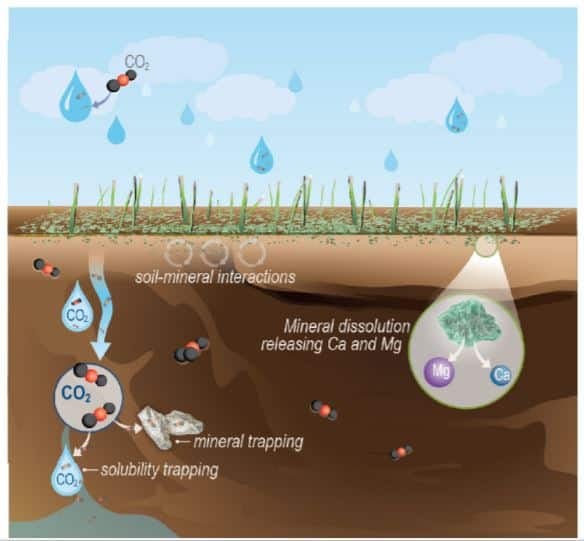
2/ Enhanced weathering (EW) works by spreading finely ground silicate rocks onto soils. When these minerals react with water and CO₂, they form bicarbonate, effectively removing carbon from the atmosphere.

But here’s the catch: no water contact, no reaction. Image
3/ Most large-scale CDR models assume that once rock powder is added to soil, its surface is “available” for reaction.

In reality, soils are complex porous systems. H2O does not evenly coat every particle.

So, this study asks: How much of the rock surface is actually wet
Read 13 tweets
Feb 20
🚨Should SRM Be Seen as a Serious Security Issue?

Four experts offer their thoughts on the potential security risks associated with sunlight reflection methods (#SRM), or solar geoengineering, highlighting the geopolitical complexity of the field.

Read here:🧵1/6
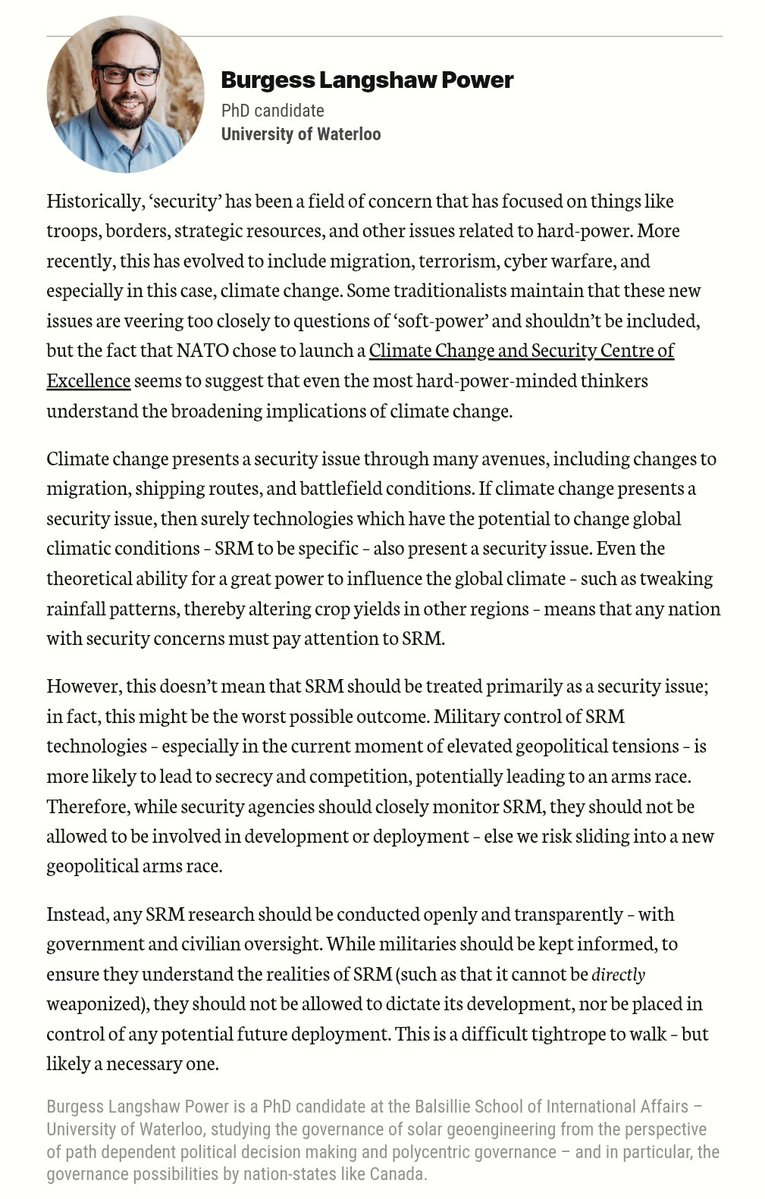
Burgess Langshaw Power argues climate change is now a security issue and SRM could be too, but warns against military control to avoid secrecy or an arms race.

2/6 Image
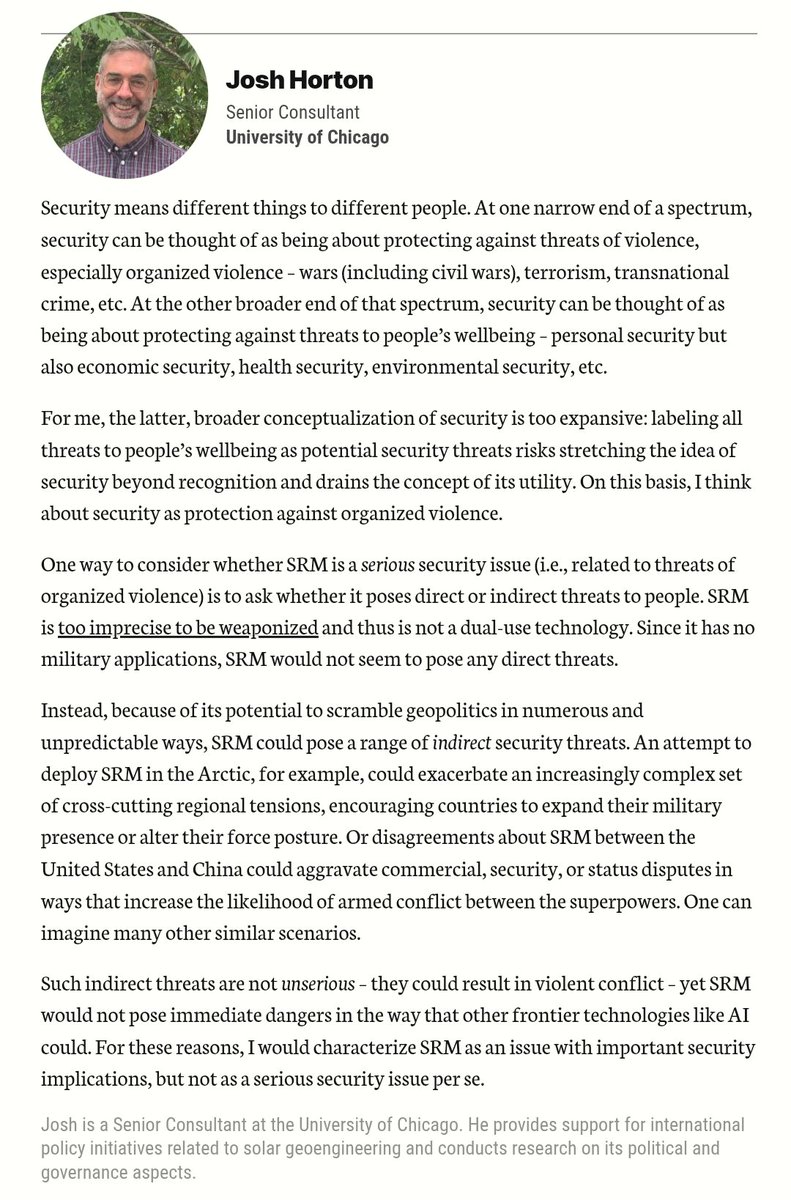
Josh Horton says SRM isn’t a direct threat but could indirectly heighten geopolitical tensions if deployment disputes emerge.

3/6 Image
Read 8 tweets
Feb 18
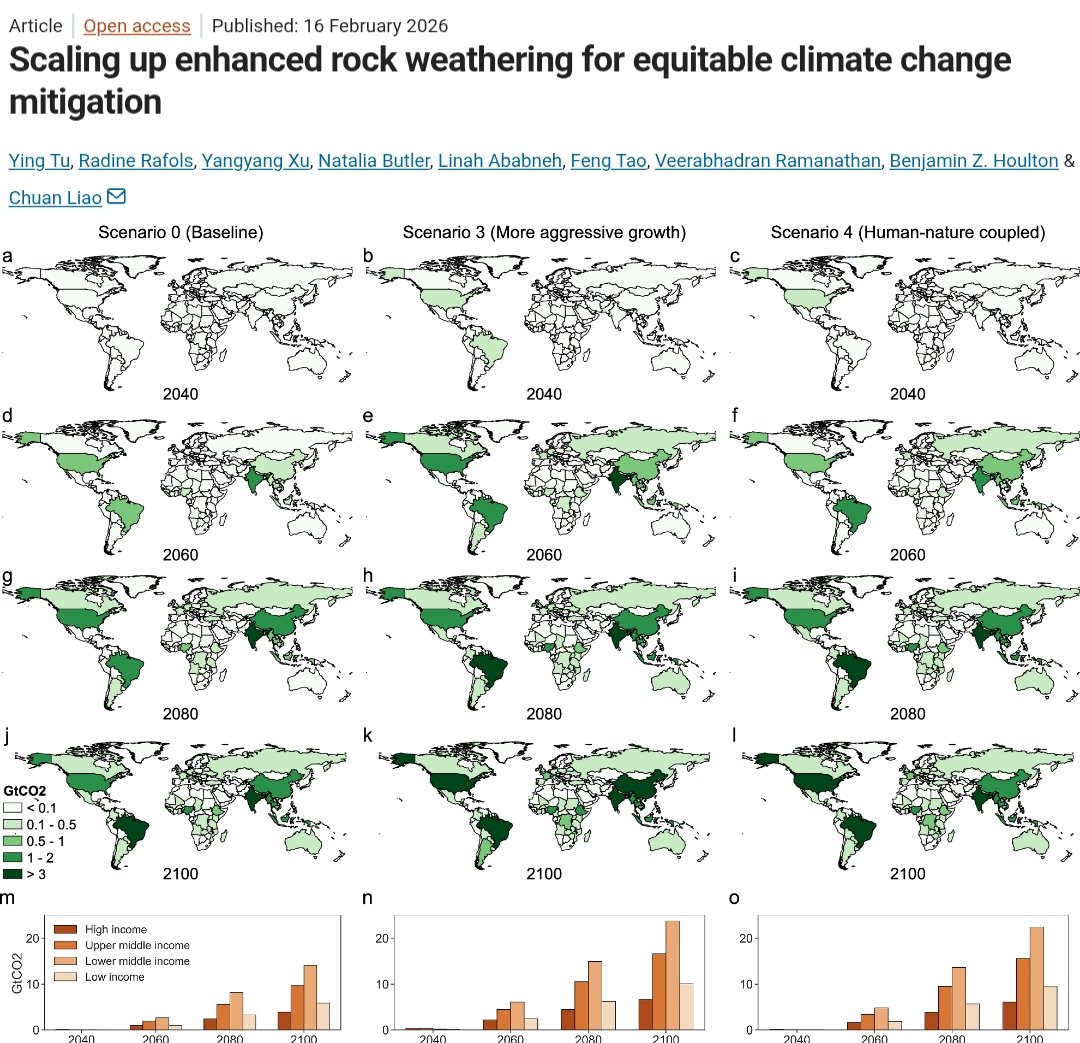
🚨A new study in Communications Sustainability explores whether enhanced rock weathering (#ERW) can scale into a meaningful, equitable climate solution.

The headline: ERW could remove ~1GtCO₂/yr by 2100, but who deploys it, when & how fast will shape its global impact.🧵1/10 Image
2/ Enhanced rock weathering works by spreading crushed silicate rocks on croplands.

These minerals chemically react with CO₂, locking carbon into stable forms while improving soil quality. It’s a rare intervention promising both climate mitigation and agricultural co-benefits.
3/ But technical potential alone doesn’t determine climate outcomes. The central question the paper asks is:

How does ERW adoption diffuse across countries under real-world economic, social, and political conditions?
Read 11 tweets

Did Thread Reader help you today?

Support us! We are indie developers!


This site is made by just two indie developers on a laptop doing marketing, support and development! Read more about the story.

Become a Premium Member ($3/month or $30/year) and get exclusive features!

Become Premium

Don't want to be a Premium member but still want to support us?

Make a small donation by buying us coffee ($5) or help with server cost ($10)

Donate via Paypal

Or Donate anonymously using crypto!

Ethereum

0xfe58350B80634f60Fa6Dc149a72b4DFbc17D341E copy

Bitcoin

3ATGMxNzCUFzxpMCHL5sWSt4DVtS8UqXpi copy

Thank you for your support!

Follow Us!

:(