You wake up in a catabolic state.
You need essential amino acids, not a carb-heavy paratha.
Front-load protein right from meal one.
Stabilizes endocrine response, hunger cues & cognitive focus.
6 stupidly simple dessert breakfasts packing massive protein for busy people:
🧵
You need essential amino acids, not a carb-heavy paratha.
Front-load protein right from meal one.
Stabilizes endocrine response, hunger cues & cognitive focus.
6 stupidly simple dessert breakfasts packing massive protein for busy people:
🧵
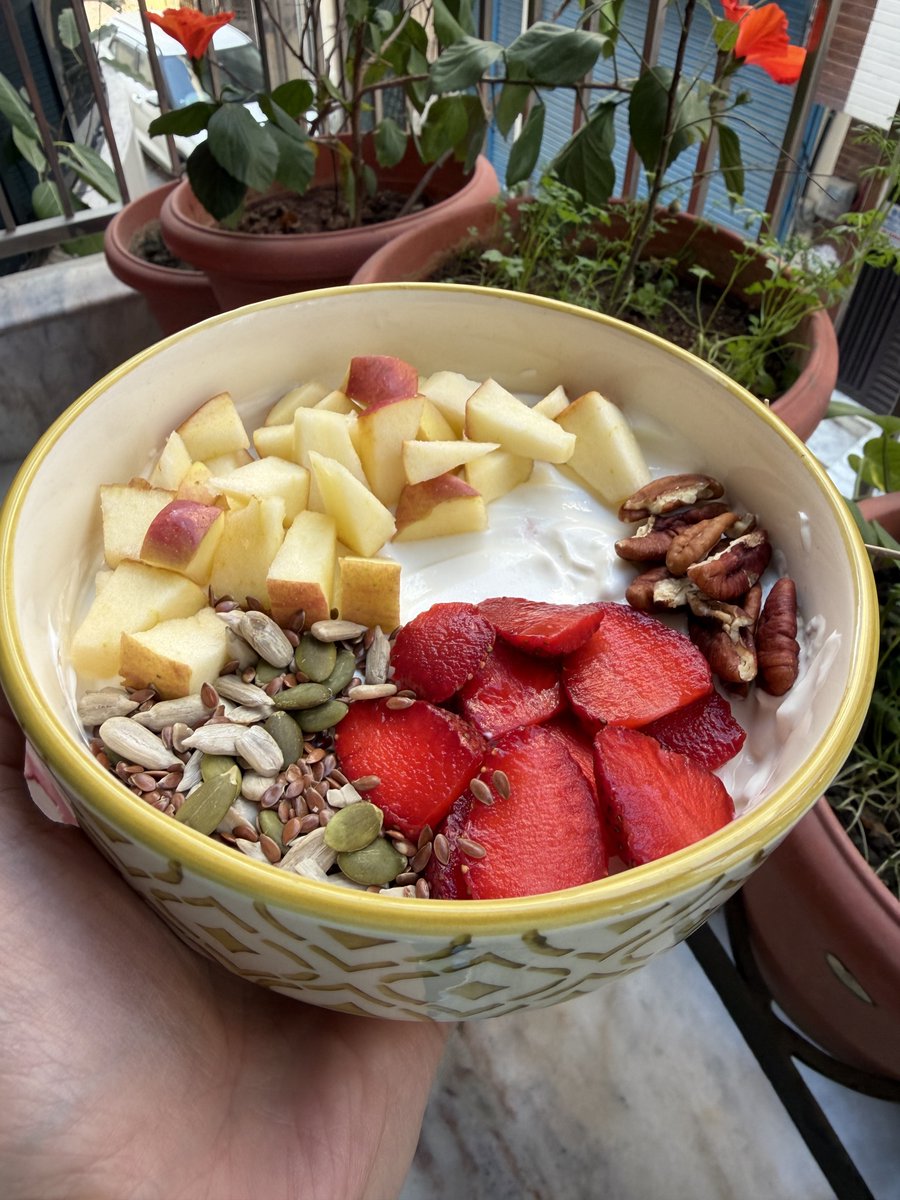
1. The 60-Second Yoghurt Bowl
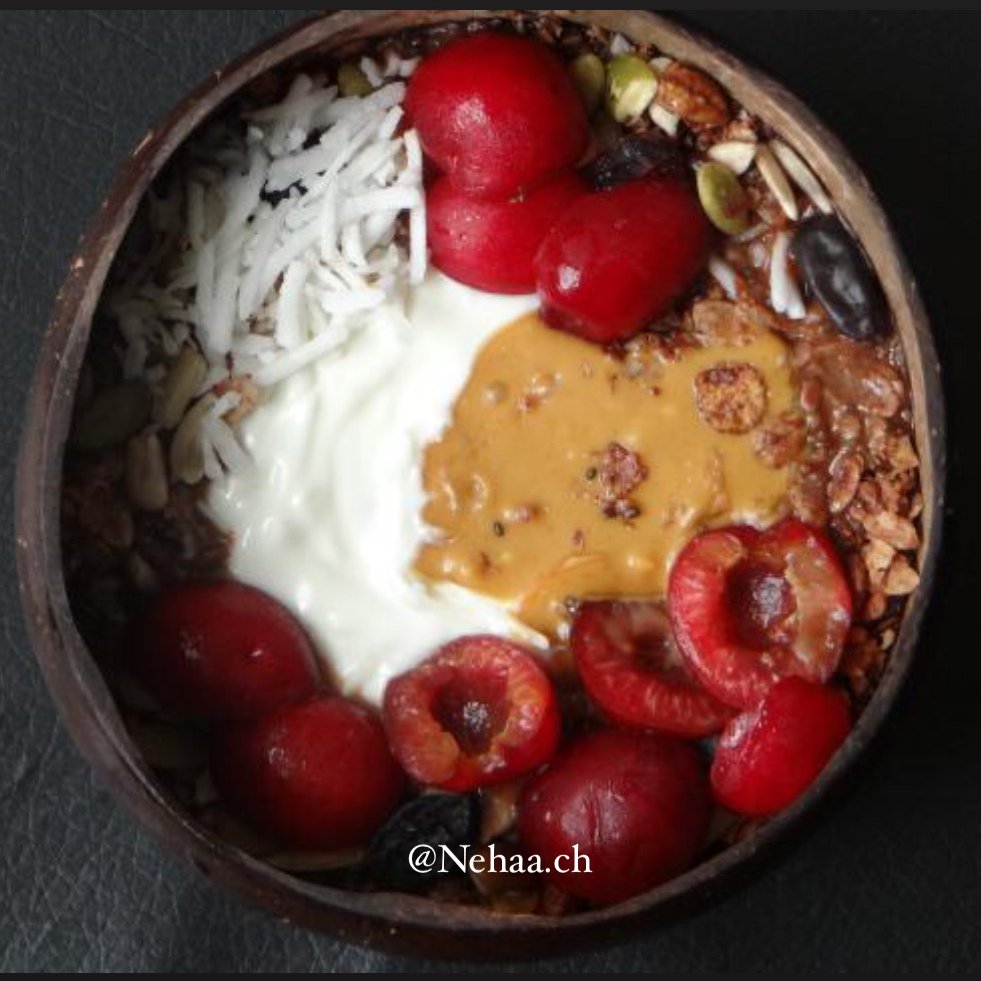
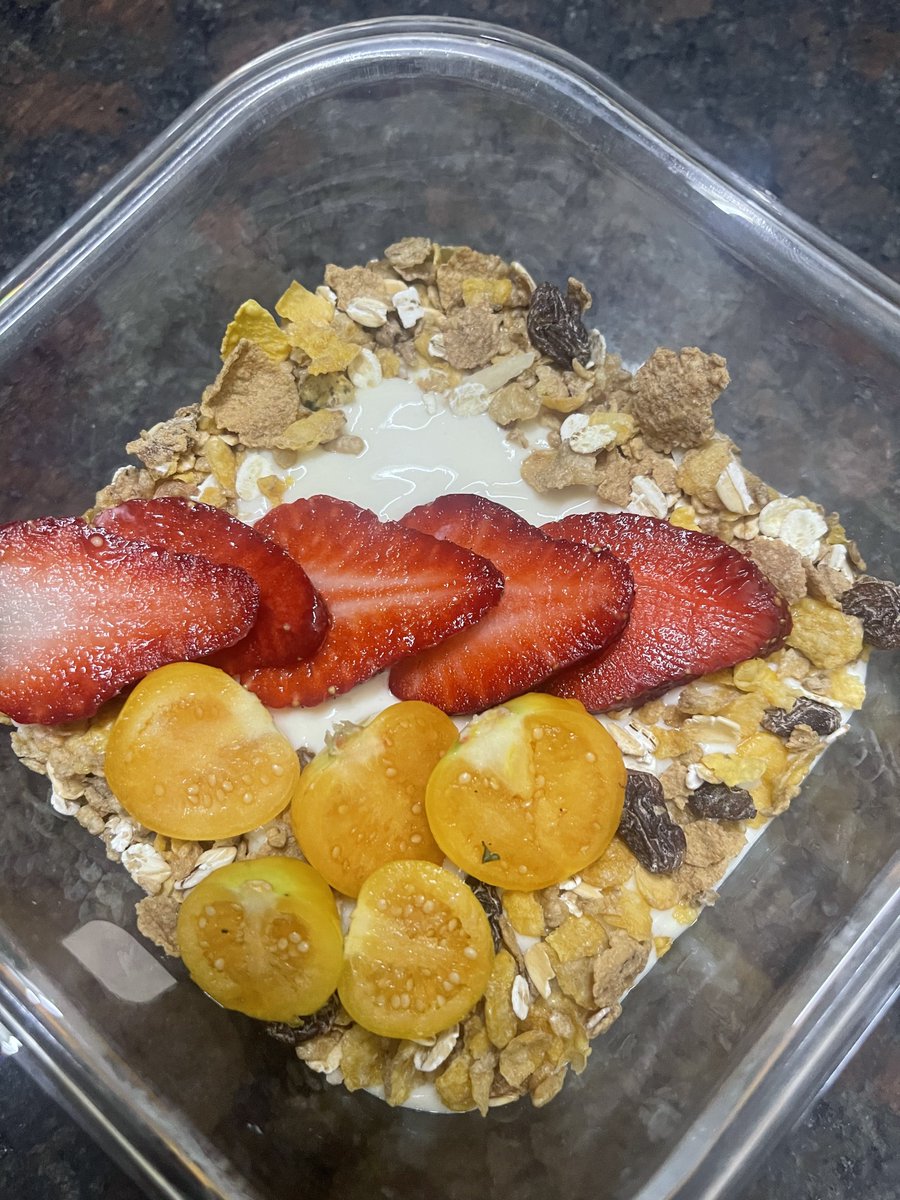
Standard yogurt is okay, but better choose a high protein version like skyr. It’s naturally thick, low-fat, and aggressively high in protein.
- dump a cup in a bowl
- stir in a scoop of whey
- top with mixed berries (dark berries = maximum antioxidant load)
40g of protein. Done in under a minute.
Standard yogurt is okay, but better choose a high protein version like skyr. It’s naturally thick, low-fat, and aggressively high in protein.
- dump a cup in a bowl
- stir in a scoop of whey
- top with mixed berries (dark berries = maximum antioxidant load)
40g of protein. Done in under a minute.
2. Overnight Protein Oats
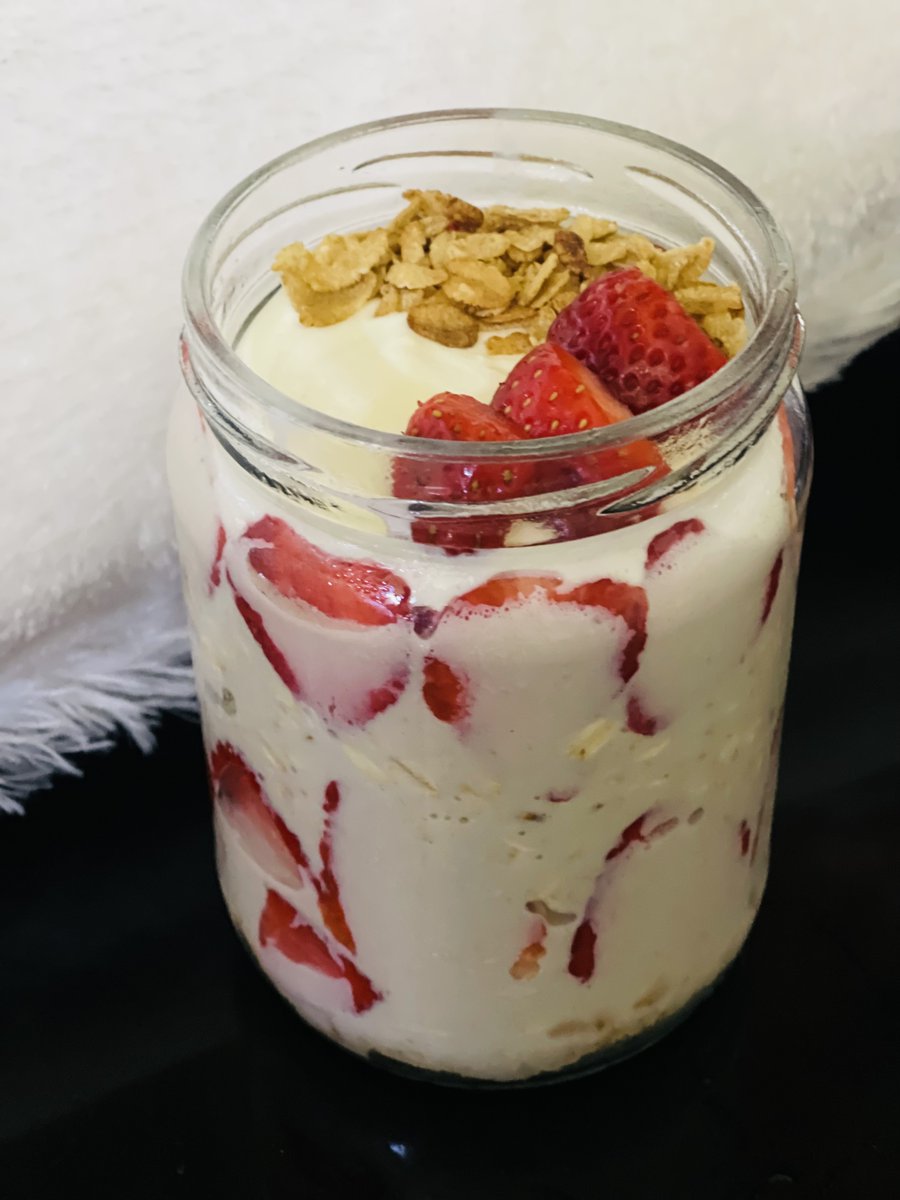
The ultimate lazy prep hack. If you have zero time in the morning, steal 3 minutes the night before.
- rolled oats
- milk of choice
- 1 scoop of whey
- fruit of your choice
Shake it up in a jar, leave it in the fridge. Complex carbs + slow-digesting protein ready to grab as you walk out the door.
The ultimate lazy prep hack. If you have zero time in the morning, steal 3 minutes the night before.
- rolled oats
- milk of choice
- 1 scoop of whey
- fruit of your choice
Shake it up in a jar, leave it in the fridge. Complex carbs + slow-digesting protein ready to grab as you walk out the door.
3. Chia Seed Protein Pudding
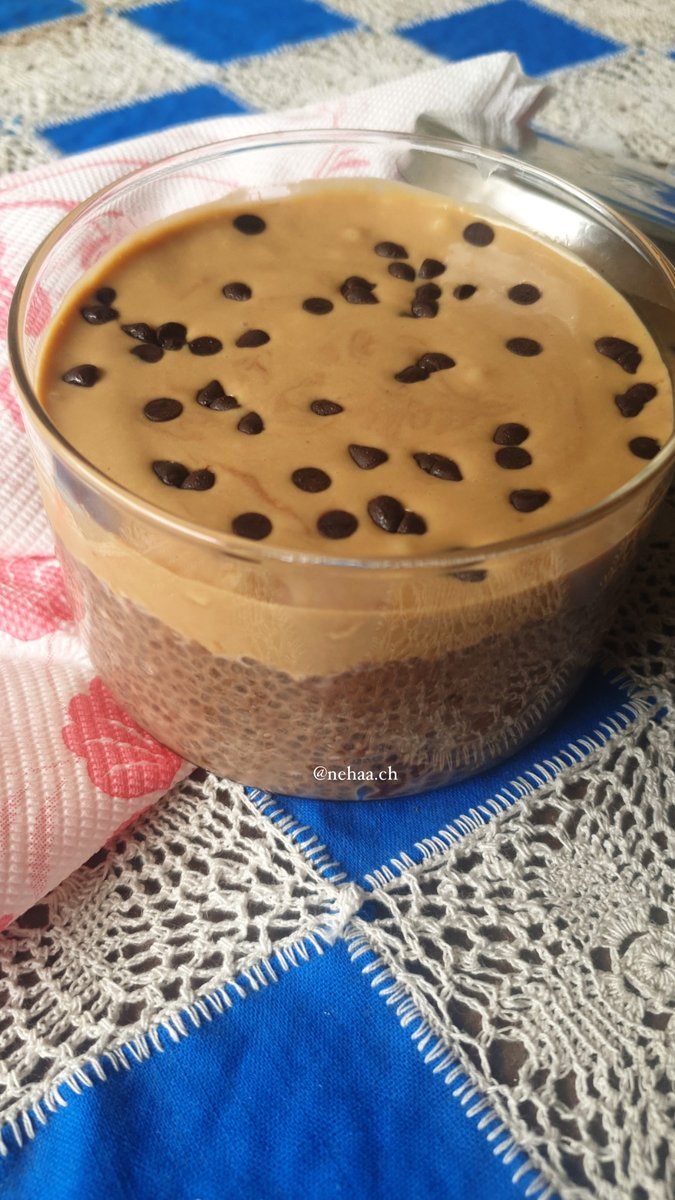
Most people severely undereat fiber. This fixes that.
Mix chia seeds with milk and protein powder, then let it sit overnight. The seeds expand and turn into a thick pudding.
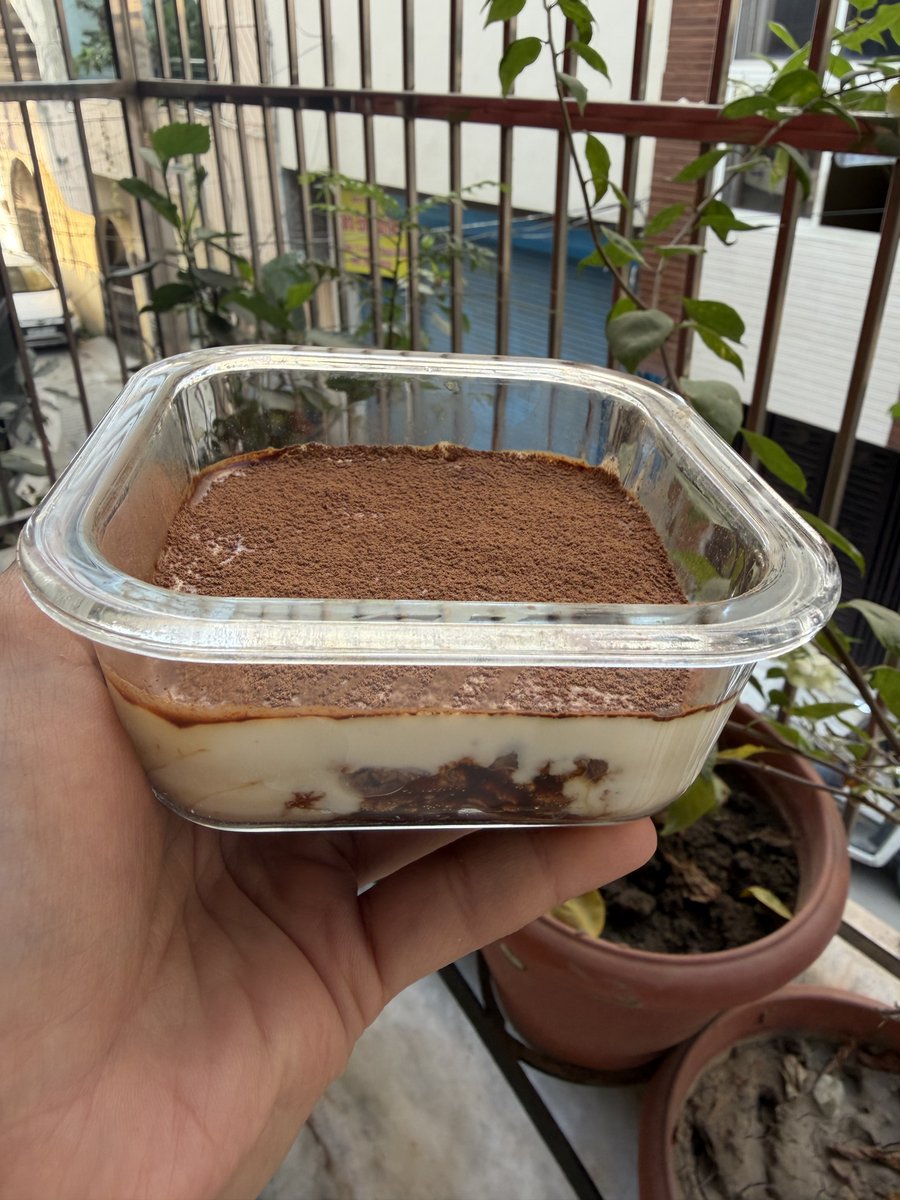
Experiment with flavours. That's coffee-cocoa in the picture.
Phenomenal for gut health and keeps you full for hours. Zero mid-morning energy crashes.
Most people severely undereat fiber. This fixes that.
Mix chia seeds with milk and protein powder, then let it sit overnight. The seeds expand and turn into a thick pudding.
Experiment with flavours. That's coffee-cocoa in the picture.
Phenomenal for gut health and keeps you full for hours. Zero mid-morning energy crashes.
4. Anabolic French Toast
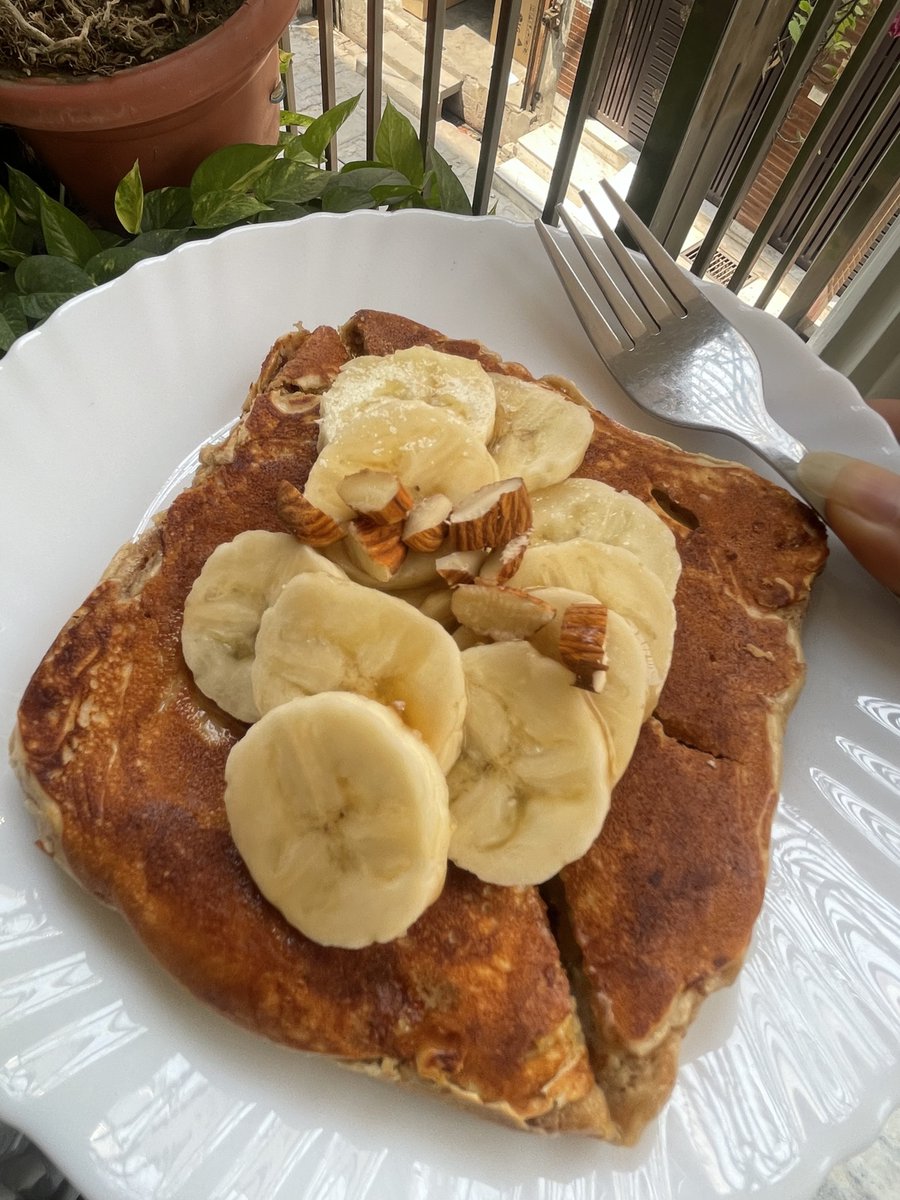
For the mornings you have exactly 5 minutes.
Whisk together:
- 1 egg + a splash of milk
- whey protein
- cinnamon & vanilla extract
Dip your bread, pan-fry it, and drown it in sugar-free syrup. Tastes like an indulgent sunday brunch, carries the macros of a chicken breast.
For the mornings you have exactly 5 minutes.
Whisk together:
- 1 egg + a splash of milk
- whey protein
- cinnamon & vanilla extract
Dip your bread, pan-fry it, and drown it in sugar-free syrup. Tastes like an indulgent sunday brunch, carries the macros of a chicken breast.
5. Fake-Out Protein Tiramisu
This sounds ridiculous but it works perfectly.
- soak a plain rice cake in black coffee (or sugar-free coffee syrup)
- mix vanilla whey into a serving of Greek yogurt
- layer the yogurt over the soaked rice cake
- dust heavily with cocoa powder
Actual dessert flavors that fuel recovery.
This sounds ridiculous but it works perfectly.
- soak a plain rice cake in black coffee (or sugar-free coffee syrup)
- mix vanilla whey into a serving of Greek yogurt
- layer the yogurt over the soaked rice cake
- dust heavily with cocoa powder
Actual dessert flavors that fuel recovery.
6. The Anabolic Pancake
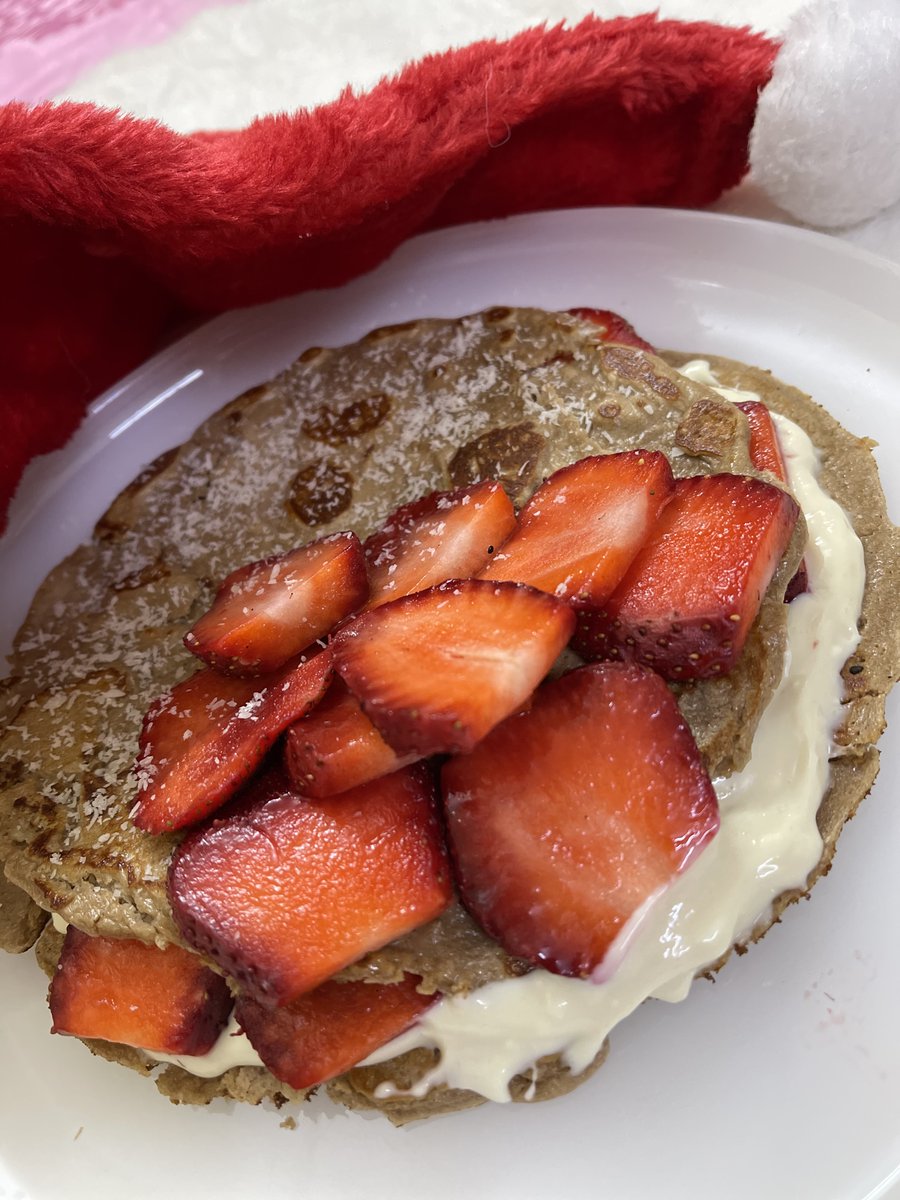
Ditch the boxed mix. You can build a high-protein stack in under 10 minutes.
Mix your batter:
- 30g almond flour or oats flour
- 1 scoop whey + 1 egg
- splash of almond milk & a pinch of baking powder
Pan-fry on low heat, stack them high, and top with berries or peanut butter. Massive protein, zero sugar crash.
Ditch the boxed mix. You can build a high-protein stack in under 10 minutes.
Mix your batter:
- 30g almond flour or oats flour
- 1 scoop whey + 1 egg
- splash of almond milk & a pinch of baking powder
Pan-fry on low heat, stack them high, and top with berries or peanut butter. Massive protein, zero sugar crash.

• • •
Missing some Tweet in this thread? You can try to
force a refresh