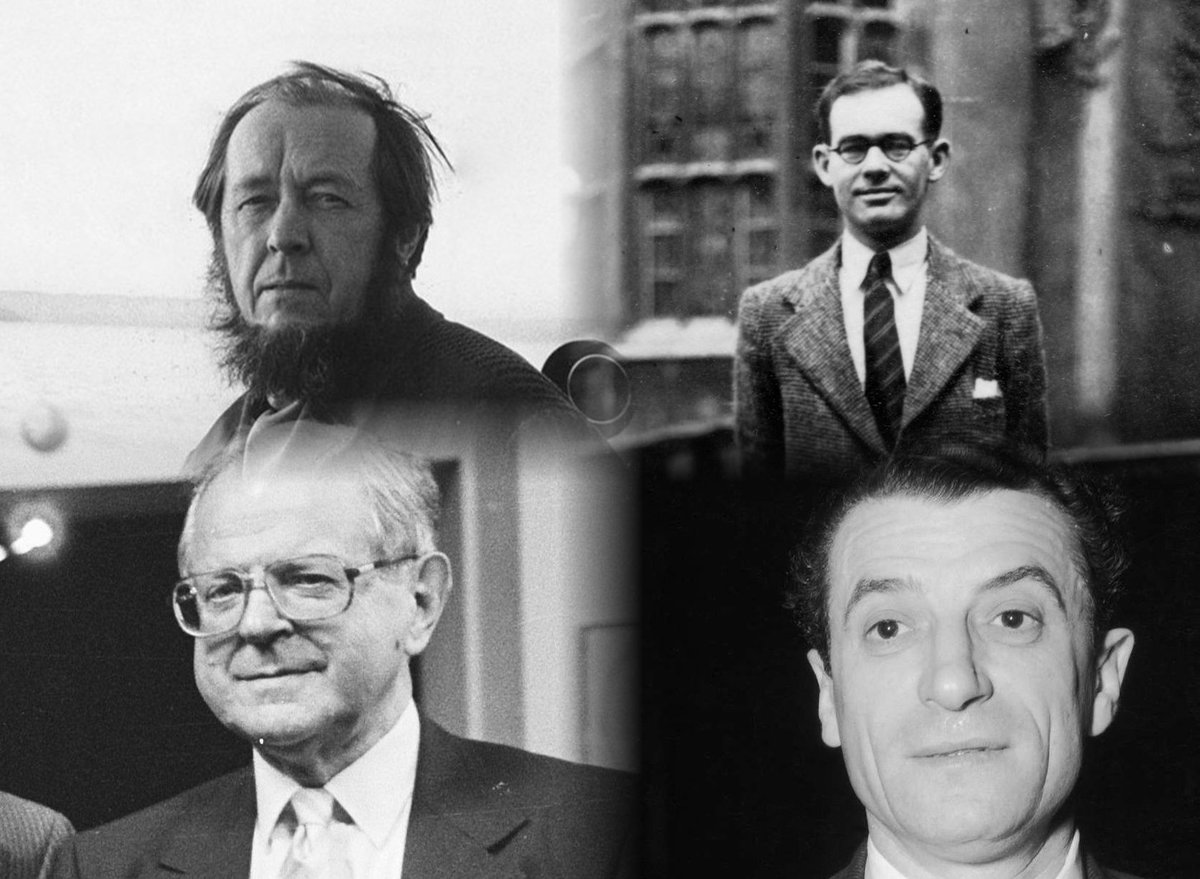
A Soviet Prisoner Invented a 10-Second Test for Freedom
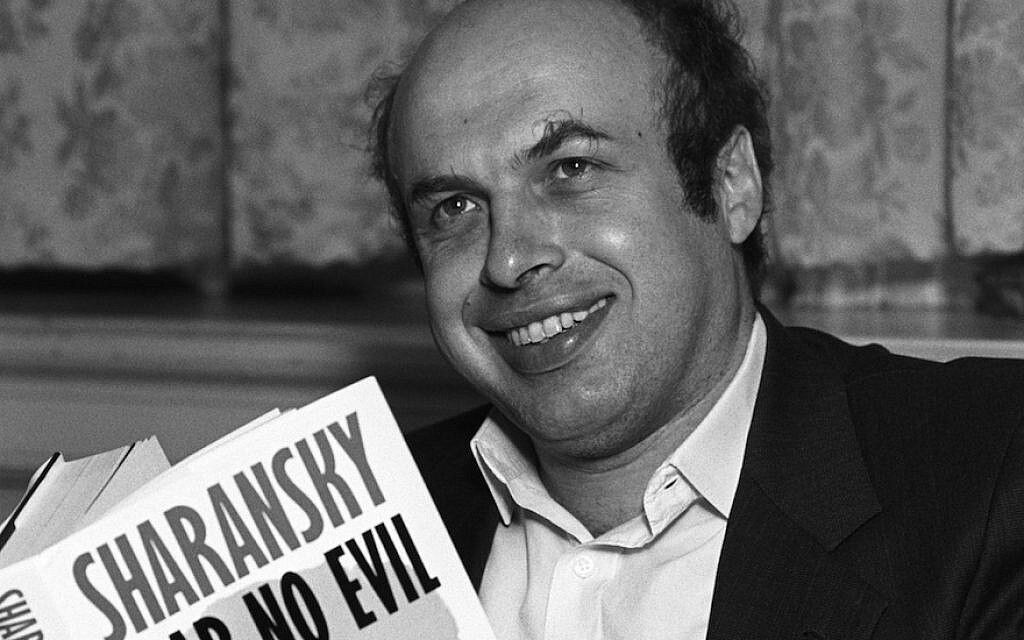
Natan Sharansky spent 9 years in a Gulag. When he got out, he had one question for every society he visited.
It takes 10 seconds to answer. And most Americans have never heard it.
Natan Sharansky spent 9 years in a Gulag. When he got out, he had one question for every society he visited.
It takes 10 seconds to answer. And most Americans have never heard it.
The Town Square Test
Can you walk into the center of your city, say what you actually believe, and go home safely?
That's it. That's the whole test.
Sharansky called societies that pass it "free societies." He called those that fail it "fear societies."
Simple. Precise. Devastating in its implications.
Can you walk into the center of your city, say what you actually believe, and go home safely?
That's it. That's the whole test.
Sharansky called societies that pass it "free societies." He called those that fail it "fear societies."
Simple. Precise. Devastating in its implications.

But the Test Reveals Something Else Too
Sharansky designed it for authoritarian regimes. The answer there is obvious.
The uncomfortable question is what happens when you run it on a society that is technically free.
Because some people in free countries are starting to hesitate before they answer.
Sharansky designed it for authoritarian regimes. The answer there is obvious.
The uncomfortable question is what happens when you run it on a society that is technically free.
Because some people in free countries are starting to hesitate before they answer.
You will probably not get arrested for your opinion in most Western societies,. The law is usually on your side.
But you might lose your job, your reputation, your friendships.
So people calculate, self-edit, and perform agreement they don't feel.
But you might lose your job, your reputation, your friendships.
So people calculate, self-edit, and perform agreement they don't feel.

The Square Is Technically Open
Unless you're a speaker who was silenced or physically removed from campus, which has happened hundreds of times across the US, UK, Canada, Brazil and Australia in the last decade.
The result? Fewer and fewer people walk into it.
Unless you're a speaker who was silenced or physically removed from campus, which has happened hundreds of times across the US, UK, Canada, Brazil and Australia in the last decade.
The result? Fewer and fewer people walk into it.
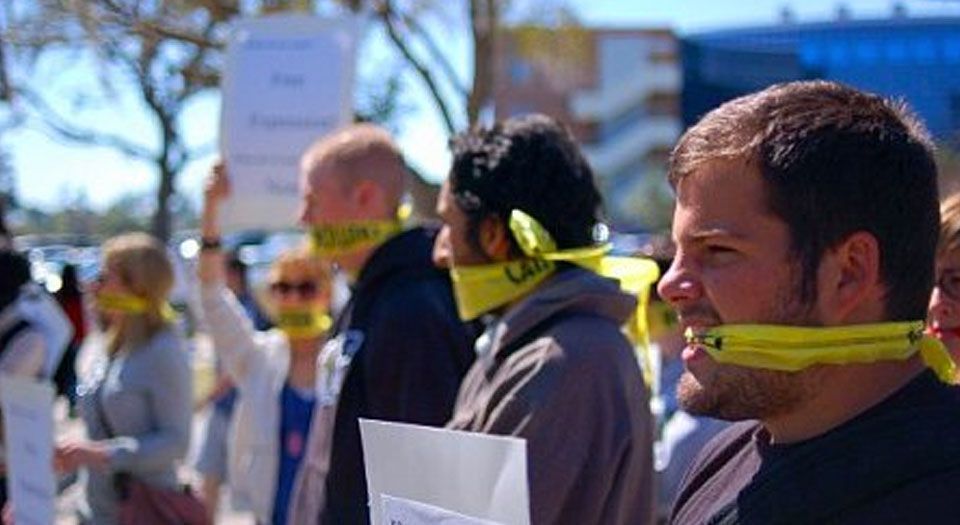
A fear society is easy to identify. You can point to the prisons, the trials, the disappeared.
A society drifting toward self-censorship looks fine from the outside.
Elections happen, newspapers publish, and people speak freely about everything except the things that matter most.
The cage runs on reputation, not iron bars. And social cages are harder to see. Both of those things are harder to fix than a law you can point to.
A society drifting toward self-censorship looks fine from the outside.
Elections happen, newspapers publish, and people speak freely about everything except the things that matter most.
The cage runs on reputation, not iron bars. And social cages are harder to see. Both of those things are harder to fix than a law you can point to.

The First Amendment Wasn't Written for Popular Speech
Popular speech doesn't need protection. Nobody goes to prison for agreeing with the king.
The Founders had watched governments and mobs silence dissent. They'd lived under a crown that punished criticism.
So they protected the speech that makes people uncomfortable, because that's the only kind that ever needs protecting.
Popular speech doesn't need protection. Nobody goes to prison for agreeing with the king.
The Founders had watched governments and mobs silence dissent. They'd lived under a crown that punished criticism.
So they protected the speech that makes people uncomfortable, because that's the only kind that ever needs protecting.
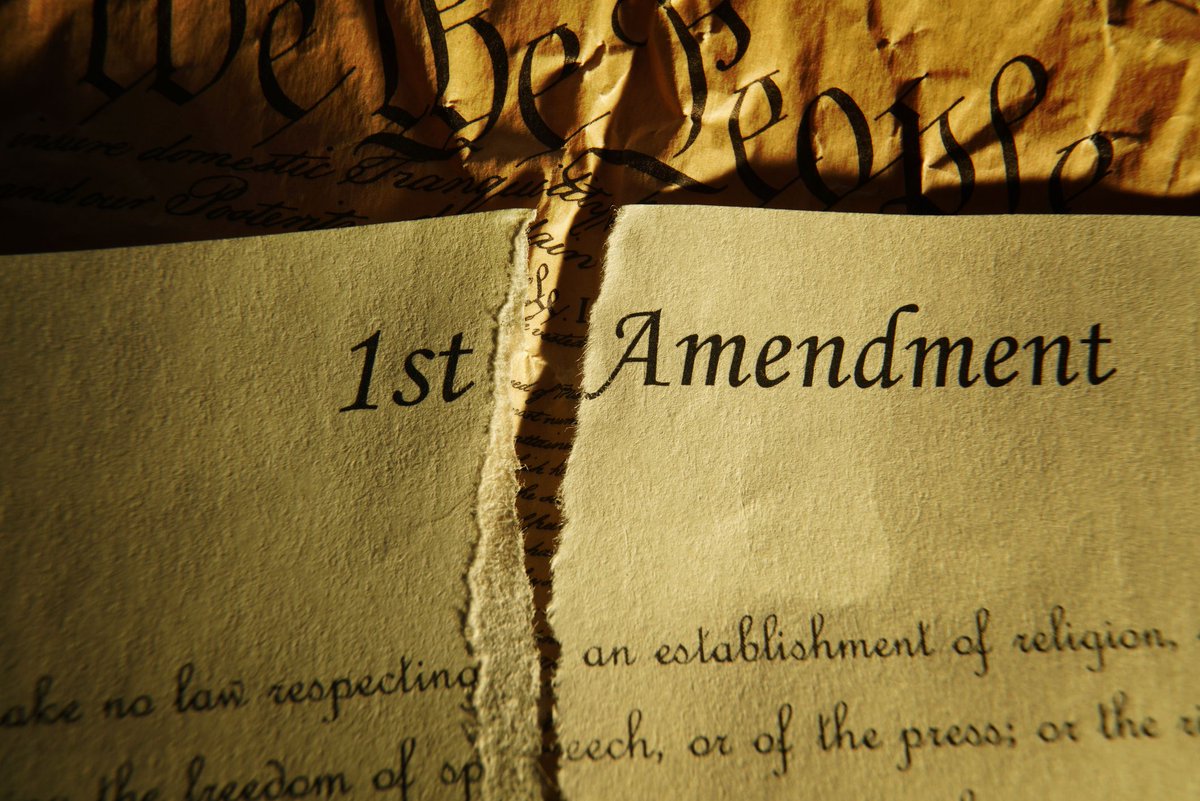
Madison and Jefferson built the system to run on disagreement.
The Constitution pits branches against branches, interests against interests, ideas against ideas.
The system only works if people argue loudly, persistently, and without asking permission.
A society where everyone agrees isn't free. It's either uniform or dishonest.
The Founders assumed it would be neither.
The Constitution pits branches against branches, interests against interests, ideas against ideas.
The system only works if people argue loudly, persistently, and without asking permission.
A society where everyone agrees isn't free. It's either uniform or dishonest.
The Founders assumed it would be neither.
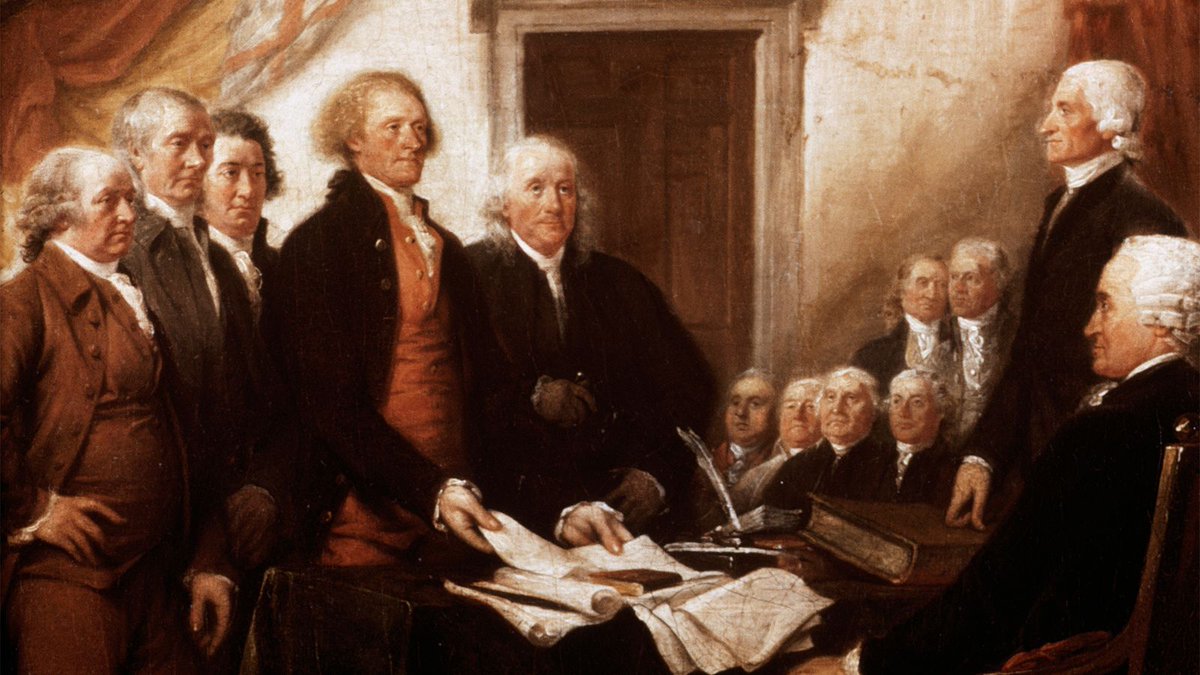
Read the Federalist Papers. These men did not expect harmony.
They expected faction, ambition, and relentless debate. They structured the government to survive it.
James Madison wrote in Federalist No. 51: "Ambition must be made to counteract ambition."
A free society is contentious by design. The noise proves the system is working.
They expected faction, ambition, and relentless debate. They structured the government to survive it.
James Madison wrote in Federalist No. 51: "Ambition must be made to counteract ambition."
A free society is contentious by design. The noise proves the system is working.
The Founders Would Recognize This Drift Immediately
They'd look at a country where people quietly edit their own speech before posting, where professors choose their words based on who might complain, where politicians say one thing privately and another publicly.
Sharansky built his test to measure tyrannies. Free societies aren't supposed to need it. But some are starting to.
They'd look at a country where people quietly edit their own speech before posting, where professors choose their words based on who might complain, where politicians say one thing privately and another publicly.
Sharansky built his test to measure tyrannies. Free societies aren't supposed to need it. But some are starting to.
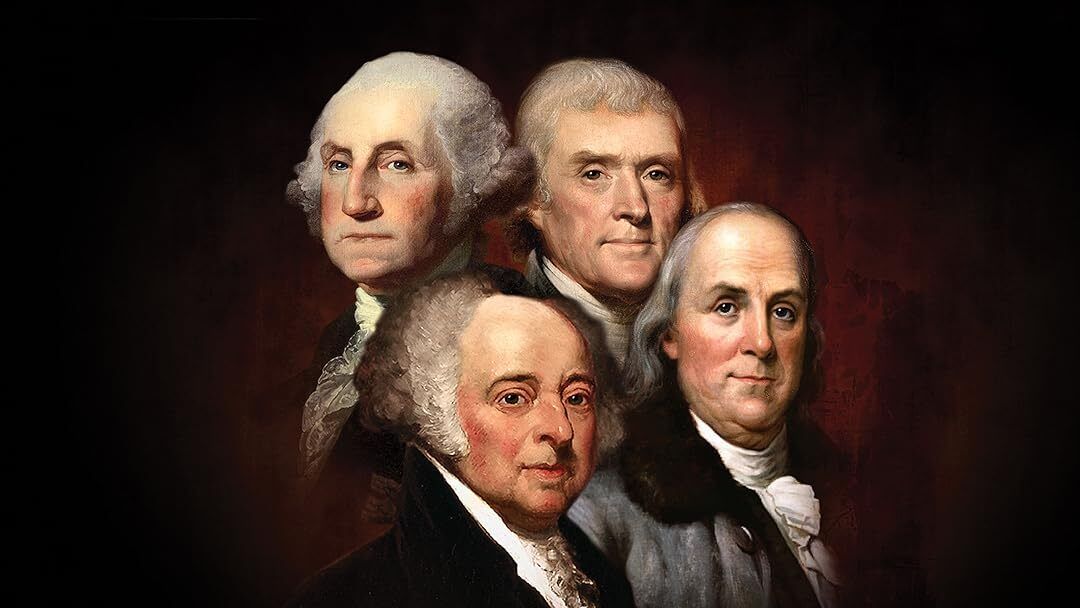
Here's the honest version of his question, applied to you:
What's the opinion you've decided isn't worth the cost of saying out loud?
If you had to think for more than a second, you already know your answer to the Town Square Test.
What's the opinion you've decided isn't worth the cost of saying out loud?
If you had to think for more than a second, you already know your answer to the Town Square Test.

• • •
Missing some Tweet in this thread? You can try to
force a refresh