A man who spent less than a year in America understood it better than most people born here.
He wrote down how it could slowly fall apart.
We may be watching it unfold right now. 🧵
He wrote down how it could slowly fall apart.
We may be watching it unfold right now. 🧵
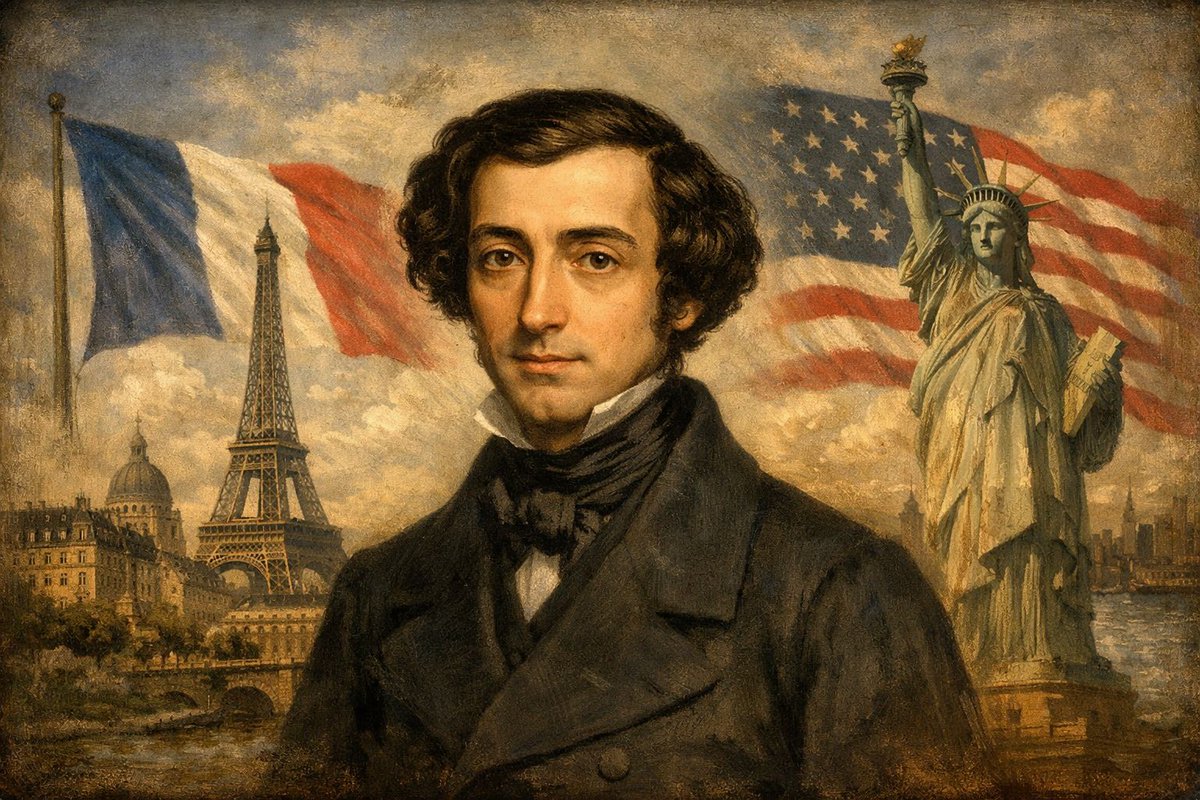
In 1831, a 25-year-old Frenchman came to America not to flatter it or indict it, but because a functioning self-governing republic was almost unprecedented in human history.
He wanted to understand how it actually worked.
He wanted to understand how it actually worked.
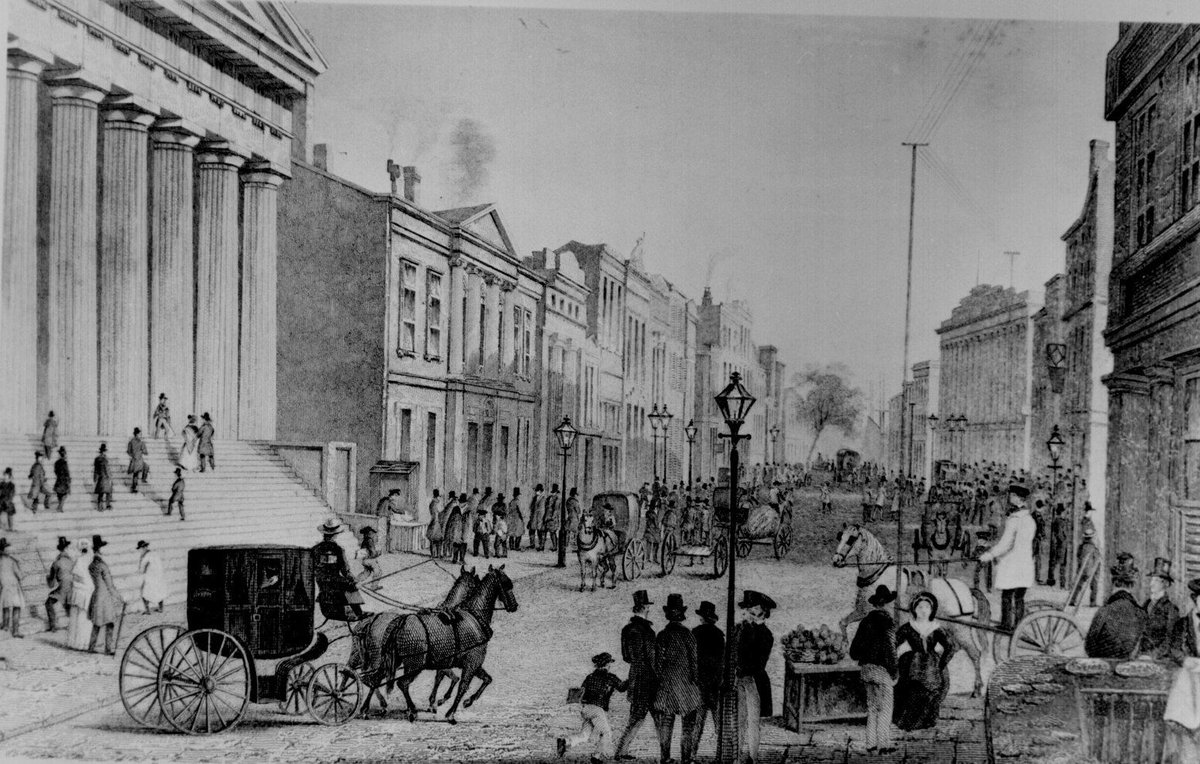
Alexis de Tocqueville didn't find America's strength in its constitution, its geography, or its natural resources.
He found it in something harder to see: citizens solving problems without being told to, governing themselves at the local level, forming associations for every conceivable purpose. Not because the law required it. Because they had the character and the habit.
He called it "the art of association." And in understanding it, he saw exactly how it could be lost.
He found it in something harder to see: citizens solving problems without being told to, governing themselves at the local level, forming associations for every conceivable purpose. Not because the law required it. Because they had the character and the habit.
He called it "the art of association." And in understanding it, he saw exactly how it could be lost.
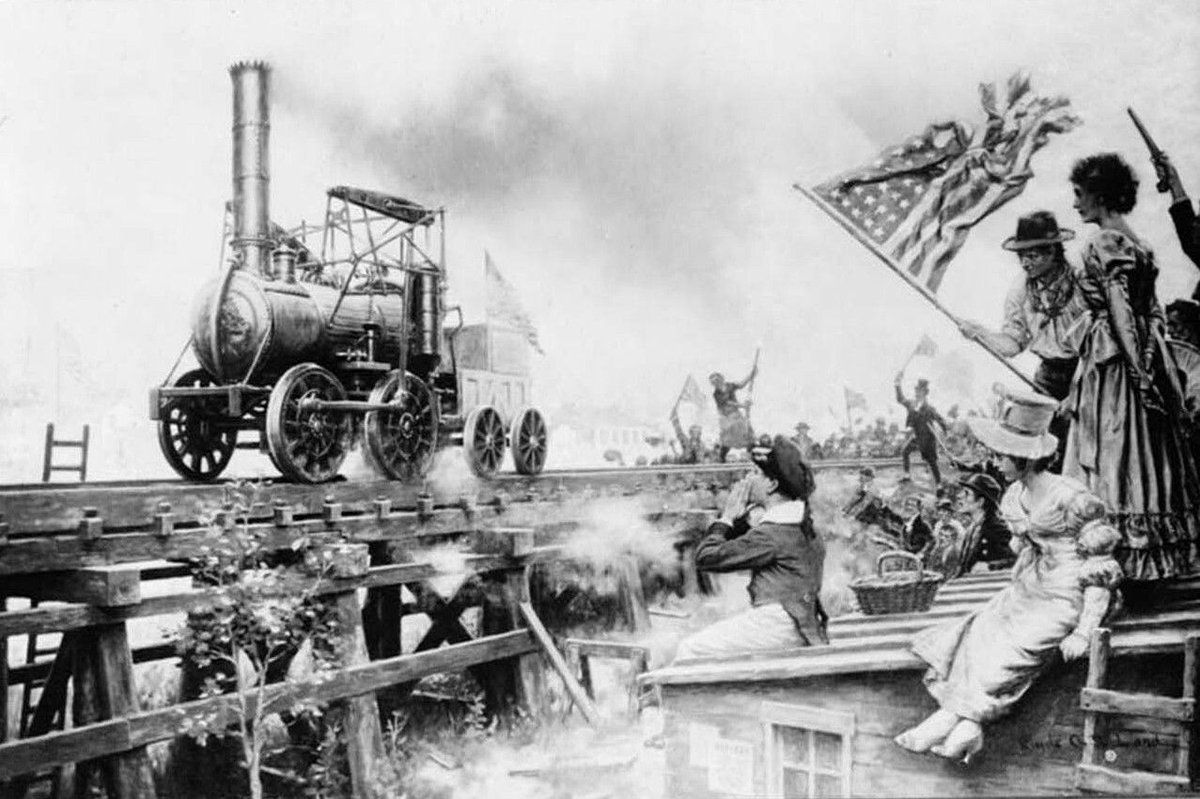
His first warning: soft despotism.
Not the kind with tyrants and chains. The kind that arrives through provision and comfort, until citizens become incapable of doing without it.
No coercion required. The people vote for it. They ask for it. They trade one piece of self-reliance at a time for one piece of security at a time, until the trade becomes the condition of life.
Not the kind with tyrants and chains. The kind that arrives through provision and comfort, until citizens become incapable of doing without it.
No coercion required. The people vote for it. They ask for it. They trade one piece of self-reliance at a time for one piece of security at a time, until the trade becomes the condition of life.
Tocqueville described the end state precisely: a government that "covers the surface of society with a network of small, complicated rules, minute and uniform, through which the most original minds and the most energetic characters cannot penetrate."
His word for what citizens become: infants. A government that keeps its people in perpetual childhood by providing for their every need and directing their every action, eventually relieving them of "the trouble of thinking and the difficulty of living."
His word for what citizens become: infants. A government that keeps its people in perpetual childhood by providing for their every need and directing their every action, eventually relieving them of "the trouble of thinking and the difficulty of living."
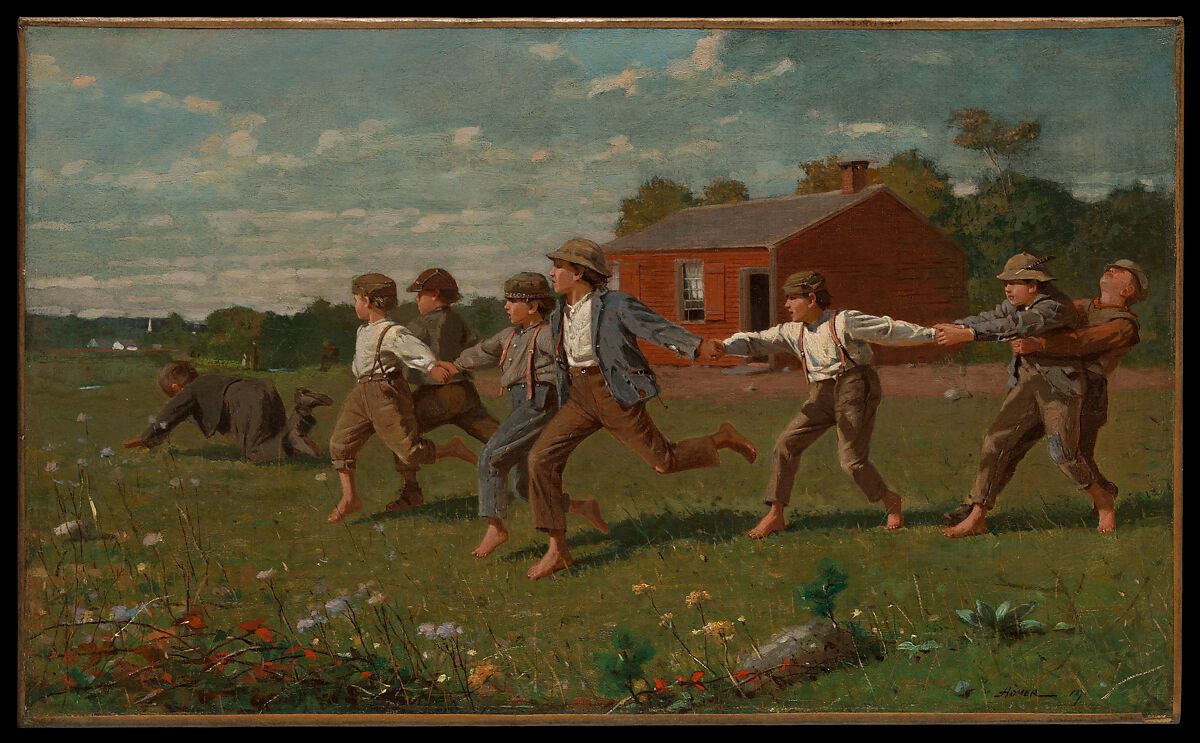
His second warning: tyranny of the majority, which he considered more dangerous than the tyranny of a king.
The tyranny of a king reaches your body. The tyranny of the majority reaches your mind, and it does this before anyone has to ask.
When conformity is the price of belonging, people stop expressing what they actually believe before anyone tells them to. The dissenter doesn't go to prison. He gets isolated, mocked, and professionally ruined. Tocqueville saw this as the more durable form of control, because it requires no enforcement. Citizens enforce it on each other.
The tyranny of a king reaches your body. The tyranny of the majority reaches your mind, and it does this before anyone has to ask.
When conformity is the price of belonging, people stop expressing what they actually believe before anyone tells them to. The dissenter doesn't go to prison. He gets isolated, mocked, and professionally ruined. Tocqueville saw this as the more durable form of control, because it requires no enforcement. Citizens enforce it on each other.
His third warning: the state replacing community.
In 1831, Americans formed associations for everything. Churches, civic clubs, mutual aid societies, fire brigades, libraries. When a problem appeared, citizens organized. They didn't wait for permission or funding.
Once citizens stop associating voluntarily, they look upward to the state. The state grows to fill the gap. The civic capacity that made self-government possible quietly disappears through dependence.
In 1831, Americans formed associations for everything. Churches, civic clubs, mutual aid societies, fire brigades, libraries. When a problem appeared, citizens organized. They didn't wait for permission or funding.
Once citizens stop associating voluntarily, they look upward to the state. The state grows to fill the gap. The civic capacity that made self-government possible quietly disappears through dependence.

His fourth warning was the strangest: individualism itself.
Not the active kind Tocqueville admired, where a person builds something, governs something, takes responsibility for something beyond their own comfort. What he feared was withdrawal. Citizens retreating into private life, cutting ties with community, leaving public affairs to whoever showed up.
Each person enclosed in his own small circle, indifferent to the society around him. The republic he admired required citizens who showed up. His fourth warning was that they would stop.
Not the active kind Tocqueville admired, where a person builds something, governs something, takes responsibility for something beyond their own comfort. What he feared was withdrawal. Citizens retreating into private life, cutting ties with community, leaving public affairs to whoever showed up.
Each person enclosed in his own small circle, indifferent to the society around him. The republic he admired required citizens who showed up. His fourth warning was that they would stop.
Two centuries later, here's where those warnings show up:
Entitlement programs expanding every decade, producing citizens more comfortable and less self-reliant with each generation. Social and professional consequences for heterodox opinion so predictable that most people self-censor before anyone asks them to.
Church membership, civic organizations, and community participation at historic lows. The state has grown into every gap that voluntary association once filled.
The highest recorded rates of social isolation in American history, paired with the lowest rates of civic participation.
Tocqueville didn't predict this. He described the mechanism. The outcome was always going to follow.
Entitlement programs expanding every decade, producing citizens more comfortable and less self-reliant with each generation. Social and professional consequences for heterodox opinion so predictable that most people self-censor before anyone asks them to.
Church membership, civic organizations, and community participation at historic lows. The state has grown into every gap that voluntary association once filled.
The highest recorded rates of social isolation in American history, paired with the lowest rates of civic participation.
Tocqueville didn't predict this. He described the mechanism. The outcome was always going to follow.
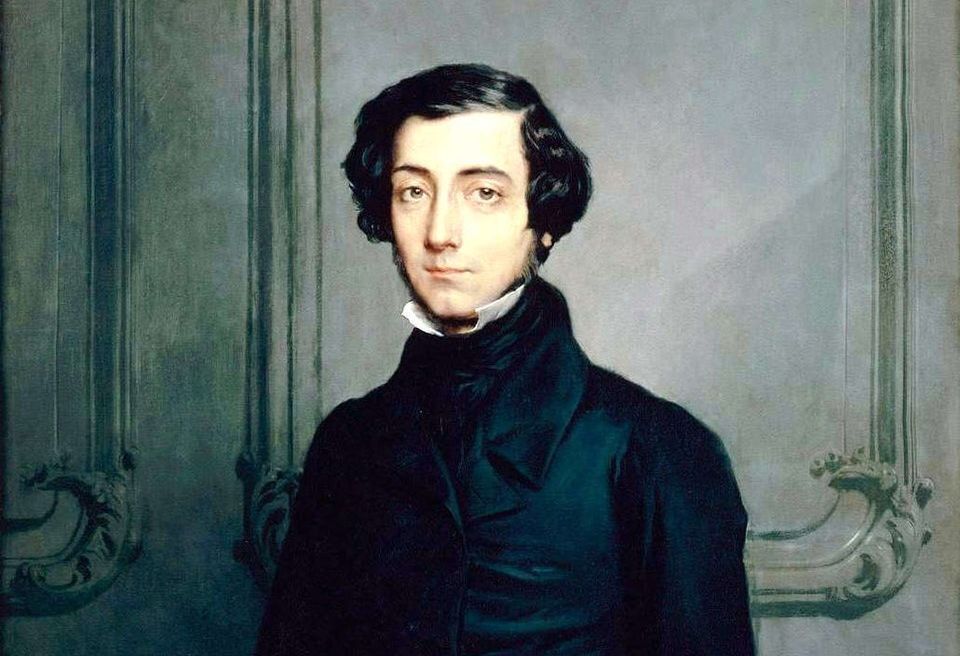
His four warnings weren't a prediction of inevitable collapse. They were a description of what could destroy something rare: a republic built on the character of its citizens, not the machinery of its government.
His prescription was the same thing he observed working in 1831.
Individuals with character, taking responsibility, forming communities voluntarily, showing up to local governance, building mutual aid instead of petitioning for programs, engaging public life instead of retreating from it.
Self-government was a practice. Something that had to be exercised to remain real.
He saw the original design in 1831 and wrote the book as a warning to every generation that would inherit what they hadn't built.
The question he left open: would each generation choose to deserve it?
His prescription was the same thing he observed working in 1831.
Individuals with character, taking responsibility, forming communities voluntarily, showing up to local governance, building mutual aid instead of petitioning for programs, engaging public life instead of retreating from it.
Self-government was a practice. Something that had to be exercised to remain real.
He saw the original design in 1831 and wrote the book as a warning to every generation that would inherit what they hadn't built.
The question he left open: would each generation choose to deserve it?
• • •
Missing some Tweet in this thread? You can try to
force a refresh