"I had constantly bleeding colitis for more than a year, and when I took about 20 to 30 mg of lidocaine (in a 2% solution meant for oral, dental use) the symptoms stopped and haven’t returned in more than 30 years." - Ray Peat
Thread on the research👇
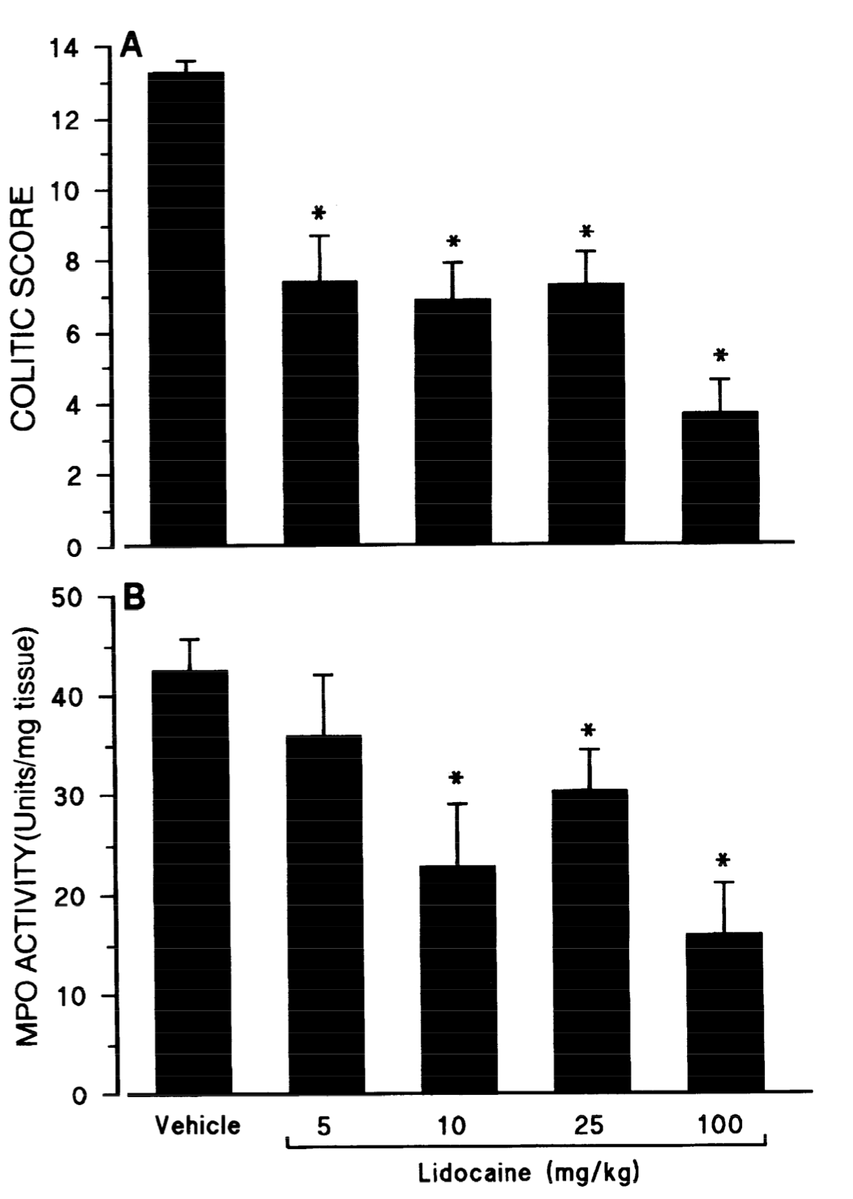
"Rats were given lidocaine intrarectally 30 min before TNBS administration."
TNBS induces colitis by triggering immune response and gut inflammation.
"Lidocaine dose dependently reduced the severity of colitis and the infiltration of granulocytes at 24 h and 7 days post-TNBS."
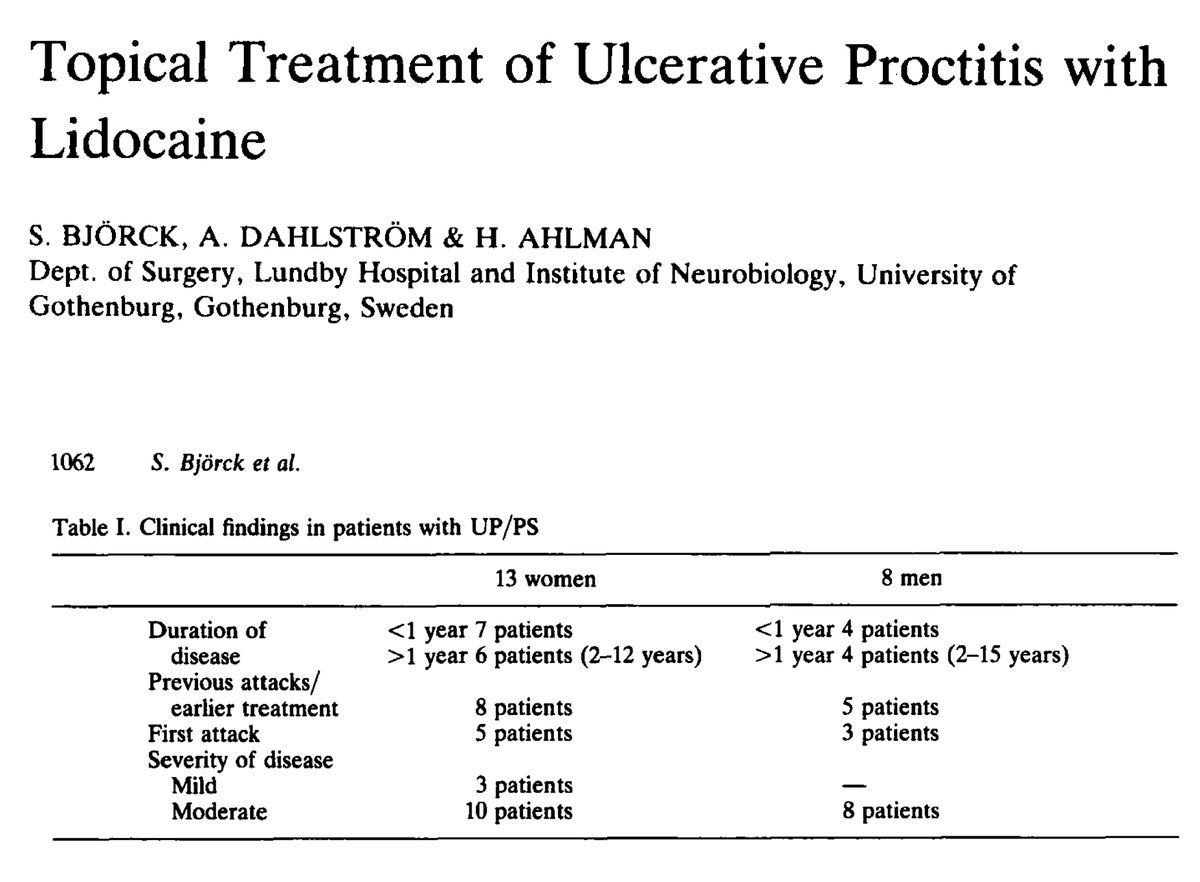
"Treatment with lidocaine gel in 21 consecutive patients with ulcerative proctitis/proctosigmoiditis for 3-8 weeks caused a rapid decrease of subjective and objective symptoms. Mucosal integrity was restored, accompanied by depletion of OKT4/8 lymphocytes from the mucosa."
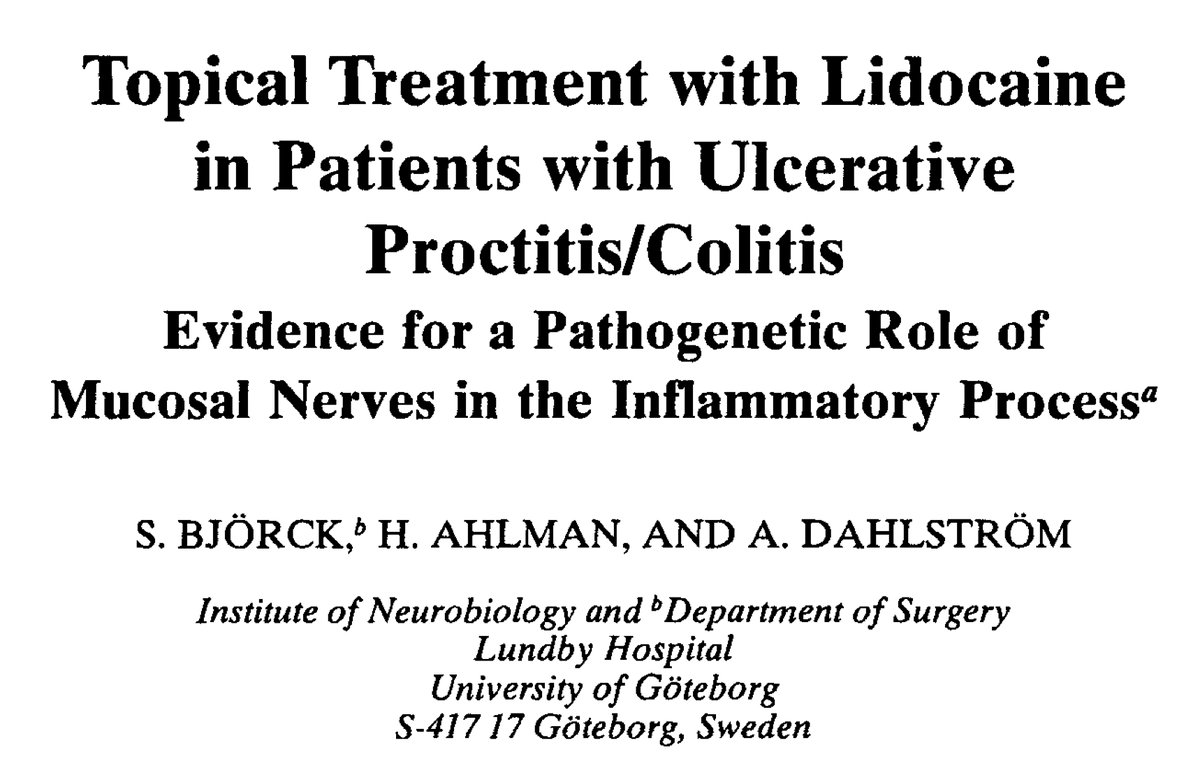
"52 patients with ulcerative proctitis or left-sided ulcerative colitis were studied."
"The patients instilled a lidocaine (2 %) gel (400 mg × 2) during 4 to 8 wk. Rectal biopsies were taken before and every 2 to 3 wk after onset of treatment."
“During continuous treatment all patients normalized their bowel function.
Topical treatment of the rectal mucosa with lidocaine in patients with UC/UP resulted in rapid symptomatic relief, restored mucosal integrity, and caused extravasal lymphocytes to disappear.”
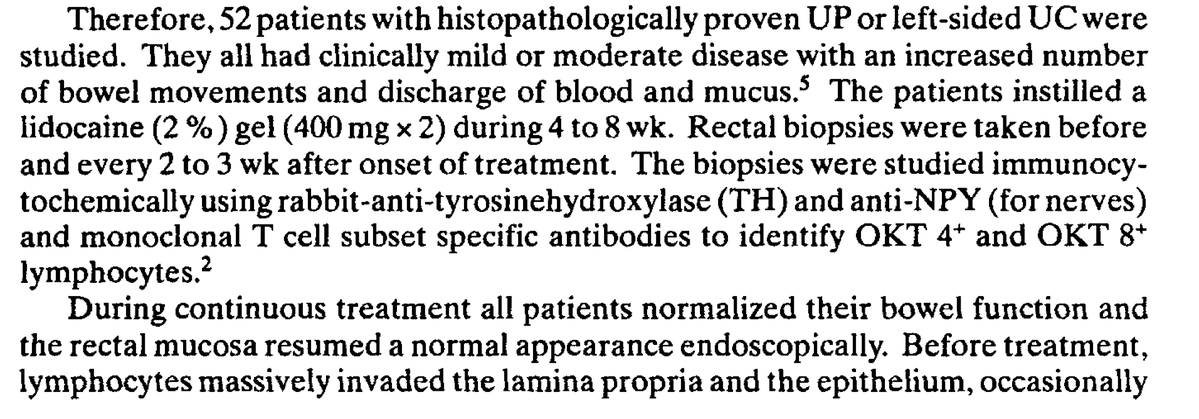
“A new paradigm for the treatment of ulcerative colitis has recently been presented: Treatment of the mucosa with lidocaine (2%) enemas for prolonged periods.”
“One hundred consecutive patients have now been treated and the results presented. The proctitis patients all responded to the treatment, despite previous therapeutic failures in more than two-thirds of the cases.”
“The patients were treated until the subsets of T-lymphocytes (OKT4+ and OKT8+) disappeared from the mucosa. This occurred in parallel with symptomatic relief and eventual healing in 83% of the patients after treatment for 6-34 weeks.”
“Of the 17 patients with left-sided colitis, all went primarily into remission within 2-4 months, but 23% had a relapse (observation period 13 months). The 6 patients with total colitis had symptomatic relief and improvement of histology when treated over 3-8 months. One patient had recurrence after 12 months.”
DO NOT OVERDOSE ON LIDOCAINE
Ref:
Beneficial effects of local or systemic lidocaine in experimental colitis
Topical treatment of ulcerative proctitis with lidocaine
Topical Treatment with Lidocaine in Patients with Ulcerative Proctitis/Colitis.
Treatment of the mucosa with local anaesthetics in ulcerative colitis
• • •
Missing some Tweet in this thread? You can try to
force a refresh

Cortisol, glucagon, and adrenaline inhibit thyroid hormone conversion, reducing the amount of active thyroid hormone (T3) and increasing reverse T3, which creates a vicious cycle.
Common, often easily corrected causes of high cortisol and adrenaline:
> Lack of quality sleep
> Lack of carbohydrates
> Lack of sodium
> Lack of potassium
> Lack of magnesium
> Lack of calcium
> Fasting
> Chronic caloric restriction
> Noise pollution
> Shallow breathing
> Black coffee on an empty stomach
> Constant media/device stimulation
Other things that may help:
> Vitamin C from acerola powder
> L-Theanine
> Glycine
Iodine is essential for thyroid hormone synthesis. Deficiency can lead to low thyroid levels and may increase future thyroid issues, sometimes triggered by rapid high-dose iodine repletion.
High doses can cause hypothyroidism, hyperthyroidism, or autoimmunity in susceptible individuals. Risk factors include low iodine, low selenium, and genetics. The RDA is 150mcg; intakes above 300mcg daily may pose risks. High-dose iodine from X-ray contrast media can also trigger thyroid issues in vulnerable people.
“My recommendation is to eat to increase the metabolic rate, rather than any particular foods. Usually the increased metabolic rate, with adequate protein, causes some muscle increase, and when that happens the basic calorie requirement will increase. The increase of muscle mass should continue for several weeks, and during that time the weight might increase a little, but usually the loss of water and fat will compensate for the greater muscle mass. I have heard from several people that they think I recommend drinking whole milk, which I don't, because the amount of fat in whole milk is very likely to be fattening when a person is using it to get the needed protein and calcium. When a person wants to lose excess fat, limiting the diet to low fat milk, eggs, orange juice, and a daily carrot or two, will provide the essential nutrients without excess calories.”
“Per calorie, sugar is less fattening than starch, partly because it stimulates less insulin, and, when it's used with a good diet, because it increases the activity of thyroid hormone. There are several convenient indicators of the metabolic rate--the daily temperature cycle and pulse rate (the temperature should rise after breakfast), the amount of water lost by evaporation, and the speed of relaxation of muscles (Achilles reflex relaxation).”
“When the polyunsaturated fats in the diet are reduced, the amount of them stored in the tissues decreases for about four years, making it progressively easier to keep the metabolic rate up, and stress hormones down.”
How could carrots affect estrogen, progesterone, cortisol, fertility, cancer, and gut bacteria?
✪ “A woman at a clinic for fertility accidentally found out that giving the infertile women an antibiotic, a lot of them said their headaches were cured by taking the antibiotic. And they looked at their blood hormones and saw that where they had had previously high cortisol and estrogen and low progesterone in their blood, the antibiotic had reversed that pattern, increased their progesterone, and lowered both their estrogen and cortisol. And they figured out that the antibiotic had stopped a bacterial process that was blocking the liver's detoxifying action.
When your thyroid is low, the liver excretes estrogen into the gut, trying to get rid of it. But a low thyroid person has sluggish digestion, and that excreted estrogen is reabsorbed from the gut back into the liver and creates stress hormones and accumulated high estrogen, blocking progesterone production. And so the antibiotic was improving their intestinal health and, therefore, their hormonal health.
And I tested the idea of just eating a big carrot every day and had women with this pattern of high stress hormones, estrogen, and low progesterone. And within three days of a daily carrot salad, they had experienced the same hormonal change that taking an antibiotic did. (Add) any vinegar and basically any fairly saturated oil (like coconut oil).” Ray Peat
✪ “In women and rats, antibiotics were found to cause blood levels of estrogen and cortisol to decrease, while progesterone increased. This effect apparently resulted from the liver’s increased ability to inactivate estrogen and to maintain blood sugar when the endotoxin stress was decreased.
[Endotoxin is an inflammatory, anti-thyroid, and anti-metabolic product of some bacteria.]
Now that hog farmers’ use of antibiotics to stimulate growth has been discouraged, they have sought vegetables that have a natural antibiotic effect, reducing the formation and absorption of intestinal toxins (like endotoxin). The human diet can be similarly adjusted to minimize the production and absorption of the bacterial toxins.” — Ray Peat
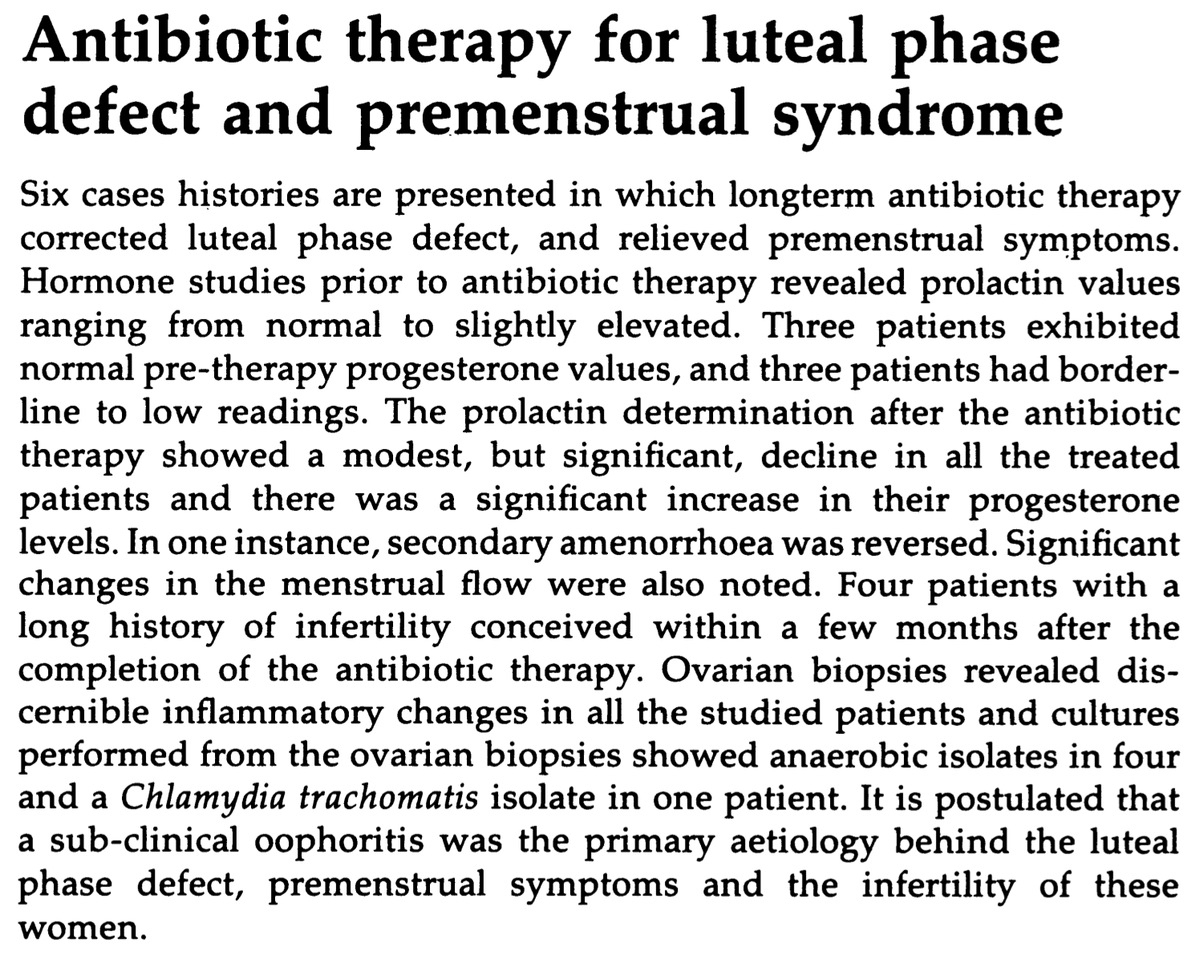
✪ “Six cases histories are presented in which longterm antibiotic therapy corrected luteal phase defect, and relieved premenstrual symptoms. Hormone studies prior to antibiotic therapy revealed prolactin values ranging from normal to slightly elevated. Three patients exhibited normal pre-therapy progesterone values, and three patients had borderline to low readings. The prolactin determination after the antibiotic therapy showed a modest, but significant, decline in all the treated patients and there was a significant increase in their progesterone levels. In one instance, secondary amenorrhoea was reversed. Significant changes in the menstrual flow were also noted. Four patients with a long history of infertility conceived within a few months after the completion of the antibiotic therapy.” [Antibiotic therapy for luteal phase defect and premenstrual syndrome] A. TOTH
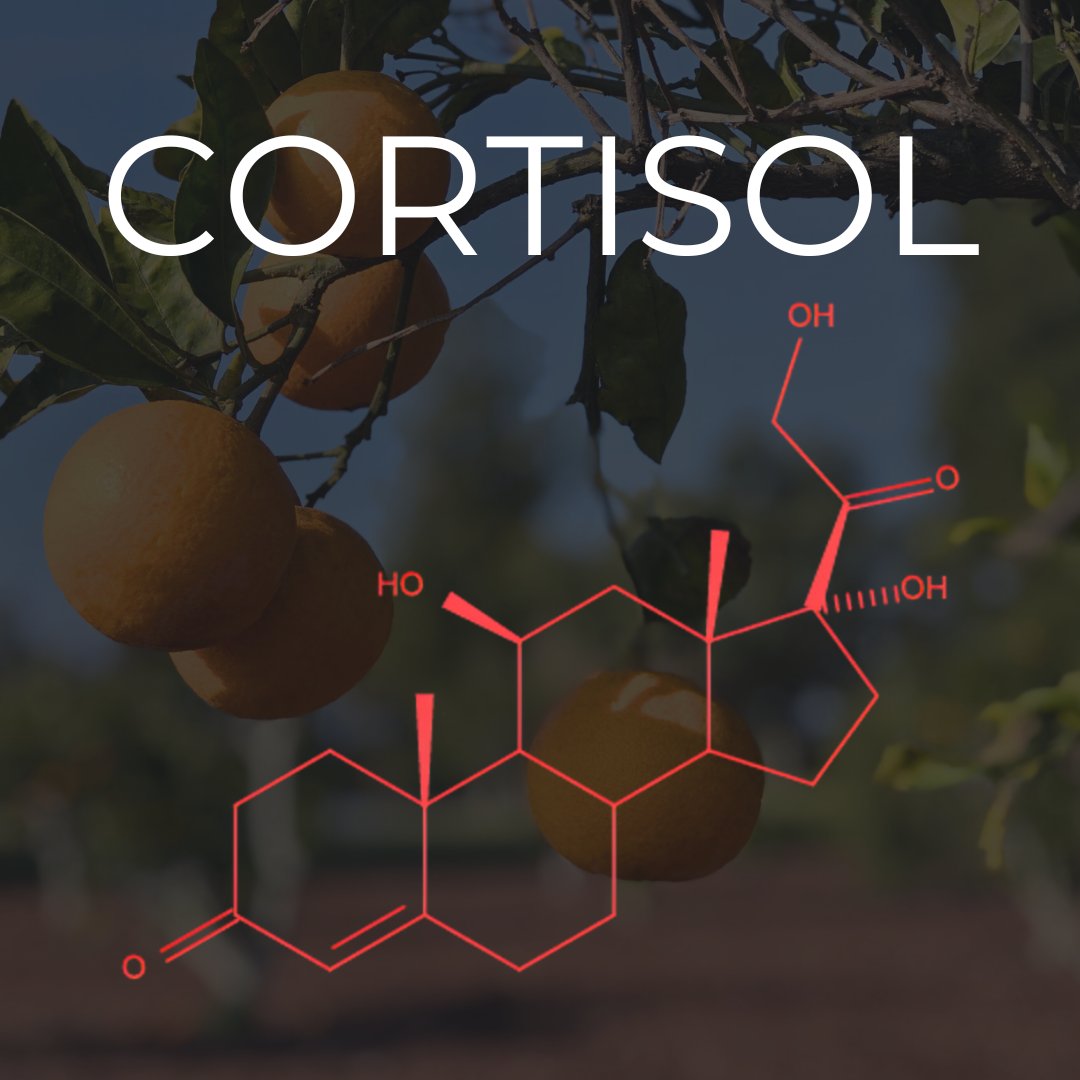
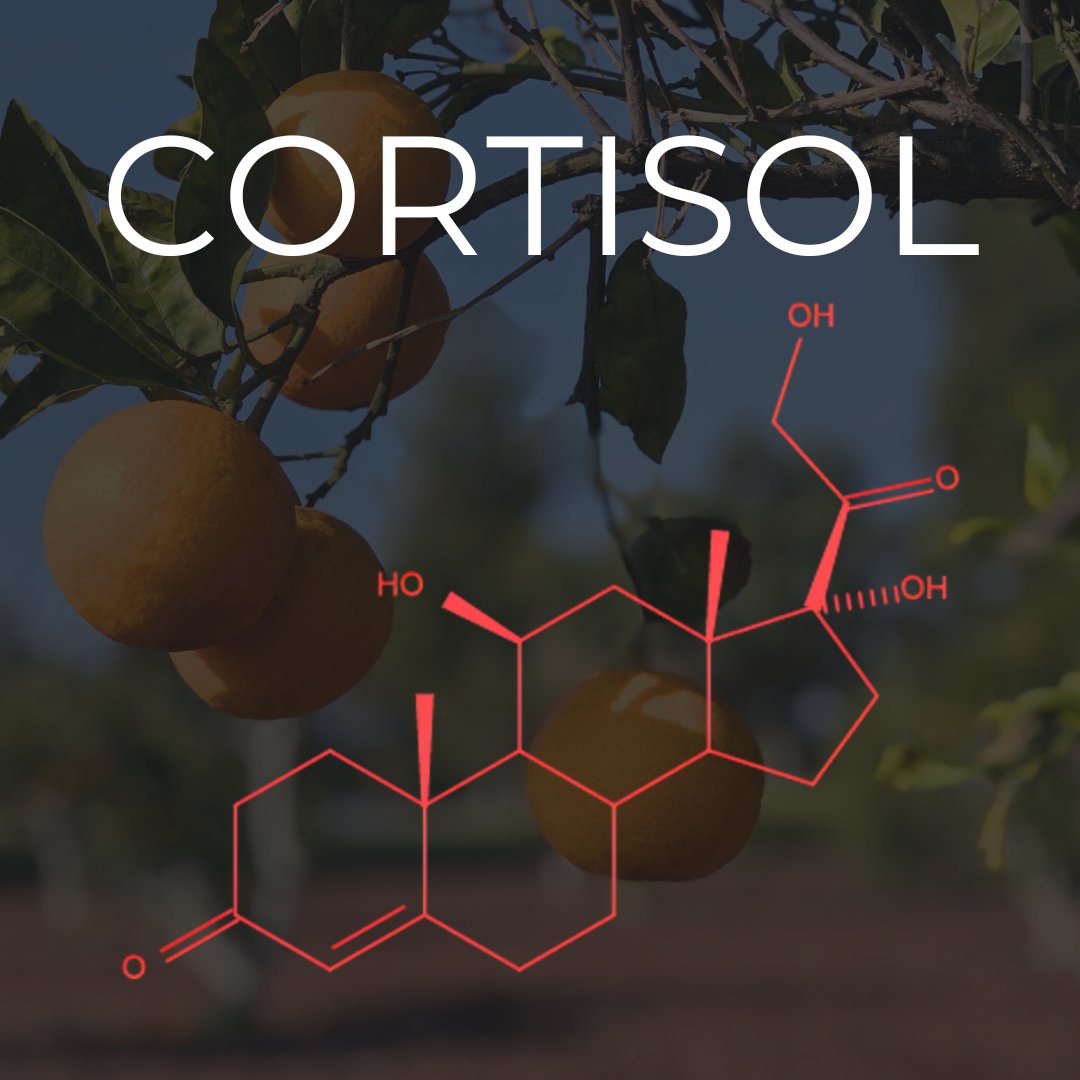
High cortisol causally increases the risk of obesity, insulin resistance, T2D, insomnia, depression, fatty liver, low thyroid hormone T3, high blood pressure. Here are some tips for keeping it under control. 🧵
☆ Vitamin C lowers stress-induced cortisol release.
(ACTH is increased in stress, and ACTH increases cortisol.)
“Ascorbic acid (vitamin C) excess following adrenal stimulation with ACTH exerts an inhibitory effect on cortisol secretion and consequently it may be of no benefit in conditions of stress.” PMID: 173480
“The study shows that female patients with functional hypercortisolemia or elevated levels of DHEA-S can be treated with vitamin C to bring level of these hormones closer to a normal range.” PMID: 38010274
I prefer vitamin C sources from foods, such as fruits, fruit juice, and acerola powder.
Parathyroid hormone (PTH) increases cortisol. Parathyroid hormone levels are elevated in low dietary calcium and low vitamin D status.
“In vitro evidence supports a stimulatory effect of PTH on cortisol secretion...” PMID: 25631825
“PTH … concentration dependently enhanced … cortisol secretion from dispersed human adrenocortical cells …” PMID: 11158922
“Treatment with PTH (1-34) increased tissue levels of … cortisol …” PMID: 39167533
High cortisol causally increases the risk of obesity, insulin resistance, T2D, insomnia, depression, fatty liver, low thyroid hormone T3, high blood pressure. Here are some tips for keeping it under control. 🧵
☆ Vitamin C lowers stress-induced cortisol release.
(ACTH is increased in stress, and ACTH increases cortisol.)
“Ascorbic acid (vitamin C) excess following adrenal stimulation with ACTH exerts an inhibitory effect on cortisol secretion and consequently it may be of no benefit in conditions of stress.” PMID: 173480
I prefer vitamin C sources from foods, such as fruits, fruit juice, and acerola powder.
Parathyroid hormone (PTH) increases cortisol. Parathyroid hormone levels are elevated in low dietary calcium and low vitamin D status.
“In vitro evidence supports a stimulatory effect of PTH on cortisol secretion...” PMID: 25631825
“PTH … concentration dependently enhanced … cortisol secretion from dispersed human adrenocortical cells …” PMID: 11158922
“Treatment with PTH (1-34) increased tissue levels of … cortisol …” PMID: 39167533