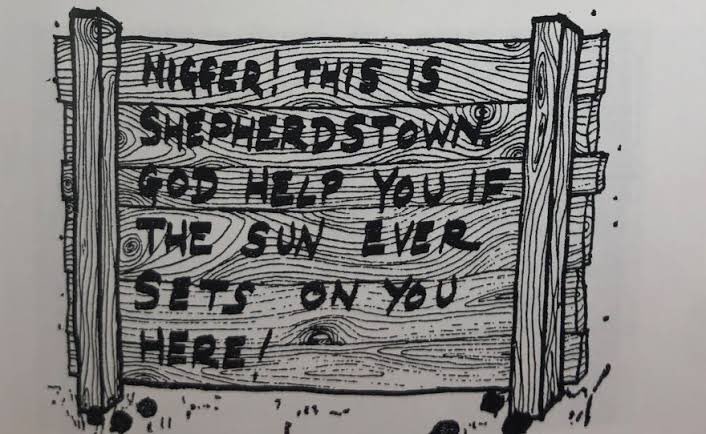
A sundown or sunset town was a town, city, or neighborhood in the US that excluded non-whites after dark.
The term sundown came from the signs that were posted stating that people of color had to leave the town by sundown.
A THREAD!
In most cases, signs were placed at the town's borders which read: “Stranger/Negro, Don't Let the Sun Set On You Here." The exclusion was official town policy or through restrictive covenants agreed to by the real estate agents of the community.
The policy was usually enforced through intimidation. This intimidation could occur in a number of ways, including harassment by police officers or neighbors and in some circumstances violence.
The phenomenon of sundown towns was the impetus for Harlem civil rights activist Victor Green to write the Negro Motorist Green Book, which detailed safe places for Black travelers to rest and eat without fear of harassment, threats or death.
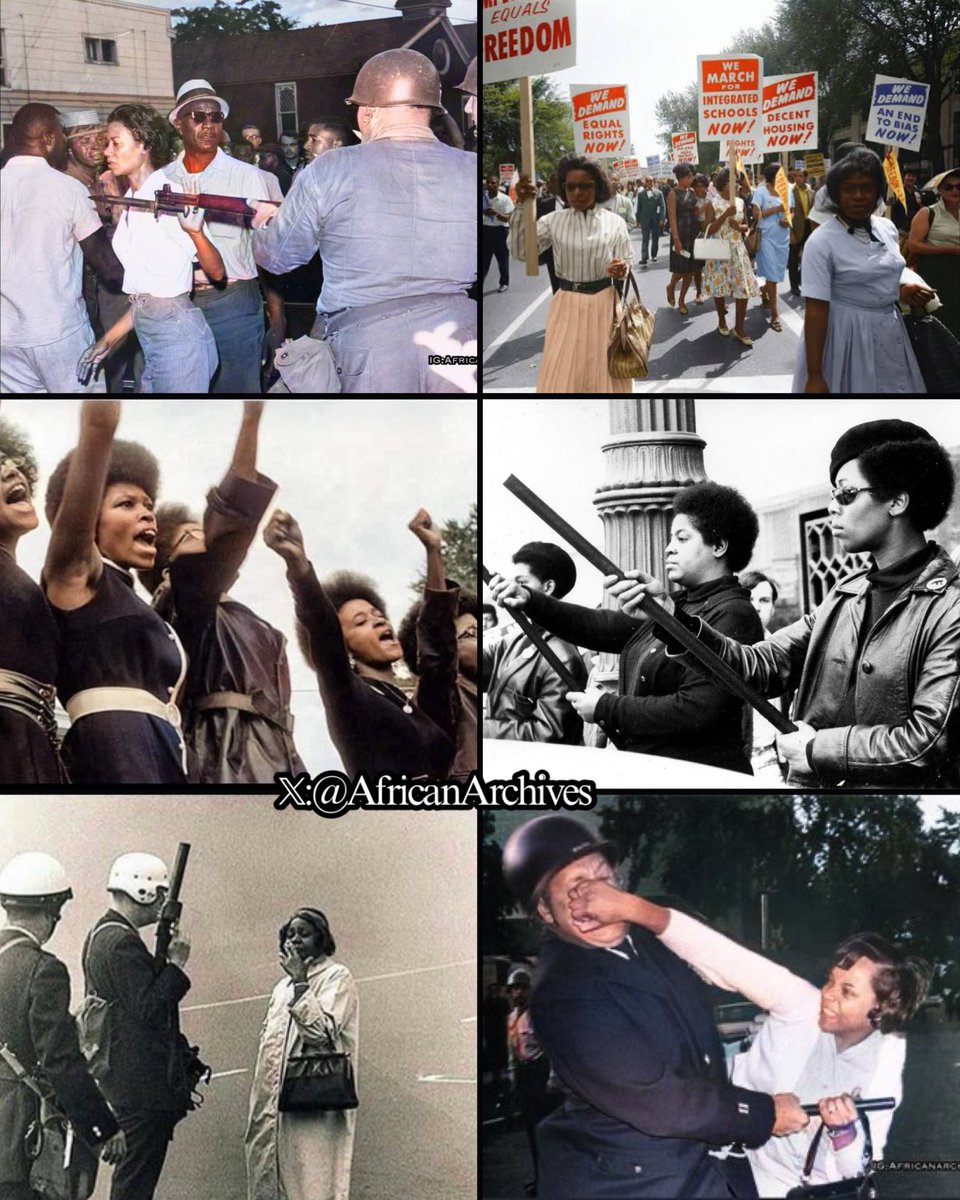
With the 1968 Fair Housing Act, sundown towns became illegal (on paper). Many people are surprised to learn that some of the places they live, were once sundown towns. Contrary to popular belief, sundown towns were a Northern and not Southern phenomenon.
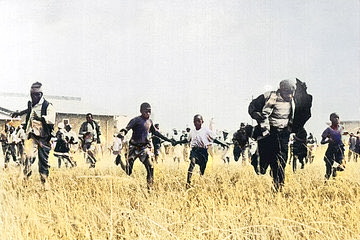
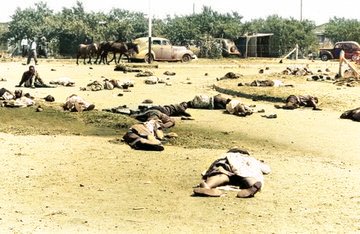
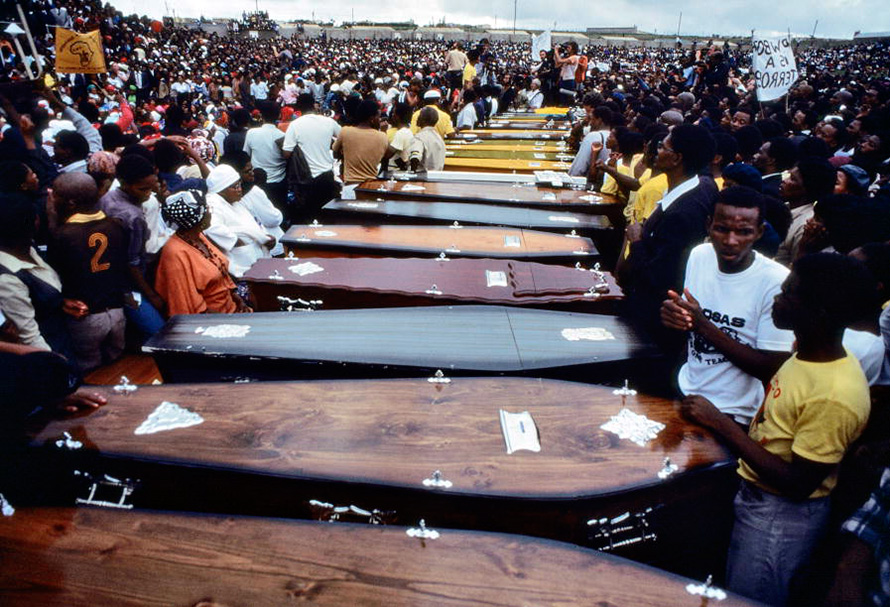
Today we honour the memories of all the lives lost on this day in 1960, when white police in apartheid South Africa killed over 80 black people and wounded 186 on what is known as the Sharpville Massacre.
-Thread-
The Sharpeville Massacre occurred on 21st March, 1960, in the township of Sharpeville, South Africa. It resulted in the largest number of South African deaths(up to that point) in a protest against apartheid.
Sharpeville, a black suburb outside of Vereeniging (about 50 miles south of Johannesburg), was untouched by anti-apartheid demonstrations that occurred in surrounding towns throughout the 1950s. By 1960, however, anti-apartheid activism reached the town.
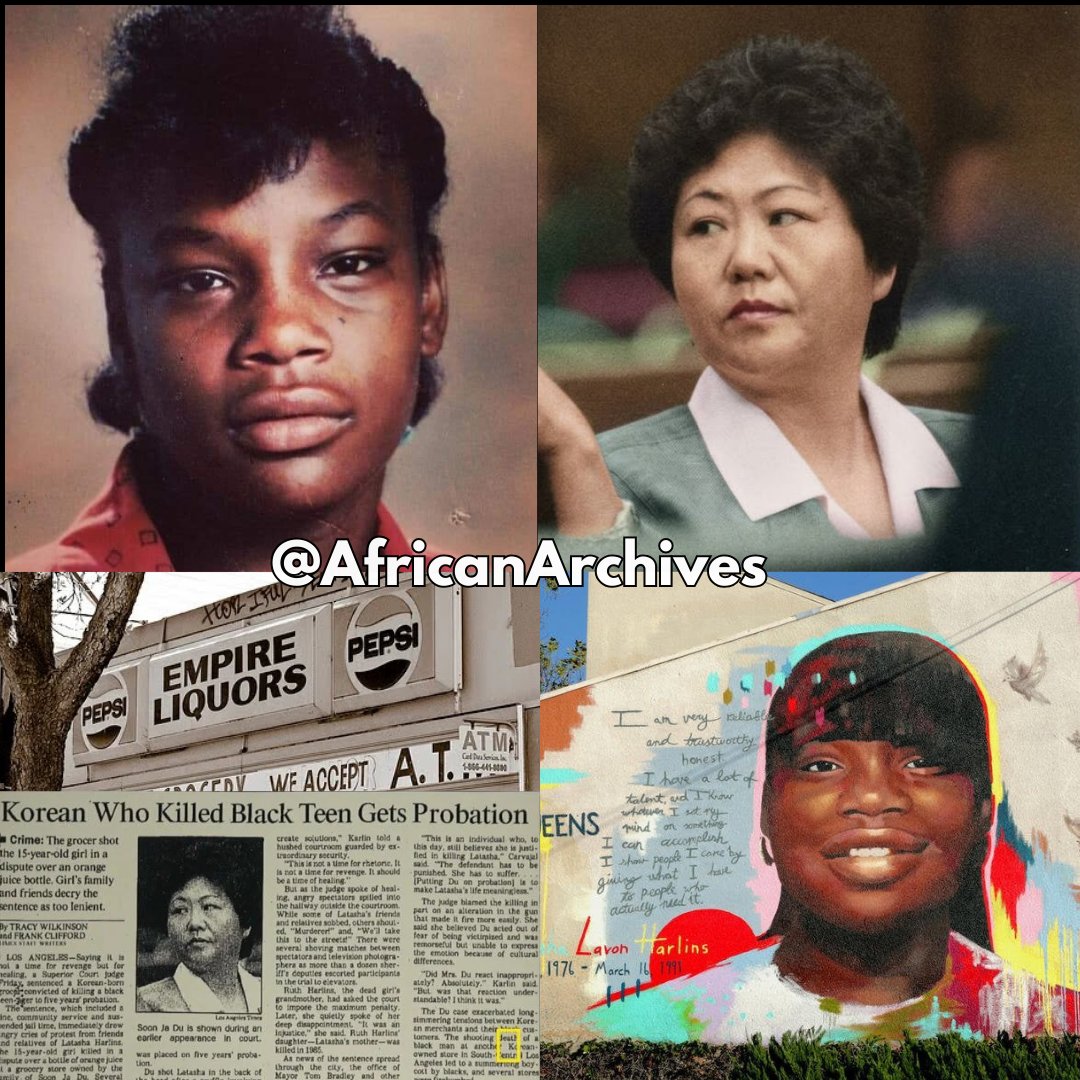
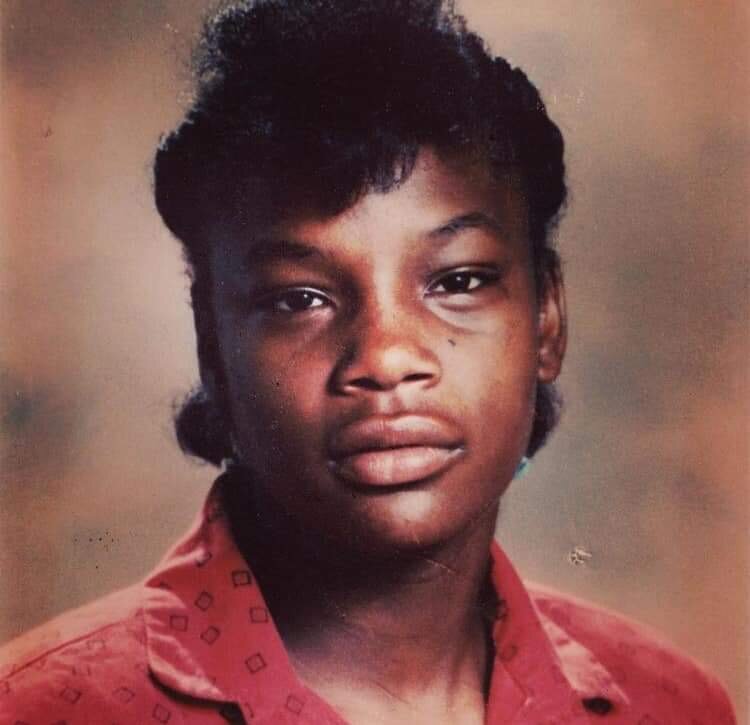
35 years ago today, Latasha Harlins, 15, was fatally shot by a Korean shop owner, Soon Ja Du, over a bottle of orange juice, it became a major spark for the 1992 Los Angeles Riots.
thread
On March 16, 1991 Latasha Harlin’s short life came to a violent end in the midst of racial tensions in Los Angeles, California, and became a major spark for the 1992 Los Angeles Riots.
By the late 1980s, racial tensions were high in South Los Angeles, and especially between Korean storeowners and Black American residents of the city.
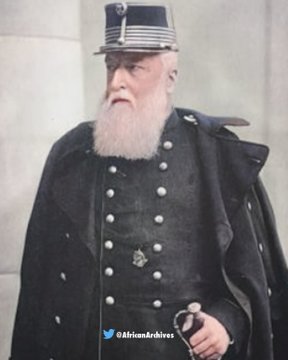
"I do not want to miss a good chance of getting us a slice of this magnificent African cake." —Leopold II of Belgium
Before Hitler killed 6 million Jews.…. Leopold Il of Belgium killed over 10 million Africans in Congo and amputated the arms of countless others.
A THREAD
After the Berlin conference of 1884-1885 ( conference where European nations established the 'legal' claim that all of Africa could be occupied by whomever could take it), different European nations set out to mount their flags all over Africa.
The nations set out murdering africans, and then taking their wealth to make Europe wealthier.
King Leopold II set out for the Congo and declared it his territory proclaiming it his property, the people and the land, quickly turning the land into a money-making enterprise.
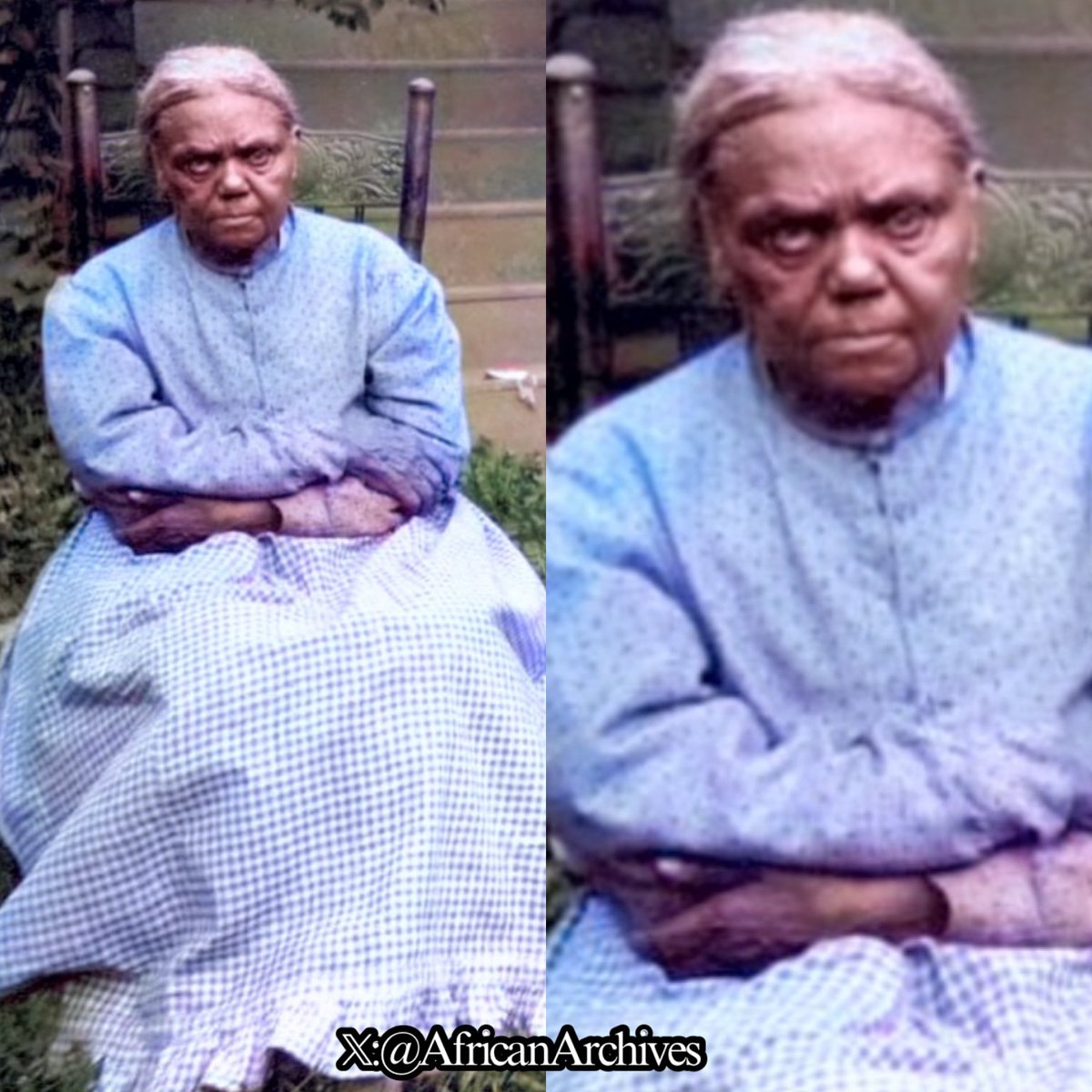
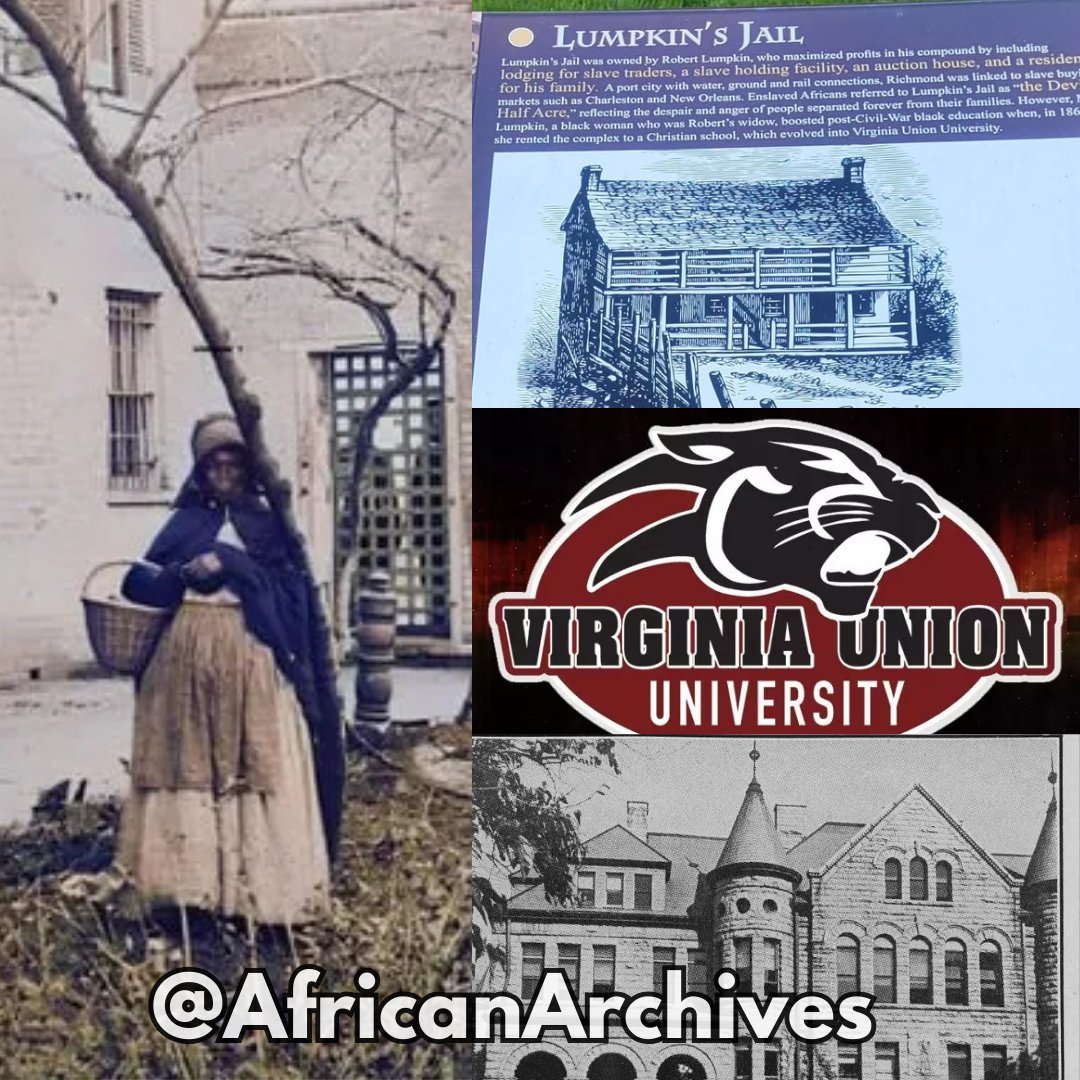
A formerly enslaved woman, Mary Lumpkin, liberated a slave jail known as ‘The Devil’s Half Acre’ and turned it into an HBCU.
A THREAD
Mary was sold to a man named Robert Lumpkin at the age of around 13 and was forced to bear children for him & help him run a slave jail in Richmond, Virginia. It was known as Lumpkin’s jail.
Slave jails were sites of confinement & torture for enslaved men, women and children who tried to escape from slavery to free states or who were waiting to be sold.
Inventions that wouldnt exist without Black Women. #WomensHistoryMonth
—THREAD—
Valerie Thomas, NASA physicist, invented 3D Movies
In 1977, she developed the illusion transmitter, the 1st mechanism that allowed images to be viewed in 3D using concave mirrors & light rays.
Dr. Shirley Jackson research paved the way for numerous developments in telecommunication including the Touch-Tone Telephone, the Portable Fax, Caller ID & Call Waiting.
She was the first black woman to ever earn a doctorate from the Massachusetts Institute of Technology (MIT)
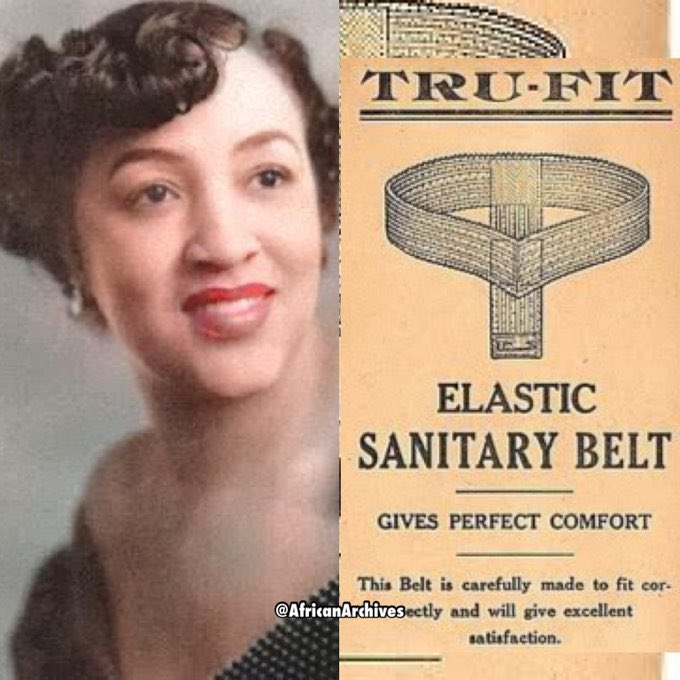
Mary Beatrice Kenner changed the world of feminine care with the invention of the sanitary belt, the forerunner of sanitary pads.
Her creation was considered to be the first form of modern menstruation protection.