
Agentic payments will be a huge trend. But it's not here yet. I had the most bearish take in this article, and I want to explain why, because crypto has a bad habit of getting high on its own supply and giving unrealistic timelines about technology.
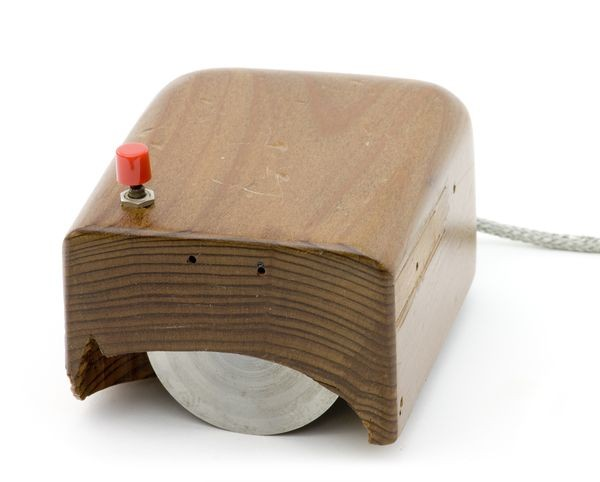
Take the mouse. This is what the first computer mouse looked like. Imagine seeing this thing and peering into the future--no more terminal interfaces, now GUIs would onboard billions onto personal computers.
You'd be right! But the first mouse was invented in 1964. It took many years before the mouse would be widespread and commercialized.
This is where agents are right now. OpenClaw gives you a tantalizing picture of where we're going. But if you've actually used OpenClaw, you know it's buggy, complicated, and is not smart enough to have it manage your money. It routinely ends up going bankrupt doing stupid shit.
That will change. Right now OpenClaw is using models out of the box on tasks effectively outside of the training distribution. That's why it feels so broken.
But none of the labs have RL'd against OpenClaw traces yet--and those traces are rich with signal. Once you see the first lab-released Claw-style model and harness, expect a huge jump in performance and consistency. Every lab has tons of OpenClaw data now, and they're all working on this, because they see how big the prize is.
Expect this to take some time. Right now it's just the tinkerers playing around with this stuff. x402 is only doing a ~million in volume a day (and MPP much less), which shows that right now it's just tinkerers.
But a next generation of models will likely be released within months. That will spell the end of the tinkering era and the start of early adopter phase.
But even that will be early. The early majority will take years. This is a long-term story--the early adopters, the early majority, the late majority, and then the late adopters. But agents are coming for everyone, and they will change how all money moves.
As the @cdixon mantra goes: what smart people are doing on their weekends and evenings, everyone will be doing in 10 years.
Take the mouse. This is what the first computer mouse looked like. Imagine seeing this thing and peering into the future--no more terminal interfaces, now GUIs would onboard billions onto personal computers.
You'd be right! But the first mouse was invented in 1964. It took many years before the mouse would be widespread and commercialized.
This is where agents are right now. OpenClaw gives you a tantalizing picture of where we're going. But if you've actually used OpenClaw, you know it's buggy, complicated, and is not smart enough to have it manage your money. It routinely ends up going bankrupt doing stupid shit.
That will change. Right now OpenClaw is using models out of the box on tasks effectively outside of the training distribution. That's why it feels so broken.
But none of the labs have RL'd against OpenClaw traces yet--and those traces are rich with signal. Once you see the first lab-released Claw-style model and harness, expect a huge jump in performance and consistency. Every lab has tons of OpenClaw data now, and they're all working on this, because they see how big the prize is.
Expect this to take some time. Right now it's just the tinkerers playing around with this stuff. x402 is only doing a ~million in volume a day (and MPP much less), which shows that right now it's just tinkerers.
But a next generation of models will likely be released within months. That will spell the end of the tinkering era and the start of early adopter phase.
But even that will be early. The early majority will take years. This is a long-term story--the early adopters, the early majority, the late majority, and then the late adopters. But agents are coming for everyone, and they will change how all money moves.
As the @cdixon mantra goes: what smart people are doing on their weekends and evenings, everyone will be doing in 10 years.
• • •
Missing some Tweet in this thread? You can try to
force a refresh






